
The primary thesis of this analysis is that a deep, intuitive understanding of a game’s genre is the most critical factor in successful game development, superseding operational concerns like management, production processes, and team structure. While administrative and leadership tasks are necessary for studio stability, they are not the primary drivers of a game’s ability to resonate with players. Instead, the most successful titles function as an "ode" to their genre, demonstrating a bone-level comprehension of what makes that specific category of play compelling.
The analysis posits that developers must move beyond treating genres as mere market opportunities and instead approach them as a labor of love. This requires extensive immersion and playtime to internalize the nuances that define a genre’s appeal. To translate this passion into actionable development, the author identifies three essential pillars: the emotional root, which defines the core feeling of the experience; the fantasy, which dictates the player's role and aspirations; and the currency, which represents the fundamental trade-off the player makes during gameplay, such as exchanging safety for knowledge in horror games or effort for system efficiency in automation titles.
The scope of this perspective is informed by twenty years of industry experience across AAA and indie environments. The methodology relies on qualitative observation of industry trends and project outcomes, suggesting that while small teams may operate on intuition, larger studios must explicitly articulate these genre-defining elements to maintain a cohesive vision. Ultimately, the document serves as a strategic framework for studio leaders, urging them to prioritize genre alignment and genuine passion as the foundational "order of operations" before addressing the logistical complexities of game production.
Game Studio Unlocked · 2026

Game Studio Unlocked · 2026

Game Studio Unlocked · 2026

Game Studio Unlocked · 2026
Game Studio Unlocked · 2026
Game Studio Unlocked · 2026
Game Studio Unlocked · 2026
Game Studio Unlocked · 2026
Game Studio Unlocked · 2026
Game Studio Unlocked · 2026
Game Studio Unlocked · 2026

Game Studio Unlocked · 2026
BITKRAFT Ventures · 2026
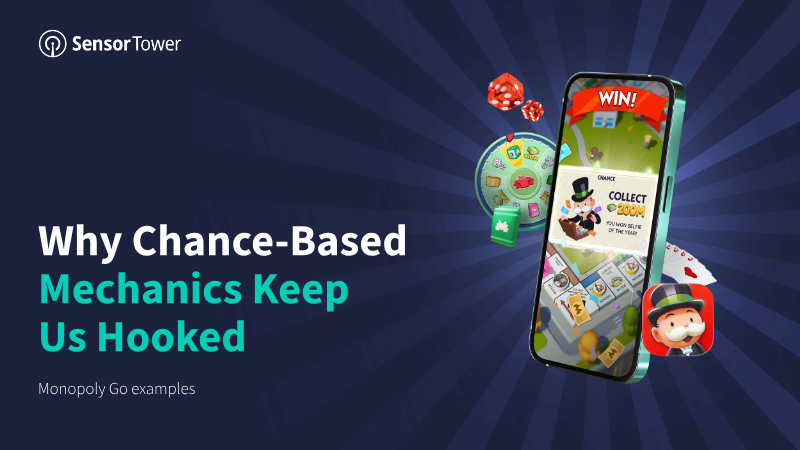
Sensor Tower · 2026

AppMagic · 2025
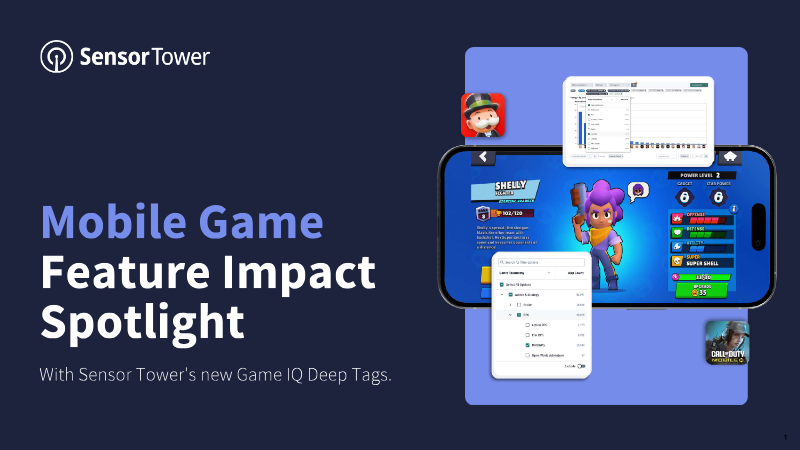
Sensor Tower · 2025

Sensor Tower · 2025
Newzoo · 2025
Facebook Gaming · 2025

AppMagic · 2024
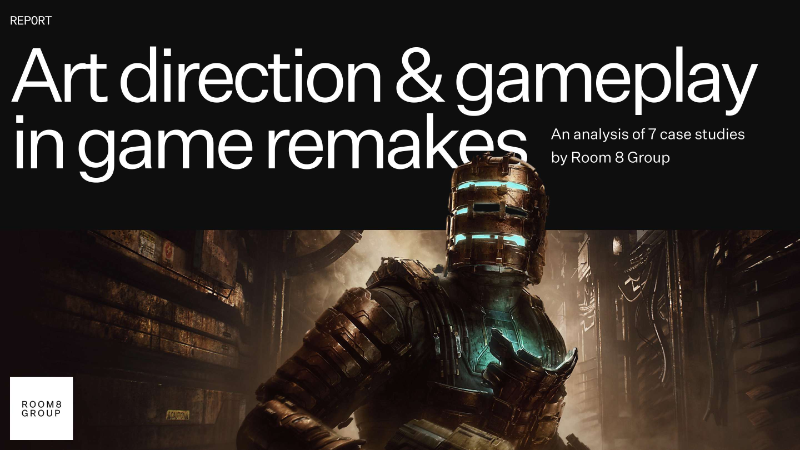
Room 8 Group · 2024
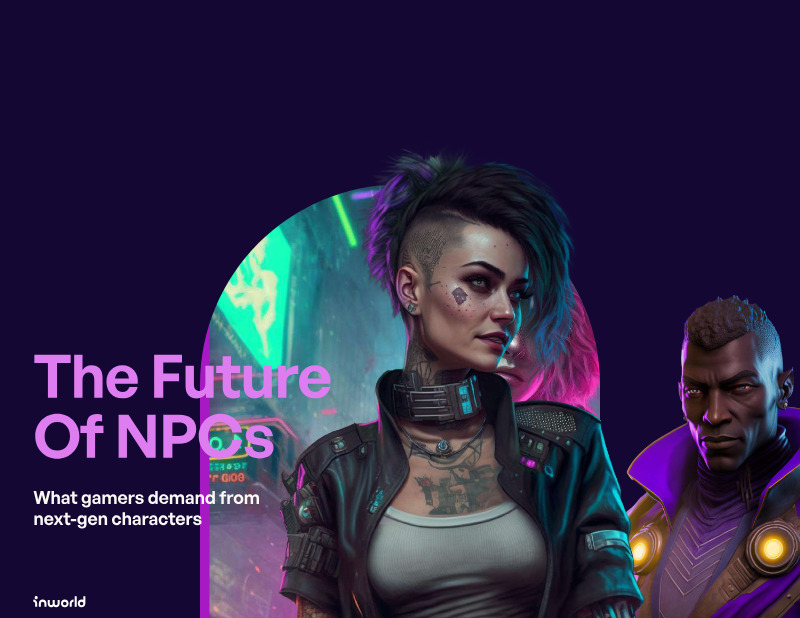
Inworld AI · 2023
Skillprint · 2022
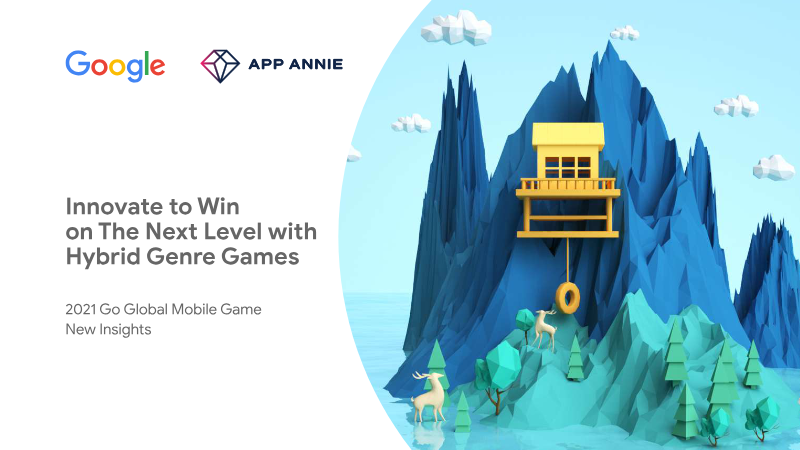
data.ai · 2021