Loading the document
1 free read left. Create a free account for unlimited reading + AI research.
Create free account
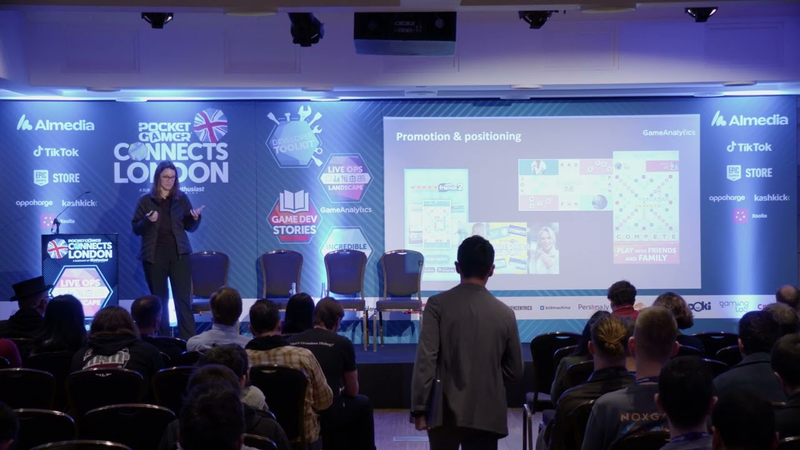
Session: Hill Climb Racing 2 – Ten Years Of Dead Ends & Detours - Otto Simola, Fingersoft.
Key insights
Distilling the key insights…
Ask AI about this video
Transcript
[music] [music] [music]
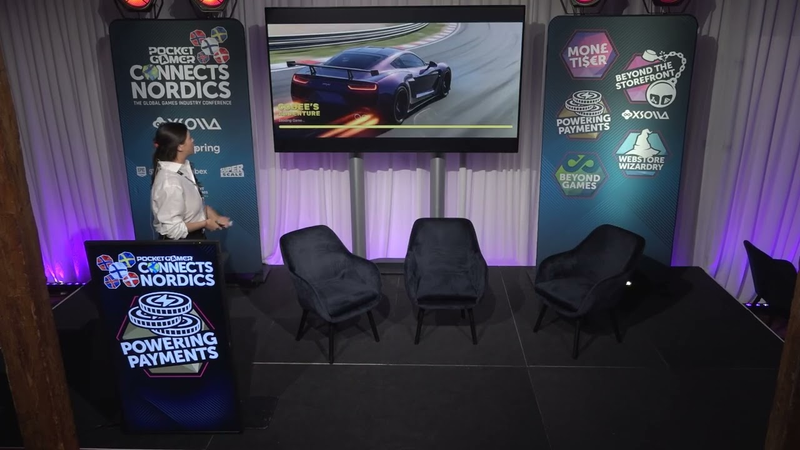
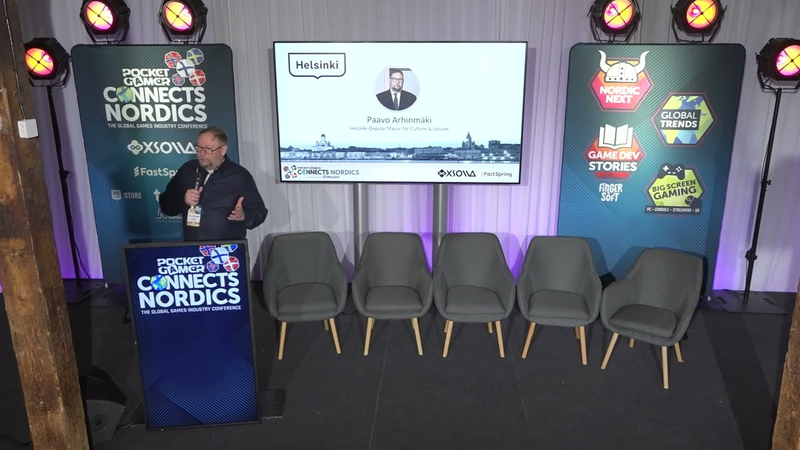
Up next, I would like to welcome Otto from Fingersoft who is going to be looking at 10 Hill Climb Racing through 10 years of dead ends and detours. So, please welcome Otto to the stage.
[music] [music]
Alrighty then. So, that's Hill Climb Racing 2 and it's turning 10 years this year. Just celebration starting in November. So, and that's what I'm about to talk about here. And it was great that we could have the uh video just before my presentation because I'm a bad product marketing manager. I didn't brand all my slides with Hill Climb Racing 2 logo, but that's the context. That's the game that I'm talking about today. And let's go forward. So, Fingersoft,
the sponsor of the track. So, as a company, Fingersoft was was founded 2012 when the original Hill Climb Racing was released. And our headquarters is in Oulu, which is like just straight north from Helsinki. Like around the middle of Finland. And and then we have a small office in Helsinki. 90 people working in Oulu and around like and and then 10 people working in Helsinki. So, uh we we like to be in the north. And and also we've been happy to get like uh 20 different nationalities inside our company working for us. And that's actually a They quote this from one uh old employees survey. So, someone wrote like that that we are weird but nice. And I think it's kind of true. We do things a little bit differently. And might have like interesting humor every now and then. And about me. So, I I kind of like running this fast because Tommy was so fast. So, I kind of like got into this
feeling that I have to do it fast. And also I don't have like too much time also to cover 10 years. But yeah, so about me quickly. My role is at the moment a product marketing manager for Hill Climb Racing 2. Uh I've been only 1 and 1/2 months in that role. So, I've been changing my title so that no one can track me. And people don't know what I'm doing. But uh uh I I used to be a head of player acquisition and monetization. I had the whole funnel. Then I was on the monetization side. And ad monetization manager is something that everybody in the company still thinks that I'm doing ad monetization. But I'm not. And I've been 10 and 1/2 years at Fingersoft. So, that covers the Hill Climb Racing 2 timeline. And yeah, and I started as a game developer and software engineer. And I have some background on the university on theoretical physics. Haven't been using that lately too much. Okay, but getting to the point because not about me, about Hill Climb Racing 2. So, how everything started for Hill
Climb Racing 2. So, there's a small town just a little bit south from Oulu. It's called Kempele. And there we had an office. It was a normal like residential house, and we were over there and and Hill Climb Racing 1 has we had been like a huge huge success success and and and then like making a sequel for that. And then starting the prototyping. And this is the kind of like how it looked like. I don't know if this has been ever shared before, but this kind of like Hill Climb Racing 1, but then there are ghosts, so that there are like there's competition against other players. And this was the kind of like the original idea that we want to make Hill Climb Racing 1 but little bit better against others. And you can see the WC, it's not a toilet, it means World Cup. And that was actually the original name for the game, the working title Hill Climb Racing World Cup. And of course then changing it because well, it looks like a toilet, not the World
And yeah, and then we go into the launch. This is actually my picture from the decade before I I actually created then back then. This is showing like the I guess the timeline it starts from when the game was like launching and launched and and this kind of like the concurrent users. I don't know how accurate this data so don't pay attention too much on the on the numbers there, but you can see the growth how things started going and you can see also those vertical lines, which means that the servers were crashing.
[laughter]
And then the concurrent users went to zero, then there were like longer and shorter periods of of things going sideways until the 15th of December 2016 where everything went down like they kind of like almost exponential growth and then the data also went wrong and then the motor happened.
And this was just before Christmas holidays and people were fixing that during Christmas holidays, and everybody was working on Christmas, and we were able to fix it, and we started growing from that. So, that was maybe the first dead end of what we do when we have more more users than we were expecting, and we were crashing down. So, [snorts] we fixed it, but this is how it looked like. You saw the saw the video, and if you go to the store and download the game, so it's completely different now, but this is the kind of like the starting points, and there are still familiar things inside of the game, but something something was missing in the game. There was all every vehicle in the game was having four different things that you can upgrade. And that means like if you have 20 different uh 20 levels of upgrades for different parameters, 10 different vehicles, so that makes your game's depth it's easy to calculate this eight 800 uh steps, and then you're done. You're
completed. If you have 10 vehicles we I have I think we had even less. So, something needs to be done. We need more content, we need more vehicles, we need more competition, and more meta. And there that's when we released the tuning parts, and I I think this is kind of like the most under looked feature of the game. This was actually something that uh exploded the depth of of the game. So, after this like every vehicle was having over 10 different uh parameters inside them that you can upgrade. Uh you can you are not you cannot buy any of these like immediately all, but you can you are getting this from chests, so you have to really play the game to get the tuning parts. And then this basically like takes the depth very deep like comparing to 800 this is like I can't even calculate like even my university background like how many steps you have. And then also like you you if you max something you have a
way of also of scrapping those down. This is basically like a deck mechanic like a card mechanic at the end the day, but kind of when when when creating a game, this kind of things easily get like forgotten. So, that yeah, yeah, let's just make a nice game, but then like they don't there's no depth. And this is something that you really have to play and grind for. And after 10 years, I've been playing the game for 10 years, and I definitely don't have all the tuning parts still. And I'm very far away from that. And that is the thing. And also the scrapper, so that you can over over get those that we don't have to limit, but you can scrap and make new tuning parts out of those. And then, of course, you need the power. Where do you need the power? You have to have the social events. You have to have the We have to When this was like before 2020, so we had the single player event and multiplayer event. So, in both you need more power for the vehicles, so that incentivizes you to upgrade your
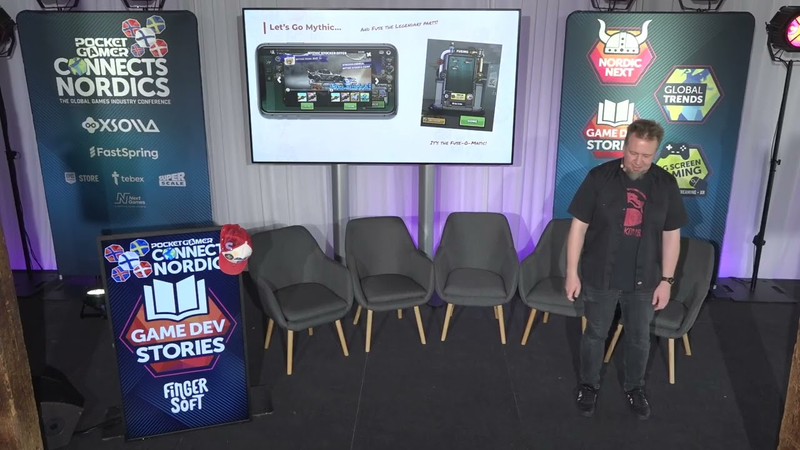
vehicles and also use all the vehicles, not only the one that is your favorite, but this kind of like requires certain set of vehicles and and then to succeed in this event. So, you have to use all of them. You have to upgrade all of them. So, that is kind of like a sec- second uh way kind of like not the the detour to just like get forward with the kind of like the depth issue and and people spending spending time and money. And this is actually how it looks today or will be looking in November. Don't share this because this is this is upcoming stuff and people don't like me sharing upcoming stuff. Just joking. We have been actually sharing this in socials. Uh so, we have those different levels of uh tuning parts and the starting from the common and you know the basics like common, rare, legendary. And now we are going to have the We We this year released the mythic tuning parts. And now we have a way of like creating
uh new mythic tuning parts from legendary parts. So, we have the fusion mythic machine, which is doing that. And that's kind of like the next level of end end depth in inside of the game. So, this is just like small glimpse of what's happening at the moment and also like over there you can see like how much the game actually has changed from the original days even though that is an offer, but they're kind of like everything happens that the background is is the Halloween UI actually that is is like at the moment in the game. So, this is where we are at now. But then this is uh I guess there's the uh post post 2020 so coming the this decade. So, the critical dead end something happens like we are creating content we are creating things and the curves look like this like the up now goes down since 2020 gradually declining uh up MAU uh the revenue uh average revenue per monthly active
user. How why does it why is it happening? So, we noticed and started looking at like not all the releases that we are creating they are not creating growth. And we we needed to understand like why [snorts] even though like we ship everything we we have like a multiple like we have like every month or every second month an up month an update for the game. So, update carries a little bit but then still numbers go down. And uh kind of like we didn't have the idea of like how these things like uh very so kind of like have an effect in the long term. It was more like okay, let's make more vehicle skin. Let's make more vehicles. That's an infinite loop even though it isn't. Somehow it goes down. So, we were thinking like how how we can fix this because this is this is fatal for the company even though like you are quite successful but if your revenue revenue start going down and you push just like more stuff out and nothing happens. So, you really have to think about the process. And we started
thinking about the process in in 24 when when just where the curve ended over there and uh we're thinking like every road map item that item that we are having for the game need to have pre like before it's implemented it has to have the expected impact and then when it's out the real impact and we have to measure those and see like how did it go? How how much we got the uh more money or more engagement or better retention from those. And then low impact initiative even if in in in the development phase if they like look like okay this is not going to go anywhere. So they were removed from the road map and also new ideas were replacing those and then if it's moving the KPI so then we are going to keep them there. And uh so this was like how we changed the update process. This was how we changed the uh approach for the for the whole road mapping that it's
always need to have the mix of long-term goals and not just new features after features which were fixed isolated and not improved but kind of like just doing. And also like the goals but but where over there like looked really like on the road mapping process where they kind of like obviously the monetization potential. I had the monetization background so I I I put that always like in the in the top and and then of course retention but not retention as a whole like we have a huge organic audience so how do you know like is what what kind of like targets you can have for that for retention but then the most engaged users should have uh good retention and that looking at also like different segments. And of course effectiveness of market spend so that our use user acquisition is profitable. So that kind of like something that look at it. Every feature like need to have something to do with this. And so this is this is Robert Magyar. He used to be in my team but now we are kind of like working in the same team so
he put it very nicely that we evolved from shipping standalone content into building scalable systems. So this is this is the feature you can call it system. And then we have it's having like a monetization a long-term impact. So I I think this is very important learning that we started doing. It wasn't just like fun and games. Let's do whatever everything will work. And this is the result of of like what happened to the RPM AU. So, it started going up because we really really tried to make those uh we we this is made made those decisions to like support this not like just trying everything at the same time. And then, what's what's next? As I said, we are turning 10 years. We are celebrating in in starting in November. And it's not going to be like traditional celebration and traditional cakes and and gifts, but there's definitely going to be a lot of gifts in the game. So, if you're playing Hill
Climb Racing 2, I definitely recommend coming every day in November to Hill Climb Racing 2. But, uh since I'm running out of time, so I'm going to talk about more about the future. So, I think if you have questions, we can talk. You can also find me from there. And uh thank you.
[applause]
Oh, we have a question right here already. Yes, and there and there. I've seen a few hands up already.
Hello. Very interesting. Thank you. Uh when you have the big pivot of the users going up, was there something specific or something that was hard to let go or to pivot into?
I think the hardest part was for the for the game team. What I've understood is that okay, now you have to do monetization monetize it like that was kind of like how much is going to bring us money. That was kind of like the
premise because we were doing quite bad in 2014. We had layoffs and everything. So, uh So, then kind of like that was maybe kind of like something that when can we do something else then? Like when can again do the features? And then we kind of like had to also like start doing the features, not not everything wasn't like uh money money money and that was I think that was mentally quite challenging, but people know knew that we also need to need to survive and we have to pay our salaries. So, but kind of like the mindset changing that that I I think it was like a little bit challenging. And and of course like still people are a little bit like struggling with that they or they have learned to ask whatever you say they ask like what's the price tag, how much is going to pay us money. I was like, "No, no, no. We we also have to have the engagement and retention and and they are they are not always complementary, but still you have to think about other KPIs also at the same time." I don't know if this answered well, but yeah.
Hey Otto, great presentation. I'm here.
Oh, there. Yeah.
Hi. I wanted to know if in these 10 years and mostly the before and after you saw a generational change or more you reactivated churned players. How did it look like? And thanks.
That is actually a good question because we've been having so huge amount of people playing our games and we don't exactly know they are changing devices, they are changing their accounts, so we cannot completely know like who is exactly returning players and who player and who is who is actually a new player. Obviously, we know that we have a big segment of users who have been playing already for 10 years and they are still keep on playing and they might even like be more engaged than before because that's kind of like the main reason for bringing all the time new content was that okay, we need to keep our old players happy and that wasn't that was kind of like complementary to getting new players and we kind of like omitted the tutorial and
FTUE and and then like okay, day one retention started going down like okay, we need to start looking also this beginning of the journey and then the middle journey and the end game. So, also splitting it like that.
I think there was was there one more question over there? Yeah, it's over there.
By the way, there was like some sticker sheets over there uh on the on the front seats, but if someone wants to have like Hill Climb Racing 2 stickers, but again came here by me advertising in LinkedIn with the merch, so I I still have a couple of left. Yeah.
Yeah, what made you establish another office in here in Helsinki and how has that worked out?
It's it's been quite good. We wanted to keep it quite small, so that we would like people to come to all of but not everybody want to or can move to all so so that's maybe the main reason that we want to enable people who are living here in Helsinki so also to work for us. So that's maybe they kind of like practical reason and it's been working
quite well in my opinion.
I've been to the Helsinki office actually and it's um
[laughter]
Yeah, no, I've been to that office actually. It's a very very intimate very lovely office actually.
Yeah, it is it is quite small.
We have time for one more quick question if anyone has one. I think there's there's one over there. Sorry. Sorry. Sorry about that.
Um what would you say was the single most impactful change you made toward the growth of the game?
There was so many changes overall, but but maybe it was also like I said as I noticed so they kind of like getting getting more depth and and also like certain kind of processes like how do you have to like utilize different vehicles and and different things inside the game. So I I I cannot maybe point out like one particular thing, but it is like more that still even though you've been playing for a long time, you still have a reason to continue and having the
social features. We actually one of the things small thing we enabled gifting like you can gift the things in a in inside a team for example and also the team feature that you are kind contribute inside a team like for the whole team buying like team chest for example. So that is that was like one example of like improving old feature taking it to a next level. So, maybe that yeah. Thank you.
Brilliant. Can we give Otto a lovely round of applause, please?
Thank you.
[applause] [music] [music] [music]
Summary
Otto Simola of Fingersoft presents the ten-year history of Hill Climb Racing 2, framing it as a series of dead ends and the detours that followed. The game began as a sequel concept with ghost-racing competition, originally titled "Hill Climb Racing World Cup." Its launch brought server crashes, including a major failure on December 15, 2016, which the team fixed over the holidays before growth resumed.
The central problem was depth. Each vehicle had only a handful of upgrade steps, so content ran out quickly. The team introduced tuning parts, which raised the number of upgradable parameters per vehicle to over ten and created a long grind through chests, scrapping, and power requirements tied to social events. This deepened engagement and spending, and the team now plans mythic tuning parts crafted through a fusion machine.
After 2020, monthly active users and average revenue per user declined despite frequent updates. Simola explains that the response was a change in process: every roadmap item now needs an expected impact before development and measured results afterward, with low-impact work cut. Priorities include monetization, retention across player segments, and profitable user acquisition. Simola says this shifted the company from standalone content toward scalable systems, and that user numbers began rising again. He also describes internal tension between monetization and engagement KPIs, and cites gifting and team features as improvements to older systems. The talk closes with plans for a 10-year celebration in November.







Comments