Fingersoft
Company
11 documents in the library are about Fingersoft, from writers such as PocketGamer.biz, Finnish Game Developer Studios Association and Game World Observer. Each has a summary and key insights with the page they come from.
Connections
The documents about Fingersoft on the inner ring, the other games and companies they name on the outer one. Select a cover to see it up close and open it in a new tab; drag to move, pinch or Ctrl + scroll to zoom.
Documents about Fingersoft

What’s going on at Rovio, Miniclip’s new ad network, Squad Busters’ last rites, RedLynx closes, more
The mobile games industry is currently undergoing a period of significant restructuring, characterized by studio closures, project cancellations, and a strategic pivot toward established intellectual property.
- Mobile game spending declined by 7% in Q3, with only three of the top 20 grossing titles being less than two years old, highlighting a significant barrier to entry for new games.
- Major publishers are aggressively pruning portfolios, resulting in the cancellation of Supercell’s Squad Busters, Ubisoft’s Rainbow Six Mobile, and Fingersoft’s Lego Hill Climb Adventures.
- Ubisoft is closing its Helsinki-based studio RedLynx as part of a broader industry trend of studio closures and project cancellations.
🚨📢 BREAKING NEWS: New Hoyoverse game, D2C stuff, layoffs and a WhatsApp game
The current state of the mobile gaming industry is defined by a significant shift toward direct-to-consumer (D2C) monetization, ongoing corporate restructuring, and the integration of artificial intelligence in operations.
- Mobile game direct-to-consumer (D2C) revenues are projected to reach $17 billion this year, driven by 53% of publishers planning to port titles to browser platforms to bypass traditional app store billing.
- AppsFlyer secured over $1 billion in funding at a $2.7 billion valuation, signaling continued investor confidence in mobile infrastructure despite broader industry volatility.
- Corporate restructuring persists as Electronic Arts continues workforce reductions during a $55 billion acquisition process, alongside notable layoffs at Netmarble subsidiary Kabam.

Week in Mobile Games E70 - Squad Busters shuts down and Google Play's transformative changes
The mobile games industry is currently navigating significant shifts in development strategy, platform regulation, and corporate restructuring.
- Supercell is shutting down Squad Busters, which launched in May 2024, after the game failed to meet internal performance expectations despite generating over $100 million in lifetime revenue. In-app purchases will be disabled on October 30, 2024, and the game will receive its final update in December.
- Following an injunction in the Epic Games vs. Google case, Google Play in the US is now required to allow alternative payment methods and permit developers to communicate pricing options outside of the Google Play billing system as of October 29, 2024.
- Amazon is cutting approximately 14,000 corporate jobs, with significant layoffs impacting its games division, specifically in the San Diego and Irvine offices, alongside the closure of the game New World.
Week in Mobile Games E35 - Facebook Instant Games is back! | Games First 2024 takeaways
The mobile gaming industry is currently navigating a period of significant structural transition, marked by shifting platform regulations and evolving monetization strategies.
- Facebook Instant Games has introduced in-app purchases on iOS, a strategic move to bypass the 30% platform revenue share and lower barriers for web-based gaming.
- Mobile studios are facing significant instability, evidenced by recent layoffs at Fingersoft due to falling ad revenue and the closure of Sony’s mobile studio, Neon Koi.
- Developers are experimenting with alternative monetization models, such as Animal Crossing: Pocket Camp transitioning from a free-to-play structure to a premium paid application.
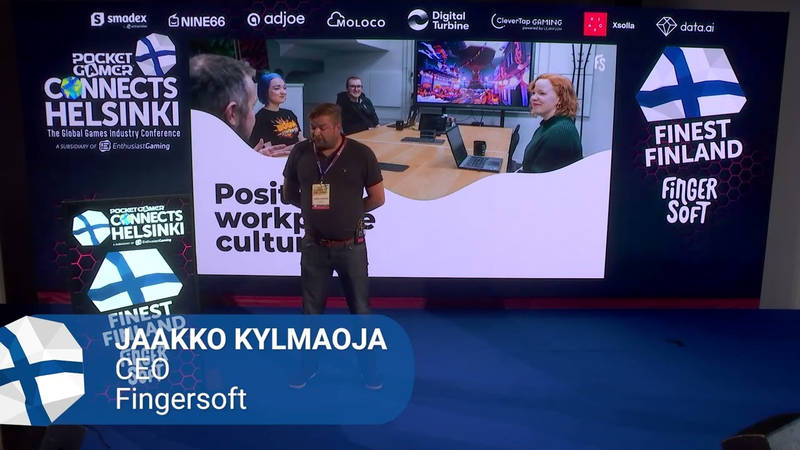
Building a Game Studio: The Blueprint for Purpose and Balance - Jaakko Kylmaoja, Fingersoft
The blueprint for building a sustainable and successful game studio centers on balancing high-performance product development with a caring, employee-centric organizational culture.
- Fingersoft achieved over two billion global downloads for its Hill Climb Racing franchise by prioritizing sustainable productivity over industry-standard burnout cycles.
- Operational efficiency experiments revealed that a six-hour workday model is more productive than a four-day workweek.
- The studio supports professional development through a dedicated educational budget of 4,000 Euros per employee every two years.
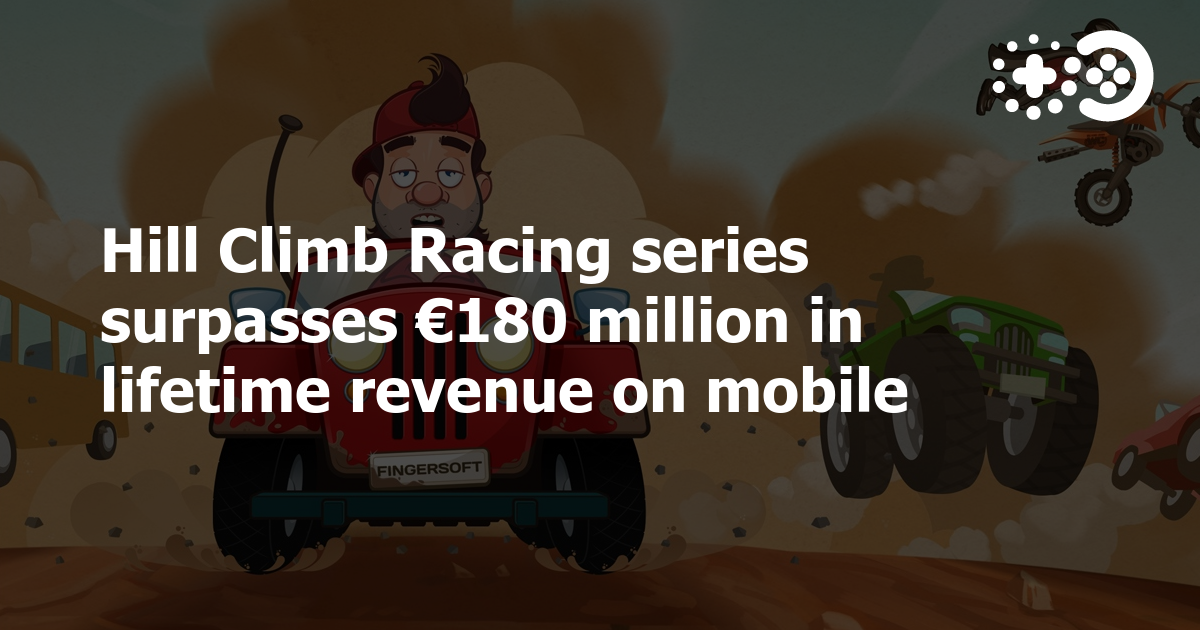
Hill Climb Racing Series Surpasses €180 Million in Lifetime Revenue
The Finnish mobile game developer Fingersoft has reached significant commercial and engagement milestones with its Hill Climb Racing franchise.
- The Hill Climb Racing franchise has surpassed €180 million in total lifetime revenue across iOS and Android platforms as of April 2022.
- The series has reached a cumulative total of over 2 billion lifetime downloads, doubling its install count from 1 billion to 2 billion in just four years.
- The original Hill Climb Racing title is the primary growth driver, accounting for over 1.5 billion of the total 2 billion lifetime installs.

The Game Industry of Finland 2020
The Finnish game industry has transitioned from a hobbyist niche into the nation’s largest cultural export, maintaining an annual turnover exceeding €2 billion for six consecutive years.
- The Finnish game industry generated €2.4 billion in turnover in 2020, marking six consecutive years of exceeding the €2 billion threshold.
- Industry stability has improved as Supercell’s share of total turnover declined to 54%, supported by a maturing 'middle class' of 46 studios each generating over €1 million annually.
- Despite a consolidation in the number of active studios to approximately 200, the sector reached a record high of 3,600 professional employees.
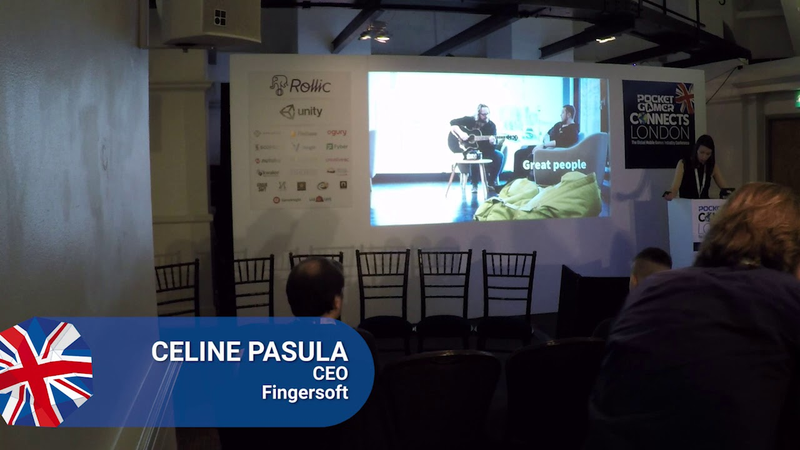
How to Bring a Game Company Still Owned by its Founders to the Next Level
Fingersoft, a Finnish mobile game studio, faces the challenge of scaling its operations while maintaining the agility that defined its early success.
- Fingersoft is transitioning from a founder-led startup to a structured organization to sustain its long-term viability in a market dominated by free-to-play models and consolidation.
- The company’s flagship title, Hill Climb Racing, has achieved over 1.4 billion downloads, serving as the financial foundation for its current operational evolution.
- Fingersoft’s core strategy prioritizes organizational adaptability and responsiveness to change over simple scaling, aiming to avoid the stagnation common in maturing studios.
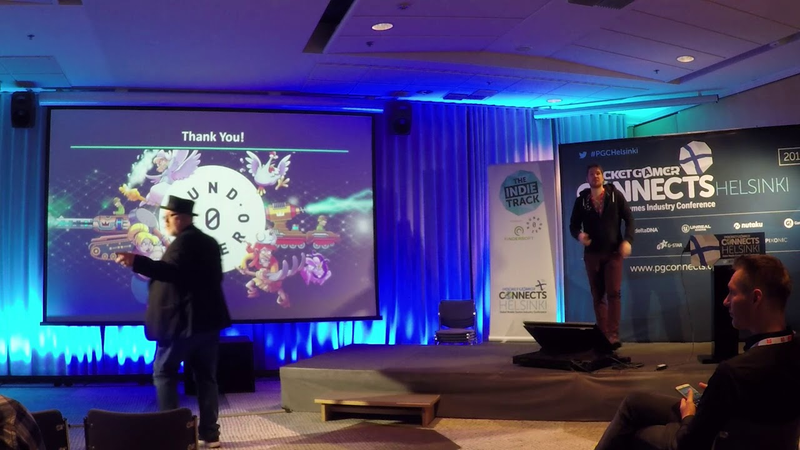
Round Zero's game evaluation process: A date with real users
Round Zero, the publishing arm of Fingersoft, utilizes a data-driven evaluation process to identify and validate mobile free-to-play games.
- Round Zero leverages the Hill Climb Racing user base to test prototypes with 100 to 1,000 users over one-week campaigns to validate market viability.
- The evaluation process sets a 30% day-one retention baseline for initial tests, accounting for backfill traffic from lower-cost markets.
- The firm has tested over 100 games since inception, achieving an 80% pass rate for monetization testing.
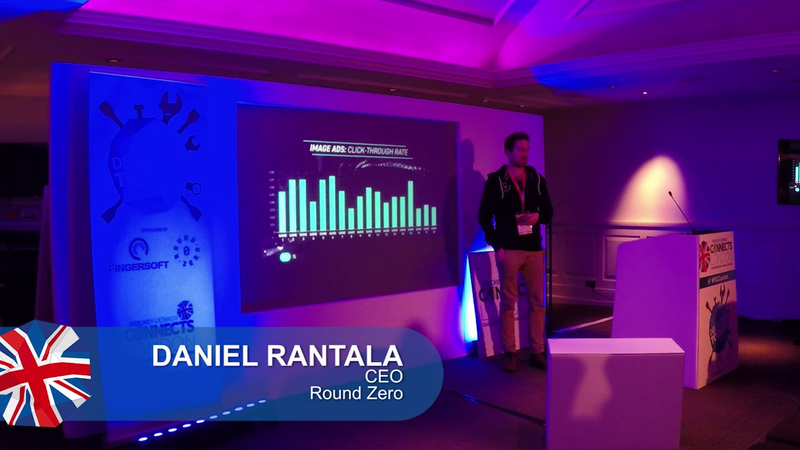
Round Zero on how to (not) get your mobile game published
The primary objective of this analysis is to outline the essential practices for mobile game developers seeking publishing partnerships, specifically through the lens of Round Zero, a publishing label spun off from Fingersoft.
- Publishers prioritize data-driven pitches over creative concepts, requiring developers to provide accessible gameplay videos and test builds rather than speculative monetization forecasts.
- Round Zero evaluates potential hits through iterative testing and cross-promotion campaigns to measure objective click-through rates and user conversion metrics.
- Casual games featuring mild, edgy themes—such as light violence or zombies—demonstrate the strongest performance among the core demographic of males aged 15 to 38.
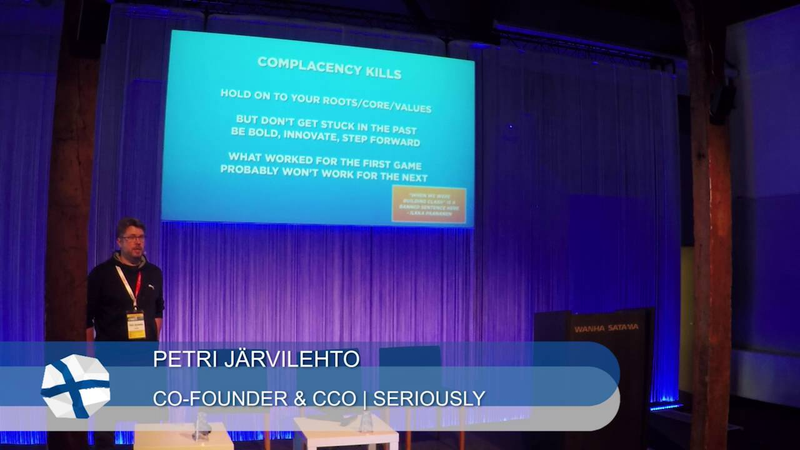
Best Fiends developer Seriously on what comes after shipping a hit game
The transition from shipping a successful mobile game to sustaining long-term growth presents a unique set of operational and creative challenges.
- Treat an initial hit game as a foundation for long-term intellectual property development rather than a standalone product to ensure multi-year franchise sustainability.
- Avoid the temptation to over-diversify or chase every business opportunity post-launch, as excessive sidetracking dilutes focus on the core product.
- Balance data analysis with creative intuition, as viral hits often generate inflated vanity metrics that can lead to poor decision-making.