Racing
Documents
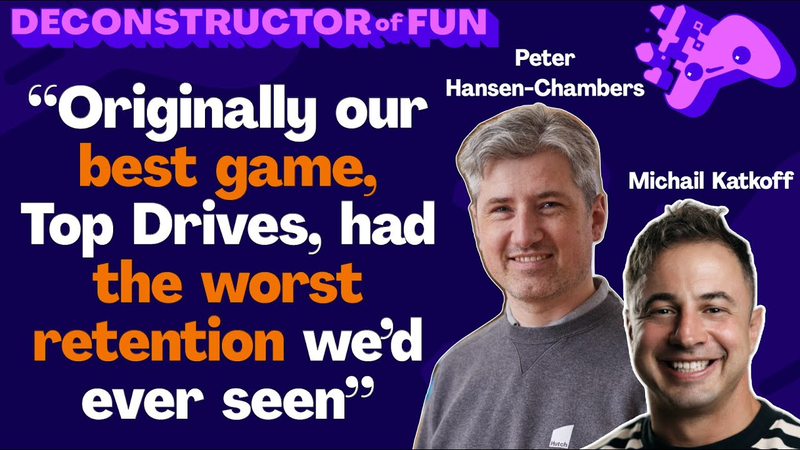
Behind the Wheel of IP Licensing with Hutch's co-CEO, Peter Hansen-Chambers
The strategic integration of intellectual property within the mobile racing genre hinges on shifting from transactional licensing to long-term, relationship-based partnerships. By prioritizing community engagement and authentic gameplay over rigid initial key performance indicators, developers can create titles that resonate deeply with automotive enthusiasts. This approach requires a departure from traditional console-style replication, instead focusing on a mobile-first creative vision that demonstrates how a game can expand a brand’s reach to new demographics. Success in this space is predicated on proving a studio’s reliability and creative integrity, which eventually transforms the dynamic from cold-pitching to being actively sought out by major manufacturers.
Navigating the complex approval processes of global automotive brands demands a high degree of transparency and proactive communication. Manufacturers often prioritize strict image guidelines and safety standards, necessitating a collaborative environment where developers manage expectations through consistent dialogue and face-to-face engagement. By maintaining professional honesty regarding design changes and content inclusion, studios can mitigate contractual friction and build the trust required to secure high-profile collaborations. This foundation of mutual respect is essential for navigating the technical and creative constraints imposed by IP holders.
Hutch is currently leveraging these established strategies to scale its portfolio, managing four live titles while expanding into new segments such as NASCAR. By diversifying gameplay mechanics while remaining anchored in automotive expertise, the studio aims to capture broader global audiences. This growth trajectory underscores the importance of a proven track record in securing future partnerships, as the industry continues to favor developers who can balance the rigorous demands of IP holders with the need for innovative, player-centric mobile experiences.
- Successful IP licensing in mobile racing requires shifting from transactional deals to long-term, relationship-based partnerships that prioritize community engagement over rigid initial KPIs.
- Developers must move away from console-style replication and instead adopt a mobile-first creative vision that demonstrates how a game can expand an automotive brand’s reach to new demographics.
- Securing high-profile partnerships depends on a studio’s proven track record of reliability and creative integrity, which eventually shifts the dynamic from cold-pitching to being actively sought out by manufacturers.
- Navigating complex automotive brand approvals requires proactive, transparent communication and face-to-face engagement to manage strict image guidelines and safety standards.
- Hutch is currently managing four live titles while expanding into new segments like NASCAR to diversify gameplay mechanics and capture broader global audiences.