VideoDeconstructor of Fun
David Nelson: The Maverick’s Guide for Thriving in BIG Organizations**
24 Dec 2024101 min video
Transcript
[Music] and you need a time machine to get to 2021 or or yeah I mean that would that would also be but I mean it's a very hard it's a very tough position to be in it's um yeah and and the nerve on these guys to just do a resin of but it's not a nerve I mean this is what I was talking about the model right the model for these guys making a new game in is to just I mean I'm getting paid pretty good and I want to do a creative not that good no but I mean probably better than if they all got laid off and had to go work at like SC like they had to they'll know soon how that is but I mean we had scrum Masters leave King to go work at scotet you know and it's like that's a Ian they need yeah tax authorities whatever they need they need well you they need scrum Master they've got coders now and stuff so those are options but but I mean you can't it's the wrong atmosphere to build something that's going to be a breakthrough are we recording yeah
we can continue David Nelson in the flesh nice to see you nice to see you too thanks for having me I'll I'm gonna do a quick intro as well as I can David Nelson from Malo Stadium from uh the US the people keep asking me is he Swedish or or American zero and I say he's confused I'm confused yes I'm without a country but you could be Swede I I could I my you speak Swedish yeah I speak SW you have a Swedish name you look really Scandinavian to me I have I have a knack of knowing who looks Scandinavian uh you got blue eyes you're tall you got a beard you're a blonde what am I missing you look like a duck walk like a duck and you say you're not a duck well I lived in Europe when I was a kid and we lived in Germany and in England from like 1980 to 1987 and uh my dad considers himself Norwegian that's what he says he is and I he identifies as nor identifies as Norwegian and one my
favorite I love this that these like one of my favorite things is this inter scandy you know like dislike of each other oh oh you know that swedes and Danes and I've heard about it yes it's so this is and it passes down in Generations so when we went up to we went up to Copenhagen when I was like you know nine and then we drove quickly through Sweden to get to Norway there's a bridge no back then was no there yeah bridge to Sweden but then quickly up yeah exactly but there was a we took a fairy but just a fascinating then we got to Norway and he was like I'm home and I've always been like fascinated by people that are from other places and are like oh that's home I'm is it really so home for me is for me right now it's this wonderful not an apartment uh office office thing and you don't have like a like a mo like what do you call it spiritual home or like what like a home country no but you're American citizen right American and Swedish citizen yeah yeah you're like Philip black I got yeah well no I did it first he's just cloning me yeah and Philip black doesn't look Swedish at all he got
and he doesn't have a Swedish name no no we we'll work on it we'll have to figure that out Philip Philip Philip good work you could do it you could do it Philip is listening to this he's been waiting for this podcast the most he gets a shout out now Philip uh you de when I became a Swedish citizen I after five years in Sweden I could become a Swedish citizen so I went to mvet or whatever yeah the Immigrant the immigration services and they said I'm there with my wife and they said you can become a Swedish citizen now and I said oh what do I have to do and I said well it's just some paperwork we'll just take a photo of you and you'll be one yeah it's just it's just some paperwork and it costs uh 1,500 CRS I said uhuh I can give you 1,200 the woman was like what and I said look come on you and me both we know it's not worth you know more than a thousand but I'll meet you halfway I can do 1250 you know what do you think and she was so appalled my wife quickly grabbed the permanent residency card and like ran off yeah anyway but then infl
and they met my price I mean inflation happened they didn't increase the price so you know because you have Sweden has its own currency exactly that floats it's really wonderful currency it's a [ __ ] currency but good for expert good for yeah experts yeah exactly so anyway I mean you know now they met my price and so I finally did it I think that was fair you know Fair negotiation thank you uh more about you than than that you becoming a Swede even though looking like a swed and talking Swedish is um and and your father identif fing as Norwegian which is like what's the difference know it's big I know I know I'm just just kid inflections go up just just go getting the other one has bigger mountains uh the um um you've worked at King yes you've made your your your mark at King you ran an experimentation Group which was the one where you tested different things inside of the biggest franchise in Mobile gaming is it we could say it is Candy Crush if it's not the biggest then at least in top three one of the biggest
yeah top three at the time it was definitely I mean it was it was huge gigantic game you got to do a lot of things so I want to talk about the experimentation group that you run there the experimentation group that you run outside of it uh I want to talk about you being you inside of a company like King so king of course evolved over time uh from what it was in the beginning king.com trying to find the product Market fit trying to find its success to finding its success and finding way more than they could have ever imagined uh which led them to two massive changes one is IPO coming a public company yeah changes significantly how your company looks like from inside yes and the second one is selling it to Activision Blizzard which again changes significantly so so you are this Maverick that found itself uh in suddenly in the corporation of the corporations yeah yeah real corporate you I mean I mean still still vibrant
because you're in a creative a creative business so you have to be vibrant but but suddenly the rules have changed and and and that's an interesting conversation and then to finish on on who's David Nelson since leaving King when did you leave King like 2020 uh end of 2021 20 end of2 so not that late um you've started your own company with your experimentation friends yep yep making cool games that we're not going to talk about and you have not talked about your comp in anyway ever no anywhere yeah but the investors that have seen what you've done and the team that you've built are quite bullish you have pretty awesome investors you have Griffin gaming Partners yep uh Peter Levan was on the podcast exact this studio yes by the way I was just in the other room because there there's a producer y okay right here then then in the other room they were still talking about that Peter guy that came in [ __ ] crushed it was a really entertaining it was a really good one uh so so yes so so
there's Peter um you got goodw Capital so for people who don't know good water Capital very big fund in the US but most importantly one of the partners and probably the partner involved in this one was Cody Johnson previously CEO of Activision and probably that's your connection to that fund uh King and then um aim yeah from triple dot yes is also on your cap table Yeah so those are excellent investors and that means what you're doing is very interesting and you're already at series a you've just raced recently a $10 million series a yes congratulations you're actually you're not in Malmo in some closet you know thinking about the days when you were experimenting you're actually building a company and experimenting a [ __ ] ton at this moment yes yes true thanks for I really like that you're uh putting the information out there I even
Flinch as you do it yeah I think it's an interesting you don't want why do you want to talk about it no I mean it is an interesting like part of me I mean the the win uh you guys have been talking about this a lot on the on the on the podcast I think it's easy to be happy about things that it's not that's not the time to be happy you know and so it's like these are all good things but they're only good things if we get everything to work and so I stay focused on it and I almost don't let any of the other information touch my ego you know if I get a little proud I'm like dude I get it there's two ways of thinking about this because the one is like you do which I did before and it's almost like self flatulation in can be where you don't ever stop to smell the roses or understand that you've crossed certain Milestones the other one is like that where they think that the the road ends at that raising of course you don't want to be there like yeah we raise so much money and then you post everywhere and sort of like that's the main thing but it is an achievement and a token to what you're doing and and and I think it
is important to mention that you have gathered exceptional investors around the team that you've built and around the product that you're doing and it's not that you just raised it with the team that you have since you cross series a that means you have shown traction you actually have builds they probably in the market you're testing different things and the investors are looking at it saying yes I mean we know David uh we know his team we know what he's done at King which we're going to talk about and what we're seeing now and the velocity that they've shown the products they've built warrants this investment and the previous Investments and that we're going to support what you're doing going forward in a tough Market environment it's dament on what you're doing yeah I mean I'm really I mean keen and and and c and Phil I mean it's it's a great group of people that have been uh that have supported us and I think it's also really this like I mean I think it's you can call it board Dynam or like you know investor Dynamic one of the things I really really appreciate is we get good
honest feedback we're straightforward with what we're trying to get done and I mean we're aligned on what our what we're where we're going why we're going there and that means that we can be pretty vulnerable and open when we're not sure about something and we want to get feedback we can get straight feedback on stuff uh and that helps a lot and I mean I think that's just unbelievably valuable I mean um I've seen a few other companies where the the investors and the founding team maybe aren't quite aligned and when you're not aligned the amount of friction that it creates it's just so much you know I mean you have your own self-doubt and struggle with trying to make sure a product works and gets out there especially in a creative if you're making a SAS thing you're like does this work for receipts or not that have to concur or Bala least favorite product of all time but the but I mean if you're making a game it's so much the complexity level is so much higher you know um so you really need to have a team that you trust where you can have clear feedback and you can sort of keep the truth always out there and keep
challenging each other and I think that's essential 100% And you know especially outside gaming when and and overall when you bring in more and more investors it's kind of hard sometimes to align them even though it's fun to think about that you're building this RPG squ Squad RPG team of of five star characters but the Synergy between them might not quite be there yeah yeah which is you know when you put in a lot of different people with previous success and Views and and understanding oftentimes it is there that they work really well together but there are situations where they don't quite align and that becomes your board so you have to be careful about that but of course you don't have that problem but let's not talk about your cap table yeah let's move on to other things yeah we've we've had plenty of VCS on ta are super exciting yeah we're done with that let's talk about experimentation group let's talk about your time on King walk me through it like where did it started how did it evolve um yeah yeah I mean I was working before I mean if you
go back a little bit I was a professional poker player when I first moved to Sweden I was working in a factory and then uh working night shifts I wanted to make music I was recording what type of a factory uh Made air filters in T I moved from Los Angeles uhhuh to Tusa which is like a little town south of Stockholm with like 4,000 people in it am make filters no I was in love to a Swedish woman yes that's not a rare occasion happen it happens it happens it's one of their main way to import Talent yes exactly exactly and I mean it was a it was um I mean it was a it was a cool change but then a friend of mine knew that I'd learned I played Jin Romy for money since I was like eight because my uh grandmother was good at it she taught me so I've always been able to play cards for money so poker was getting big and I started Grand yeah Grandma's she's a hell of a card player so I'm I I started playing online poker and uh did that for a couple years and then got into poker so I started playing working at bwin and uh bwin at the time I mean a couple things that were kind of
interesting like if you start challenging stuff and challenging ideas you find a lot of times Things Fall Apart like there's a lot of reasonings inside of companies that are like sort of structured like you know it's like we believe this and this and this and this and you build this kind of House of Cards and then somebody just is like wait but what about this and the whole thing goes to Pieces so it's an important role it can be a risky role to play but you know it's an important role so I did that at bwin for a while and then I left and was at Full Tilt Poker as a uh country manager and I did all sorts of strange things I was in a startup that crashed and a bunch of people had left you in and gone to work at King and they were like you got to come here this place is amazing yeah so I interviewed a king and I was like kind of unsure I was like I don't know this king.com I mean it was so it was the end of um I C I joined March 2013 so I was interviewing and talking to people at the end of 2012 and I remember it was like candy hadn't really blown up so I mean old joke was I was going to put on LinkedIn that my first month at King you know doubled the revenues you know but it was unbelievable to be there during that I mean I remember we were watching
uh um Serena Williams was at the like it was like French Open finals and she tweeted at like 1:30 in the morning that she was stuck on level 253 you know and you're like dude you have the finals tomorrow go to bed you know and you know she eventually passed level 253 which is the important thing it's the most important thing and then also won of course yes of course but I mean it was a crazy time to be there but like you said then it sort of changed after a while we ipoed and it became you know a different uh environment and I felt like we weren't taking a lot of creative risks in the company and so um I challenged over and over again um and uh kept pushing against like you know also doing relatively you know translating games for Japan or whatever and I was like what that's what's gonna do it's gonna do nothing let's start doing stuff and I mean it's hard to remember but you go back to like end of 2014 there was not a lot of live op stuff going on inside of uh casual games none of it really you just kind of like that happened you made a new one treadmill yeah yeah exactly
and I mean so I got a hold of Steve levit who wrote free economics and Daniel Conan who wrote Thinking Fast to slow and uh they had a consultancy and we had them come into King was it worth the money I mean without question it was worth the money um I I mean we made hard level labeling right after that which paid for it in Spades I mean you know multiple times over but also changed the way we started thinking about stuff um and you started asking some deeper questions about the product in the game so I mean the test that we ran with them and the paper we wrote didn't work and it was really fun to watch an economist be like how does this economy work I don't understand which is why game game economists are different than like you know are you saying that game Economist is not really an economist it's a there are some Economist that can work with game economists but I would be careful hiring a regular Economist to you know I've seen that at so many companies like not not so many but let's say certain us companies what they would bring in like we brought in a Stanford e Economist to
help you with the game economy for your upcoming game and you're like yeah what yeah I mean it depends on what the person's you know experience is and how they think of they done but if they haven't it's a real nor like maybe the interest either yeah they like to check I mean I know I I know uh there there was a there's a guy and uh I think he's still Activision he's amazing Christoper but he was hired as an game Economist and the way they hired him was that they found out that he was doing economy modeling for buying parts for helicopters M and they were like maybe that'll be useful for Call of Duty and that's how they got I mean that was like a he does that in real life he can probably do this the thing is he was I mean he's incredibly smart and he just dug in and started trying to figure out how things worked and I think that's probably an important part that's probably part of what led us to experimentation is you start asking like wait why does this work what is it that work can we take something out if we take this out does the whole thing break yeah or does it not break yeah what matters so basically you just uh challenged every truth that the company
had yeah I mean challenge them and I mean some stand and some have to stand for some reason but like it's really good I think to ask yourself what happens we were I mean our um uh the Consulting Group with Tom store and Phil black um we were working with a Phil yeah Phil we were working there was a there was a there was a group they were talking talking to this team and they were so convinced of something that this was really important we need to fix our attention but you know whatever and we're like why don't you just remove the whole whole meta thing you guys have because I'm not sure that's working and they were like we just spent like a year and a half on it we can't remove it and I was like is that really a reason not to not to remove it do you whisper when you challenge them I'm just trying to keep this intimate yeah yeah but do you really wh microphones are so good if I have to I'm ready to because when you whispered I was like yeah maybe he's right I should use that more all right no no taken but I mean you know it was removed and the answer was like no change of attention and you're like oh [ __ ] and you're like
and you do that through AB tests yeah I mean it's just an AB test but I mean you the the I mean one of the and this is I hope something that we get to because you've been quite you've been quite forward with like Fast fail and like you know the uh MVP doesn't work and I think that there's some Nuance in there yeah I think a lot of the AB testing and experimentation goes on in early games is very minor like changing buttons or changing stuff they're not taking the their true beliefs cutting it out and then finding out was I right you're ABS so let me follow on that exactly that point this podcast is brought to you by apps flyer in today's Digital World understanding your apps Journey from Discovery to download is more than just insightful it's essential enter apps flyer the leader in Mobile attribution and marketing analytics that allows you to measure the full potential of your marketing efforts making every ad dollar work smarter with apps flyer that's your
new reality dive deep into Data driven insights that reveal exactly where your users come from and how they'll interact with your app app sler where your app's potential meets performance so companies so you know we're not quite game Economist level just kidding but we we do work with some of the big companies anyway so when we talk to their teams and they're like okay so we take the game and we talk first with the park team and he's like we we've done a lot of ab tests and I'll be honest we haven't seen a really like a result that would have been that would have changed the trajectory of the game like this is of course going through the through the the symptoms before before the actual work occurs and that's true uh but the the type of a test that they do are really small like we're going to do this pop up here pop up there and then we might see a small incremental there and this one there and then we merge these together to the actual main branch and it doesn't really affect in the end but what you're talking about is making the
big changes and that's where I've personally seen the test really work because this sort of a AB testing I think it's not the right way to do like when I talk to some of the casino companies for example um some of the live optimization like top of the notch platforms like let's say Meda they focus on personalization where there's not like the right A or B for how do you do offers there's different variations based on how the players are playing and you should and and it's not like you do seven tests and then the one is better than the rest of the six and then you merge everybody to the one but the thing is now it's for the wider audience and that one is actually not so good for so many different demographics and there's actually multiple variants but the ones where I've seen it work really well AB test like the best ab test that I've ever ran was we had a a combat game called Army attack and um we had fog of war in a free to-play game and I was like and we had the debate for a long time fog of for no fog of for and there
was a hypothesis that if you have fog of for it feels more like an RTS it's what's expected in this genre and it was given that it will be there and I was like but if you don't have a fog of War then you see further ahead and then that stays in your head because you're not kind of finished you feel goals but you feel goals exactly and then was like back and forth back and forth let's run an AB test and that was the only a test where it considerable increase in retention and when it was merged back to the the main main truck it increased retention tangibly yeah yeah yeah but that's the only one where I've seen a true change take place because it was a big big you know change to the actual core gameplay yeah I mean there's a um uh there I think there's a really so I was um a guy I worked with King named alivo he uh kind of got me to go to an MIT like some sort of you know um Innovation course and I'm as we've already discussed I'm like and I'm
hardcore I don't go to these fancy things yeah so I went anyway and um because he's convincing and one of the things that really stuck with me from it was one of the professors talked about like sometimes companies buy a bunch of fishing gear they get back to their truck and they get out of the truck in the parking lot and they start fishing and they didn't go to the place where the fish are and they're just fishing there but they got all the gear and they're excited and that's what this AB testing thing feels like to me it's like they're like we're going to AB test and you're like okay cool what are you going to AB test and they're like buttons and these kind of things and you're like but that's not the fish you're hunting you're trying to fix you're trying to make a hit but you don't want to you don't want to put your own like heart on the line so you kind of shy away from it he me if you're operating a game that has like a million da and you want to have different cases and optimiz yeah I mean you know there's all sorts of money there there's a ton of ways to do that effectively and you should totally do it but if you're trying to figure out how can I make a major shift in the game you got to put something on the line you got to Annie up of course you got to put one of your deep beliefs that you think
really matters on the line and find out if it does and I think if you do that on a regular basis you get this wonderful compound interest effect your insights start building on each other but if you're not putting something on the line that matters you're not you're not investing you know you're not actually putting anything in but like when we ran experimentation experimentation group we ran for years over and over again we ran tests in the smaller games at King that mattered and those when you do that the teams start to be able to take in like deeper learning things that really matter in these games and they start to build a deeper understanding of what players really care about and you get compound interest on those things you make better and better decisions you could take better and better chances you know I mean I think that's the that's the role of it I mean for any team out there working on something try to figure out what what would you be afraid of AB testing what would be terrifying for you maybe you should test it you know and you don't need to AB test you could also just if you're a team that's making something I mean if you're making a PC game or something like that and you don't have an actual audience or good way to a test you can still build it bring 20 of your friends over give 10 of
them one 10 of them the other and find out what happens to their like you know what do they think of the different experiences so I think there's ways to test it Beyond just the sort of like you know I must have a 10,000 people other P value is not exactly you run put you know put the difficult thing into a build quickly yeah and put it in front of your team even like a taste test yeah and just like holy [ __ ] yeah you know this chocolate bar or that chocolate bar yeah yeah and you get a gut feeli reaction and that's what trying to build on and as you get that you start to build better understanding I think so talk to me how this experimentation group got started yeah I mean so we started out with um uh you know I was challenging stuff and then um the leadership offered us three games to work with so we started working with three games what was a pitch uh I think the official first version of the pitch was why are you doing this in like a big meeting why are you doing this none of this [ __ ] matters and then he said well what should we be doing then David and I said literally anything
else would be better than this and then somebody this is internal meeting with King yeah we had a it was a leadership meeting and then quite confrontational sounds like personal nobody's ever called me confrontational I I am highly there's a fun another fun Swedish thing after living in Sweden for 20 years so swedes are conflicted uhhuh yes we know they like and and yeah yes consensus driven culture yeah you know the good the good co joke like you know now that Co is over they can stop being 2 meters away from each other and go back to being four meters away from each other you know it's just fun anyway so I remember they make that about fins yes I mean well they increase it to five though anyways but the um uh somebody once pointed out that I was probably not uh conflict red conflict scared but I was conflict intercad I was conflict interested yes and I think also I mean for me um uh conflict or like you know I mean challenging things is a way to get
to interesting outcomes and interesting understandings I think it's for me it's a standard way of operating and I've done it for my whole life but I try to include with it also high level of empathy like it's never personal like I mean I don't I mean I don't have any everybody in their life is working hard to try to make it meaningful for them yeah and no opinion that I should change that and I've got nothing for respect for how people lead their lives yeah I might disagree with your idea though and I'll be clear on it but but so this is this is an important Point like like this sort of being conflict interest is a conflict interested person is uh or let's put it this way meetings with conflict are really good yeah yeah they're engaging yeah there there there's ideas that are conflicting each other uh there can be made different decisions meetings without a conflict are worthless yeah yeah they're emails they're reporting yeah yes yeah I mean and as long as conflict is own ideas or
even principles or like operating plans that you want to chall said management me management meeting without a conflict is scary yeah like what everybody thinks we're doing the right things in the right order and everything is perfect yeah that would be like the worst management meeting ever yeah I mean it's a and and and that I think it's there's a there's a forum for that I mean and uh you can um credit the king leadership that I was allowed to challenge them on often on on these kind of things did that change over time as the company evolved I I mean because people people tie conflict to negative emotions which is I we understand conflict zones conflict you know conflict of interest like it's a it is a negative term but the way just we're describing it as you're having a management meeting which is either tactical or strategic not reporting this is not like your daily standup where people argue yeah this is a meeting that is designed to talk about topics yeah and if you if everybody fully agrees
with what the company is doing at this moment in this way you know oh Dave is doing this I'm going to give him space he can do it anything I'm going to do this nobody can challenge me nobody will challenge me because the culture not to challenge each other that leads to disaster yeah I mean at least a lot of passiveness um which down the line because nothing gets challenged and everything is correct until it's not yeah and at times I think it's okay for a corporation to like have things uh be passive I mean um uh we can um we can avoid like I mean uh big political discussions on politics in the west currently but there's a lot of 50-50 uh left and right going on and I think there's just a general feeling that we don't really want a lot of things we don't really want a strong leader I mean as a culture we kind of like split and it's like me and and maybe there isn't really clear what the path forward is and I think it's like that sometimes in organizations yeah if we're not clear what the path forward is it's often easier just to kind of get locked and stay passive yeah and what you need to be able to do is you need some people that can challenge in places
where there needs to be some safety for it I mean I've I know that I've challenged in places that there where there wasn't enough psychological safety and I shouldn't have and I probably should have done it you know in in in smaller settings or you know uh off to the side first but but I mean you need somebody to challenge these things and start to build a understanding again of ways out of these passive situations yeah and that's a really hard thing to do well I I try to like personally and uh to create conflict in meetings yeah and it's really easy without you being the aggressor because you could say somebody's presenting something I'd say Dave what do you think about this yeah yeah yeah exactly because I know that you I would see that that you see through certain emotions either it's total disinterest which is good to bring that person back to the conversation hey hey hey you're steering away what do you think about this just to keep them engaged good way or you see that the person is kind of squirmish on there like they got something to say but they're not doing and be like what do you think and that's that starts
creating the conflict which is good because then if you're the manager if you're leading that meeting you're not creating like you are creating conflict but you're not part of it now you can sit back and really see different perspectives that help you to make the decisions from that so conflict is good yes I mean this is one of the um so uh Daniel conman uh one of the methods he said if you really want to know what a group wants to like thinks yeah you can't ask them because somebody will speak and then it'll get like moved along that so ask everyone to write down what they think and then read them one by one and I still think that's one of the methods I don't know why it's not used more often um just like everybody write down what it is like if the question is like you know are we is this on the right track or whatever what are your Reflections on these next things we're built what do you think really matters and you ask a group of just like eight people it's crazy how varied answers you get and you ask it verbally you get maybe two yeah good one good one it can create that's a good way to force conflict as well yeah exactly because after that you can do like what you were
talking about I mean um and uh we started doing this early on in in King in some scenarios early on but when I was when I was working there and I found what happened often was there be a group of us and a few of us spoke well and we would sort of take over the conversation and it would go around whatever things we thought were interesting yeah that's true and you wouldn't find out till like months later that somebody else had this completely a different point of view that you didn't bring into the conversation because they didn't bring it up and they weren't ready to bring and because the person leading the meeting did not bring it forward and all you just move to write and read and all of a sudden you get this very rich feedback from a group of people about what matters to them and what they see fantastic that's very good kickass liveops need kickass tools that's where heror Labs comes in they just released a massive update to their sator liveops platform and having done my research I can say with confidence that it's second to none in a single product you get everything you need including event capture player segmentation feature
Flags remote configuration AB testing experimentation live events calendar messaging retention grafing analytics and so much more if you're serious about running live services in a game get serious about the tools you use connect with heroic labs and make some serious cheese with your live Ops let's get back to experimentation group so uh there was a meeting where you were conflict inter yeah uh and you challenged something and they said well since you know the best what do you think we should do yeah I mean the there was eventually an agreement that with the three of the teams um uh one of the teams was in Bucharest and two of them were in in Barcelona and uh that we would go work with them and work on ideas to bring them from the small games into uh into Candy Crush and at the time I mean the pitch was quite simple it was like Hey we're taking all of our risk in uh our big games the the Crown Jewel yeah and meanwhile the small
games are doing whatever works in the big game and I was like that doesn't make any sense because you can't get as much done and you can't take as much risk um and they're worth much less once they go down to the small games so why don't we have the small games doing all the uh riskier things and uh there was conflict too I mean the some people in the team didn't think it was a good idea there was questions about it's always fascinating to me there was questions of like they were like there's no way something that works in this game is going to work in candy and I was like but the thing that works in candy works in the smaller and they're like yeah you're like did you whisper that too I was so confused I feel like when you want to get I you you go to the whisper and like you really think that's the right is it the right thing I need one of these mic and all of my interactions that brings this like it's very intimate you really think that's the right S I think I've ever whispered I'm always just way too loud actually it's just you head this is going to be a way to manage me now on a headphone and turn up my volume whisper all the time but this was
like a big it was a big deal people didn't really believe in it so we ran this like you know we started running these tests and they started working and then I think the fun part was um when they started working pretty quickly we got a call from like the you know after you know hard LEL leing worked the CEO of the company called he was like what's his name Stefan Stefan yes I heard Stefan was the the strict yes he was the strict one from VC background yes and then uh andun yeah yeah and then and great counterpart cuz King leadership is like three people back in the days you got Ricardo y who is in my experience like I thought I met like like many many many many of Executives Founders successful people are like 10 out of 10 nice like really really Pleasant to interact and you know the IL kapas of the world they're 10 out of 10 and then I met Ricardo and I I understood that 's 11 there's an 11 yes yes yeah I mean he makes the whole room
feel great yeah immediately he's high energy and I mean I think I still think he's got like views on a lot of his gut feeling of what matters I think are on like I mean he's got a he's got a very strong vision of what matters to uh to players what he thinks is gonna happen and then and he did that and then King leadership so you got that then you got the the the you know don't mean diminishing M but more like a bean counter type of a person well you mean Stefan i' say no but he wasn't I don't think it's that it's it's more of an operator Stan is an operator yeah that that's what I kind of meant like but prime minister but but I mean not even just like it's not just numbers it's like um you know what is the direction that we're going in how are we structuring this and like it's really very like um you know making sure the battle plan makes sense you know and the third person is the creative director and Seb yeah yeah Seb and that creates as a single leader they might be great but when you bring in three very distinctive like Visionary culture
setting person then you have a very operating focused person and then you have a very creative person that sounds like a a powerful Trio yeah yeah and I mean there when when I I also think I was I was lucky when I came in in 2013 it was still in a in a time when everything was very dynamic in the company and I mean after you go public and then you get bought by activation blizzard some different Dynamics happen and I mean I still think it was a very Dynamic company but but it's I mean and I was also lucky to start in the Stockholm office so I sat close you know I mean got teased by the founders you know and uh and and like I I could I could be close enough to you know watch when like theal and the Lov and were were arguing and discussing things and you know I mean it was fun me and a guy named Marcus leval were hired like you know one week one week apart to do exactly the same thing you know we were both told like you need to make candy work in Asia and you know we showed up I think we
kind of have the same job but that's what it it's like you know they were just hiring there's new things going on the so we just worked out how to work together you know removed ego and figured out how to partner on it and get the game on the cacal talks I mean it was a very vibrant open company and then I moved from Stockholm to malma and malma was like it's very different because it was a SAT like it was a it was not a satellite but you know it's it's owned by it's not the headquarters yeah it's technically a different country you know and they're like what yeah yes and they're like what do and they're like what does Stockholm think and I was like what do we think you but you you find that there's these Dynamics in um in companies where in the headquarters you can behave one way and outside the headquarters you behave a different way and uh it was it was a fun experience for me to see all these different sides how was Barcelona run compared to Malo was run to Berlin to um to London and Stockholm and they were all very different so you get to see like a very they were different Kings inside I mean even in 2020 cultures as well you still have like the old 2012 Kings still there somewhere you know in places you know so it's a very sorry I I
got you I got to put you on a Sidetrack with uh you said you were with st I can do the quick yeah so so I mean um we we started working with these three games started partnering with those teams and we started a framework and the framework was very simple it was like we need to run tests that they need to be high impact so you can imagine a little chart as high impact as possible and as generalizable as possible so if you're working on like a solit game and the thing is something about how these the game works like cards flip it's only going to work for the solit game it's not that generalizable so what we said to the teams we first pitched it was this needs to be like really effective players understanding the game or the way they relate to it and then it needs to be something that if Twitter found out about it you know they'd be like whoa that's interesting you know so how General can you make it and I mean that's exaggerating of course like but you didn't care about it they didn't improve their app in like 10 years we did I went to Twitter in 200 September 2013 yeah because I'd had an idea that we I wanted to pitch that we would use Twitter instead of Facebook Facebook and that because remember back then you had
like you had to ask friends to open up new content there was these collab yes I remember yeah and eventually one friend bringing five friends bringing 10 like virality hooks yeah yeah but it was it was you basically you always had to pay a buck or like get three friends to unlock you which calls all these Facebook things and I was like why don't we do it through Twitter and then why don't we do it like so that like if you're Serena Williams or you're Tom Cru you have to get like 50,000 people to help you and I was like because they they don't have anything to talk about on Twitter anyway then they'd have at least something to talk about like you're playing Candy Crush you're like me maybe it'd be nice that's not a bad idea I mean this 2013 right so but still it's not a bad idea like like using this is essentially influencer strategy yes yes so I went to Twitter and and like uh and pitched it and they were like well you're like hacking our thing and I was like yeah it would be cool for both of us why don't we do it and they were like sure but then ended up we had different priorties we did different stuff inside the companies so we didn't do it but at the time I was really fired up about in San Francisco you went there yeah I went met him and went to the office and it's kind of cool anyway so we did this um uh
so we set up this thing and the team started um getting uh results and as our uh as the feature started working they transferred into a Candy Crush and like after a little while we were asked like how can you do this like okay cool you did it once the first call was like this worked that's great when is the next one I was like dude this is like creative destruction and you never know I don't know a quarter later we had another one and they were like I got a phone call I was just like hi hi once a quarter then and I was like no wait and I mean who who was the who was the Stef yeah Ian but I mean in in in some ways I think this is an interesting this is probably to me the Crux of the interesting um how do you do creative work in an industry like ours it's so incredibly analytical uh because you like you can't let the analytics eat it you can't be like I have to do one if I have to do one a quarter that's fine I'll just do 1% uplifts I can figure that out you
know but that's not we want bigger ones like we want big impact so how do you get big impact but be predictable well H by making sure that you've got enough throughput and make sure that you have a system where the ideas that are coming you get broad we took ideas from the entire company so anybody could put in ideas I remember one of my f but how did you get that like this is this was my next question to get deeper into the uh the ideation because now you're in a time frame so you have to be creative inside of a time box uh to create high impact and generalizable out outcomes how do you get the company to pitch in like what do you do because you know oh we open up in inter internet this thing where you can submit what you want to do but that seems like a low hanging fruit like I'm sure you had to do some leg Works to get the real ideas because people are just like where is this going how is I you share so you share you tell people when when an idea comes out you tell them it comes from other people the ideas could come from anybody got it so excellent and then once a week or twice a week I forget what the frequency was we had a meeting where anybody that put in ideas comes
and presents and talks about what they think and we get feedback and discuss it so if they doesn't go forward into the hot list that we had the list of things to experiment on and I mean this is actually I mean quite detailed so anybody can put something in they meet with the group and we evaluate it it's still up to us to make sure that the quality of the ideas that are coming in are are good so we need to make decisions that's not outsourced because if it's outsourced then there's no responsibility then you're taking in everything so it's still us and then a list goes to the teams and the teams take off the hot list so you don't tell a team you have to do a and you have to do B and you have to do c because they might not have any creative you might look at idna and be like I don't know how to do it yeah so you need to have a list of maybe seven eight 10 things so I can grab one and sometimes a really challenging one stays at the top of the list for a long time and nobody takes it and then you have to say to a team can one of you guys this time one of you has to do to them you got to take it come on just take the hard one but I mean it is a it's a challenge and I mean there you have a framework a way to connect to people and giving them credit for their ideas
and like actual ownership on who makes decisions and that but room for creativity love it you have to have room for creativity the way it doesn't work you became the mediator of ideas yeah I guess you could say that I mean it was cuz you're in the middle yeah you're in the middle yeah you pull from everybody yeah you trim it down yeah and you give the ownership what to execute on to the team so that becomes you incredible privileged position because we saw a ton of input of ideas and we saw all the outcomes and you could absorb it to me some of the examples what are you like specifically proud of what the experimentation group was able to achieve in addition to conflict I mean there's I think there's a ton of stuff I mean of course like hard level labeling is a is a big thing I me hard level labeling meaning when I start a level before the level it says hey son it's going to be hard so get your power ups ready yeah and people didn't want to do it they thought it was going to make people unhappy so we thought and I mean we just labeled levels that were hard Ian it's not a big deal but like people thought that people
would be unhappy and pissed off and then we saw review on the App Store those are emotions we saw a review on the App Store yeah that said I'm laying in bed next to my husband and he has hard levels but I don't and that's not fair what's going on with this game and you're like so you want them yeah you know because you had to so it was it became like a goal for people get to them but what's bad about you know something being hard or you know difficult I know they be intimidated or but it's good to have an array of motion in your game yeah yeah yeah of course I mean but these not everything has to be sweet the thing that's the thing that's hard with game making is the ideas that you're sure of right you're sure of them until you aren't sure of them and I mean and that's we go back to that first thing you got to put something like you got to put these things on the line sometimes you know and you got to ask yourself is this thing matter or not and I L my favorite tests were always the ones where we were like you know is this GNA how bad is this going to break things
you step into the future of game monetization with exola the premier partner for game developers seeking to expand their reach in Revenue exola provides a robust Suite of tools designed to enhance user acquisition maned subscriptions and streamlined Payment Solutions worldwide unlock new markets and maximize profitability through their customized secure payment architecture and dedicated support team exola powering game developers to achieve Global [Music] success tell me about the uh the technical not the technicalities but how would you run these tests like in practice I mean there like 50 50 maybe tests oh 50 right away 5050 and um I mean there's probably some tech thing to make sure how big were the games in terms of U I mean as you know Millions back then Millions it was I mean we're I me incredibly lucky position we were in what was that pear Pearl Saga or
something no with the [ __ ] I forgot scrub scrubby had some weird ass games scrubby yeah scrubby duby and like something it had the cat game oh the cat game so this is I can't talk about the cat game without getting emotional because it was um Shuffle cats it was a Jin rumy game and I was like get rid of the cat Jin Romy people that play Jin Romy like Jin Ry I don't want your cat in my Jin Ry game why not cats everybody likes cats no that's what the argument was that's literally what the argument was where was the experimentation group on that did you try with dogs when it eventually came in did you try with dogs when it eventually came into when when Shuffle Cuts eventually came in yeah uh a guy named matu took out the cats and if I remember correctly it did better without the cats but at that point it was too late yeah because the name Shuffle cats but it was better without the cat yeah you're kind of cuz like but I'm not man don't hold me asteris on that data point I'm not so sure but I mean the the uh I'd say that
I mean a lot of the interesting things that we the the the tests that were being done um at that time and you can see them in a lot of the games now I mean people have absorbed what we did in at that time and it's just integrated in games now yeah um you know I think uh and I mean uh the whole like you know tying to progression and like making sure the progression really matters and understanding short-term goals and medium-term goals all that stuff matters so experimentation group how did you lead it cuz was it you were you the whole group or did the group grow no um no it was it was me and um uh a guy named Marcus and a guy named Marco and a guy and a woman named Alex v and Alex worked originally with um Steve levit and Daniel Conan so she worked with them and she came over as a consultant Then she joined king um and joined us and then there were more people um we had a bunch of uh we had a we had a pretty reasonable siiz team worked with us um you know Nick we had a bunch of
different people come into the you come in and you know sometimes people came in for a while worked with us and then uh and then left did other stuff um but uh we like we basically kept a pretty lean team made some mistakes a couple times and trying to like run some different experiments inside the experimentation group but mostly we just worked with the the leadership of the game teams to make sure that we and so as as you're doing this so it's between 2014 and what 2021 or it started 2015 and then I mean um it was I think it was 2019 um it shifted a bit so I was running it with somebody else and I started taking some other responsibilities and my last time at King I was um working with h um London Berlin and M MMA so I mean we had pet rescue Bubble Witch Candy Crush friends Candy Crush jelly and farm heroes and those were the and and as you were running these tests so you're growing this group Stefan is happy with you quarter you're bringing in new results y from from the from the test from from
the experiments that you're running things are going smoothly but the company is transforming around you so it goes from king.com yeah to King yeah IPO King yeah to yeah to the IPO King to uh M us touch to uh I might have had some contracts with King yes exactly you remember the actual name of the company exactly um anyways and um you move from from from uh the company moves from a from a private company on web to mobile company to IPO to being to actually acquiring a midcore publisher Z2 I remember that one to kind of like expanding to different genres and then getting acquired by Activision Blizzard meanwhile you know you're in experimentation mode tell me how though how the company changing and growing around you affected your work I mean I'd
say one of the things that happens which is um I mean if we talk about being conflict oriented or whatever if you're in a group where people know you and they know your intentions and they've been around you a bunch you can um challenge things and be pretty straightforward and everybody kind of understands but as a company starts to get bigger it I mean and it's unfair to call it like politicized but it it becomes you don't have as many like organic relationships the relationships aren't aren't like built with like there's not as much depth so might have a you might know this person and been sat in meetings with him but you haven't really like been through any you might have called it like there's no storming and forming I think I've heard you say that before a couple times but there isn't like a real like a Rel a relationship that has some resilience what happens then is if you keep behaving in the way that you always have and for me I think one of the things that a weakness of mine was I thought it was that's how I show respect I mean to being yourself yeah no but I no not just being myself but if I challenge your ideas that means I think they're worth challenging you know I think they're worth they're if somebody just gives me
an idea that's not particularly interesting then I've got nothing to say like for me challenging it pushing back is a interest in understanding the world and and you're giving the other person a chance to change your perspective yeah yes I mean I'm willing to change my perspective prove me wrong let's do it let's let's talk about it let's let's uh let's mental joust yes yes but if you're and I mean the problem is if you're and I mean this is you can talk about like you know aren't we supposed to all men be thinking about Ancient Rome or something shouldn't we bring up Rome at some point I thought that was required yeah I thought I would just throw it in and then we've done that we can check it off what do you want me to whisper yeah Coliseum claudus claudus so Maximus no but I mean it's very when when when when it's growing yeah then like heroes are coming back to roome and like everybody knows that expanding Rome is great and that's it but then when the when it sets when it reaches maturity and suddenly growth of Revenue is not there but the EB du becomes more important yeah what happens then and and now also what property you sit on matters because we're no longer adding new properties what property you sit on matters so the
game changes somewhat and I think that um you know I'm probably built more as an early Roman than I am as a late r republican what was it Republic was a republic up until spqr yeah yes spqr excellent excellent and I mean that is a big that's I think that's something that you can should be aware I mean especially if you're a sort of Maverick oriented challenge oriented person you need to make sure that you're doing it in the right rooms because at some point it's changed and um it becomes like the relationships aren't quite as resilient and what things look like in meetings matter more and you need to pay attention to those things yeah and so the the the company grows you get more people on your team but you're still Dave Nelson you're still there with your car hard jacket just challenging everybody and being conflict yes and but nevertheless the people are joining a corporation they expect the sort of a certain King Activision values to be there and maybe conflict is not one of maybe hugging is more important and being like yeah or like formally
professional like people are like you know they'd like to you know like oh yeah because you're bringing talk about this structure and I'm like wait but why don't what0 three and they're like three like would you can I do 0 one and two and I'm like if you have to but but it becomes it becomes different and I mean this was different the culture that was existing in like you know 2013 and 14 we could sit down at a meeting and one of the leaders like Stefan could just we could have a deck of like 80 pages and he could be like slide 37 chart on the left is that Android us what is that and You' be like yeah it's Android us okay great thanks start again but you had to know your [ __ ] you know so we were used to that there was some of us that were used to this very in-depth you know like you knew your stuff and you knew your numbers and you didn't like you know you and you know to to coming to something where it's more like okay let's talk about high level we're coming together and maybe there's some like maybe we're taking corporate decisions on like a high strategy level and now we're just going to implement them in King and they don't need to be questioned and challenged so I mean I think in part
it's um I could have read that earlier but also I I hope I brought some value by still questioning stuff and I hope for the most part people felt like the interactions gave something well you were certainly a Maverick inside of an organization right you could say that yeah yes I mean that was hired for when I first started L jonov literally was like I mean on my introduction slide it was like he's a Maverick and he's here to like rattle things that was like how he hired me was there an image of topcon no no there should have been that I that would I don't know how maybe it's two on the nose or something I should have brought in glasses like it on the nose yes with you should have come with a leather jacket for the bomber jacket um but okay so you you get brought in as a Maverick and you come in an earlier enough stage where you can create a lot of trust and air cover once the start air cover yes keep using the uh the Air Force terms then yeah so air
cover in the sense of there are Executives who know you who trust you and when somebody comes in like this David Nelson is causing a lot of ruckus over there it's like no no no he's Dave like they don't don't worry about it we like versus somebody who's just joined the company and causing a lot of ruckus then then that person would be at a at a not a pleasant conversation afterwards yeah but I mean you must have you also challenged things I mean in order no but I mean even in like in any scenario whether it's in a company or anywhere you need to have some um there needs to be some resilience in the relationship the higher the resilience in the relationship the better you can challenge somebody yeah I mean even in just normal friendships if you've got a good friend and you ask them like dude why are you doing these things is this really the way you want to live or whatever if you don't know the person well they're what are you ask [ __ ] what's wrong with you but if it's a person you've known for a while and you know that they have um you're best interest at heart you can challenge and I think that's like what happens in a in
a company like I mean uh if you if if people know and if you've got the relationship so they know that you're have the company's best interest at heart then you can challenge harder and more clearly I mean as long as it's it is with good intentions yeah um but if you don't have them it becomes a lot harder and I think some people I mean I've seen people coming into organizations and with a challenging and I know the intention is right but other people can't quite see it yet you know and you see people just move back away from them and kind of get Stu it really depends on leadership it really depends on your relationship with the executive so you know without without even calling out I I I I would never want to call out anybody publicly but I've seen Executives come in and and and heard uh of SE suters even come in and and do the right things Challenge on the right things and then just not having a career basically after that because they haven't built the perhaps the the social capital yeah is that a good word they haven't built the social capital inside the company to to uh to spend it
on these challenges because these challenges do spend it yeah yeah exactly you're going against others and and though you're saying no it's a it's my good intent to challenge everything that you're doing with your product yeah uh for them it's no you're challenging my work yes exactly yes you're challenging my ability to manage my product yeah uh that's a that's a bold bold you know challenge to do yeah especially when you come in and say hey that year and a half that you spent on building that meta useless yeah I mean and you're like that's a win for the experimentation group it is not a win for the meta product yeah exactly I mean this is and magnetic one of it's interesting because a lot of the founding group are highly like we're ready to challenge each other and we challenge each other on a regular basis um but I remember uh I mean this is interesting maybe like a side a side note I remember uh morco one of the co-founders at magnetic and who worked with me from the very beginning in
experimentation magnetic is your company yes magnetic he um I remember at one point I was like I would basically challenge like everything in some meetings and I'd kind of gone like overboard with it like I'd challenge this and I'd challenge that and i' challenge that and he'd say something I'd challenge him on it and and afterwards he was like hey he's like man you know I know it's your like Vibe and it's your thing but sometimes you challenging me and Marcus and the other people people in our team in front of the team they just see disunity they don't see like interest they don't see the culture you think because they all they see is a meeting that's gone off the rails for them and uh so I re I mean I did start like dialing back the open challenging in more open meetings and realizing for them the they just need to get back to work and figure out what to do on the game to make the game better they don't need to see or they need a little more Unity they not they want united front yeah or they want they just want to know what to do next could to help us figure out what to do next and I think that it's interesting starting magnetic because we've also like the
keeping knowing that the group the new the group needs to know the team needs to know that you know hey we're making something we want it to be extremely popular which means everything's on the table if you want to challenge something we should challenge it right but you make sure that you're challenging things that are essential not challenging for challenging sake but like challenging things that are essential and that everybody's ideas can be put on the table we can talk about them so I think that and especially in early companies you need this sort of like you need the people need to come into it and trust each other and they need to trust that the ideas are based on reality not just like an opinion and the more they get bought in on it because things get challenged and you get good answers or you run a test or you check things or you play it yourself you do a build and you try it yourself you start to build like an actual like I said compound interest in relationship compound interest but also understanding compound interest what you're describing is really psychological safety yeah yes yeah yeah yeah because that's what like I've heard different different ways psychological safety has been described I've heard the ones where like oh it's it's the leadership taking ownership of
their mistakes like no it's not like I I guess it is but it's not really like the the the whole psychological safety in that book or that that study that Google presented was exactly this you're in a team setting and no matter at what level you are in that team you can challenge yeah yeah and you feel psychologically safe to challenge people who are above you yeah yeah it's not about ego or whatever we're we're working together to try to figure out how thing's going to work yeah yeah it's it's so so and and you're describing that but even though like in theory that sounds totally understand like of course that sounds great we want to show that type of a psychological safety in your organization what you essentially noticed is is that even through your own example that was actually DET like negatively affecting the psych not even the psychological safety but but the coherence of that group exactly you still need coherence so ultimate psychological safety destroyed the coherence of the group and I mean the
fun part is Marco challenged me on being challenging people too much yes exactly and too much of this and and so basically did you then comprom uh com compral eyesee or compromise or no no but I mean this is actually I think a really good model comprent is that a word comtal eyesee no uh compartmental compartmentalized that's what I I pronounce it like a sweet almost finish word yeah so that difficult word comp compart compartment compartment compartmentalize yeah so meaning uh in in practice this is what I'm trying to say did you then change the uh the conflict to this is where we're going to have conflict these are the people who are part of the conflict but when we get out of the conflict like us three need to be on the same page and then we bring what we conflicted about the decision to this group so they can conflict it about like it's a pre pre-wed conflict yeah
that they can then conflict about yeah exactly I mean or at least you bring them some um exactly so if you want to be all hectic about stuff that's cool we do it in our forums but when when we're there make sure that we support them on getting forward I think one of the ways that we've dealt with uh dealt with this one of the ways we approach this in magnetic is when you join the team just get things done don't worry about it too much you'll be able to challenge and stuff but challenge based on you're doing so like when you join the team I mean the more you do in the team you start to get a flow you start to build a relationship you start to interact when you're doing right you build a thing checks it looks cool so if doing is like strong if you get a good strong flow of doing you start to reflect and see things and then your challenges come from doing not from theoretical like I don't think we should use blue or because I don't think I've heard people don't like blue and you're like so Rick Ruben yes shout out shout out to you cotti shout out to you cot that's awesome it's just in the back
of my mind still haunting me forever but if the challenge comes from your doing it's a real thing you know um uh you know without like Le leaking too much we had a guy that's working with us on what I'll call like you know Creator relations or anyway and he's he came in I know I know the guy so I know he's going to challenge on stuff and he was like so I'm just worried if I challenge I'm gonna like set things off balance and I was like deliver stuff and then nobody will be bothered stuff that builds your social capital in this company and that Social Capital can be spent on challenging exactly and it's also not just Social Capital which I I agree with but when you do stuff you start to understand what the Trump Company's trying to achieve and it's not just from like an abstract place from a concrete place of what we're working on fascinating what what would be your advice for somebody wanting to be David Nelson at their organization o or somebody coming into an organization and want to be David Nelson even if they haven't been introduced with a PowerPoint with with
Tom Cruz I mean I think a good I think a good thing to think about is um I mean I know um there's a lot of people that leave companies and take down some notes um I've heard people do that a lot like they leave a company and they write down all their notes about what they want to change I think one of the most valuable things you can do is come to a company just like you were saying and listen and take in everything you can like do whatever it is you've been asked to do and then J just like take notes on it and reflect and what you'll find is a lot of times I think you're early on you know questions like why is this that important it doesn't seem like it should be later on you'll start to get Nuance around it and you'll understand why people think it's important but maybe you still don't think it is but you spend a few months like that and you'll have a coherent way to challenge something like a coherent like I think this thing would be maybe something we should look at doing differently so I would say like spend a lot of time writing I mean get one of these I use day one but just write in a journal empty your mind on stuff and you start
to build an understanding in yourself of something and try to keep it independent like you know write like you know come you know on your way home from work or whatever or like write first thing in the morning before you like log into everything sit down and or doing meetings yeah doings exactly but like really try to get your get your brain out of the the thing to reflect because then you come with a real you come with real impact which is not like a it's again not abstract not theoretical but from what the Company's trying to achieve and from your experience of it that's a great advice that's a great of course people have different like this is we're talking about how to come in and drive change in a company that's a very different because most of the people who get hired into a company just want to assimilate as soon as possible the challenge with that is is that you lose The Outsiders perspective that can help the company to improve and are like I'm in a rush to become one of you uh
what you're saying is like as you're becoming one of us M Journal dependence have no no have a journal put in these thoughts what are you thinking what are you seeing then go back and like let's say I will talk to you in a month and I want to see how this went don't you know we don't need to talk before that I don't need your first impressions you write them down yeah because that first impression will change over time yeah and so if we'll have a meeting after that I'll you know make sure to see I want to talk to you in a month what everything has happened you take these notes certain things that you felt like as was a first impression we could say like hey I first felt like this but actually it's like that so I'm not going to talk about it even at all but if I would have talked to you in a in a week you would have raised that as a major point but then other things would be a major points and I've noticed that X Y and Z happens and I think that in order to to do this we could consider doing it that way that is so valuable for a company let's say you're hired in this position or or you want to be a Maverick or you want to drive certain
change that you're seeing you're that type of a person that is very receptive and and wants to you know be conflict interest um the best way to do that is exactly take the notes and if you let's say you're not having a meeting with the CEO or the your director or whatnot write it down write a very actionable list down please don't make a Bible out of it please you use bullet points please use Clear examples yeah write it down 10 points Five Points that you felt stood out when when you when you went and what could be better send it I guarantee that 95% of the organizations will say hey please come here let's have a conversation this is an excellent list I want to hear more about this uh to help me to improve the company because I'm blind to how this operates or I'm a CEO people don't tell me these things anymore I would like to know what I can do against you know against this and I mean you know if you write a 10-point list or a five-point list write it get
up the next morning look at it oh yeah one of the points you'll be embarrassed like and take away the typos yeah and and delete it down to two if you have to include a third you know oh because it's just half you dude because two you can absorb you know and and and you know hit with the ones you think matter prioritize them and I think it's a good uh I mean this is an interesting a long time ago when I was at bwin um we bought a company called Yoko digal it was um at the time they were just legalizing um no online poker in Italy close online poker in Italy and um we'd bought this company that had taken off and they'd done really well and we had this big like poker meeting and there was a team that had done some marketing work and um I and people kind of knew that I had like a different position on what I thought really mattered and it kept being proven in like you know this marketing thing worked too and this and the team was trying to prove that their work was impactful which I respect I mean it's what you have to do in in in a scenario um but I didn't think it was
the most impactful work and I didn't think that they weren't like real poker players and I was a real poker player so I kept thinking like this isn't really what matters and I was Pro you anyway we're sitting in this giant meeting there like 40 people and the CEO turns to me they did this presentation and like there's some discussion about it and he turns to me and says does anybody have any feedback on this and I'm like I'm not throwing my that ring like and then he says to me David I'm sure you have thoughts this is this is what I this typee of a conflict like and then I said none of that really matters bwin is on the front of Real Madrid and uh and you know um AC Milan that's 90% of of the value you know the rest doesn't matter and and I I mean I'll I'm sure I'm right you know but was it uh did it help me no did it change any decision- making in the company no would I do it again no you know so you challenged yeah I did and I mean it didn't change anything and
I didn't think about you know is this the moment am I gonna you know all I did was like deflate a group who then went back to fighting that they were right about something and like the CEO was really GNA he wasn't in the he had other concerns he wasn't what he was gonna change so I mean why did he then ask your opinion because he wanted this is the thing if you're I mean people want to know things and if you're in that room as a CEO and you look around you think that dude will give me me an alternate point of view but I mean and I think when I think of both things a a Maverick person now wants to change something think about when you when you offer your dissenting opinion Wonder am I going to have the impact that I want is this the form to do it in and then as a CEO or a leader in an organization don't just take this nice Maverick person who really wants to give you an outside opinion and put it out there and create make it into a political thing take them to the side and ask them what they think you know try to understand the perspective of yeah yeah that that's a so that's a that's a very good point when I was saying creating a conflict that's like a creating a conflict in a
management team where everybody is a PE I mean yeah you would never try to create like or never I mean Netflix has good examples of this where which they at least in the book where where they talk about it so it's again um a book uh could be true uh could be could be aspiration PR yeah yeah not even PR just just what they would like to be true or they've built an organization around it on purpose which is a different thing like if you tell the whole organization these kind of things are going to happen then it's not politicized then it's it's a function of the company and everyone comes in expecting itly yeah yeah that's true that's true but um but yeah that in in any normal organization like Netflix is an outlier of course a very unique culture um but um but any normal organization yeah creating conflict that's a very good addition creating conflict among peers not not like hey let's bring uh the new trainee and ask her or him what they think about this current challenge yeah exactly yeah yeah I mean so and I mean that is I think a
one of the Arts and having been on both sides of it how do you create a conflict in order to move questions forward yeah I mean it's a good uh good place to spend time yeah yeah um experimentation Mo uh experim experimentation group being a Maverick at an organization tell me about your current company magma um so uh at magnetic we're magnetic sorry we can be yeah we can be magma if you want us to but magnetic produces magma no what it does magnetism magnets it it's cool it's all right you're right okay please please if I with no but I mean like I mean we magnetic we've got um I am under the opinion like okay I'm I'll say something controversial and then you can like you know get mad at is it no it's not okay then you can say that cool we're an apolitical podcast there's
a wonderful song called a political Blues by the little feet came out in the 70s and I absolutely love it it's one of the best um anyway so uh the um uh so we've spent a lot of time around casual games and working on these things and I think that a lot of the reasons that the I mean the mobile game industry I know there's you know at and 9 and all that stuff but I actually think most of the stuff that's been released is uninteresting and I think when we talk about like the growth of a genre you know people are like oh there's this new genre that's grown a bunch you know like the like merge games yeah like merge games but I mean it's usually a couple titles that have uh grown four yeah and then that's it I mean it's usually about a title and and and that's what I think really what grows things in Creative uh Industries is that somebody has a new take on something Yes actually merge is a bad example because there are many titles gr yeah that was merge is probably the most like ground I think it's actually just like that because it ended up not being a very big breakthrough because it was
hard to monetize so I meant it was hard to have one breakthrough hit yeah um whereas other places like I mean Monopoly goes I mean it like board game simulation is is grown by 38% Monopoly go and then some other ones kind of declin during that time but yeah like like I usually in that sense when when we have these graphs of different subg genres we also have the the concentration percentage that really should show whether this is original thing or not but at the same time like listen remember design home yep who could forget that who could forget yes shout out to EA who took over it uh sorry that was a bad joke but uh but it was uh it it it's not at its former glory no it's not uh but when it was it felt like this is a this is a genre with only one game yeah and then other games came through like Reed deor great example yeah uh came in pretty similar I was sure when red deor was when I saw the first prototypes and so
forth I was like there's home uh design home and and nothing else and no I was wrong but wasn't I mean wasn't it a bit different also I mean the it was it was a it was it was plus plus one it was a was it plus one like it felt like the U UI structure or the way it felt to me was different I don't remember designning home well enough to really because one feels like a game almost and the other one almost feels like a decoration yeah well they both were kind of I mean we're going to details but yeah I mean I I would say they're same audience this is what I think is interesting though if you take like um I mean if you take like you know B Blitz to Candy Crush Saga um you know there's a lot B Blitz it's just cand is just the same but but the Saga Innovation is a big one and it changes the way I relate to it and I mean it can be a um can be like um a change just like that or I mean and the core is also different too you're playing these different types of games these games are designed so they're different um and I think like one of the things that I
think is a a valuable way to sort of good way to look at how these things happen like Pokemon go where does Pokemon go come from oh [ __ ] where does Pokemon go come from doesn't come from nowhere you know these guys worked at Google Maps and then they made like geocaching game and then they made inass which we were all playing back in 2013 and like you know getting you know I mean that that was serious and then Pokémon go comes as a as an end to that so there's a whole bunch of deeper understanding going on and they bring something fresh uh into the market and then sometimes there's just like a CH like I mean the the change to Saga from like not having sagas was also based on a ton of experimentation a ton of trying things out on the on the Facebook platform on canvas so I think that um really finding a new like I don't think there's a lot of that going on right now a lot of it is quite passive it's like slightly better than before and you're winning on like unit economics on stuff um and you know the winners and losers are like un economics oriented and I think that there are meanwhile there's huge things changing I mean what was it last quarter Tik Tok took in $1.5
billion dollar in inapp purchases yeah I know and I mean have you tried you know what it is it's like giving roses to like live streams yeah creators 1.5 billion I mean so while games and I mean especially casual or hyper casual is like relatively the same as it's been before the way that people are using like what we're doing on our phones is is very different yeah so I think that there are huge I think you need to like um if you want to innovate and make something big and I think that's also a question you know you you guys have talked about it a lot recently with like VC's and investing and what kind of company you're starting but you really need to know what am I trying to do am I trying to build something that's like generational then I'm gonna need to have I need to take some risks because I'm not going to get it by just slightly altering something you know do I just want to make a game that's good enough for me and maybe makes 10 million2 million that's okay you probably shouldn't sell it to venture capital yeah a VC and tell them you're going to make a billion dollar company cuz that's going to be uncomfortable but like you know you really need to think about it so I mean I think one of the big things that's pulling down um mobile games
growth is the lack of interesting uh new [ __ ] I think most of it is relatively like I mean a lot of the games look the same if if I took some of the games let's not mention the one but the one that you showed me just a little bit ago if if you'd said that that launched in 2019 I would have been like oh okay you know but when I say it's in soft launch and and do the launch you'd be like it's it's straight to the the M yeah it won't matter and I mean it won't matter just because there's nothing at risk in it yeah there's nothing in it that I'm like oh I I think I think you're absolutely right I think that because the market was growing previously 20% on average every year compat annual growth rate of mobile gaming market then that means that even products that really did not stand out were still good enough many times and that created the uh the ability for you to launch a you know certain plus ones or what you would consider a plus
one but in current scenario where or current market where you're trying to battle these incumbents these these main games and you're launching literally the same game with let's say you're making a puzzle game everybody's watching Royal match and they launch their version of Royal match where they even tweaked the levels to be same as in Royal match so they are launched ing the same game and all they're doing despite changing the art style and the narrative and whatever is promoting Royal match y with with the same thing and reskins in my experience 99% of reskins have never worked uh and actually caused a lot of problems we still see companies doing reskins and this when you're copying other games and doing me too games I'd like to them just to be called meos so these me they're just coming in and all they're doing is is destroying themselves yeah yeah yeah but I mean and
that's probably the thing so I guess you mean that if kagra is going on because um the ad targeting's great and you're really being able to do all and and like more and more people are on their phones and game rate of pay and stuff like that so all that stuff is going up and then it flattens and when that growth flattens then the just throwing in a clone won't make you a $50 million game anymore it'll make you a zero dollar game and I mean I'm not sure which also think there was a lot there was too much of that for a long time like there was a lot in the market that just isn't particularly interesting it was the whole lean Lean Startup mentality like I know I've I've wrote about it in multiple times or like even had like presentations I know you showed me the uh the one that I presented recently at the at Ro were you at roio con no you weren't at Ro I don't know it's going to have to who knows maybe I was there maybe maybe you were in the audience you showed me just recently a photo of me like saying something dumb which is not very very rare very rare it's like a you can literally do that do that every every day it's a rare card collectible M
Mish saying dumb [ __ ] uh in front of a people that's uh that's uh that's uh you know something that happens I'm just pulling pulling the stuff yeah so I talked about the Lean Startup thing and The Lean Startup is so of course like like every trend is a pendulum swing that's how that's what I feel every single Trend it's not only in in management but it's in art it's in it's in politics it's in everything so the pendulum swing for Lean Startup the whole I the whole words of pivot and fail fast is part of this sort of a Lean Startup book that was originally came out in 2008 and it was the anti-thesis to uh the dotom bubble and and and the work before that where companies were sort of building big products and secret raising a lot of capital working on something that had no proof of product Market fit and then putting it out the market and then failing miserably and losing all that money like in in general and the the uh the approach there was like no let's do counter of that not not adjust the strategy but the whole different thing we're gonna ship fast
things called MVP also in that book minimal viable product put it in the market no traction forget that [ __ ] and pivot to something else and when the market is growing rapidly that might work but most of the time you would see companies pivot to Abyss they would pivot to something that sounds cool in games they would be like oh we tried to make uh puzzle game Guess What puzzle is [ __ ] murderous and we can't compete in this market we're pivoting to RPG yeah or they would say a little bit of a pivot to puzzle RPG which is again as with cpto or we pivot to crypto or we going to add AI or we're going to do this we're going to do that and and most of the times it's a failure though though the time where where pivots in my opinion work is you exhaust that option and you essentially have to move to somewhere but where you move is at least adjacent and uses what you've built so for example where where Discord came out
is the company was called hammer and chisel but it came out of open Fame so they already buil a uh an audience Network in a way or Community Network however you want to call it then they were like but we also like mobas really a lot and they're like well let's make mobas and let's make cats and dogs and and rhinos and Bulls and they do this MOBA on touchscreen devices it doesn't go through they try and try and try played it for a long time and in soft launch and they create a lot of social elements in that MOBA such as the voice chats and everything and when they had to Pivot away because they could not figure out product Market fit despite going in and trying it for years then they pivot to Discord because that's what they've been building they're really focused on on the social aspects and they kind of double down on it and you know decrease the company size I understand that type of a pivot but this random things that I've done personally in my career where where I just choose a genre because I feel like there's easier
to compete despite having no expertise um myself nor expertise in the team nor nor um nor anything yeah but this is Insight based right this is the we were talking about before the what you just described with open faint is they actually had uh some compound interest in understanding yeah so they built some in-depth understanding of something then they tried to build something that was outside of it yeah and they realize wait the stuff that's actually inside of the interactions like the social part of this we get that that [ __ ] works so that's what we should be doubling down on and I mean that's not really like so I mean I think the lean the lean the thing you're not that it doesn't sound to me like you got a problem with Lean Startup and pivoting what you have a problem with is pivoting into an area where you have no insights yeah and you think you're doing it because there's a market opportunity but you don't understand the market opportunity and if you've just done a bunch of work and of a company and your basic end of it is this isn't good that's really bad yeah it needs to be this isn't good because
we were wrong about this yes or like this didn't matter as much as I thought and if that happened then it doesn't need to be a bad fail yeah like for me a fast fail it it's could be fast I don't slow of course fast I guess it's better than slow if it's a fail whatever I Don't Know But whichever one has more insight is the one I'm interested in yes because the insight and the understanding that's going to lead you forward yeah that's what matters I I I'll I'll continue that that with like the four points that I that I've made in my presentation that you referred to is like uh in the mature Market where we are right now Lean Startup doesn't work because of the the you know few reasons but I said like having this sort of um how would I call it like uh measured strategy I don't know I don't need to come up up like what's what's the counter of lean it can't be fat strategy uh or fat approach that's why it's such a good branding lean because nobody wants the you don't want to be lean you don't want to be lean and mean um deliberate let's say deliberate starting with a like like you the deliberate approach would be where you have a strategy in the beginning which I know
like many companies still are in somewhat because we've left we've lived in this Paradigm of Lean Startup and because we haven't had an experimentation group where somebody would say is this the correct answer is MVP to go on this like of course it is because this is this is what everybody does like well that doesn't make it right exactly so so I'm going to challenge this my experimentation is I believe that you need to start with a strategy I know that it's that it's typical not to do that it's typical not to think about uh having a Clear Vision having a plan having understanding of what's happening in the market understanding what the audience wants understanding what you can have funding for like that's not modern but I believe you need to understand what you build and have a yeah a company everybody has kind of like a company vision and then they have goals like we want to be XY uh in the next month we need to do xyz's and and so but there's no like this is our product stratey this is what we want to achieve with the strategy these are the competitors these are our strength
this is like really thinking about how how you going to build this and then saying hey during the next six months this is our road map these are the things that we want to build and then we're going to go to the goals and by the way from the road map XYZ people think that's super rigid that's very difficult we don't want to think so much fur it's not you can have your road Ms that are quite short but at least you're executing against strategy so that it doesn't lead to a situation as you said failing fast there's nothing great about failing fast like your goal when you're running a company should never be to fail fast yeah it should be succeed fast exactly you succeed as fast as possible and this whole of a notion of like like we're just going to throw garbage or spaghetti at the wall and figure out what sticks but the thing is like in a mature Market the MVPs are just not good enough so you're most likely going to get bad numbers you're not going to invest into figureing out why they're bad numbers you're not going to invest into improving them you're just going to be oh [ __ ] I don't want to invest into this anymore I'm going to move forward
and and I I think that's a that's a bad one and then the third one was like the focus on user testing like being so focused on on understanding what the users want that's important but over focus is too much because if you're testing everything with the users you're not using your creative Edge you're not using your gut feeling you're not you're not doing what what you want to do and you end up creating incremental or at worst what we're seeing now at the the me to products oh it's the same game with a different art style dead yeah what else do you want like and and and I feel that happening and because you test with the consumers and they like what they like and you're going to show them the same game as they're like yeah I love this game because it's exactly like the game no you don't you're going to get this and you're not going to play it and then and the final one was uh what I'm you know being more and more adamant about is like having growth as a part of the product because very often and and in in current pitches like this is what VCS always ask is like how are you going to get this game in the hands of players
yeah it's like well we're going to build it we're going to have good kpis and then we're going to hire a performance marketing team they're going to scale it you're like mhm okay I mean that that was definitely true in 2016 yeah so I mean to me what I hear and all that I mean I agree with you completely I mean and and and and I don't understand why any other model would be acceptable I don't I don't understand there's still plenty companies that that have prototyping teams that they expect to fail fast I I mean aiming towards failing fast is obviously not a good idea um the part I think's interesting what I hear I mean I wonder how you relate to it like if you're gonna make the game and like you said it's like we're just GNA fail fast and you're like and you you need an AB tester you need users to evaluate it yeah and you can't evaluate it that means you don't really know what the you don't know the audience you don't know who you're making it for so if you're not playing it if you can't make gut calls you don't really know anything about it yeah so for instance if our
company failed and I was like okay I'm gonna make a um you know I don't know I've read some M I've read you know Naruto and I've read some one punch but not a lot I mean if I was like I'm gonna make a manga game with like because it's hot yeah I mean I think a reasonable question would be like tell me something you know about manga and I'm like I know the arms are behind when they run I know it's really hard the market size is the Tam is 1 million grown 26% and you numers like an exective presentation people be like that's sweet that's awesome that's a big Market how big of a market sh you think you're going to get from that at least 30 at least 30% wow that's a billion dollar company great it's great but but this why don't you roll that but your question really you'd probably ask if you were in the room at the time be like tell me what you know about those games out there and not only do you know the games out there I mean I think of like um if you think of like the Beasty Boys the Beasty Boys popular when I was younger it was so crazy cuz like there was rap going on and they knew all the rap stuff was going on but they were adding a different thing they
were actually playing some of the instruments and it was a little different which meant they stuck out but it wasn't like they didn't know about other rap stuff I mean really great musicians they know about what's out there and they're making this like adjustment that's actually you know related to it like the great jazz musicians they understand what the Jazz this time is BB comes in it adds an element that makes it very distinct still Jazz but it's different and like that I mean wasn't like you know I mean Charlie like I mean Charlie Parker wasn't like no I've never listened to Jazz I just you know do this like no not only did he know Jazz he knew country and classical and all this [ __ ] that's why he could make a new genre you know and I think that's what you're kind of saying is like yeah if you're going to make a new genre like you're G to bust into a new thing that's cool show me you know that [ __ ] like you need to know it in and out because if you're gonna you know they talk about this in in uh in mov I mean um we watch the six sense with with our kids like for and they had seen it and like at the end my some was just like ho holy [ __ ] and he was just so blown by it he was like this is awesome and it was so cool you didn't see it coming you know and and that was
a cool Twist on the whole like you know dead ghost genre watch it again yeah you like I mean it was so CU now you I want to see what you know but like you have to know he knew his Alfred Hitchcock he knew all of his that's why it worked because it's kind of it's it's like tipping his hat to some stuff but with a new vibe to it so I think if you're looking to break something like what you're what I feel like you're missing yes is a deep understanding of what it is you're trying to achieve and if I have a deep understanding of puzzle games which like I've spent a lot of time around and I play [ __ ] ton of myself which arguably you do if I told you I was going to Pivot to an RPG I think you should be like so which ones do you play you like can you tell me yes what do you know no but I mean what do you know yeah I mean can you is there is there is there something that's going on in this genre that you think you're gonna break and create this new tension this new thing that's going to happen because if you don't you're going to end up with a blah product you can't evaluate it yourself and then you're going to AB test and who knows and you won't know you know you won't know 100%
And and even with the like just to finalize like the people would say well well how about hybrid casual games hybd casual games they launch really quickly stuff they figure out what sticks what doesn't correct but that's not their like their business model is not about about making games fast their business model is about scaling games effectively through marketing and that's where they are professionals and that's why they have the right signals and that's where the real work happens it's not on on the games that most of the times they don't even make themselves they're publishing others so yes keep churning that stuff out put it into our core competence which is scaling yeah and we'll figure it out yeah yeah exactly and there's a model there I mean that's do you know the Disposable Soma Theory Okay the reason we get old and shitty and die yeah is because evolution is uninterested like we have kids you know by we time we're 30 and 40 and after that there's no there is nothing that's passed down no but nothing how pass a really healthy 70-year-old Evolution doesn't know about it when you have kids Evolution can't tell the difference between a healthy
70-year old and a healthy yeah you know or an unhealthy seven-year-old so basically once you've had kids you're just a disposable Soma and for evolution like you're just kind of useless and then you kind of you know detriment and die to me that reminds me of hyper casual dark analistic view of life it's nistic it's just I mean we next time we could talk about meaning of life questions this is just biology okay but you could think about this with one of the interesting things with hyper ual it is kind of like that so like the hyper casual model is like get someone in get a bunch of AD views you know and make money off it but you got to make your money quick because it's a disposable so things not going to live that's not the model for really great puzzle games and I mean great for a decade yeah great super you know supercell games they they they retain for a long time so like quick iteration and testing that's built for this like disposable Soma method that's not built for like make something that lasts make something that lasts need to have you have to have in it yourself and what matters what matters to people year three why you got to understand that at
depth can't pivot I mean can't pivot to RPG from that [ __ ] no you got to know it trust me I've done that uh it does not work H this comes from uh from from uh from experience that uh looking at the numbers and seeing the market growth doesn't mean that you can grab it you need to have a you know several things going for you before the expertise being the most important one yeah David it has been a pleasure it has every time we have a call it's very long so I'm I'm happy that we're able to record this on site I feel like I've introduced Whispering into your podcast I find this I find this really nice to do you want to have a comedic um moment at the end that I wrote here cuz it reminded me one thing okay I'll cut this if this is not funny so that was funny uh back when it was king.com yes uh I was working uh you know at a different company anyways my friend got a recruited call I'm like hey are you interested in king.com uh and then
talked about he was like yeah yeah yeah director product kink.com yeah yeah super interesting so he of course you know engaged in that recruitment process it was kk.com figed out pretty quickly you're like you guys puzzle you don't have puzzle it was a different type of puzzle but um I don't know if that was funny but uh I thought it was really funny how long how long he got it he got it on the uh the next calls and everything that no I was thinking how long was he there for oh that come out he should have taken that I mean uh that's uh that probably to cough actually I don't know I haven't followed how that how that site has evolved over time but but I was introduced to that site through his interview so uh so yeah definitely and we we had multiple scenarios how he his career could have evolved yes he still works at a gaming company so I assume he did not pursue that you should do like sliding doors too you know with gwenneth palra where one he goes into this
interview process the other one he it's the type of a role you get to interact with big audiences the retention is really high you get to probably create value to the audience but it's also the type of career choice that doesn't take you back to games I can leave you it's really hard to come back you can talk about all the numbers you pulled and the day Navy test you ran uh and how big of a product it was but I think casino is the only one where you can move from there real Casino would takeen I mean Casino would be like yeah king. sounds good how big was the audience but that wasn't that was an actual thing I mean back at when at online poker I mean you took people from payments from Adult Video because they figured out video first they figured out online payments first so they were The Cutting Edge of stuff and you kept taking in talented figure things out I think um cyber security uh as well as uh different type of weed companies would be also a potential next and fast food of course yes course good hiring good hiring grounds so different career path that didn't take off but um
anyway I hope that offered comedic relief I relief I think it was good I can't wait to see where deconstructor refund goes in 2025 personally I know a lot of your audience is excited exciting because it feels like this year you added a lot to the podcast content and there's some depth and there's like new voices in it and I think that it's really turning into the media Empire that it should be and I'm going to I'm really excited about spqr we're we're a republic I think you're just uh we are a rebel alliance we not an Empire no no no I mean you're in the you know the skipio phase you're not in the Caesar phase yet so it's a good I I think I I will skip that that did not end well no didn't his friend stab him to death yes but his Augustus I mean this is adopted son I mean we we should probably cut this off but he was he adopted some which I think was his nephew or something like that but the interesting part with that guy fascinating dude dude like his leadership journey is fascinating because he does not say dictator for life like basically Seas over he he comes up with like fake titles yeah that
are kind of that he's dictator but he's kind of Faking I'm first prince the word Prince comes prins first citizen yeah I'm just first I'm we're Citizens We're all the same I'm just the first we're all good I'm taking the uh yeah I like that there's some story in the in the Senate I don't know if it was with him but saying that I'm a first author yeah you're the first you are you are he like not the founder not the founder you're like no no not the founder you're just first deconstructor yeah you're princeps deconstructor us on that note spqr um Rome we ended up in Rome it wasn't the goal but David oh always a pleasure we can do these only on site I would never disrespect you with a with the zoom podcast Ser Ser thank you so much for coming through thanks a lot for having me thank you thank you everybody you did it you made it to the end of the episode as a fan of the show it would help us out if you'd subscribe and like leave us a review on the podcast service of your choice those stars and likes while a small action on your part mean a lot to us and help to grow the show more
importantly are you a member of the deconstructor of fun slack group if you have five years or more of games industry experience go to deconstructor of fund.com SLS slack and apply to join join the games industry best professional Community fil will peers always willing to lend a hand or subscribe to our newsletter to get all the latest insight from the deconstructor of fun content creators thanks for listening [Music]
Auto-generated captions from YouTube — names and numbers may be misheard.


















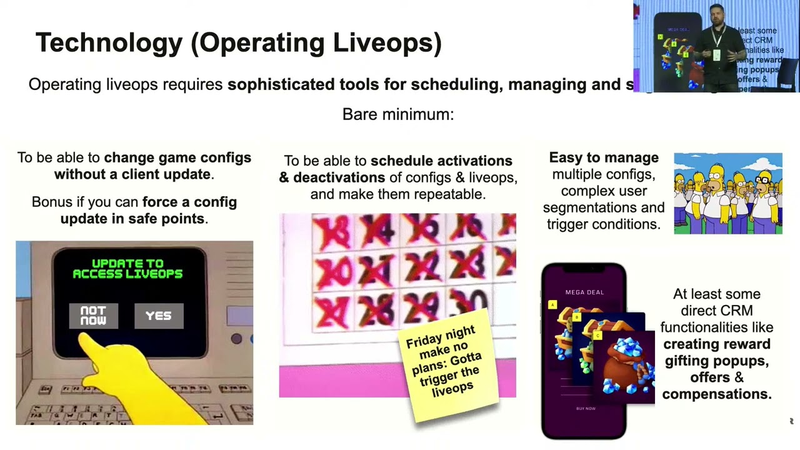
Comments