1 free read left. Create a free account for unlimited reading + AI research.
Create free accountReport GAMEHEARTS
1 free read left. Create a free account for unlimited reading + AI research.
Create free accountReportGAMEHEARTS
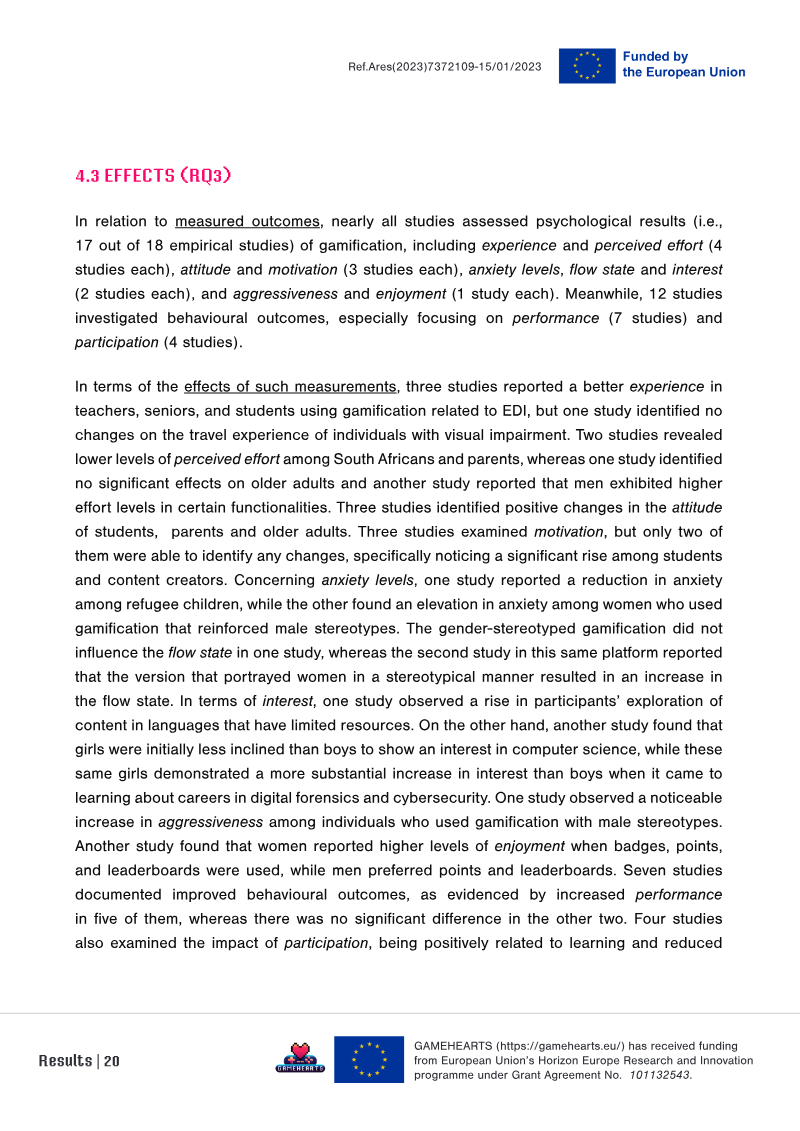
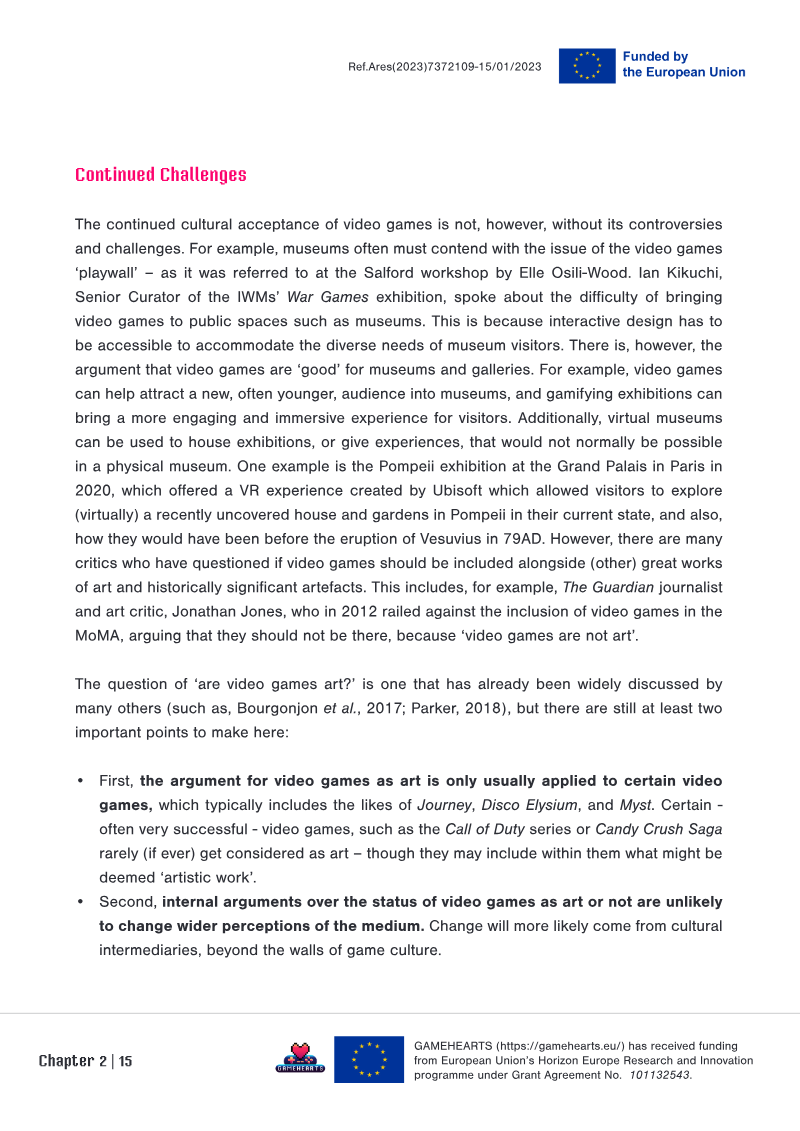
Gamified and interactive exhibitions can support engagement, informal learning, and collaboration, but some game exhibitions underperformed attendance expectations.
Balance needed. The authors conclude that interactivity must be balanced against credibility and educational integrity.
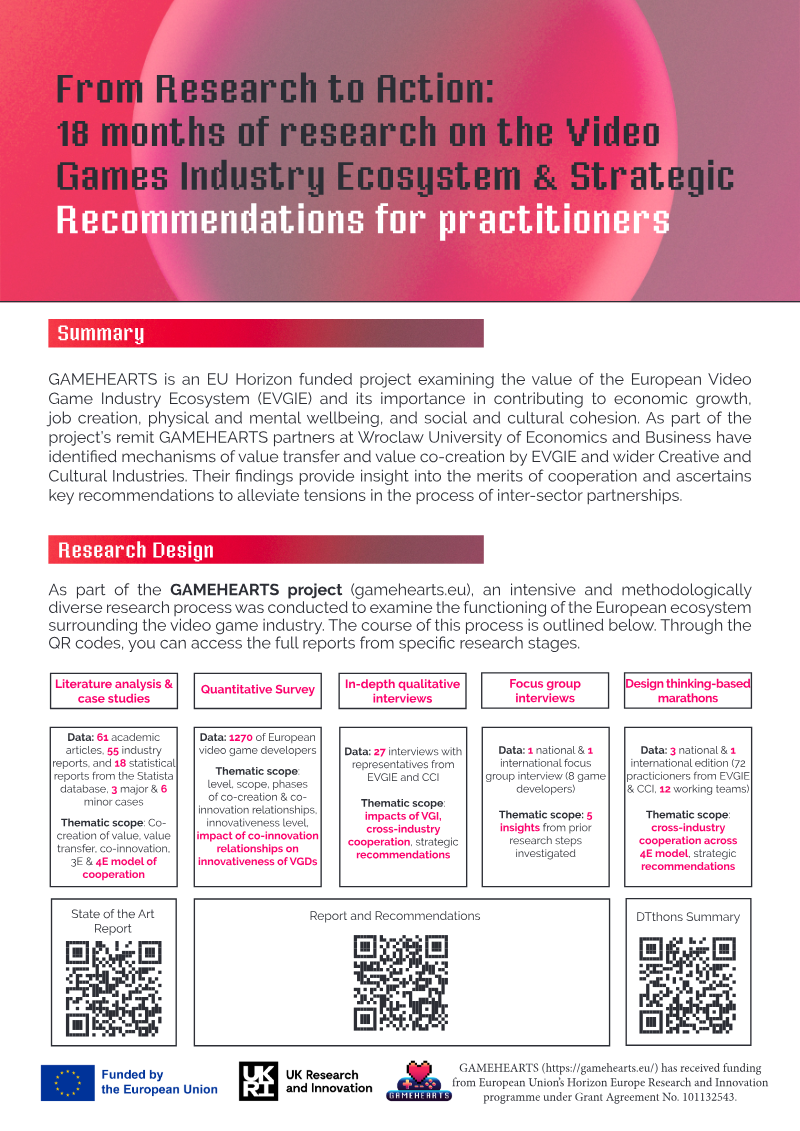
GAMEHEARTS State-of-the-Art Report 3 examines how video games, gamification, and immersive digital technologies are reshaping engagement across three cultural sectors: museums, classical music, and football. Its central argument is that the COVID-19 pandemic accelerated digital adoption across these fields, and that many of the resulting strategies have persisted into long-term practice, creating both opportunities and unresolved challenges for institutions seeking to attract younger, more digitally oriented audiences.
In the museum sector, the report finds that gamified and interactive experiences, exemplified by the V&A's Videogames: Design/Play/Disrupt exhibition and the Imperial War Museum's Enigma display, can support engagement, informal learning, and collaboration. However, benefits are uneven. Some game exhibitions have underperformed attendance expectations, certain digital tools have proven unreliable or inauthentic, and persistent issues of accessibility, device dependence, and maintenance cost temper enthusiasm. The authors conclude that interactivity must be balanced against credibility and educational integrity.
For classical music, the analysis identifies formality, limited social connection, and repertoire stagnation as barriers deterring younger listeners. Opportunities include shorter relaxed concerts, VR, AR, and app-based engagement, and video game music crossovers. A Royal Philharmonic Orchestra survey cited in the report shows interest in video game concerts among under-35s rising from 4% in 2018 to 11% in 2022, while earlier technology efforts such as the Concert Companion device illustrate the cost and resistance risks of premature digitisation.
In football, the report traces a long history of institutional wariness toward new media, followed by commercial embrace of broadcasting, esports, and digital fandom. Declining television viewership and rising unofficial streaming are presented as drivers of immersive initiatives, including UEFA's Football Service Platform, the DFL's VR and AR trials, and La Liga's personalisation and NFT projects. The report cautions that the financial sustainability of speculative Web3 ventures remains uncertain and situates these developments within a broader platformisation process, in which YouTube, Twitch, Roblox, and Meta increasingly shape how cultural and sporting content is produced and consumed.
AEVI · 2025