1 free read left. Create a free account for unlimited reading + AI research.
Create free accountReport GAMEHEARTS
1 free read left. Create a free account for unlimited reading + AI research.
Create free accountReportGAMEHEARTS
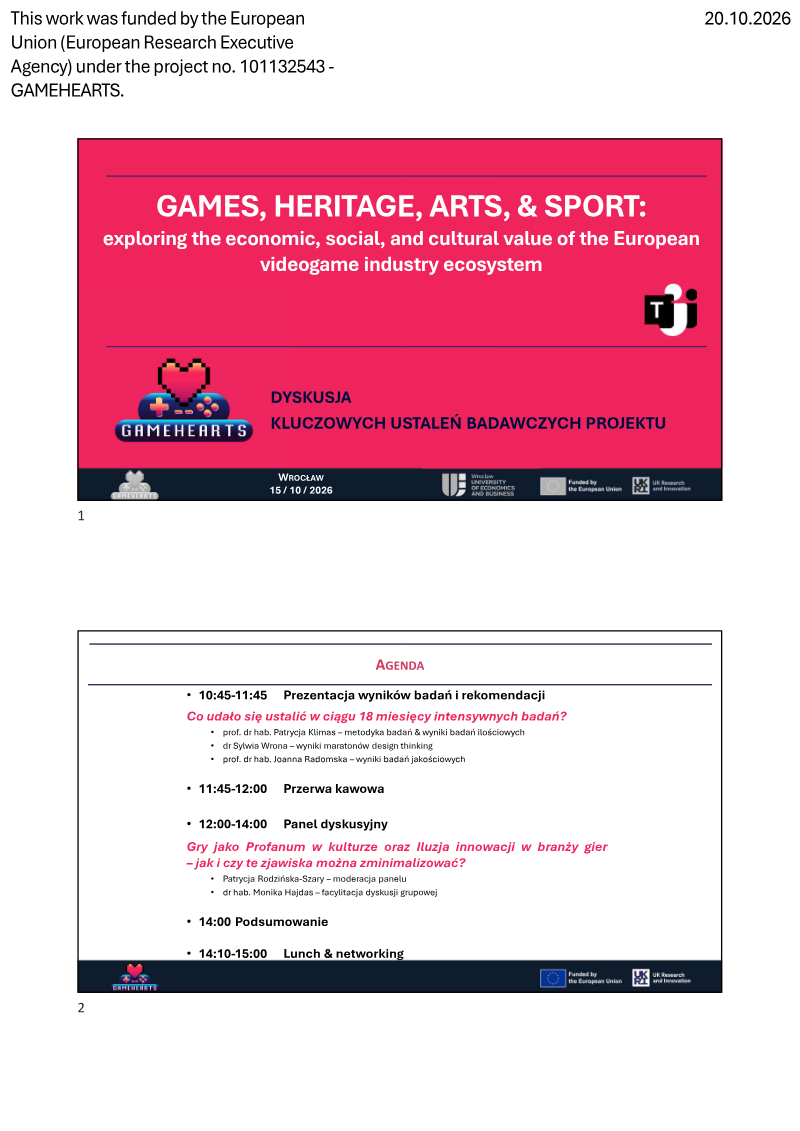
GAMEHEARTS examines how the European Video Game Industry Ecosystem contributes to economic growth, job creation, wellbeing and social and cultural cohesion. It is led in part by Wroclaw University of Economics and Business.
The GAMEHEARTS project, an EU Horizon-funded initiative, examines the value of the European Video Game Industry Ecosystem (EVGIE) and its contributions to economic growth, job creation, physical and mental wellbeing, and social and cultural cohesion. Led in part by partners at Wroclaw University of Economics and Business, the research identifies mechanisms of value transfer and value co-creation between the EVGIE and the wider Creative and Cultural Industries (CCI). Its central aim is to demonstrate the merits of cross-sector cooperation and to offer practical recommendations for managing the tensions that arise in inter-sector partnerships.
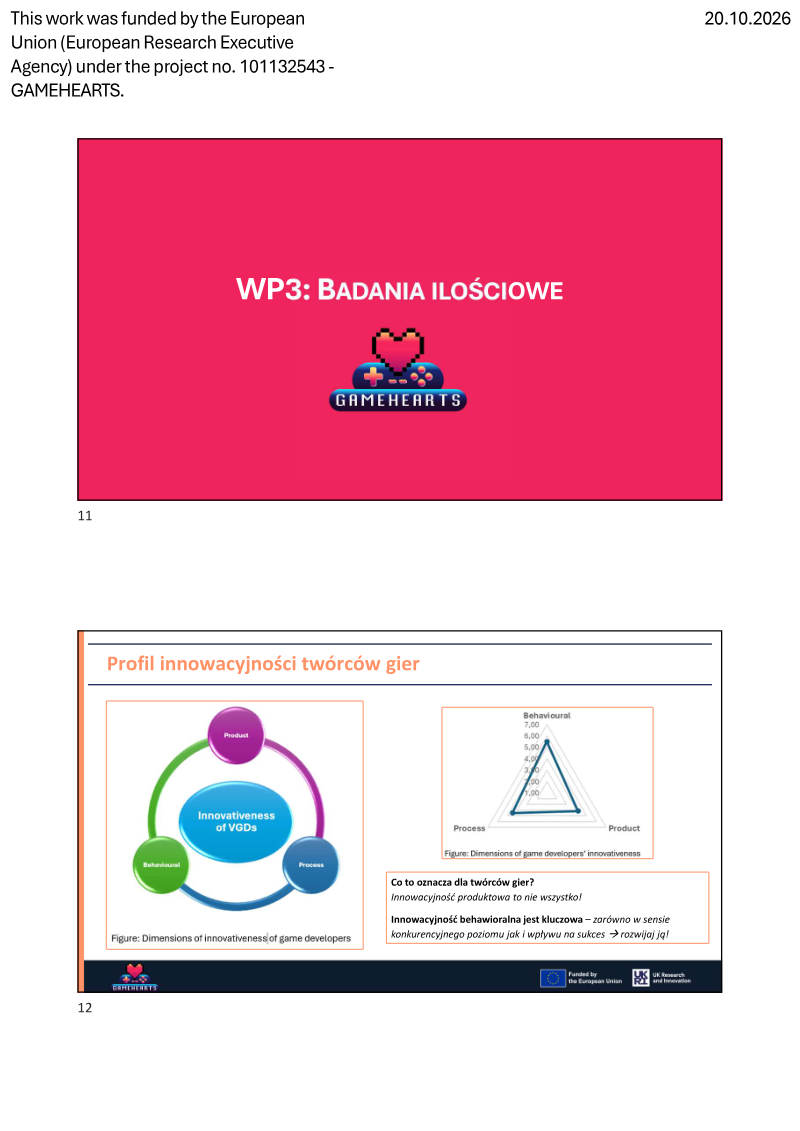
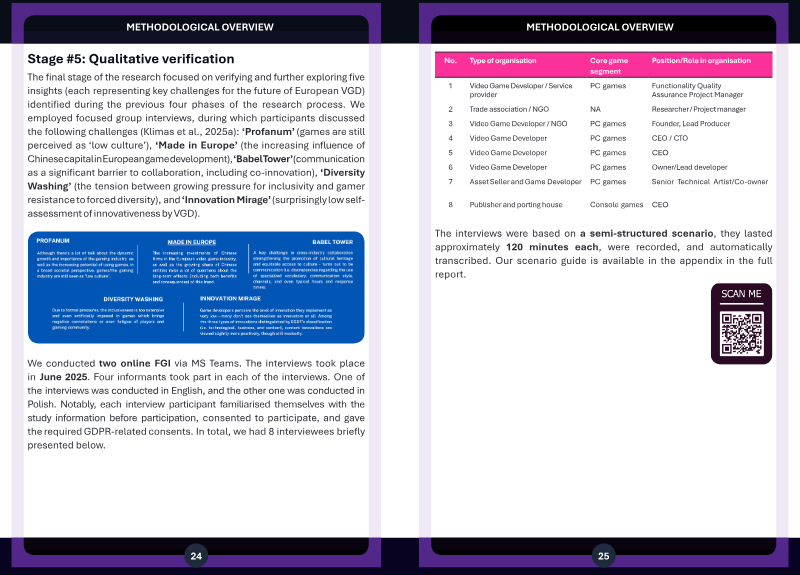
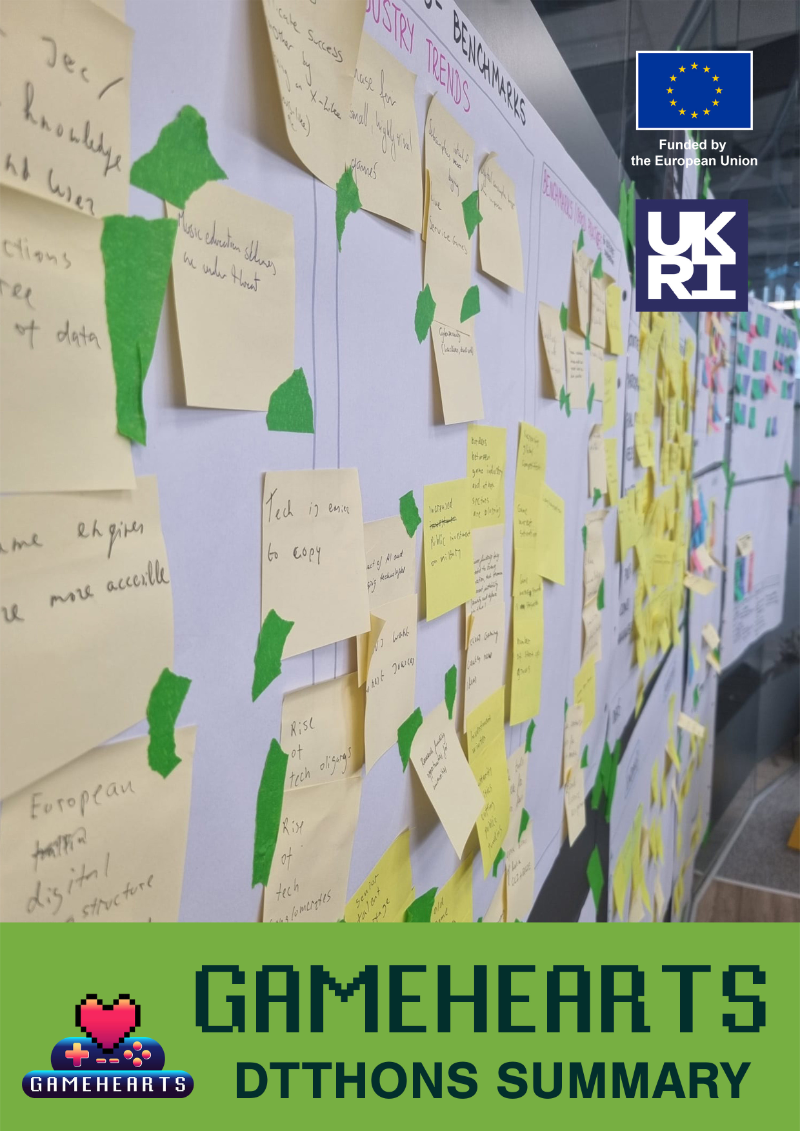
The research drew on a methodologically diverse design spanning roughly eighteen months. It combined a literature analysis of 61 academic articles, 18 statistical reports, and data from the Statista database; a quantitative survey of 1,270 respondents from the EVGIE and CCI; 27 in-depth qualitative interviews with industry representatives; focus groups involving 55 developers; and design thinking-based case studies with multiple workshops and "DTthons." Thematic scopes covered co-creation of value, value transfer, co-innovation, innovativeness levels, and the cross-industry strategic recommendations, with analysis organized around a 3E and 4E model of innovativeness and value.
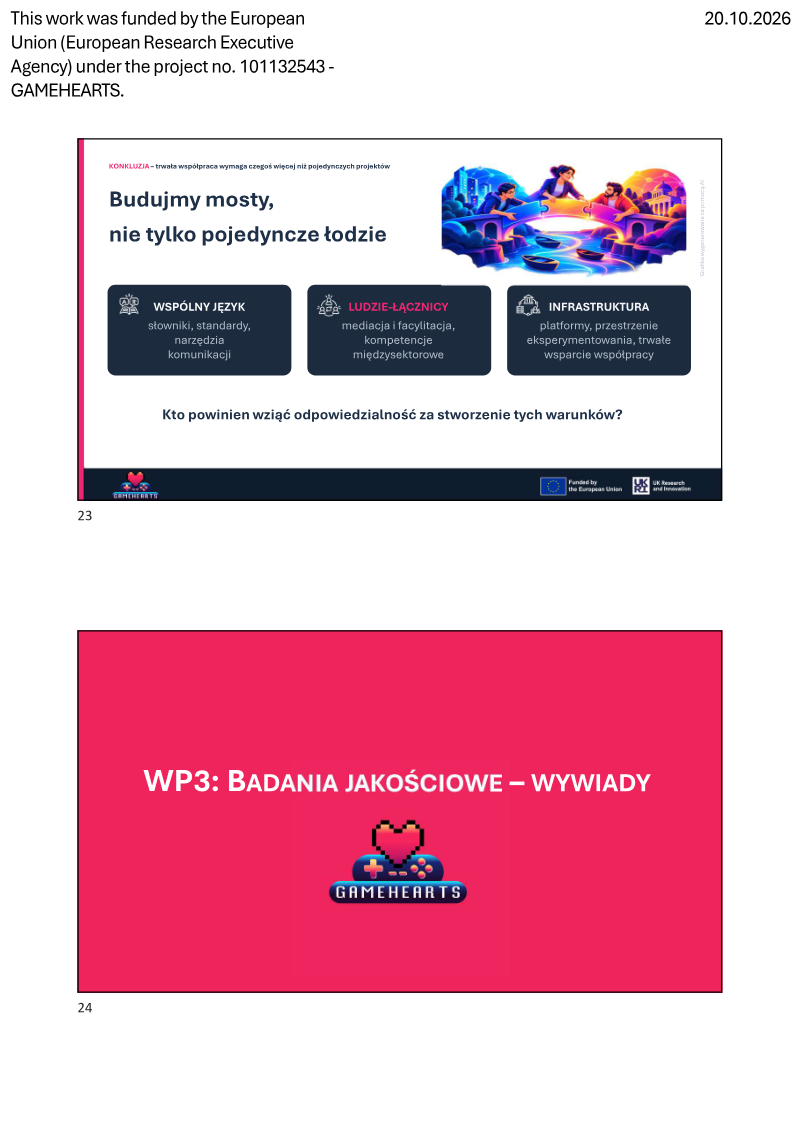
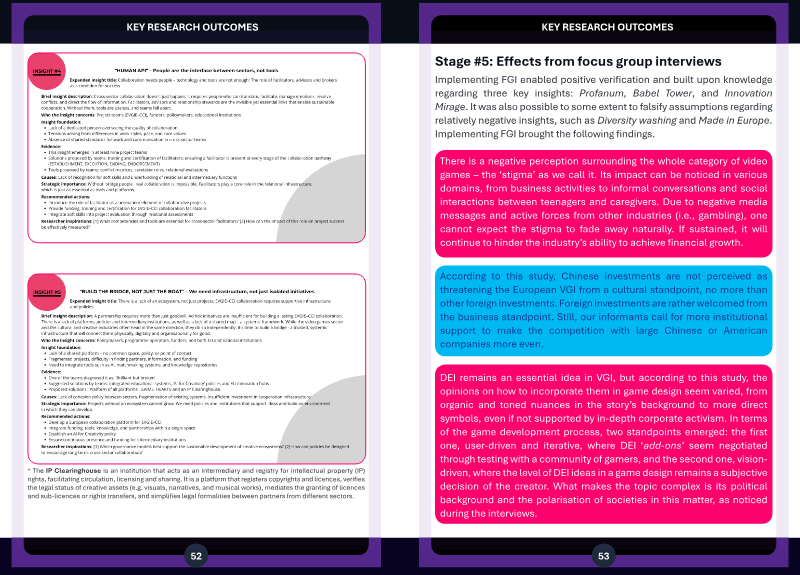
The findings support a set of practical recommendations addressed to video game developers, CCI actors, customers, and society. Central among them is the call for strategic cooperation at intra-industry, cross-industry, and intra-ecosystem levels, paired with a proactive, open-minded approach that counters silo thinking and accounts for differences in business goals and organisational cultures. The research also urges clear communication, documentation and sharing of both successful and unsuccessful practices, broader consumer perception in product strategy, and increased innovativeness across behavioural, product, and process dimensions. It cautions that diversity, equity, and inclusion measures should not be imposed solely by compliance and should avoid superficial "diversity-washing."



GAMEHEARTS · 2026
GAMEHEARTS · 2026
GAMEHEARTS · 2026

GAMEHEARTS · 2026
GAMEHEARTS · 2026

GAMEHEARTS · 2026

GAMEHEARTS · 2025

GAMEHEARTS · 2025
GAMEHEARTS · 2025
GAMEHEARTS · 2025

GAMEHEARTS · 2025
GAMEHEARTS · 2025
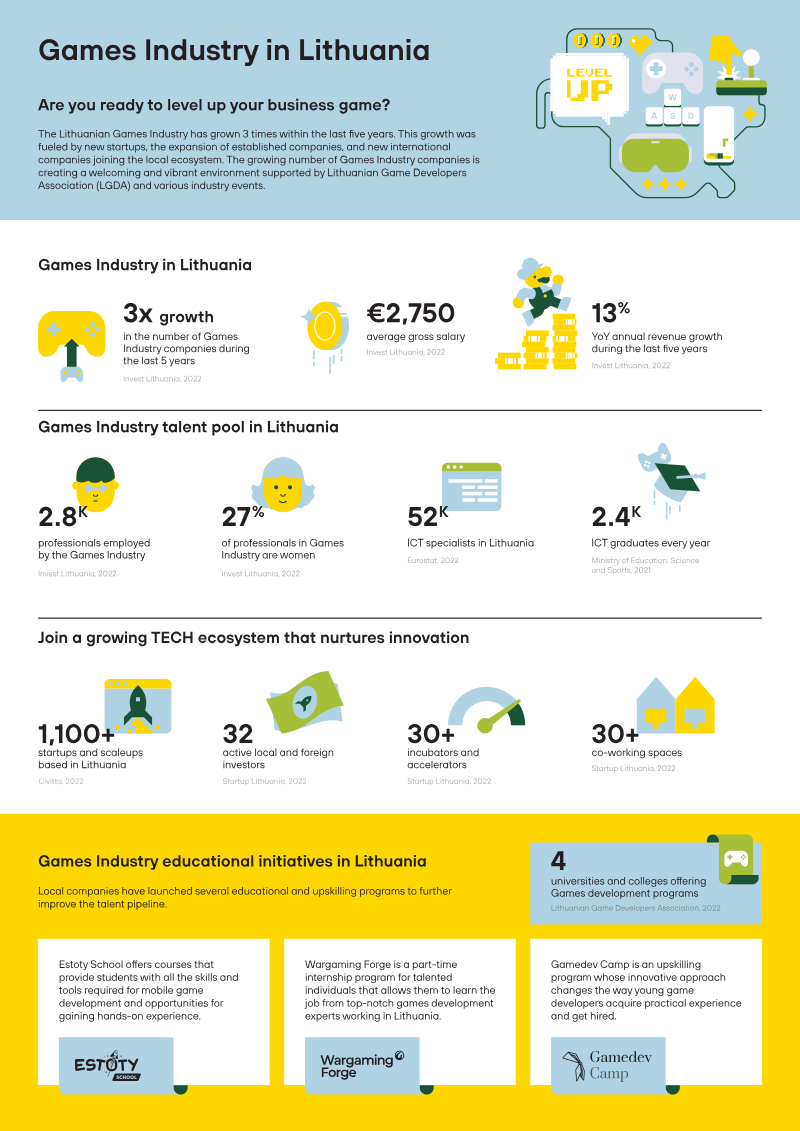
Invest Lithuania