1 free read left. Create a free account for unlimited reading + AI research.
Create free accountOther GAMEHEARTS
1 free read left. Create a free account for unlimited reading + AI research.
Create free accountOtherGAMEHEARTS
It encourages children to think about their gaming habits in a curious, non-judgmental way. It was produced by the Media Governance Lab at the University of Vienna.
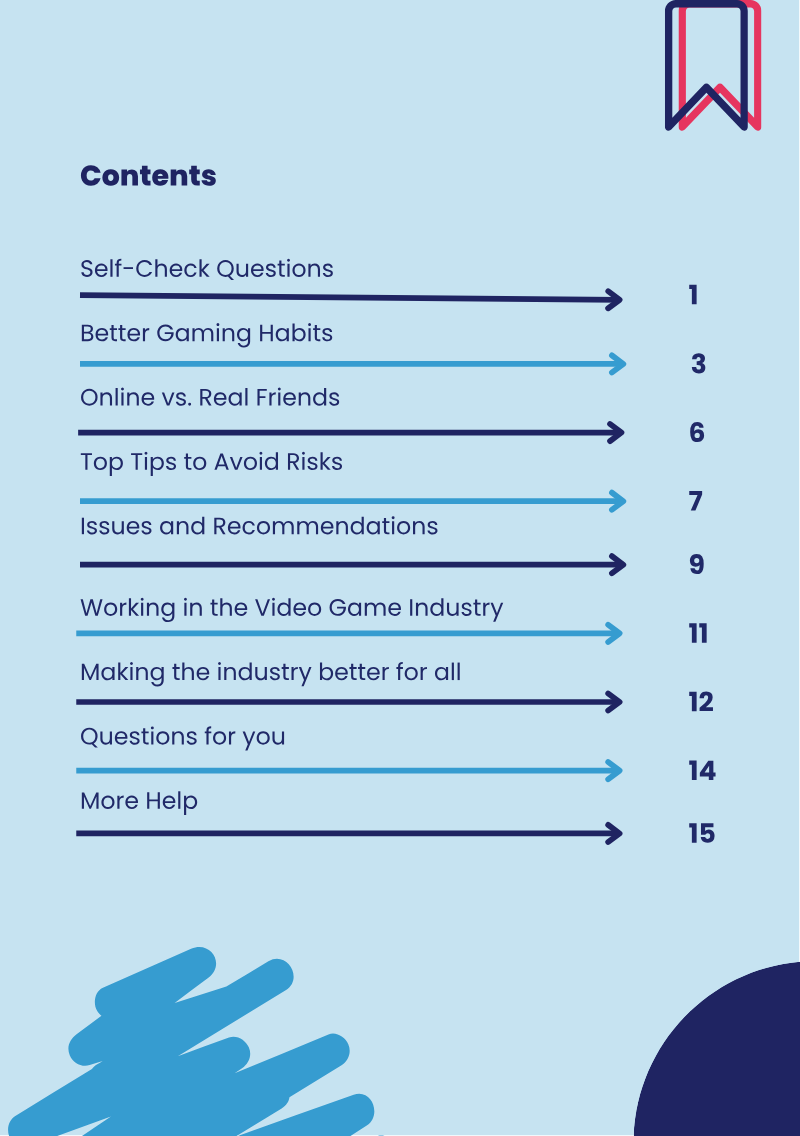
"A Guide for Kids Who Love Video Games" is an educational resource for young children who play video games, produced by the Media Governance Lab at the University of Vienna as part of the EU-funded GAMEHEARTS project under Horizon Europe. Its purpose is to encourage children to reflect on their gaming habits in a curious, non-judgmental way, rather than dictating rules. It frames gaming as a source of fun, creativity, and social connection while helping young players recognize how it fits into their daily lives, sleep, physical health, and relationships.
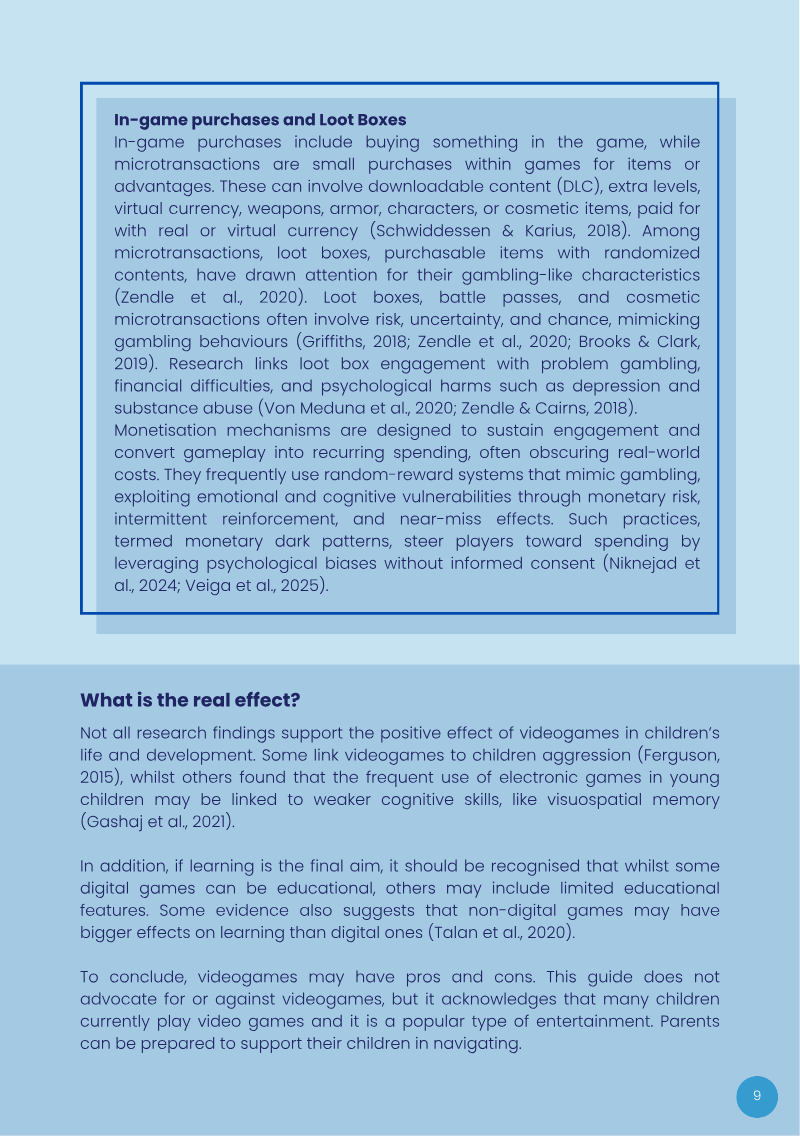
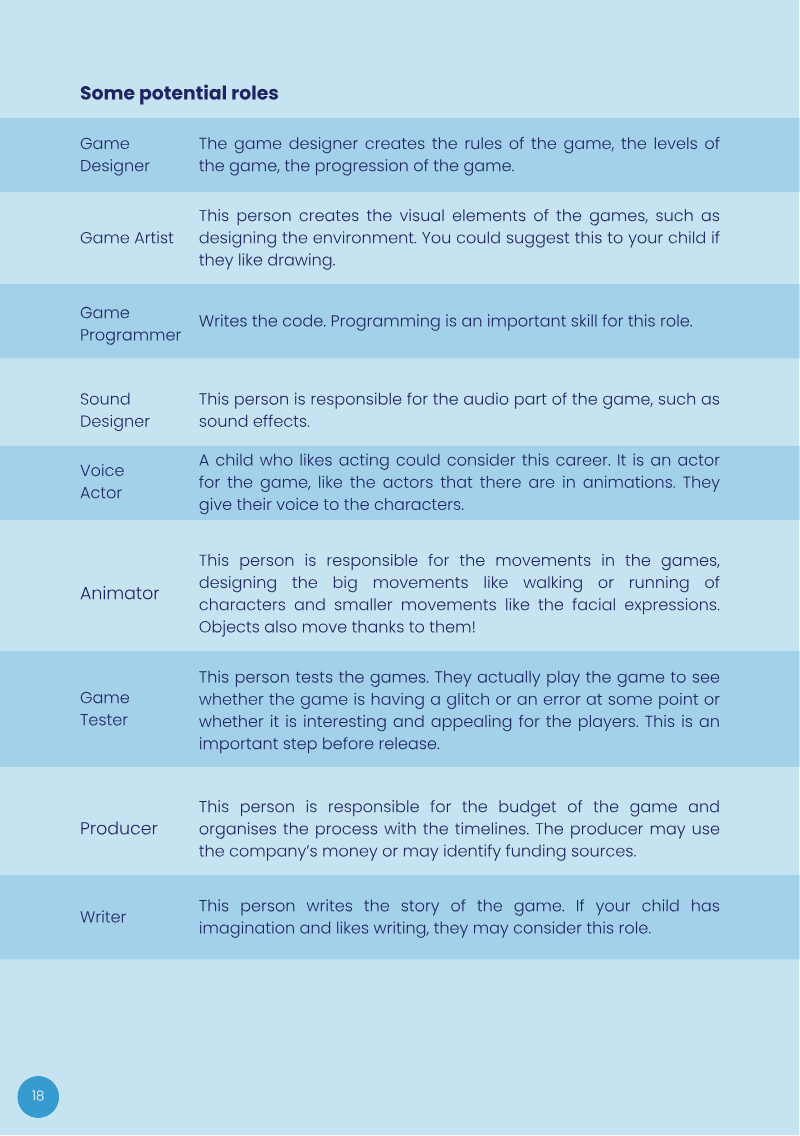
The guide covers a range of practical topics: setting self-chosen time limits and taking regular breaks, choosing games with pause functions and appropriate PEGI age ratings, protecting personal information, distinguishing online acquaintances from real-life friends, and recognizing warning signs of unsafe contact. It also addresses monetization risks, particularly loot boxes, which it likens to slot machines, and encourages children to consult trusted adults before making in-game purchases. Additional sections introduce careers in the games industry and offer discussion questions for families and classrooms.
The document also outlines broader industry concerns and recommendations, drawn from input gathered across Europe from children, young people, families, and experts. Proposed measures include mandatory display of loot box odds, harmonized age ratings and better age verification, tools for blocking and reporting harmful behavior, greater representation of diverse characters and creators, expanded learning opportunities in coding and design, and collaboration among companies, schools, policymakers, and player communities. The guide closes with a list of European online safety resources and helplines for children, parents, and educators.



GAMEHEARTS · 2026
GAMEHEARTS · 2026
GAMEHEARTS · 2026
GAMEHEARTS · 2026
GAMEHEARTS · 2026
GAMEHEARTS · 2025
GAMEHEARTS · 2025
GAMEHEARTS · 2025
GAMEHEARTS · 2025
GAMEHEARTS · 2025
GAMEHEARTS · 2025
GAMEHEARTS · 2025
DiGRA · 2026