1 free read left. Create a free account for unlimited reading + AI research.
Create free accountPresentation GAMEHEARTS
1 free read left. Create a free account for unlimited reading + AI research.
Create free accountPresentationGAMEHEARTS
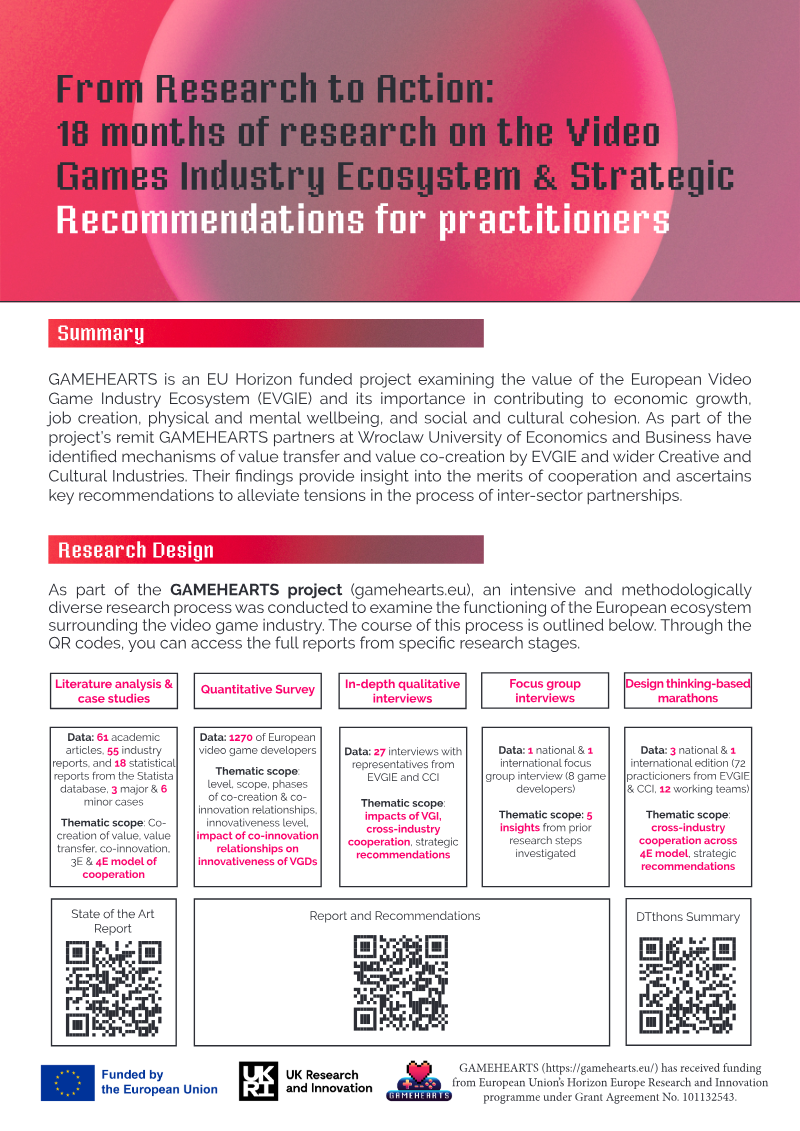
The Horizon Europe-funded project combined a literature review, a developer survey, interviews, focus groups and design thinking marathons.
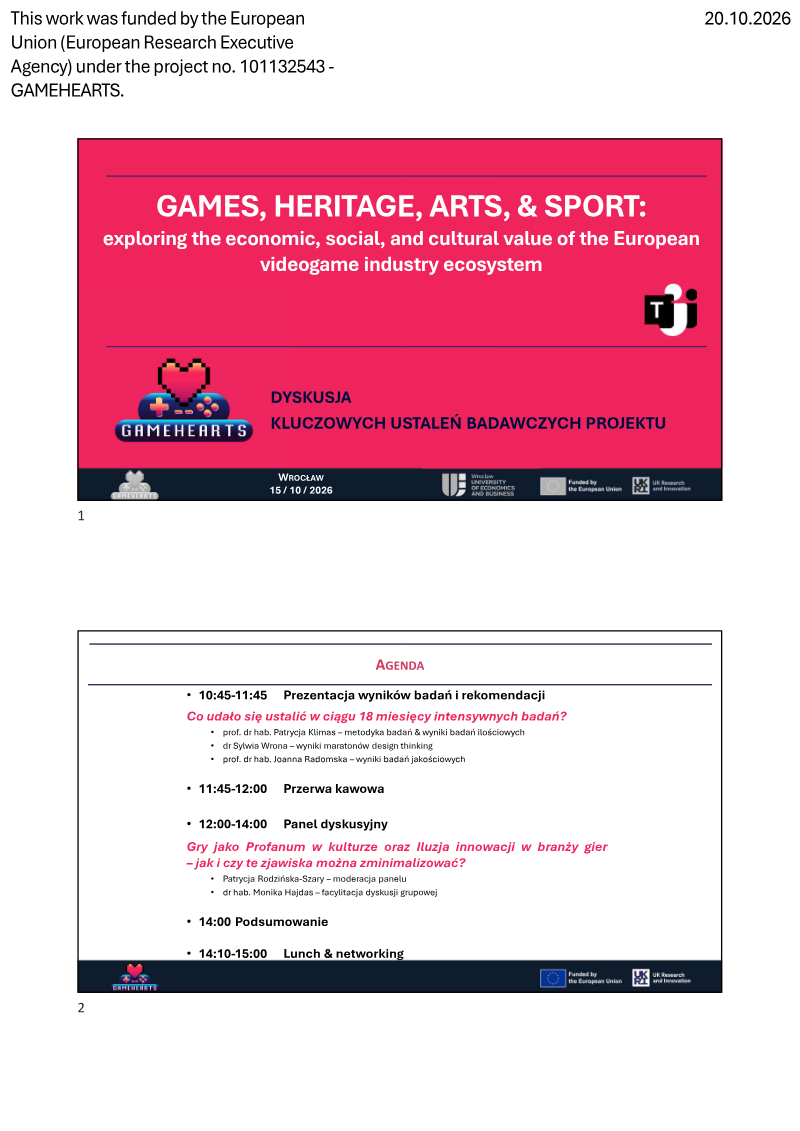
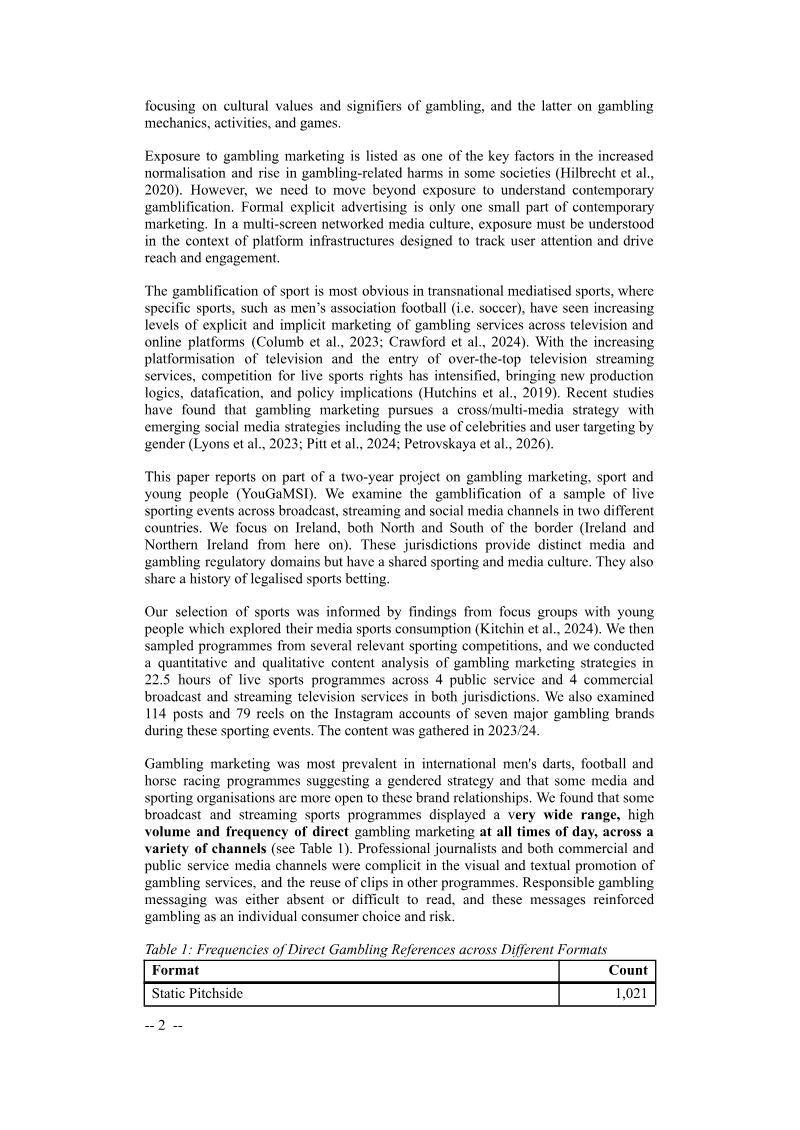
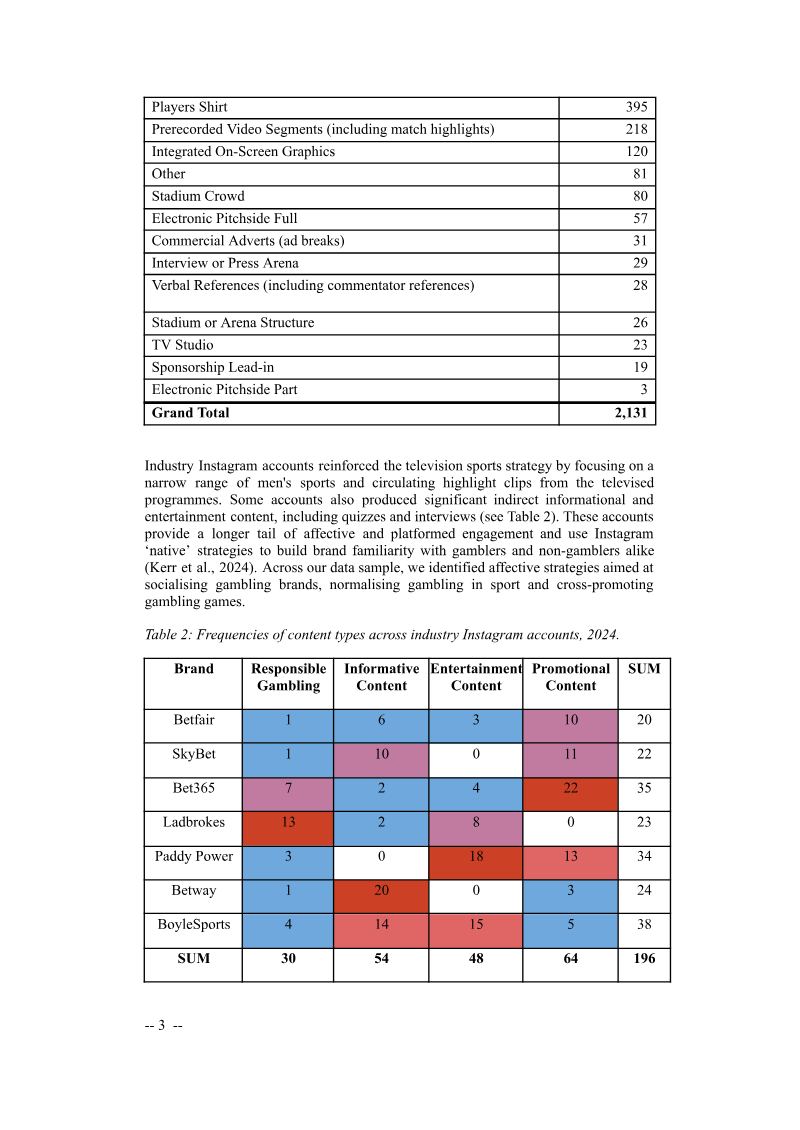
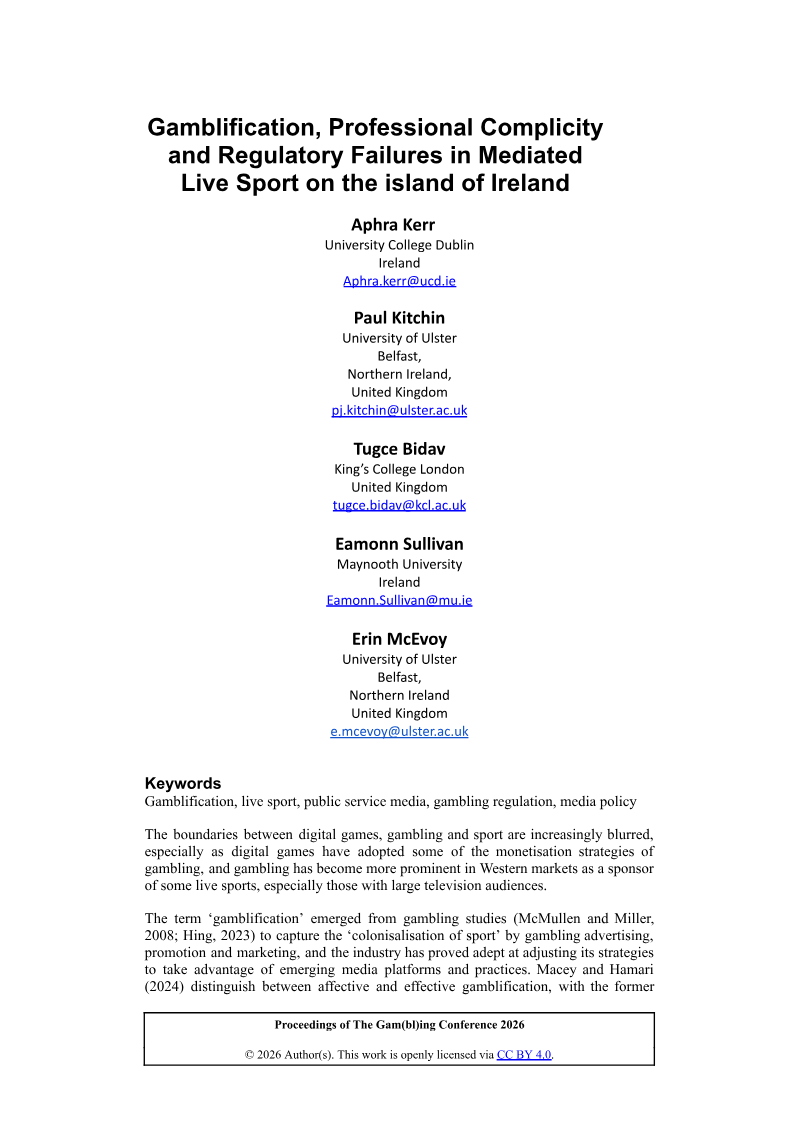
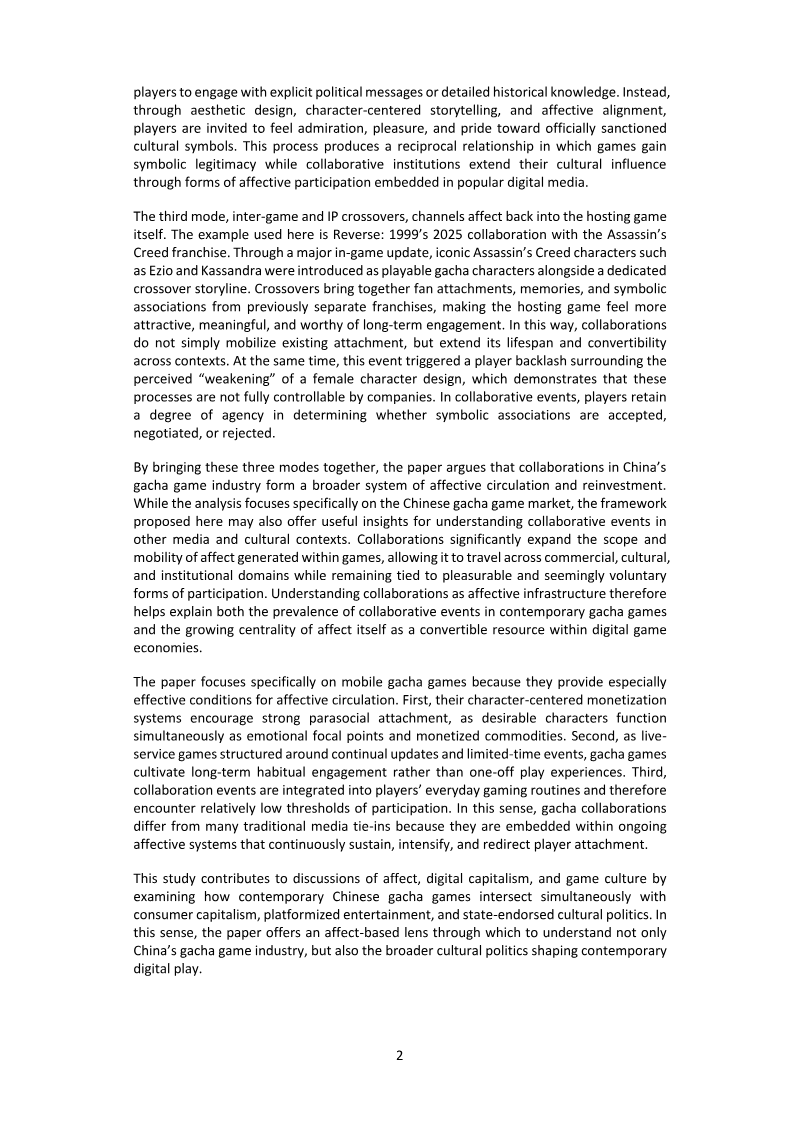
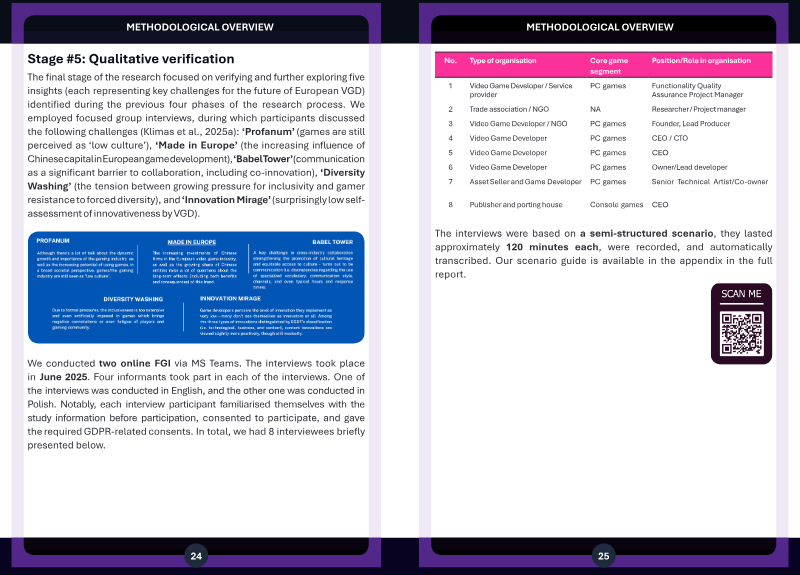
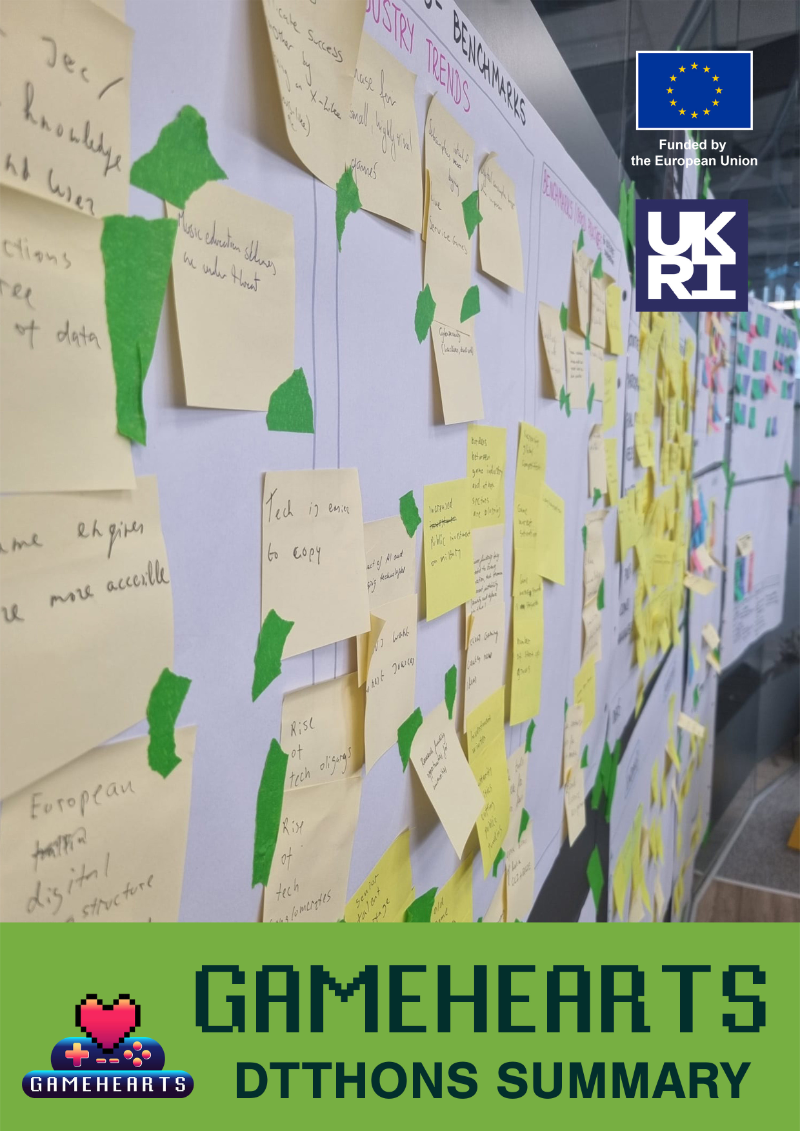
The GAMEHEARTS project, funded under the European Union's Horizon Europe programme, examines the economic, social, and cultural value of the European video game industry ecosystem (EVGIE) and its relationships with the cultural and creative industries (CCI). Its central aim is to maximise the value of that ecosystem through development and broader social application, while assessing policy opportunities and risks and formulating recommendations for European policy and industry strategy. The work covers an 18-month research period and combines a literature and industry report review, a quantitative survey of 127 European video game developers, 27 in-depth interviews with representatives of EVGIE and CCI, focus groups, and design thinking marathons involving 72 participants across 12 working teams.
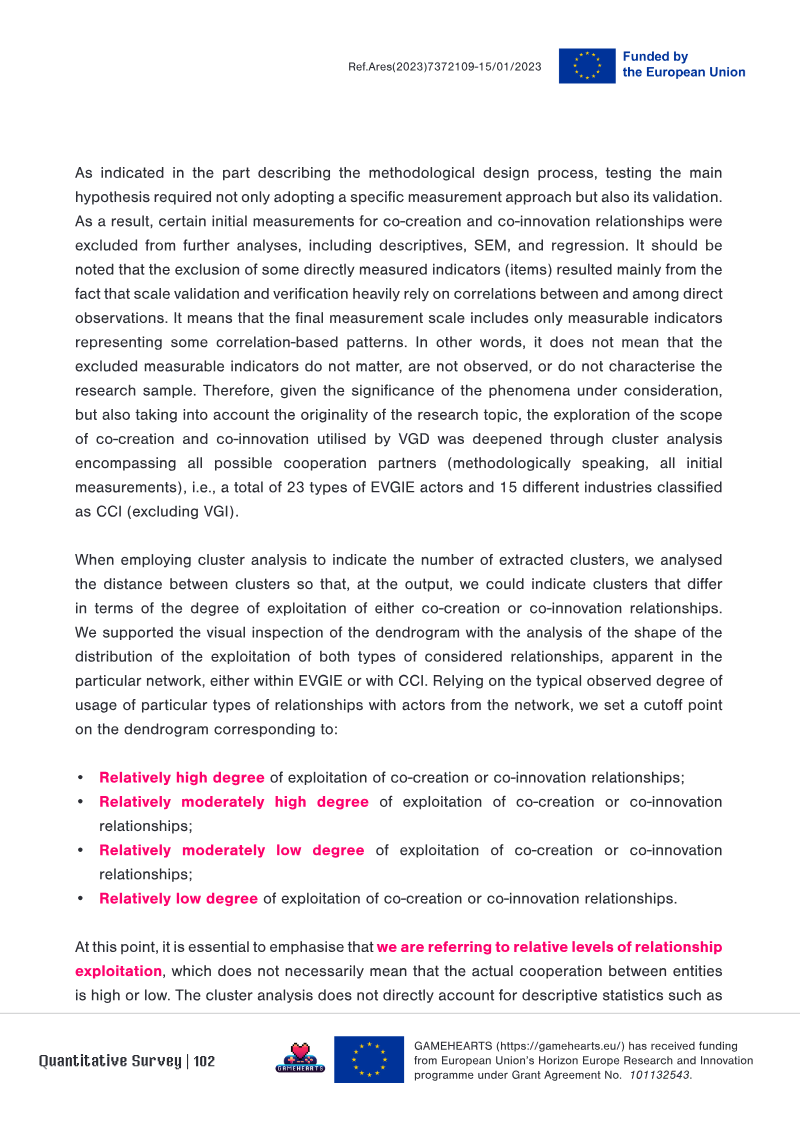
The quantitative findings indicate that collaboration among game developers within EVGIE is rated low, and collaboration with CCI sectors is rated very low. Developers perceive their own innovativeness as generally modest, particularly in the product dimension, while behavioural innovativeness scores highest and is shown to strongly influence success. Co-innovation relationships, both within EVGIE and with CCI sectors, correlate positively with developers' innovativeness, yet the survey suggests that many potential partners, including universities, public institutions, and heritage bodies, remain underused.
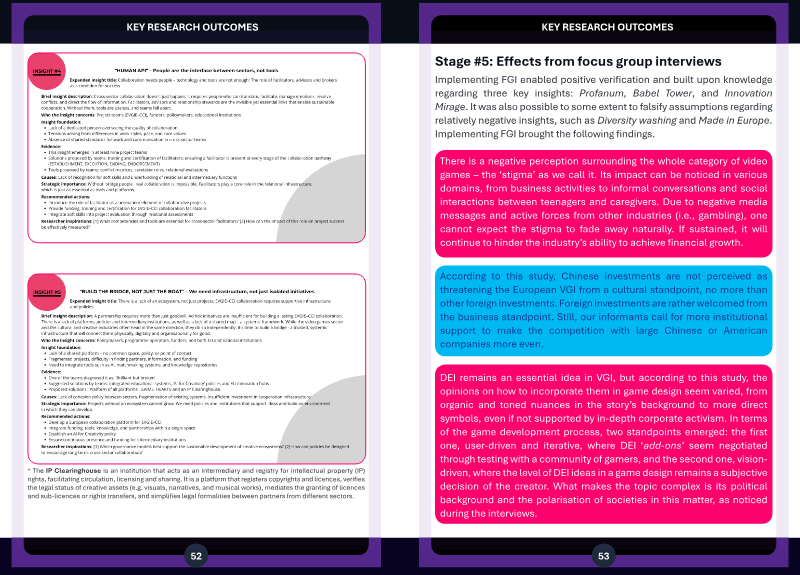
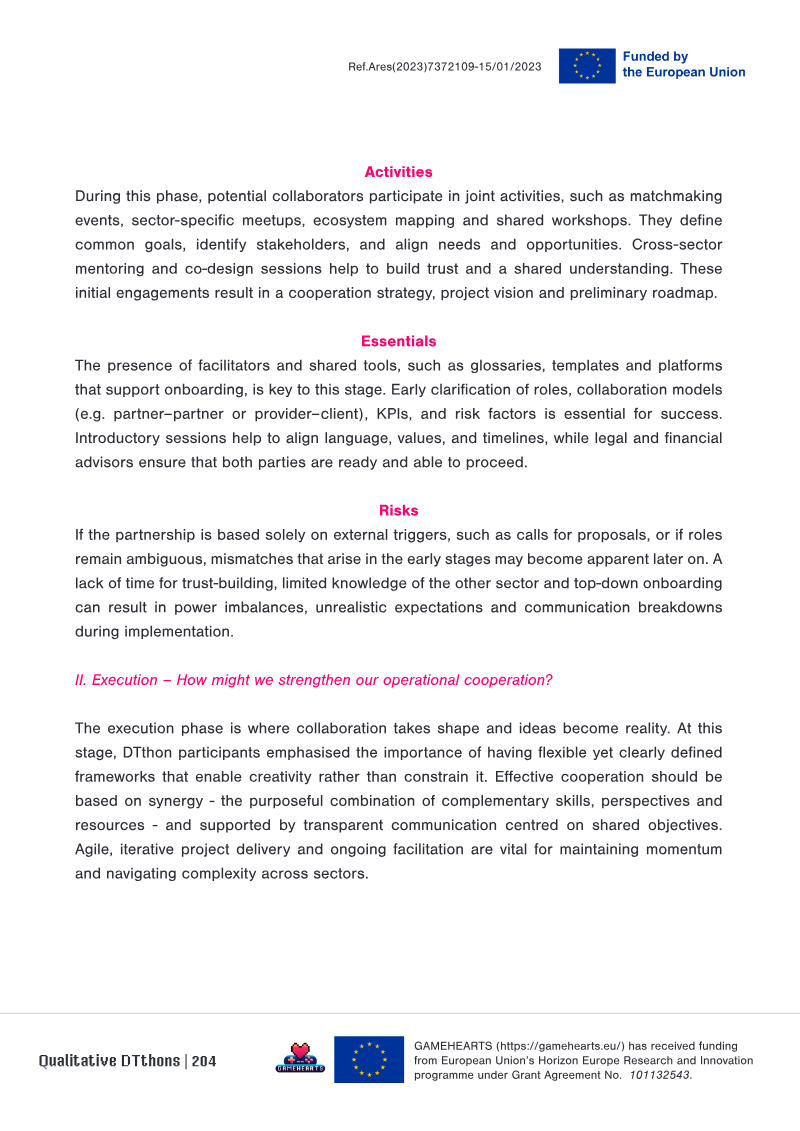
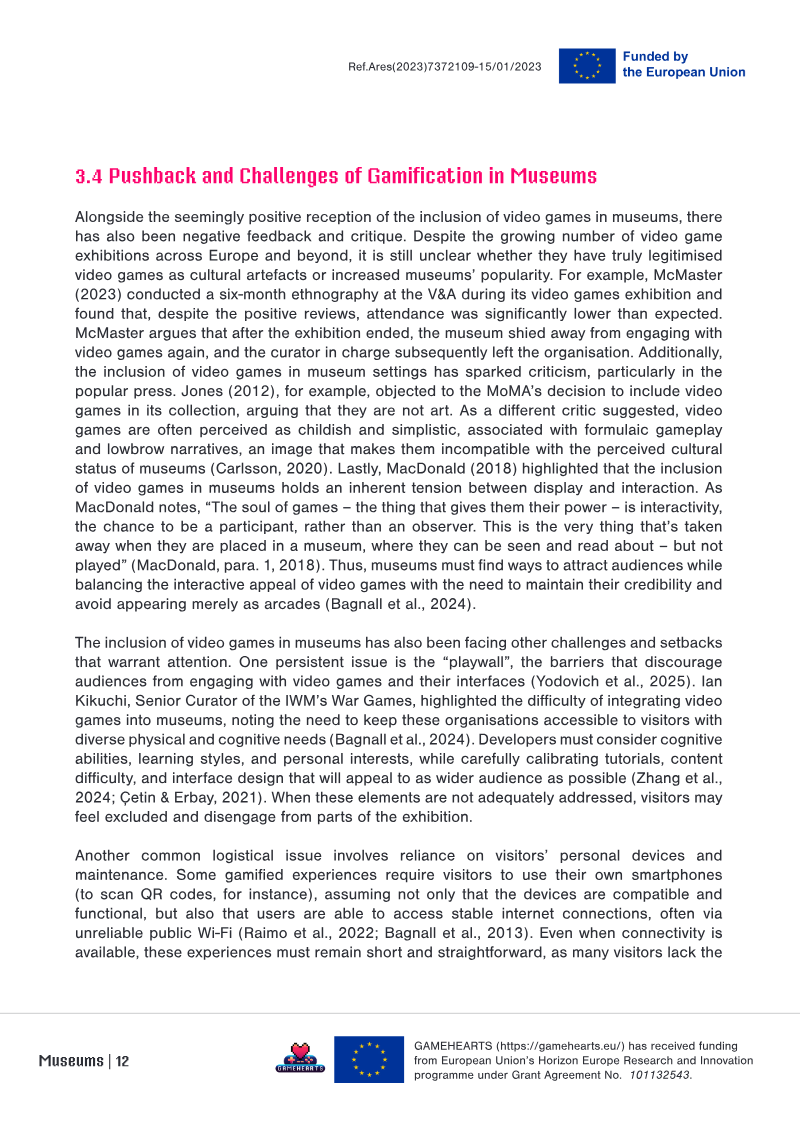
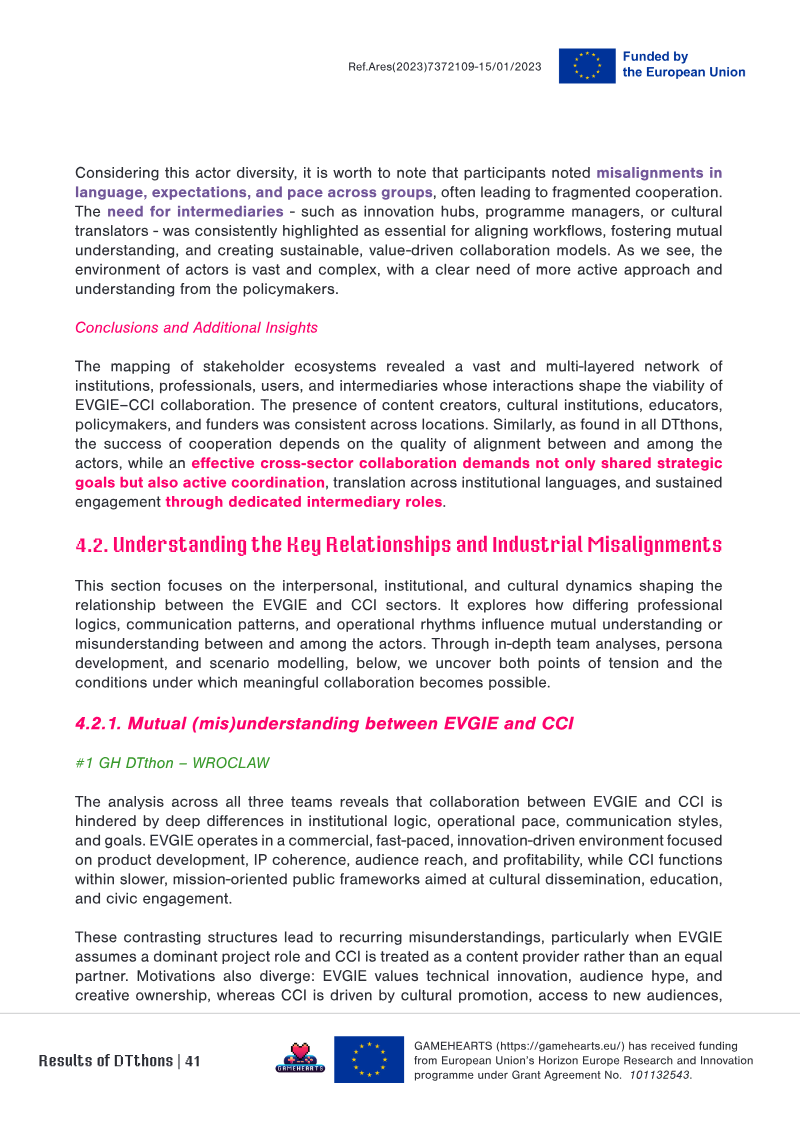
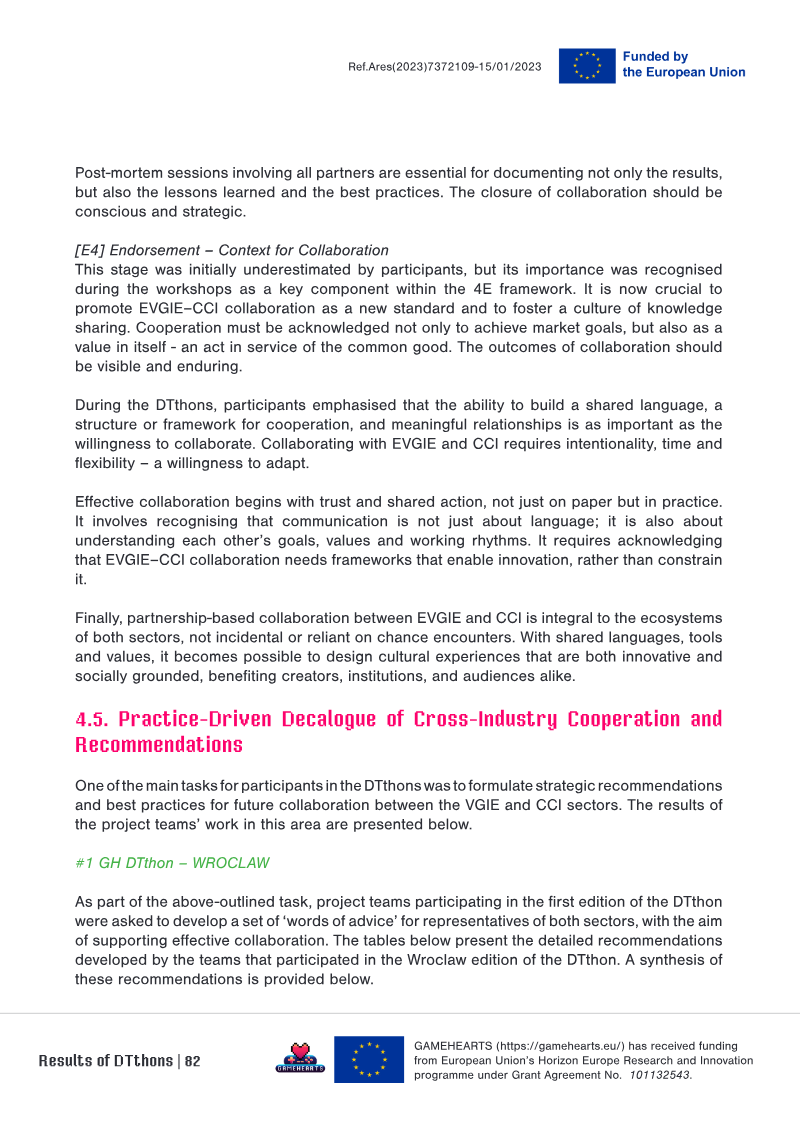
The design thinking marathons identified six tension dimensions hindering cross-sector collaboration, including differing work tempos, motivations, communication styles, decision-making, visibility of results, and definitions of success. Participants concluded that durable collaboration requires a shared language, human intermediaries, and dedicated infrastructure, and they proposed twelve collaboration concepts built on the 4E model of establishment, execution, ending, and endorsement. Qualitative interviews framed games as far more than entertainment, spanning economic, technological, social, and cultural dimensions, while a persistent perception of games as "low culture" and the resulting lack of preservation policy were identified as barriers. The project further describes two mechanisms of innovation invisibility: short-sightedness in recognising innovation and orphaned innovation lacking advocates or appropriate evaluation criteria. The recommendations address national and EU policymakers, intermediary organisations, developers, and CCI sectors, calling for formal recognition of games as cultural heritage, digital archiving, simplified funding, platform accountability, and sustained cross-sector partnerships.



GAMEHEARTS · 2026

GAMEHEARTS · 2026

GAMEHEARTS · 2026
GAMEHEARTS · 2026
GAMEHEARTS · 2026
GAMEHEARTS · 2025

GAMEHEARTS · 2025

GAMEHEARTS · 2025
GAMEHEARTS · 2025
GAMEHEARTS · 2025


GAMEHEARTS · 2025

GAMEHEARTS · 2025
Extra Credits · 2012