1 free read left. Create a free account for unlimited reading + AI research.
Create free accountReport GAMEHEARTS
1 free read left. Create a free account for unlimited reading + AI research.
Create free accountReportGAMEHEARTS
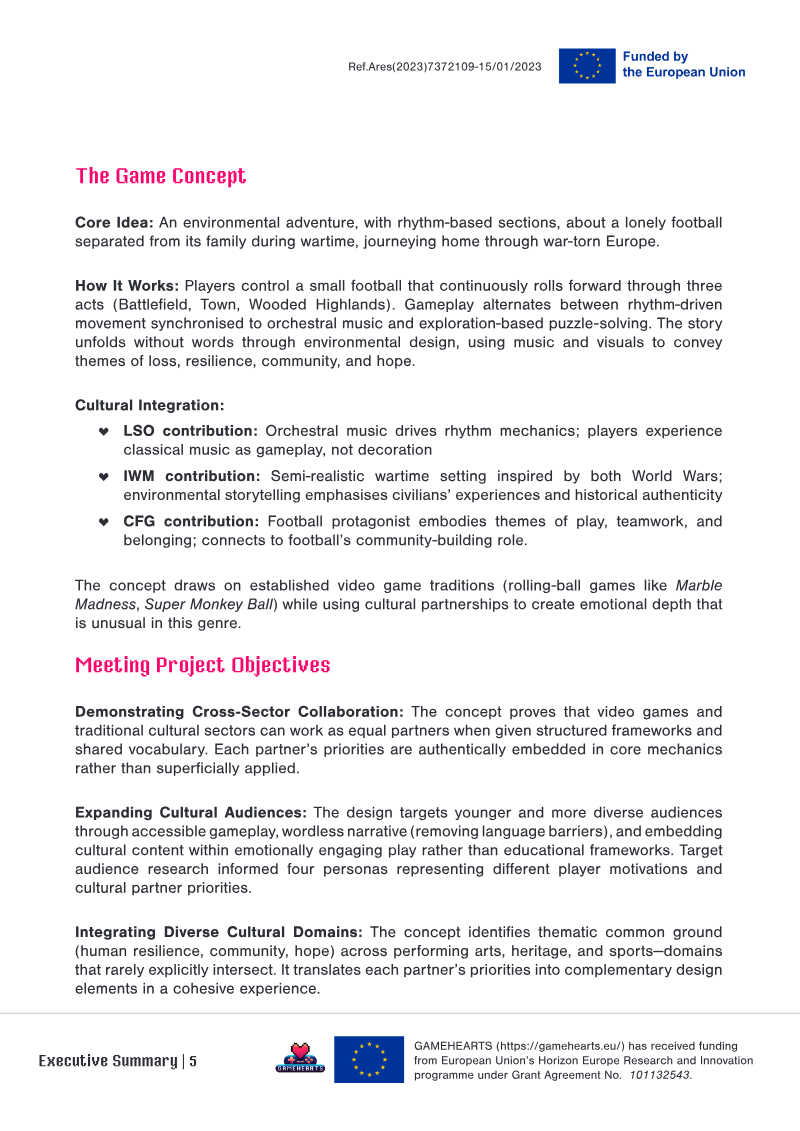
The GAMEHEARTS Concept Design Document is a Work Package 6 deliverable under Horizon Europe project 101132543. It guides development of a game prototype.
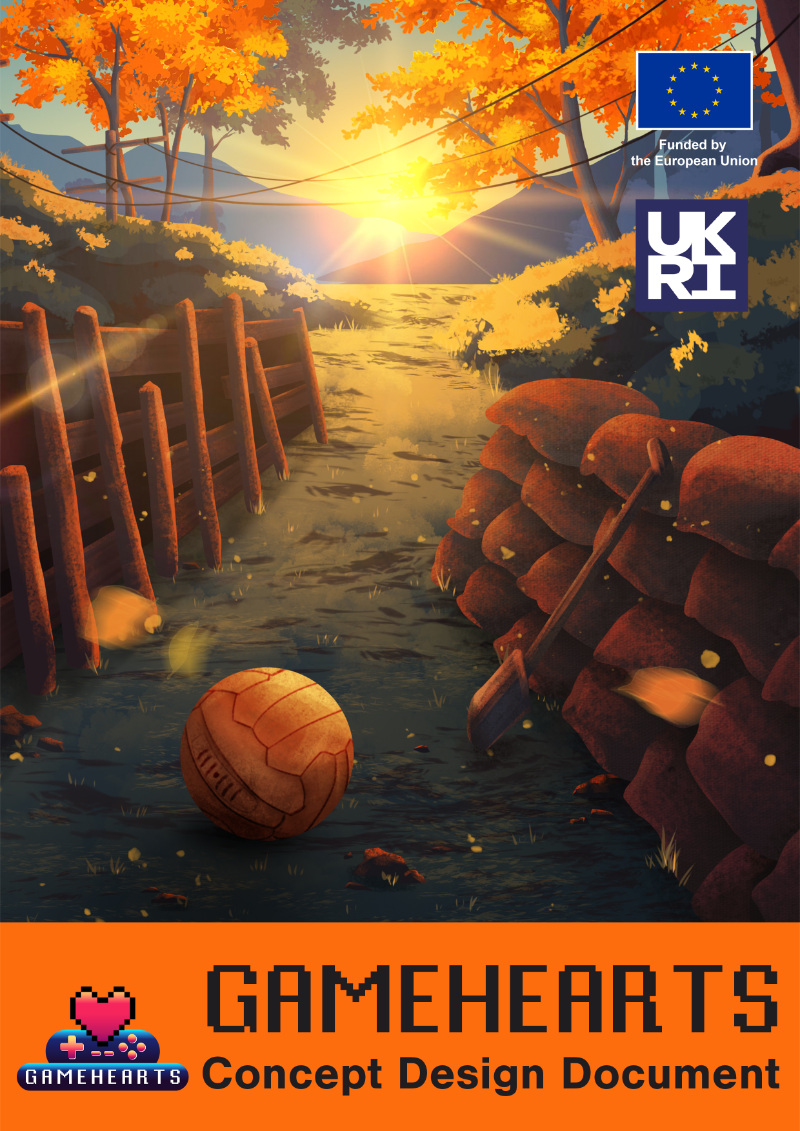
The GAMEHEARTS Concept Design Document, a deliverable of Work Package 6 under Horizon Europe project 101132543, sets out an agreed concept for a wordless rolling-ball environmental adventure developed through collaboration among five universities, Ubisoft, and three cultural partners: the Imperial War Museum, the London Symphony Orchestra, and City Football Group. Its purpose is to guide the development of a game prototype, facilitate communication across academic, industrial, and cultural sectors, and record the research-to-creative process that produced the design. The document is explicitly propositional. Its claims about audience engagement and cross-sector integration are design intentions awaiting validation through implementation and player evaluation in later work packages.
The concept took shape through an online ideation session, a September 2025 concept jam, target audience research, and design thinking workshops. These converged on shared themes of overcoming adversity, collaborative play, and learning through gameplay. Audience research grounded in Bartle's player taxonomy, primarily Explorer and Achiever types, produced four personas that informed the design. The aim is to reach younger and more diverse players through rhythm-based mechanics, wartime civilian storytelling, and a football-themed community.
The game itself is a single-player PC experience set in semi-realistic wartime Europe, in which a football seeks reunion with its family. Its core mechanics include movement, inflation and deflation, chiming, and rhythm and puzzle systems, built in Unreal Engine 5 with a hybrid 2D/3D art direction and orchestral audio. Accessibility is treated as a foundational concern, with a language-free narrative, centred camera work to mitigate motion sickness, mid-range hardware targets, and gamepad controls compatible with adaptive controllers. The narrative follows a three-act structure.
The document's remaining material consists of references, citations, licensing terms under CC-BY 4.0, funding disclaimers, and partner details, including citations to broader industry scholarship on cross-industry cooperation within the European video game ecosystem.
Each row is a game or company this document names, each column a document, oldest first. A mark means that document names it. Select a row to see those documents.



GAMEHEARTS · 2026



GAMEHEARTS · 2026
GAMEHEARTS · 2026
GAMEHEARTS · 2026
GAMEHEARTS · 2026
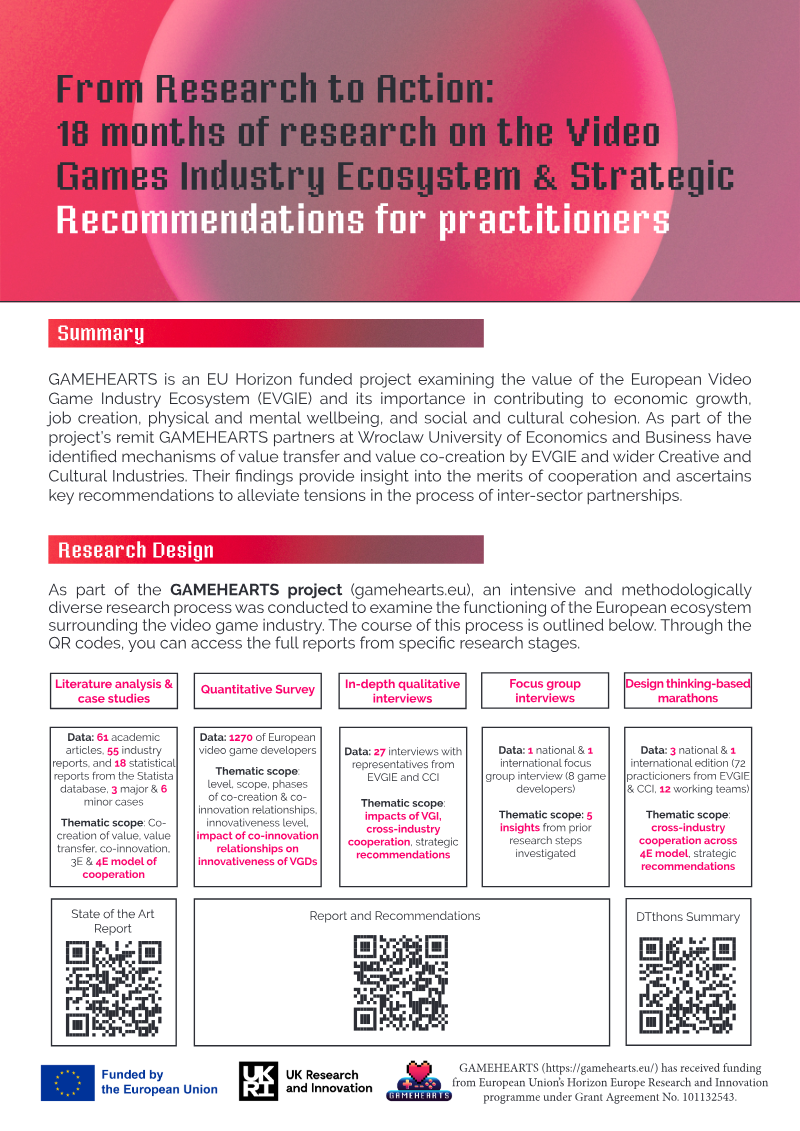
GAMEHEARTS · 2025
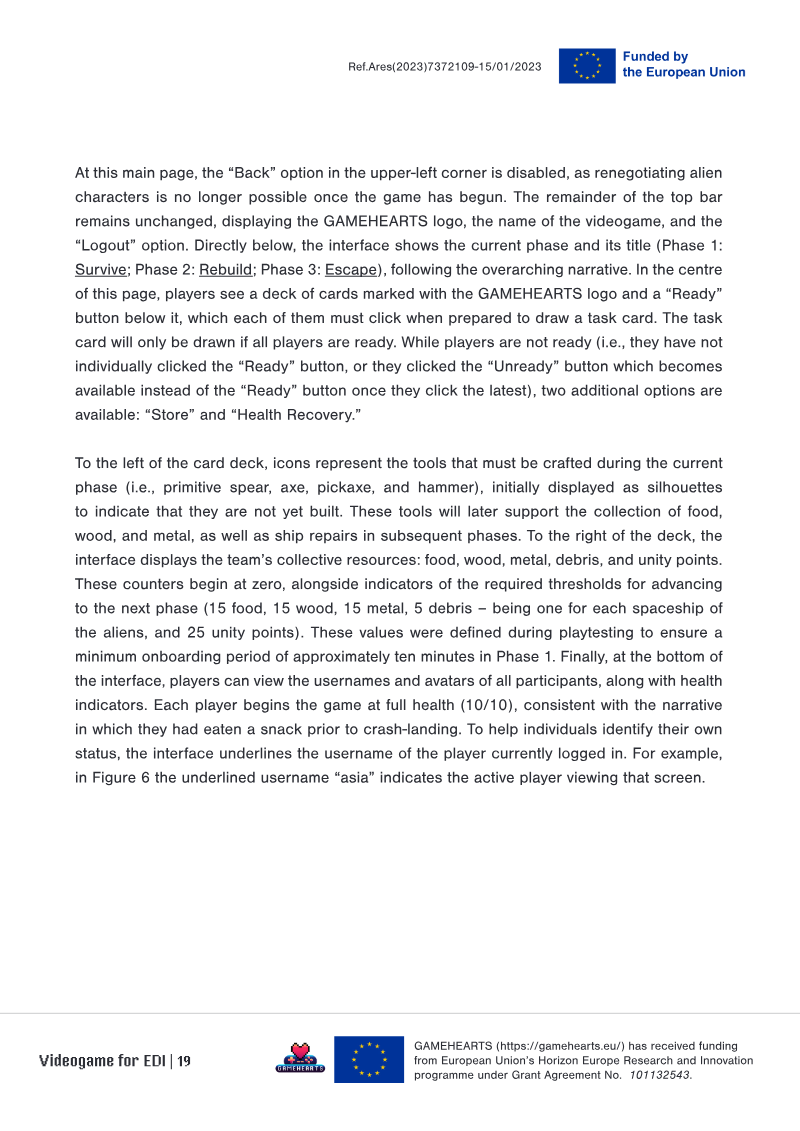
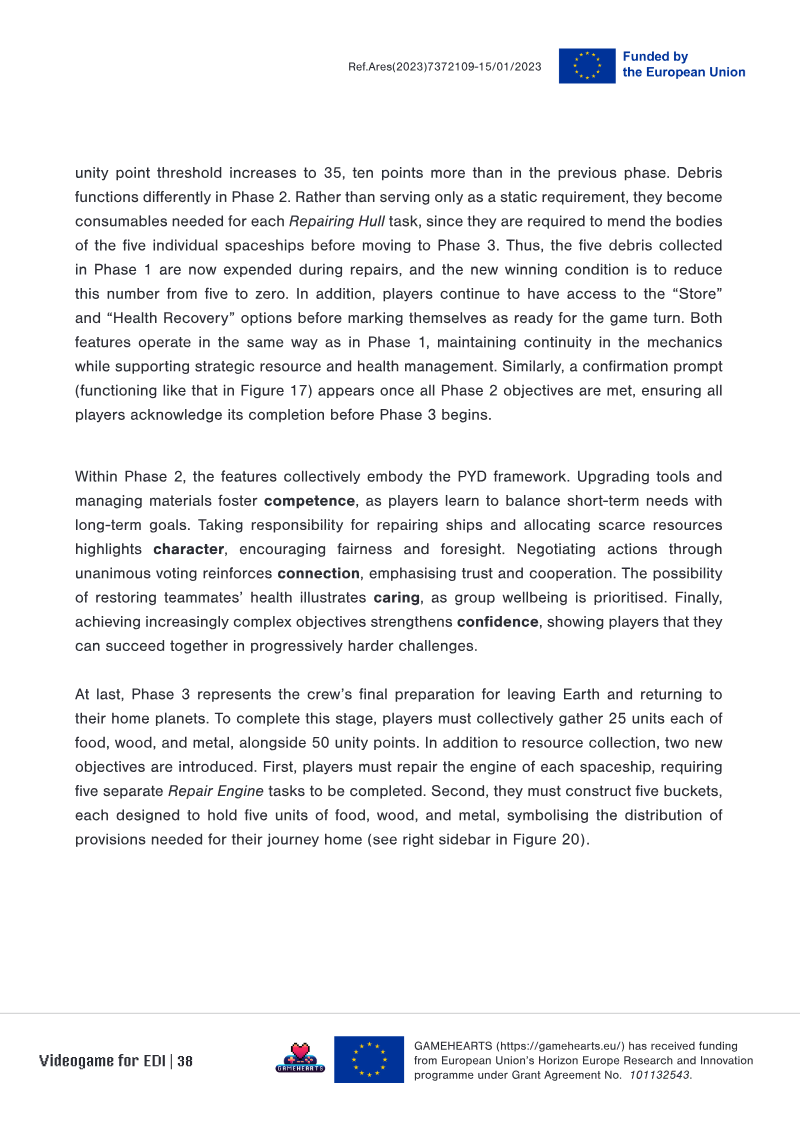

GAMEHEARTS · 2025
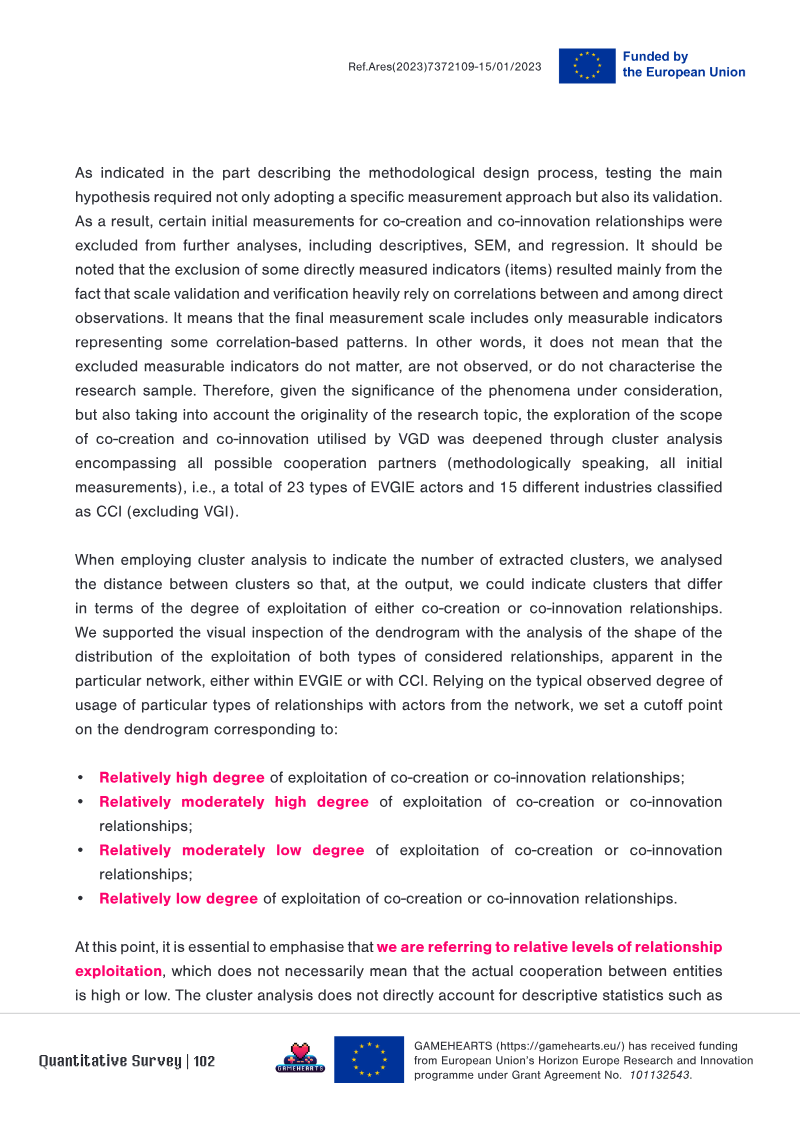

GAMEHEARTS · 2025
GAMEHEARTS · 2025
GAMEHEARTS · 2025
GAMEHEARTS · 2025
GAMEHEARTS · 2025