1 free read left. Create a free account for unlimited reading + AI research.
Create free accountReport GAMEHEARTS
1 free read left. Create a free account for unlimited reading + AI research.
Create free accountReportGAMEHEARTS
The European games industry employed over 114,000 workers in 2023 and generated a consumer market worth more than €25 billion.
The GAMEHEARTS Policy Brief 1, a first-year output of a Horizon Europe project, examines the economic, social, and cultural value of the European video games sector. Its central argument is that video games have become a vital part of the cultural and creative industries, with 53% of the population in the five largest European consumer markets playing games, yet the medium still struggles for recognition as a legitimate cultural form. The European games industry employed over 114,000 workers in 2023 and generated a consumer market worth more than €25 billion, and the authors frame broader audience design and deeper collaboration with other cultural sectors as both social and commercial opportunities.
On legitimacy, the brief contends that games are gaining cultural standing largely through external cultural intermediaries such as museums, curators, film festivals, awards, and journalists, a process paralleling cinema's own path to recognition. Legitimacy, in this view, will come mainly from outside game culture, and debates over whether games count as "art" are a distraction from the more consequential question of their cultural value.
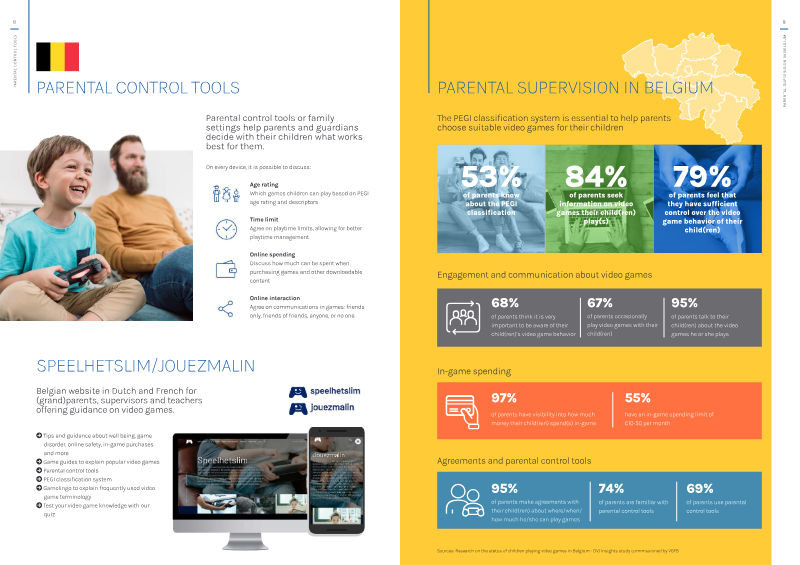
The policy analysis covers a fragmented European landscape in which shared goals such as consumer protection, fair monetisation, intellectual property protection, and industrial growth are pursued through a mix of legislation (GDPR, consumer law, the Digital Services Act), self-regulation (PEGI, which has rated around 40,000 games across 40 countries), and uneven national state support. Loot box regulation and age-rating enforcement remain heterogeneous across member states. Workforce data shows women at 24.4% of the European games workforce in 2023, slightly above film production and well above ICT overall, while securing finance between pre-production and a playable vertical slice remains especially difficult.
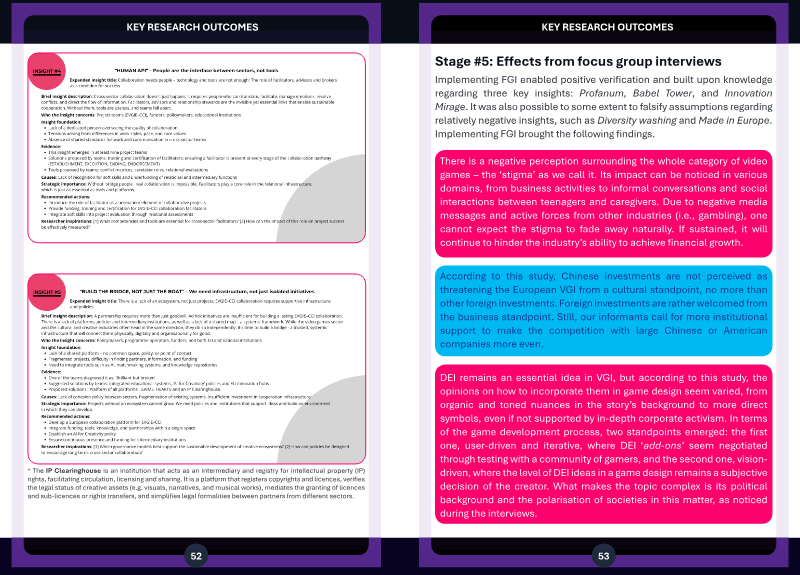
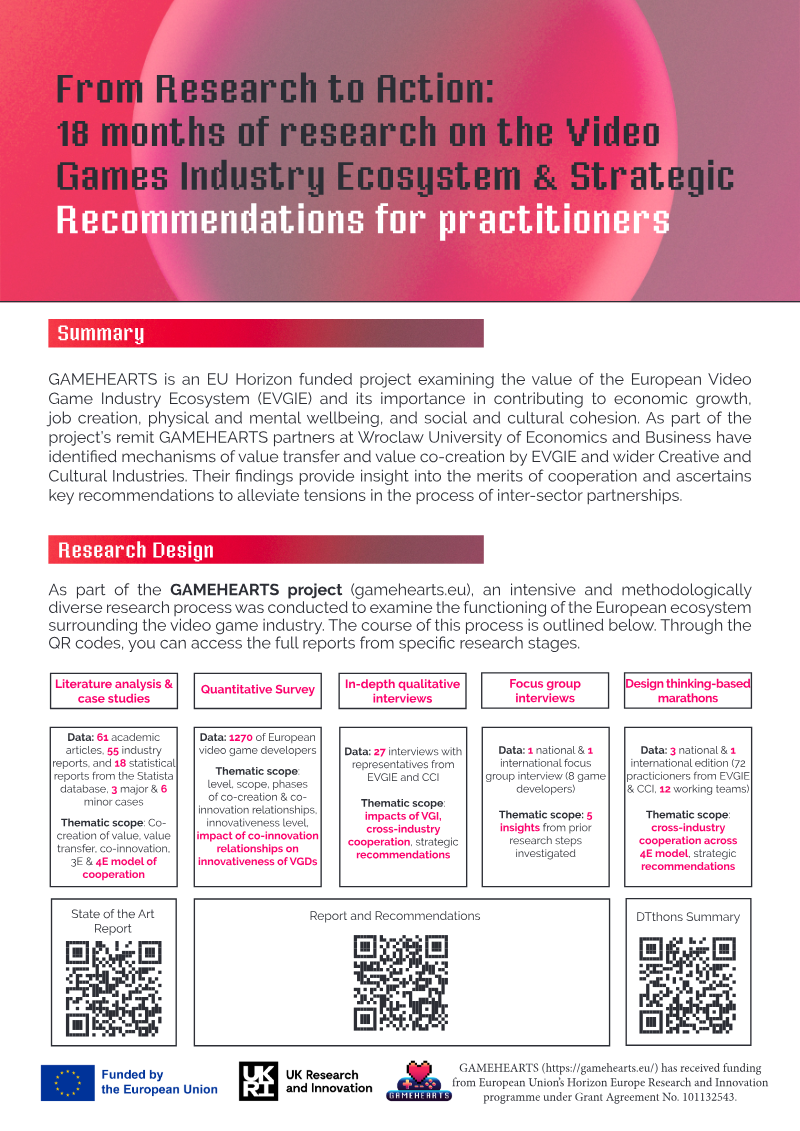
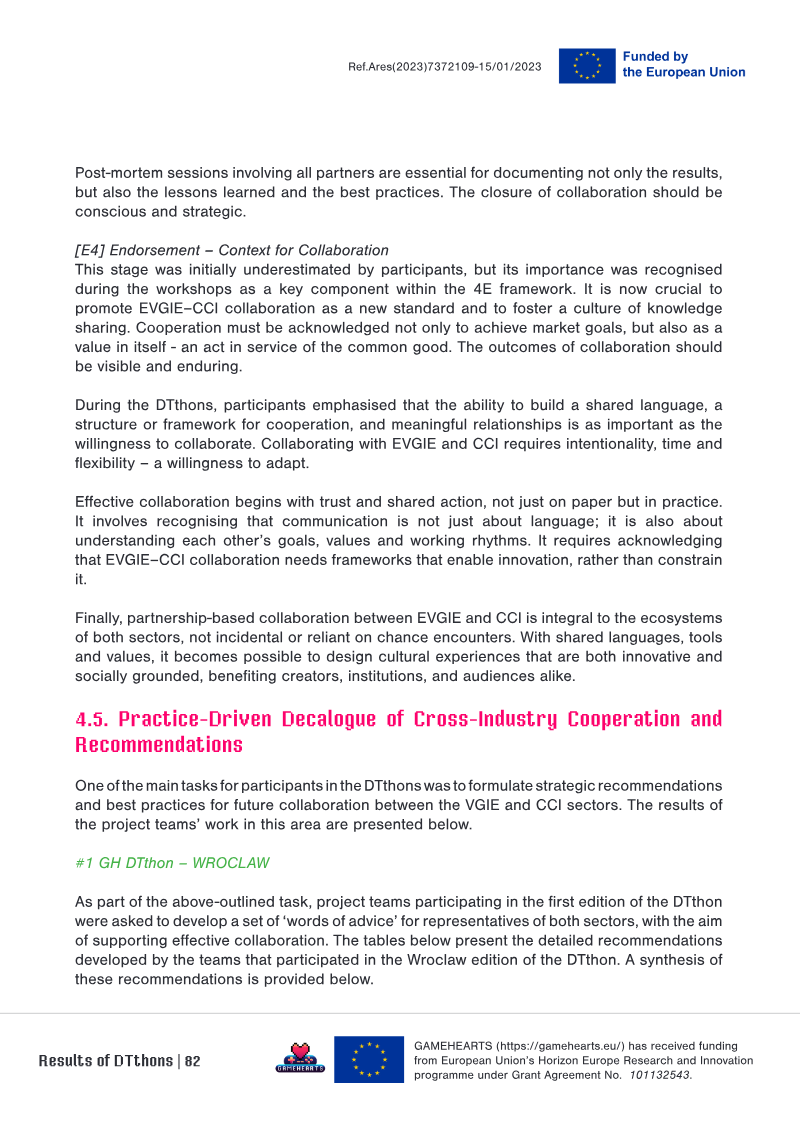
Preliminary findings on cross-sector collaboration indicate that partnerships with the wider cultural and creative industries occur most often at the creation, delivery, and dissemination stages, and tend to fail due to financial and legal barriers and a "silo" mentality. Recommendations include financial incentives, harmonised funding processes, and tax relief comparable to film and television, alongside a call for co-developed, cross-sector guidelines for gamified inclusion and social sustainability.



GAMEHEARTS · 2026
GAMEHEARTS · 2026

GAMEHEARTS · 2026


GAMEHEARTS · 2026
GAMEHEARTS · 2026

GAMEHEARTS · 2026
GAMEHEARTS · 2025

GAMEHEARTS · 2025

GAMEHEARTS · 2025
GAMEHEARTS · 2025
GAMEHEARTS · 2025

GAMEHEARTS · 2025
PocketGamer.biz · 2024