1 free read left. Create a free account for unlimited reading + AI research.
Create free accountReport GAMEHEARTS
1 free read left. Create a free account for unlimited reading + AI research.
Create free accountReportGAMEHEARTS
According to Video Games Europe (2025) data cited in the guide, 69% of 6–10-year-olds, 85% of 11–14-year-olds, and 83% of 15–24-year-olds play videogames.
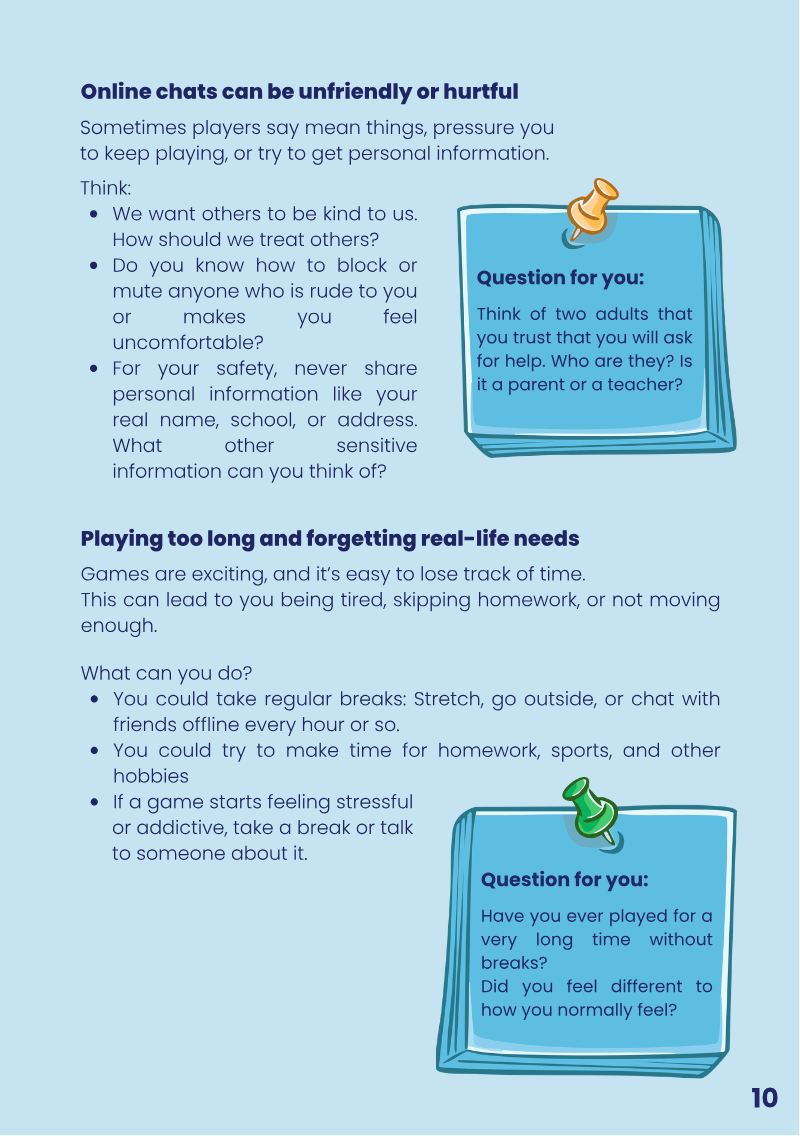
Produced by the GAMEHEARTS project at the University of Vienna in June 2026, this guide aims to help parents of young gamers weigh the benefits and risks of videogames while prioritising child safety, and it deliberately refrains from endorsing or opposing gaming. Drawing on Video Games Europe (2025) data, it reports that 69% of 6–10-year-olds, 85% of 11–14-year-olds, and 83% of 15–24-year-olds in Europe play videogames. Research cited within the guide associates play with cognitive, wellbeing, creativity, and collaboration benefits, while also identifying risks including cyberbullying, hate speech, inappropriate content, and monetisation tactics such as loot boxes.
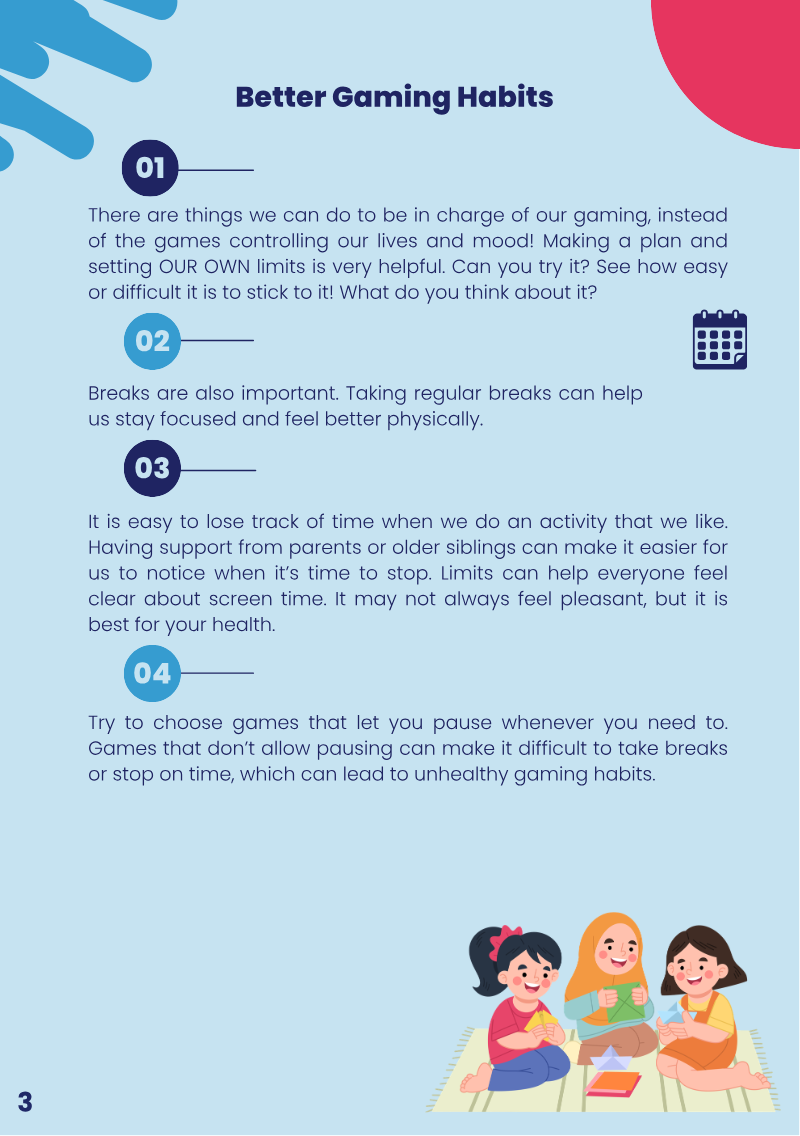
The practical core of the guide centres on safeguards: checking PEGI ratings and content descriptors, co-playing with children, configuring parental controls, disabling in-app purchases, and protecting personal data through pseudonyms and awareness of online contacts. It notes that parental attitudes meaningfully shape how much children engage with violent games, and it highlights a striking representation gap, with only 19% of 506 successful games released between 2009 and 2019 featuring child characters.
The guide also examines the games industry as a career field, describing roles from design and marketing to streaming, while acknowledging persistent problems such as underrepresentation of women and minorities, harassment, job instability, and competitive entry. Its policy recommendations include transparent loot box odds, an under-18 loot box ban, stronger age enforcement and child data protection, safer online spaces, and more diverse representation. It explains how engagement mechanics such as daily rewards and streaks are deliberately designed, and it encourages discussion-based strategies that build children's critical awareness and self-control rather than outright bans. The final section links loot boxes to problem gambling, though its specific findings are only partially visible, and presents the Horizon Europe-funded GAMEHEARTS project, which spans five European countries and explores how games can support inclusive culture, community, and creative industries.



GAMEHEARTS · 2026



GAMEHEARTS · 2026

GAMEHEARTS · 2026
GAMEHEARTS · 2026

GAMEHEARTS · 2026
GAMEHEARTS · 2025

GAMEHEARTS · 2025

GAMEHEARTS · 2025
GAMEHEARTS · 2025
GAMEHEARTS · 2025


GAMEHEARTS · 2025

GAMEHEARTS · 2025
DiGRA · 2025