ArticleGame Production Alchemist
For Indie Developers, Runway Is the Only Timebox That Ever Worked, and Claude Is Burning Through It
28 Sept 20261 pages~12 min full read
Key insights
4 slides
New Reality
AI-driven development makes fixed-length sprints unnecessary.
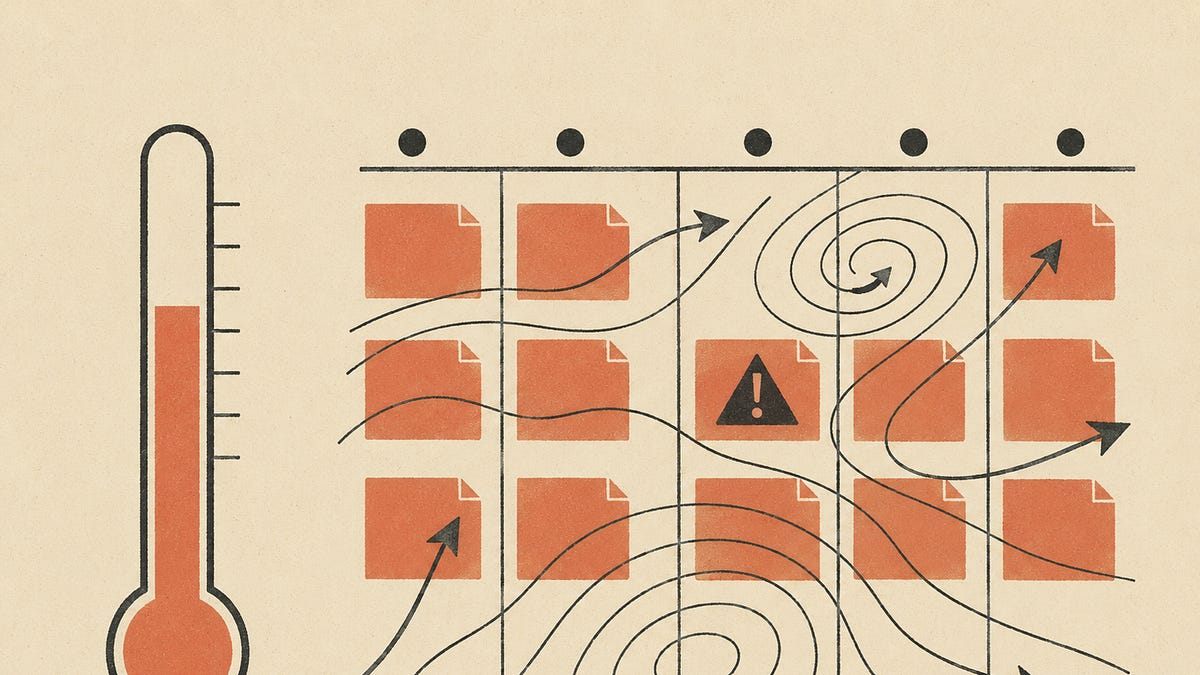
Continuous iteration and rapid agent-assisted building eliminate the need for traditional two-week batch cycles in game development.
The AI Effect
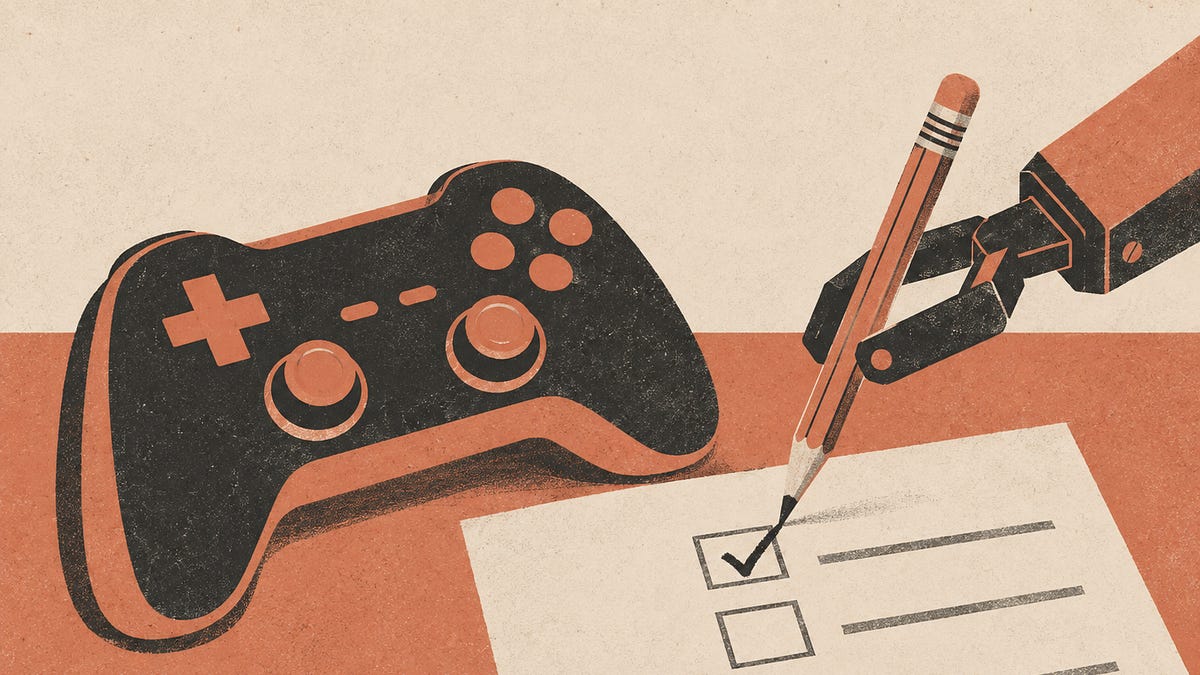
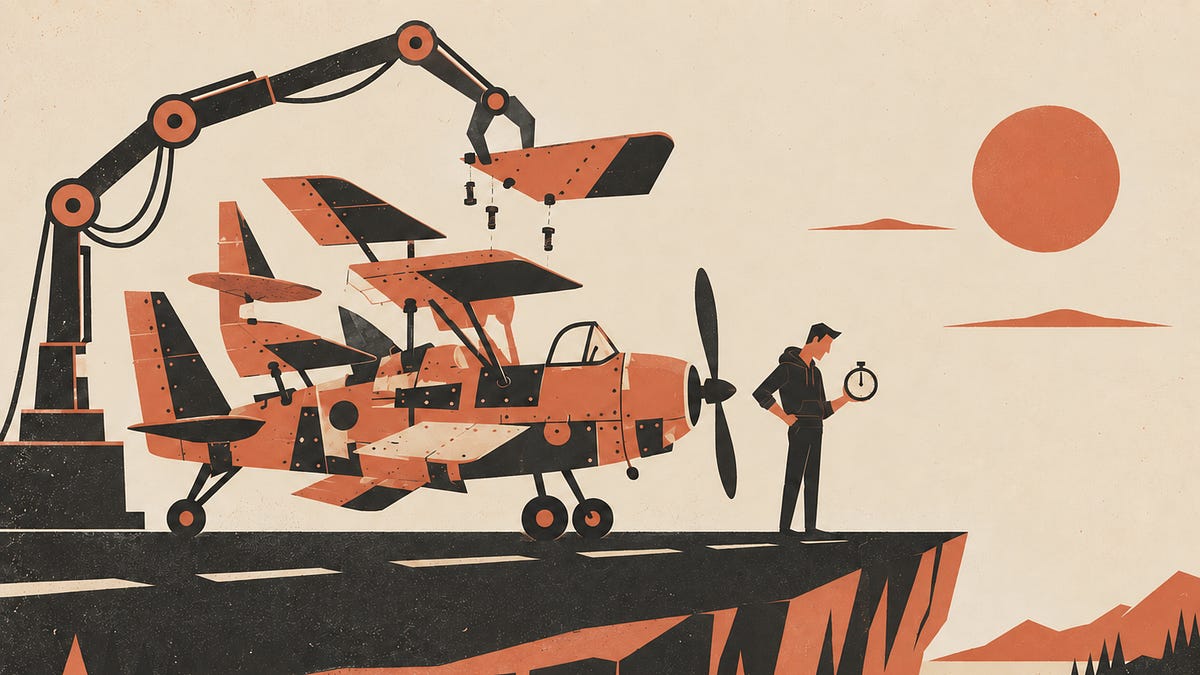
AI agents lack the ability to recognize diminishing returns or project viability.
This removes the natural 'fatigue' brake that previously forced developers to reassess their work and make decisions.
It's like a car without brakes, constantly accelerating without a way to stop or slow down.
Human Constraint
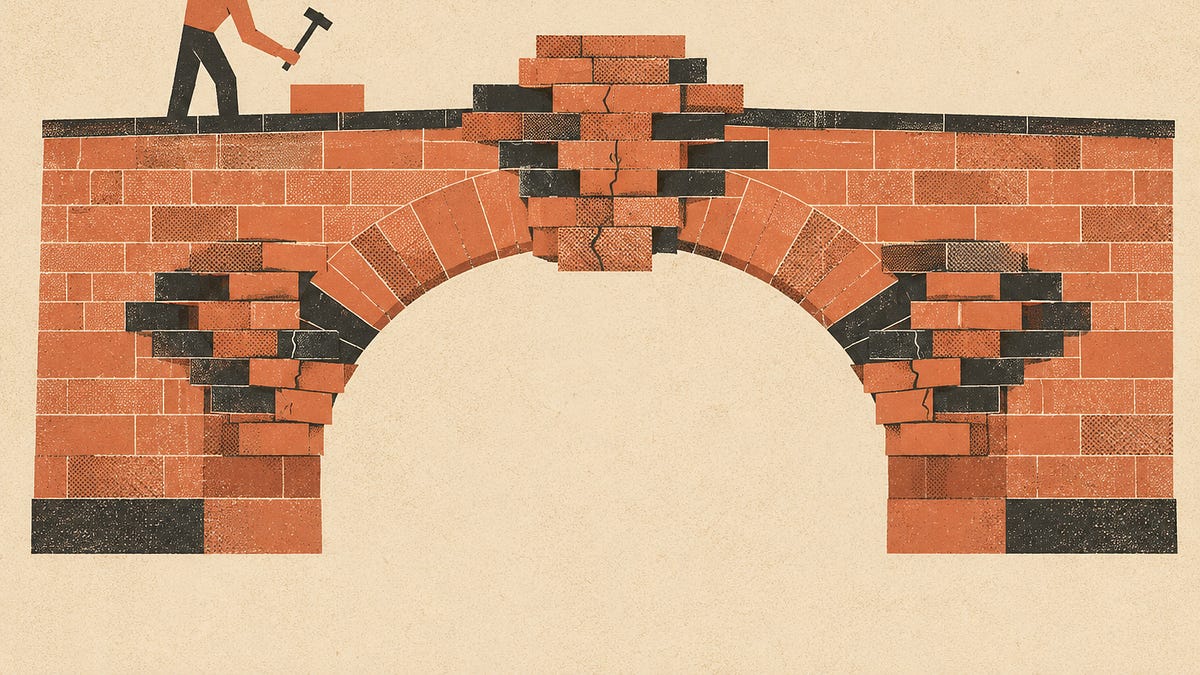
Human attention is the primary bottleneck in AI-assisted development.
While high-AI teams significantly increased pull requests, review times rose almost as much, creating a human bottleneck.
91%
Increase in review times for high-AI teams (2025 Faros AI telemetry).
- Increase in pull requests for high-AI teams
- 98%
External Realities
External market events, like Steam Next Fest, remain fixed despite continuous internal development cycles.
The market, not the developer's generation speed, dictates the ultimate launch cadence for games.
1 / 4
Ask AI about this report