VideoGameMakers
AppLovin at $250B: What Operators Know That Investors Don't | Pixels & Profits
30 Dec 2025112 min video
Transcript
Hello everyone and welcome to Pixels and Profits. Today we are reviewing the current performance and outlook for one of the most controversial companies in gaming or maybe more generally which is Apploven the outlook for 2026 and beyond. And we have an expert cast here and me to discuss this topic in depth. So joining me today the original Pixel Brothers Matthew Contraman and Brian Pegengh. Welcome back, Brian. By the way, we missed you. And joining as guest host is Josh Chanley, president COO at Wildcard Games, who I think is a great addition here because Josh, you have actual hands-on live operating experience with Apploven products and you are, I would consider, one of the leading experts in mobile ad monetization and user acquisition. And just to frame our discussion for today. So we'll start with a recap of apploven's financial performance. We'll then give both the bull case and the
bare case for the company. After that, we'll discuss the competitive landscape and then end with uh maybe just going around uh the room here and getting each of our takes on AppL's future outlook.
All right, then I I think we're ready to go. we can go.
Yeah, we can kick things off with financials. So,
over to you, Matthew. Maybe you can do the recap. And Brian, I I know you've got some thoughts here. So, feel free to jump in as well.
You said that it's the experts in yourself, but there's there's times that I don't feel like an expert when it comes to app loving because to your point, Josh is in the trenches. He's the expert here. You know, I I play games. I understand the industry, but sometimes I'm over my skis when it comes to some of what goes on here. And I always get a little bit of Dunning Krueger fear as it relates to the technology of Apploven. But from a financial perspective and from a stock perspective, I can definitely weigh in. And look, the stock is up 127% year to date as of a few
minutes ago. I just updated my notes. I think it's up 8 10x whatever it is from the IPO. Revenue in Ebida are up 72% in the first three quarters of 2025. So whether it's the stock performance or the underlying fundamentals, they're absolutely killing it. You know, I think it's been a losers bet basically for the last three years to bet against Adam. And that's kind of just been the story here. I think notably the EBIT margin rose to 82% in the third quarter versus 77% a year ago. That is adjusted for the sale of the games business, which also they sold their kind of fledgling games business that seemingly nobody wanted for $400 million. and a 20% stake in triple dot. Like hell of a good piece of business by App 11 to sell that business that they kind of didn't want for a 20% stake in a business that was doing much better. Um, and then for 2026, you know, the consensus is them posting
35 to 40% revenue growth and IBTA growth of about 40%. So again, you know, just tremendous growth ahead. Obviously slowing down, but law of large numbers does hit you as you're in this kind of hyperrowth phase. Um, also consensus has them growing again in 2027. Both revenue and IBIDA roughly 25 and 30% respectively. On a on a valuation basis, the stock trades at 32 times forward revenue and 39 times forward IBIDA. Um, its PE is 50 times forward PE. Yes, Corey, I will always continue to do that just for you. That's an inside joke here. Um, but it's forward PEG or PEG ratio for those that like aren't like kind of valuation dorks. Do you adjust the PE ratio for the earnings growth? That's your PEG ratio. It's basically one. It means that even though the PE ratio is extended, it's justified by the growth or in theory is justified by the growth. um relative to peers, app is the is the premium of the valuation
comp set for adtech companies, but again it's growing the fastest and it's pretty much a pure SAS company at this point. And so if you comp it it against just broader SAS companies in in the US um rather than just adtech ones, it's valuation especially on an EVO basis is much more comparable. And so I think overall like the numbers tell the story. This is just a tremendous growth story. um fundamentally very strong. They got rid of the the lowhanging fruit that was kind of holding them back for so long. The the valuation has rerated. I know Brian and JK, we've talked about that in the past. The the rerating story here in Apploven. It's it's it's happened. It's played out. And so now I guess the question is, you know, kind of what's next from there? And that's that's where I'll tee up uh you know, just go into kind of the bullcase and where we go from there. Matthew, maybe one point here is like to the point that you were making, it sounds like the valuation is justified based upon this massive growth that they've been seeing, but what you
were also saying is that on a on a comps basis, when when you look at the competitive landscape, their multiples are dramatically higher. So it's it I I think the simple story is that their valuation is justified by growth. But if the growth slows down or if anything happens with the growth then we may see some multiples compression. Is that fair to say?
Two caveats there. One their valuation is justified by the expected future growth.
Expected future growth. That's right.
Right. So obviously that's based on expectations. So they are expected to continue to grow very strongly. And two
I think when you if you think about their business model versus other adtec companies it is much more of a SAS-like business. And so when you compare it against SAS comps and not just adte comps, um, for better or for worse, their business has been much more immune to kind of macro adte stuff that some of these other companies are. And Josh, I saw you kind of flinch there a little
bit when I said that, but at least historically it has. You know, when rather when you kind of look at the metas, the Snapchats, the Googles of the world, you know, every so what is Brian? every six quarters, you know, Snapchat's always the first one to report and they take their guidance down because macro ad spending weakness and then the whole sector sells off, but it seems like Apploven is always kind of not necessarily felt the same pain if at all because they've operated in a niche that isn't as macroexposed. Um, so I think all of that speaks to why it looks a little different. There's also there's also one more layer of stank we have to layer in here and that is the market and its uh infatuation with AI, right? Uh the market is in love right now with clean AI stories and if you can appropriately layer that into your narrative and execute against that, you get a premium multiple in addition to whatever Matt just said about uh you know PEG. Um so we're looking at like the Microns, the Aago uh of the world.
uh those are all trading at extended multiples because they are on fire and they have AI tinted to that name and they are executing against that. So I'm not saying that it makes it fairly valued or whatever else but it it is certainly part of the calculation these days.
Right. And maybe one additional nuance not not to so we'll we'll get to the bullc case uh Josh but like it does seem that maybe the story isn't just the growth but also the margins and because apploving dominates gaming they can steal your margins right like I think Josh has talked about that before on how they do that and so if we're looking at growth outside of gaming and ecom the other story there would be can they maintain those margins as they grow in ecom When you're talking 80 plus percent EBIT margins, you have infinite pricing power,
right?
Yeah. I would say like the I have two points to add. I think
what the is a margin is a great question for App 11 because what I think of as a margin in my operational day-to-day is literally a different number than what we're talking about with like a gap profit margin, right? Um but then I actually do want to call out I would say that gaming is hyper volatile more volatile than ecom. Um Apple like what we what we've seen over the last couple of years has been really crazy but when you look at applovin you don't see it and that is just because their growth has been so insane that it doesn't even touch it. I mean, we we saw meaningful CPM depression on on AppLeven and all other networks over the last several years, and we're just coming out of that now. Um, but it that that's how well they've executed so far that you can't even see it when you look at the financials. Um, yeah. And then I guess the second point is on margin taking and take and take rates.
Um, and so I just want to call out now that there's kind of two real types of margins. Um, one is the the profit margin, which what we're thinking about right now. Like their revenue minus their costs, that's their profit. Cool. Um, but what what is revenue for AppLin? For GAP revenue, what it is is it's what the demand side pays app minus what they have to pay the supply side. So if uh JK runs UA gives AppLin a dollar and then Apploven gives me 30 cents, their their revenue is uh 70 cents. If they give me Yeah. Go ahead.
It No, it's a net revenue. Absolutely. It's I mean for the gaming audience here, it's the same as when EA sells a copy of
what was previously known as FIFA, which is now FC. the sticker price is $70 and they're booking 70% of that because
that's the revenue that's economically attributable to them, right? And and so it's the same concept.
Yeah. And so if they can increase their take rate, their net revenue magically kind of increases. And um so can I use the gross term? Uh Brian and Matt, I don't believe they report gross. So no one actually knows what their take rate is. Um and so that's an interesting area of expansion too,
right? So do you want to just dive right into the bull case then?
Yeah, I guess that's a perfect I I segueed myself. So yeah, the question is can they actually continue that that net revenue growth? Uh and in the medium term, I really do think so. Um and I think the bull case encompasses three parts. There is the lock in, there is the ecom expansion and the the structurally disadvantaged giants that they are competing against. Um, so let's
just dig right into defensibility and that lock in. When a when a single platform controls both the the largest ad network and the mediator who is supposed to be ensuring fair transactions between that network and the customers, the publishers, th those pubs, you know, do lose leverage and then eventually that platform is able to, you know, an aggressive term might be capture. A more business term might be negotiate um th those profits away in exchange for access to what we need. Uh and yeah, today Apple is that platform. They own mediation. Uh they charge competing networks a 5% fee then exempt themselves lowering the bar for their ad network to win the auction. They don't have to be as good as Meta or Unity. they just have to be 95% as goods.
Um, that's a pretty low bar. Uh, Axon actually, and it truly is not that high of a bar. Um, the the magic of, uh, ML isn't that you can make a a 50 times better value prediction. It's that you can edge everybody out by 0.1% or more and then you win the entire impression. So a 5% delta 5 cent of friction it it uh you know losing a close race or losing a big race like losing losing in the playoffs are coming up you know lo losing by seven or or losing by 70 the the number of W's that change is is the same um and that's an important note there but on top of the structural advantage just from pricing Axon their demand side platform is supercharged by firstparty data coming directly from
from Max their SSP. That makes adorass campaigns the the best in the world. For ad monetized games, it's completely normal to have over half of your users uh coming from Axon. Um, and so when they gate Axon behind Max, so if you add monetize, you can only use Axon if you use Max. Publishers are locked in because if you lo if you leave Max, you're going to lose ad rowass and therefore half of your users. Um, and that's why over the last couple of years we've seen them um able to double their their revenue publicly without actually really increasing their share of voice very much. Um, their take rate is just doing incredibly well. And
that's that's not a criticism. That's the business model. You know, Appleven is the apex predator in mobile right now. Um, it puts uh game game and app publishers in a a tough position if they monetize with ads. you know, their their supplier has tremendous negotiating power. That doesn't mean that they can't grow. You know, Apploven's pricing isn't so over the top that it seems to be constraining the market. You know, I have a great relationship with Apploven and they're a major factor in in Wildcard's growth. Um, and so my business is proof that they're not um being prohibitively high in their pricing because if they were, I wouldn't be succeeding. Um but we do lack independence a little bit and it does come across as though these um pubs and apps and games we are operating inside somebody else's system but from a stock perspective isn't that exactly what you want to see.
The second point is I think can we continue to expand pricing um and expand take rates and I think that they can with the ecom expansion. It's either an open secret or kind of about to be an open secret. I'm not totally sure on how much um data is out there, but I their ecom has been incredibly successful. Um especially going through November u like I I'm going to call it that they've accomplished their goal. Three stats from my portfolio from like my data points. One, they are the number one inapp ad e-commerce network. Bigger than Meta, bigger than Google, both by impressions and by revenue. two. At one point on iOS, all 10 of the top creatives in my games on iOS were AppLeven e-commerce ads as in showing over games.
And third, around Black Friday, we actually saw um App 11 pass Google ads on Android with ecom. So App1ven beat Google on their own turbo home turf. where they're supposed to have a structural advantage and that's just looking at ecom ads. The games are pulled out just just sacre plus Sakfth Avenue just pure ecom. uh most importantly for their stock that dominance the shareer of voice the number of impressions that apploven is winning as a percentage is barely changing despite all of this new demand flowing in their sov is barely changing
and Josh just for the audience can you define share of voice
yeah yeah yeah so share of voice would be it's a basic example Example, if if
you're a game and you earn a dollar in ad revenue and apploin was 25 cents of that ad revenue, their share of voice would be about 25%. If they were at 50% 50 cents of that dollar, they'd be 50%. And so when they go down, that means some other ad network is winning those auctions and buying it. And so what I'm saying is we're seeing an incredible inflow of new demand that's winning auctions at scale, but Appleven isn't paying developers much more. That that implies that they're having an incredible margin expansion moments, which is just the really powerful argument in favor of of their growth because yeah, they're not paying publishers more, but clearly they're charging advertisers more. uh unlike other networks or so until other networks likely Google or Meta, you know, step up their game on inapp
ads, I don't see anyone who could really be pushing back on this inventory source. You know, I I don't think that Unity has the supply. I think Apploven's shown it's like a multi-year mission to build up. Oh, sorry, the demand. I don't I think Apple 11 has shown that it takes more than a year of success and proof points to acquire this kind of demand. So if Unity hit it tomorrow, it would still be at least a year. Um and so unless Meta and Google step up and bring their current existing demand in, Apple is going to keep growing. So in the midterm that they're set up this fundamentally really well especially when you think about the final point today which is that the only two networks that can really push back Meta and Google they're they're really poorly positioned to counter and there's a few reasons for that. So first is iOS.
This is Apploven stronghold. If their share of voice is 30% on Android, it's 55 60% on iOS. They take the lion's share of all ad revenue on iOS. And that was basically gifted to them um by Apple when they first introduced AT, I believe 2021. Um, and what that did is it made it very very hard for Meta and Google to bid. And so they went from having comparable S so on iOS to Android to now in our stack we see Meta and Google combining for about 40% of share on Android and bouncing between six and 7% on iOS. So there's a 33% gap. And lo and behold, Apploven typically performs about 30%
better on iOS. That that's a conveniently consistent number. And even though, you know, if they were to somehow ship this in April next year, that would mean it's taken Meta and Google five years to respond to AT. Um the reason for that is that they they face much higher standards of privacy and tracking. The the DOJ and FTC have shown that they're not just willing to aggressively to aggressively investigate, but they're also willing to aggressively litigate those two companies. um that makes probabilistic attribution fingerprinting uh at least outside of their O and O you know harder than for Apploven. Now the
sorry just again for the audience operated yeah if he could
yeah so the key O and O for meta would be things like Instagram and Facebook the blue app and the big O and O for Google is going to be Google search YouTube um and other properties like that and so when you own that property you can fingerprint much more cleanly because you're not passing data to strangers. However, when you work with an apploven or you work on the open web to to do that UA, so for meta audience network to buy on apploven, you're now passing kind of data around the world outside of your your own little house. And so that creates additional risks that the DOJ or FTC may or may not like. Now the counter to that to this might be that well yeah Google um and Meta are kind of contributing uh on probabilistic they are making progress um you can do that today they have launched uh meta since June has been probabilistically
buying on their you can run UA today with fingerprinting on iOS but neither of them are probabilistically buying on Macs and I'm assuming that apploven is not incentivized to help make it nice and legal and easy for them to do so. Um, so I have no idea how quickly they will be able to transition what they're doing on their O and O to external um SSPs that they don't own. Uh, the other challenge for Google and Meta is demand u creative relevancy. uh when an ecom advertiser gives money to Meta, you're assuming it's either going to be showing in the feed or on reels, Instagram or Facebook, and those ads are um I tell my growth team it's like buying a candy bar at the checkout aisle. You're scrolling. It's like stop, stop, like look at me for one second. Um
whereas an ad on applan RV rewarded video their biggest source it's a 30 second infomercial the the attention is guaranteed and so the most performant creative is very different uh and that means that the the tools that meta is being given by their demand partners while they do have huge demand in a kind of a literal way is not as relevant. Um, something designed to be that's like 15 seconds long or 12 seconds long and is designed to kind of grab the attention isn't going to be as performant as um a 30- secondond ad in a slot where you're forced to watch for 30 seconds. In fact, we're actually seeing on the RV space, they're getting as long as 60 seconds. So, very different kinds of inventory and kind of creative and more successful there. Um third the the last kind of challenge for
meta and Google is the organizational like DNA. These are trillion dollar businesses um built on walled gardens. Uh that's first party data. First party data is insanely clean. their their entire ad stack, their ML models, their sales orgs, you know, they they perform really well and until they have to stretch and go outside of their own know, for instance, you know, Meta's audience network has from the development side being an afterthought for years, but also from the account management side, it if there's a problem, it's hard to even find a human. Um, Appleven doesn't have that problem. Unity doesn't have that problem. And that's not that we don't want the inventory like Meta and Google. Like if you're listening, we miss you really bad on iOS. Like come back. Uh we we want your super super
high quality retent like very retentive ads. They're great for our games. We just can't get them in. Um, and so yeah, Affle is basically they're they're fighting distracted giants in a venue where those giants can't really use their greatest strengths. And so to summarize the bullcase in my mind, Apple owns the infrastructure. They're successfully and quickly raising prices. And there's no competitor who's well positioned to to build and scale competing infrastructure. That's pretty good moat from my points of view.
All right. Well, I mean it sounds like they've got a pretty dominating position right now.
So maybe we could shift to the bare case. And I know it's difficult given just how well
before we shift to the bear case, I just wanted to kind of
summarize and clarify one thing because I'm the self-proclaimed dumbest smart person in the world. um the first thing you said and the last thing you said
kind of putting them together from your first party you know your experience directly
Applovin is dominating e-commerce within your portfolio which I think is a really important point to make because
tying to your last point
inapp advertising in-game advertising excuse me even for e-commerce versus total mobile or total digital advertising tiny piece of the puzzle.
Apploving being the specialist here is what makes them so good here and whereas yes if Meta and Google actually dedicated time, resources, energy and velocity to competing, they probably could, right? I think that's what you're saying, but it's not worth it. Well, it
could be worth it, but then you get into all the litigation and regulatory risk and then is it worth it at that point? Well, and then there's margin pressure as well because if they have demand that spends a dollar on Instagram ads, Meta gets a dollar,
right?
If the man spends a dollar on uh on my video games, ads that show up in my video games, Meta gets 30 cents and I get 70. Um, so it the the structural incentives are not overwhelming. it and so I think to summarize that from a bullc case side and it does because it is a well it ties to the bare case which I know we're going to get more detail on but if you think about the competitive landscape there's always a risk that these guys do come in and try to just say hey margins be damned we're going after app loving it doesn't make sense it really doesn't unless unless digital advertising is at this ridiculous plateau and stops growing and then they
need to share somewhere and give up margin to get to get more market share. But other than that, it's very difficult to see them caring.
Am I saying that kind of?
But aren't they becoming the tallest nail at this point? Aren't they And don't they see what what they what Apploven has done to gaming and they're like, "Oh, we're not going to let you do that in ecom."
Yeah. But the different the difference is so the difference is
they'll let them do that for ecom ads within games
but what about ecom ads everywhere else and I think you have to segregate that statement into two things right and so when you think about ecom ads inside of games they may not care about that
everything Josh said but ecom ads outside of games that's the wild west for apploven so to speak I
I think that they do have some motivation because when you have AppLeven making plays to try and for
instance acquire Tik Tok, they're they're kind of signaling, well, yes, we're the specialist in this this space, but if you leave us alone, we might come and you up somewhere else. Um, and that kind of signaling, I would assume, is at least somewhat motivating, right? Um, I I don't think Meta or Google wanted it to be a triop one day. Yep. All right. Well, again, given this uh dominant position they have, Brian, do you want to lay out well what what could go wrong for AppLeven? Why are they viewed as controversial and um you know, some people that I speak to are calling this kind of a binary bet? So, what what's the other side of this?
Sure. So, let's start by framing the quote unquote bear case properly because it's not like this is a broken company and it's not a business with some sort of hidden structural flaw. So, over the
past few years, they've earned a lot of their credibility. The gamesure is complete, platform is simpler, margins are real, and execution over the last two years has been really clean and that's exactly why the stock trades where it does. So, the bare case really comes down to about five things in my view. Uh number one is the valuation already reflecting success. Number two is growth durability. Three would be expansion optionality. Number four is scale effects. And then number five is competitive convergence. And then I'll just detail each one. If you guys feel like beating me up, please feel free. First valuation already reflects success. So we we're at about 250 billion market cap or a quarter of a trillion dollars. So the stock isn't expensive because of a stretched multiple. It's expensive because the earnings already assume a lot goes right which means the risk is disappointment not multiple compression. Second growth durability is doing all the work. So from here upside depends on self-s serve adoption axon performance gains and
advertiser wallet share continuing to compound. And if that flywheel slows even modestly, operating leverage flips from a tailwind to a limiter, right? Third, expansion is still optional, but not proven. So, e-commerce and CTV are very attractive, but they're not yet scaled or transparent enough to underwrite as core drivers. So, failure to translate gaming grade performance outside of that mobile world would cap upside rather than break the business. But the other counterpoint here is that big disclosures for app 111 here would be a potential breakout for the stock even from here. Fourth would be that scale raises the bar. So the last two years benefited from simplification and low hanging improvements but as applo gets larger those incremental gains are harder to find and that raises the bar for earning surprises which has been dri main driver of the upside over the year. And then fifth uh the competition only really needs to narrow the gap. So whether it's Google or Meta or Amazon or
Trade Desk, they don't necessarily need to beat up Apploven. They just need to get a little bit closer and that would compress differentiation without anything going really operationally wrong. So like to close out the bare case, this is it's pretty tight. Uh it's not a dramatic bare case. It's a valuation aware one. The downside isn't collapse. It's just that expectations are already too damn high. Well, Brian, may maybe I could push a little bit on this because I I think like so the people that I speak to who think of this as more of a potentially potentially binary outcome, um they they generally talk about the deplatforming risk, right? Which I think most people in the industry think is negligible, right? And so a lot of experts, so-called experts think that maybe that risk of being deplatformed, it might be two to 3%. I think it's higher maybe but low. So maybe 20 to 30%. But just to
characterize that for the audience, basically since October there has been an SEC investigation. And so the SEC's uh cyber and emerging technologies unit they are basically investigating app 111 for data collection practices basically suggesting that um it it's not like so so the point that Josh already made on fingerprinting but also doing other things like silent or kind of fake installs and there's there's like a belief that apploven is cheating a lot more than um than people think. So it it could go not only to fingerprinting but other things. And so I would say like if they get deplatformed by Apple uh that would potentially represent what something like 60% of their revenue. So again maybe that risk is low but I I don't think it's zero. And I
don't know do you guys have other thoughts on on this investigation? I I I know that it was kicked off by a whistleblower complaint and by multiple short sellers. I think three short sellers in particular, Muddy Waters, uh Fuzzy Panda and Culper Research. Now obviously those guys are incentivized to try and you know create a story about how Apploven is doing a bunch of dirty things but um what do you guys think in terms of uh why do experts think that this risk is is almost you know negligible or or is it something that might be more like 20 to 30% which is what I currently believe but I I haven't really looked at this in as much depth as maybe you guys have. Yeah, I would say anytime an adtech platform shows this low performance, people are always going to ask where that data is coming from or the access is coming from and could it get shut off. It's the whole cheetah mobile conundrum.
And I think it's the right question to ask, but it's the wrong conclusion to jump to. So it's like
Apploven's edge isn't just covert data or identity harvesting. It's it's optimization across advertisers using platform compliance signals. So Apple already redrew those lines of ATT and if this were non-compliant, it would have been broken by now. What we we talked about this two years ago back on the in the podcast, right? Spring of 2025 was the big hammer coming down by Apple. Like u so that's point one. Doesn't mean the platform risk is zero. It never is. Uh but this looks much more like a modeling and execution advantage than a than like a data loophole. And what you're talking about at a two to three percent thing is tail risk which we can name for any single stock in the entire DMT universe. Uh but if it's 20 or 30% I would love to know that and I think maybe Josh has some more insight there.
Yeah, a ton of thoughts. So on the short seller reports I kind of waved them off.
Um, I think fingerprinting is the only one that could potentially be considered a real complaint. The challenge is though that everyone's doing it. In fact, Meta and Google are doing it. And so, if I were an app now, they're doing it, right? They weren't doing it before, but now now they are.
Yeah. Yeah. Um, and so now if I were app 111, based on what I see with the dominant like ad tech legal strategies is I would be doing it as aggressively as possible and wait until someone sues Meta and Google and they get in trouble because no one's going to make an example out of me first. They're going to make an example out of Google and Meta. And so I have a free pass to be as aggressive as I want until I see the big guys get hit. And then that's my cue to re-evaluate. And so from that perspective, I actually think that they have a really clean run at this. The other issue is with like um
installs without app store sign. I hear this one a lot too, like silent installs. Um they were experimenting with that. Um but there are two businesses publicly traded that already do this at massive scale. One is called Digital Turbine. Um that's their namesake business. It's pre they call it called a preload product usually. Um but these products do two things. One, it's always on Android. Um one, when you open a new device, you have to go through a wizard and has a pitch games at you. Um, but second, it literally when you run UA, it offers the ability to tap to install and it just skips the app store and just puts it on your phone. Um, the other big person doing or the big company doing this is Unity. Um, they acquired Iron Source which had uh Aura and that is the second largest
silent install but like a pre-install preload product that that exists today. And the way they do that and they skip the OS is they have direct carrier relationships. So at the Samsung factory like the the DT or the Aura like software is like put on the actual device before you even open the box. Um and that's a huge source of traffic today. So to me, I think that whenever you actually talk about what an ad tech company is doing, it's terrifying to hear. And we we haven't heard it usually because most of the massive companies today that we think of like Meta and Google, they're operating inside their O and O. And so it's all in the big Google house or the big meta house. We've all heard like the Google Wifers, you know, people don't churn as much out of those companies as they do at others. Whereas when we have AppLin, well, you're working with tons
of external parties. Um, in fact, you don't even have exclusive access to the actual supply. You're bidding on the supply. So, it's a a much more open process um that they built with Max. Um, so it just stuff kind of leaks out more because it's just a more transparent way to do business. Um, so my my personal thing is my personal belief is that the the short sellers are not like are not material. I think what is material though is the deplatforming risk,
right? But maybe al also just just to
I I do think one thing to note is that there you know whether you believe the risk to be negligible or two or 3% or 20% like I believe I you can see some indication that the risk may not be zero when you look at the insider selling. So
this quarter both uh Adam Farugi the CEO and Victoria uh Valenuela who's their chief administrative and legal officer did sell over 50 million in stock.
I haven't looked. I'm only asking how much of that is open market sales versus options investing because that makes a difference.
Yeah, that's but that is one point that people bring up. And then I think the other thing that the short sellers are also mentioning is not just the potential use of data in against you know against platform costs but they also have indicated another bearish indicator on the ecom side about overattribution where they are suggesting that and you know I think all the everybody overattributes but they they think that apploven is dramatically overattributing themselves, hence able to drive more more margin. And so if that is somehow resolved one way or the
other, then that could potentially have an impact on margins. I don't know if you have any thoughts on on that.
Are are you telling me my interstitial click-through rate isn't actually 100%. Well, I think they were they were saying that um uh they think that the current click-through rates of 30 to 40% versus the industry average of 3 to 5% suggests some kind of fraud or decept that that's what's alleged by the by the short sellers.
So, I I'll add some flavor to all of this because it's interesting. Uh so the click fraud or the whatever you want to call that um one yes that they are doing this um I I'm looking at my data right now my CTR like my click-through rate is hovering between one is as low as 62% this month and the
highest I have actually it's lower than I thought about 88%. of video ads going to the app store because of a click. Um, that is not intentional and in fact in order to get around fraud, they have actually started to replace the X button in their UX. And instead of the string X, the string now says open store. And so the ad UX just blatantly says you actually have to click to get out of the ads. Um that is just a part of the experience now. Um and that that's like out in the open. Um you can go play a game and eventually you're going to see an ad says open store. That's an app 111 ads. And the only way through that ad, you can't go, you know, under it, you can't go over it. You have to go through the app store. Um,
and yeah, I think this is a big kind of not an issue. It's kind of just like a negative structural thing with the industry where how do we attribute? We attribute with these big MMPs and they really have two signals, impressions and clicks. Um, and so if Unity got an impression a week ago, but Apploven got an impression, you know, a minute ago, a click 45 seconds ago, and then they open the app, well, clearly Unity caused the install. But if you own the platform and you're able to do things like measure where clicks are, um, and you keep in mind that when we say an install, we don't mean install, we mean app open. because we can't actually fire back that attribution until the app is opened. So, if you can see, let's say, well, this ad by Unity or Google was clicked on um or even just
shown, I don't know if they can see a click, uh if they pass that back to Axon, I don't have that information. But if you can see that's happened, but the player hasn't opened that app yet, and you know if they've opened that app because you have the app and the Max SDK in there, well, they've done a click or they've done a view, they haven't opened it. let's just shove an ad in there and force a click and all of a sudden you just won last click attribution. So it's it's totally viable. Um I think Apploven partially pioneered this. There are other networks doing this too. Um Unity is getting more aggressive. There are other networks um they don't do as much click spamming but what they do is they do a lot of impression blasting. And so what they will do is at the end of a video they will show a reel of icons or things like that and that will cause impression. One ad will cause impressions for like five, six or seven
games and and that helps like slowly kind of push attribution. It's not as effective as click but it's it's effective. Um and there are no laws against any of this. This is just um how publishers have chosen to attribute. It's the best we can do and um we have to figure out how to measure the incremental impact of of our networks ourselves. But this is this is definitely a challenge. So the other thing we have to do whenever we're cherrypicking percentages for deplatforming whether it's two to 3% or 30% it's like over what time frame
because because fundamental TNT investors don't work on a two to threeyear time frame it's inconsequential they work on quarters
and sometimes years so if there is a 30% chance for the next five years Apple lodg platforms like who the cares
because in the meantime they're beating
and raising numbers they're a number one or two core position ition in every software book and uh if you don't own it you're underperforming your peers which is that entire game
and I think actually that sets up kind of a different bear case very well which I think affl now is public they are much less forwardlooking than they were and I think that there's like a mean by that Josh what do you mean by they're less forwardlooking
uh oh yeah I'll go into it so like talk about the deplatforming risk. There's like the risk of them being blocked on Apple or whatever,
but there's also the infrastructure risk. Well, that what if we stop using Max? The reason that they're pricing so aggressively is because they're everyone's locked into Max because of Axon. Um, well, what if we weren't locked in? That's an
incredibly difficult thing to to do. Um, but it is possible. The challenge is that it's not possible today over a one-year period. Probably not a two-year period. Um, but it could weaken them. Um, and when that's weighted at zero, you can start to accidentally stack risks that might hurt you in two or three years, but don't hurt you today. So what if so I gave the example of well if I move away from max the reason I don't want to do that isn't because max's great the reason I don't want to do that is because if half of your UA is flowing through through axon and you lose axon if you leave max your business is going to get half as big
for for gaming right for ecom
yeah Um, and so here's the risk.
If another SSP increases LTV so much that it overcomes the loss of axon ad rowass, there would be a flight out of max or if the ad rorowass lock in shrank so that the existing um platforms that do situationally sometimes outperform had the bar lowered for them with that lock in there could be a flight. And so let's talk about the LTV increase.
Right. Well, before you do that, Josh, just just to close the loop on the deplatforming risk.
Um, just for our audience to know, this actually has happened before. And so Brian mentioned Cheetah Mobile. So it
they did get deplatformed and it also happened to Adjust, which is owned by Apploven. Uh, they did get put back on. But I that's kind of why I personally don't feel that the um risk is necessarily negligible or zero. Just my
own personal view. And but also I I do again I do believe the risk is low just not negligible.
Yeah.
Right. And I think from an invest as Brian said from an investment perspective it's like do I need to sit up at night waiting for this? No.
Right. If I'm really concerned, I just buy, you know, longdated puts, right, to hedge my stock, which is up a thousand% or whatever since the IPO, right? If I've been long or even in the last year with all this, you know, the the appreciation of the share price, right? Like
there you don't have to get super like super cynical about it unless you think it's like a 50% chance it's happening tomorrow, then you have to really worry about it. But otherwise, you know, you can hedge yourself pretty easily if you've been buying a stock for a while.
Yeah, this is more of like an institutional question versus a retail one. So, if there's any like 24 year old traders out there watching this show,
please don't go full tilt uh risk management, please.
Yeah, I'd also just push back slightly as well on adjust being deplatformed where maybe we're using that term too loosely. I think uh adjust had games and apps with their SDK and it temporarily rejected because of what was inside of the the SDK. I think very rapidly there was a change made um and it was compliant again. Um that happens uh uh that happened to one of my apps recently recently with our own code because it was just an error. Um, we that that just happens sometimes. Actually, no, it wasn't a code. It was an app store screenshot. Um, uh, I wouldn't say that's the platforming wild card. I would I would just say there was a bug in the screenshot. Um, and so we don't really know exactly what caused that that um that app store rejection,
but it wasn't a banning of the platform. It was just there needed to be some changes made before it could go back live. And so, I don't know, maybe that's an aggressive or maybe that's an appropriate definition of deplatforming, but I would just say that it's not quite the same as say things that Cheetah mobile or even Minclru went through in the past,
right? So, but I I think it sounds like we're all agreeing that deplatforming while possible is low. Now, how low we can we can argue that. Yeah,
probably the great the high highest probability outcome is likely a fine or fee of some kind, but given how much money Apploving has and given that historically the precedent is not that much, you know, it's likely like the likely outcome here is that they're they'll just have to pay some kind of fee of some kind and or nothing like you could argue a more likely outcome is platform restrictions that hurt their
business model, not just
okay,
getting kicked off the platform, right? But right,
changes to the platform rules, which the publishers make as Josh said, but changes to the the rules of the road that
inherently hurt their business model more than just getting not as much as getting kicked off to zero, but right, if they lose a competitive advantage because of changes to rules that if you think about any sort of financial instrument as some annuity of future cash flows and you're modeling app, you're valuing app based on some projections of future cash flows. if they lose their advantage because of platform rule changes that significantly is affected.
But the story also changes now too that Apploven is a quarter of a trillion dollar company versus a 20 billion one a few years ago. Right? If you take steps to hobble a company of that size, there will be repercussions whether that's a lawsuit or whether that's something that gets escalated up through uh you know
government type uh institutions. You can't you can't just deplatform a company of that size unless they're doing something extremely wrong.
All right, Josh, you wanted to talk about uh something else? Sorry.
Yeah. Yeah. The only real strong like binary outcome negative risk I see is if they lose their grip on supply. Um, and right now their supply is uh very loyal be because we want their access to the max ad rorowass campaigns. Um, and so the only way that they could lose their kind of grip on supply is either another platform comes along and increases LTV so much that it overcomes the loss of adroass on axon. or two, Adroas's advantage shrinks
enough that it's an it's a it's a hurdle that can now be hopped over. And I think actually both of those are happening right now today at the same time.
So let's talk about just basic LTV increase. uh App Leven's take rates are, you know, extremely high because they've earned it. And it's also a direct drag to the LTV of those ad monetized games. If they take 50% um and then decrease that to 30%. Pubs going from 50 to 70 would experience a 40% increase in their LTBS, the the revenue per user. that would allow them to go out and scale very aggressively. Because if ignoring the inapp ecosystem, if your LTV was five bucks and now it's seven, how does that impact your user acquisition campaigns on meta and Google? It impacts it a lot. Um and so
if another platform whether it's level play ADM mob pro or or even new entrance like cloudex u if they give the ability for you for publishers to go out and increase their LTV very high um that that would be potentially a big risk because Apple either a would have to lower the take rate to pump up our thousand LTVs or or or B um improve their features. And I think that Max their mediation platform is aging. It has been largely not ignored but underdeveloped. Um maybe since yeah uh regardless of why um Axon 2 and then the ecom opportunity has been front and center for them. I can give two examples.
Uh the first one I'm not going to name names because it's a little too spicy, but some networks are taking advantage of the open auctions and they are causing problems for publishers dragging down LTV. Um and that puts publishers in tough situations where it do we have multiple auctions like how do we overcome people writing bid floors and different kind of bid shading issues? Um that's been an issue for a long time. It's very technical, but what it essentially means is that there is a structural issue that makes it hard for us to extract the most we can from auctions in a fair way. Um, the second thing is there just holes in the product offering now. Um, for instance, Unity opened up their level play ad quality tool and made it work for Max. Um, why would Unity deliberately make Max better?
Well, because it gave them direct access to all the a lot of the data that was flowing through App Leven. And so by underdeveloping Max, other parties are coming in and creating product offerings that allow them to to nibble away at Apploven's data advantage and that will nibble away at their LTV increase. That's the the first opening and then the second opening that I see is the ad rowass lock in uh ad monetized publishers are using Axon ad rowass less and less by scaling ecom those impressions had to come from somewhere. Their sov is not exploding. Um, games are, I would say, seeing fewer impressions from Axon, which means publishers are are literally less locked in. Um, so far this quarter, um, Wildcard has spent less, um, on Apple
Leven than we expected. And in fact, some networks are starting to cross over the, um, and we're spending more with them on certain platforms. Um, competitors are improving. you know, I think Unity, um, Maloco, and then to a a lesser extent, Mint integral, you know, they improved their performance dramatically in 2025. In 2026, I expect to see those those trends continue, but then also Meta and Google should likely enter the frey at some point in iOS. And so adding them together, you know, we have other platforms potentially, you know, monetizing um better um or giving better pricing terms or even just taking a much lower take rate on the demand that they bring. Um and and now the ad rorowass may be
shrinking. Maybe what I'm seeing is too local to the people I'm talking to. But if you but if um app 111 was 50% of your spend last year and now is 30% and as ecom scales it becomes 25%. Well, if I lose a quarter, but I'm growing my LTV, maybe a Unity, Maloco, and Mint Girl can make up some of that quarter by like literally buying the traffic that Axon was buying. And then b my increase in LTV can help me scale elsewhere like Tik Tok, Meta, and Google. Um, that's the structural risk. Um, and I think that the the big challenge is can you scale ecom without threatening your ad rowass modes? Can you focus such like a relatively small company by headcount on axon bidding and ecom and max? Uh,
I was just gonna jump in. I was gonna jump in with the headcount numbers because I think Yeah, I want to know you.
Well, roughly 1500 employees at App1, roughly 5,000 at Unity for reference. I mean, we can argue that Unity needs to cut and is still bloated from all the M&A, but at the same time, App1ven has historically, and this is part of the reason the markets love them, is they run as lean as possible, right? But Josh, to your point, does that restrict their ability to invest in multiple growth projects at once potentially? Right? If you're running lean, you can only dedicate so many resources to so many things. And if everyone's all in on opportunity A, you can't I won't call it maintenance because they're obviously doing maintenance work, but you can't do product as much product enhancement on other stuff as you might want to if a lot of your resources are dedicated to, in this case, ecom.
Yeah. And how do you prioritize? If you're public, you're going to be prioritizing based on, you know, short term, what I would call very very
short-term u rewards. Um, and the the more long-term bets that might may or may not even become material in a year or two may, you know, not not be prioritized. And that that's
you're looking at triple the revenue with a third of the employees. basically the way to think about for 11.
How does that compare to
That's still pretty cool though. That's still pretty impressive.
How does that compare to Ubisoft?
That's pretty cool.
Hashtagdzero.
But we're still we're still talking gaming there, right? But Josh, what one thing that I hear from some folks and to your point on Axon's performance advantage. If we were to break it down, I I think you could kind of think of that about it in two parts. One is performance advantage from data shenanigans or whatever however they're doing it through data and the second is through a technical sophistication AI ML algorithmic basically and that's where
like what some people are saying and I I don't know I just I just hear stuff and you know I'm just I'm just like just a random game game guy but like what I hear word on the street is that While Apploven has that data shenanigans advantage for now, that will start to you know decrease in that technologically they aren't as sophisticated as say a Moloco or Google or Meta. Do you have any thoughts on that?
Yeah, I I would say that um that's hopeful. Um
yeah,
Applov Axon 2 is very very strong.
Um Maloco is also very very strong but they also have weaknesses. Um Unity is also very very strong but they also have weaknesses. It's really hard to piece apart which is strongest. For
instance, um, Unity and Maloco, I believe can't even support looking beyond seven days of of bid depth of like engagement depth. Um, and so one of the challenges we have in in mobile is that machine learning is actually really dumb. Um, and so if I say uh if I'm getting too technical, guys, just just make fun of me. But if if I say uh my LTV is a is a dollar and my day seven arpoo is 10 cents. Um and my uh I say okay rorowass campaign spend as much as you want on whatever day is you want. All I want is 10% day seven roas so that I can get to my $1 to my 100% the year one whatever that is. It's funny because it's trying to what it's trying to do is trying to figure out how to charge me as much as possible and play pay the supply side as little
as possible and still hit that 10% goal. Funny thing is when you run it through that filter, the post day seven behavior changes and you get users that monetize more early because that's all you're measuring it on the first week, not the first year. Mhm.
Um and so you see poorer postday seven maturation and so you have to actually raise your day seven target which causes the behavior become even more extreme because now the players that were like kind of barely hitting the D7 but we're maturing pretty well. You know they're getting filtered out and you're being left with players that are more and more and more front-end engagement heavy. And one of the big innovations that AppLab was able to achieve was building a system because they have so much data. Um that allowed for a day 28 four times the depth and and that does not eliminate the
whole problem, but it starts to chip away at it. And I wanted to kind of bring that up because this is a technical machine learning enhancements that they were able to execute on faster than anybody else. because of their data advantage. So it's not just that their data advantage makes up for any perceived ML weaknesses. It's that their data advantages allows them to develop new ML advantages. Those things feed on each other in kind of a compounding way,
right? But but let's let's say we seed gaming. We we say okay app dominates gaming. Does this advantage continue on for
presume presumably their their greater opportunity which is in ecom is is the question.
Yeah, I mean it it totally does as long as the core business model is the same where you're buying on a rorowass target.
Okay.
Or a CPP I a cost per purchase I suppose. Um yeah, like it absolutely
works. It's the the big crux of it is that it's it's assuming that you're buying in app ads in in the same way that you know Instagram reels data isn't super applicable say apples rewarded video max rewarded video ads if you take Axon 2 and you place it on Google search and have it bid on Google search text ads it's going to have a really hard time so it it's not that it it's hyper constrained on the demand. What it needs to be successful is it needs like cookies like success um signal that's coming back in less than a month. Uh that's what it really needs. But as long as it's bidding into inapp ads, it's it's pretty strong. Uh, I don't know if for instance Vector or um, Maloko's engine is better or worse than Axon.
My honest guess is that they're probably pretty comparable, especially because of the um, you know, Axon 2 has been out for a while, the core infrastructure. Um, and I'm I'm not an ML guy, so I'm just going to kind of handwave this. Um there continues to be consistent enhancements and growth in in that field like incredibly so. Um I'm not even sure chat GPT was at scale, OpenAI was at scale when Axon came out. Um, and so being able to follow in a field where there's an exponential growth path gives advantages. Like it would be much easier to build Axon 2 today than it was back then. Um, so that's not to say that Axon 2 hasn't continued to evolve, but it's the same core infrastructure. Um,
don't say that. Some seauite will hear that and just be like, "Oh, AI data dorks. Go build me Axon."
Oh god. Um,
but again, Axon only works because it has a gigantic data pipeline.
No, I I know. I know. I'm joking. But
when you get the seauite who's non-technical
hearing stuff like that.
I'm very sorry, Mr. Seuite. Please don't do that.
You know, I think we've done a good job of discussing the bear case, but I I've got two other potential issues that I just just to round out the bare case if if unless you guys have anything else to discuss. Okay, so um the first is this issue that I don't understand super well but uh just kind of hearing about which is uh MFA inventory potentially being at risk which is made for advertising inventory. So, this is essentially having to do with like sites or apps that generate over 30% of their revenue, I guess, from from ads. And it does
sound like, and this this is more relevant to the ecom side, that uh the there's a bunch of brand trade bodies that are that have defined MFA formally and they're pushing buyers to cut that inventory out of their UA plans. And so if that happens and obviously app 111 has a lot of MFA inventory. What do you guys think would be the impact of uh this MFA issue?
I have no idea.
I also have zero clue what you're talking about.
I have zero clue. But if what you're describing means that the retailers and things like that are going to cut themselves off,
right? So, they're going to stop they're going to stop advertising with
allow inventory on like a a bunch of uh of of apps that Apploven has access to, right? Like hyper casual games and things things of that nature.
So, they're going to hurt themselves to hurt AppL.
It's not about Apploving in particular.
No, I know. But like I I hear what you're saying and in theory it makes sense, but then at the end of the day, you know, there's some there's some advertising team inside of pick your brand, right? Pick your retail or Lululemon, for example, right? They're buying ads online. If they don't hit their growth numbers, they're going to get blamed and they're going to get fired, right? Like, so I hear you, but I maybe I'm just overly cynical about stuff like this, but
right now
they're going to do what's in their own best interest to drive their bottom line.
I I believe the initial motivation was because they felt like those kinds of apps had a inordinate amount of fraud, click farms, things of that nature. But I guess I mean just just for our audience the I I don't know how big of an impact this would have but the potential risk would be you know
compression in rorowaz to um to publishers and potentially higher effective CPMs potentially but yeah I guess we'll we'll we'll see how
it's for apps that are dominant
that's right
for ad monetization. That that's right. That's what I'm gonna say is uh you know going back to my my glue days uh ecom penetration into any sort of casual game and this was just at the dawn of hyper casual was almost 0%. We had some banners and things like that in some games that performed somewhat well but there was no demand for anything in in games. Yeah.
From what I'm hearing from Josh earlier in this segment uh that has changed dramatically over the past few years. So like directionally this is a very positive story but there still may see some slow adoption or brands that are not down with it as they say.
No. And that's definitely true. Like I went to an IAB conference last year. They have a whole gaming section of IAB now. Like the advertising industry and retailers and brands are all in on
gaming as like an end market they want to be in. But
Josh speak they don't understand
gaming except gaming. But Josh, you can speak to numbers like it's probably still as a percentage of total. It's it's probably not huge, right?
Yeah. So I full context, um me and Claude right now are best buddies figuring out what this conversation's about. Uh so I am I am still trying to onboard right now. And so if I am wrong, whoever is listening, please don't fact check me at PGC next month. Um I I'm trying my best. Uh it sounds like this is a little bit more focused on brand advertising or even
or or ecom buyers, right? Where some of the inventory would not be eligible.
Yeah. And so I don't think it's all admonetized apps because for instance apps that are admonetized are YouTube and Instagram. Um but especially when you're buying on
CPM, you're not buying performance. There is a huge risk that you're just buying crap because when you're buying on performance, like when you're doing performance advertising, you natively filter it out. Where if you're buying crap, you're like, "This is great as long as I'm buying it cheap enough and it backs out to my day seven rowass target." You know, this is great. But when you're buying on a CPM like brand, um, which is this is this is a bit too harsh on brand, but if you're like, "My CPM bid is this. I don't know if it's crap or not. I'm going to look retroactively at stats on like viewability." Um, that becomes a big issue. But Apploven's inventory is fundamentally like performance. The reason the brand doesn't buy on Apploven is because there's so much data. Who the hell could compete bidding a blind CPM and iterating based on viewability? Um, I work with supply side partners and the like with an ad
networks that do integrate and bring me uh pure brand. We're talking 1% of ad revenue or less flowing through max.
It's incredibly small issue.
Test budgets. Uh, not even test budgets. Yeah, very very small. Um, and the the challenges is always the same. They can't bid high enough. Um, we're these are very very expensive ads. If you don't know this is the exact right person for you, you shouldn't be buying these ads,
right?
They're App Leven's targeting is incredible. You you're you're talking like 30 to 50x the CPM most brands would expect to pay. So they don't they don't need it to be successful and if they needed it that would be a huge problem for app 11 because they just can't pay enough. Okay,
if my understanding is correct that it's about mostly brand advertising and and
things like viewability concerns
and just to close a loop on the bare case and you know we've done our best to try and fully characterize a bare case given how well app is performing but I think the last thing is the the change on the uh the Google side coming I I assume late next year in late in 2026 which is the Google privacy sandbox. box issue which is looming. So
um you know when that happens in theory Google's ADM mob should have some kind of advantage from a data perspective. Do you do you have any thoughts on on that and what happens after that occurs late in 2026?
Yeah, I think in April I have to ask my
No, no, no. I think I That's assuming they don't delay it again.
Well, no. So, actually 2019, right?
That's what I would say is my
I think in April they start Google started to announce
it's say Q2 Google started to announce it.
Well, no, hear me out. I think they announced that they were delaying like Chrome stuff. Um, and I believe that this quarter or leth, uh, I'm okay, I'm I'm switching away from Claude and going to my other friend Google. Um, I believe they basically killed most of Privacy's sandbox.
Oh,
because
that's what I thought too. They're let they're leaving cookies. They're not getting rid of cookies. So,
um, so according to Ad Week, I'm not reading the article. I'm just going to read the headline. So, if this is a really bad misleading headline, I'm sorry, but October, Google's privacy sandbox is officially dead. Uh, the
elimination of many privacy sandbox APIs come six months uh, after thirdparty cookies got a reprieve in Chrome.
Chat GPT agrees with you.
Okay. And we Okay. Well, unless it's claw, I don't believe it. So, um,
all right. Live AI factecking.
Yeah. Yes,
it's helpful.
It is. It is helpful. Uh, but I I I think that these privacy games people were playing, I think it's become pretty opaque. It's not really about privacy. What Apple is doing is not about privacy.
Um, it's about control. Um, and it it's about kind of changing the structure of who does and does not have advantages. For instance, it's almost five years post AT's roll out and Meta and Google are still struggling on iOS.
Um, that's a good result for Apple. That's that was the goal in my opinion.
Um, so yeah, that that's my perspective. It's just that I don't think that the market will I don't I don't think that kind of behavior is going to be tolerated forever. Apple Apple did it, so it's done. It's out. But they're not even enforcing um any kind of blocking on fingerprinting just because it would it would tank their revenue, their app store revenue.
And I would just say, Jac, you were making this point. Sorry, Brian. I was just going to say you were making this point, but like
we're going in on all these little nichy nuance things because when a stock is priced
this, you know,
well, right,
it's done well.
No, it's just dominant. They're incredible.
This is the right this is the right,
you know, train of thought you need to have as an investor. And every hedge fund that owns AppLin, every buyside firm that owns AppLin goes through this exercise of what is wrong with my thesis? What could break it? Right? And so that's the conversation we're having
right now. And it's very important to do that because it's very easy to look at the stock and say it's amazing sunshine and unicorns, right? But
you need to be thinking of the other side as well.
Yeah. And I I do still think there's room for Unity and Melo to continue their growth. Uh it's especially as long as Apple keeps increasing take rates. This is not a knock against them or a belief that they're going to get crushed. Uh but I do think Apple they've executed to perfection so far, at least in the short to intermediate term window. We'll see if there are longer term risks that emerge. But I think that especially in the first half of next year, we're just going to see more of the more of the same.
More of the same. Yeah.
All right. And with that, maybe we can shift to competitive landscape. Um you've Josh you've mentioned a number of competitors. I think that one way that we could characterize this is in essentially three segments. First is just the core mobile gaming and
mediation segment. Second is e-commerce open web and finally the area where maybe not any of us know too much about but it's and but potentially a wild card is connected TV. And maybe just a couple of names to maybe three names to to mention in terms of the the first segment core mobile gaming and mediation. You've already mentioned this Josh is Unity. Uh in theory, Unity should be doing better. Um and you know with the merger with Iron Source, they actually in theory have a greater data advantage because it's not just mediation and ad network. Similar to Apploven, they also have game engine which is something that Apploven presumably the reason why Apploven tried to merge with Unity at that time because they felt like game engine would give them an an advantage. That has not
been the case at least so far. I who knows how much Vector is leveraging engine data if at all. I I think um we're also hearing mixed or I'm personally hearing mixed things about the per the performance of vector but um I don't know I would what do you guys think in terms of the overall risk of unity? I my personal opinion is that they are not they do they do not have the same level of operational execution and just the killer instinct killer mindset as uh as app does. So I actually consider Unity to be a lowrisk in in this segment core mobile gaming and mediation. But do you guys have any other thoughts on Unity? I I would say from the the studios that I talked to or have talked to in the past, the only thing that gives me any hope for Unity is that largely they don't want to just spend 100% of their money with one company. It's bad practice,
right?
And that's really it. That's not saying
much for Unity. But at scale, anyone running ads at scale, I've never heard that. Uh, hey, I really look forward to Unity being my number one.
Yeah. So, Brian just crushed the most important key point. They always have a chance because a dumb a dumb way to describe how an inapp ad network works is it's kind of running two auctions when it tries to bid. one is trying to figure out how much can I charge this guy for for this this demand that he has and the other kind of question is like how little can I pay the person with the inventory. Um and that's not bad that if they didn't do that they'd be really bad at their jobs and they go they'd be crushed and a different network come in come in and win. That is why we're saying app is taking such incredible margins because they're crushing at both of those things not just one. They're doing amazing. Um, and the reason that they can't crush it even more is because, um, publishers
will be buying through several ad networks. And if you try to price me too high on Apploven, well, I'll just buy that inventory cheaper with Unity and or Unity, Mint integral, Malokco, Google, even Meta does well on Androids. And so we have a Liftoff as well. I don't want to cut those guys out. Um and so e even if you're a publisher that's you know spending seven or low eight figures on UA even like a year um even at those kind of scales there's enough signal to be running many many buyers or many many networks um and so yeah it will they always will be in the running um do I think that any of these networks right now are set up to fundamentally challenge Apploven's core business. No, but they are improving and some some
of the ability to have pricing power will probably be challenged to a degree. Whether that will be wiped out um and overcome by ecom and other gains that Apple is making, we don't know. But of course, there's some headwinds. It's not like they're operating with no competition. Um, Maloko is continuing to um, roll out new campaigns and and models very quickly.
But do do you view Malco just speaking to this particular segment in terms of mobile gaming mediation? Do you consider Maloko to be much of a threat there on mediation? Zero threats.
Right. Right. Right. Um, and and just in gaming in general, I
Yeah, especially with AP, they've always been incredibly strong. They've been structurally quite weak on inapp advertising. So, they've they've literally been the inverse of app.
Um, but their execution is very strong and they're patient and they're private, I believe.
Okay.
Um, and so they they have a different kind of time horizon and they're much more patient and less aggressive. So, so maybe Malokco and then maybe the other two companies to mention here would be the platform. So, Google with ADM Mob Adex and Apple. I guess in theory those platforms could uh give themselves homefield advantage. It doesn't seem like they will. And just by your live AI factchecking, it doesn't sound like Google's going to be doing anything to advantage themselves. So, would would you also consider the risks? I I guess if if that's true, I would consider the risk to be low to very low for Google and Apple. Would do you guys agree with that?
Yeah. First kind of just I'll add Unity on at the end because there's a Unity discussion at least.
Um so for the platforms, you mean the Android and the iOS platform holders. Mhm.
Well, Apploven has been trying to do this since at it gave themselves an
exemption and allowed it to use IDFA exclusively. Um, they have not been able to do anything with that in five years.
Unable or unwilling?
I don't know.
Unable, unwilling, or not caring?
Um, I don't know. It could be any of those, but if um they've had the opening for that and they've stopped basically right there,
I I would assume that it is some combination of the three things.
That was that was a big fear that I had in 2021. I thought Apple was going to build its own ad network.
Well, it has its own ad network. It's just
No, but like actually a real one
invest in it. Yeah.
Yeah. Well, the play was very simple where if you're if you're the only one with the IDFA and everyone's talking about winning last click and last oppression, if you're showing,
there's probably an argument that they realize it would have brought an antitrust
against but they also like the landing page, the thing that sits between every ad and opening that new game or app is the app store. And so if you have the IDFA and the app store there there's certainly a case for winning that attribution very kind of aggressively. Um to some degree that seems to have happened where organics and um other other kind of sources of installs have been partially taken by the app store. I don't think it's being aggressive outside of just like replacing organic placements like search results and having the number one be an ad. Um, so I I don't think there's been anything nefarious or super evil there,
right? Okay.
Yeah,
I'll just as the dumbest smart person in the world real quick. I think one thing you said is is important in another side of the coin, right? Everyone always wants someone to compete with Apploven. So, there'll always be room for someone. But at the same time, for that to be more than just a we're gonna throw some
money here to to keep Appven at bay,
you can't you have to not only be better, but you have to be better by enough to cover the cost of me switching to you,
right? Switching costs are real and in everything, not just mobile ads, right? And I think that sorry sorry sorry sorry sorry sorry sorry sorry sorry sorry sorry sorry sorry sorry sorry sorry sorry sorry sorry sorry sorry if I'm cutting you off but uh I think that what app has shown and we talked about already is
one of the core barriers to entry here is special unique and valuable data max is a treasure trove of that I think that the only ad networks that could possibly compete with app in the future and yes I don't think this is material for the next six months um are are ones with that special data And so the three that stick out to me, Google of course, Meta of course, and Unity if we can see them execute on passing back the engine data because
that is um having firstparty data on who is and is not purchasing in which and what games is is to IAP games as max data is to IAA and AP gaming is probably 3x the size of inapp ad gaming. Um and so even even if there is an execution lapse compared to app 11, the opportunity size is so much larger,
right?
Um and I would say yes, I've I've noticed over the years that there has been an execution and a gap at Unity. I I would say though the the team at Unity Grow right now um what they're developing and the way they're approaching it in my opinion if we paint with too broad of a brush
we we risk missing some details and the team leading that and the the handling of of vector I think has just been picture perfect. No, it hasn't always had perfect comms, but that isn't a product problem. You know, no things like account management, there have been accounting issues at times. There have been issues with Unity grow even in the last year, but that isn't to do with the core product development. And I do want to acknowledge where, you know, give credit where credit is due. Like the the team building that works. It's doing really well. Um we've seen it double share this year, more than double share, I think. Um and there've been a couple of months once where it stopped gaining share, but but even even recently we've been seeing sequential growth. That's pretty positive. Um and that is
without engine data. the quality the question there is timing on engine data I think it took looking at the publics it took about six months to hit 40% share for unity 6.0 how long will unity 6.2 to take to to get critical mass. How long will they take from critical mass of having that data pipe to be able to use it? And in my personal experience shipping data pipelines, I don't know if you agree or disagree with this, JK, usually when I ship it, what I learn is there's something I didn't implement I need to implement and there's some critical thing that I now know I have to ship. And so those create timeline risks of when they will actually be able to execute against that. Now it could be that the team there has crushed it. Or it could be for all we know that 6.0 was the actual goal to do this and it's taken until 6.2 the data being passed back to to be good enough. Um, but I I would say that there's there's significant timeline
risk for when the engine data will start to flow through and start to really impact the overall um, Unity ads product,
right?
And if it does, I think there's a lot of different narratives and stories about how effective the game, you know, the game data will be.
I'm a I'm a believer at this point. I remember about a year ago, JK, I or when it was first announced, I was quite skeptical with you. I mean, at this point, the execution, the team doing it, um, just how reliable it's been, I I I choosing to really call that part of the company out as something that's really bucked the trend on execution,
right?
And I just want to make sure
they have taken it more seriously for sure.
Yeah.
It's a point of emphasis now.
Yeah, I would say so.
Okay. So, second segment is e-commerce, uh, open web. So obviously there there are the O and O networks um Meta Google
uh what what do you think is a how or how would you guys just characterize the risk in e-commerce from Meta Google maybe even Malokco
what platform we talking about here web CTV
just like e-commerce
this is just
as a as an investor view on this, I don't care until they break it out. I just literally don't care.
It's a show me story. It's not super
It's part of the valuation, but it's not a demanding part of the valuation right now.
And until it's broken out, it's just hope hope signals,
right? Yeah, I would say I would say that um the the growth rate right now of App 11 is so incredibly high with ecom that um
right you're dramatically expanding your TAM but then competitively I guess is a
question
right and so the question becomes uh how far has Apploven gone how much data and advantage have they kind of pulled in before Google and Meta actually execute especially on iOS
um because um most of the ecom money understanding in North America at least is on iOS because it's a more affluent customer
and so on iOS Meta and Google have two problems one is getting the correct creative and ads in there because uh on their O and O it's mostly pre-roll and like M roll kind of style content and two it's overcoming probabilist istic on inapp ads. Those are two big challenges to kind of overcome. Um we've we've seen what it looks like on Android where they only have one of those problems and AppLin is still winning. Um so I I I think that there's going to
be more competition, but at the same time there's going to be more time for development because there's just a there's just no competition on iOS yet. and they're going to have time to make moves too and it's clearly where the the development efforts are right now at app level. So just yeah I think we've been talking for a while. So just uh just to close the loop on competitive landscape. The last segment is uh to the point that you raised recently Brian uh CTV connected TV. The primary competitor there is
yep who are currently the leader in programmatic CTV. I don't have a good view on this, but it does seem like it's a wild card and it could potentially help app you know break out even stronger potentially or I don't I don't know if you guys have any thoughts on the CTV market competitively.
Not super deep on it but you know trade desk had its own execution issues last year broadly attributed to Amazon taking
their lunch. So I I would just say from a competitive landscape getting into that market, you're going with an entrenched competitor with a decade of experience and Amazon. So again, this it's not something that you can fundamentally underwrite as something that's given for Apple to win. But if they can apply the same practices they've done in mobile games in that market, you can start to draw the picture because that I mean the TAM for that is extremely bigger than mobile games,
right? Entire advertising. It's a call option.
Call option, right? It's a call option
and the trade desk has
here's here's a positive apploven has six times the IBIDA of the trade desk with little more than double the revenue. So,
right and trade desk hasn't figured out.
On the one hand, you could say apploven has money to invest here and eat their and eat their shorts.
Right.
On the other hand, apploven is extremely diligent financially and isn't going to hurt their margins to go after something that might get eaten by a larger player anyways like Amazon.
So, I think to Brian's point, it's this is Schroinger CTV advertising. It's both alive and dead until the box is open.
That's hilarious. I I have very little to comment really on it because it's it's exiting my kind of circle of competence where we're outside of the inapp ad space, but we're also diluting out kind of the gaming demand side as well. So from a pure gaming perspective and like an Axon 2 fit perspective, um I think gaming demand is very attribution focused and very performance focused and that is traditionally a harder area for CTV. It's much fuzzier and what that means is necessarily um the targeting advantage is going to be less less. I would say if you look at this again like a 10-year view on the ads that you see on your connected TV uh 10
years ago extraordinarily dumb even two years ago same idea not applicable to me at all whatever else that might be I would expect over the next five years to they to be way more targeted to the viewer watching it including like individual members of the household and that is a huge area where multiple companies can win Apple could
from a consumer side. I bought an Amazon TV. I'm logged into my Prime account, technically my wife's account, and we get ads from Amazon on TV. I don't haven't touched any of them, but they're there.
Yeah. I think it's a little different though because what Amazon and Meta and Google uh a little bit less Google, they have these really hard problems. Uh when you open like when you think about the algorithms that they've developed, right? um Meta and Amazon, you come into their their app or their website and every user starts in that same part
of the user journey and they have to magically figure out what you want based off of purely what they know about you. Apploven's tech is a little different. Um Apploven starts where you open and everything they know about you, but also like what are you doing right now? Are you playing Clash of Clans? Are you in like an admonetized music app? Um, you're you the app the app tech is kind of to some degree saying, "Okay, you're in a bookstore. Okay, now you're in a car dealership. What do you need to know?" When you're just opening the Facebook app or when you're just turning on your TV, it's way it's a it's a different kind of machine learning problem in my understanding. to to do personalization at a really high level where you can outbid somebody else. And so I do wonder if in three years the technology that Applov1 builds assuming
they haven't built a totally new thing I wonder how competitive it will be with for instance Amazon where they are doing very very well. Um you go to amazon.com and they kind of know what to show you. I say connected TV in general is just kind of a dumb surface, right? 0% of commerce happens there. You could be doing a billion different things. No one sucks. Yeah. It's just Yeah.
Okay. Well, given all of that, we've gone over the financials, the bull case, we had an extremely long discussion. I I I don't know if there's any other discussion on the app and bear case as in-depth as we've gone. Uh we talked a little bit on the competitive landscape and just to just to wrap this up le why why don't we end with your each of your takes on App Leven's 2026 and beyond outlook. Maybe we could start with you Brian.
Sure. So I would say directionally positive. Uh but I'm also very aware of where we are in the market. So I guess the the valuation tension we're talking about isn't unique to Abloven. across TMT the market's paying for businesses that combine real earnings, high incremental margins and AI enabled operating leverage. So in that context, Apploven isn't an outlier. It's actually one of the cleaner expressions of that trade. So what makes me constructive is that it's a company where scale has reduced risk, not increased it. It's simpler than it was two years ago. The margins are real and execution has been consistent. So you're not underwriting a new strategy or a new management team. You're just kind of underwriting continuation. So, you know, that said, it's not a stock where I'm, you know, pounding the table like we were two years ago on multiple expansion. Uh, expects are already high. So, the upside has to come from earnings continuing to surprise, not from the market deciding to pay for the same more more for the same dollar of profit. So, in this environment, it'll work as a quality compounder, not a momentum trade. And if
the market stays constructive and the fundamentals continue to deliver, it'll grind higher. uh if the market derates broadly apples will come with it but probably in a position of strength um so netting it out positive on the biz comfortable with the stock but I'm realistic around near-term valuation uh not cheap but again the market is rewarding durable earnings operating leverage so they've earned their place
what he said
math 88
no the only other thing I'd add to what Brian said because I agree with everything he said it has a beta of three right And a lot of that is negative downside skew. if something bad happens or there's just a you know a massive liquidity drain from the market app the last few drawbacks have been violent and aggressive and then it continues the upward trend because the fundamentals don't change that much right and so like if you you have if you're thinking about apploving on a on a micro basis by itself
we went to very long extents to try to poke holes in the investment thesis
but you can't ignore the macro and the macro is crazy right And you know, we're one tweet away from the or excuse me, ex post away from the president that sends the market down 20%. And if that happens, like what happens to Applo, right? Like you can't account for that.
All right, Mr. Operator, Mr. Josh,
Mr. Operator, uh I mean Apploven is an incredible business. Um I find myself stating the bare case a lot more than I think maybe I should always just because it's so undertalked about. Um but like everyone every person I know at that business is exceptional. Um they've taken huge margins and returned huge value for their customers at the same time which is I you don't see every every day. I think that 2026 will at least start with a a victory lap
and they've earned it. Uh, I think that I I think that the ecom is going to look really really good and I don't think anyone is ready to push back in Q1. Um, like with results, not with announcements. Um, I also think that if there is a real competitor, 2026 is when that will start to become clear. when that next chapter starts to really emerge. Um, you know, what are Google and Meta going to do on iOS? You know, 2025 was the year they figured out how to basically operate an ad network for performance at scale on on iOS with gaming and other clients. 2026, you got to assume, is a year they start to kind of creep out of their O and O. You gota assume I have no
information that they will they will or will not do that but I would assume so. I Unity is has shown that it's machine learning vector the core thing is is really good. It just doesn't have any unique data right now or there's not much. I mean level play is not enough. It's too small. If if Unity can execute and get that special data, well then it enters the fray as well, at least in the niche that is gaming. And it's true that Apploven is expanding in ecom. But in an extreme case where extreme case where Unity performs well enough on gaming, gaming is the thing that secures the supply. If if App Leven crushes ecom but falls well behind on gaming, they're gonna start losing supply on
Macs. They have to do it all. Um and finally I would say or not finally like Maloko, you know, is expanding its customer base. They are really expanding aggressively into inapp ads, inapp ad customers. um that could also weaken the strength of Axon with inapp ad campaigns. And then finally, you know, there are rumors and then one announcements of new SSPs like new mediation platforms becoming generally available and that has some very hard to track kind of u possible implications as well. But again, the the the likelihood of like a cloud X or something similar to that having a material impact in 2026 to like um any financial statement from Apploven is I'd say extremely low. So my my kind of prediction I I'm just going to say is like it's going to be a a victory lap for Apploven, but b
um the the fog will start to lift on what competitor competitors and competitive threats actually exist for app 11.
All right,
that was a very long quick take. I'm sorry.
He likes to talk.
Yeah, until he doesn't.
Yeah, summarize what Josh just said. No, I still I still don't own any Unity or any App Leven or any public any single stocks. Um
you don't need to own the ETFs. Go to bed.
Yeah,
exactly.
I'm too dumb to do what you guys do because there's understanding what happens and then there's understanding what that means the financial industry will do.
I can't do that second part.
Yeah, I think my own take is that I I do think in the short term app continues to roll. Uh, I totally understood Josh on the gaming side. May maybe there's an opportunity for someone to kind of roll up on the IEP side of the business. Maybe, maybe not. But at least in the
short
check out our episode we did on Unity a few months ago.
Right. Right. Right. Yep. Uh, so I can easily see Apploven continuing to roll maybe getting their market cap to 500 billion plus. You know, obviously there are macro factors as as Matthew explained, but um I think though that I'm more bearish than the typical person where I don't think so I think their growth is going to slow. I I'm not as positive on the ecom side. I I think I think Meta and Google wake up and uh try to, you know, try try to do something, but we'll see. So, um yeah. And then I think I'm probably one of the few folks who thinks that while the existential sort of risk is lower in terms of deplatforming, I just don't think it's zero. So, um, so yeah, as maybe the most bearish person here, I still think they roll
to what you
the only caveat I have to what you said is
again going back to like let's say that again segregating e-commerce within games and e-commerce outside of games, right? If App Love It is successful at what, taking 5% of e-commerce ad spend and getting that into games, I think that would be massively successful for what they're trying to do. That's not coming from Google and Meta. That's coming from Snap and Yahoo and all these tertiary and courseary websites, right? Like they're not going to take money from the golden goosees and give it to Applovven. They're going to take the money from the underperforming ones that they just throw a little bit at and give it to Apple loving. And again, it goes back to when you see kind of the ad tech, the advertising stocks, Snap and all the smaller ones always get hit harder when the macro worsens when when budgets contract because they're going to keep spending relatively at a high at a more consistent cadence on the ones that they know and trust and
they're going to pull back on the ancillary ones. And so from that from that same logical view like I I don't even if AppLoving is successful, Google and Meta may not notice. It's going to it's going to hurt Snap and all the other ones much more so than it would hurt Google and Meta.
All right. So with that I think I think that's it, right guys? Does anyone have any final comments, thoughts? Otherwise I
back to a cheetah mobile room.
There you have it. Super indepth. I think we tried to bring every bearish case we could possible.
Bottom of the barrel
more for you guys. But
bottom of the barrel.
But with that there, that's all we got. Hope you'll join us next time and we will catch you all later. Thanks guys. [Applause]
[Music] dance around. [Music] Hey
Auto-generated captions from YouTube — names and numbers may be misheard.
Key insights
7 takeaways · ~3 min read- 01AppLovin has achieved significant market dominance, with EBITDA margins reaching 82% and the stock rising 127% year-to-date to reach a $250 billion market cap.
- 02AppLovin has successfully expanded into e-commerce, recently surpassing Google Ads on Android in e-commerce ad performance during Black Friday.
- 03The company’s Axon 2 engine provides a significant competitive moat, as no other competitor currently possesses the infrastructure to scale at a comparable level.
- 04Regulatory risk remains a concern, with an ongoing SEC investigation into AppLovin’s data collection practices, including potential fingerprinting and the validity of reported installs.
- 05AppLovin’s aggressive ad user experience, which often forces users to click 'open store' to exit advertisements, is a key driver of their high conversion and revenue performance.
- 06While AppLovin faces competition from platforms like Meta, Google, and Maloco, its current growth is primarily impacting smaller ad networks like Snap rather than the major tech giants.
- 07Investors view AppLovin as a quality compounder rather than a momentum trade, with future upside dependent on continued earnings surprises rather than further multiple expansion.
Ask AI about this video
Cite this video
Citation
Generating citation…


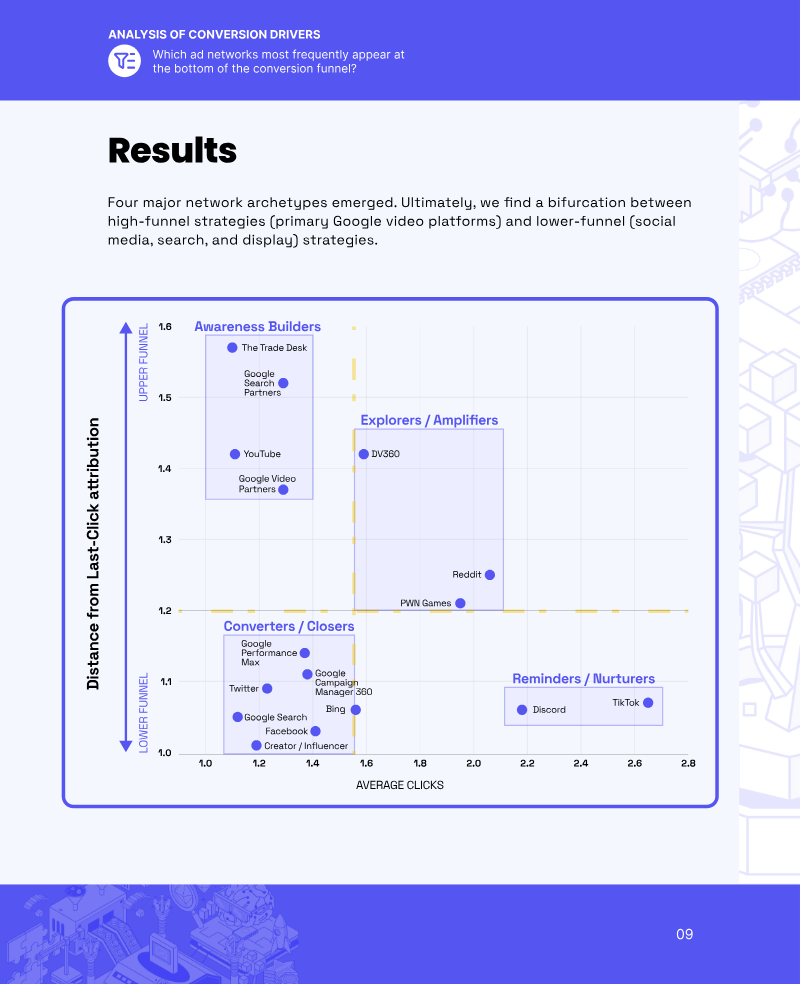
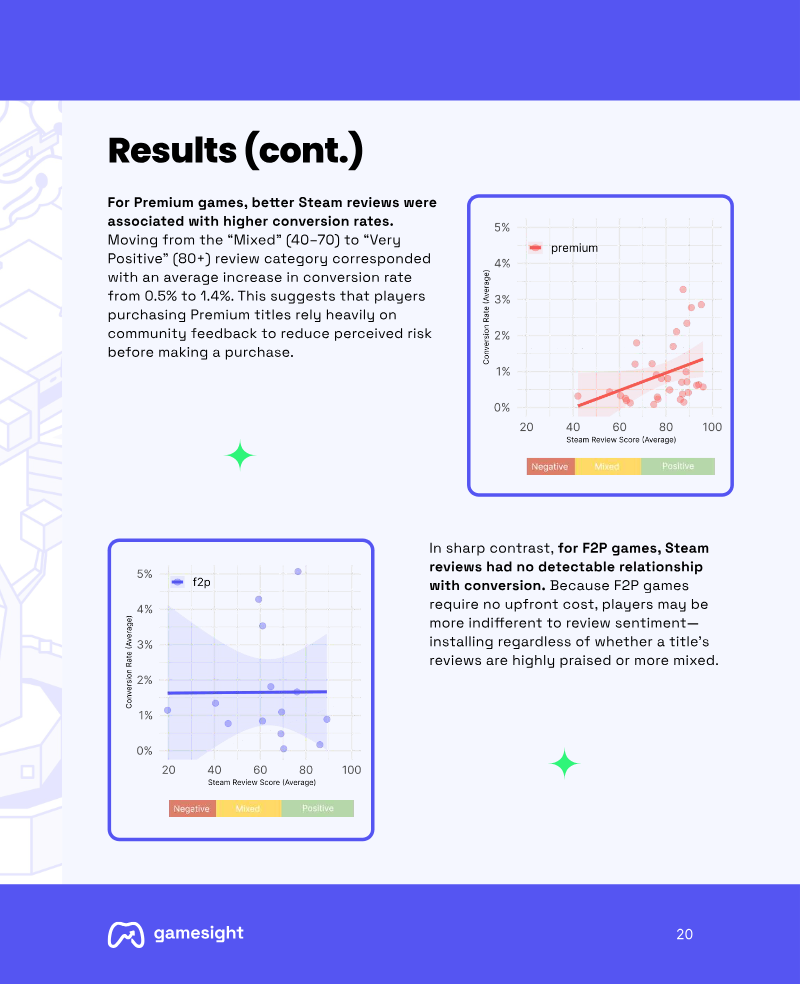











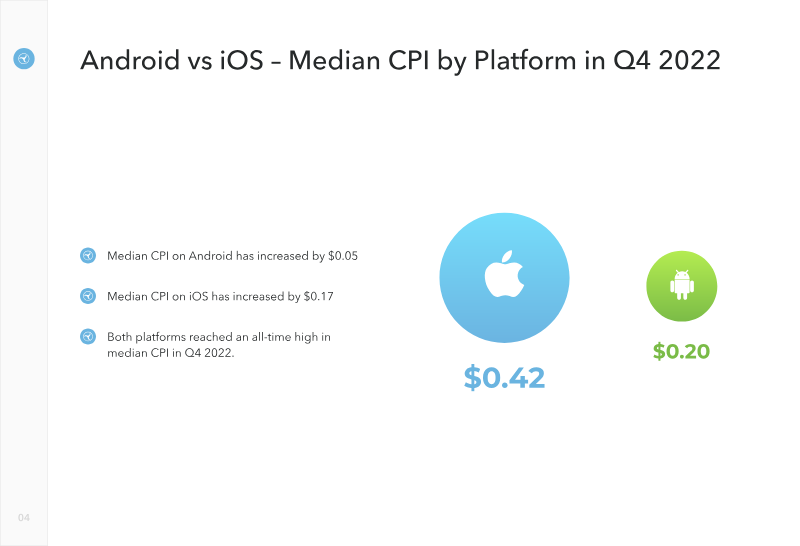
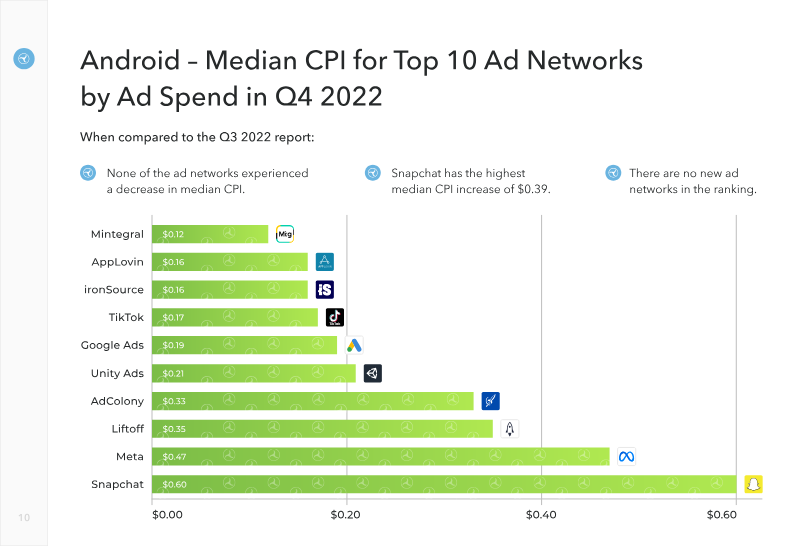

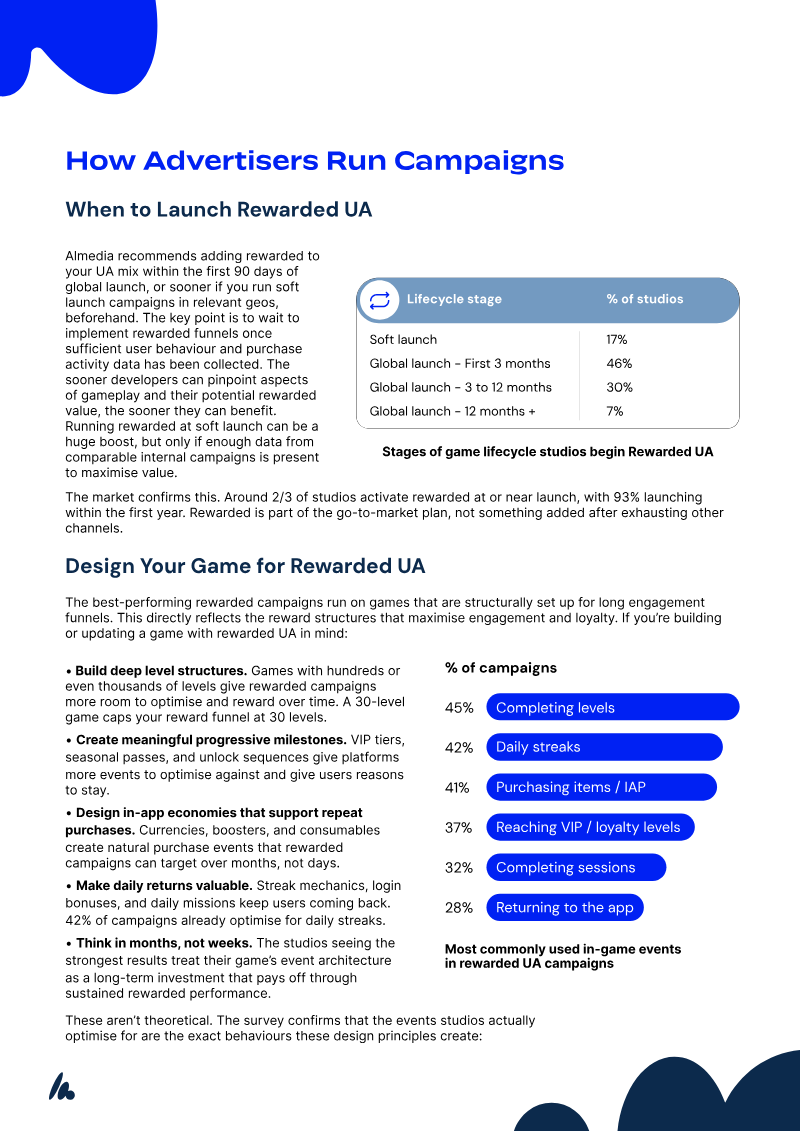
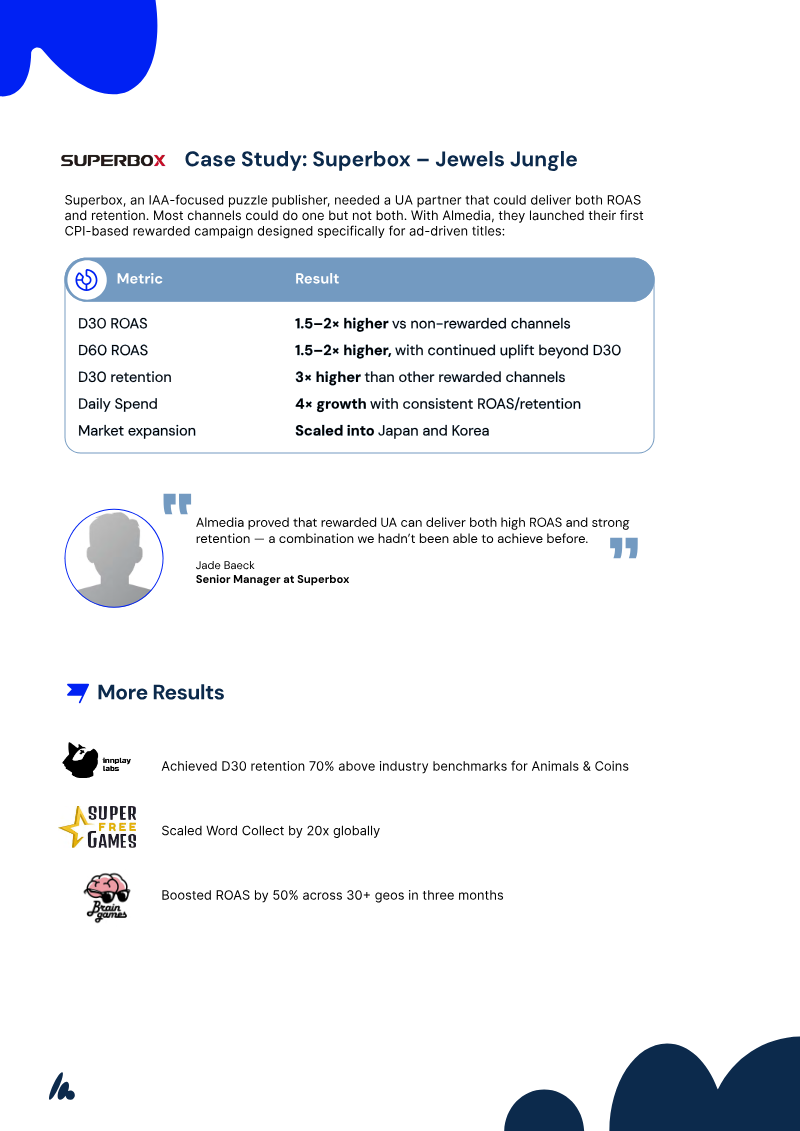





Comments