1 free read left. Create a free account for unlimited reading + AI research.
Create free accountArticle Game Production Alchemist
1 free read left. Create a free account for unlimited reading + AI research.
Create free accountArticleGame Production Alchemist
Traditional manual review processes often identify discrepancies between specifications and implementation too late. This shifts the burden of discovery to expensive late-stage quality assurance or milestone reviews.
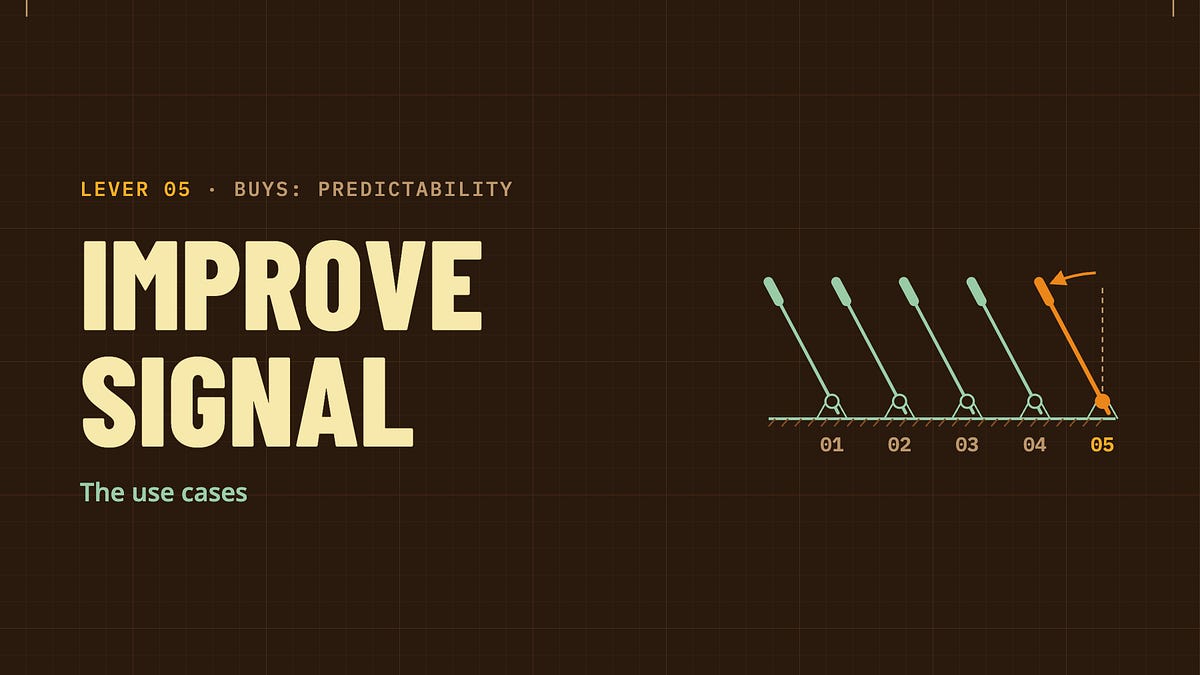
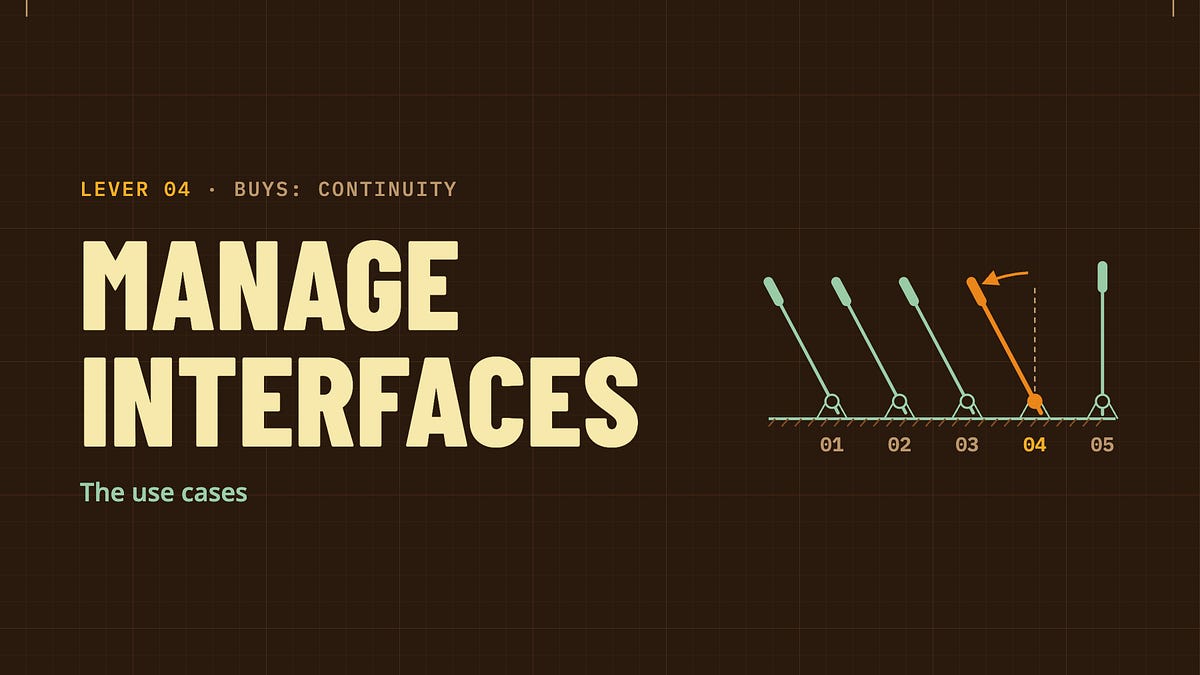
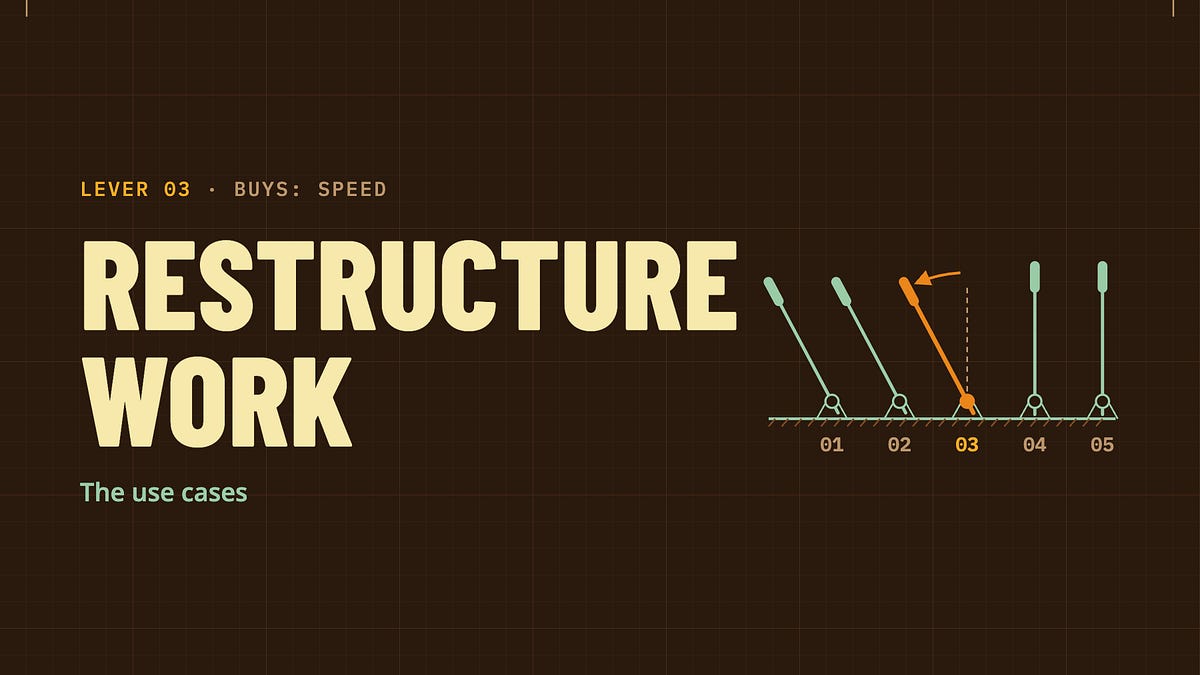
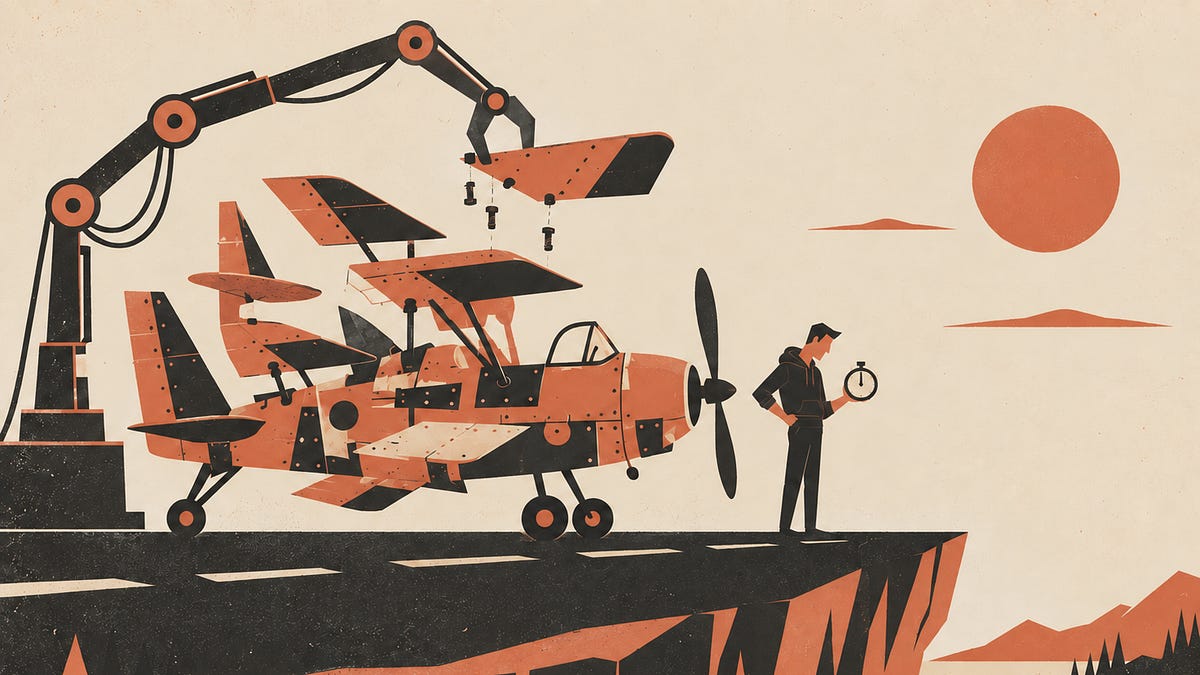
The integration of AI agents into game production workflows serves as a strategic mechanism to shorten feedback loops, thereby enhancing overall project quality and reducing the high costs associated with late-stage error detection. By automating the monitoring of development tasks, these agents identify discrepancies between specifications and implementation significantly earlier than traditional manual review processes. This proactive approach shifts the burden of discovery from late-stage quality assurance or milestone reviews to the active development phase, where remediation is more efficient and less expensive.
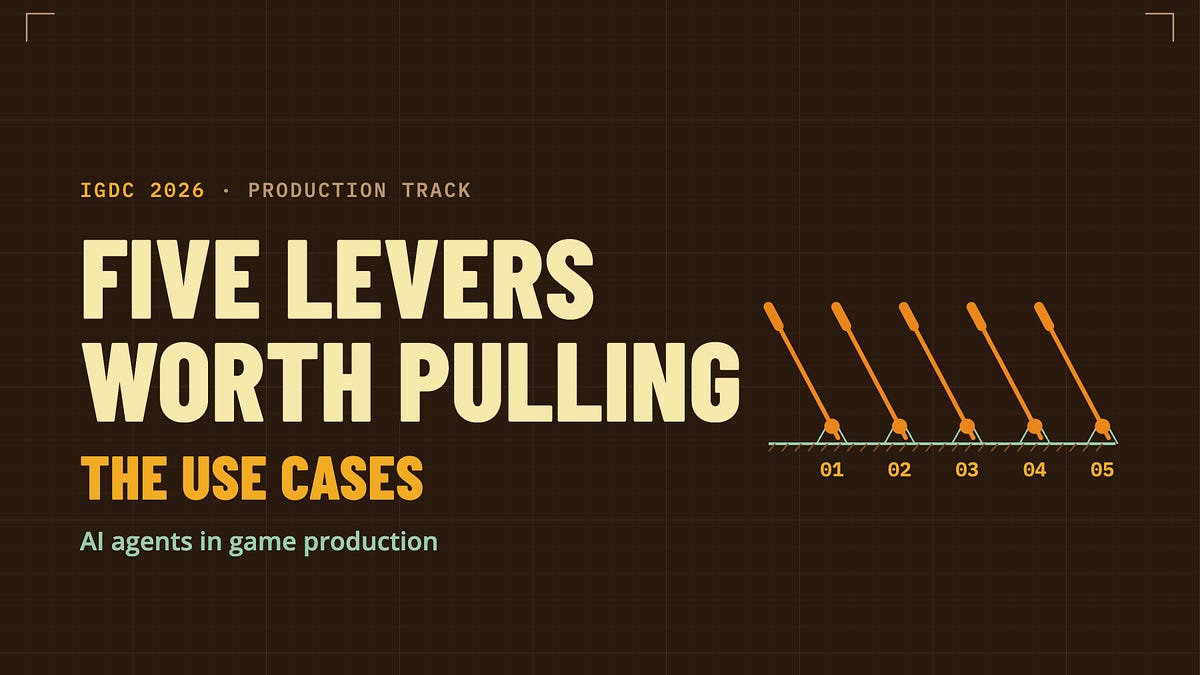
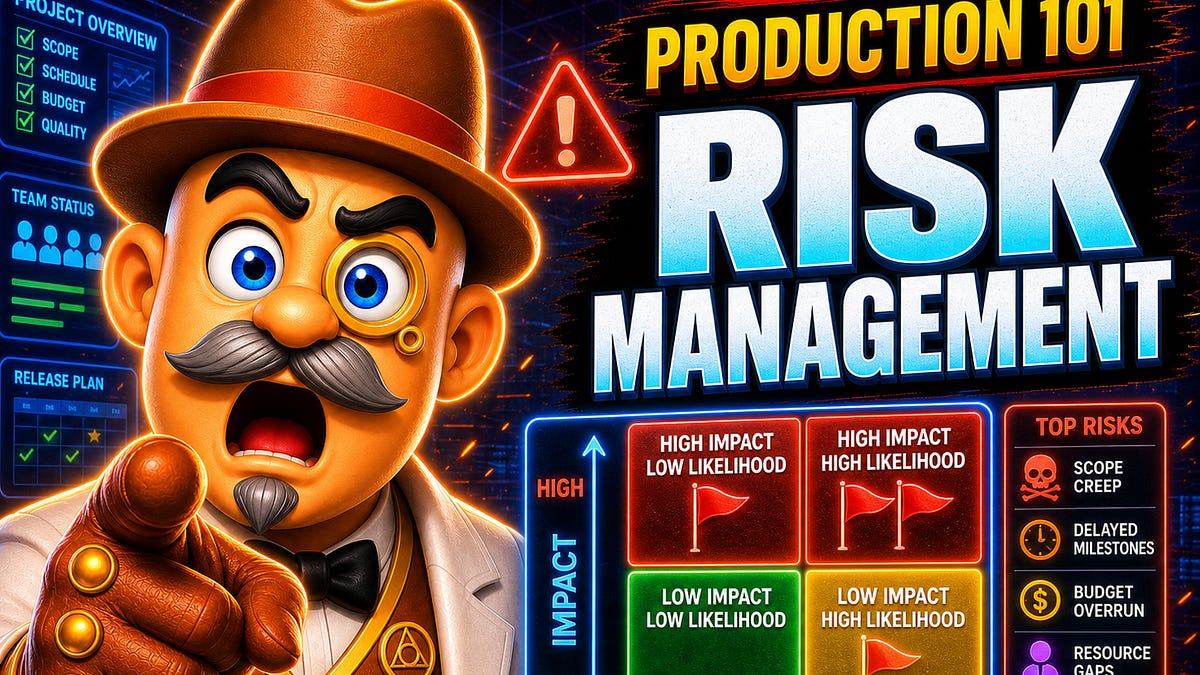
The methodology centers on six specific use cases for AI-driven oversight: weekly delivery assessments, ticket verification against acceptance criteria, code-versus-specification audits, dependency mapping, open-question tracking, and milestone readiness scoring. These tools function by continuously comparing project trackers, codebases, and design documentation to flag issues such as race conditions, undocumented tax rules, or circular dependencies. By surfacing these risks in real-time, the agents allow producers to address bottlenecks before they escalate into project-wide delays.
While AI agents excel at identifying and reporting potential issues, the human producer remains the final decision-maker. The agents provide the necessary data to inform critical choices, such as whether to reopen a ticket, prioritize code over specifications, or proceed with a milestone gate. This collaborative model, presented at the 2026 IGDC, emphasizes that the primary value of AI in this context is the democratization of oversight, making frequent, automated quality checks a standard, low-cost component of the production cycle.
Game Production Alchemist · 2026
Game Production Alchemist · 2026
Game Production Alchemist · 2026
Game Production Alchemist · 2026
Game Production Alchemist · 2026
Game Production Alchemist · 2026

Game Production Alchemist · 2026

Game Production Alchemist · 2026

Game Production Alchemist · 2026
Game Production Alchemist · 2026

Game Production Alchemist · 2026

Game Production Alchemist · 2026
Naavik · 2026