1 free read left. Create a free account for unlimited reading + AI research.
Create free accountArticle Game Production Alchemist
1 free read left. Create a free account for unlimited reading + AI research.
Create free accountArticleGame Production Alchemist
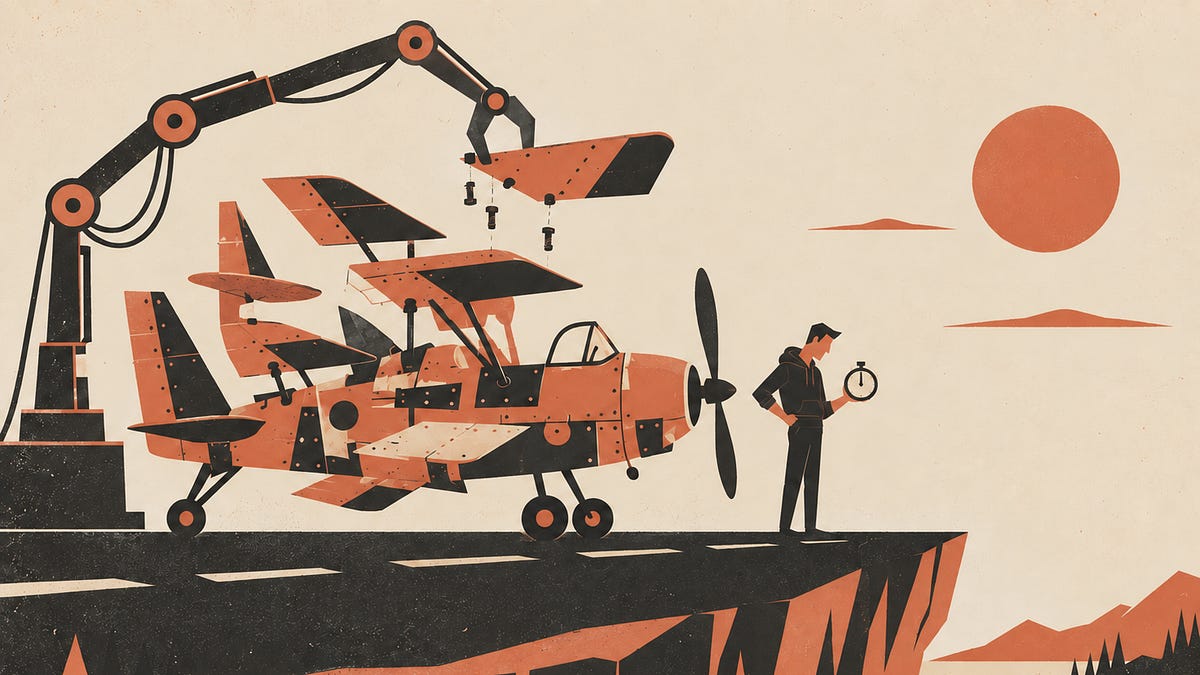
The central thesis posits that AI-driven restructuring can shift sequential tasks into parallel workflows.
Key insight. AI agents can identify and eliminate 'needless waiting' in game production.
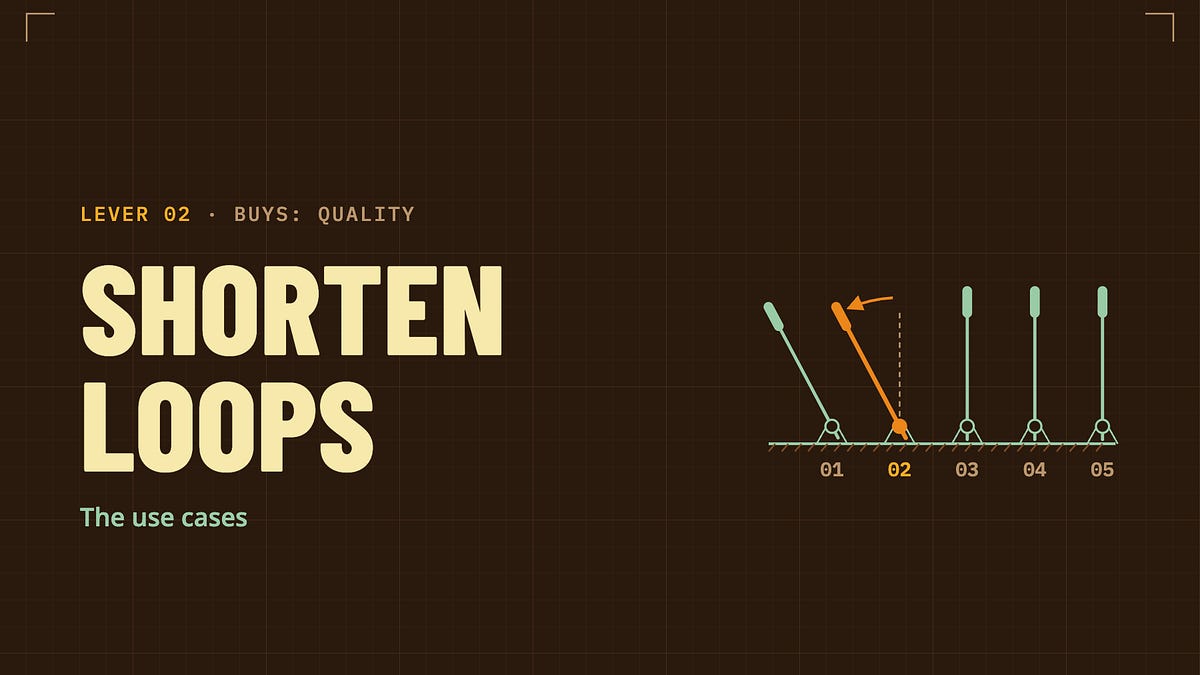
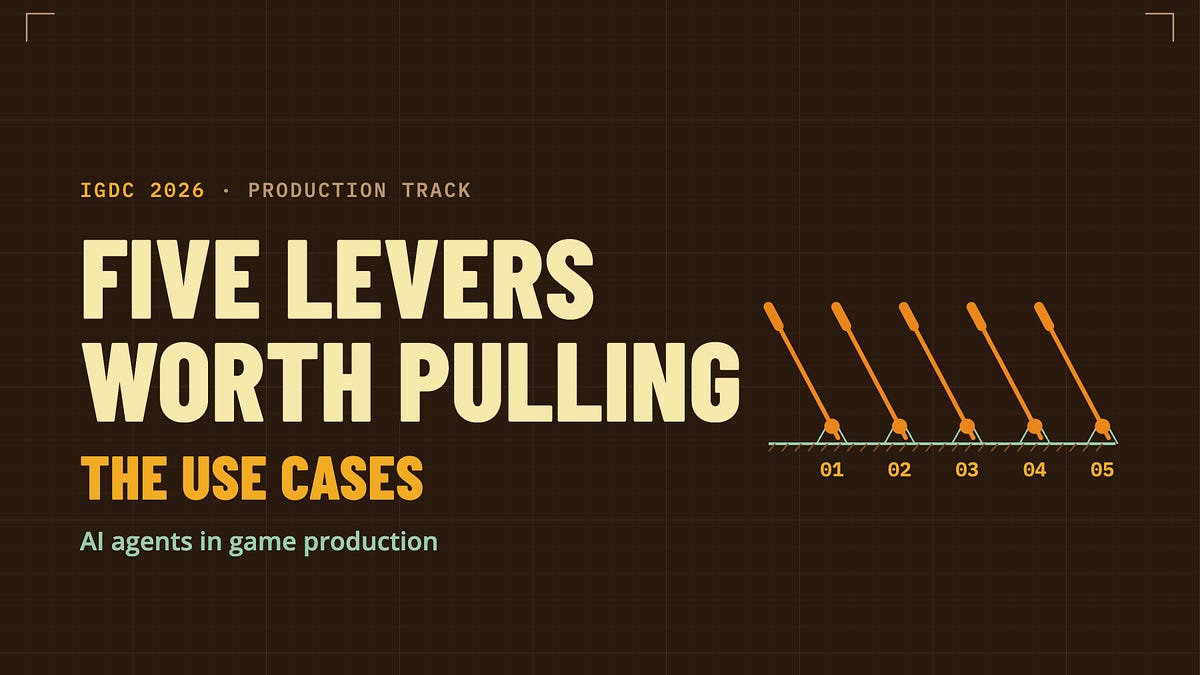
The primary objective of this analysis is to demonstrate how AI agents can accelerate game production by identifying and eliminating unnecessary workflow dependencies. The central thesis posits that much of the waiting time in game development is habitual rather than functional, and that AI-driven restructuring can shift sequential tasks into parallel workflows to significantly increase team velocity.
The methodology centers on three specific AI-driven interventions: dependency-ranked backlogs, the use of placeholder specifications, and parallel backend kickoffs. By analyzing existing codebases and project requirements, AI agents can determine which tasks are genuinely blocked and which are free to start, effectively reordering backlogs to prioritize immediate progress. Furthermore, the use of placeholder specs allows for end-to-end build testing before final assets are completed, while automated analysis of server code enables backend development to proceed concurrently with front-end design.
Key findings from a practical application of these methods include the successful identification of 39 out of 48 art items that were previously waiting unnecessarily, alongside the discovery that several perceived blockers were actually simple decision-making points. Additionally, an AI audit of an existing codebase revealed pre-existing trading and ledger systems that saved weeks of redundant planning. These findings, presented at the 2026 IGDC, emphasize that while this approach requires significant changes to team operations, it serves as a powerful lever for reducing idle time and optimizing production speed across the game development lifecycle.
Game Production Alchemist · 2026
Game Production Alchemist · 2026
Game Production Alchemist · 2026
Game Production Alchemist · 2026
Game Production Alchemist · 2026
Game Production Alchemist · 2026

Game Production Alchemist · 2026

Game Production Alchemist · 2026

Game Production Alchemist · 2026
Game Production Alchemist · 2026

Game Production Alchemist · 2026

Game Production Alchemist · 2026