ArticleGame Production Alchemist
AI Never Deletes the Work You Skip When Making a Game: It Just Sends the Bill Elsewhere
12 Oct 20261 page~12 min full read
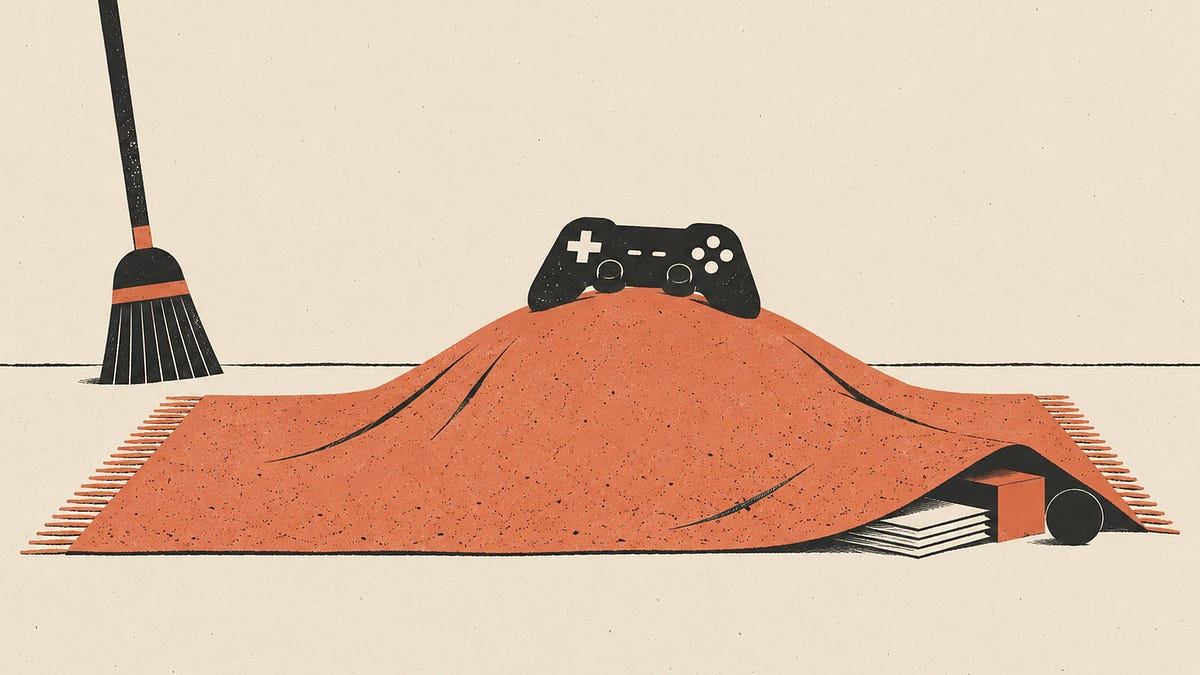
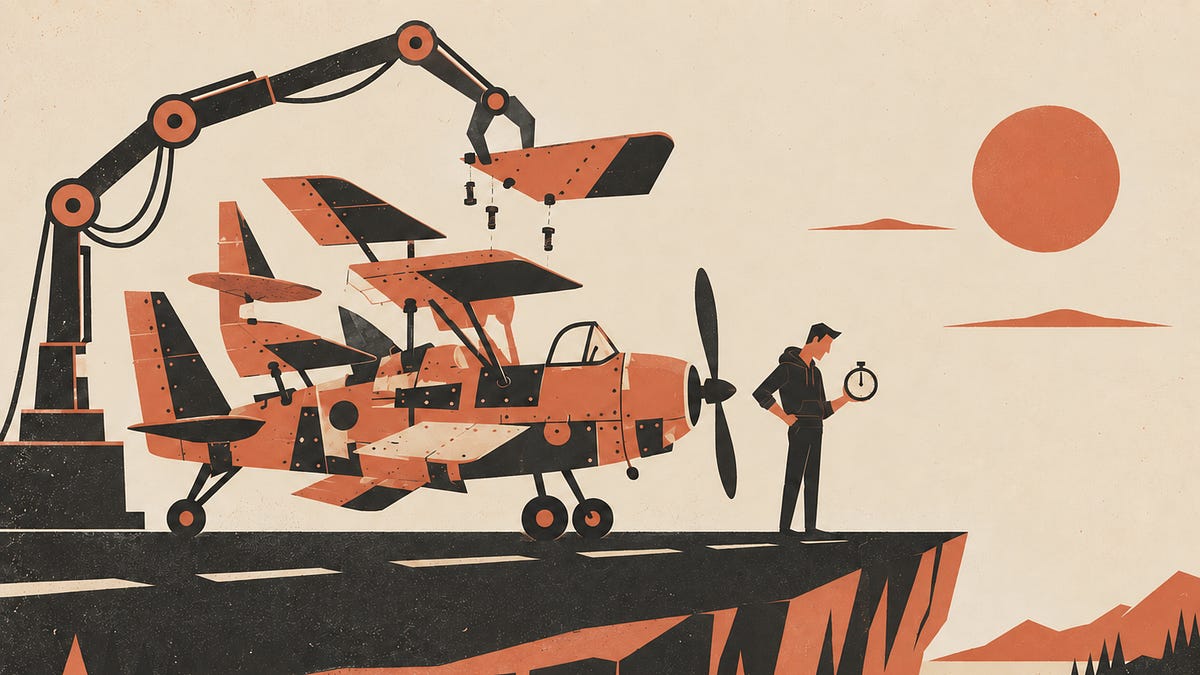
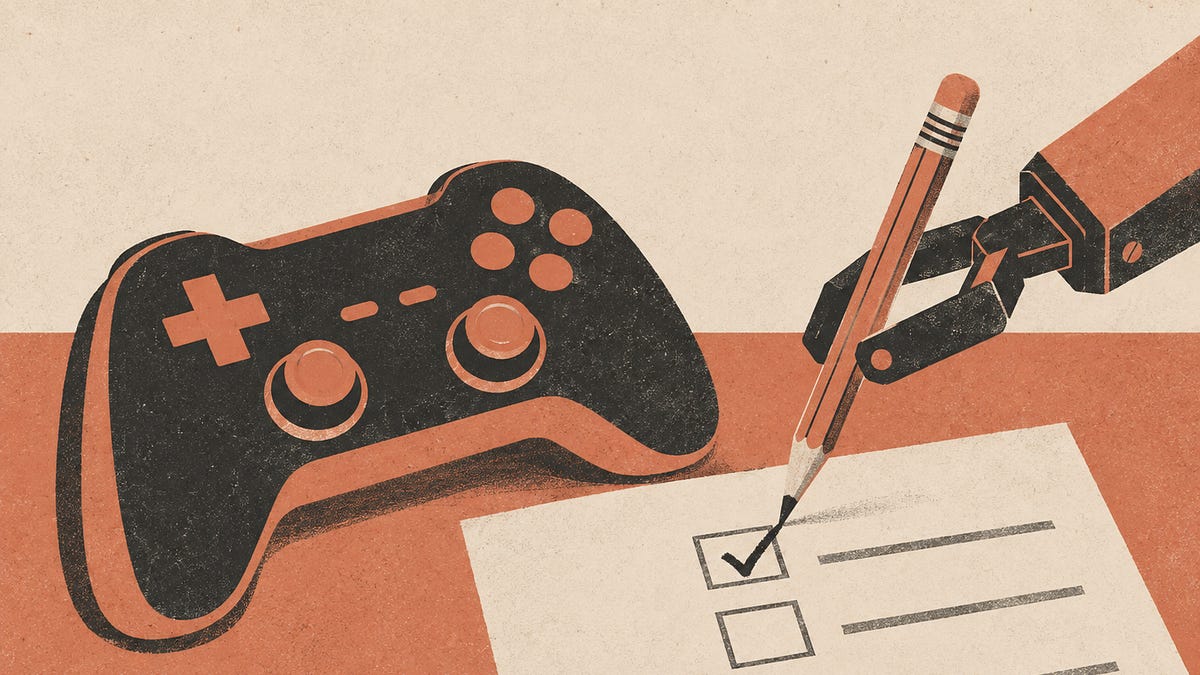
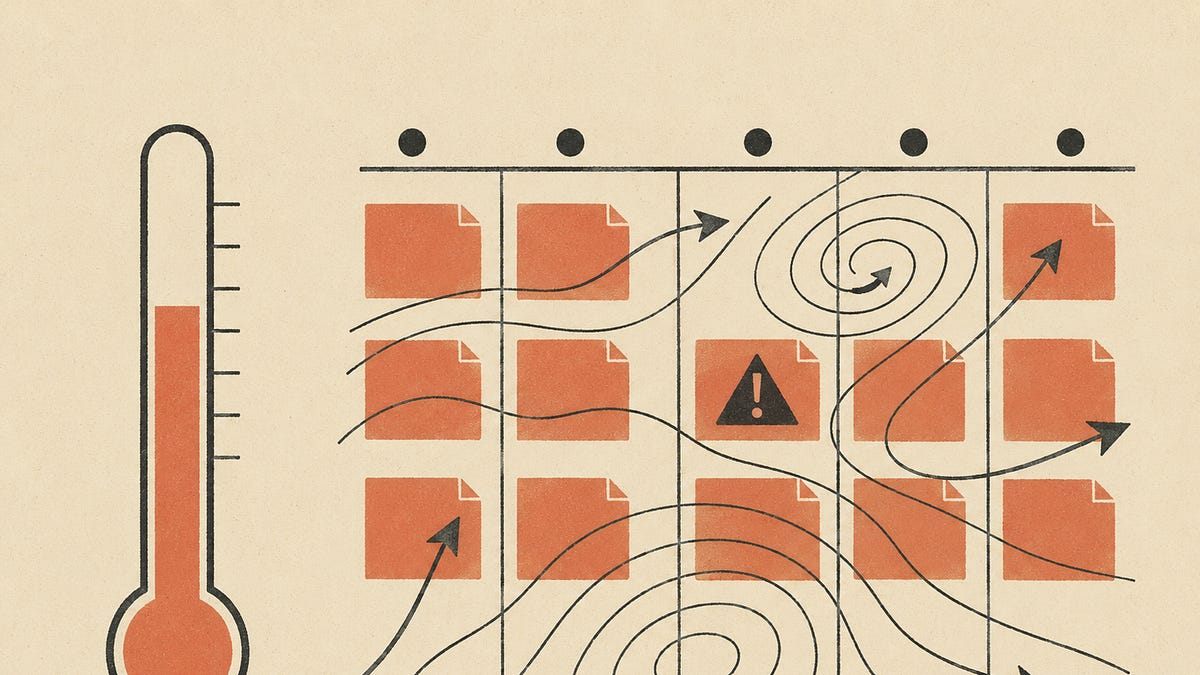
The integration of generative AI into game development functions as a mechanism for bypassing creative labor, but these shortcuts do not eliminate work; they merely defer it, resulting in significant downstream costs. Whether through one-shot generation, game mashups, or clean-room reverse engineering, developers who skip foundational processes—such as design iteration, original content creation, or rigorous documentation—eventually face consequences in the form of design debt, legal exposure, or reputational damage.
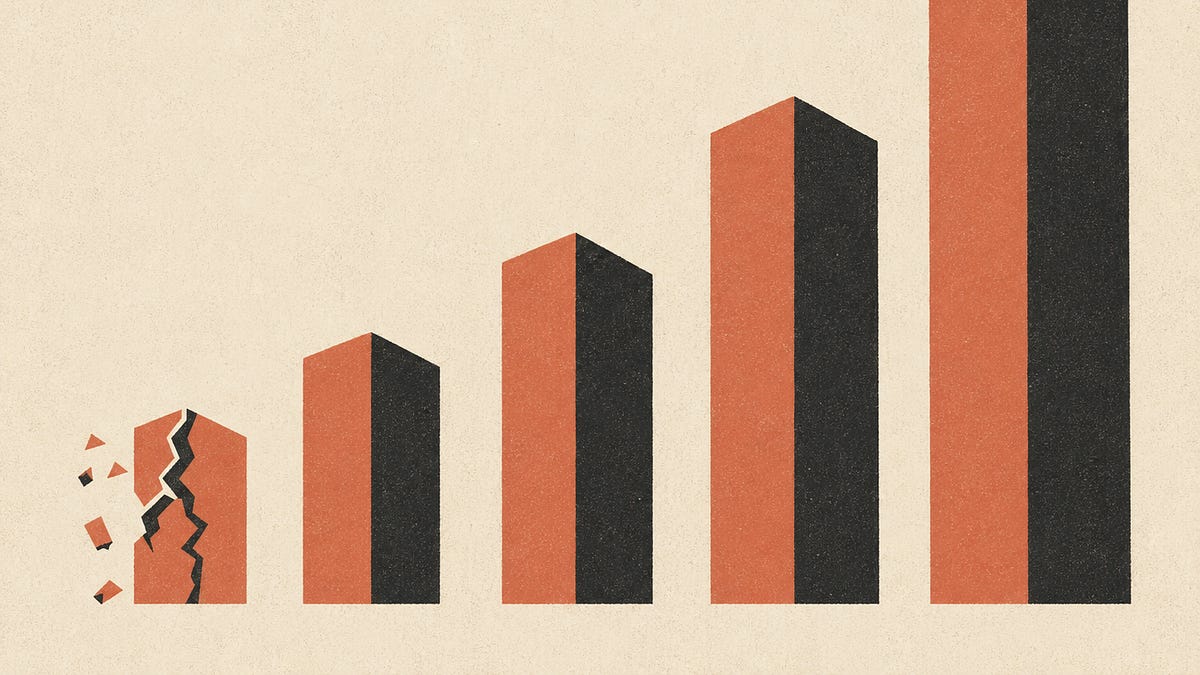
Data from the 2025 Steam market illustrates the immediate financial impact of these choices. Games that disclose the use of AI receive approximately 53% fewer reviews than comparable titles, suggesting that players actively penalize perceived shortcuts. Furthermore, the removal of traditional production hurdles, such as the time-intensive nature of prototyping, eliminates the natural "gatekeeping" process that forces developers to justify the fun and viability of their mechanics. Without these constraints, projects often lack the necessary design rigor to succeed.
The analysis covers the contemporary landscape of AI-assisted game production, focusing on the risks inherent in replacing human labor with automated agents. By examining recent industry trends and high-profile takedowns of fan-made AI projects, the findings emphasize that the "clean-room" defense is increasingly fragile when the underlying labor—which serves as evidence of independent creation—is stripped away. Ultimately, the industry faces a trend where the incentive to remain silent about AI usage is high, as the cost of honesty is immediate and measurable, while the costs of shortcuts are often delayed and unpredictable. Producers are advised to treat every AI-driven shortcut as an invoice, carefully evaluating what work is being bypassed and where the inevitable bill will eventually be delivered.

Game Production Alchemist · 2026
Game Production Alchemist · 2026

Game Production Alchemist · 2026
Game Production Alchemist · 2026
Game Production Alchemist · 2026
Game Production Alchemist · 2026

Game Production Alchemist · 2026

Game Production Alchemist · 2026
Game Production Alchemist · 2026
Game Production Alchemist · 2026
Game Production Alchemist · 2026
Game Production Alchemist · 2026
PocketGamer.biz · 2026

PocketGamer.biz · 2026

Mobile Dev Memo · 2026

GameMakers · 2026

The Game Business · 2026

Naavik · 2025

Develop:Brighton · 2025

PocketGamer.biz · 2025

Thomas Brush · 2025

Naavik · 2025

Thomas Brush · 2025

Deconstructor of Fun · 2025
Comments