1 free read left. Create a free account for unlimited reading + AI research.
Create free accountArticle Game Production Alchemist
1 free read left. Create a free account for unlimited reading + AI research.
Create free accountArticleGame Production Alchemist
Producers can delegate tasks to AI agents that operate in a read-only capacity. Human approval is required before any permanent changes are committed.
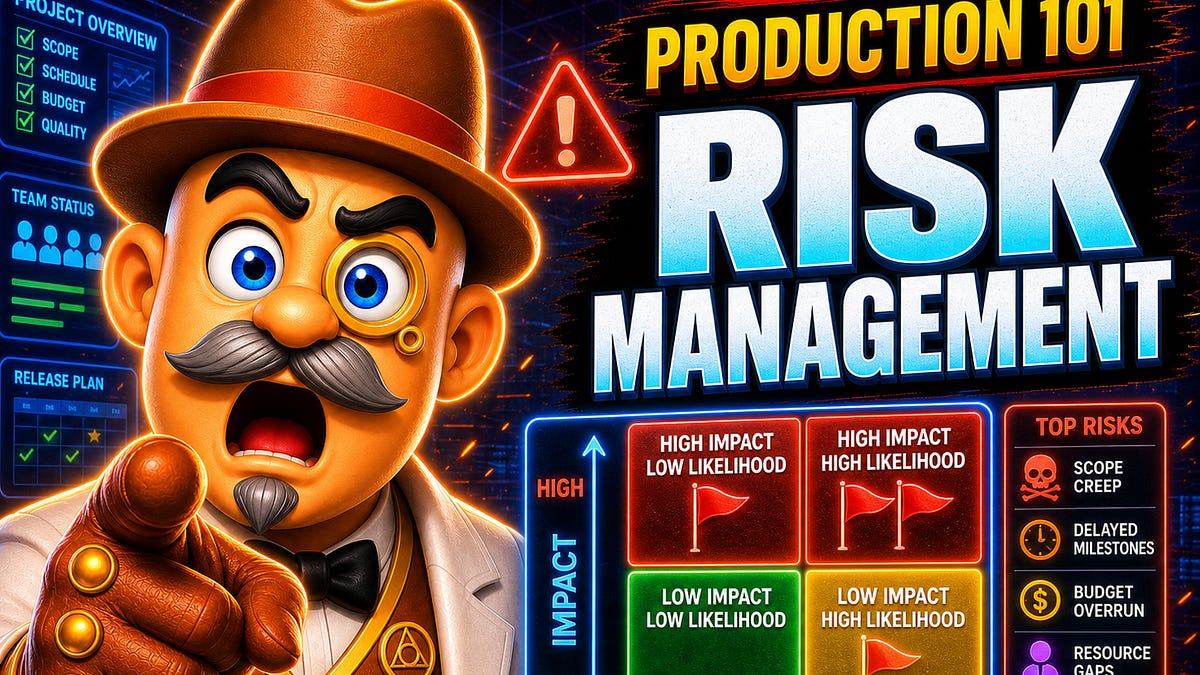
The primary objective of this analysis is to demonstrate how game producers can reclaim professional capacity by delegating repetitive administrative tasks to AI agents. The central thesis posits that the "coordination tax"—the cumulative burden of manual data entry, ticket maintenance, and status reporting—diverts producers from high-level decision-making. By implementing AI-driven automation, producers can offload these granular tasks while maintaining final oversight through a read-only-to-approval workflow.
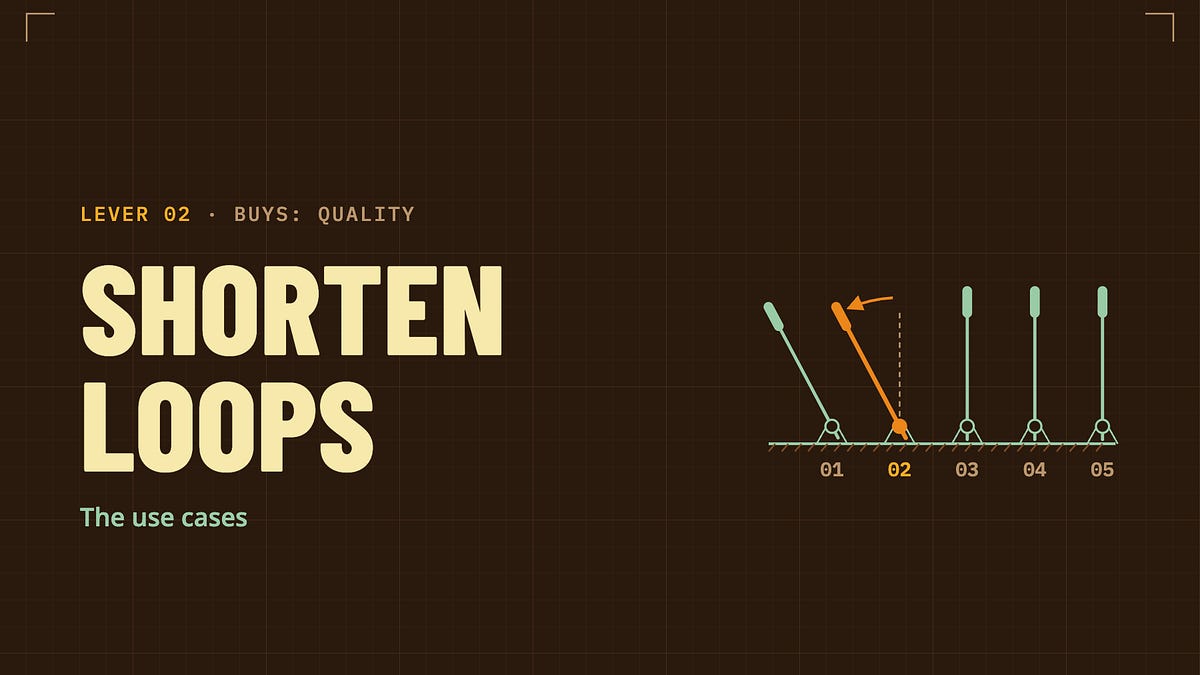
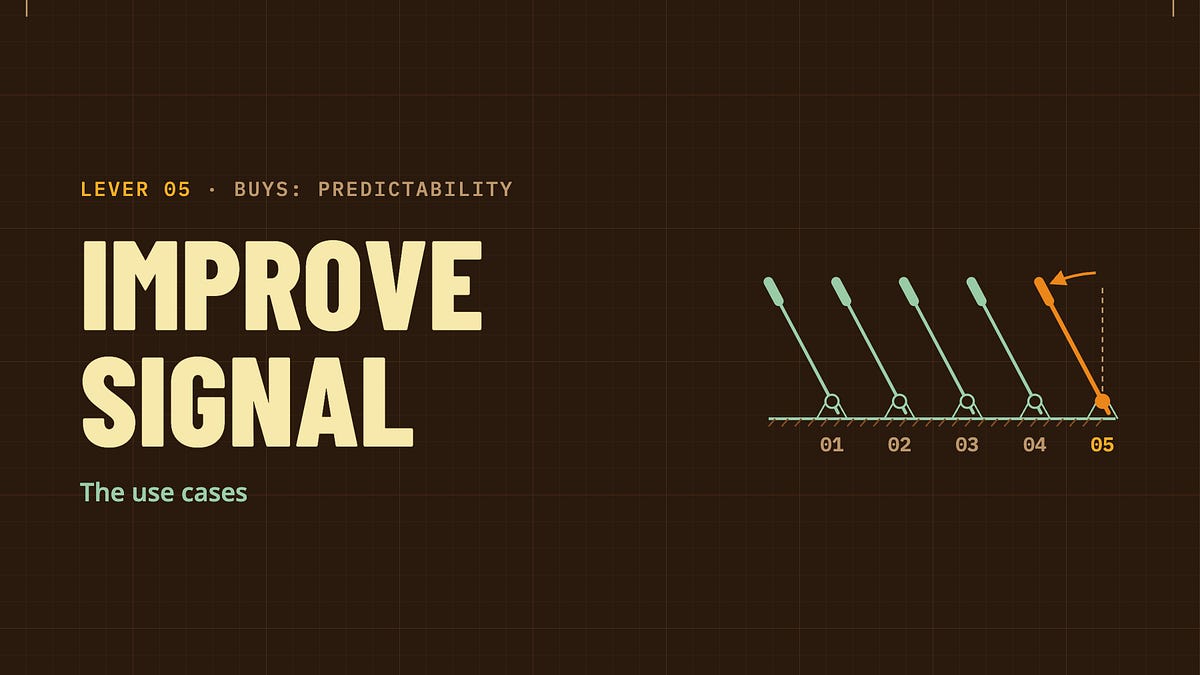
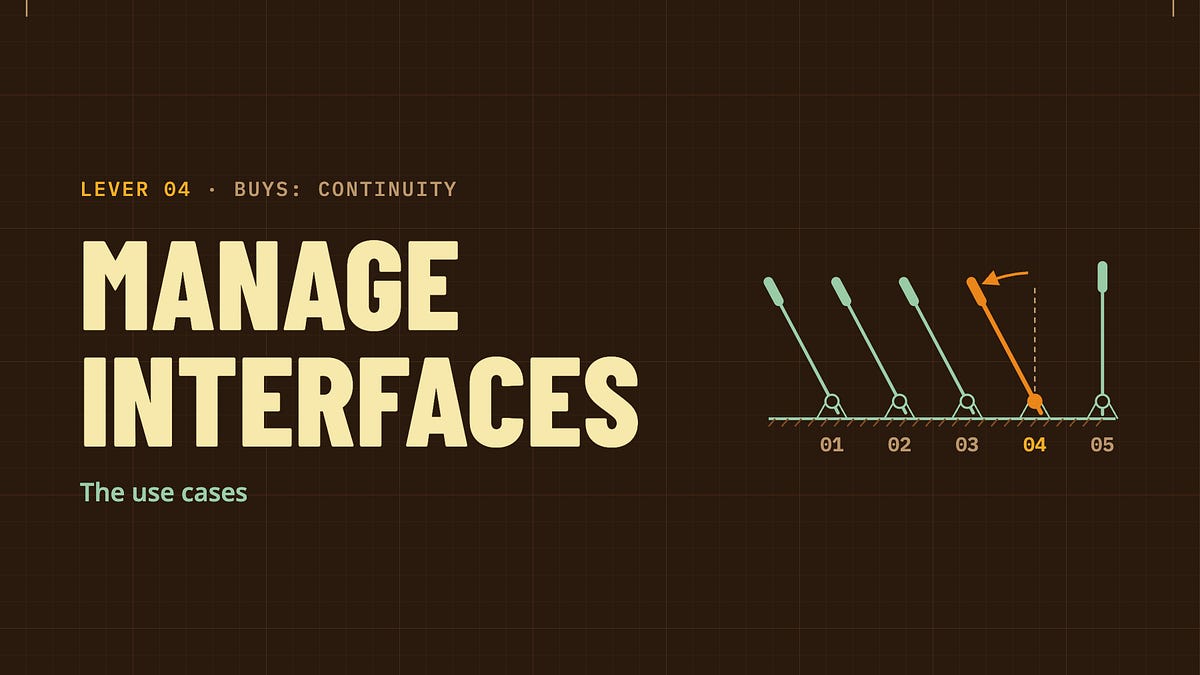
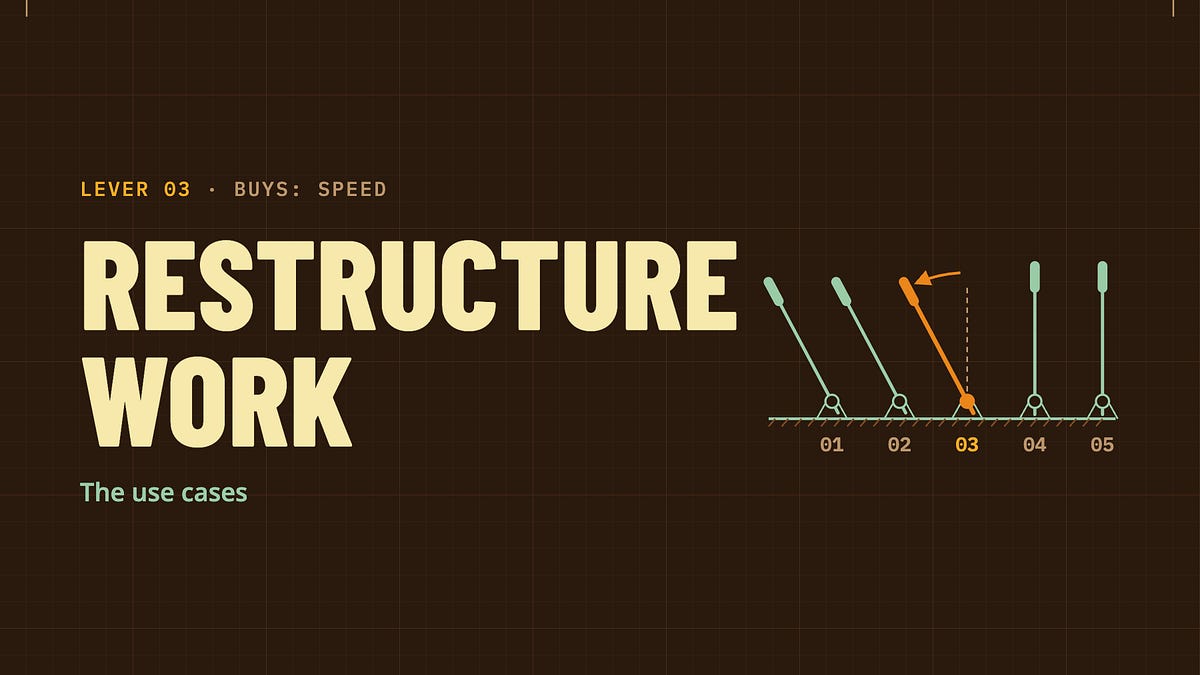
The analysis identifies six specific administrative use cases suitable for automation: ticket hygiene sweeps, spec-to-wiki synchronization, tracker restructuring, ticket generation from design specifications, board synchronization, and the automated generation of status reports. These applications address common inefficiencies, such as discrepancies between project trackers and actual design documentation, or the time-consuming process of manually mapping deliverable tracks to project epics. By automating these functions, producers can replace subjective status assessments with data-driven insights regarding ticket age, workflow states, and team activity.
The scope of these findings is rooted in practical game production environments, drawing on ten months of operational experience and insights presented at the 2026 International Game Developers Conference (IGDC). The methodology emphasizes a cautious, iterative approach where AI agents perform initial audits and draft updates, requiring human verification before any permanent changes are committed to project management systems. This framework is designed to be scalable, allowing producers to implement small-scale automation experiments to reduce administrative overhead and refocus efforts on critical project leadership.
Game Production Alchemist · 2026
Game Production Alchemist · 2026
Game Production Alchemist · 2026
Game Production Alchemist · 2026
Game Production Alchemist · 2026
Game Production Alchemist · 2026

Game Production Alchemist · 2026

Game Production Alchemist · 2026

Game Production Alchemist · 2026
Game Production Alchemist · 2026

Game Production Alchemist · 2026

Game Production Alchemist · 2026

GameMakers · 2026