1 free read left. Create a free account for unlimited reading + AI research.
Create free accountWhitepaper Northeastern University
1 free read left. Create a free account for unlimited reading + AI research.
Create free accountWhitepaperNortheastern University
A novel mixed-methods framework integrates sequence analysis with interactive behavior analytics to provide a scalable, context-aware approach to gameplay evaluation. By bridging the gap between high-level quantitative telemetry and labor-intensive qualitative observation, this methodology enables researchers to derive meaningful behavioral labels from complex player actions. The process involves abstracting raw data into sequences, refining these through spatio-temporal visualization, and applying systematic labels to identify strategic patterns. This human-in-the-loop approach significantly improves inter-rater reliability by reducing the subjective possibility space typically associated with manual annotation.
Applied to the multiplayer online battle arena title Defense of the Ancients 2, this analytical model reveals distinct shifts in strategic priorities throughout a match. Early-game engagements are characterized by targeted efforts to neutralize vulnerable carry heroes, effectively preventing them from scaling in power. Conversely, late-game interactions prioritize objective control as heroes reach their maximum potential. These findings demonstrate that the methodology successfully captures the temporal and spatial nuances of high-level competitive play, offering a more granular understanding of player decision-making than traditional metrics alone.
The scope of this research encompasses complex, strategy-heavy game environments, providing a framework that is generalizable across various genres within the gaming industry. By automating the identification of behavioral sequences while maintaining human-interpretable insights, the approach offers developers a robust tool for assessing player experience and game balance. Ultimately, this methodology provides a scalable solution for extracting actionable intelligence from vast datasets, ensuring that design decisions are informed by a deeper, context-sensitive understanding of how players interact with game systems over time.
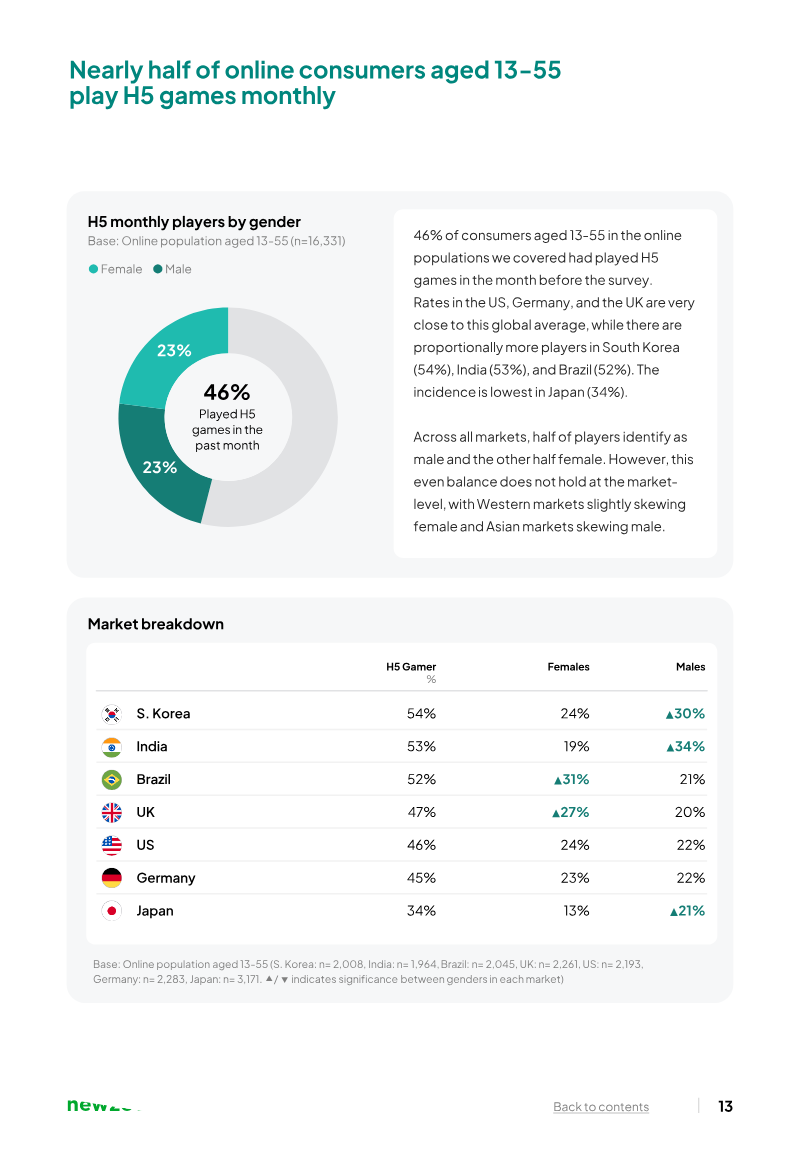
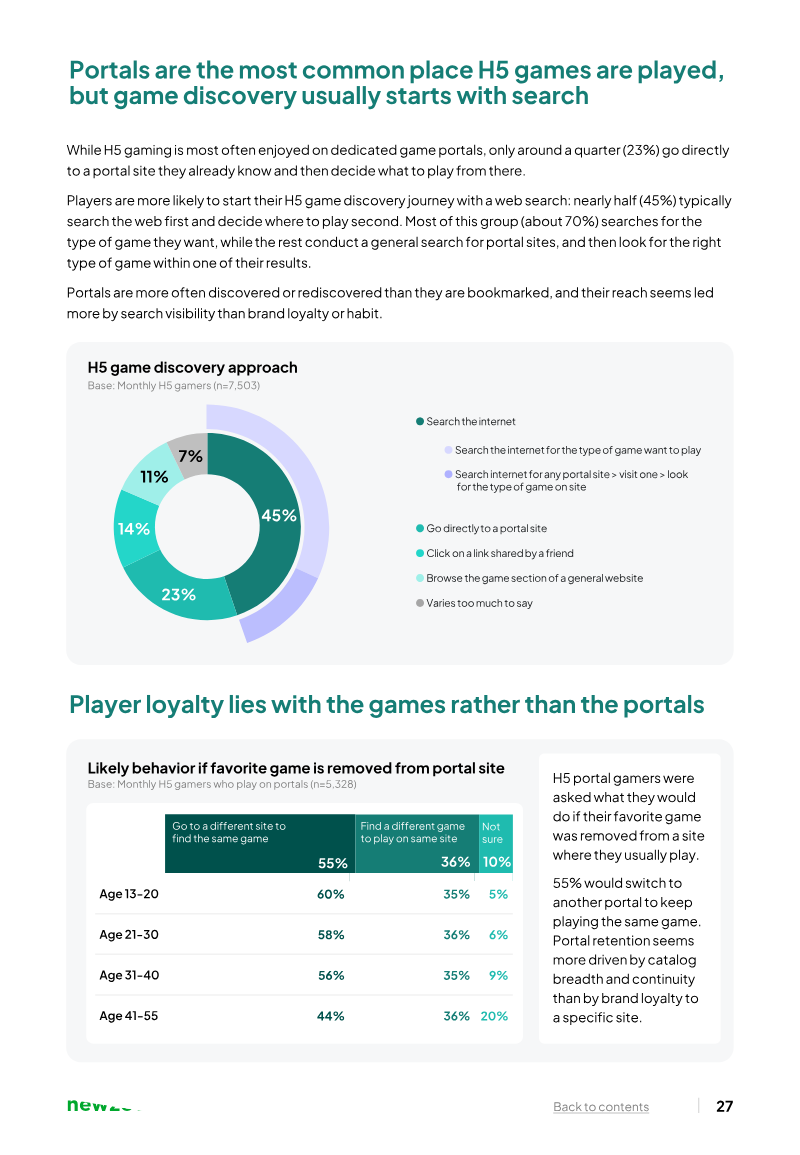

Newzoo · 2026
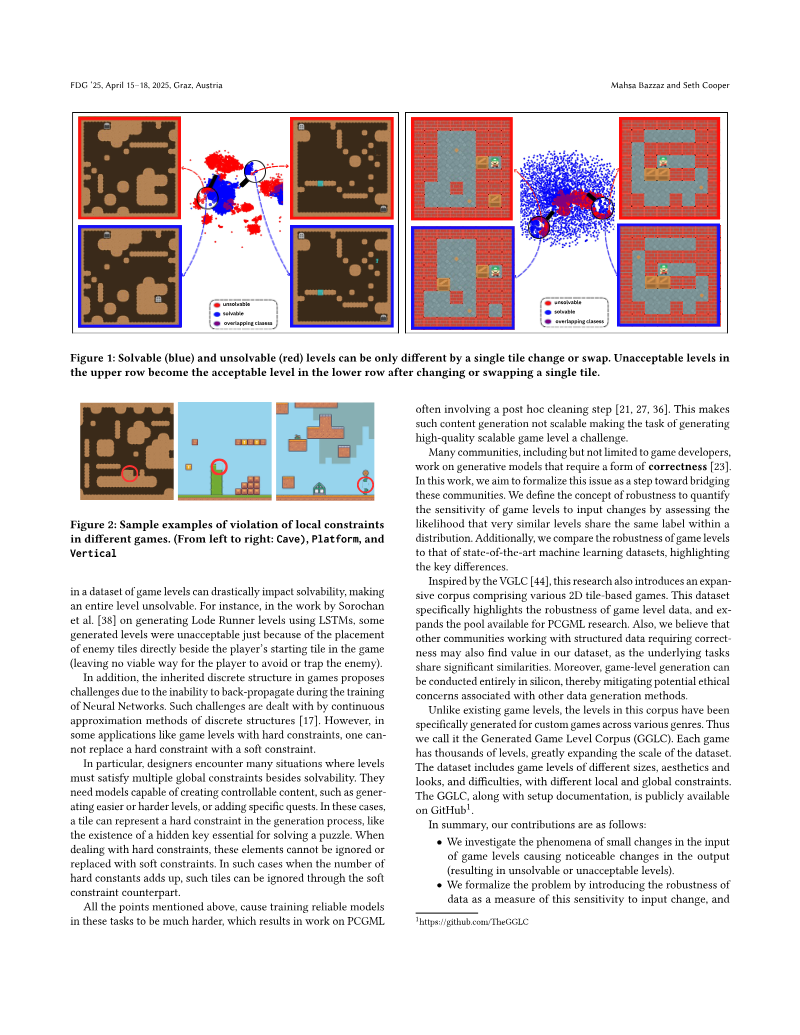
Northeastern University · 2025
Northeastern University · 2025
Northeastern University · 2025
Northeastern University · 2024
Northeastern University · 2022
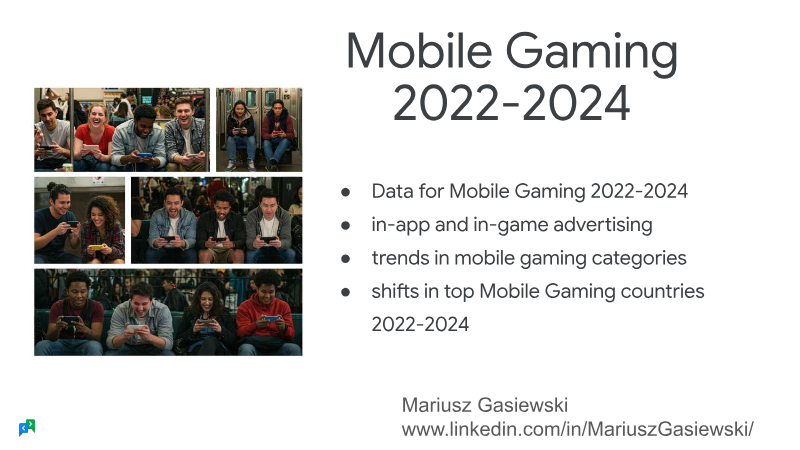
Google · 2022
Northeastern University · 2021
Northeastern University · 2021
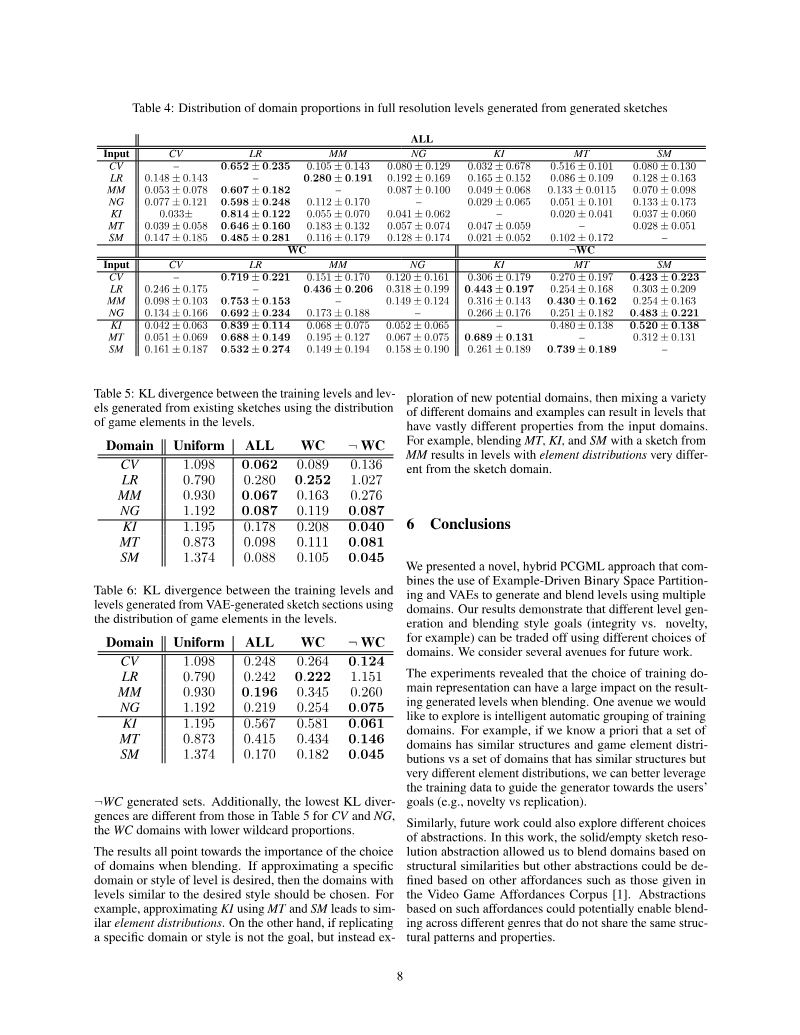
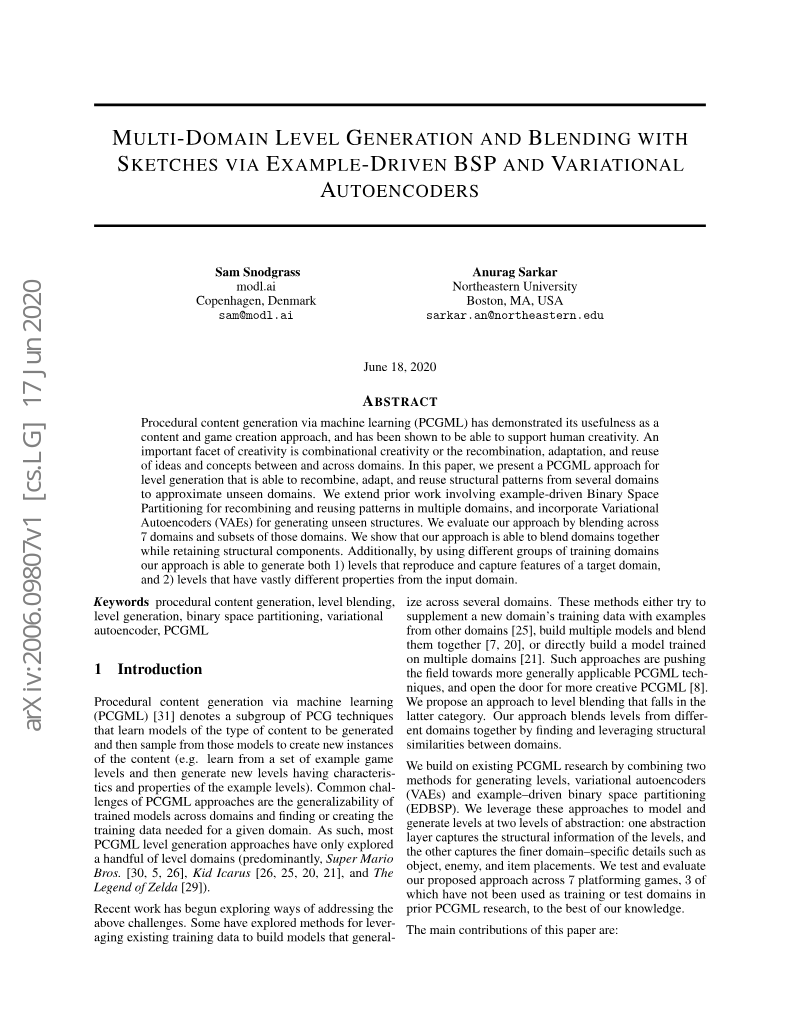
modl.ai · 2020
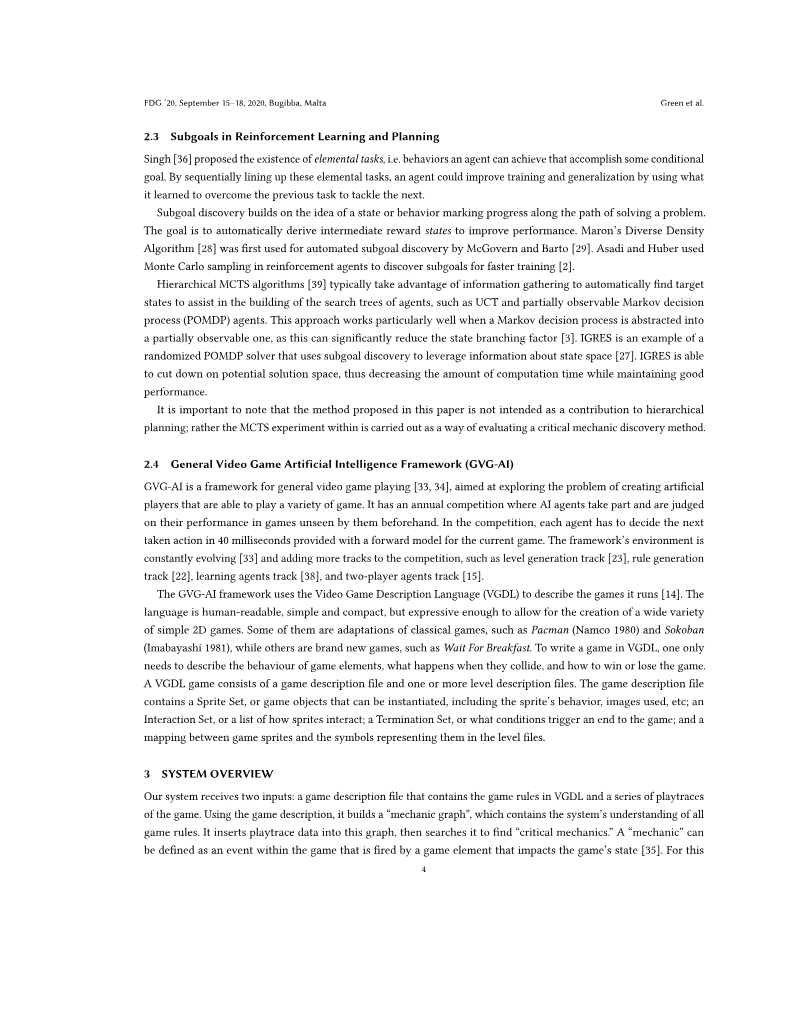
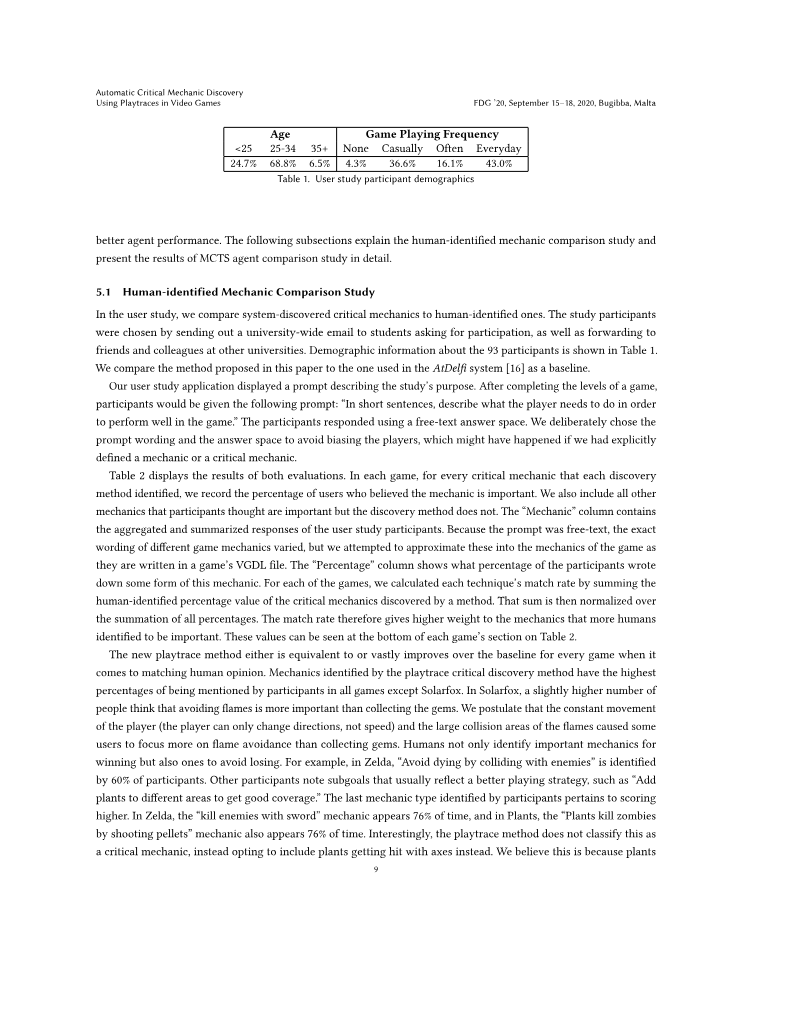
New York University · 2020
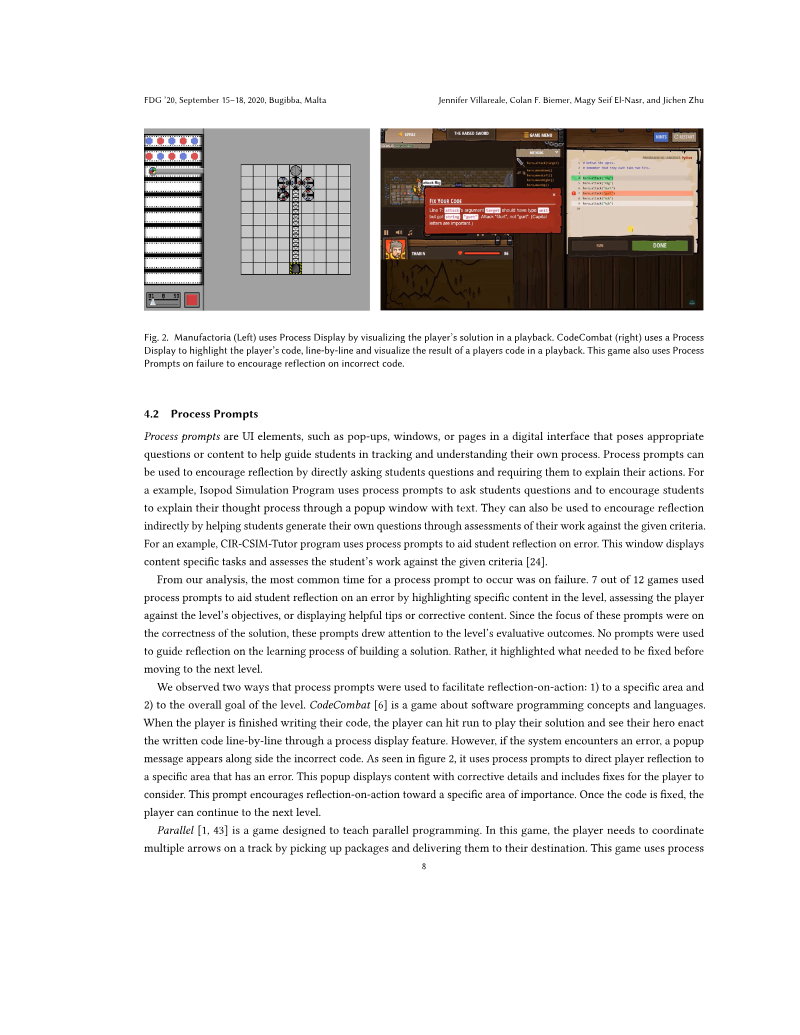
Drexel University · 2020
IFIP International Federation for Information Processing · 2017