1 free read left. Create a free account for unlimited reading + AI research.
Create free accountWhitepaperDrexel University
Distilling the key insights…
Educational programming games frequently prioritize evaluative accuracy over the cognitive processes required for deep learning. While these titles often incorporate mechanisms to assess whether a player has reached a correct solution, they largely fail to support the iterative, reflective growth essential for mastering complex programming concepts. Current design trends favor post-gameplay assessments, which emphasize the final outcome rather than the strategic thinking or problem-solving methodologies employed during the actual gameplay experience.
An analysis of twelve prominent programming games reveals that while process displays and prompts are common, they are primarily utilized to confirm solution correctness rather than to foster reflection-in-action. These games rarely provide the multi-level perspectives or expert modeling necessary to guide players through their own cognitive development. Consequently, the industry lacks the sophisticated reflective mechanics required to help learners analyze their strategies or adapt their approaches to different programming challenges.
To improve learning outcomes, future game development must shift toward integrating reflection as a core component of the gameplay loop. By moving beyond simple evaluative feedback and incorporating features that encourage players to reflect on their problem-solving processes, developers can better align their products with established learning science theories. Addressing these design gaps—specifically the need for personalized support and global perspectives across multiple levels—is essential for transforming programming games from simple puzzle-solving tools into effective environments for sustained cognitive and pedagogical growth.
Northeastern University · 2025
Northeastern University · 2025
Northeastern University · 2025
Northeastern University · 2024
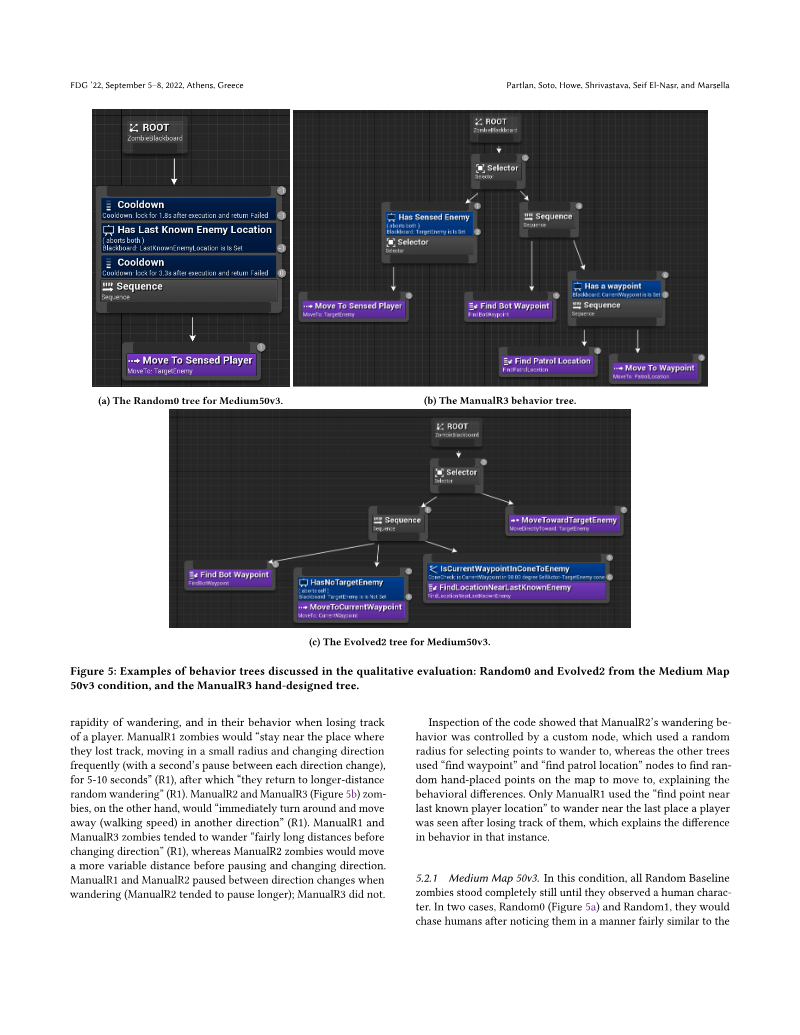
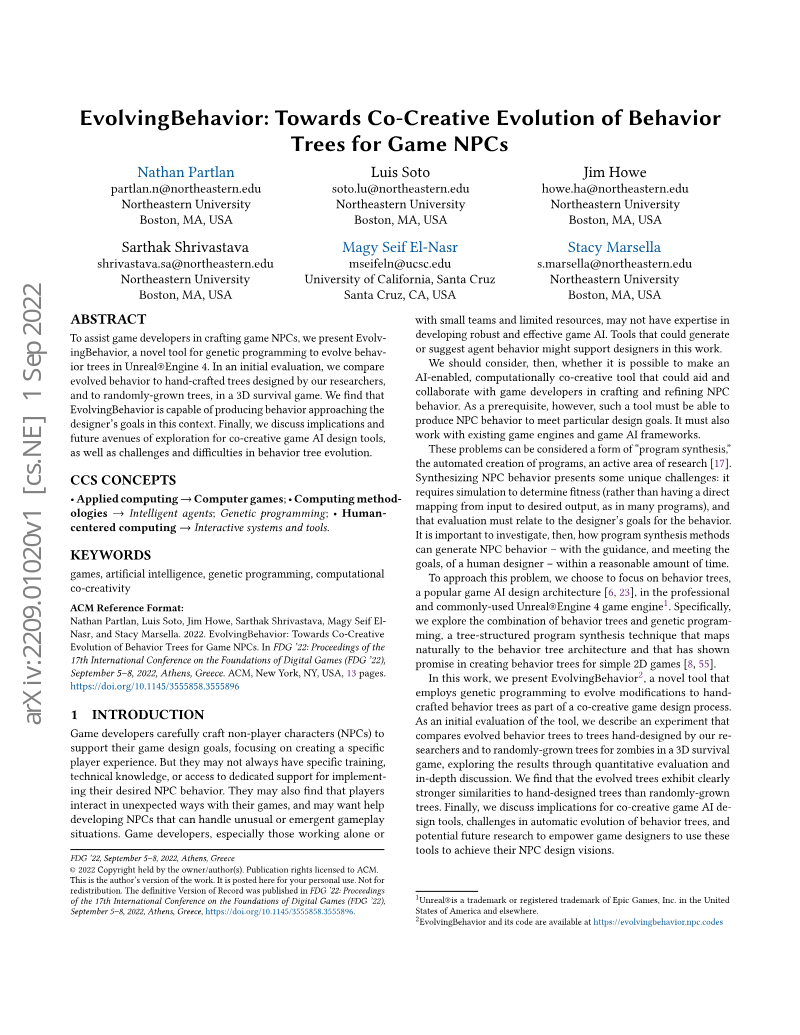
Northeastern University · 2022
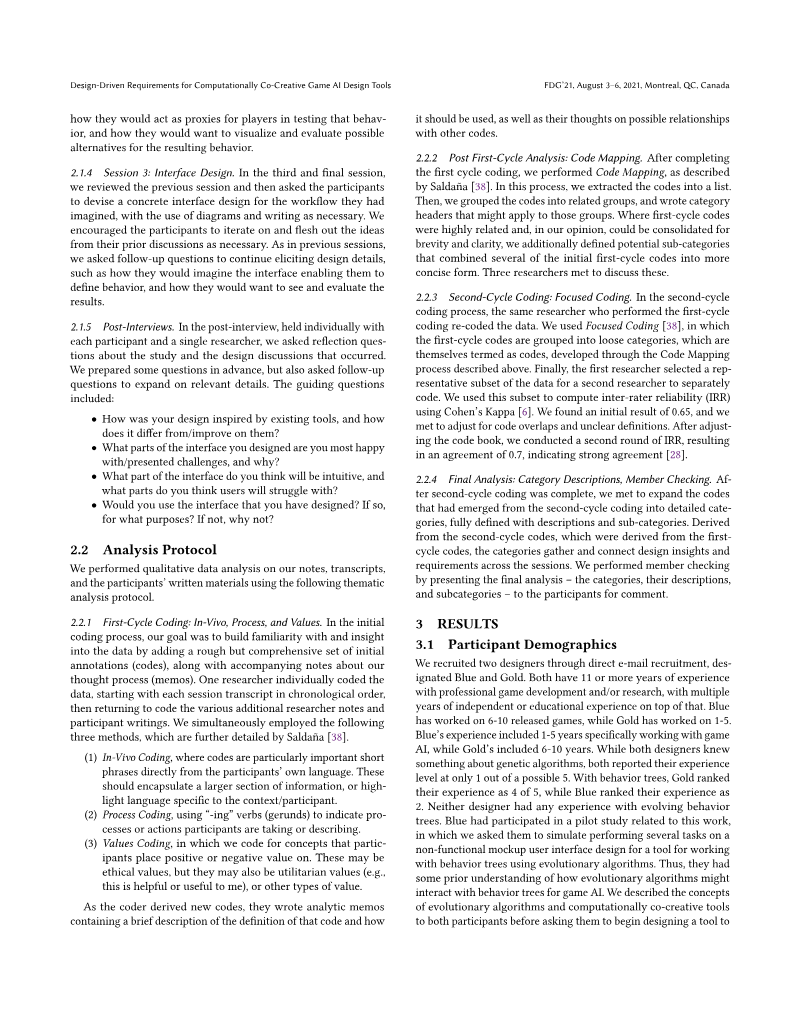
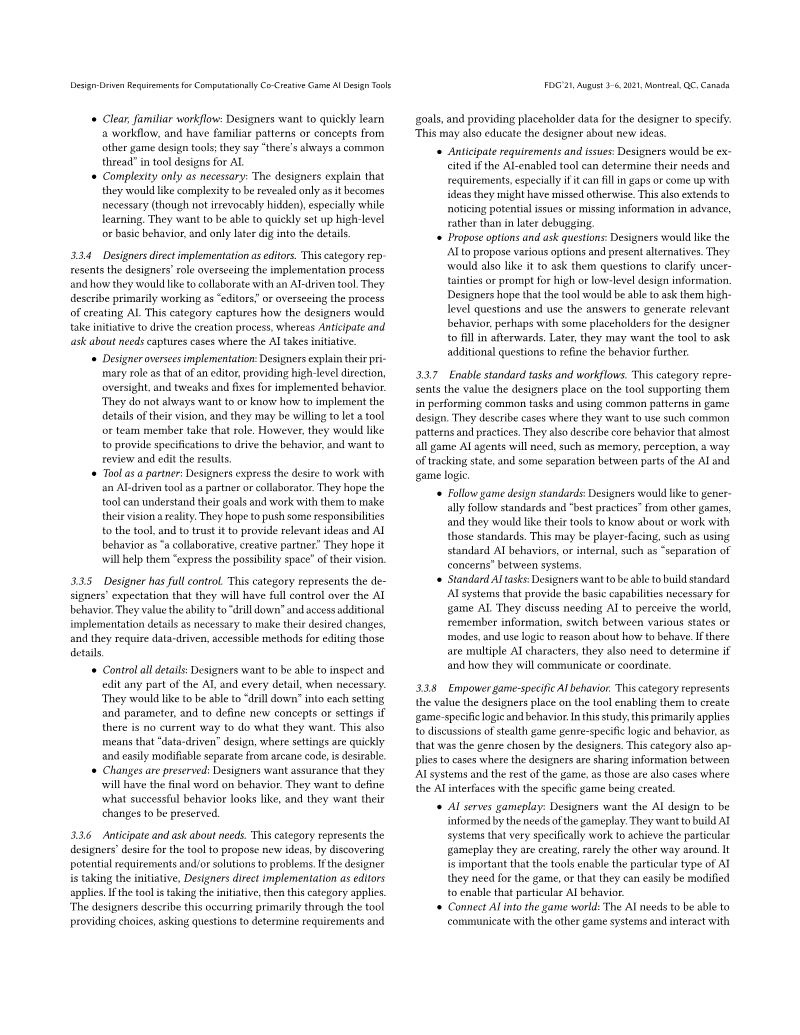
Northeastern University · 2021
University of Copenhagen · 2021
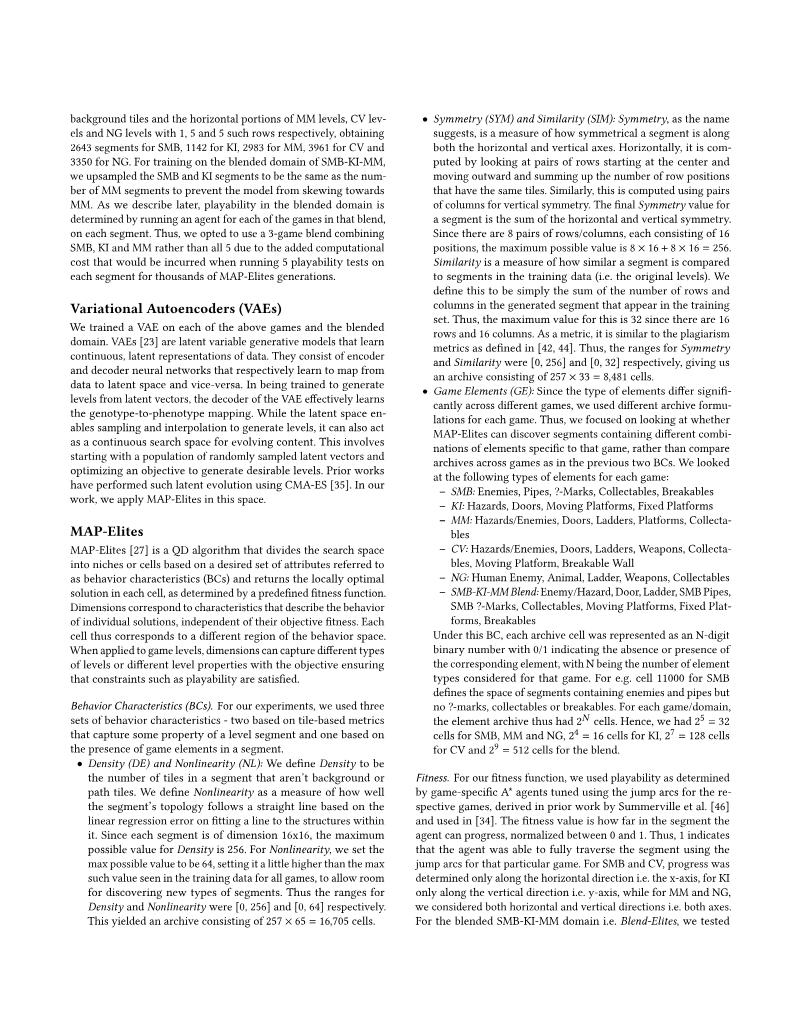
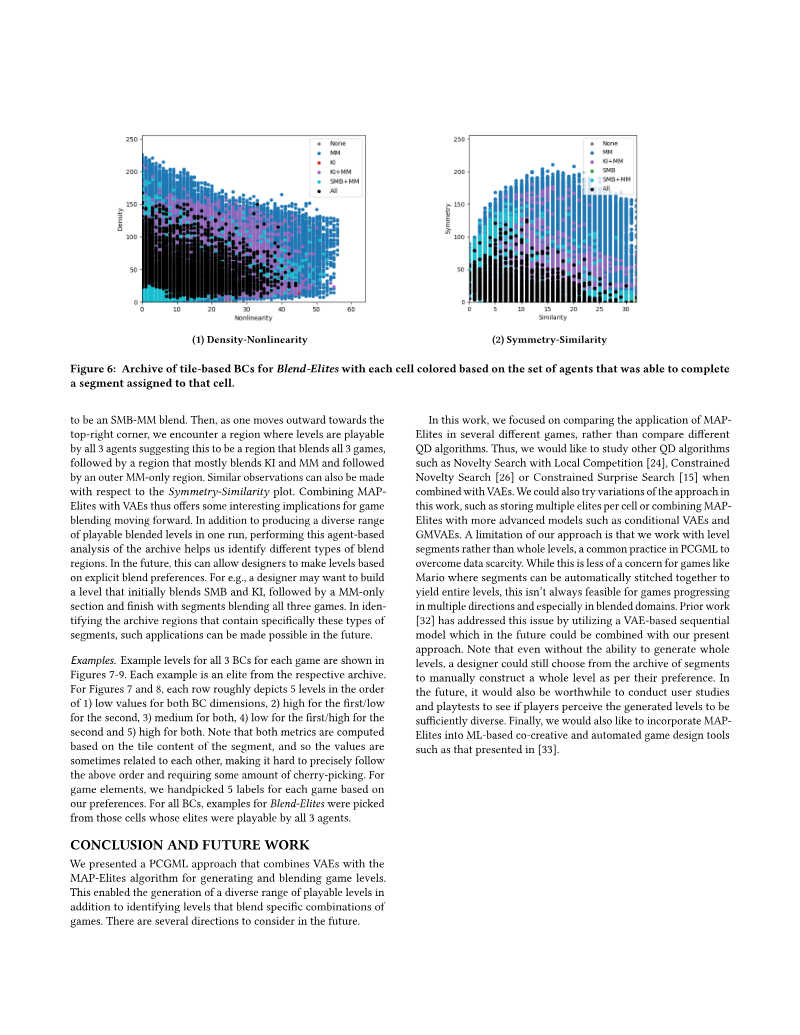
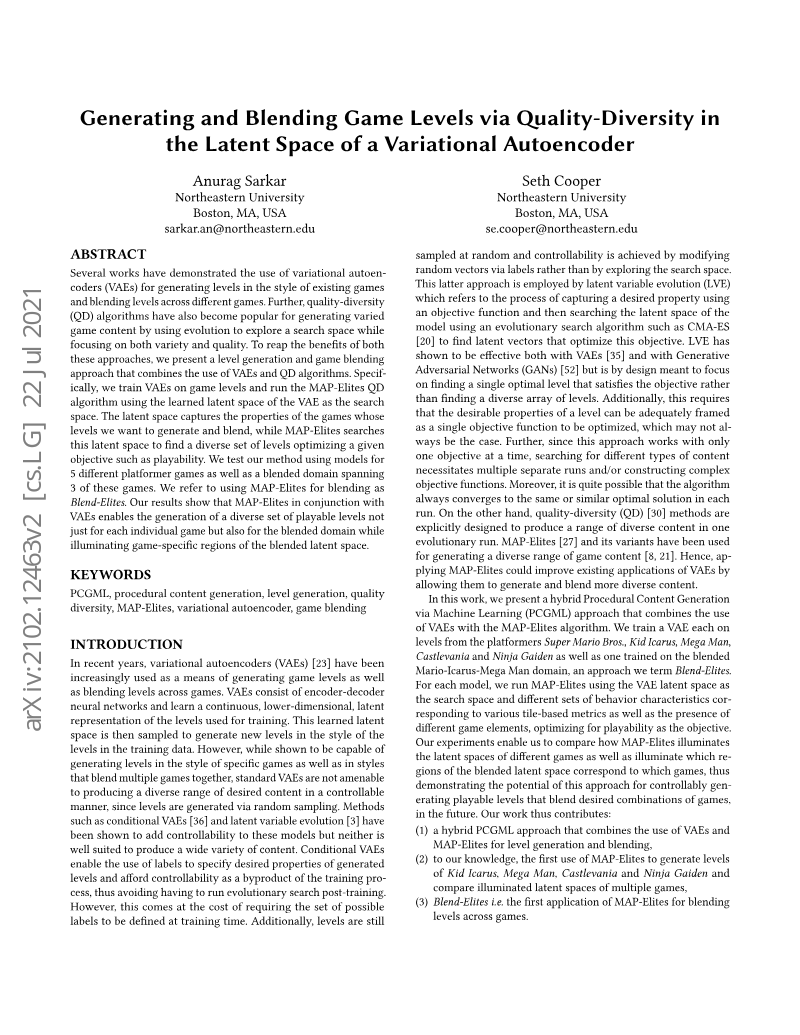
Northeastern University · 2021
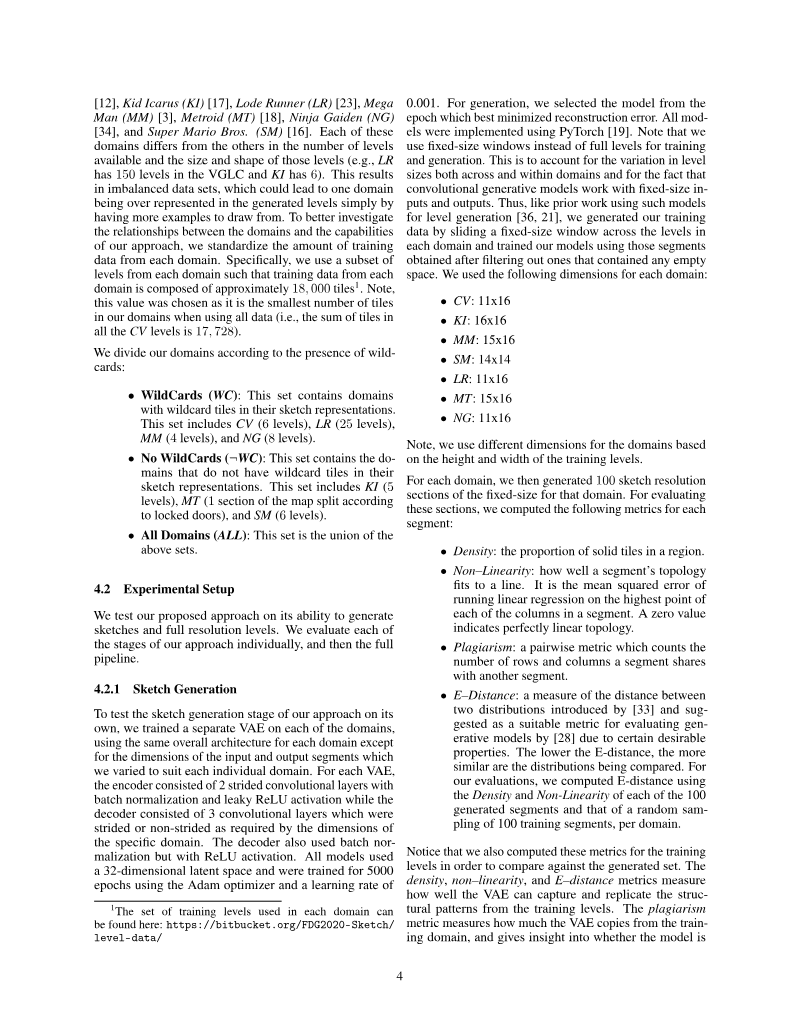
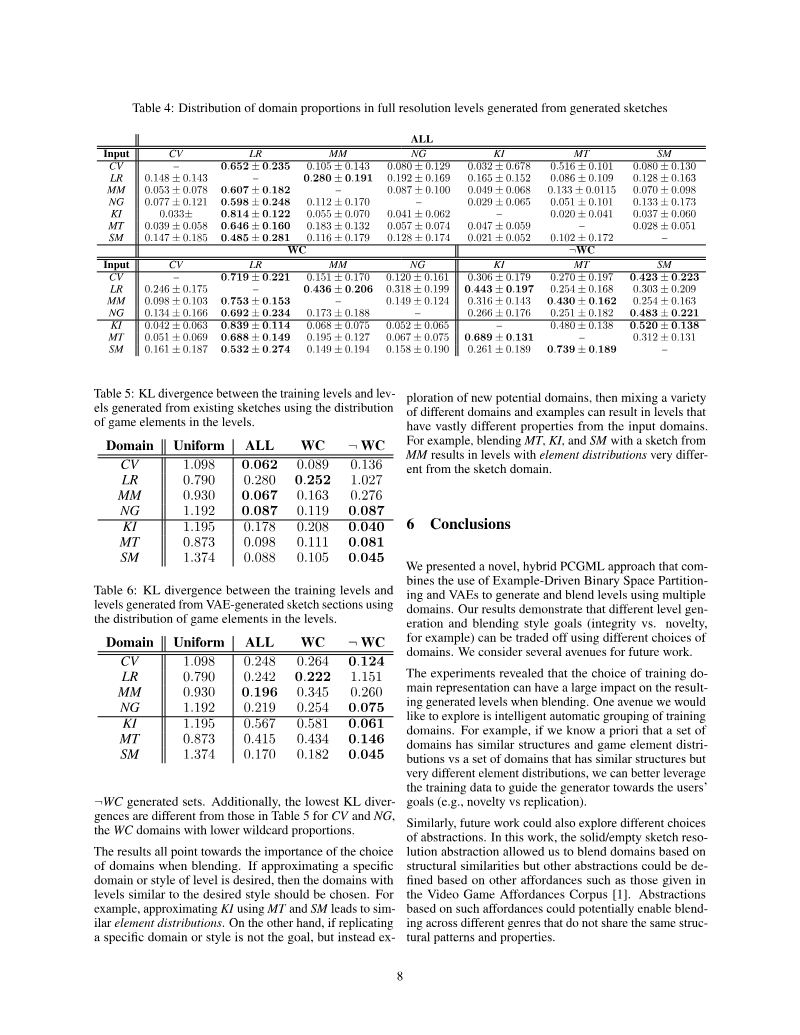
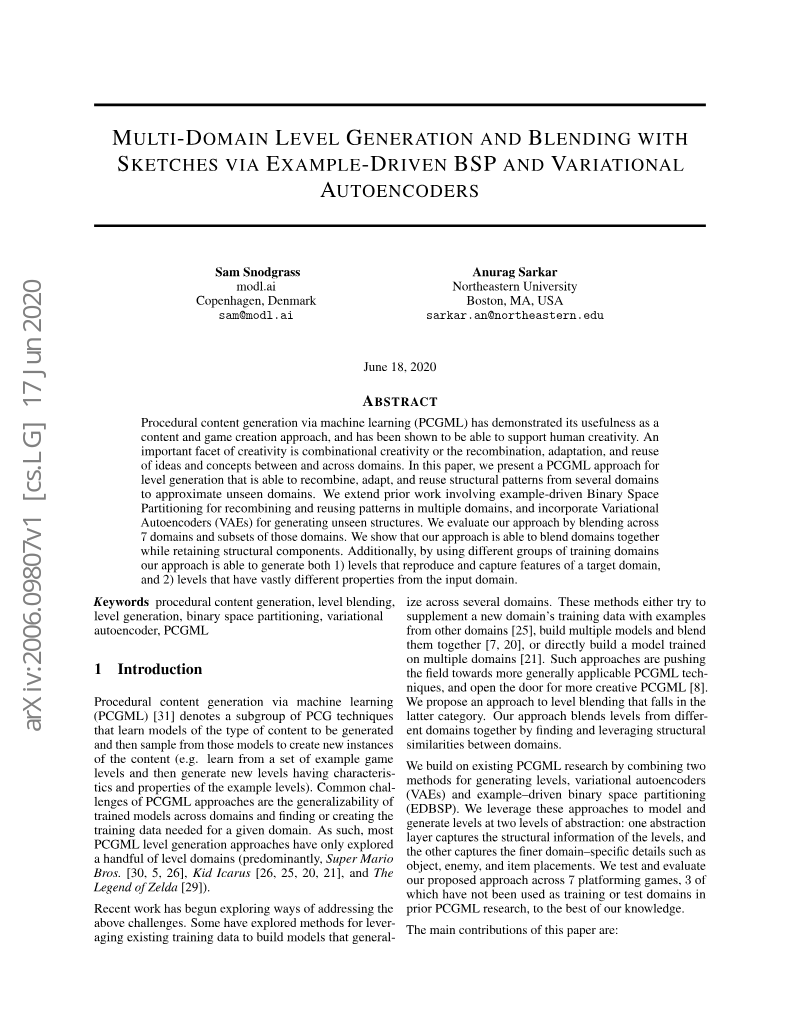
modl.ai · 2020
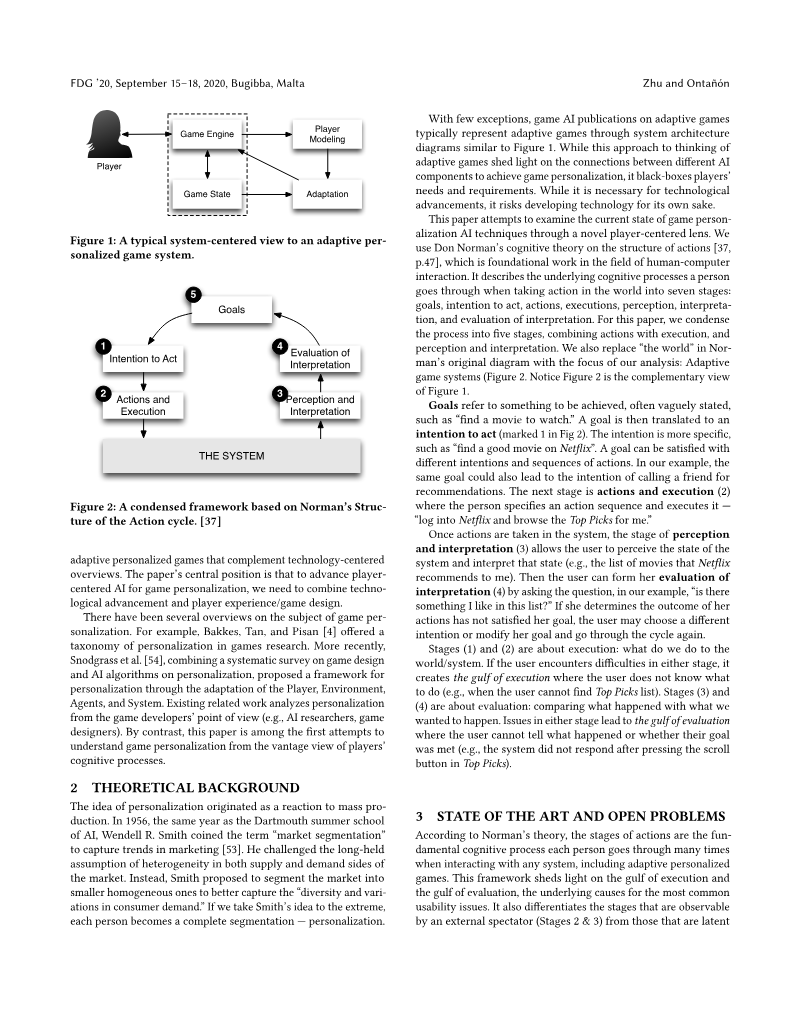
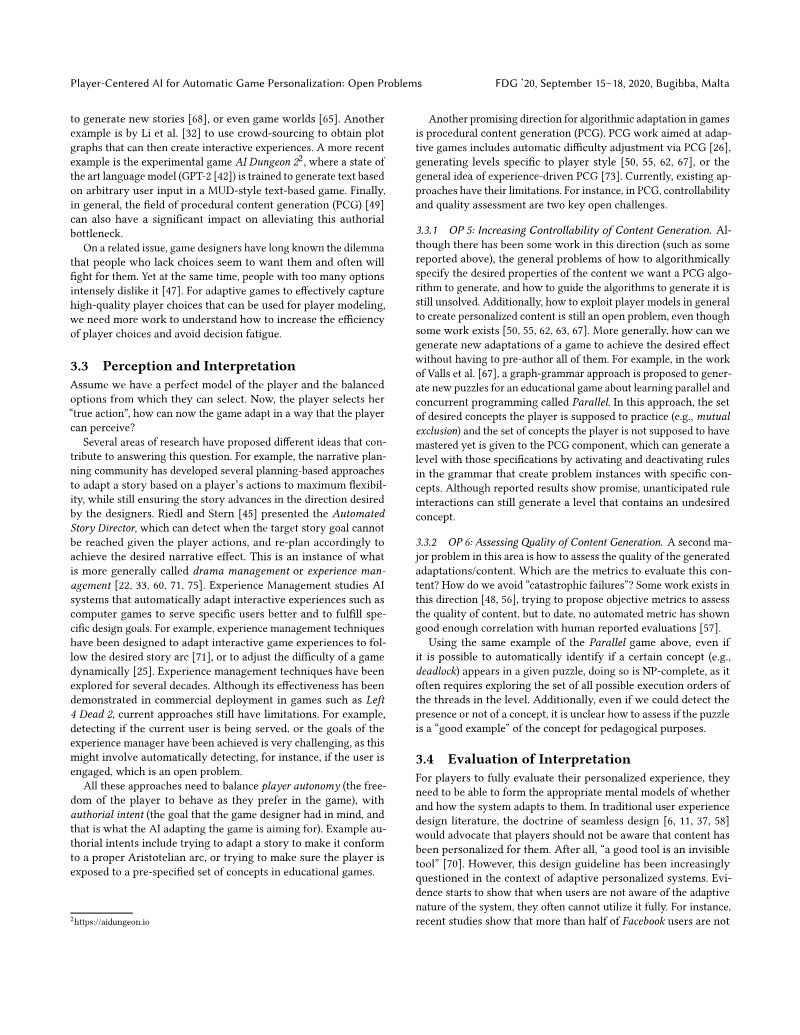
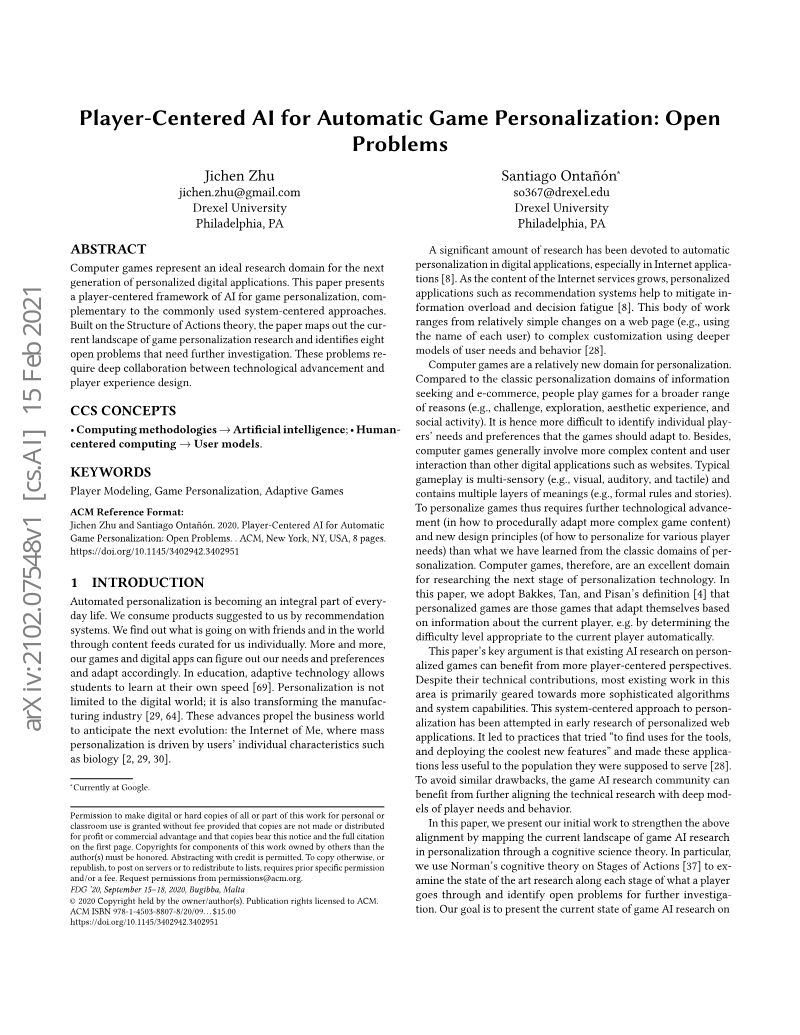
Drexel University · 2020
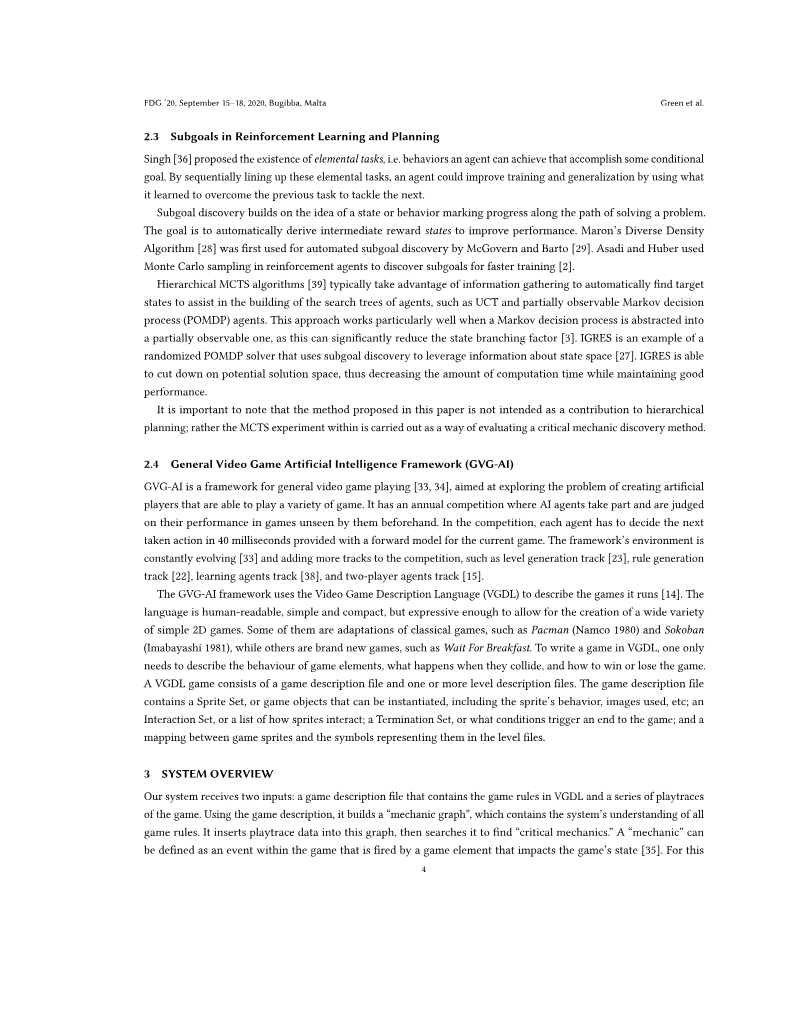
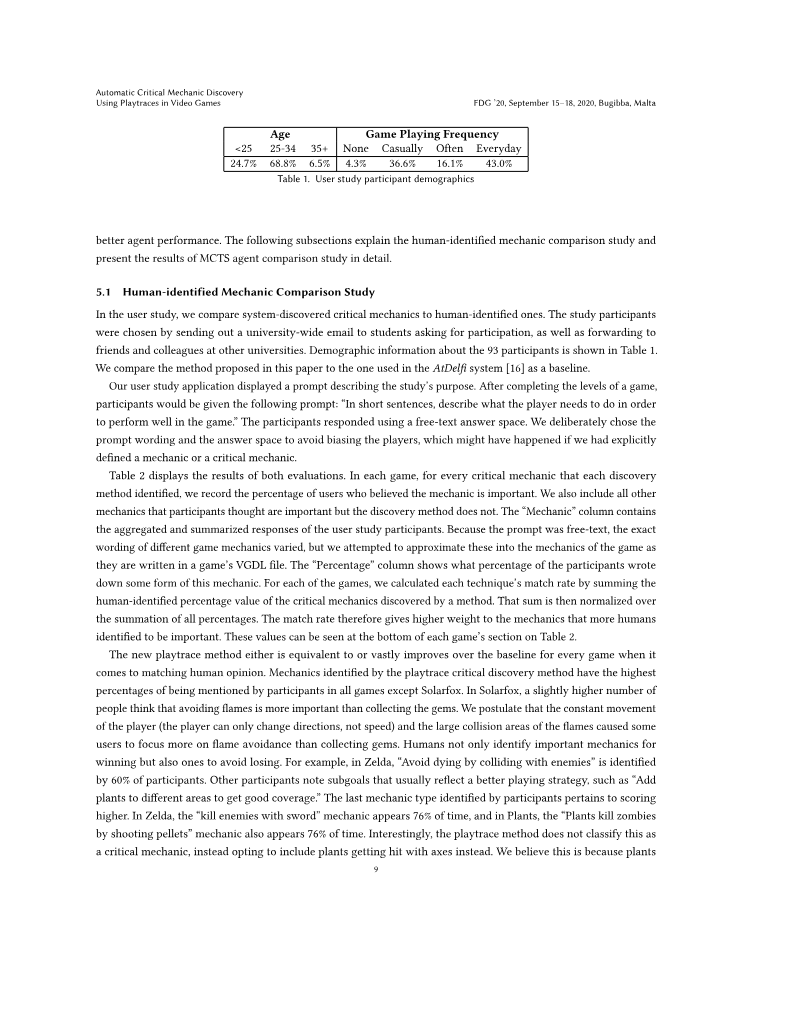
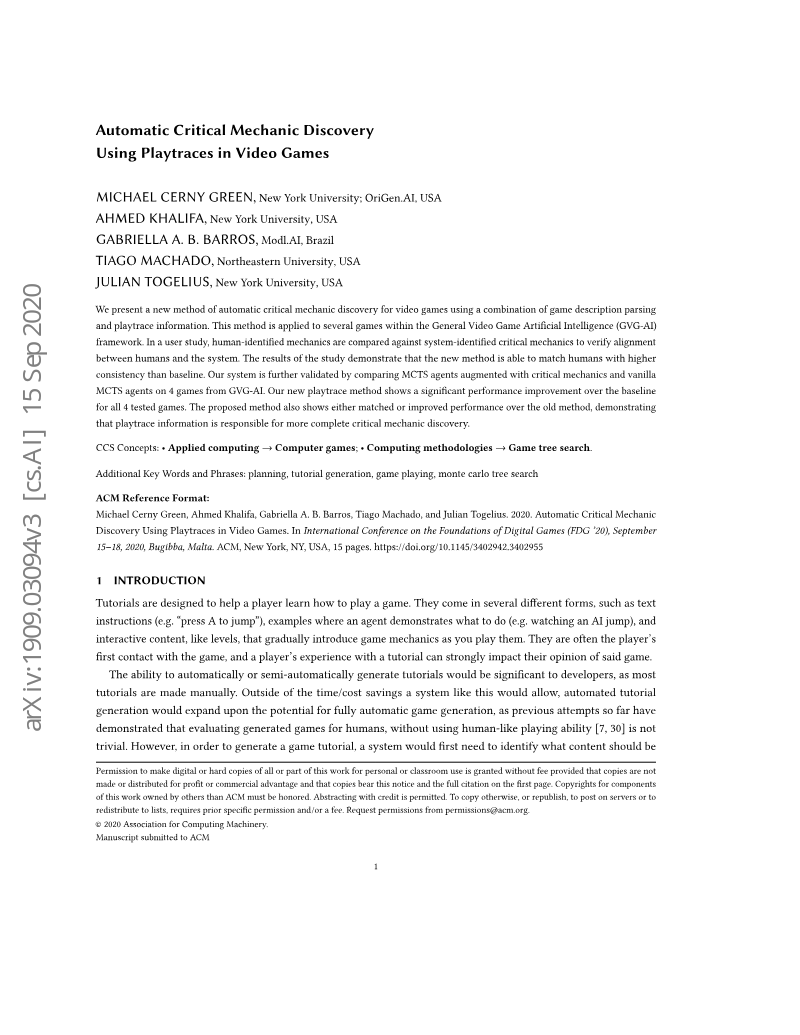
New York University · 2020
Northeastern University · 2020
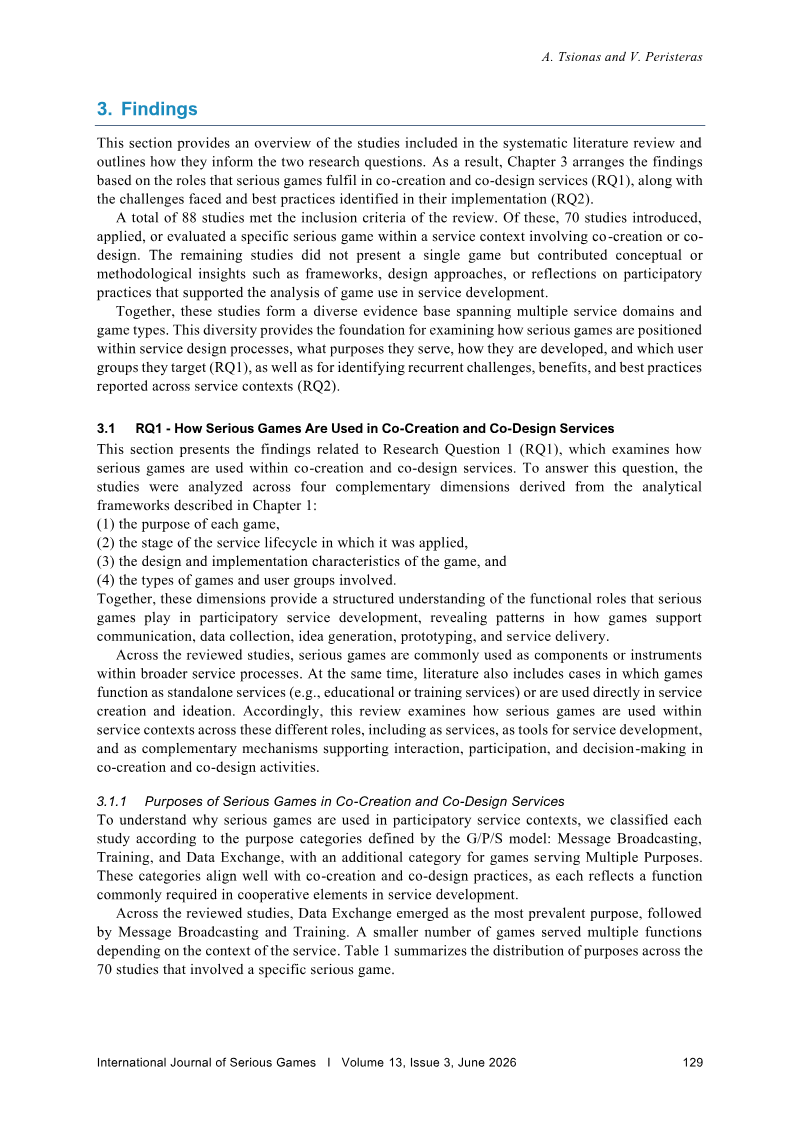
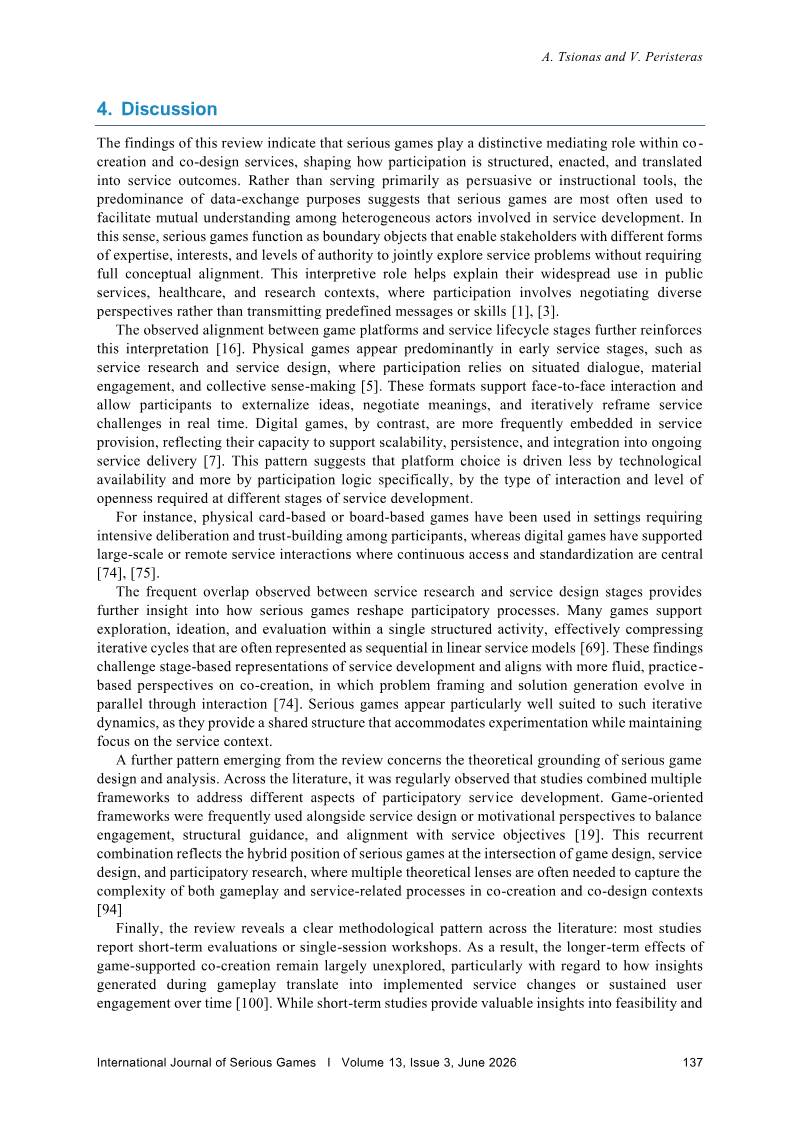
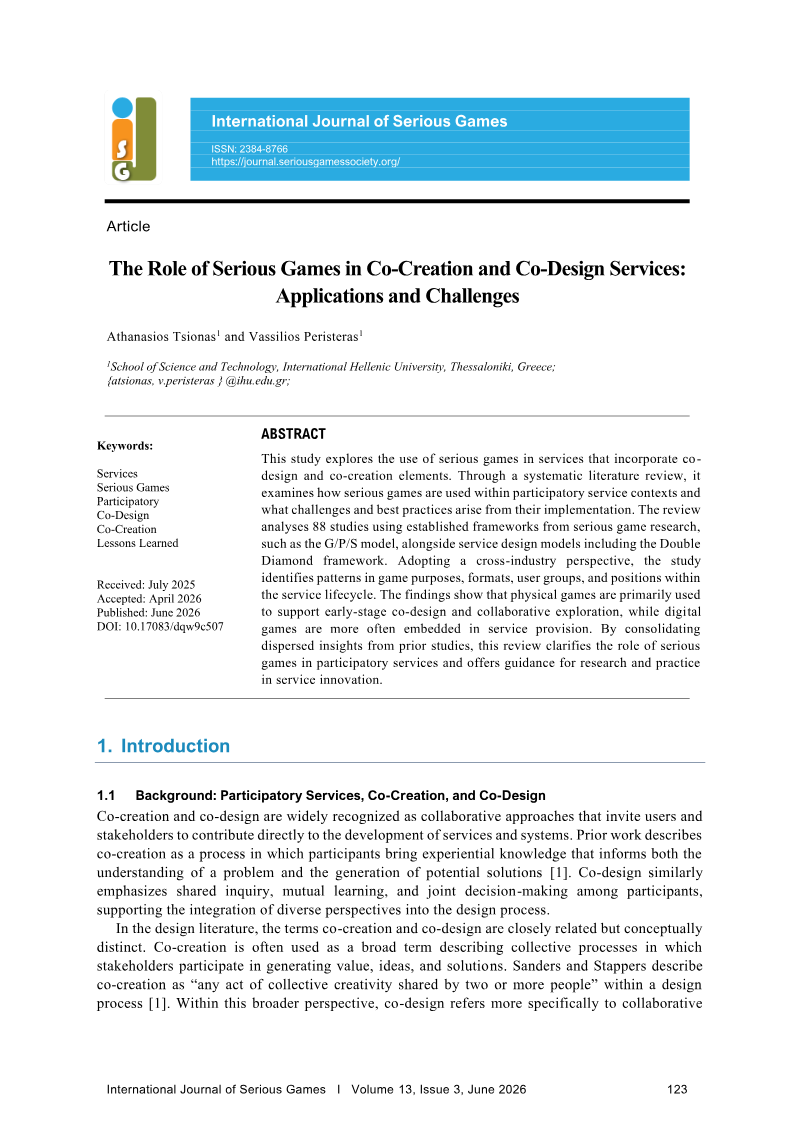
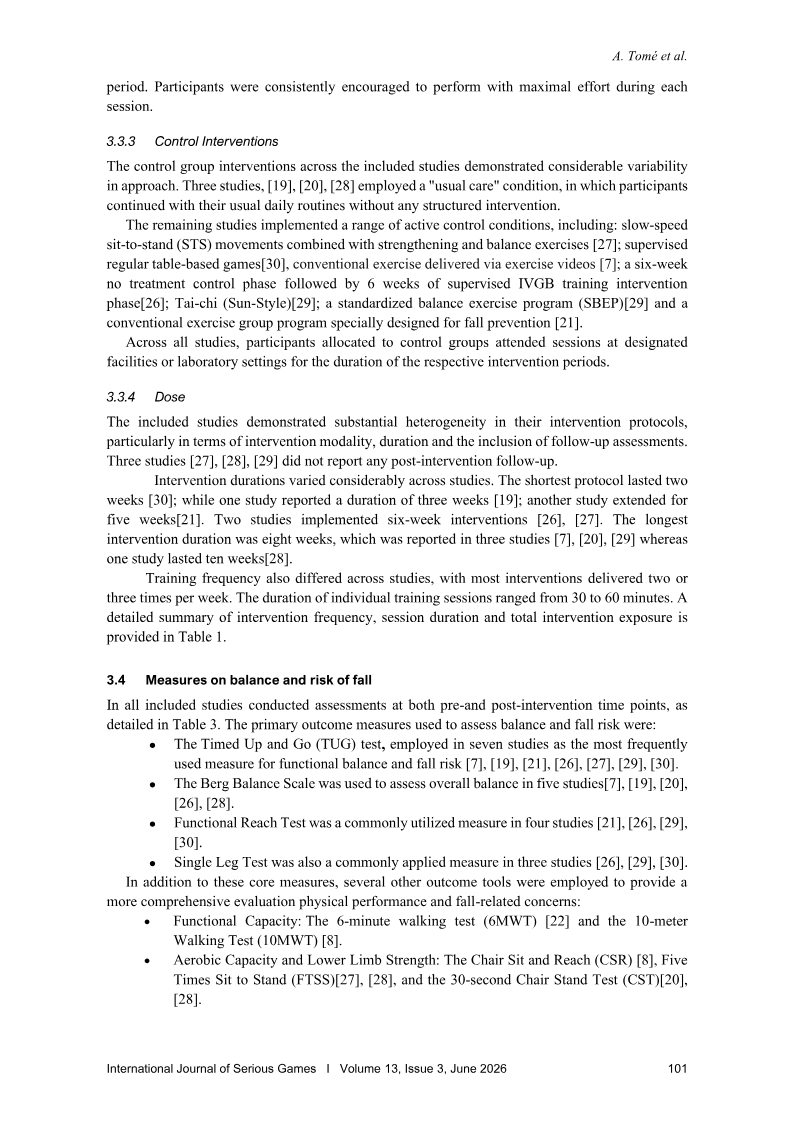
Serious Games Society · 2026









Comments