More from IFIP International Federation for Information Processing
View all

Whitepaper
Beyond Self-Reports: Predicting Electrodermal Arousal from Gameplay and Physiological Features
Springer · 2026


Whitepaper
Learning Success, Engagement and Fun: Evaluating an Educational Game in Higher Education
Springer · 2025


Whitepaper
Are Aesthetics and Accessibility Conflicting Aspects in Serious Games Design?
Springer · 2024


Report
Causal Effect of Video Gaming on Mental Well-Being in Japan 2020–2022
Springer Science and Business Media LLC · 2024

Whitepaper
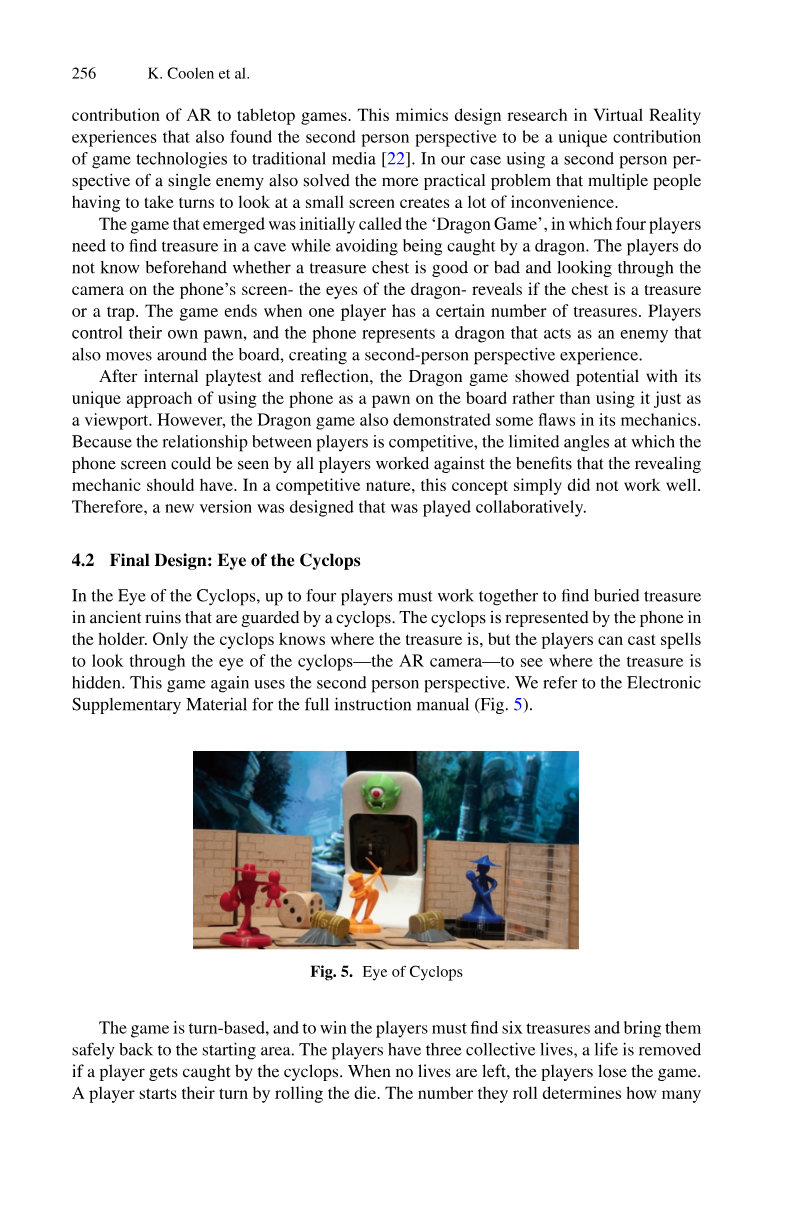
Augmented Adventures: Using Different Perspectives to Design Novel Tabletop Game Experiences
Springer · 2023

Whitepaper
Identifying the Impact of Game Music both Within and Beyond Gameplay
University of Jyväskylä · 2021

Whitepaper
Social Gaming Patterns During a Pandemic Crisis: A Cross-cultural Survey
Springer · 2021

Whitepaper
Games for Cybersecurity Decision-Making
Springer · 2020

Whitepaper
Improving Human Players' T-Spin Skills in Tetris with Procedural Problem Generation
Springer · 2020

Whitepaper
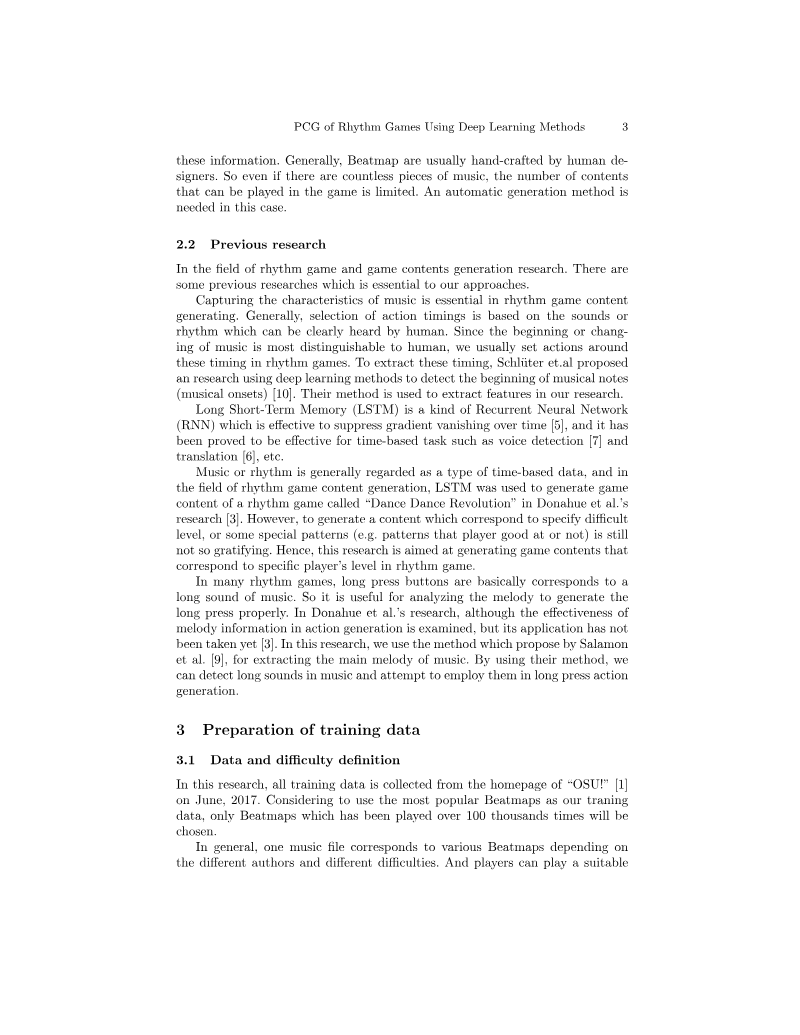
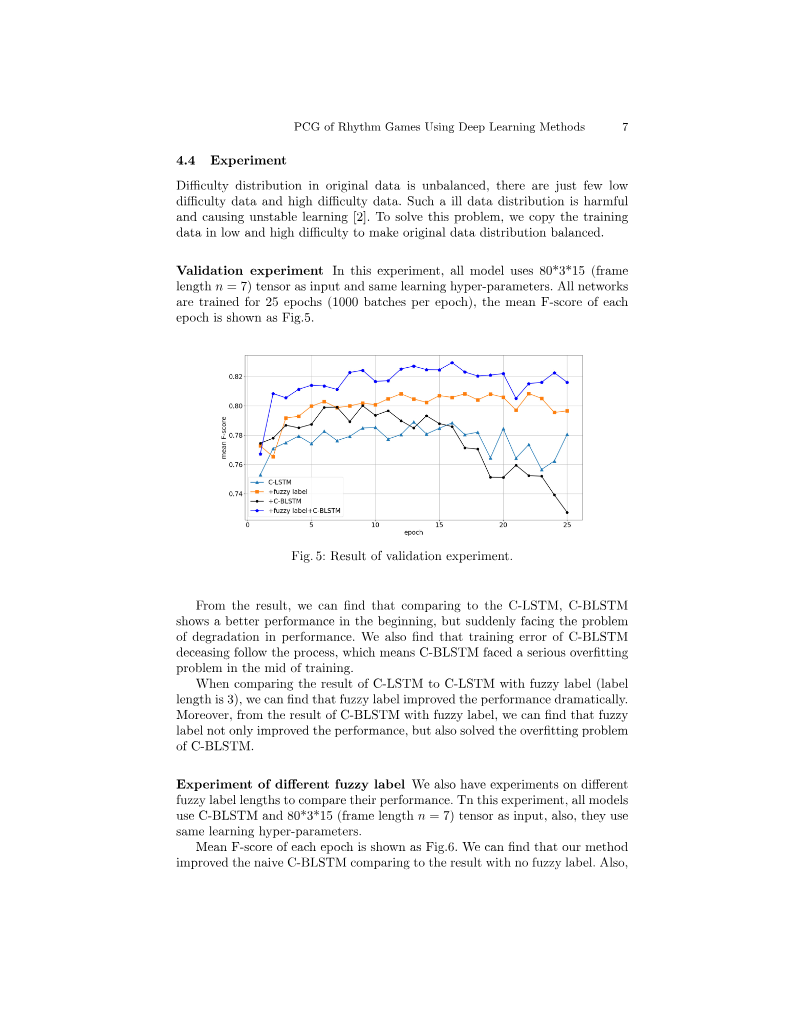
Procedural Content Generation of Rhythm Games Using Deep Learning Methods
IFIP International Federation for Information Processing · 2019
Whitepaper
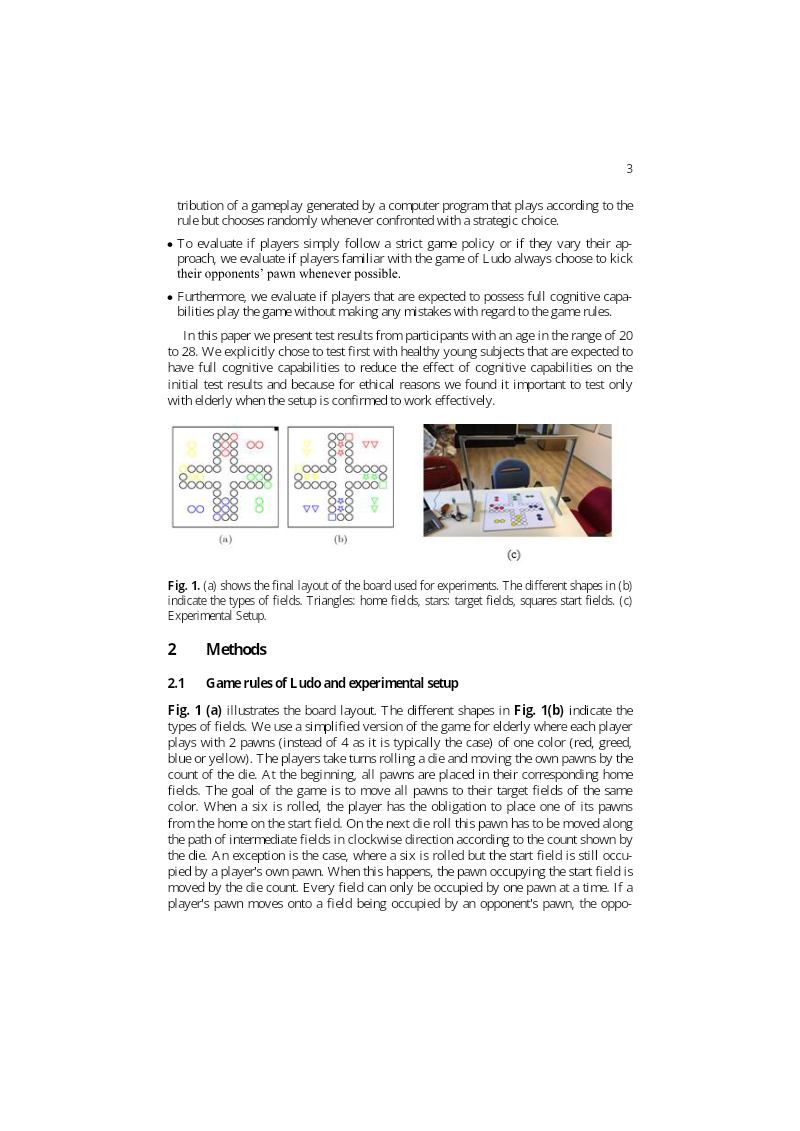
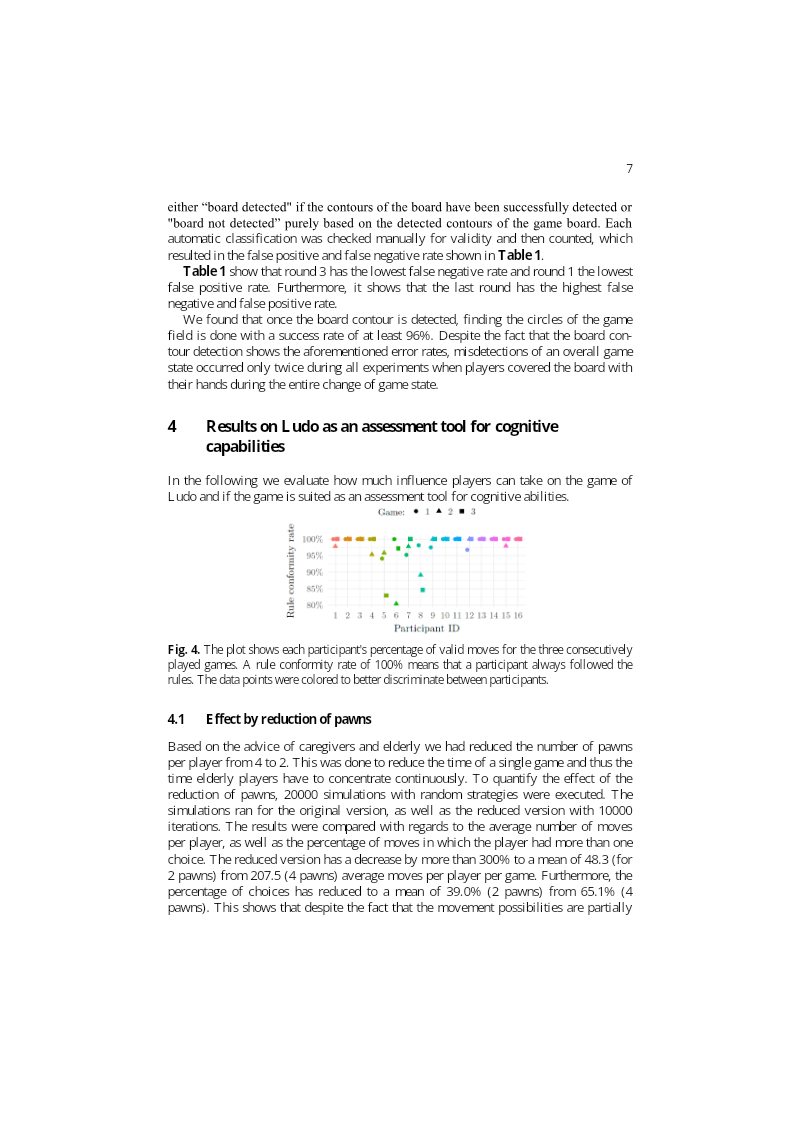
Evaluating the Adoption of the Physical Board Game Ludo for Automated Assessments of Cognitive Abilities
Springer · 2018

Whitepaper
Deep df-pn and Its Efficient Implementations
Springer · 2017