1 free read left. Create a free account for unlimited reading + AI research.
Create free accountWhitepaper Northeastern University
1 free read left. Create a free account for unlimited reading + AI research.
Create free accountWhitepaperNortheastern University
The Generated Game Level Corpus (GGLC) serves as a critical resource for advancing procedural content generation through machine learning by addressing the persistent scarcity of high-quality training data. The primary thesis posits that game levels possess unique structural sensitivities that distinguish them from traditional image datasets. Unlike standard visual data, where minor pixel alterations rarely impact semantic meaning, game levels are governed by rigid local and global constraints. Consequently, even a single tile modification can render a level unsolvable or structurally invalid, necessitating a formal framework to quantify this inherent non-robustness.
Research into this corpus reveals that 2D tile-based levels generated via constraint-based solvers exhibit significantly higher sensitivity to input perturbations than benchmarks like CIFAR-10. By analyzing various level types, such as cave environments, the study demonstrates that solvability and structural integrity fluctuate sharply when subjected to minor changes. These findings are further supported by UMAP visualizations of CLIP embedding spaces, which illustrate how discrete structural constraints dictate the stability of the data.
This analysis covers the landscape of procedural content generation, specifically focusing on the intersection of machine learning and game design. By formalizing the concept of robustness, the research provides a standardized metric for evaluating how models navigate the complex requirements of game architecture. Ultimately, the GGLC offers a necessary foundation for developers to train more reliable generative models capable of maintaining functional integrity despite the volatile nature of procedural level design. This work establishes a vital benchmark for future efforts to bridge the gap between generative flexibility and the strict functional demands of interactive digital environments.
Northeastern University · 2025
Northeastern University · 2025
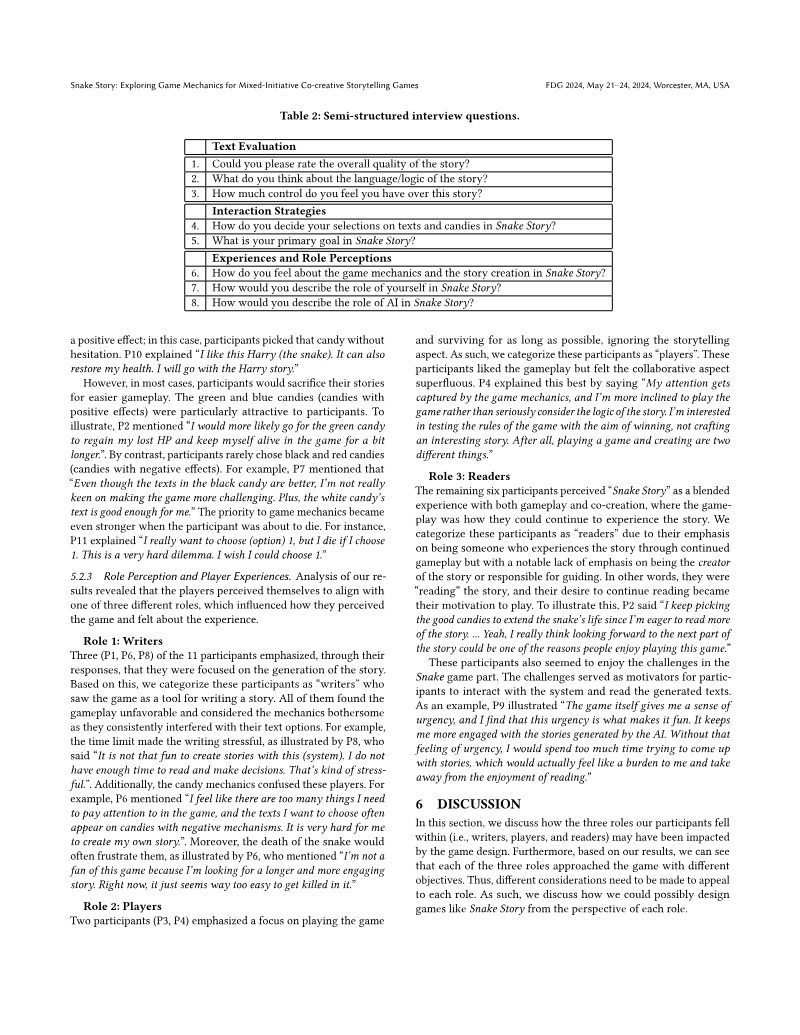
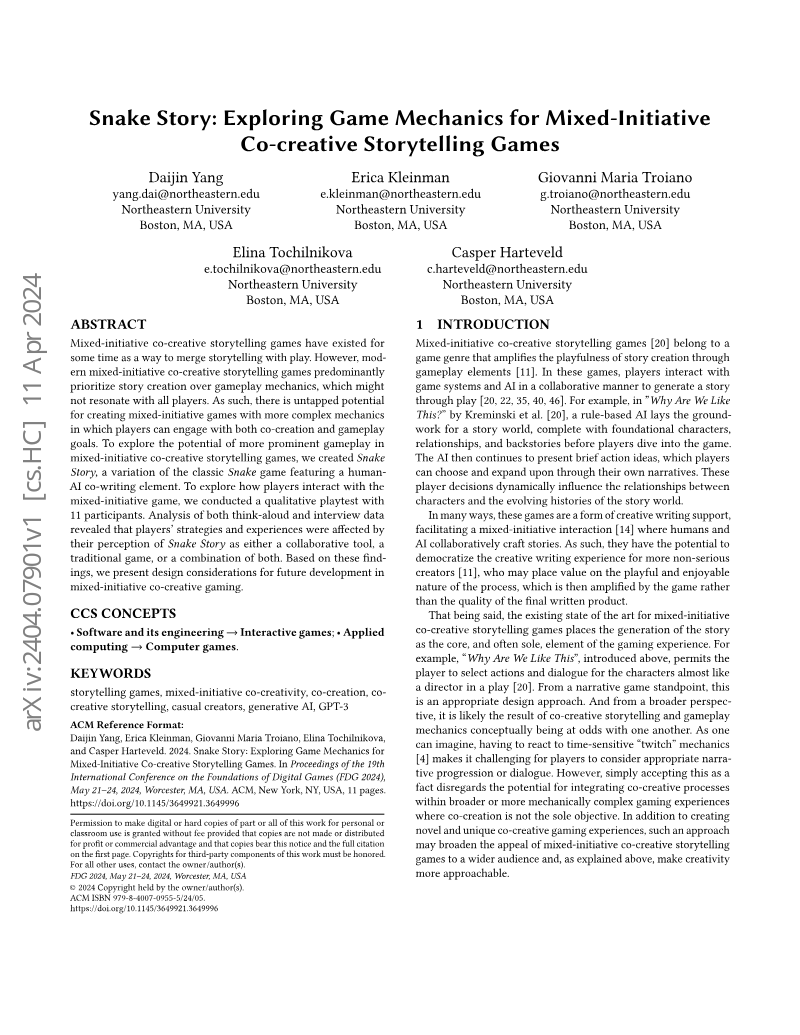
Northeastern University · 2024
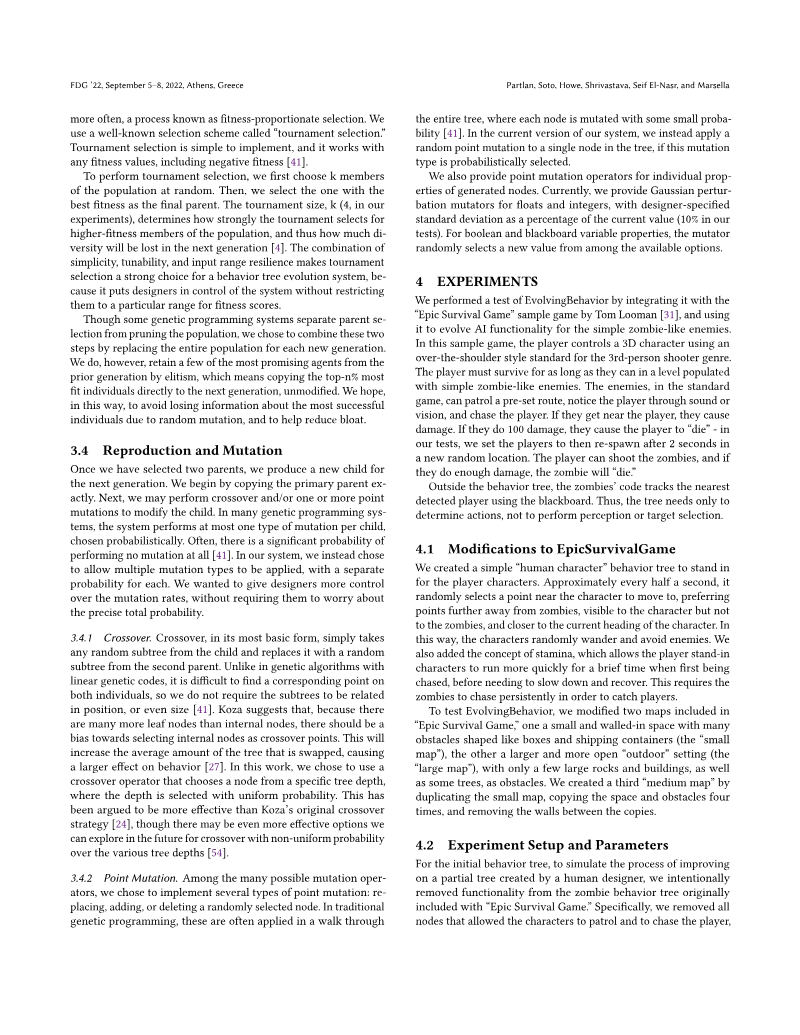
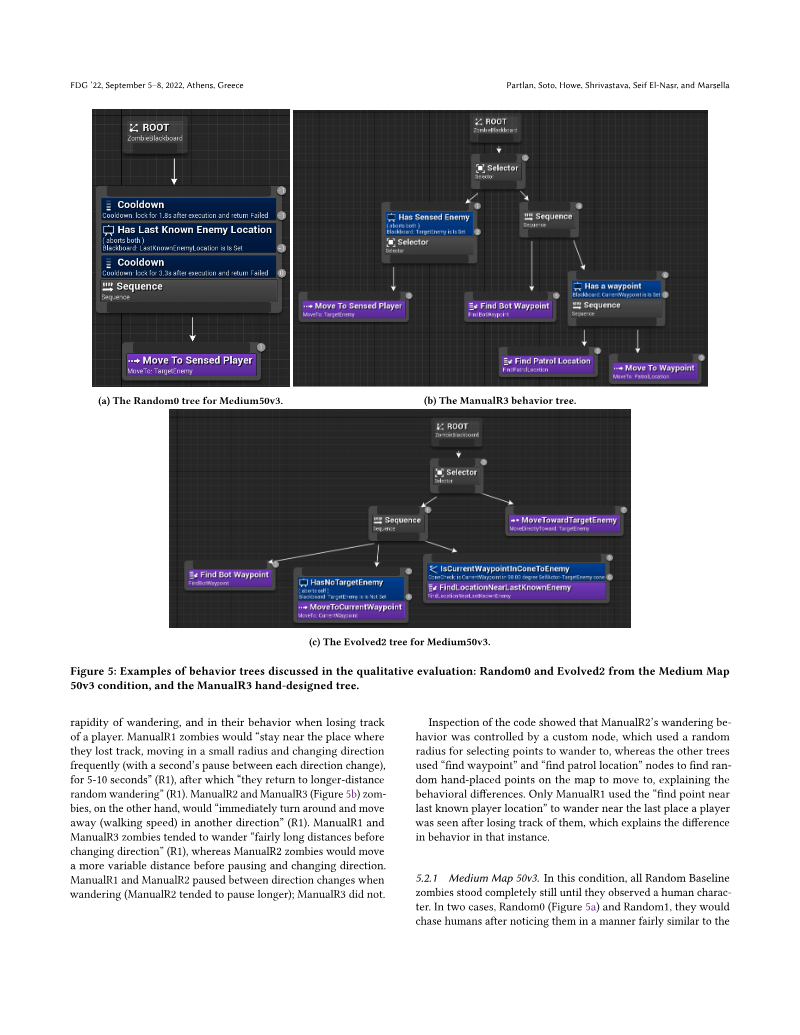
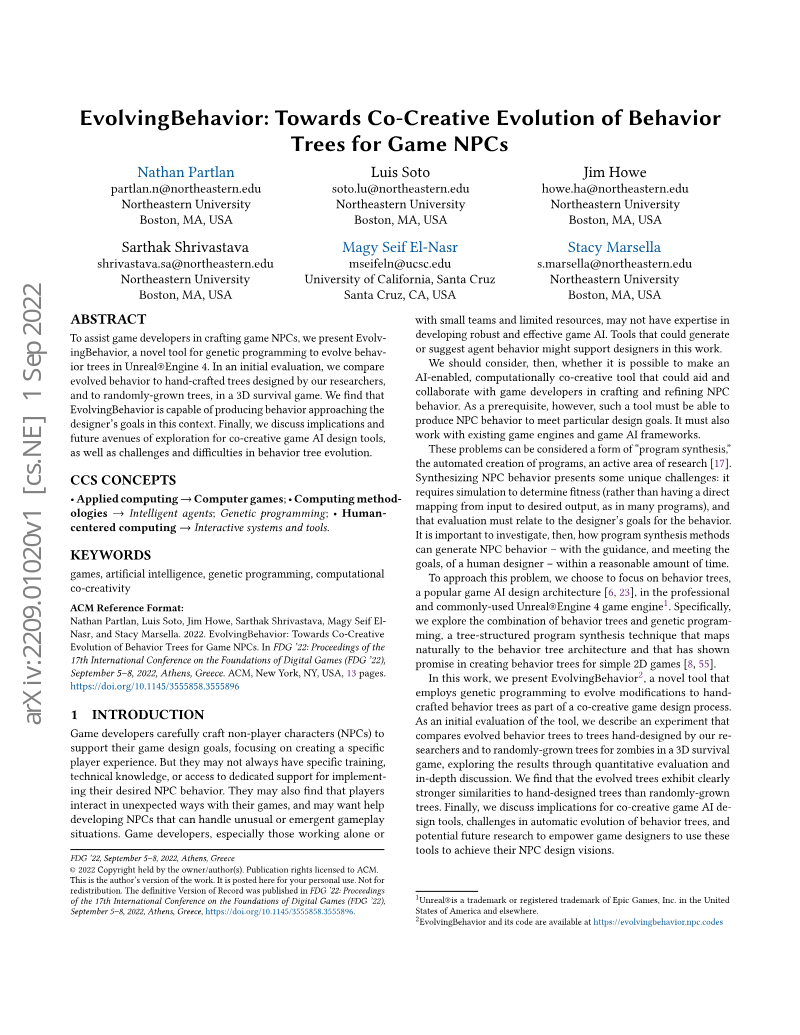
Northeastern University · 2022
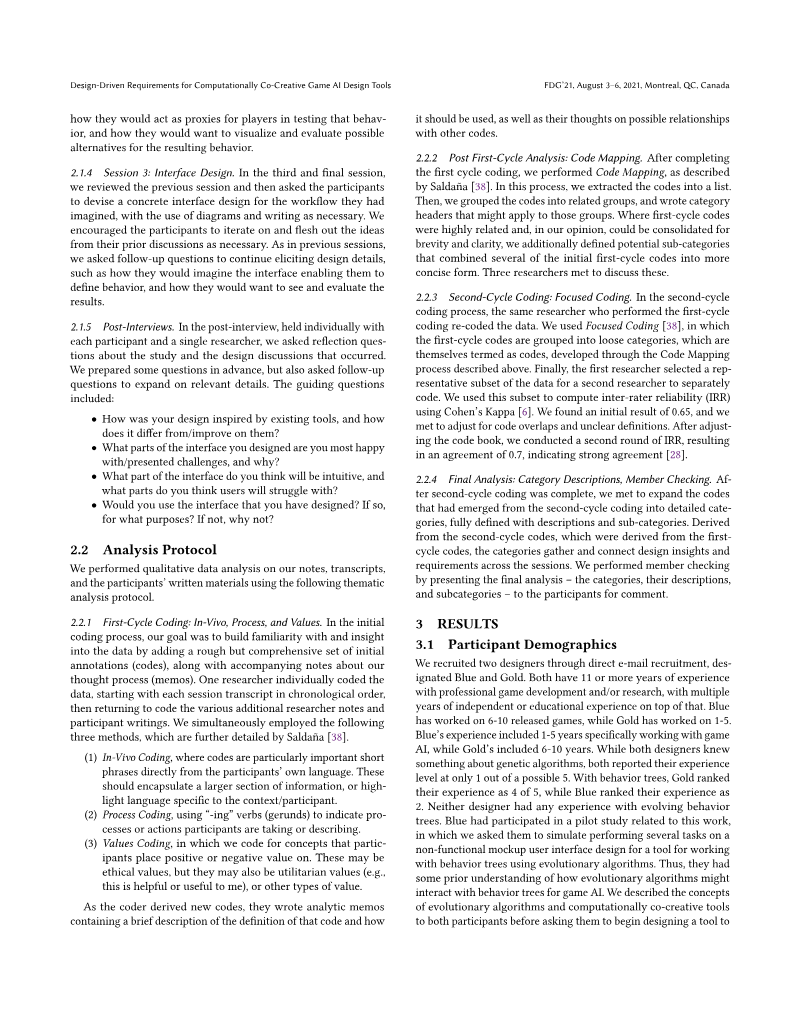
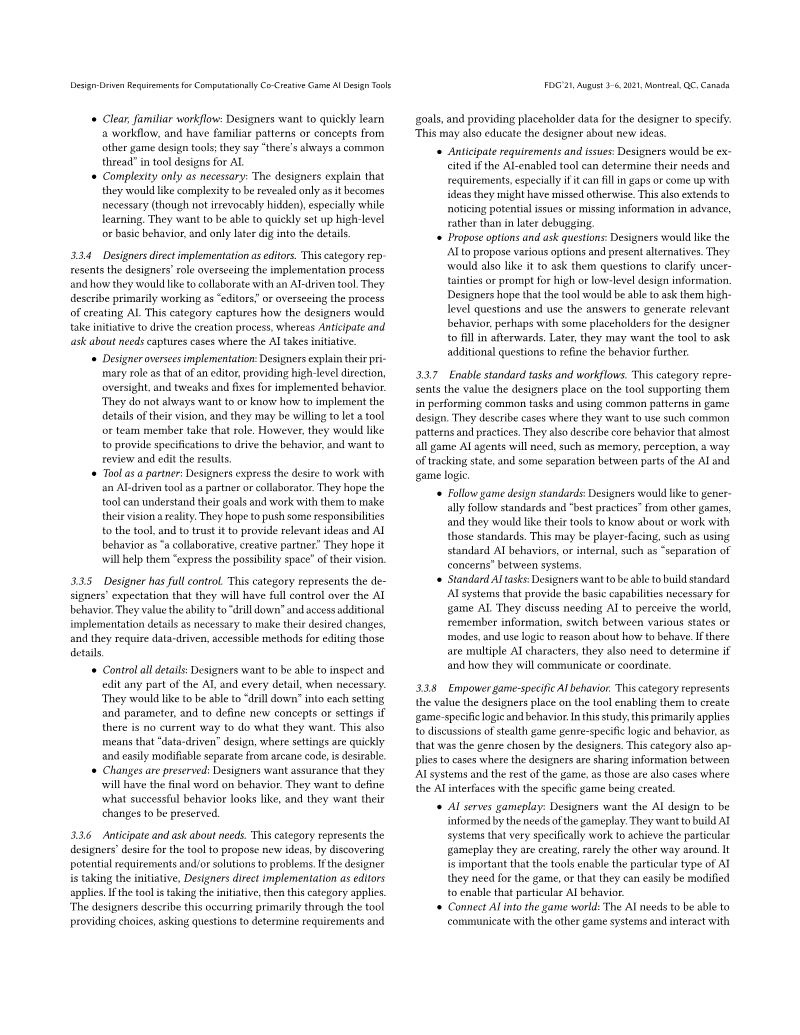
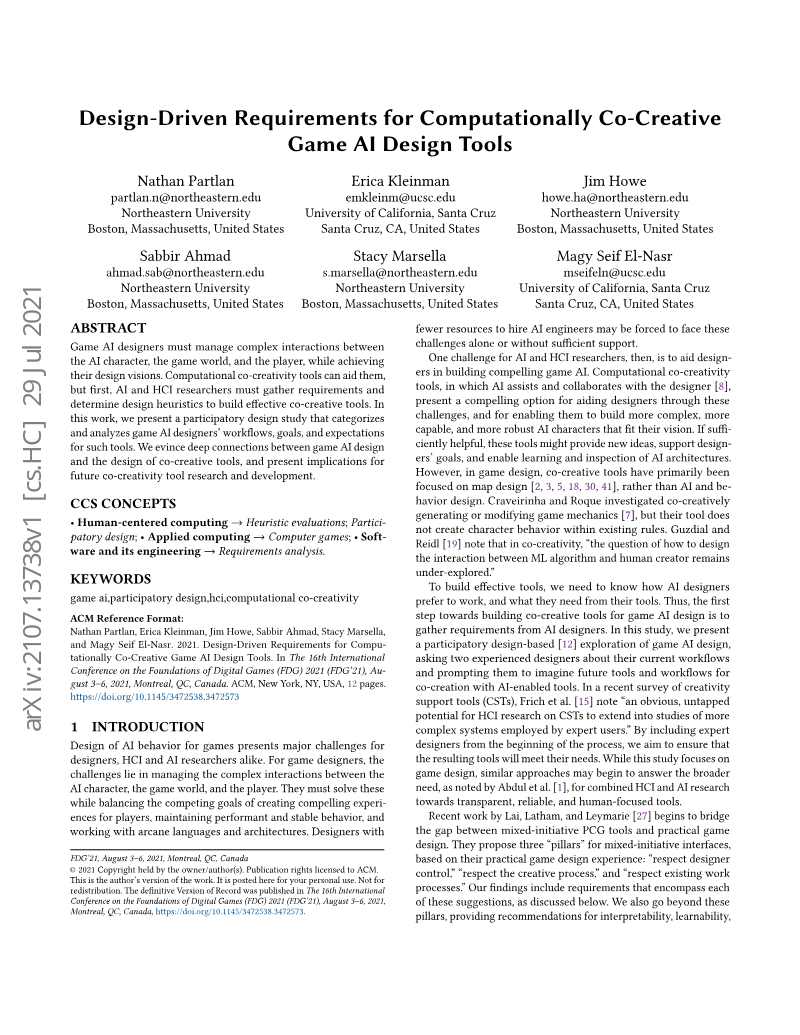
Northeastern University · 2021
Northeastern University · 2021
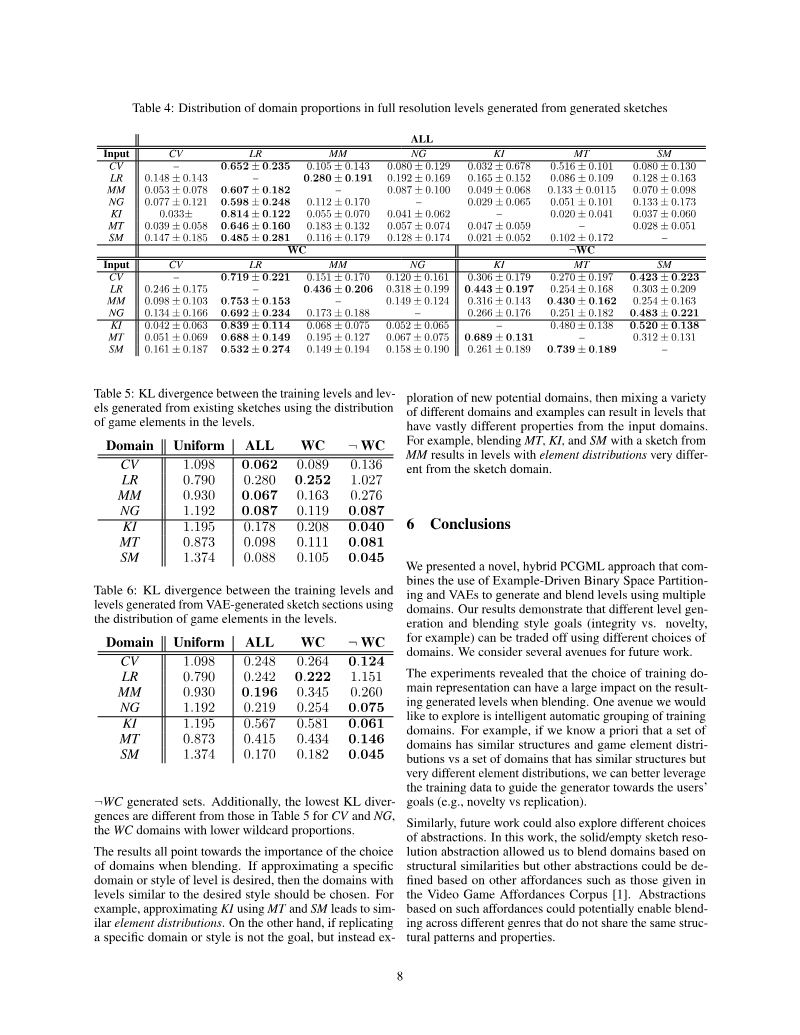
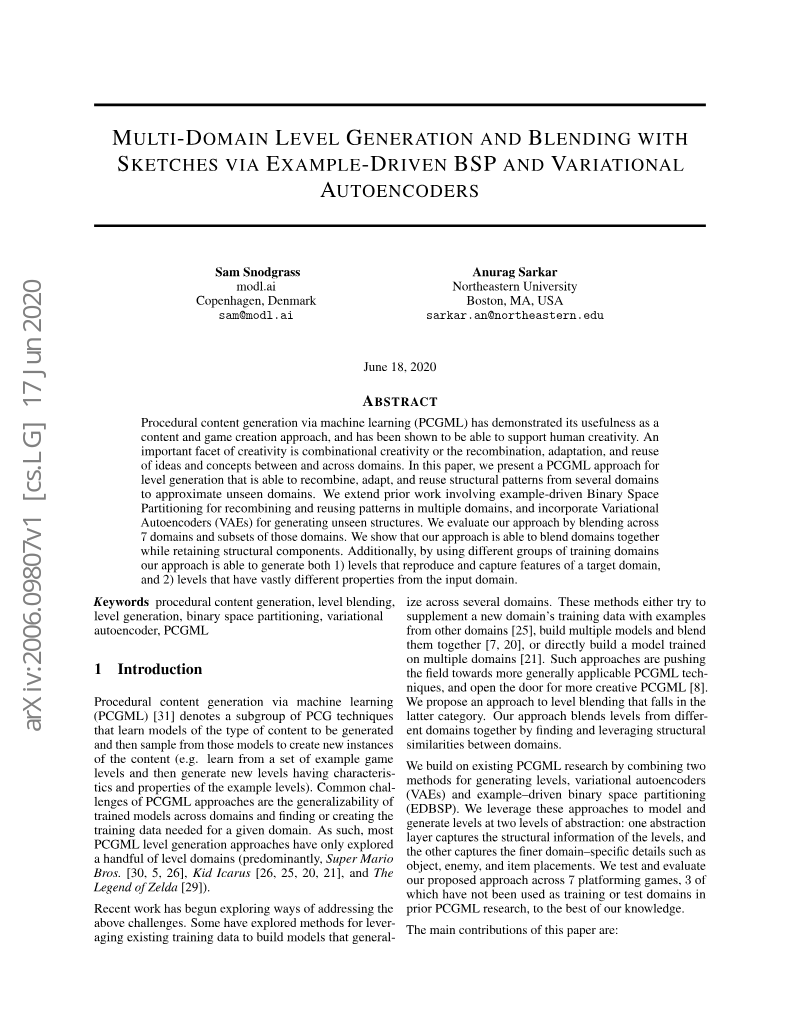
modl.ai · 2020
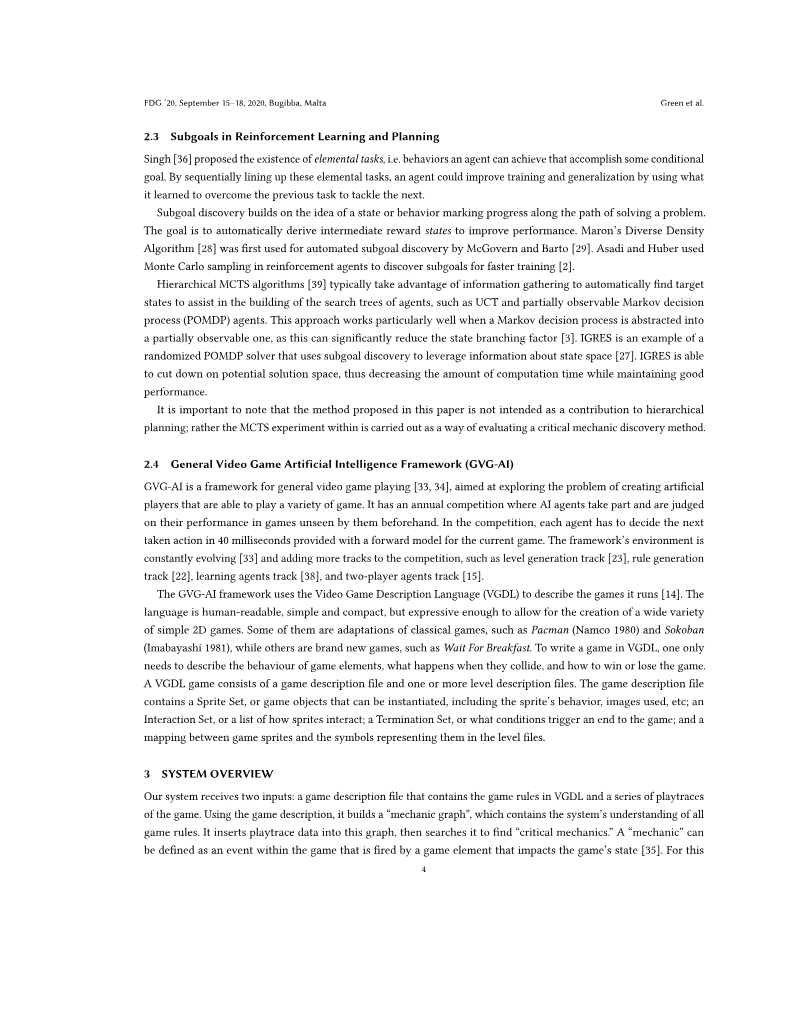
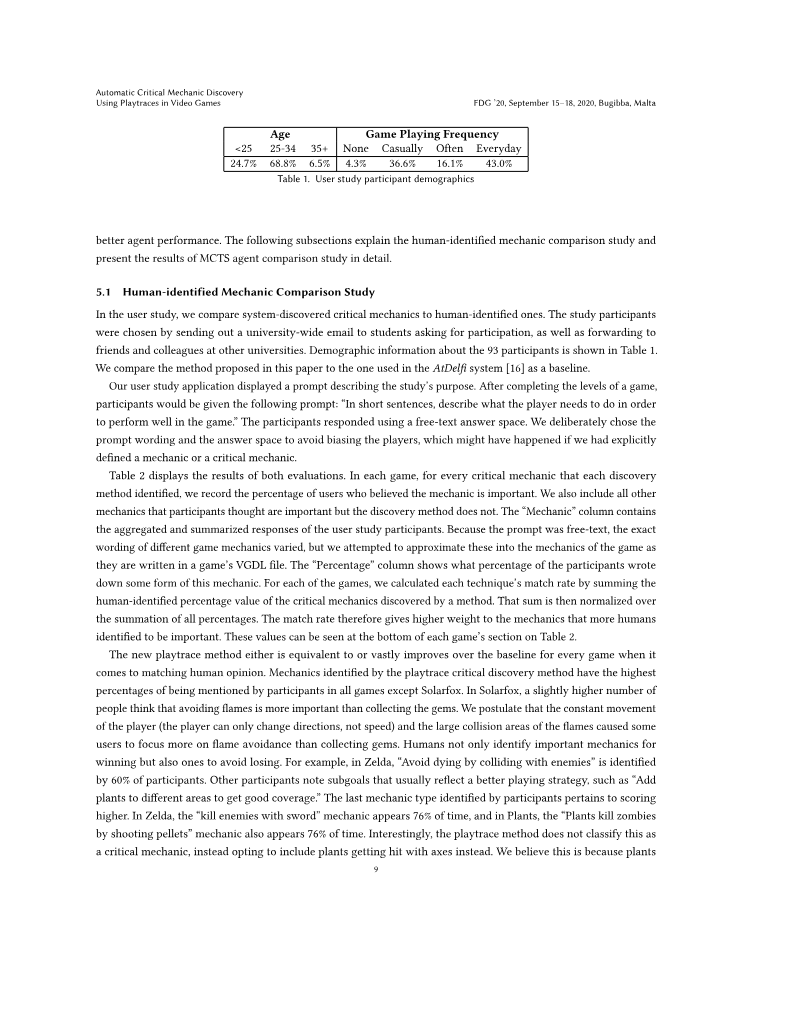
New York University · 2020
Drexel University · 2020
Northeastern University · 2020
Northeastern University · 2020

PocketGamer.biz · 2026