1 free read left. Create a free account for unlimited reading + AI research.
Create free accountWhitepaper Northeastern University
1 free read left. Create a free account for unlimited reading + AI research.
Create free accountWhitepaperNortheastern University
Snake Story explores the intersection of high-intensity twitch mechanics and generative artificial intelligence to address the persistent imbalance in interactive storytelling games, where narrative depth often comes at the expense of mechanical engagement. By integrating GPT-3-driven text generation into the classic grid-based gameplay of Snake, the research investigates how players navigate the tension between survival-based resource management and creative agency. The primary objective is to provide a framework for developers to design more cohesive co-creative experiences that harmonize narrative progression with active gameplay.
The findings reveal that the integration of these disparate systems creates significant friction, as the demands of the game often force players to prioritize mechanical survival over narrative coherence. Participants consistently gravitated toward one of three distinct roles: writers, who sought creative control but felt hindered by gameplay; players, who focused exclusively on mechanical objectives; and readers, who successfully balanced both by viewing the game as a narrative delivery mechanism. These roles demonstrate that player motivation is highly fragmented when mechanical and creative tasks are tightly coupled.
To advance the field of mixed-initiative design, future development should focus on decoupling creative tasks from high-pressure mechanical requirements or aligning gameplay tension directly with narrative arcs. By tailoring mechanics to accommodate these specific player archetypes, designers can mitigate the sense of limited agency and foster more meaningful co-creative engagement. Ultimately, the research establishes that successful interactive storytelling requires a deliberate synthesis of computational narrative generation and game design, ensuring that neither element undermines the other in the pursuit of a unified player experience.
Northeastern University · 2025
Northeastern University · 2025
Northeastern University · 2025
Northeastern University · 2022
Northeastern University · 2021
Northeastern University · 2021
modl.ai · 2020
New York University · 2020
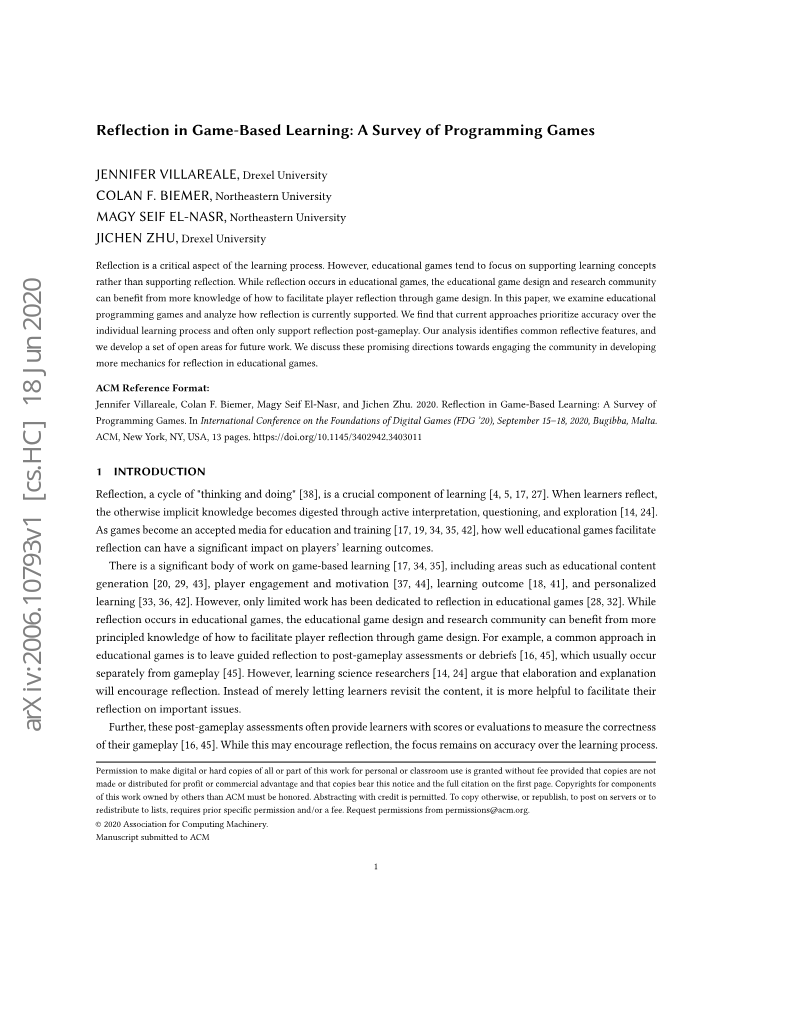
Drexel University · 2020
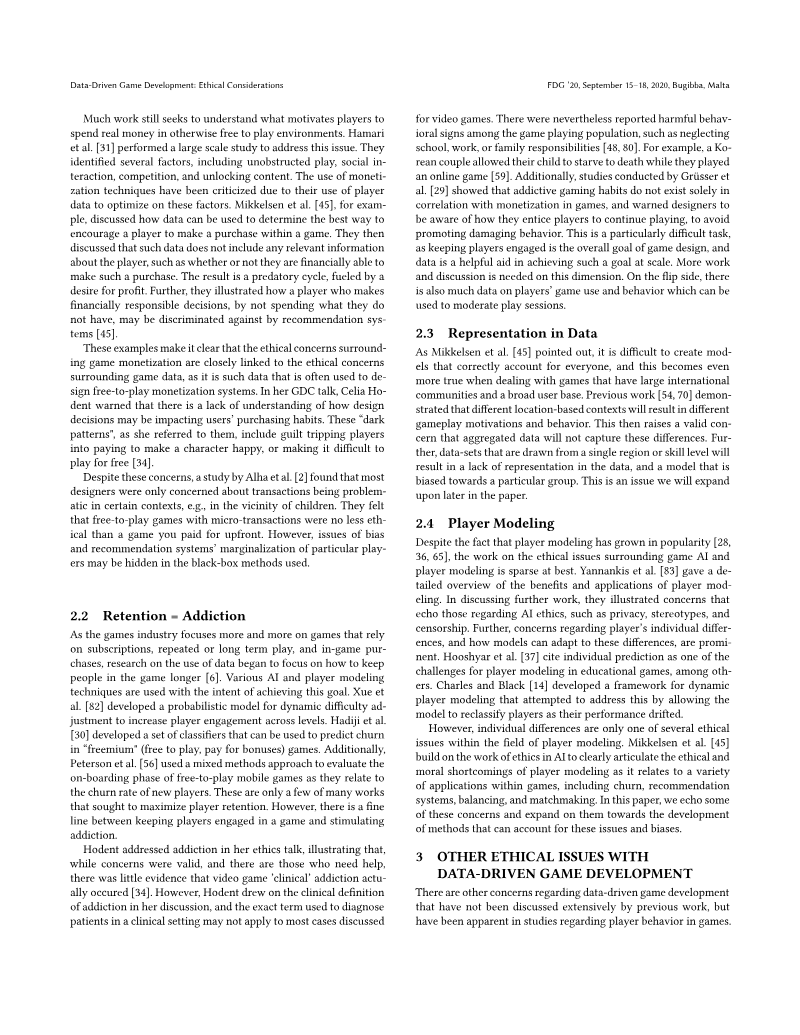
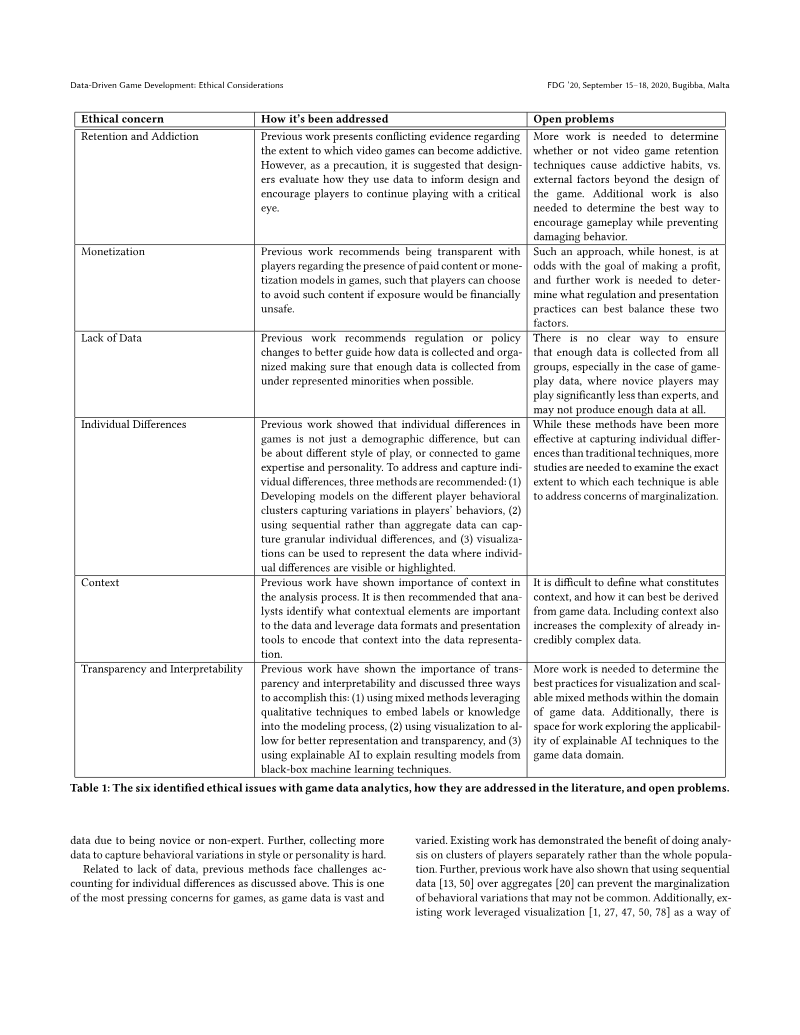
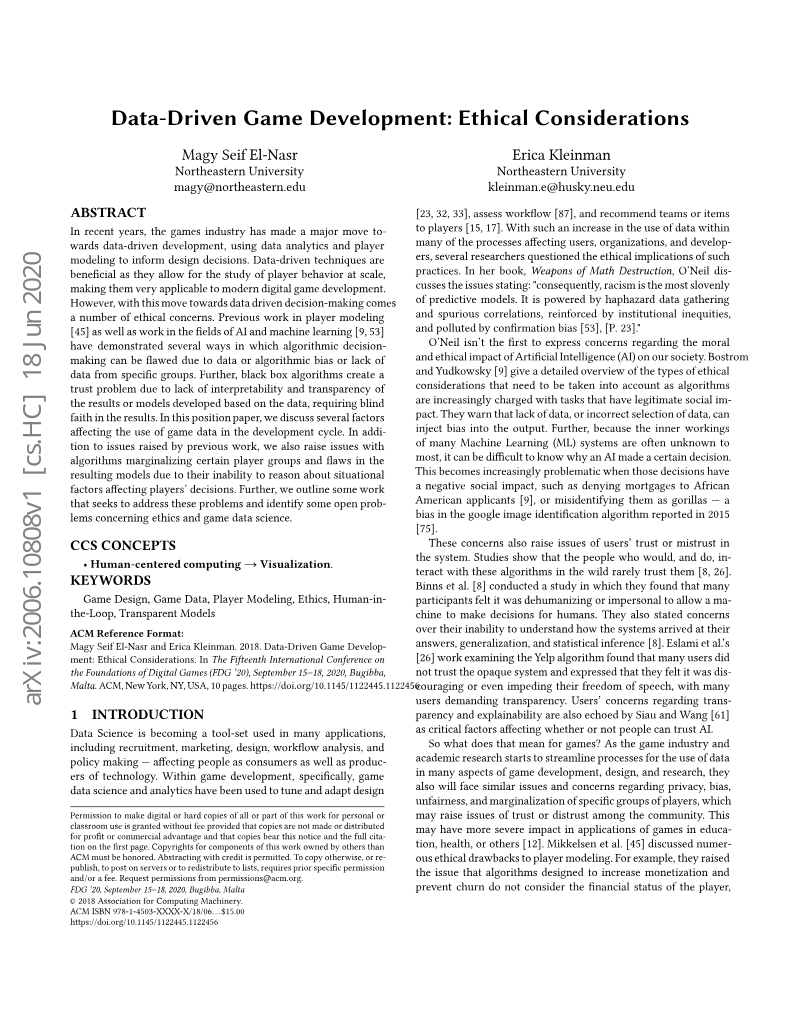
Northeastern University · 2020
Northeastern University · 2020
DiGRA · 2026