1 free read left. Create a free account for unlimited reading + AI research.
Create free accountWhitepaper Northeastern University
1 free read left. Create a free account for unlimited reading + AI research.
Create free accountWhitepaperNortheastern University
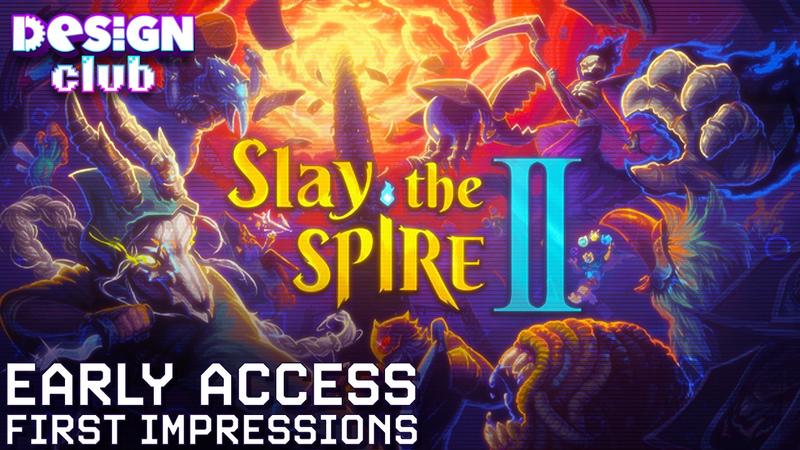
Procedural map generation in Slay the Spire serves as a critical variable in player decision-making, where the navigation of uncertainty directly correlates with long-term success. By applying an information-theoretic framework to a dataset of 20,000 runs, it becomes clear that victory is not merely a product of optimal pathing but of calculated risk-taking. Higher normalized entropy in route selection acts as a primary indicator of successful outcomes, suggesting that players who embrace the volatility of procedurally generated encounters are better positioned to secure wins than those who prioritize safer, more predictable paths.
The analysis reveals a distinct divergence in behavior based on player skill levels as runs progress through the game’s three acts. While early-game decision-making remains largely uniform across the player base, experienced players exhibit a marked shift in strategy during the later, more complex stages. Rather than maintaining a static approach, high-skill players refine their risk-taking, demonstrating a sophisticated balance between exploration and caution that distinguishes them from less successful counterparts. This evolution in behavior highlights the necessity of adapting to the specific probability distributions of monster encounters and reward structures inherent in the game’s design.
These findings underscore the complex relationship between procedural generation and human agency. By mapping the interplay between fixed run parameters and variable encounter probabilities, the data confirms that mastery in Slay the Spire requires an intuitive grasp of uncertainty. Success is fundamentally tied to the ability to navigate high-entropy environments, with top-tier players utilizing complex, adaptive strategies to mitigate the inherent randomness of the map. Ultimately, the game rewards those who can effectively quantify and exploit the risks presented by its procedural architecture.
Each row is a game or company this document names, each column a document, oldest first. A mark means that document names it. Select a row to see those documents.
Northeastern University · 2025
Northeastern University · 2025
Northeastern University · 2024
Northeastern University · 2022
Northeastern University · 2021
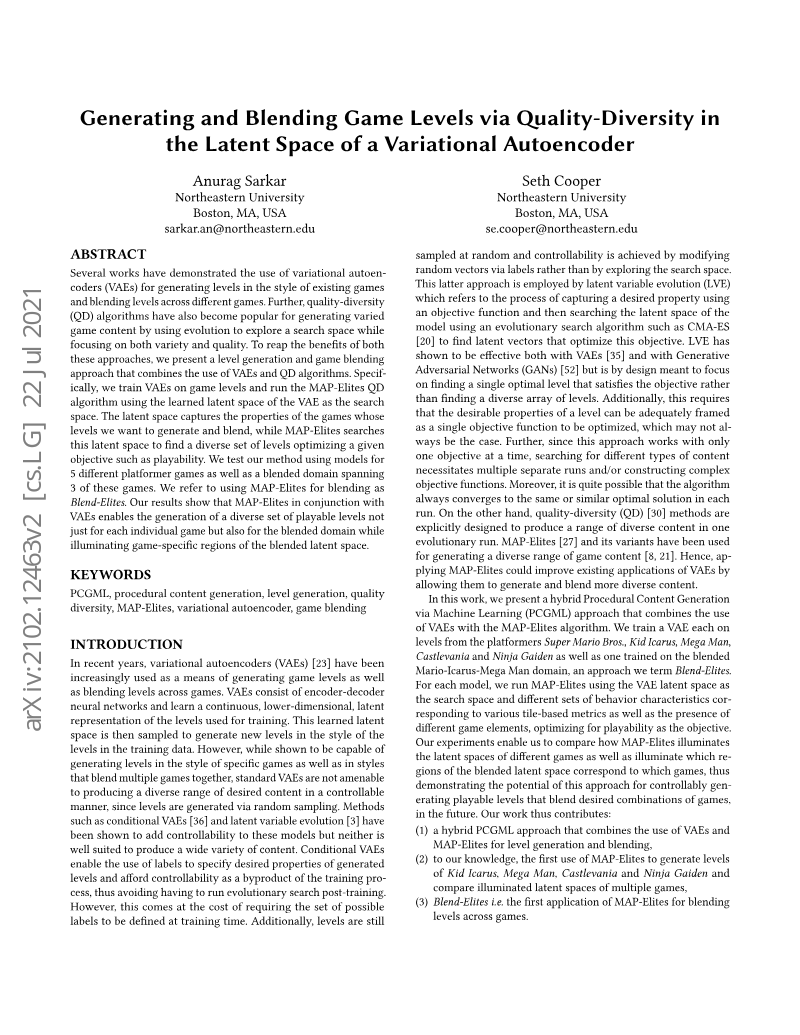
Northeastern University · 2021
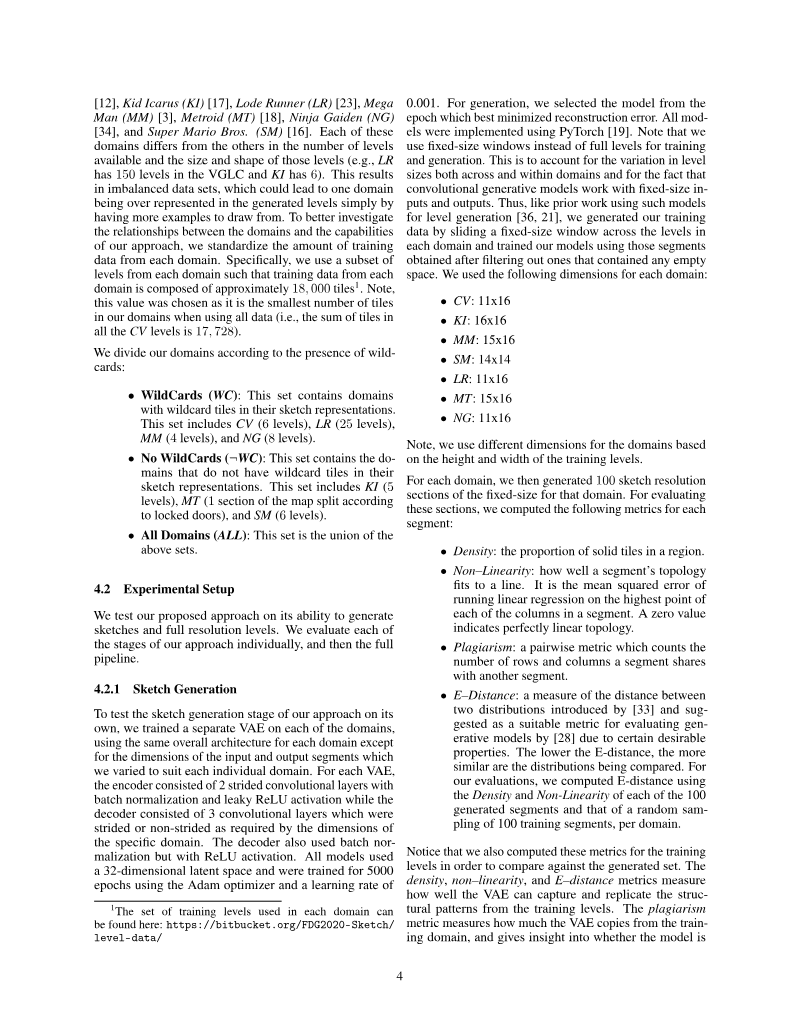
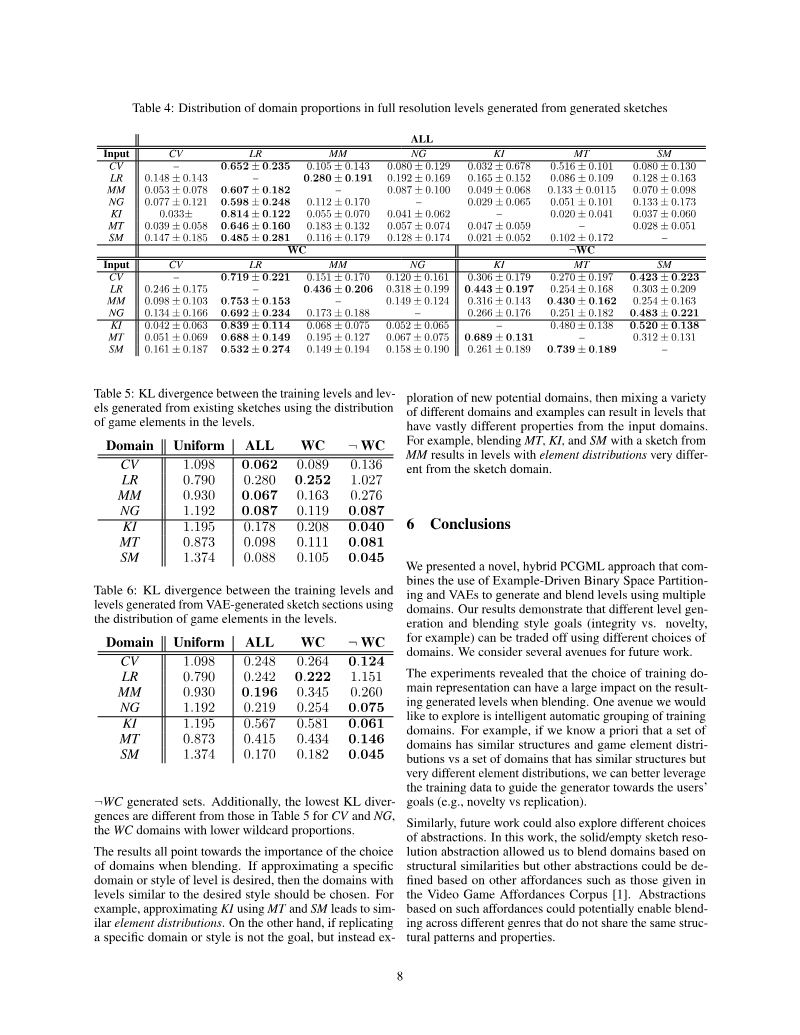
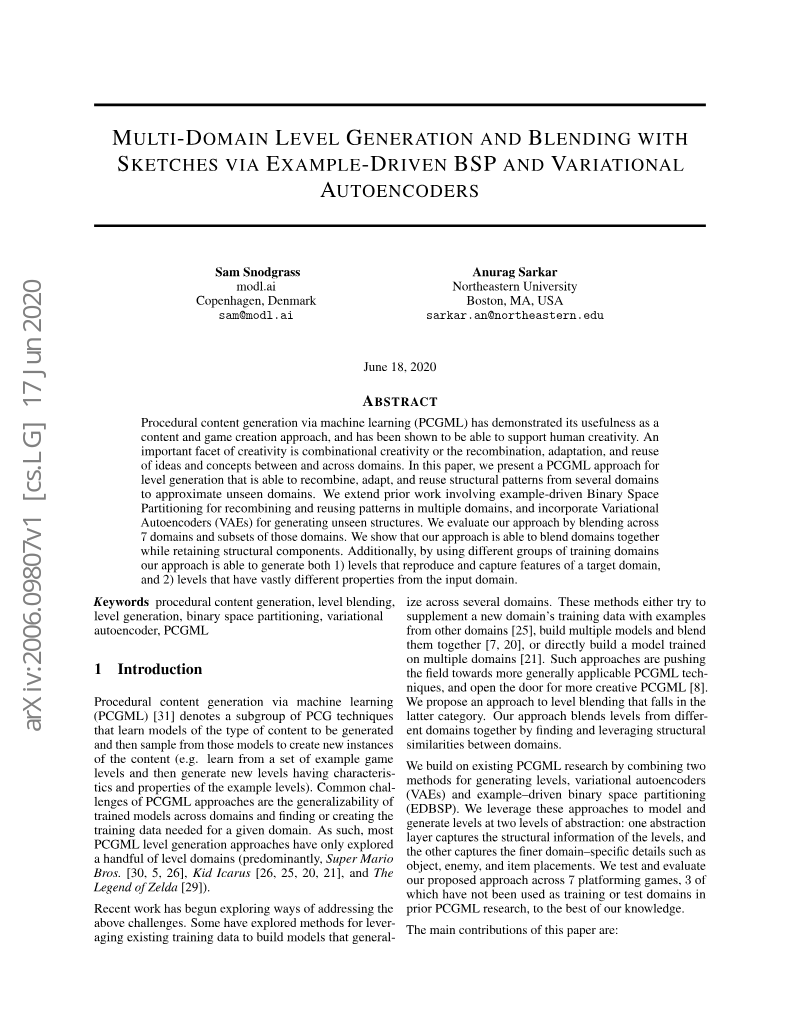
modl.ai · 2020
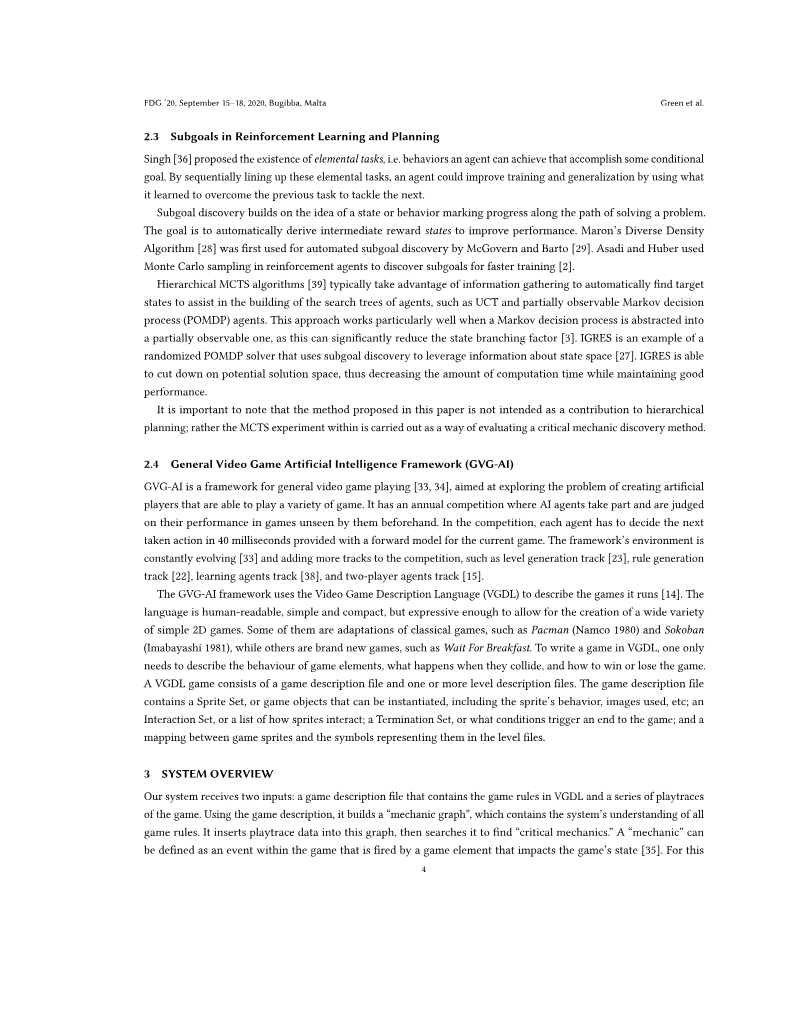
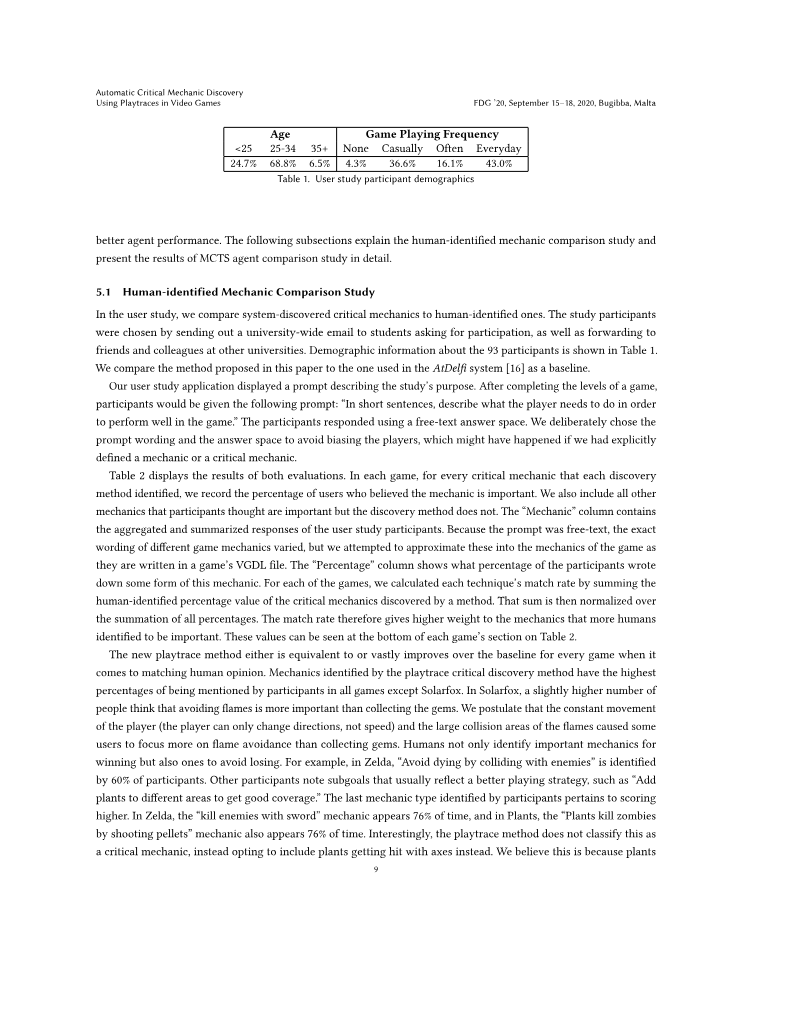
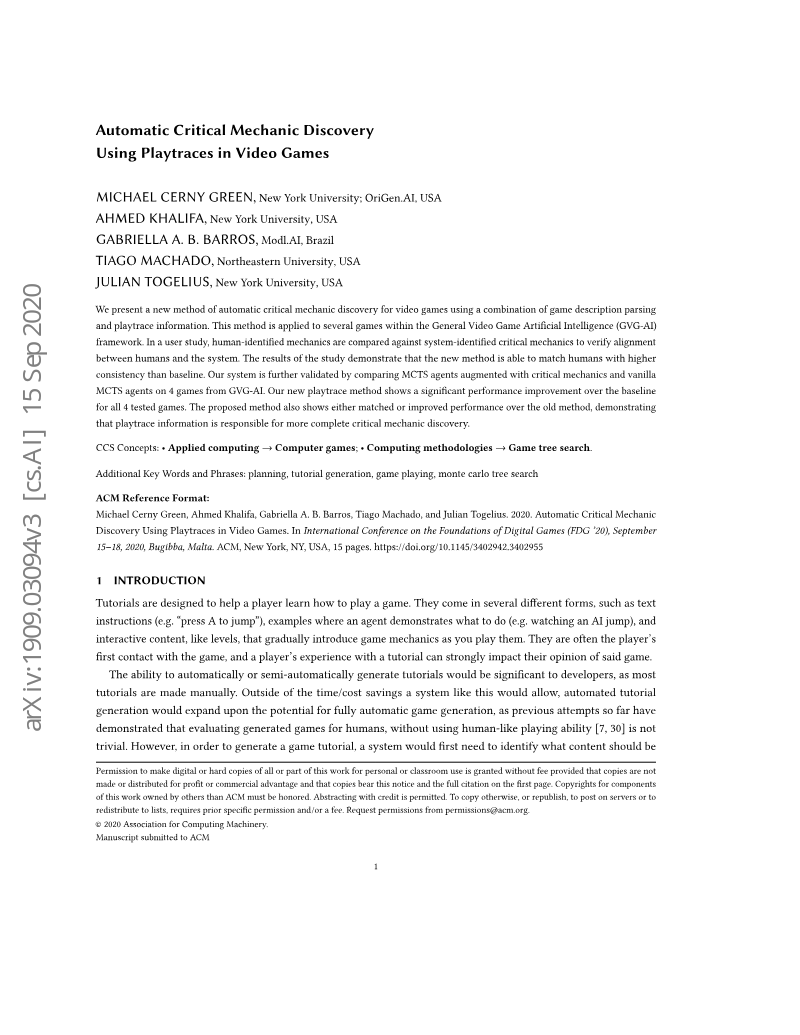
New York University · 2020
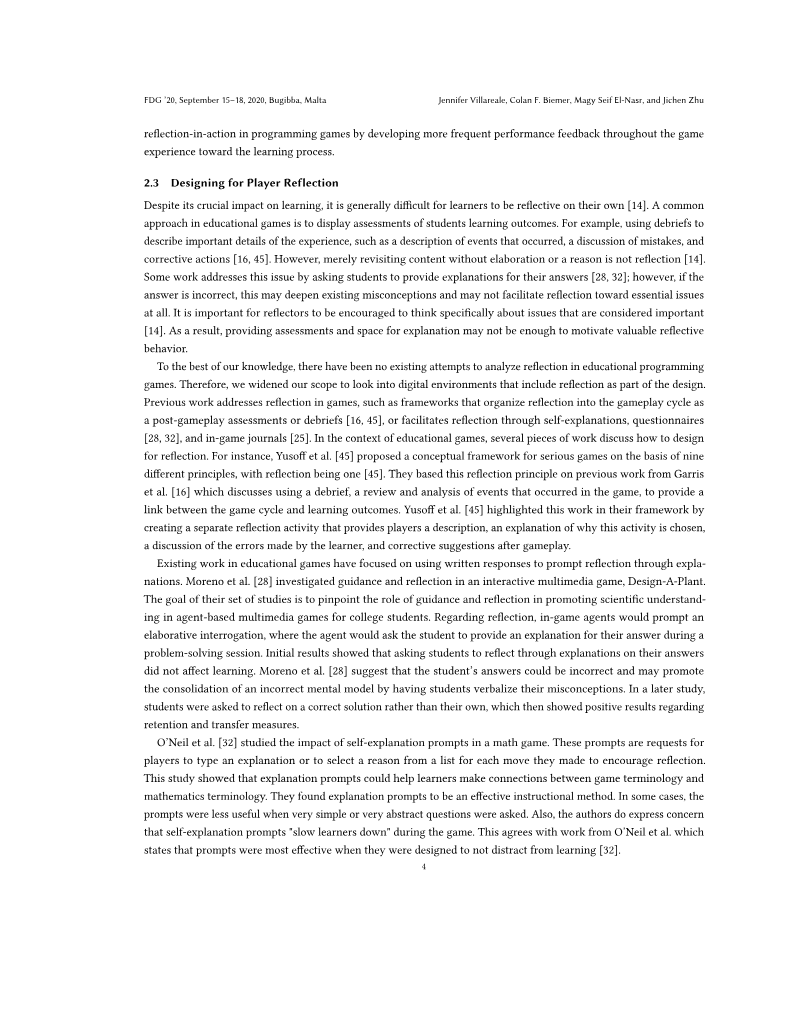
Drexel University · 2020
Northeastern University · 2020
Northeastern University · 2020
Jonas Tyroller · 2022