More from New York University
View all
Whitepaper
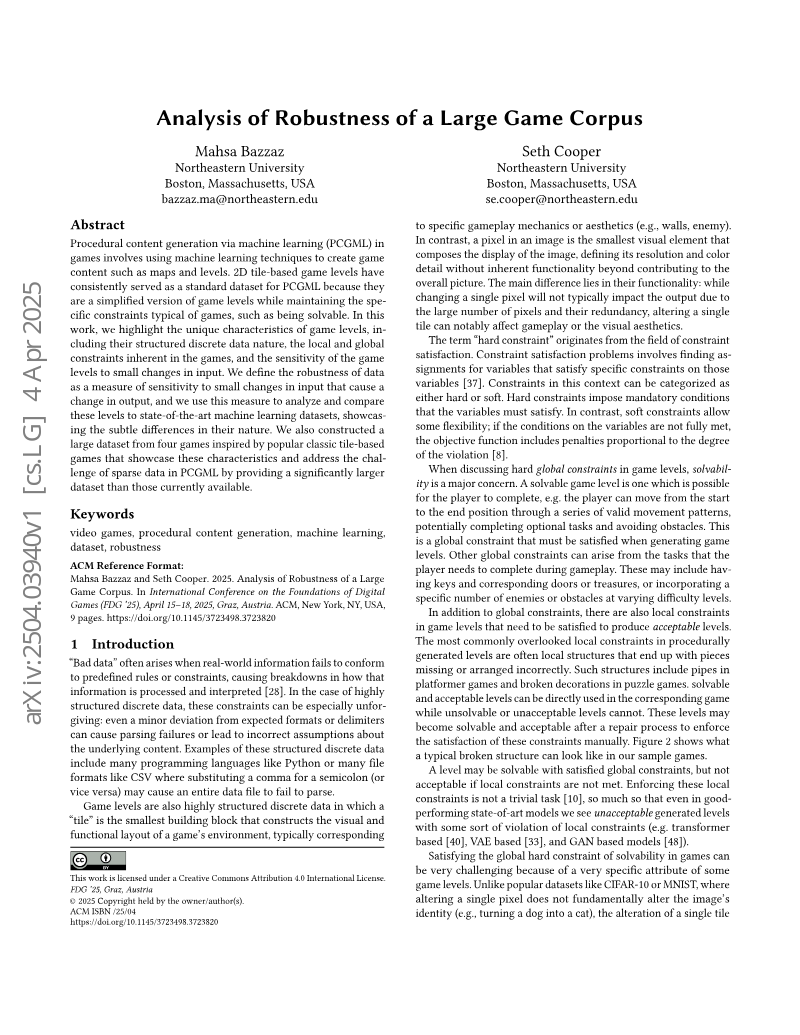
Analysis of Robustness of a Large Game Corpus
Northeastern University · 2025
Whitepaper
Level Generation with Constrained Expressive Range
Northeastern University · 2025
Whitepaper
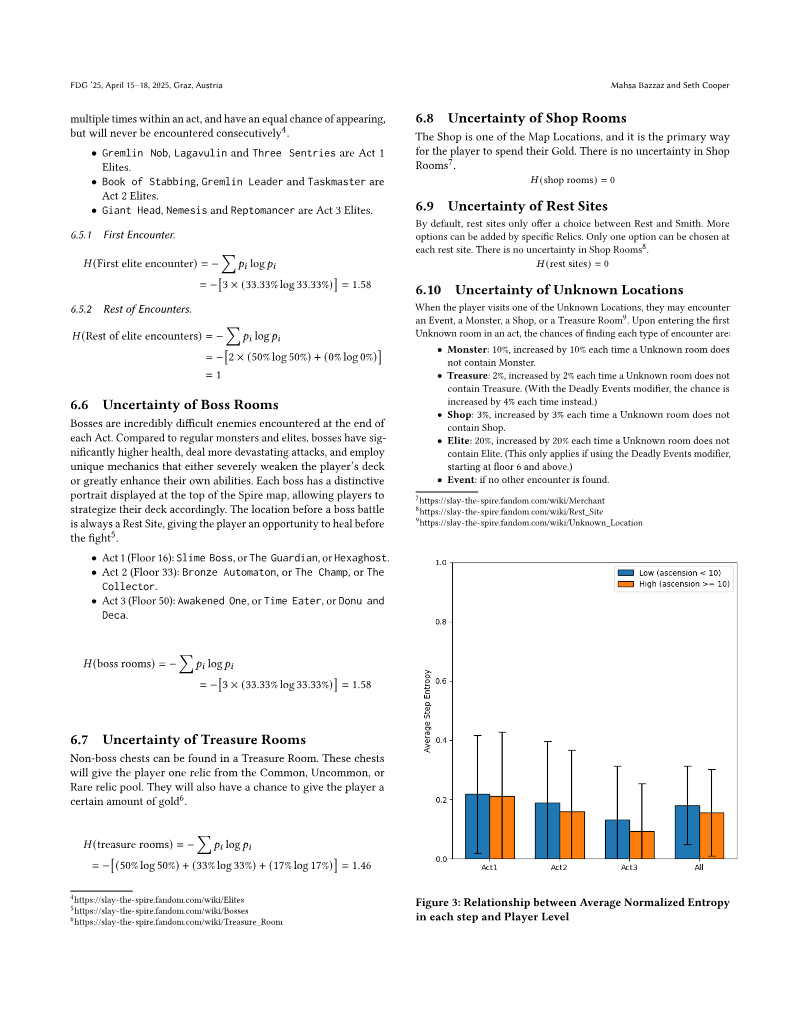
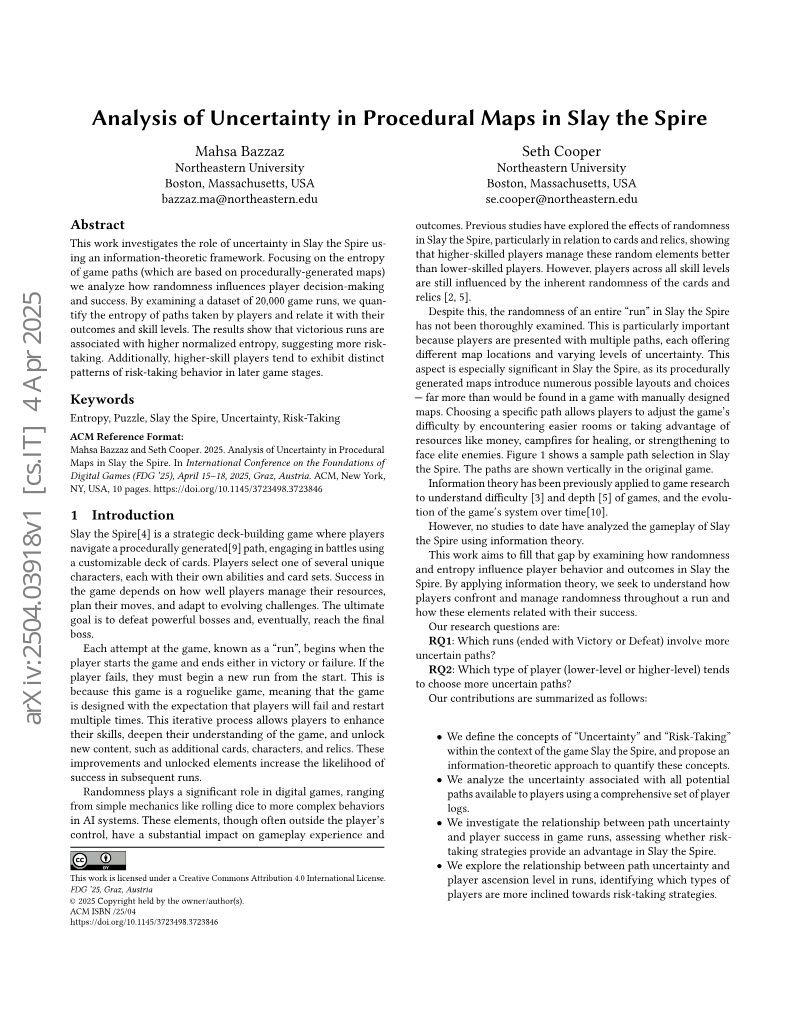
Analysis of Uncertainty in Procedural Maps in Slay the Spire
Northeastern University · 2025


Report
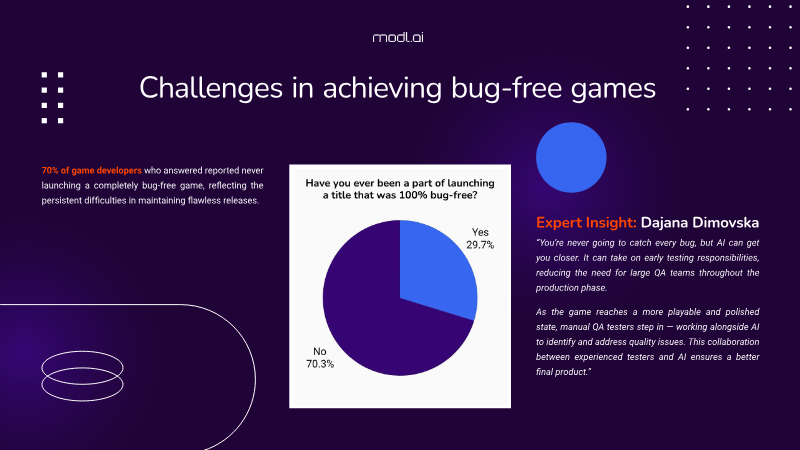
The State of Games QA
modl.ai · 2025
Whitepaper
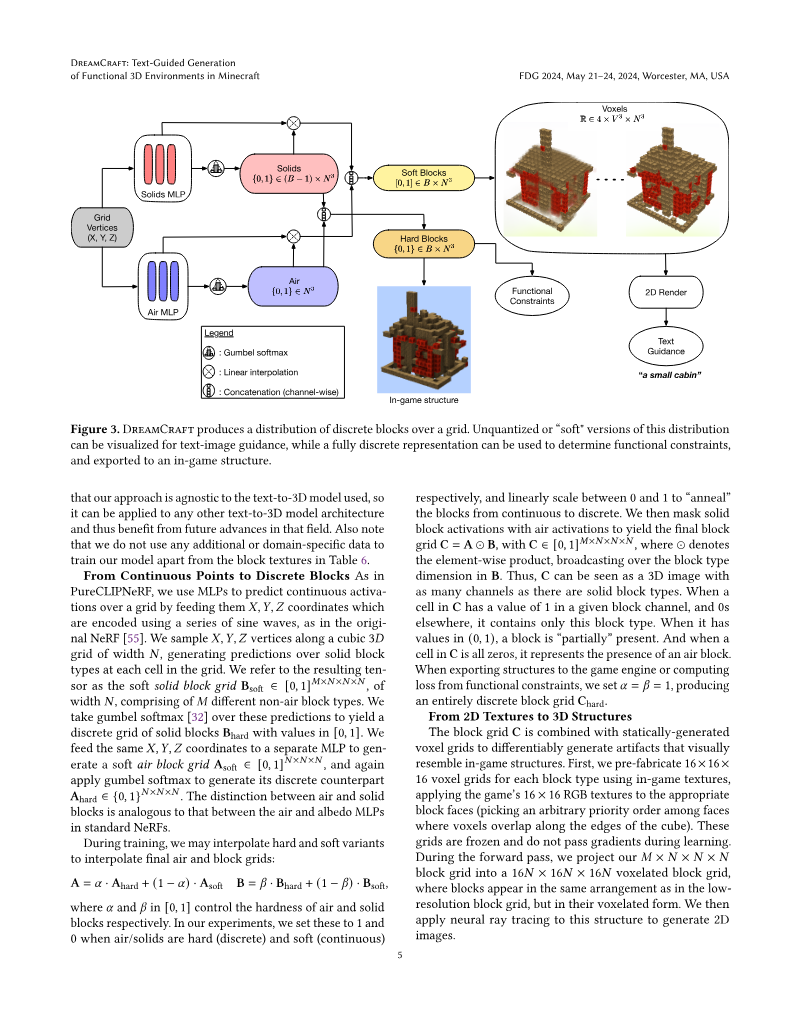
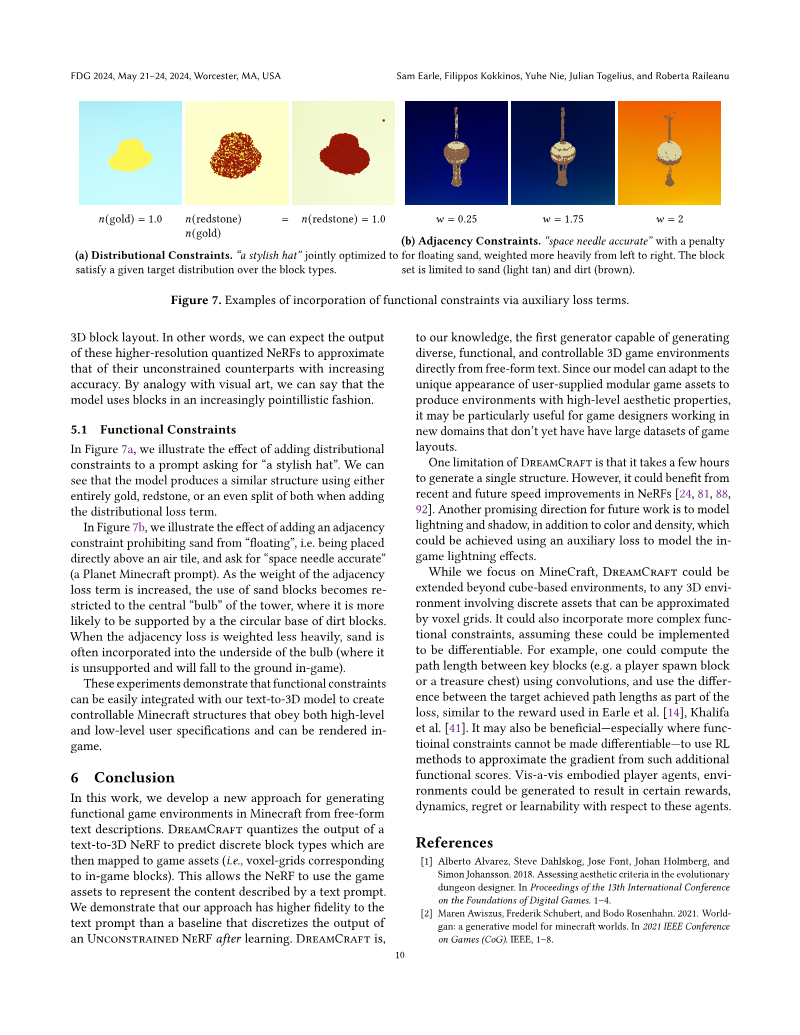
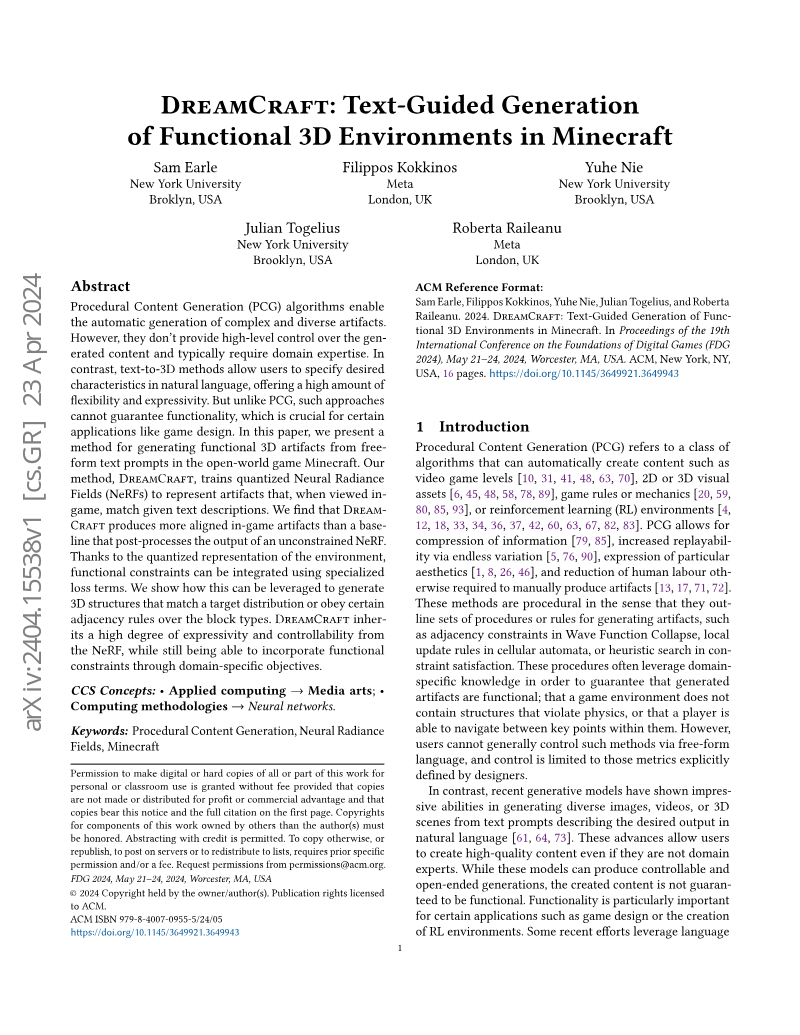
DreamCraft: Text-Guided Generation of Functional 3D Environments in Minecraft
New York University · 2024
Whitepaper
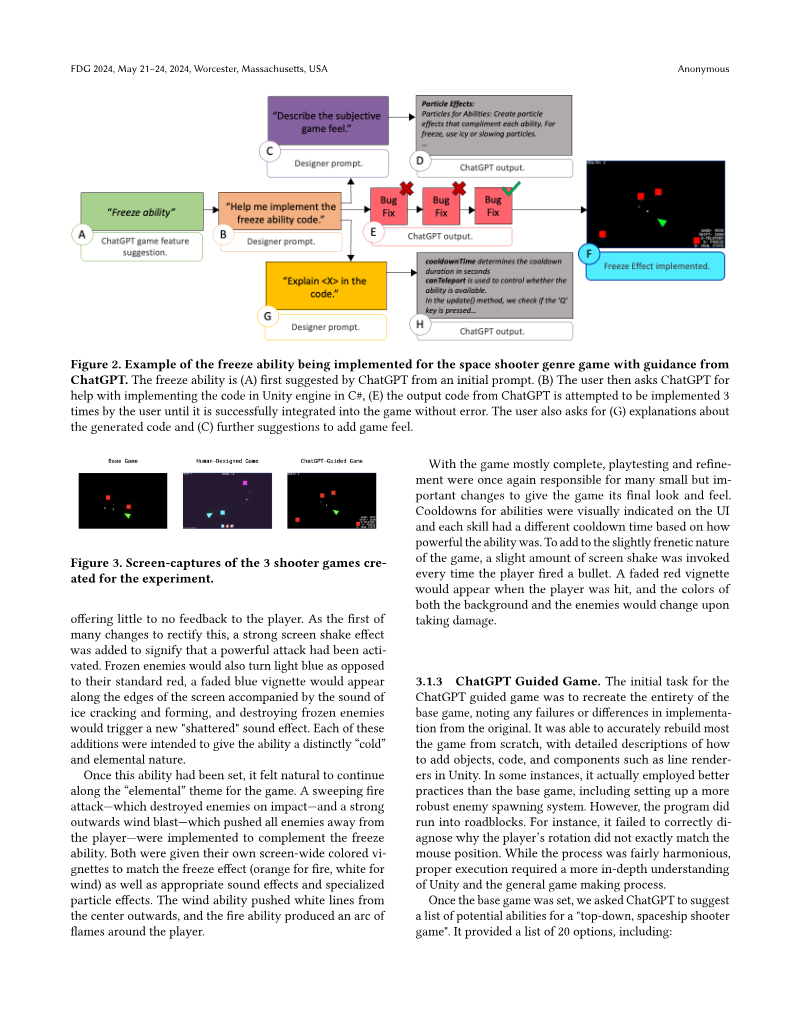
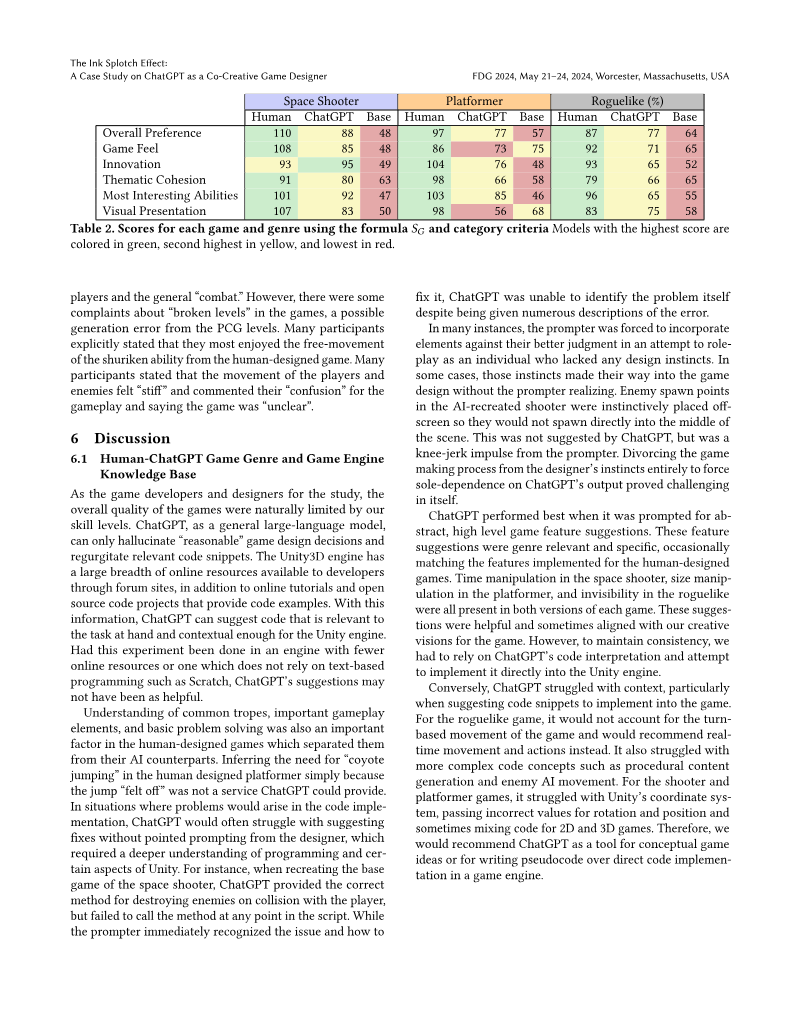
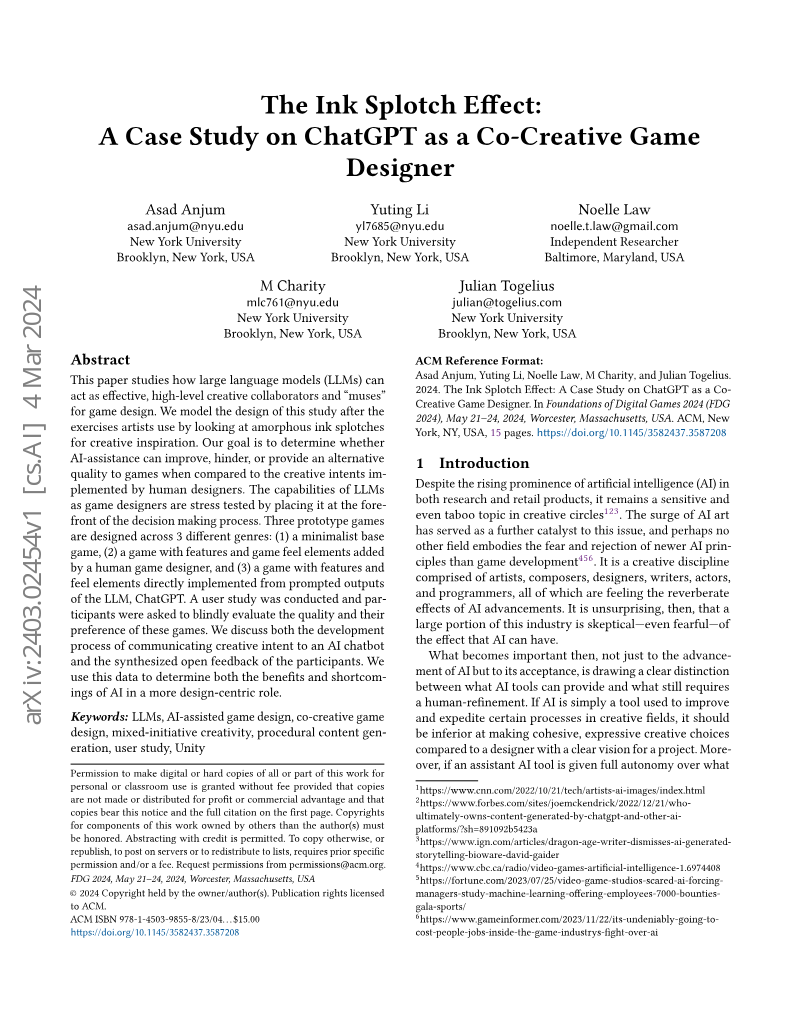
The Ink Splotch Effect: A Case Study on ChatGPT as a Co-Creative Game Designer
New York University · 2024
Whitepaper
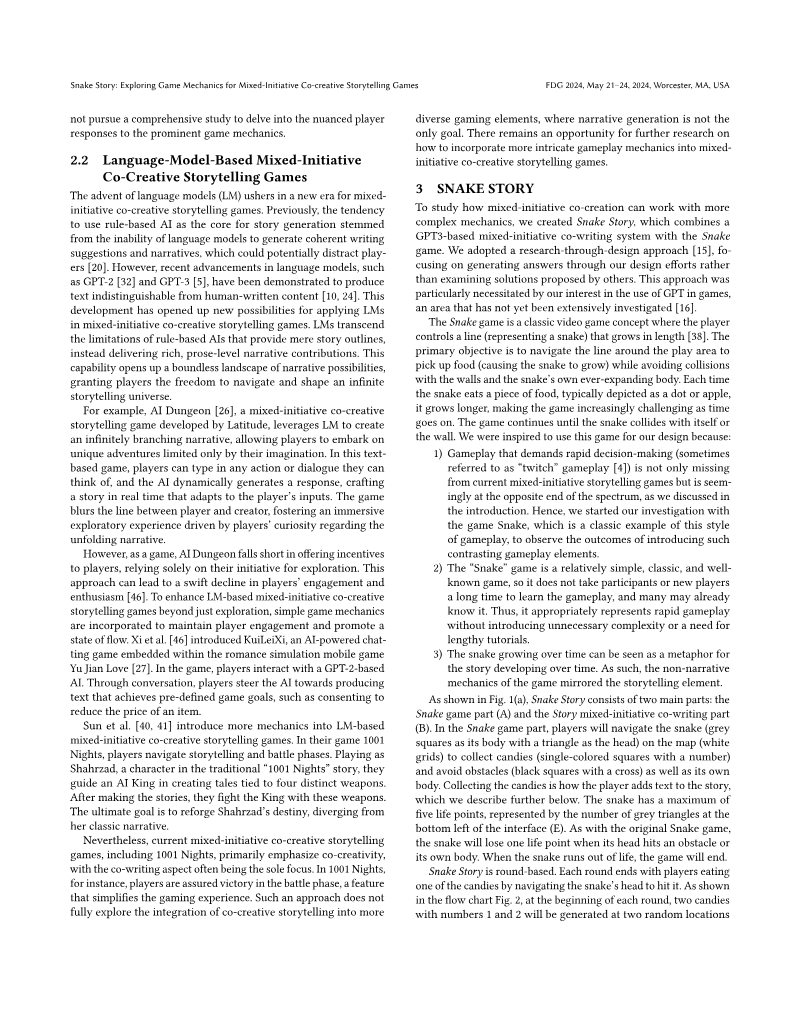
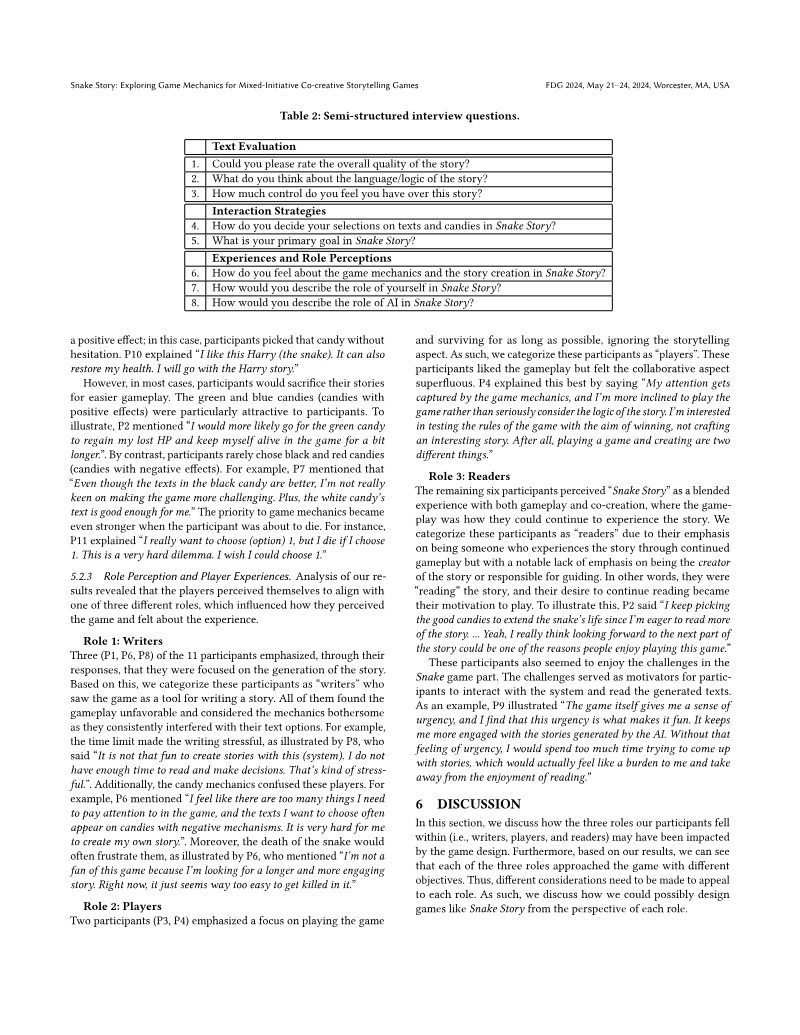
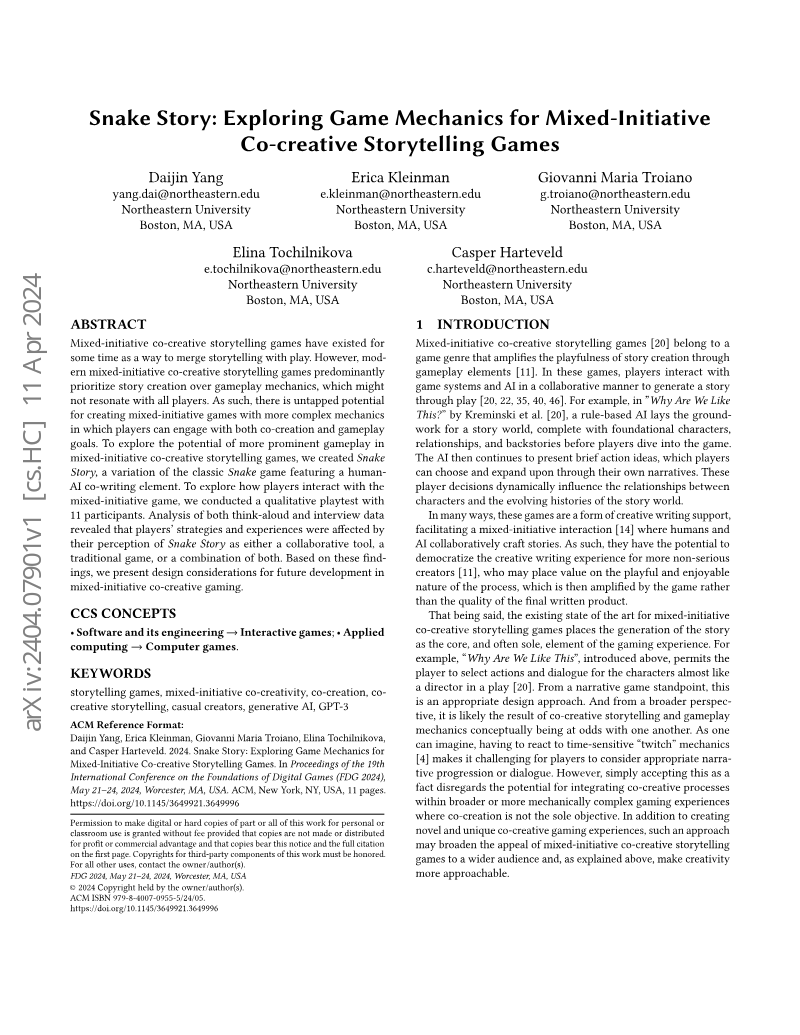
Snake Story: Exploring Game Mechanics for Mixed-Initiative Co-creative Storytelling Games
Northeastern University · 2024
Whitepaper
Lode Enhancer: Level Co-creation Through Scaling
Institute of Digital Games · 2023
Whitepaper
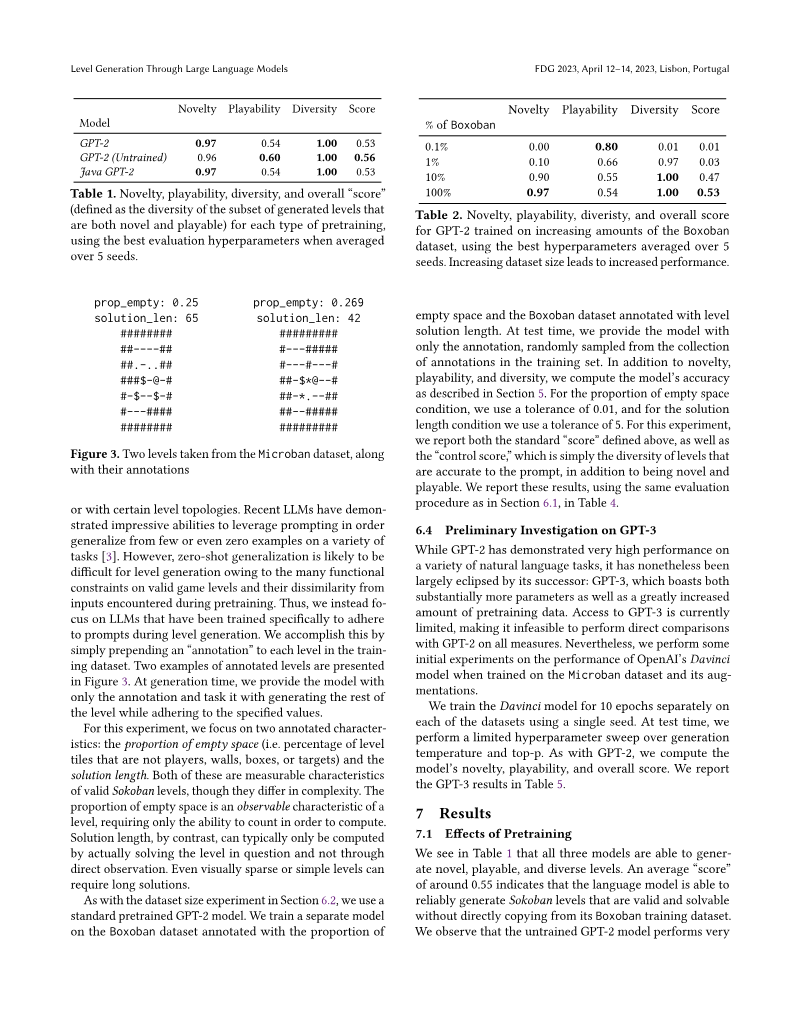
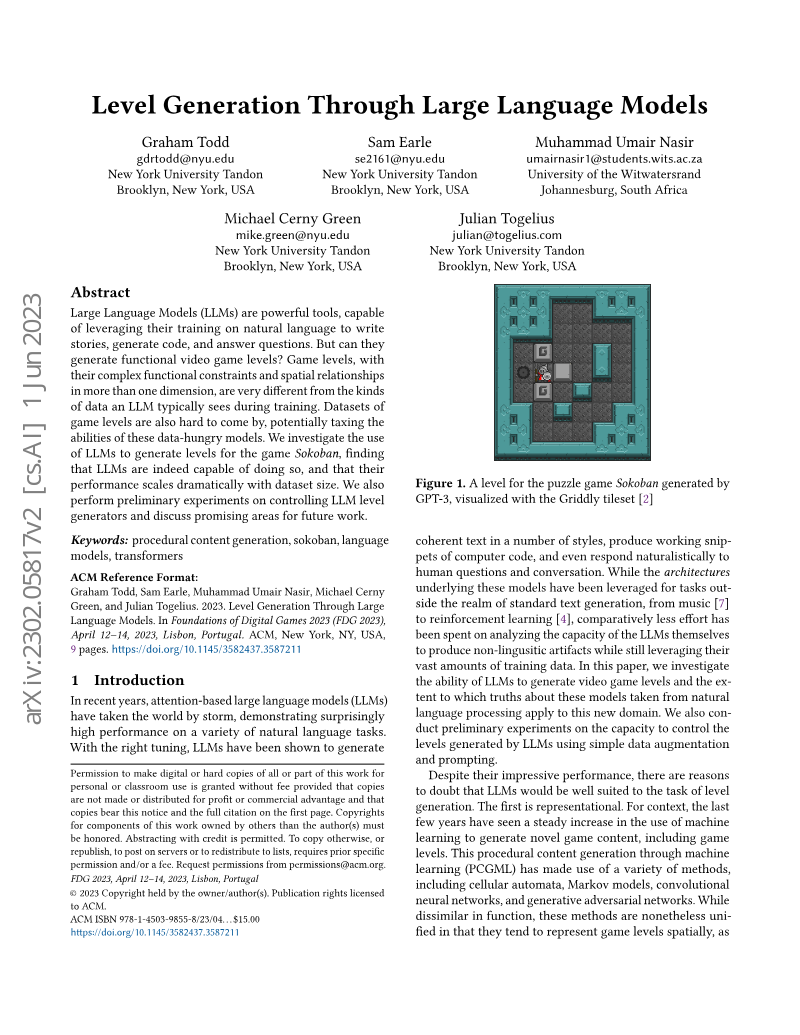
Level Generation Through Large Language Models
New York University · 2023
Whitepaper
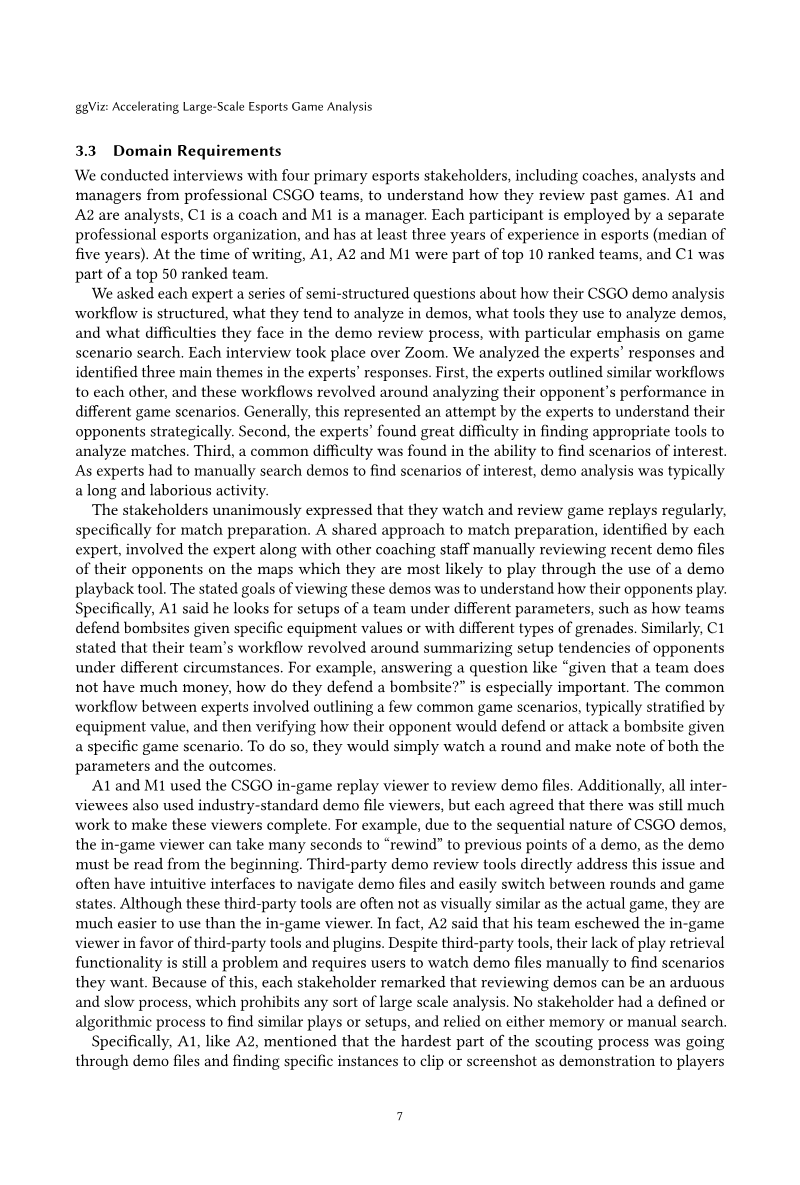
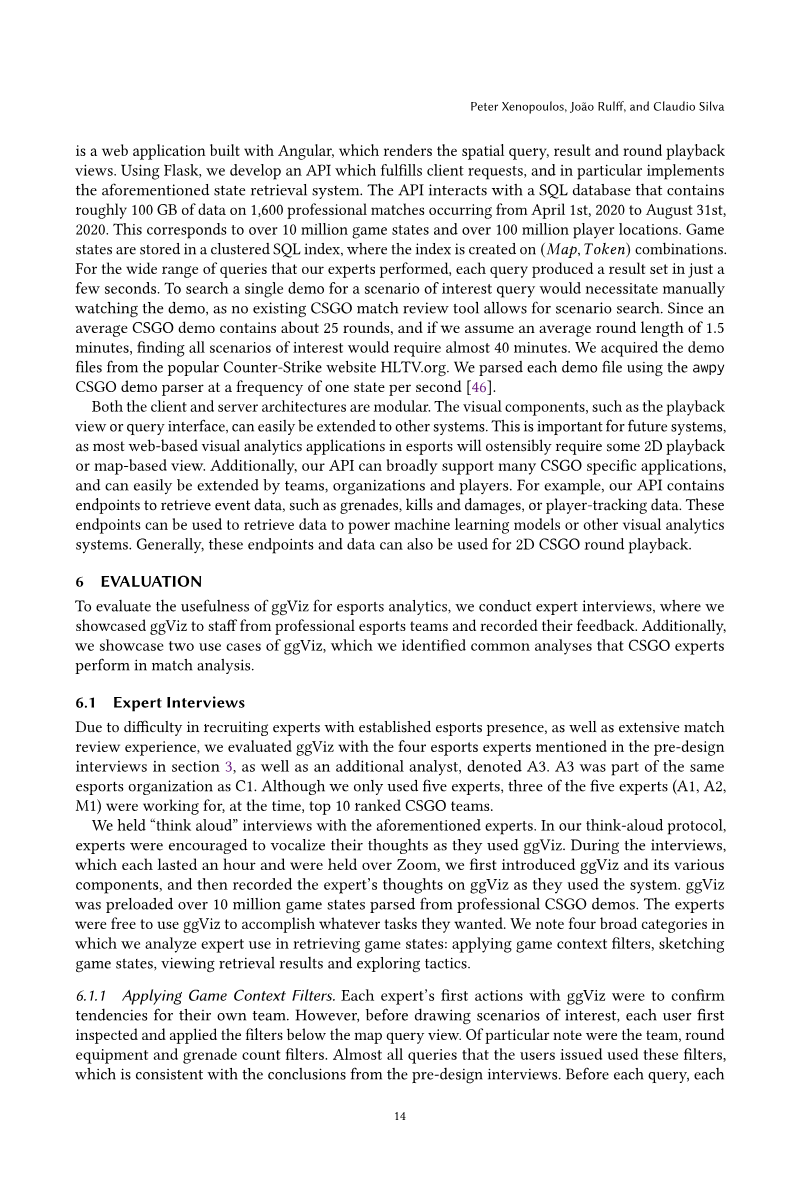
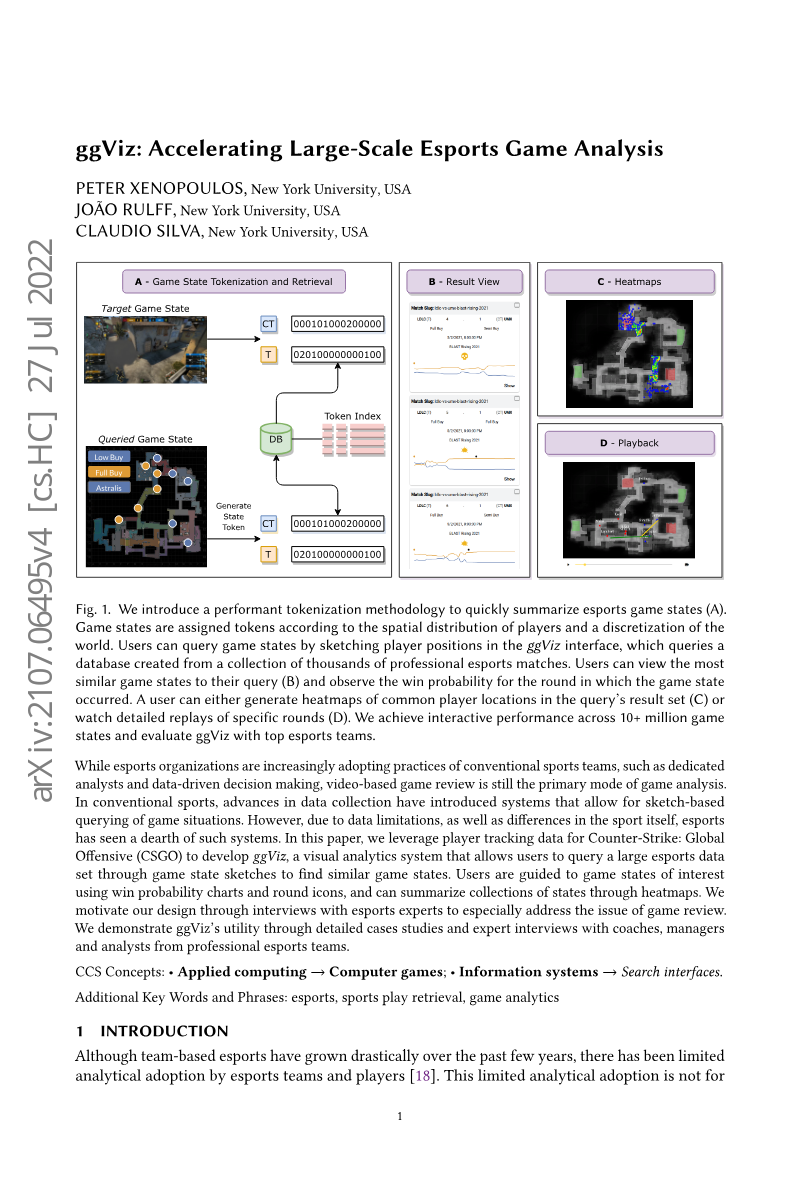
ggViz: Accelerating Large-Scale Esports Game Analysis
New York University · 2022
Whitepaper
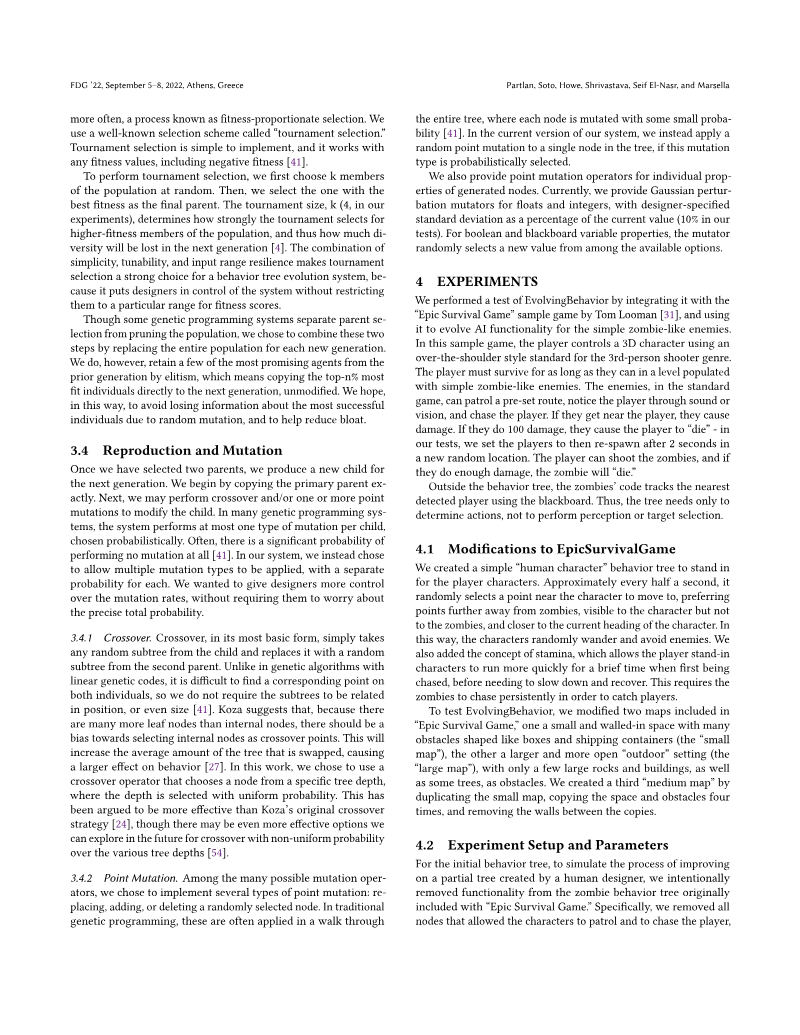
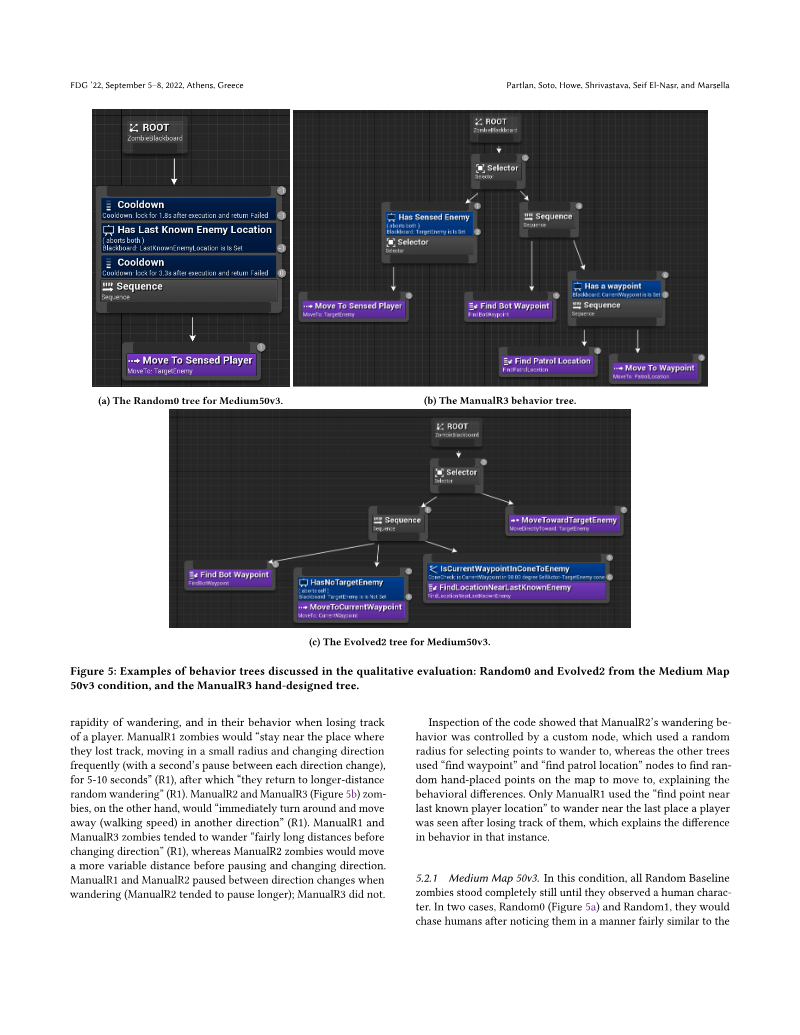
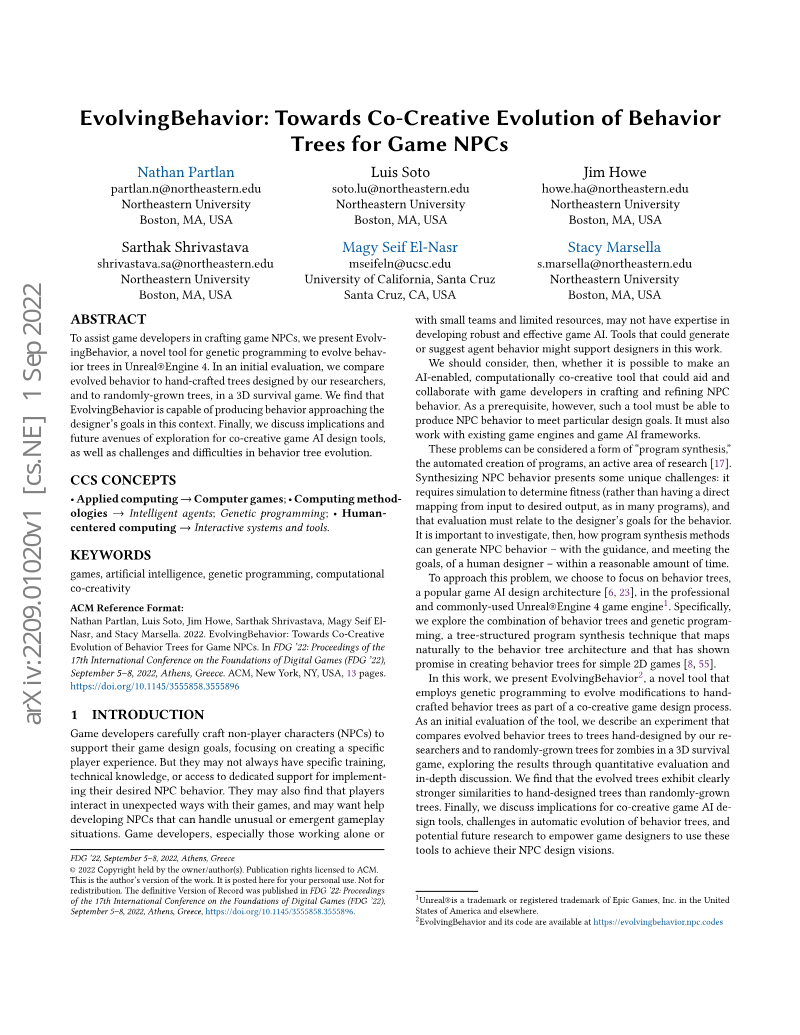
EvolvingBehavior: Towards Co-Creative Evolution of Behavior Trees for Game NPCs
Northeastern University · 2022
Whitepaper
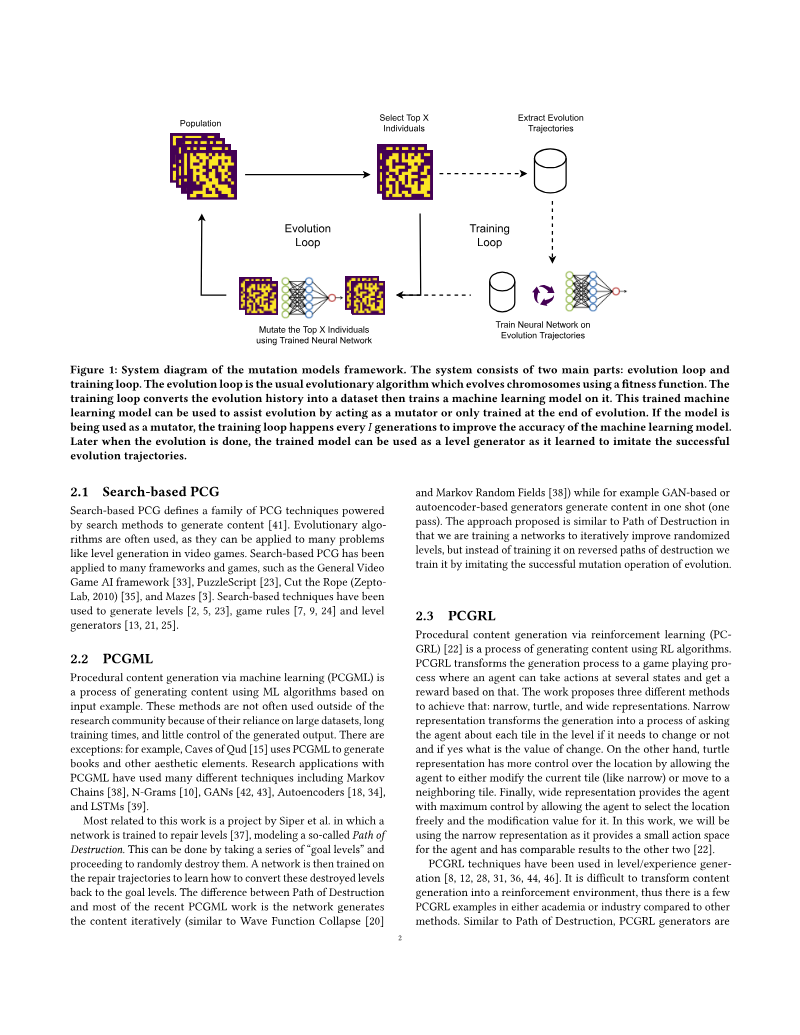
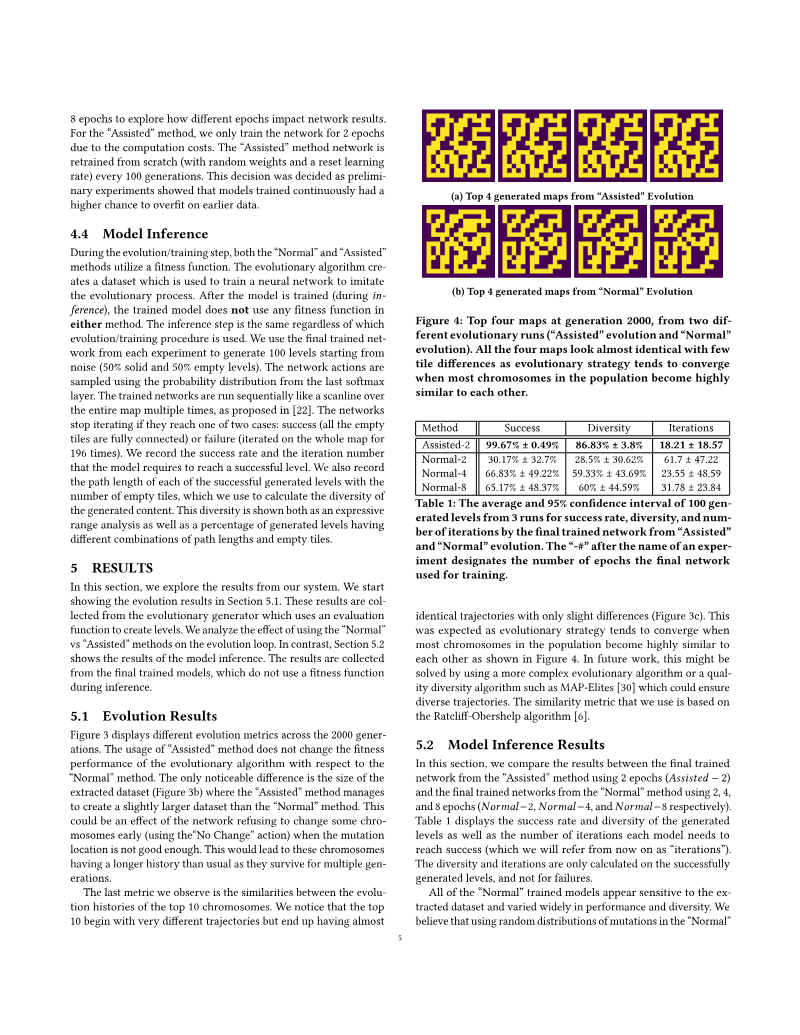
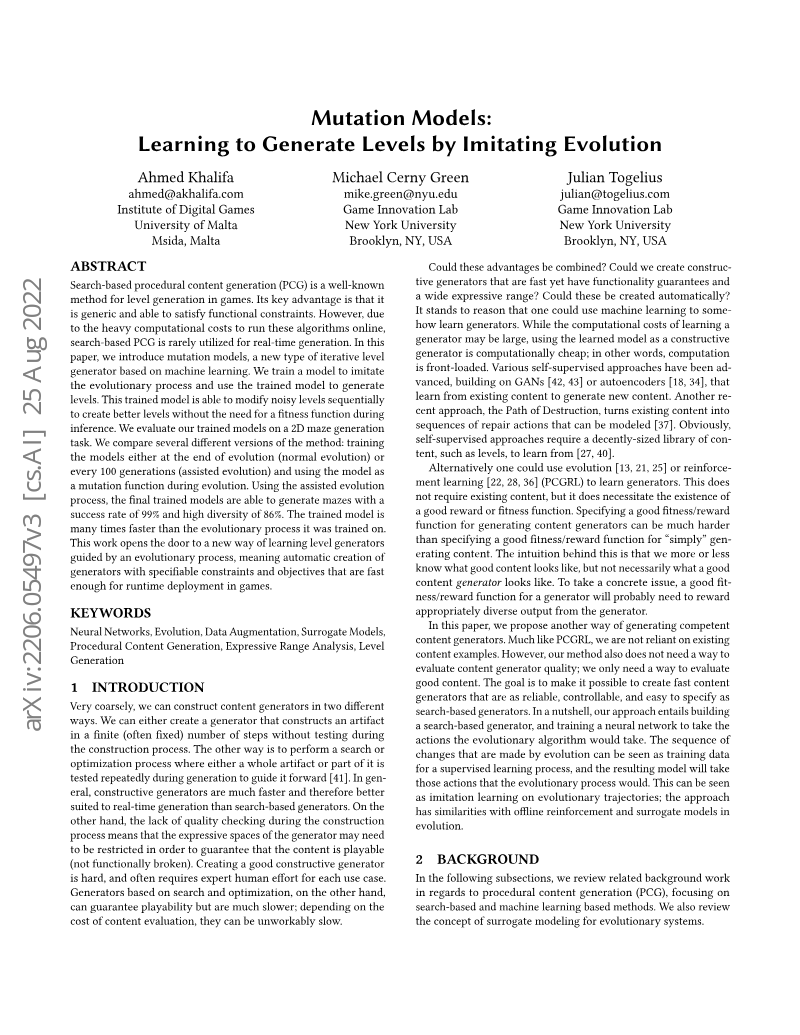
Mutation Models: Learning to Generate Levels by Imitating Evolution
University of Malta · 2022