More from University of Luxembourg
View all
Whitepaper
Understanding Adolescent Emotional Experiences During Gameplay: Insights from Participatory Design Workshops
University College London · 2026
Whitepaper
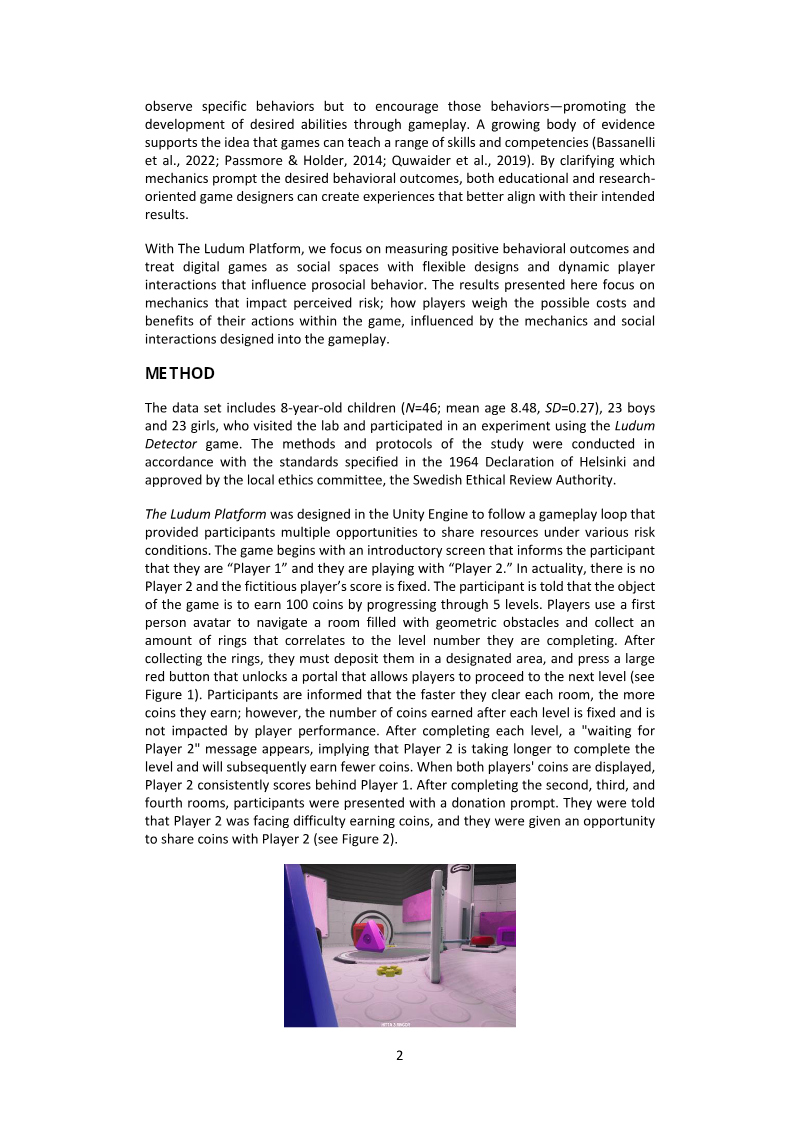
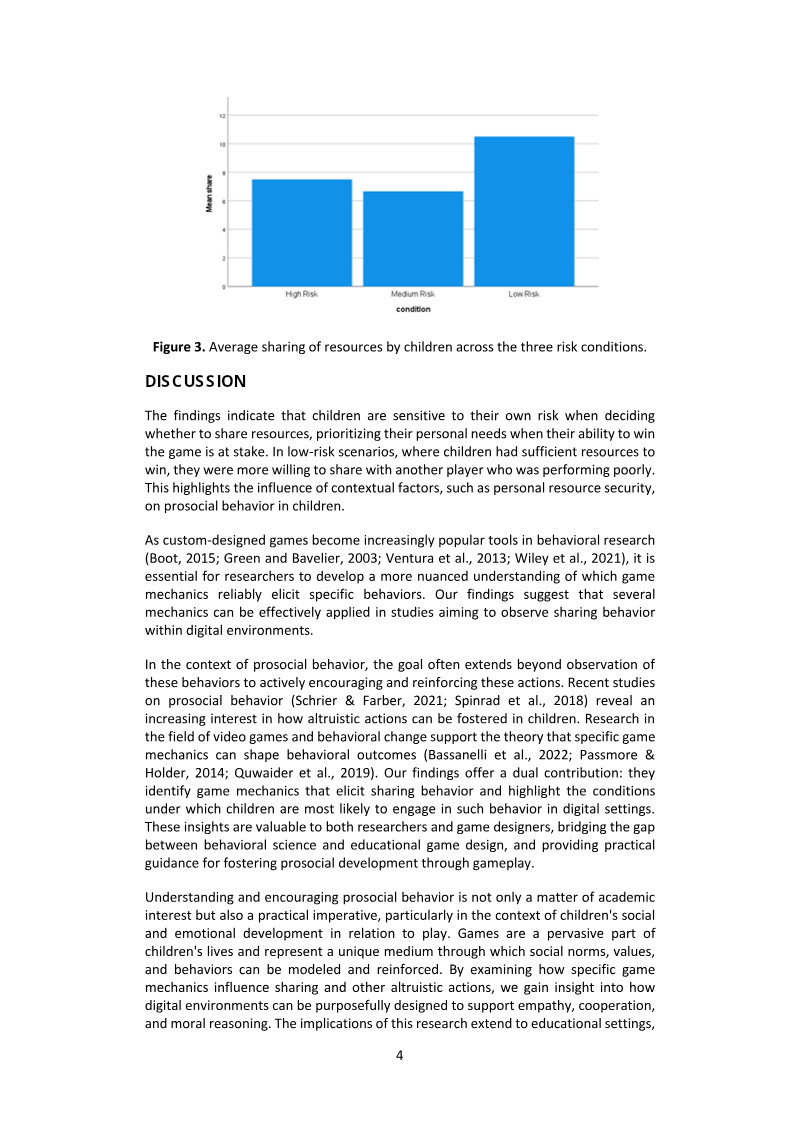
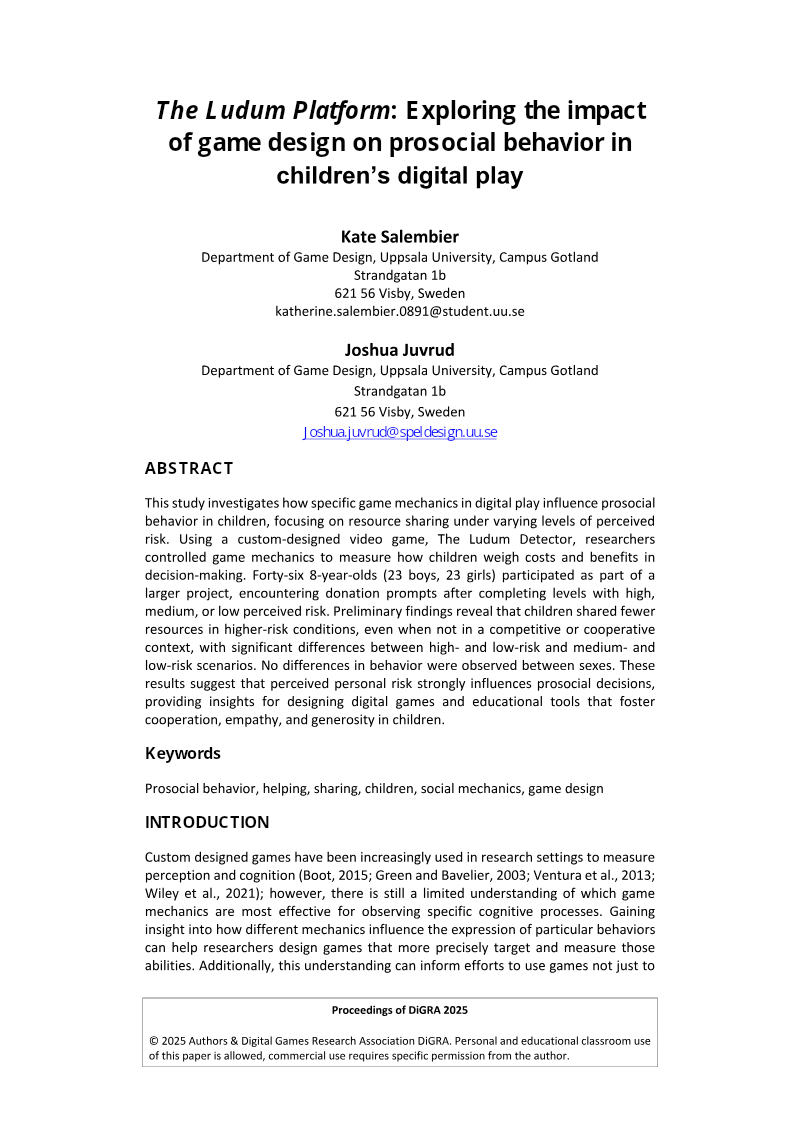
The Ludum Platform: Exploring the Impact of Game Design on Prosocial Behavior in Children's Digital Play
Uppsala University · 2025
Whitepaper
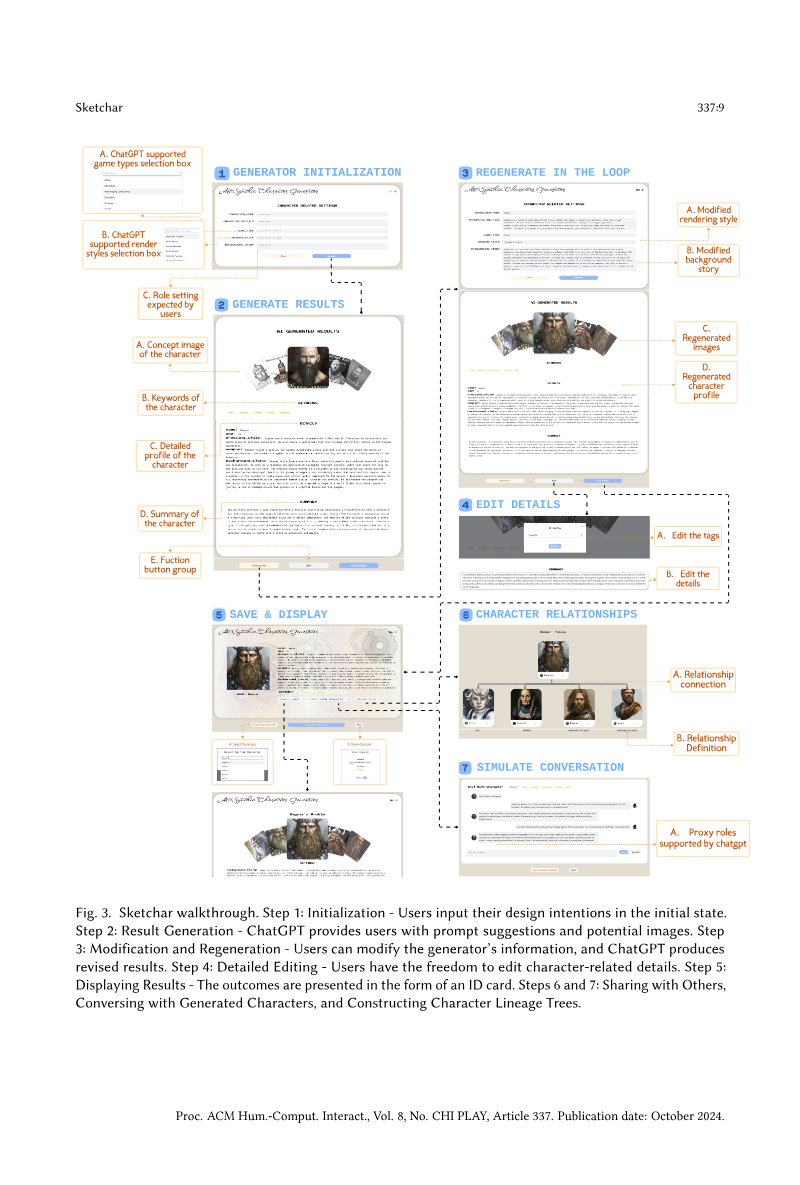
Sketchar: Supporting Character Design and Illustration Prototyping Using Generative AI
Intelligent Big Data Visualization Lab · 2024
Whitepaper
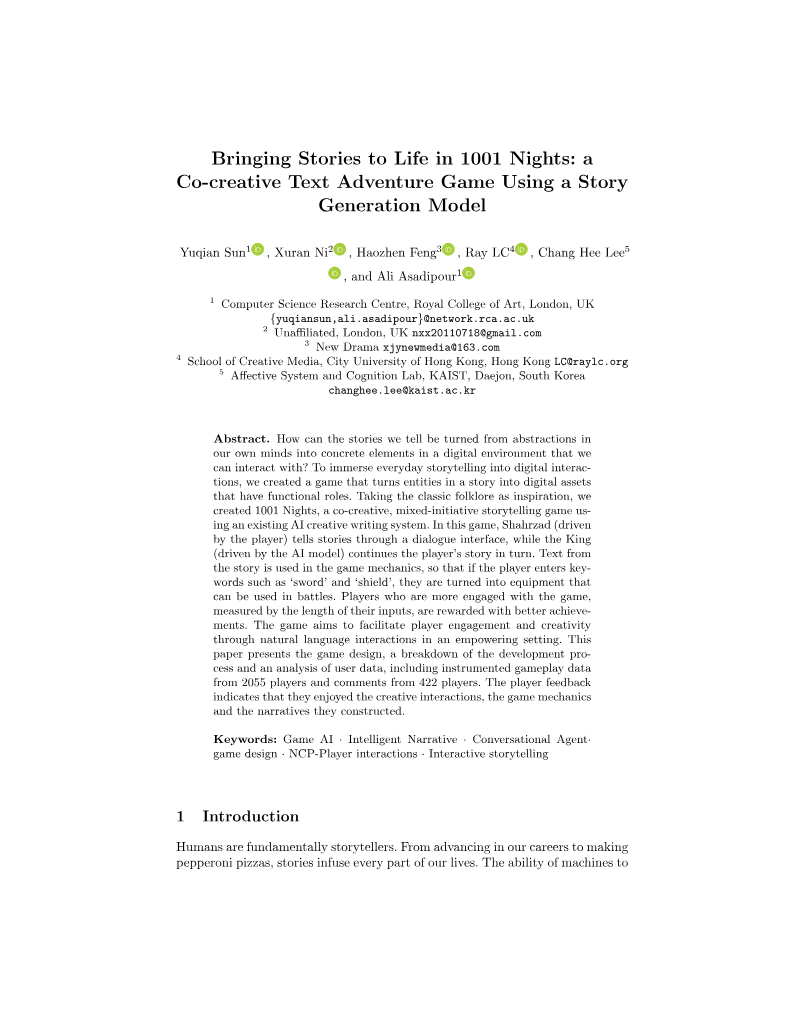
Bringing Stories to Life in 1001 Nights: A Co-creative Text Adventure Game Using a Story Generation Model
International Conference on Interactive Digital Storytelling (ICIDS) · 2022
Whitepaper
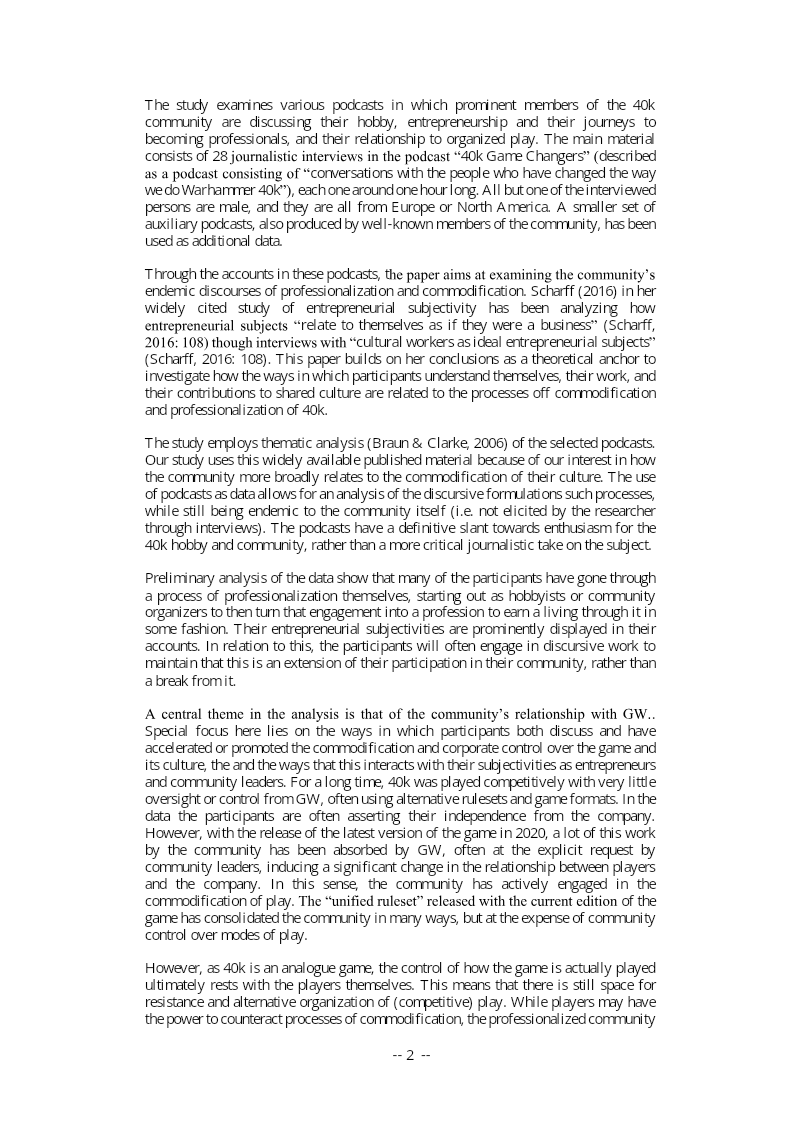
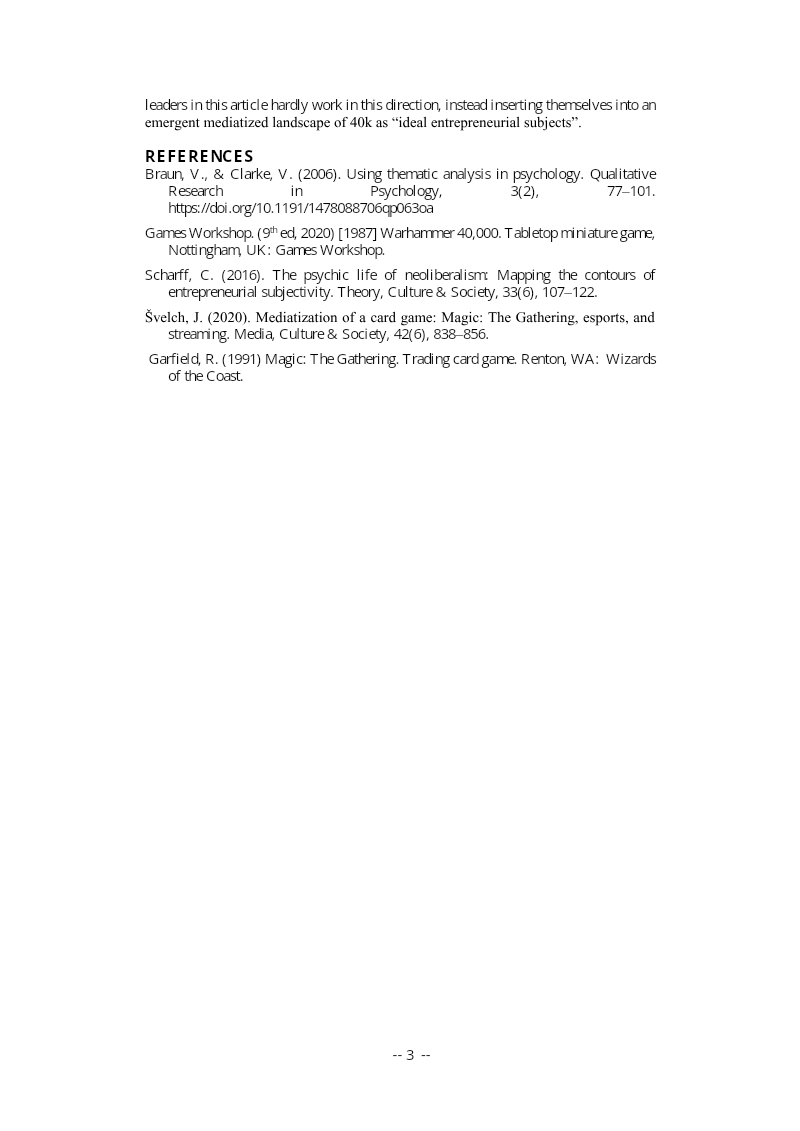
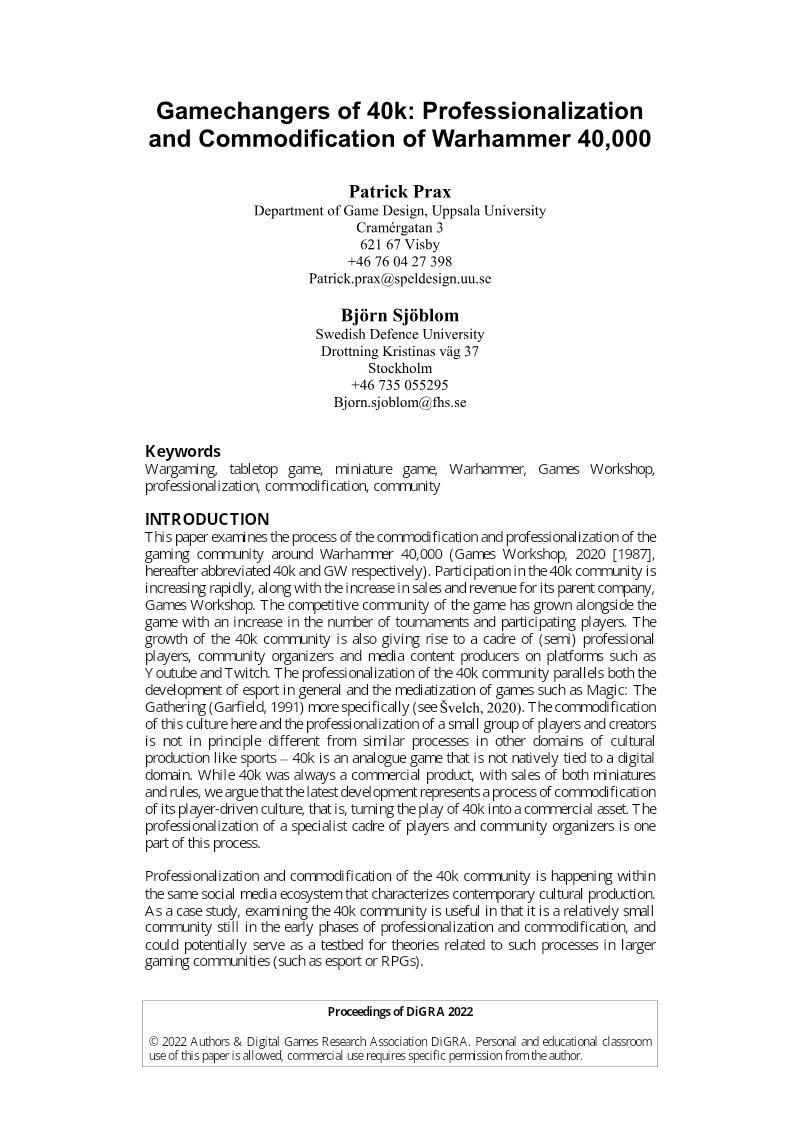
Gamechangers of 40k: Professionalization and Commodification of Warhammer 40,000
Uppsala University · 2022
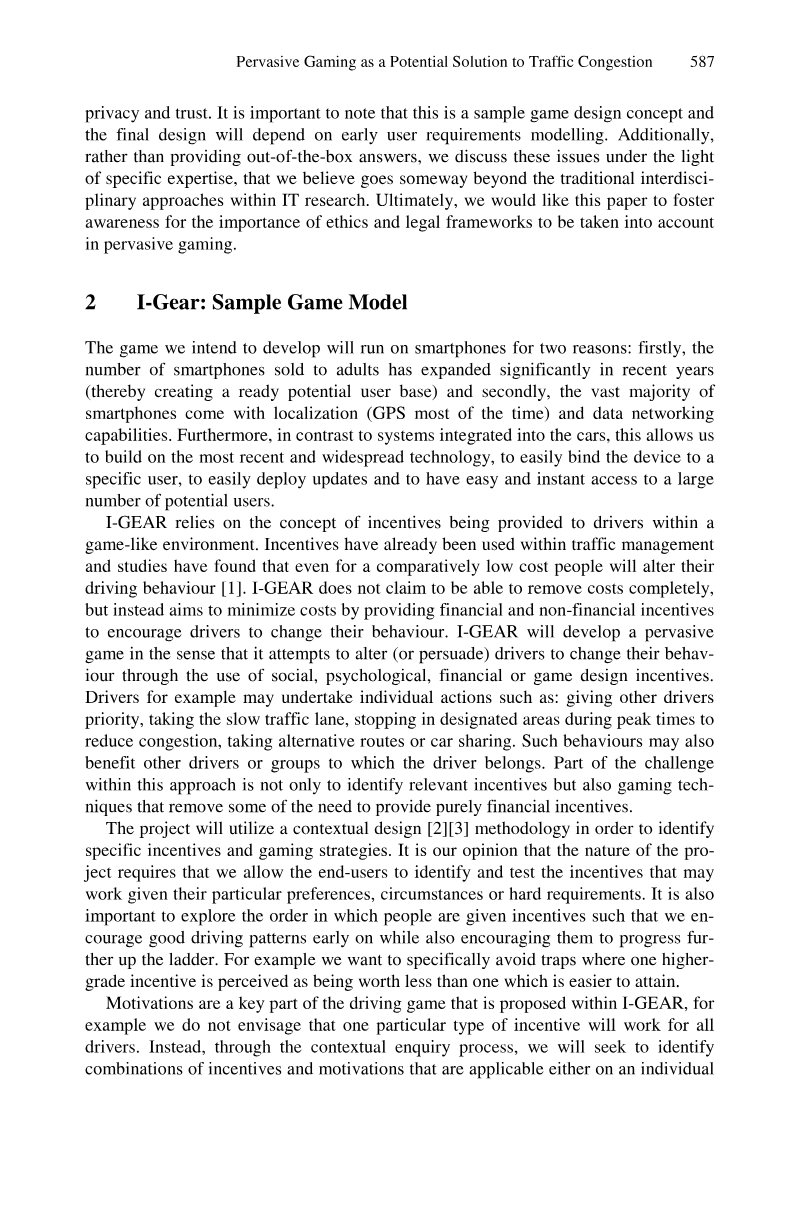
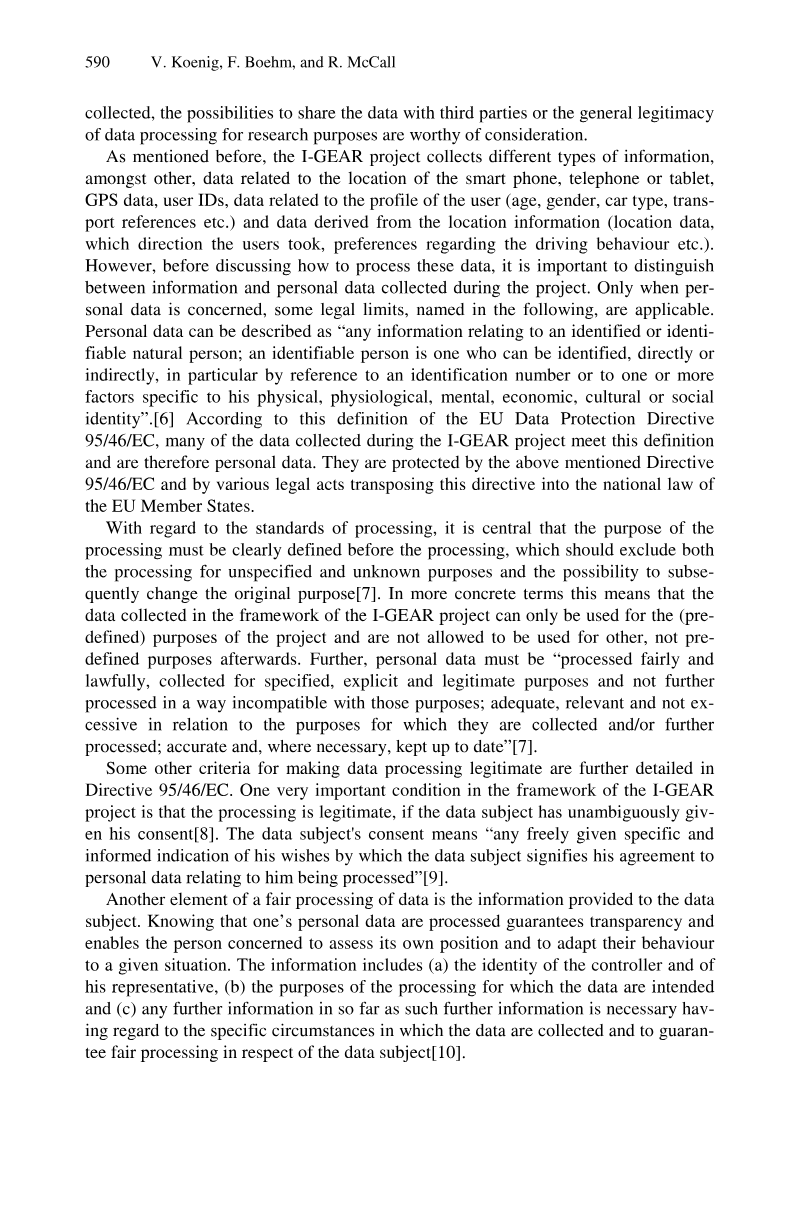
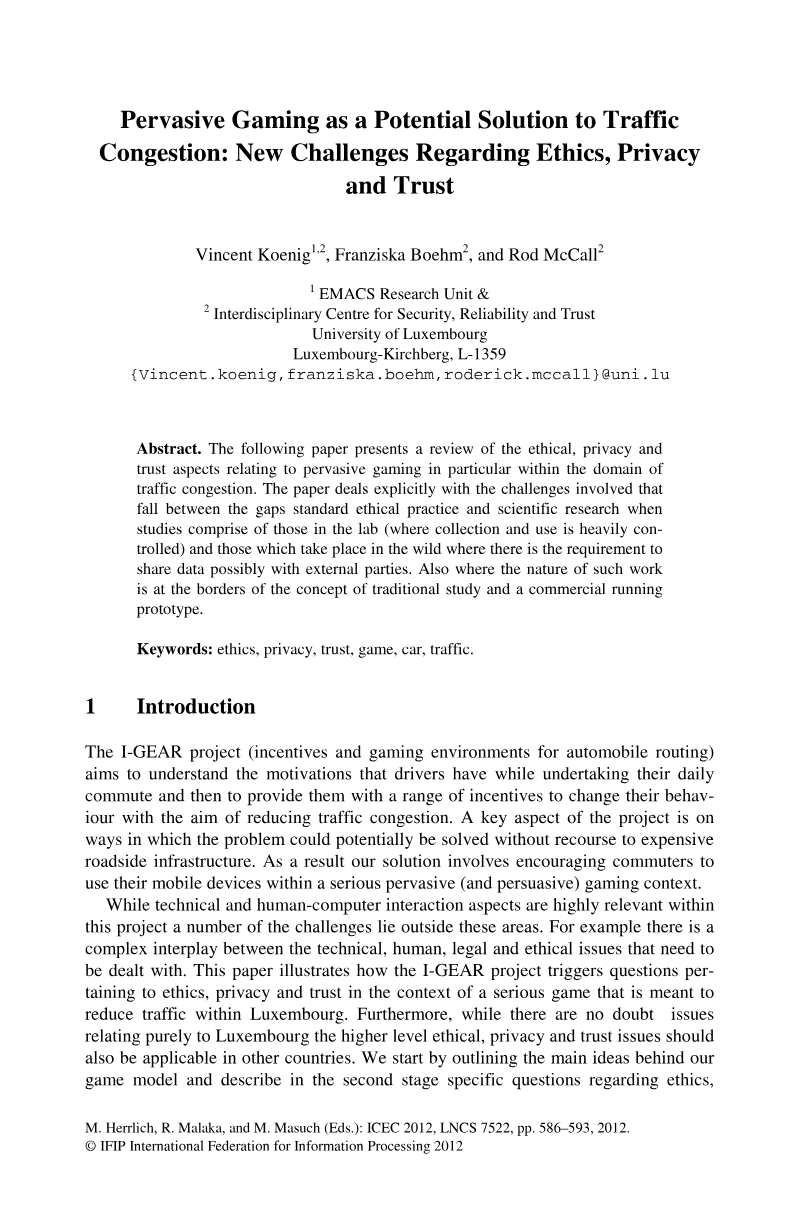
Whitepaper
Pervasive Gaming as a Potential Solution to Traffic Congestion: New Challenges Regarding Ethics, Privacy and Trust
University of Luxembourg · 2012
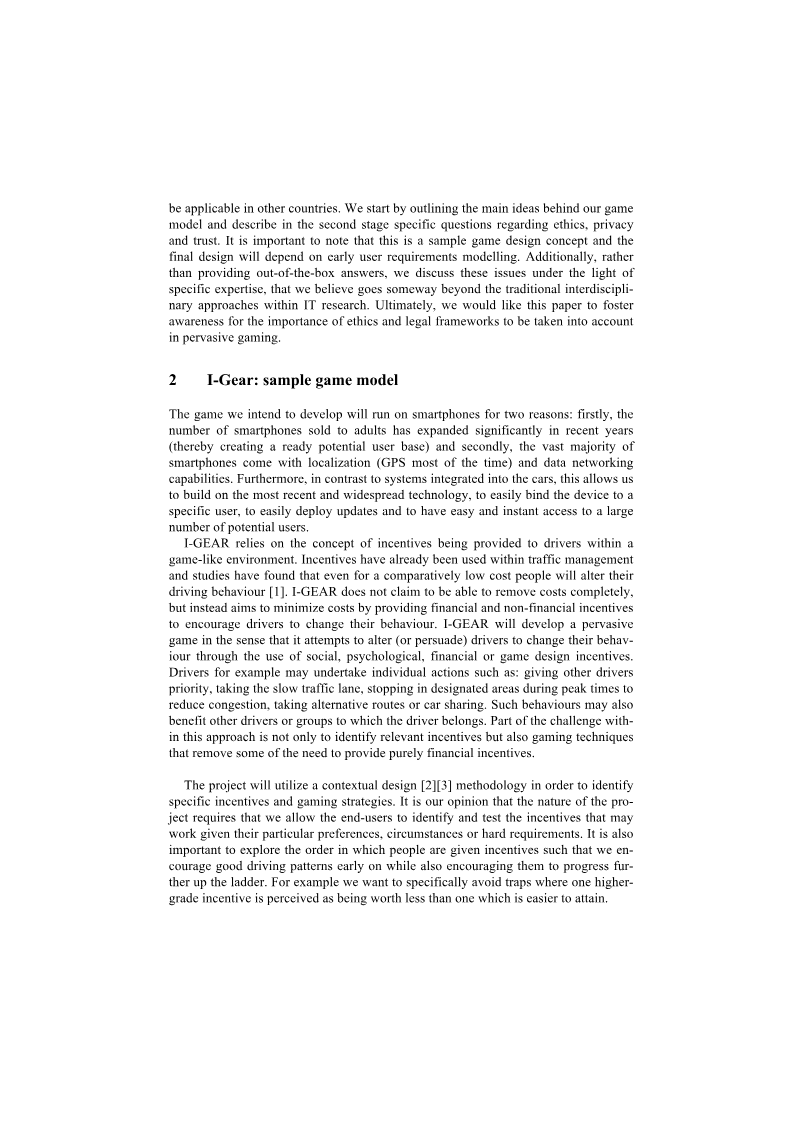
Whitepaper
Pervasive Gaming as a Potential Solution to Traffic Congestion: New Challenges Regarding Ethics, Privacy and Trust
University of Luxembourg · 2012
Whitepaper
Eliciting and Modelling Expertise for Serious Games in Project Management
University College London · 2011