1 free read left. Create a free account for unlimited reading + AI research.
Create free accountWhitepaper Springer
1 free read left. Create a free account for unlimited reading + AI research.
Create free accountWhitepaperSpringer
Electrodermal activity serves as a superior, objective metric for measuring player arousal compared to traditional subjective self-assessments. While self-reported data is frequently compromised by individual bias and contextual variability, tonic electrodermal activity provides a stable and reliable ground truth for emotion recognition models. This shift toward physiological monitoring allows for more consistent performance across diverse datasets, establishing a more rigorous foundation for affective computing in interactive entertainment.
Predictive modeling using XGBoost algorithms reveals a distinct hierarchy in the predictability of physiological signals. Tonic activity, representing slow-moving baseline arousal, achieves high predictive accuracy with median concordance correlation coefficients reaching approximately 0.9. In contrast, phasic activity—which captures rapid, event-specific responses—remains significantly more difficult to model, yielding lower accuracy. These findings indicate that current machine learning approaches are better equipped to capture long-term session trends than discrete, stimulus-driven physiological spikes.
The integration of temporal data into gameplay features is essential for enhancing model performance across all emotional targets. By incorporating session-level context alongside heart rate and facial electromyography, models demonstrate improved sensitivity to the nuances of player experience. This research, supported by an extensive foundation in psychophysiology and sensor-based signal processing, suggests that the future of player experience analysis lies in prioritizing objective physiological markers over subjective reporting. By focusing on tonic electrodermal activity and temporal feature engineering, developers and researchers can achieve more robust, scalable, and accurate insights into the emotional states of players during gameplay.

Springer · 2025
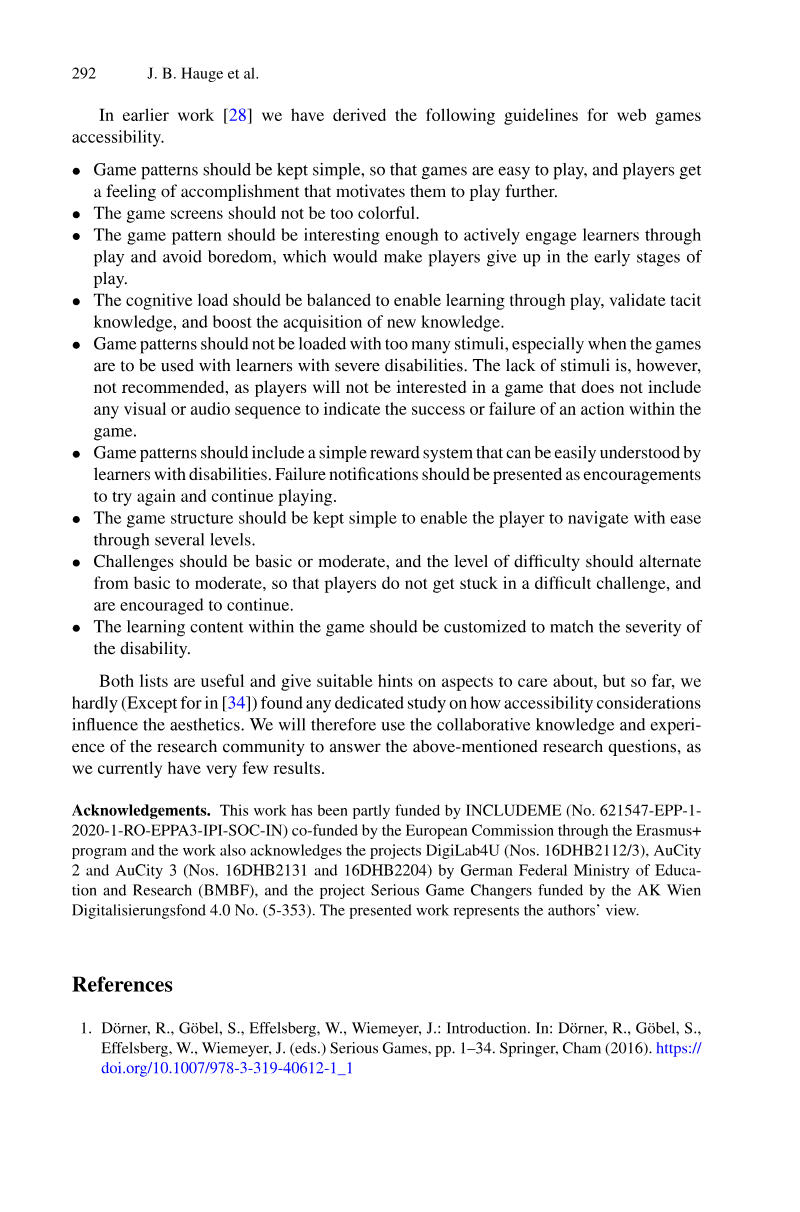
Springer · 2024


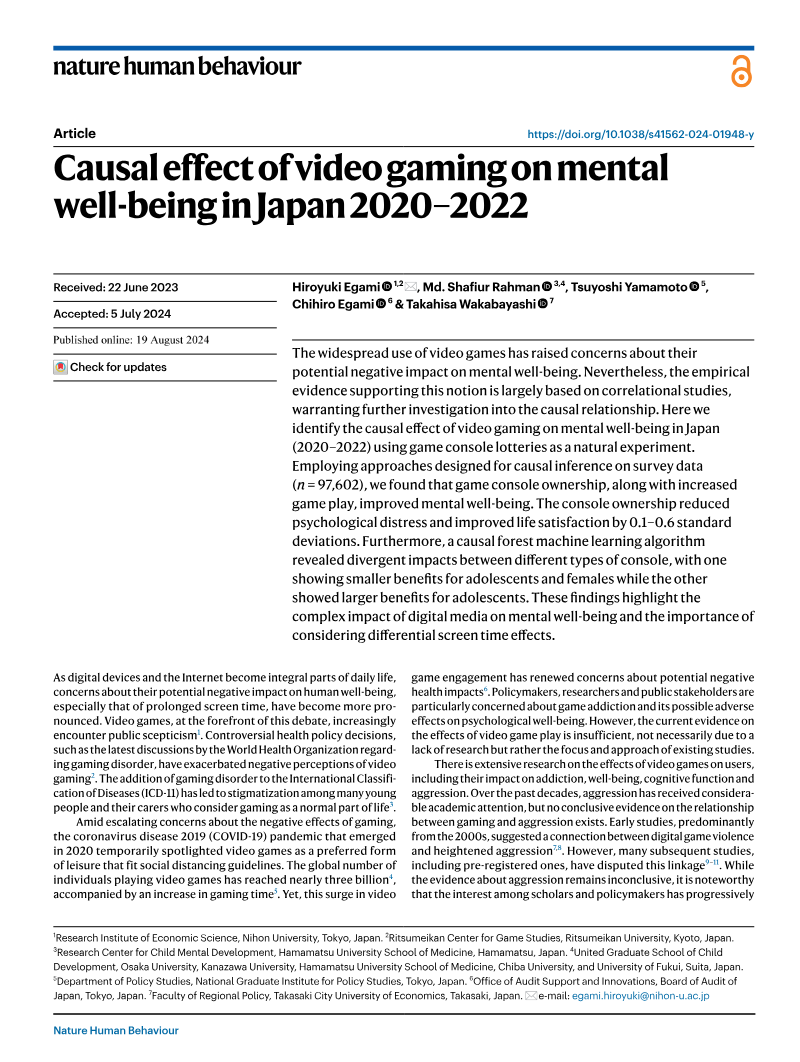
Springer Science and Business Media LLC · 2024
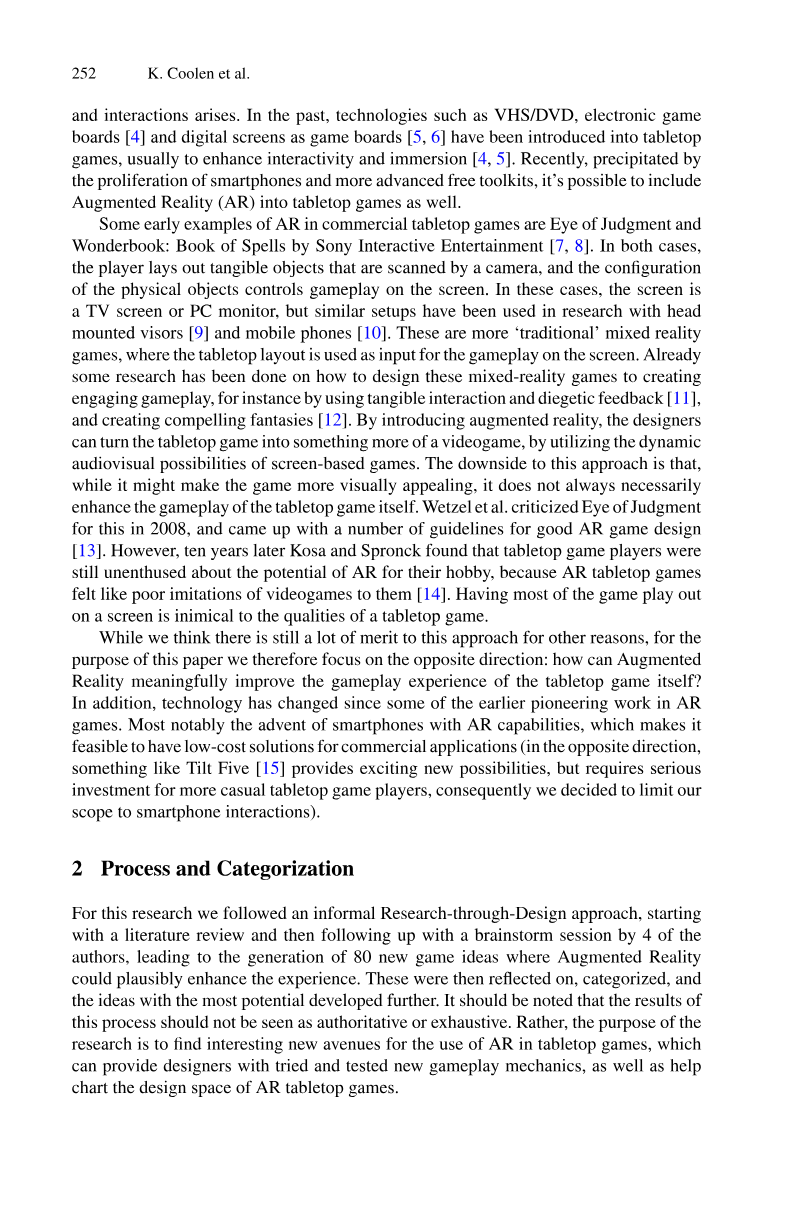
Springer · 2023
Springer · 2021

Springer · 2020

Springer · 2020
Springer · 2018
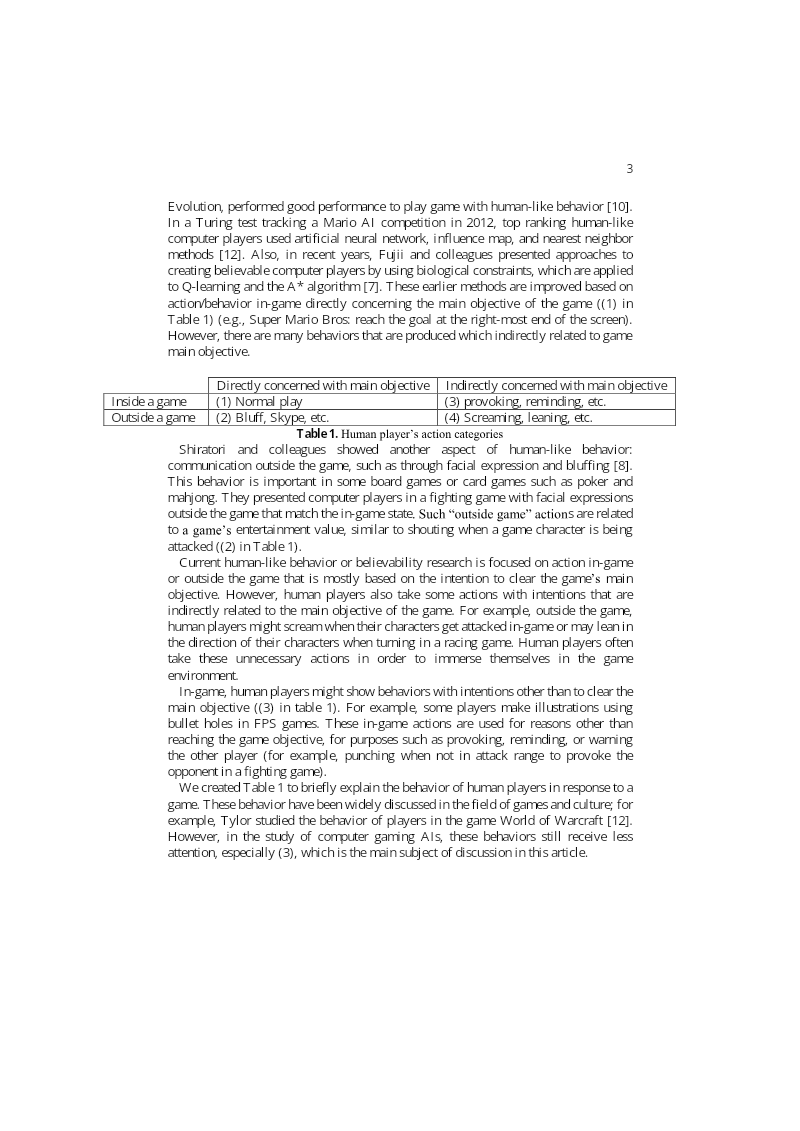
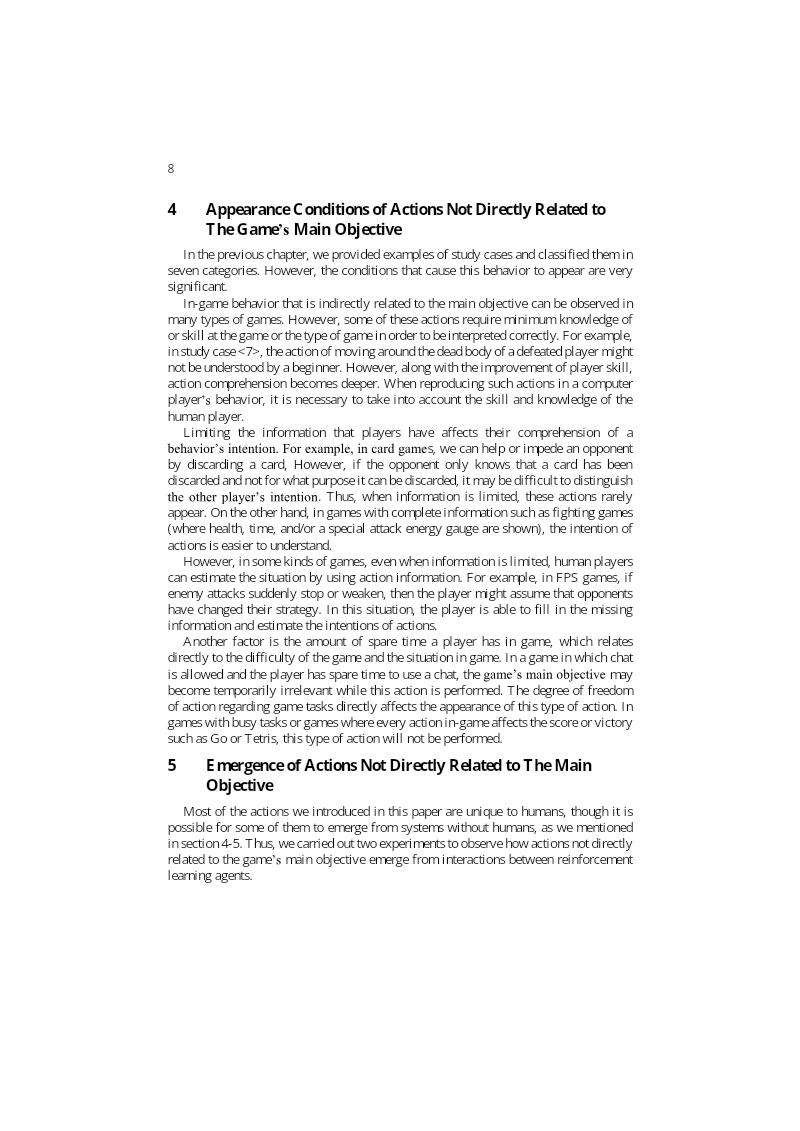

IFIP International Federation for Information Processing · 2017
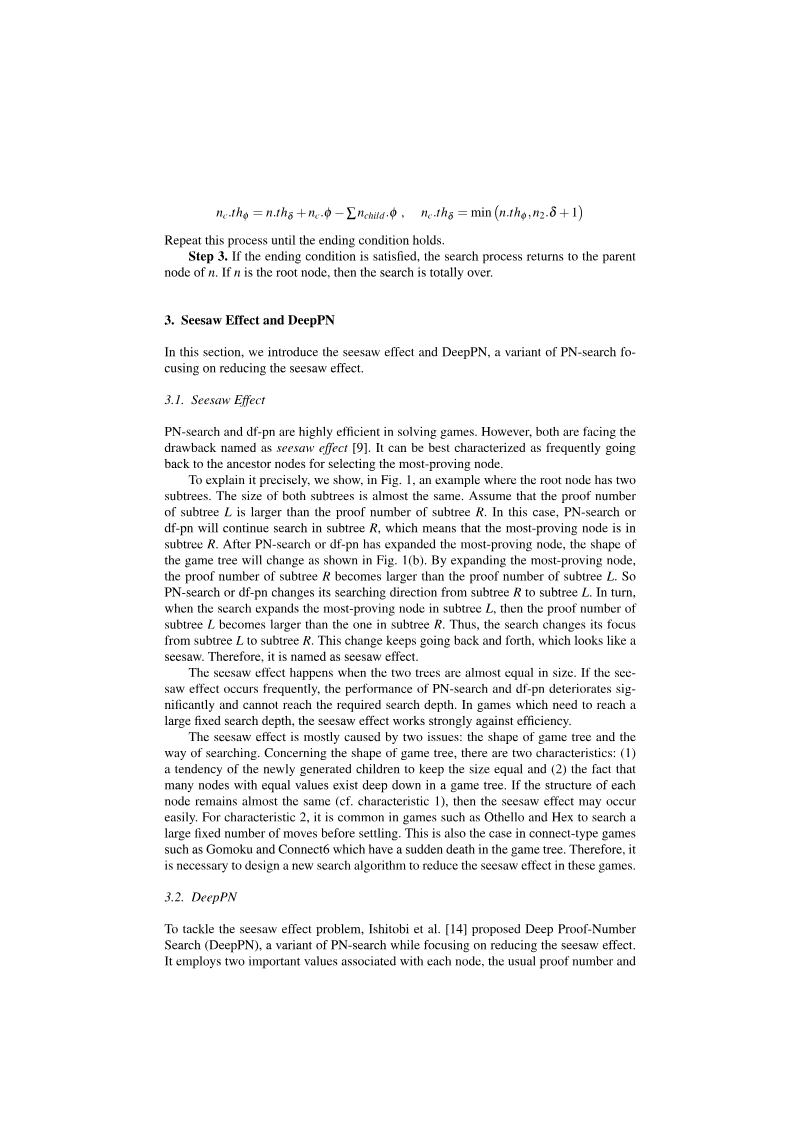
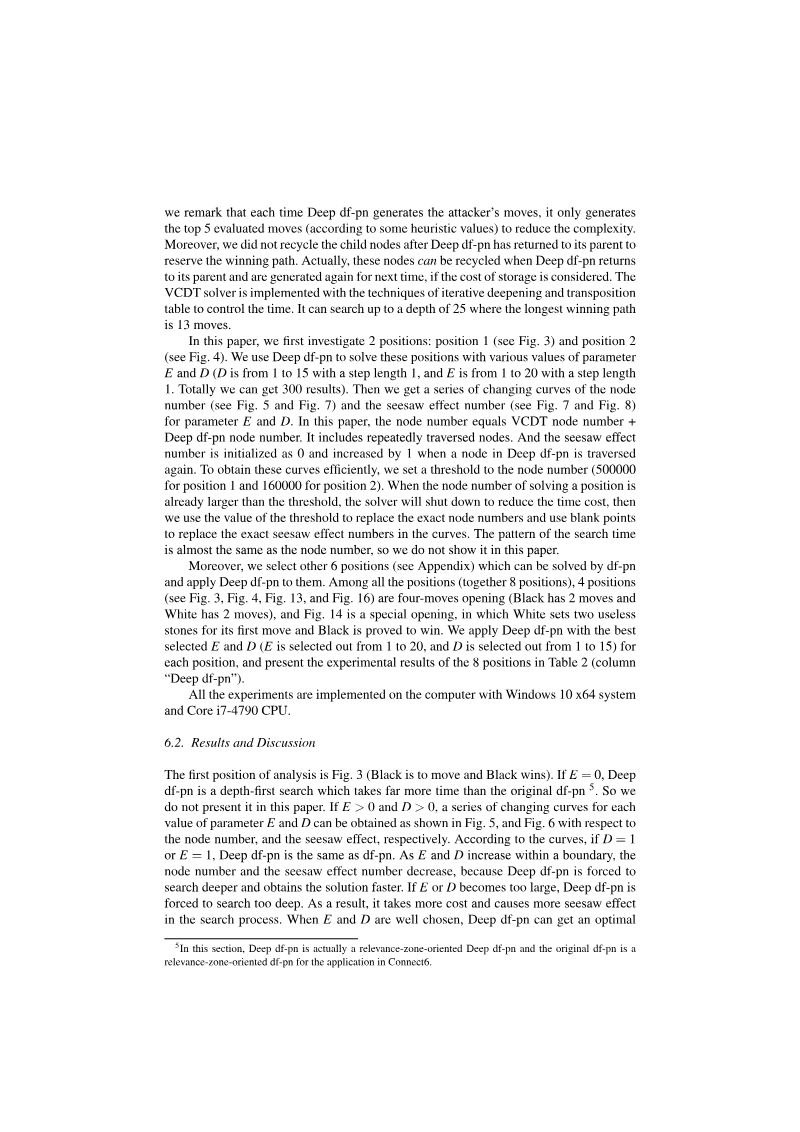

Springer · 2017
Springer · 2015

Springer · 2015
Maastricht University · 2023