1 free read left. Create a free account for unlimited reading + AI research.
Create free accountWhitepaper Northeastern University
1 free read left. Create a free account for unlimited reading + AI research.
Create free accountWhitepaperNortheastern University
EvolvingBehavior introduces a genetic programming framework integrated into Unreal Engine 4 designed to facilitate the co-creative development of non-player character (NPC) behavior trees. By allowing designers to define custom fitness functions and node libraries, the system automates the generation of complex AI logic while maintaining the structural integrity and readability typical of hand-crafted designs. The primary thesis posits that evolutionary algorithms can serve as a viable partner in the game development process, providing inspectable, high-performing behavior trees that function as effective starting points for further human refinement.
Quantitative and qualitative evaluations demonstrate that evolved agents consistently outperform random baselines, exhibiting sophisticated patrolling and chasing behaviors that mirror the efficacy of human-designed counterparts. Statistical analysis via the Friedman test confirms significant performance variations, validating the utility of tournament selection, elitism, and mutation operators in optimizing AI logic. Although defining precise fitness metrics remains a complex challenge, the resulting behavior trees successfully avoid the excessive code bloat often associated with automated program synthesis, ensuring that the output remains accessible for developer iteration.
The scope of this research encompasses the intersection of computational intelligence and game design, specifically targeting the optimization of behavior trees within modern game engine environments. While the current implementation proves that evolutionary approaches can produce competitive AI, the findings highlight a critical need for improved user-centric design to support non-expert developers. Future advancements must focus on refining evolutionary parameters, mitigating the risk of local maxima, and enhancing the scalability of the co-creative process. Ultimately, this approach offers a promising pathway for integrating automated intelligence into professional game development workflows, provided that usability and architectural flexibility continue to evolve alongside the underlying algorithms.
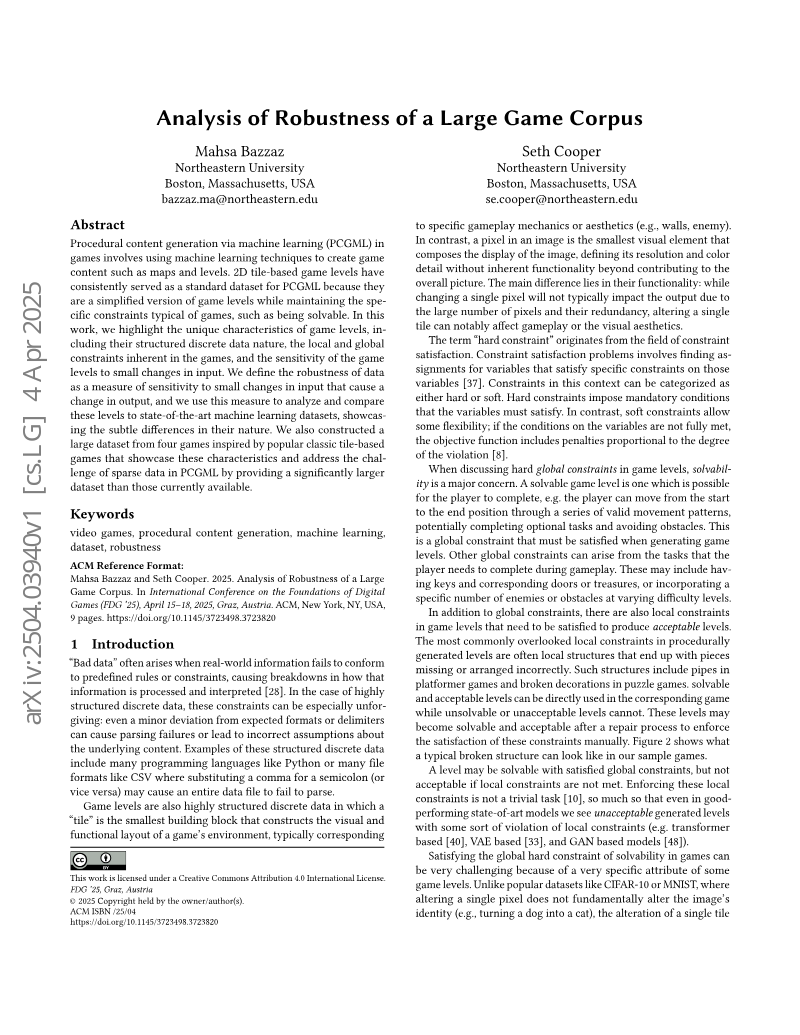
Northeastern University · 2025
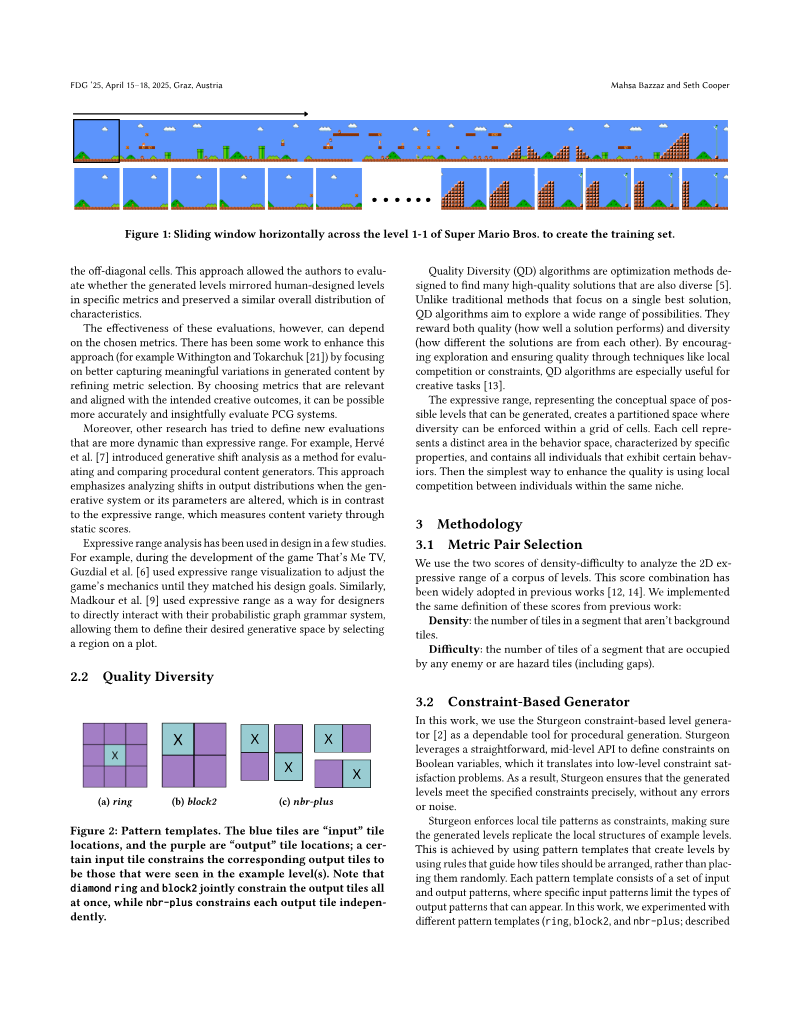
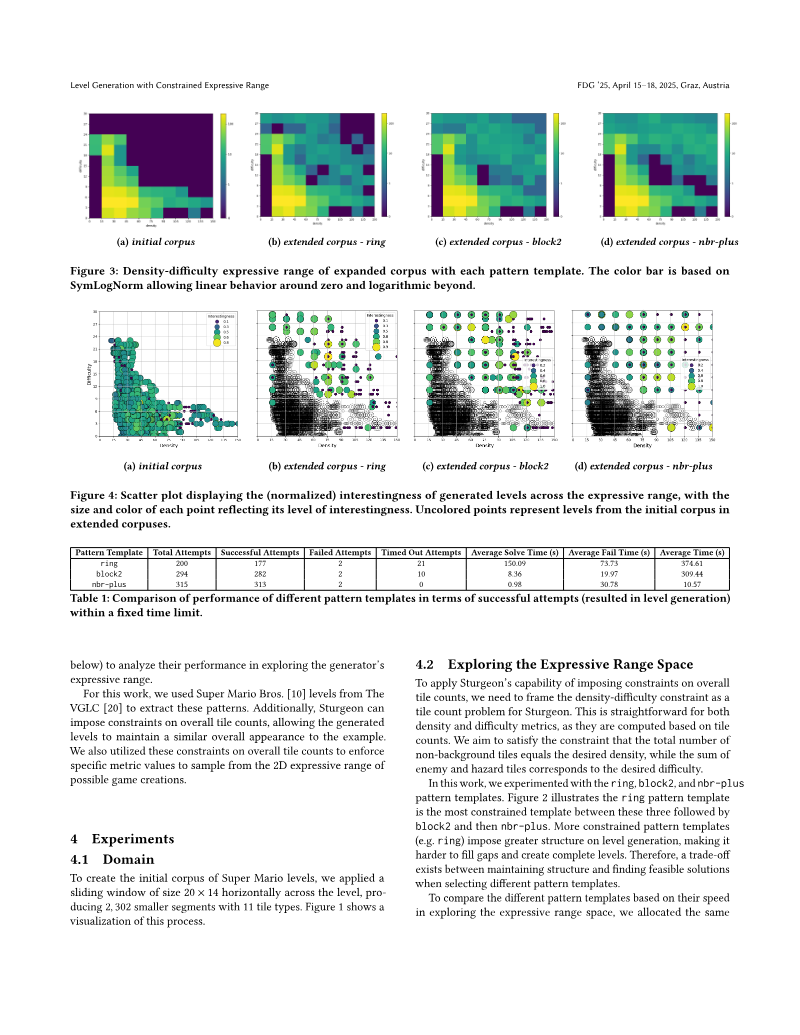
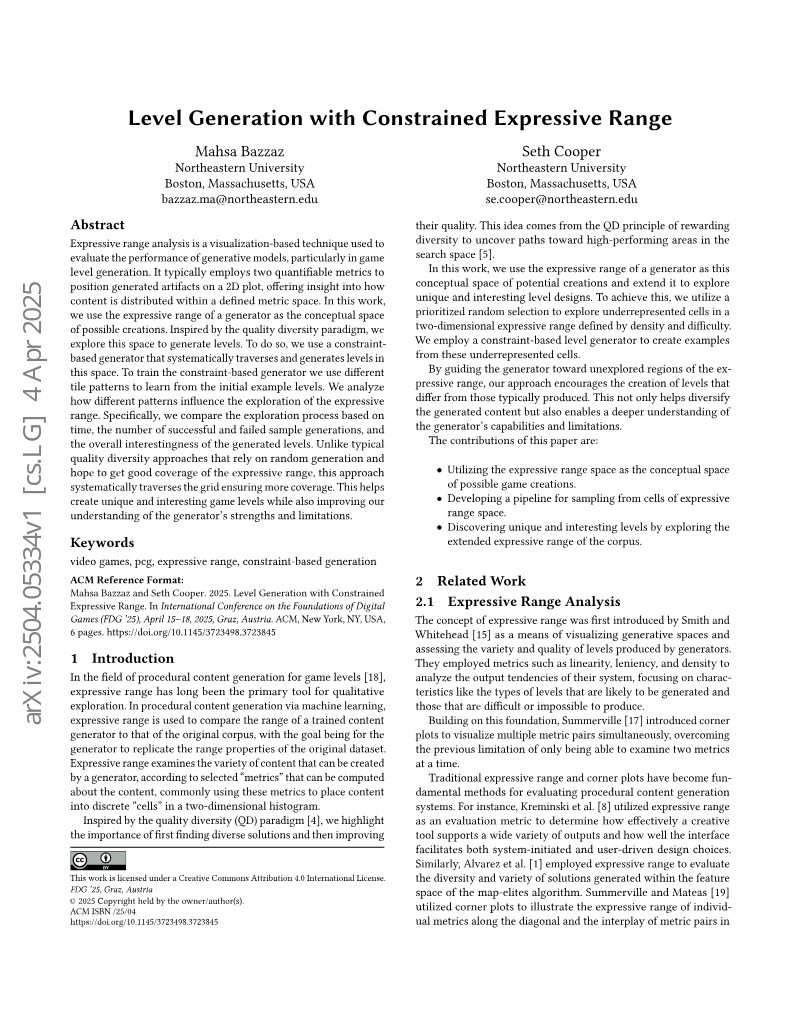
Northeastern University · 2025
Northeastern University · 2025
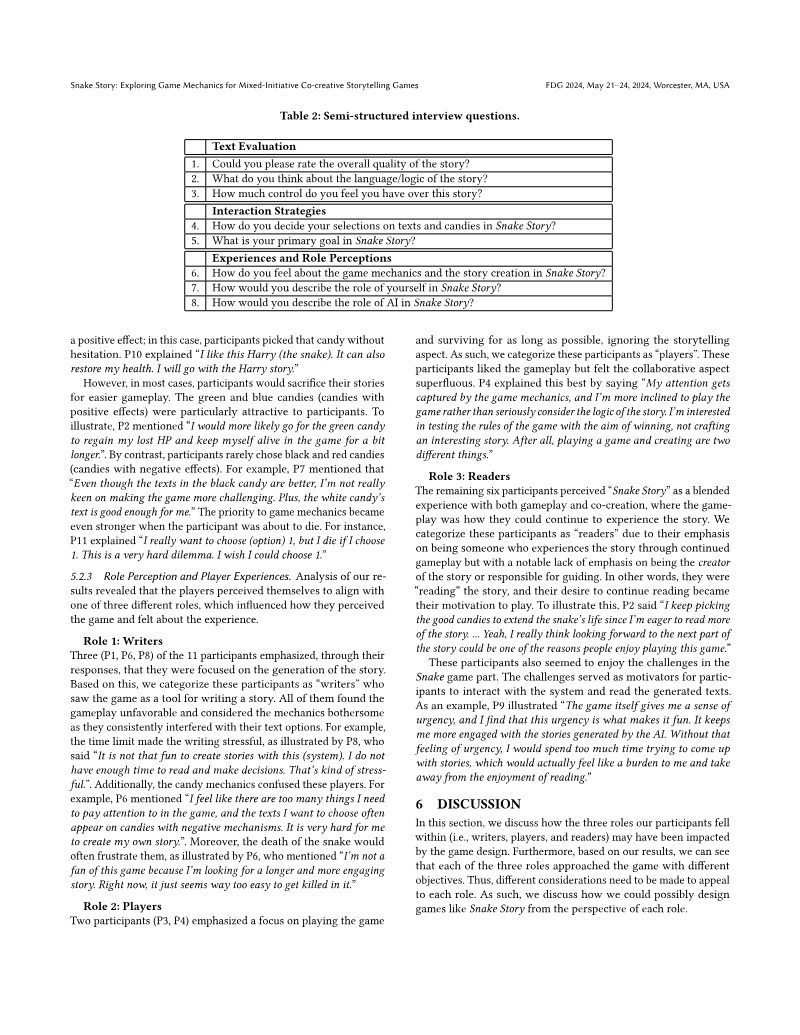
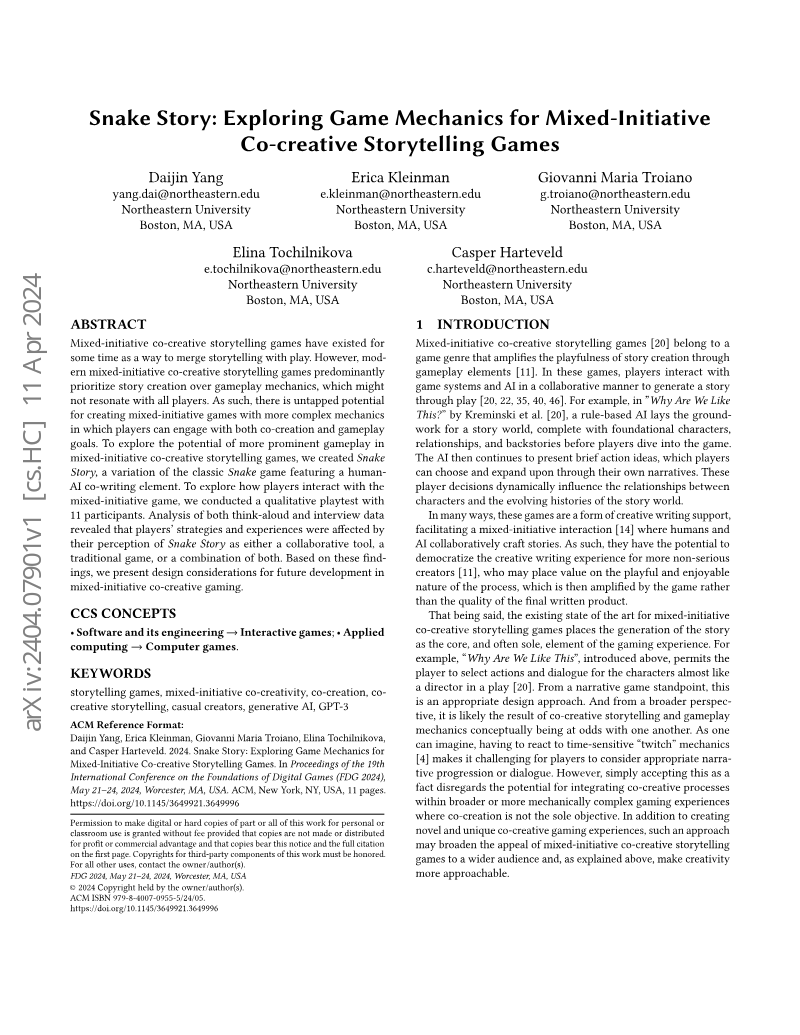
Northeastern University · 2024
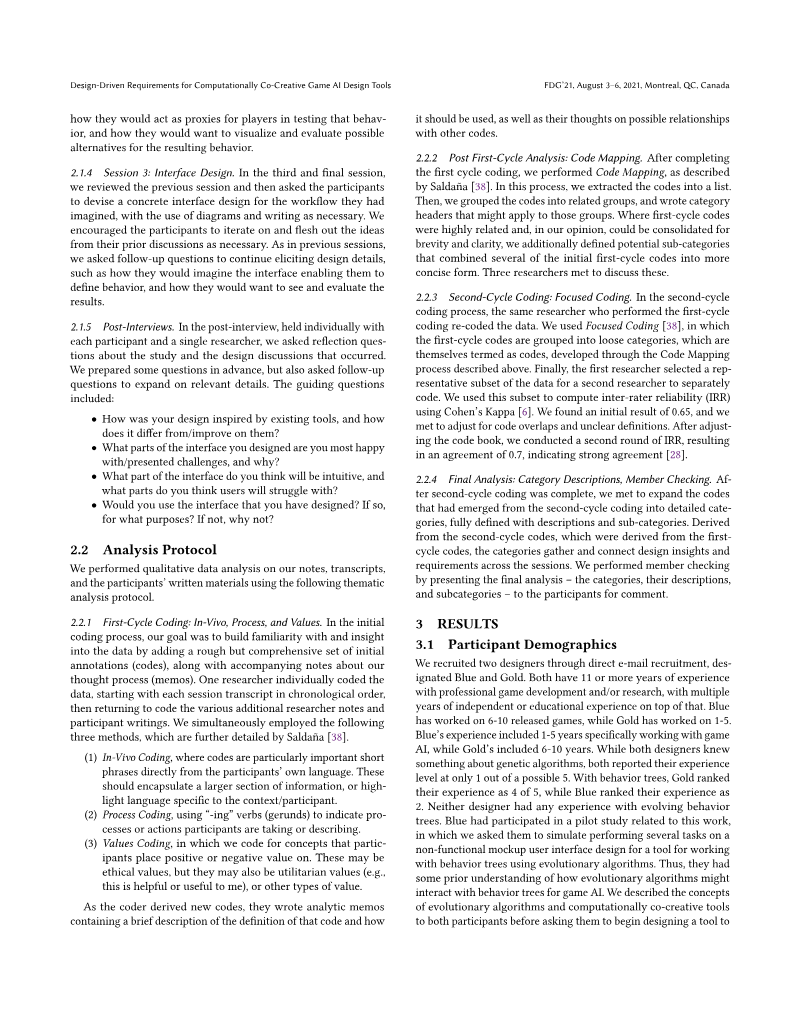
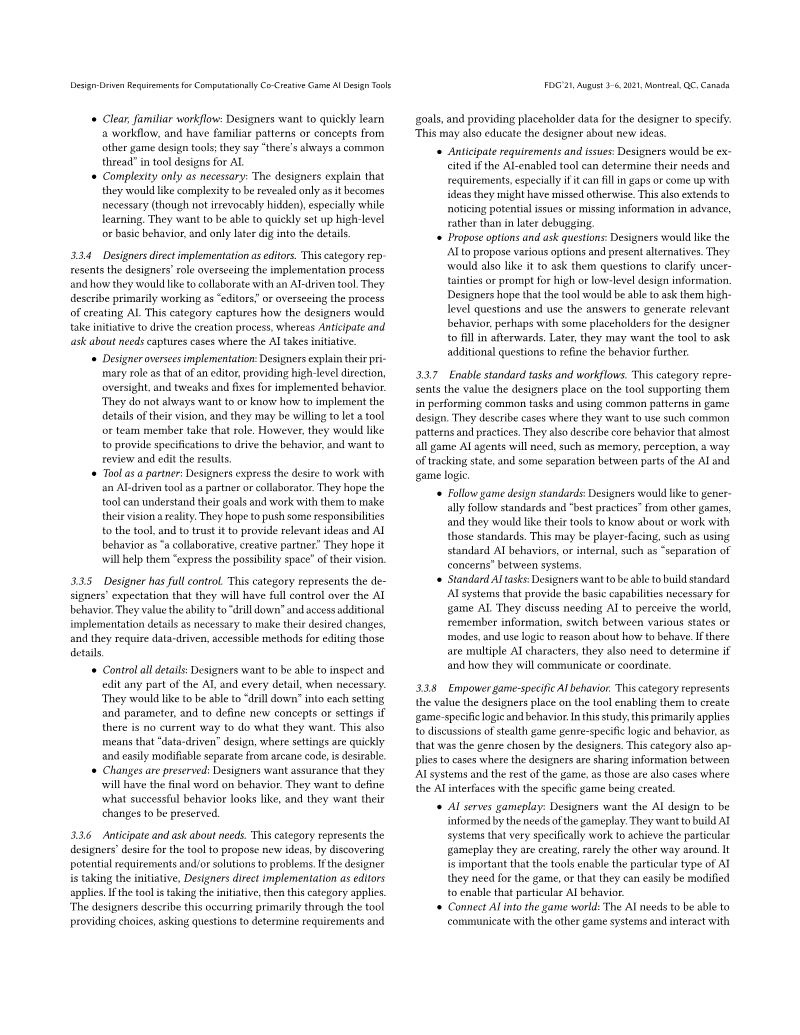
Northeastern University · 2021
Northeastern University · 2021
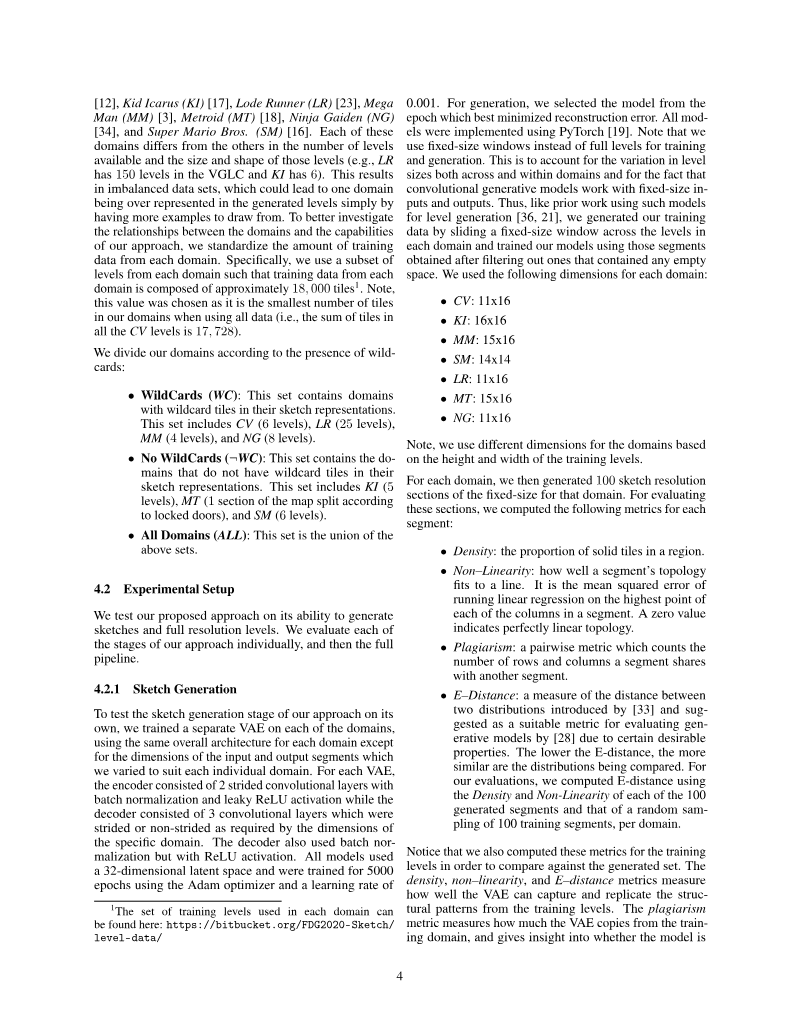
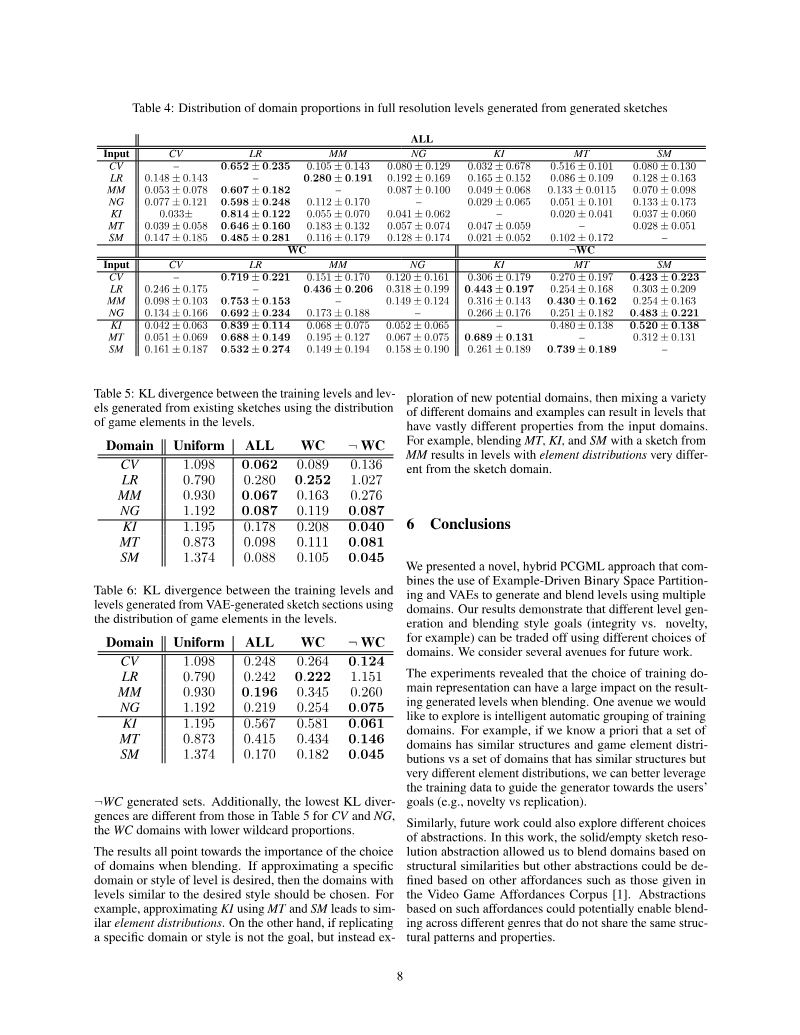
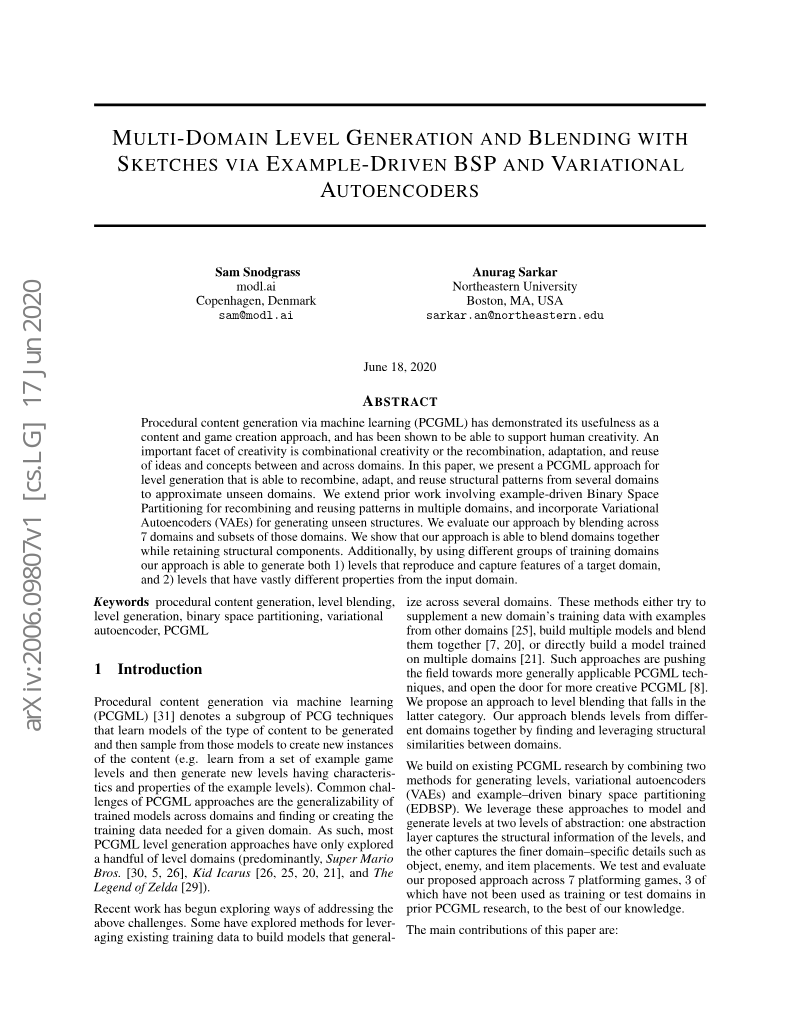
modl.ai · 2020
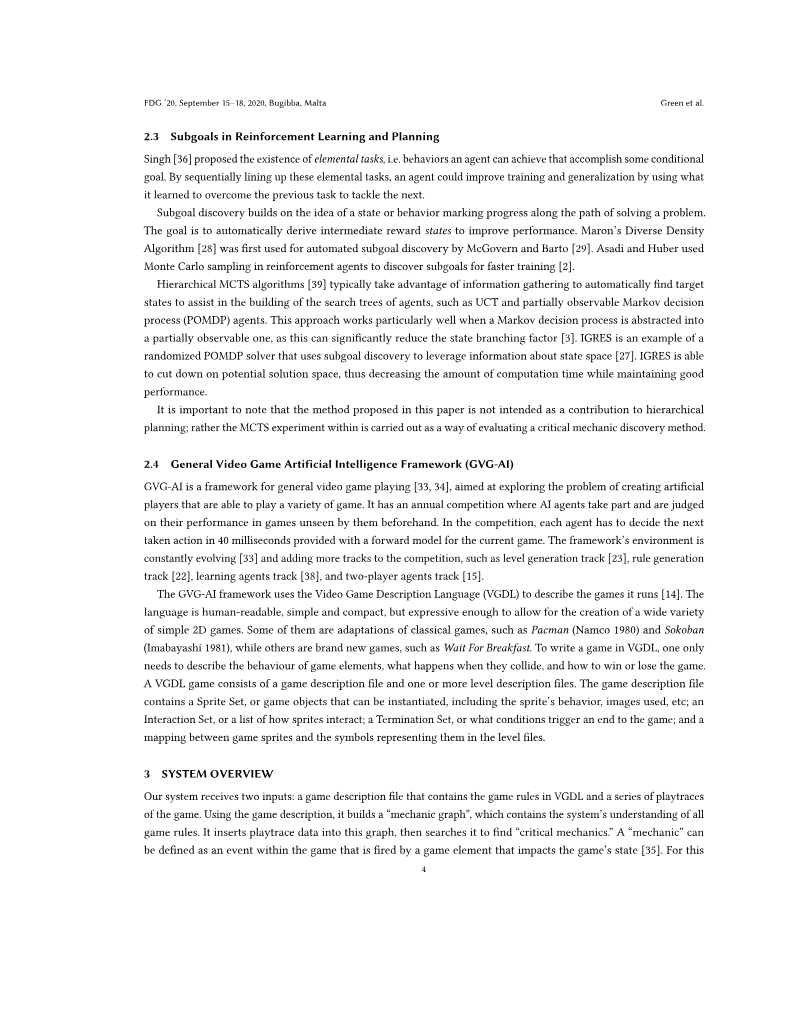
New York University · 2020
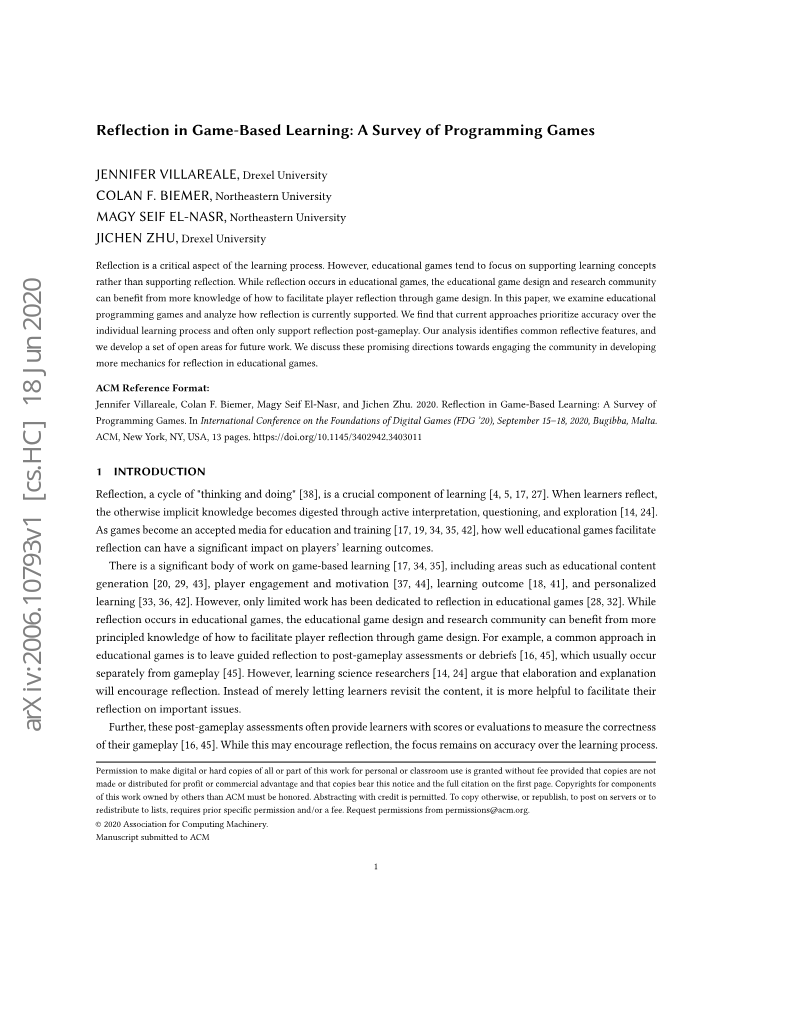
Drexel University · 2020
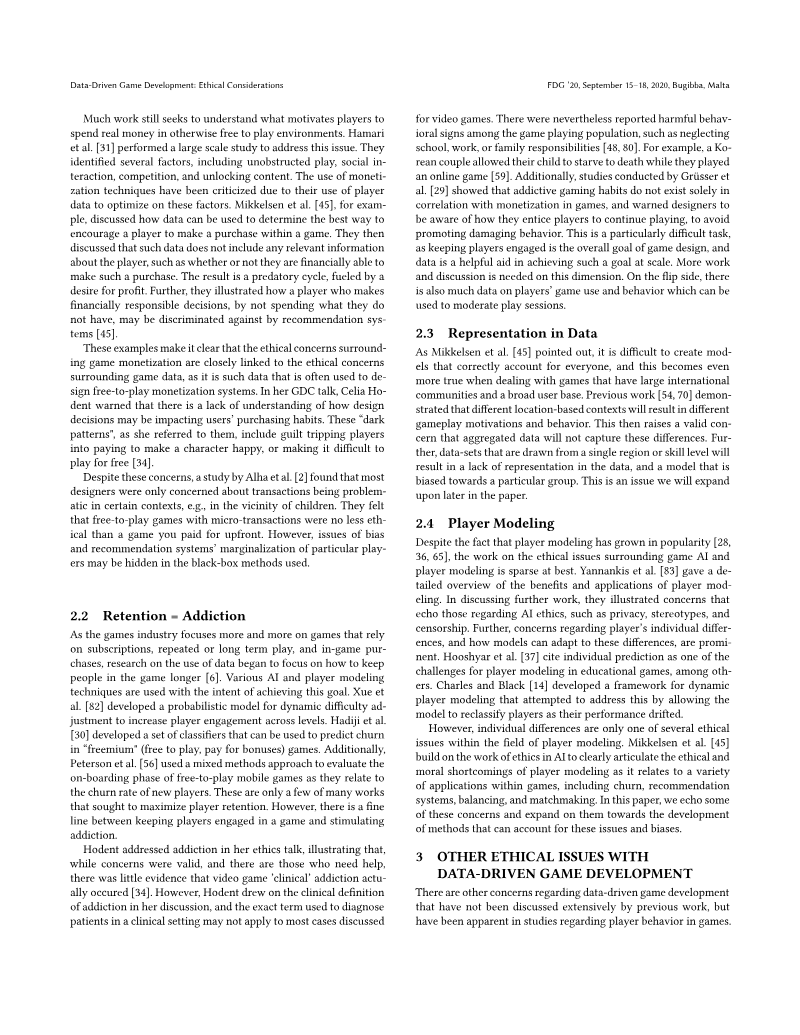
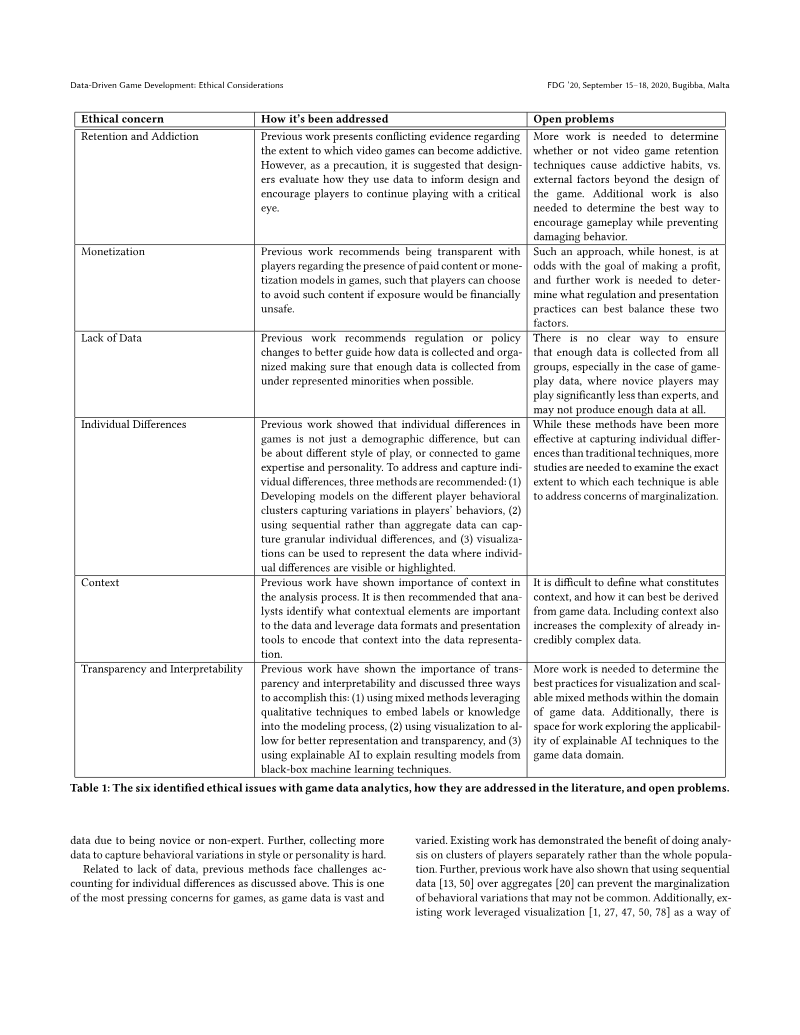
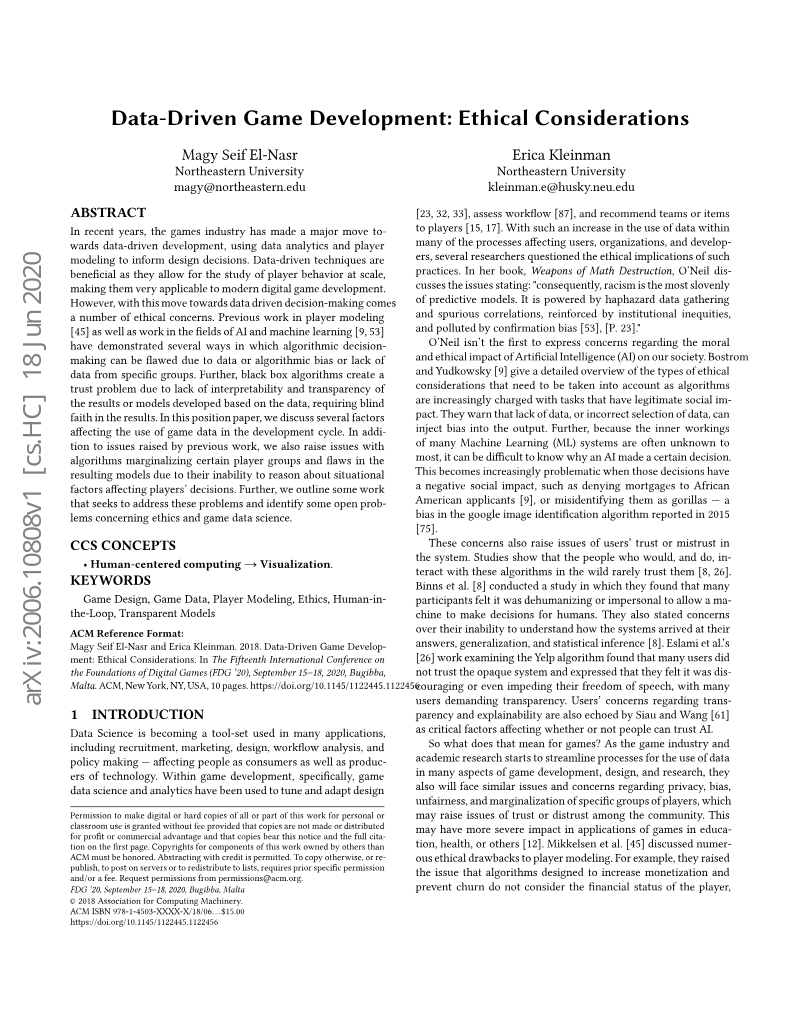
Northeastern University · 2020
Northeastern University · 2020
Thomas Brush · 2025