1 free read left. Create a free account for unlimited reading + AI research.
Create free accountWhitepaper Northeastern University
1 free read left. Create a free account for unlimited reading + AI research.
Create free accountWhitepaperNortheastern University
The integration of Variational Autoencoders with the MAP-Elites quality-diversity algorithm provides a robust framework for procedural content generation in platformer games. By utilizing the latent space of a VAE as a structured evolutionary search space, this hybrid approach, known as Blend-Elites, enables the systematic discovery of diverse and playable level segments. This methodology moves beyond traditional latent variable evolution by offering designers granular control over the generation process, allowing for the intentional blending of stylistic and mechanical elements across different game environments.
The effectiveness of this approach is validated through its application to five distinct NES-era platformers. The system successfully illuminates specific regions within the latent space, identifying configurations that are not only aesthetically varied but also functionally compatible with multiple game agents. By mapping these elite levels, the process demonstrates a high degree of adaptability, proving capable of synthesizing complex, playable content that bridges the gap between disparate game titles.
Ultimately, this research establishes a scalable method for content creation that prioritizes both quality and diversity. The ability to blend latent spaces allows for the generation of novel level designs that retain the core mechanics of the source material while introducing unique structural variations. This technique offers a significant advancement for game developers seeking to automate the production of diverse, high-quality assets while maintaining strict control over the final output, effectively bridging the gap between machine-driven generation and intentional design.
Northeastern University · 2025
Northeastern University · 2025
Northeastern University · 2025
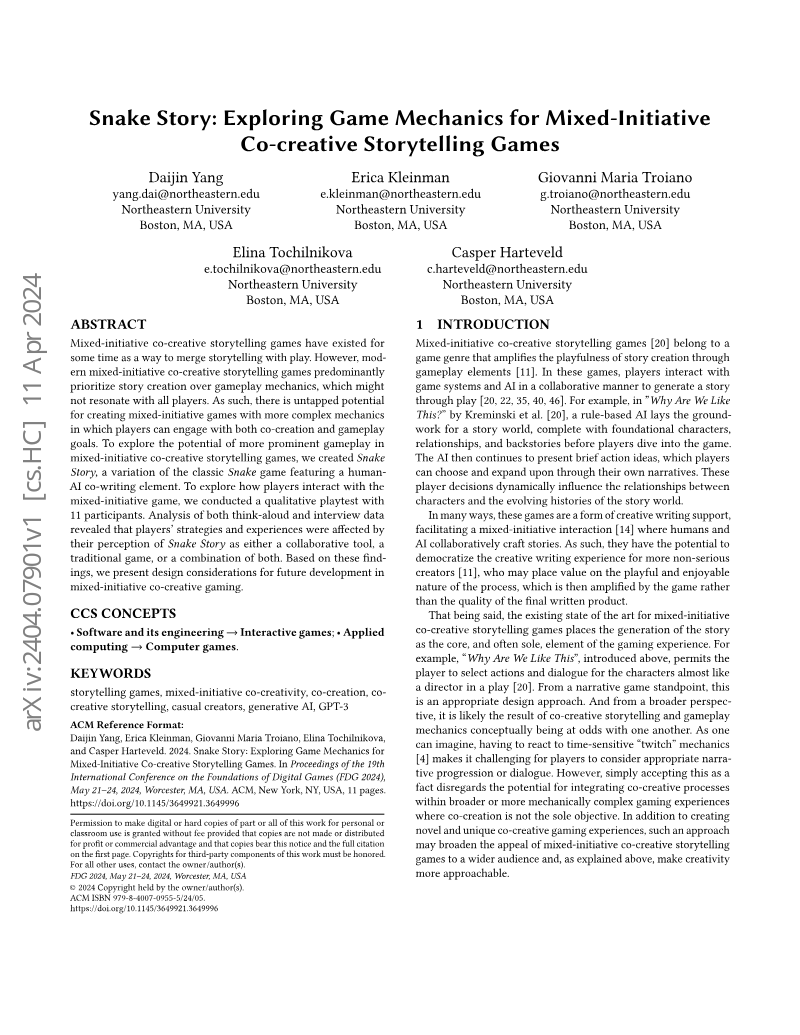
Northeastern University · 2024
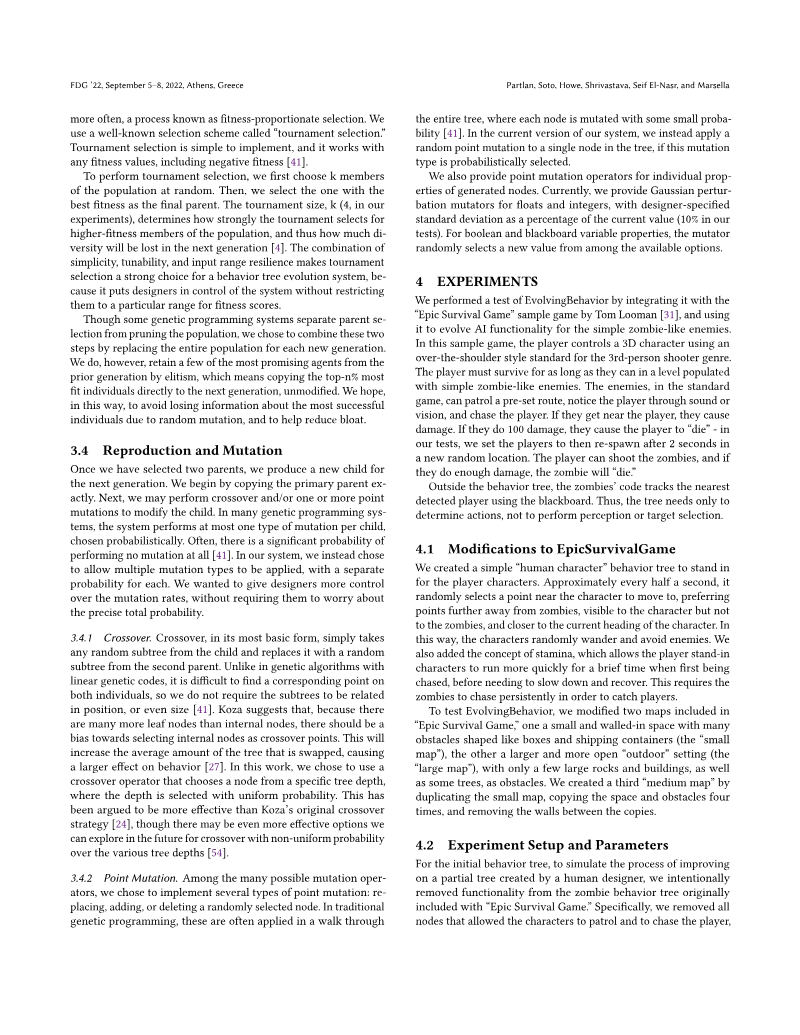
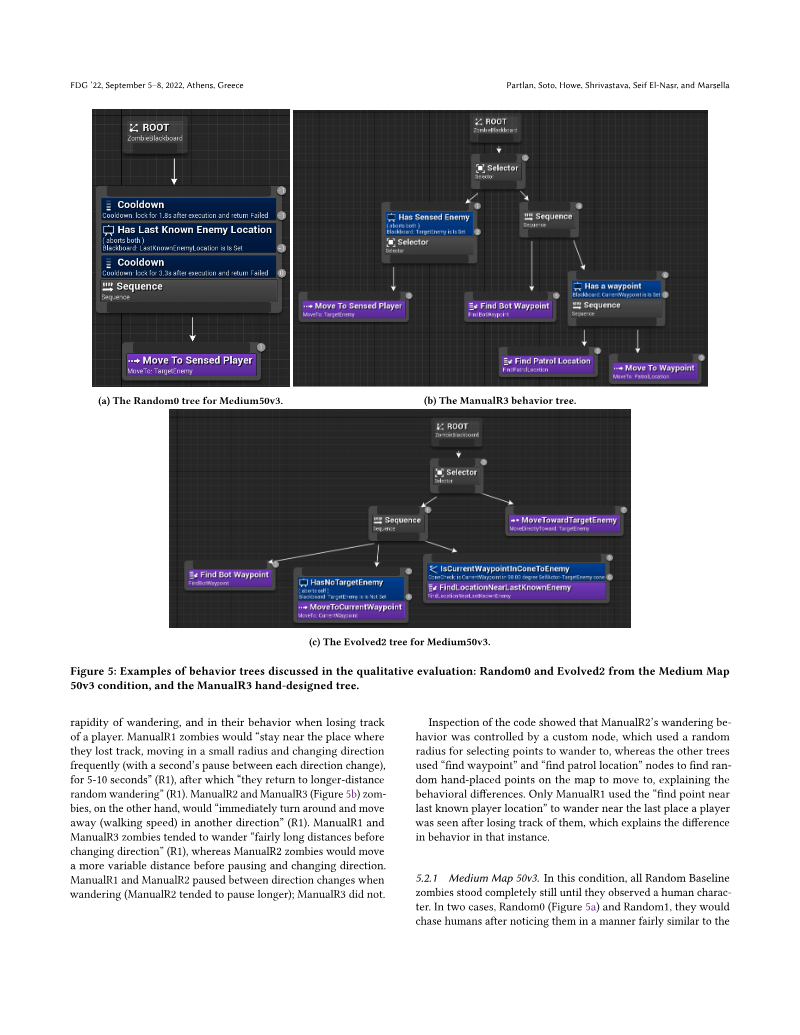
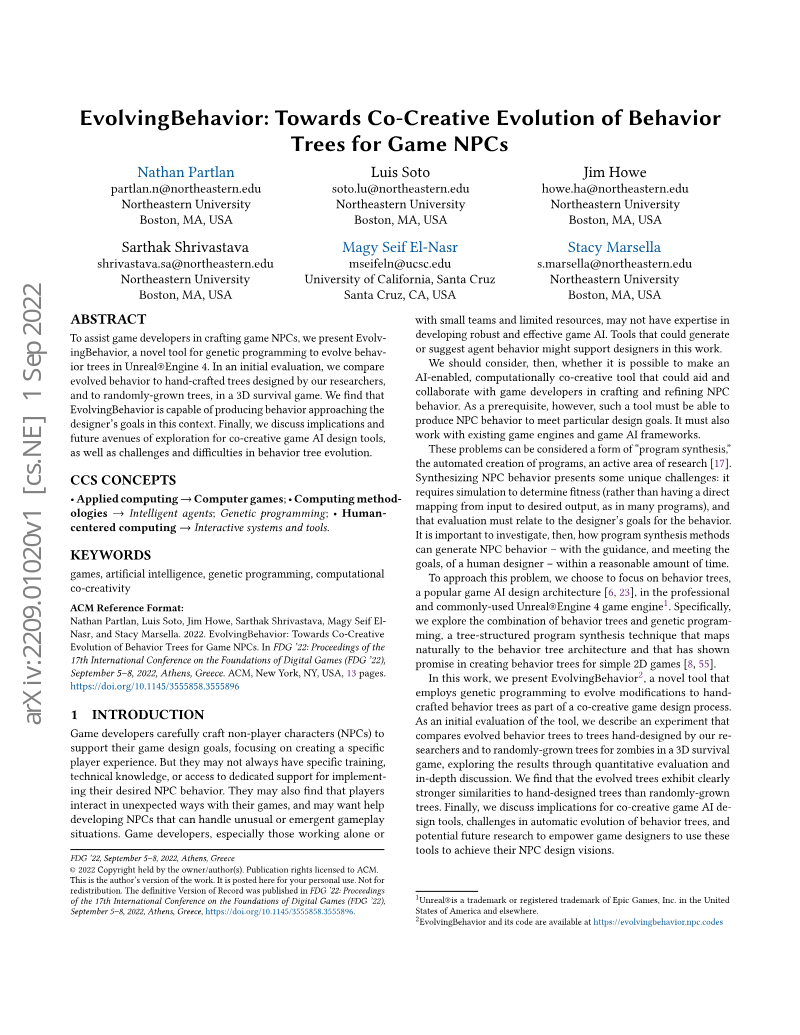
Northeastern University · 2022
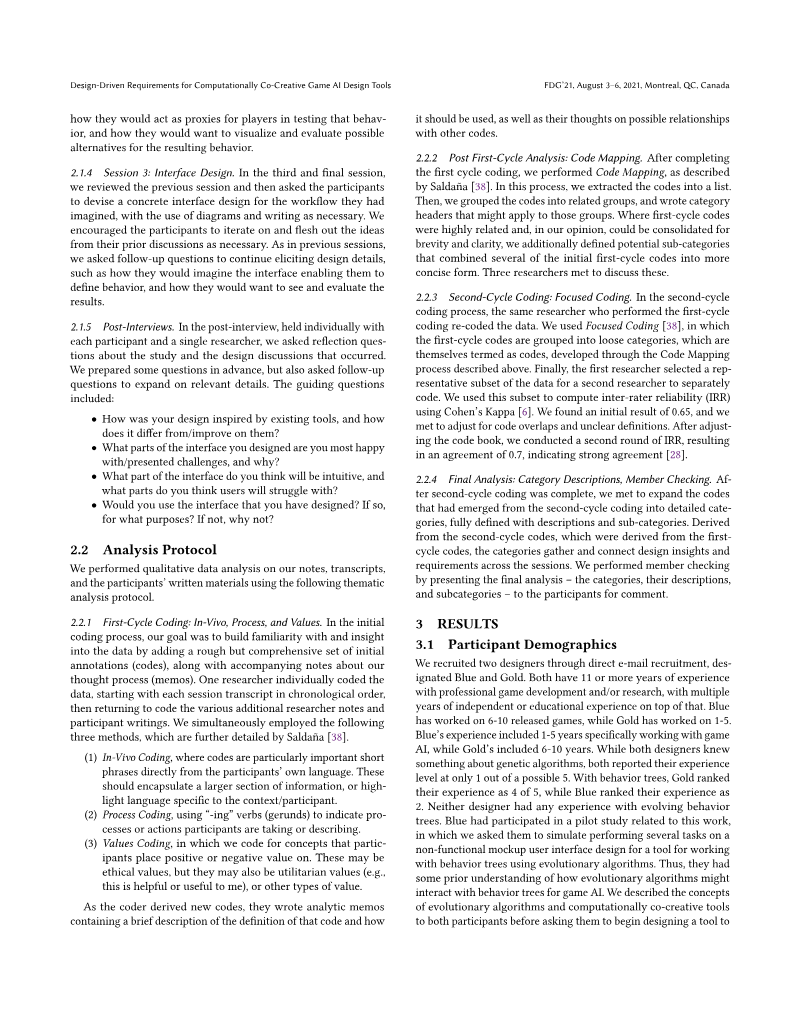
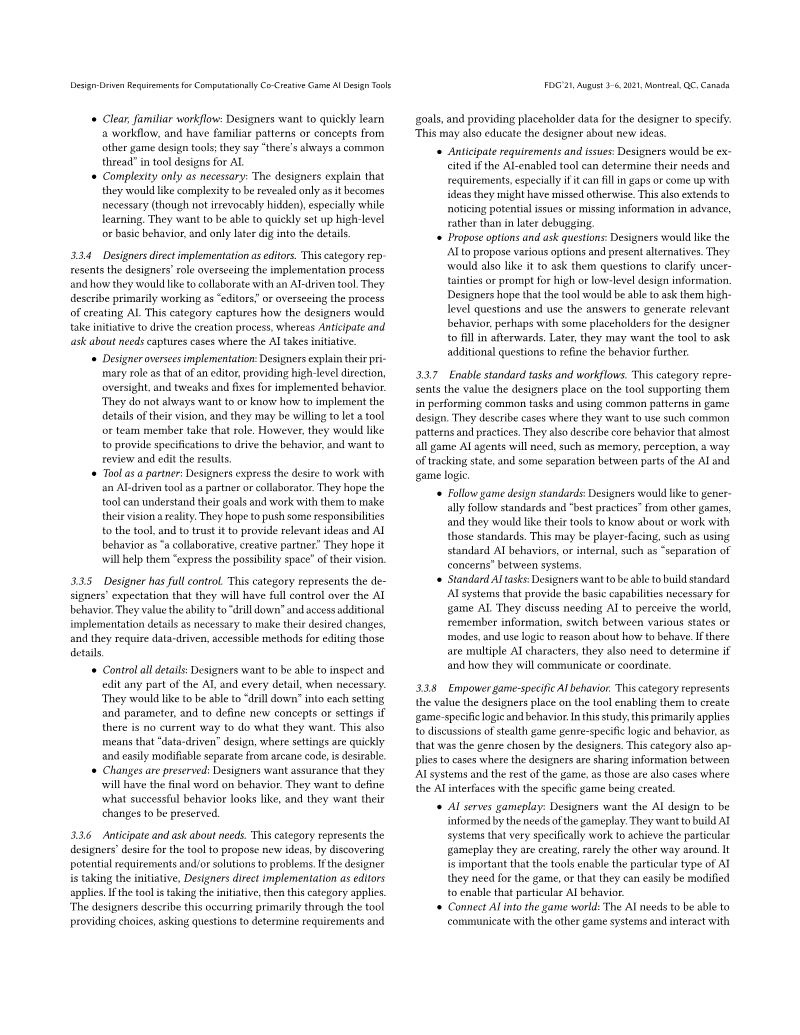
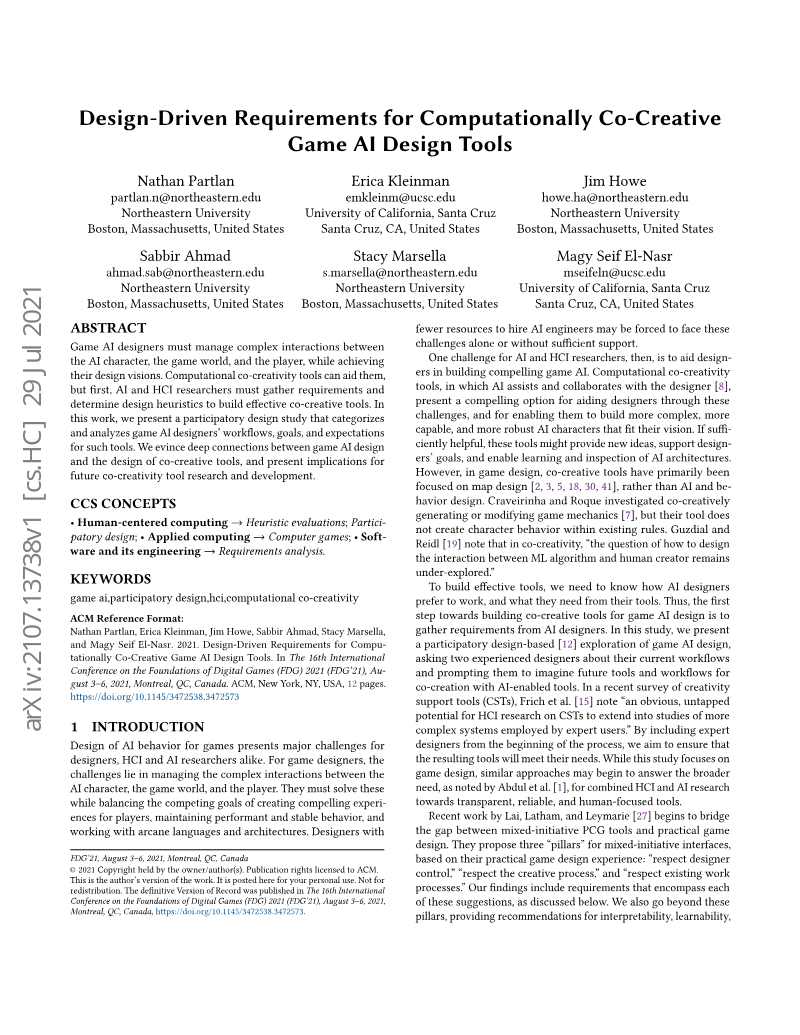
Northeastern University · 2021
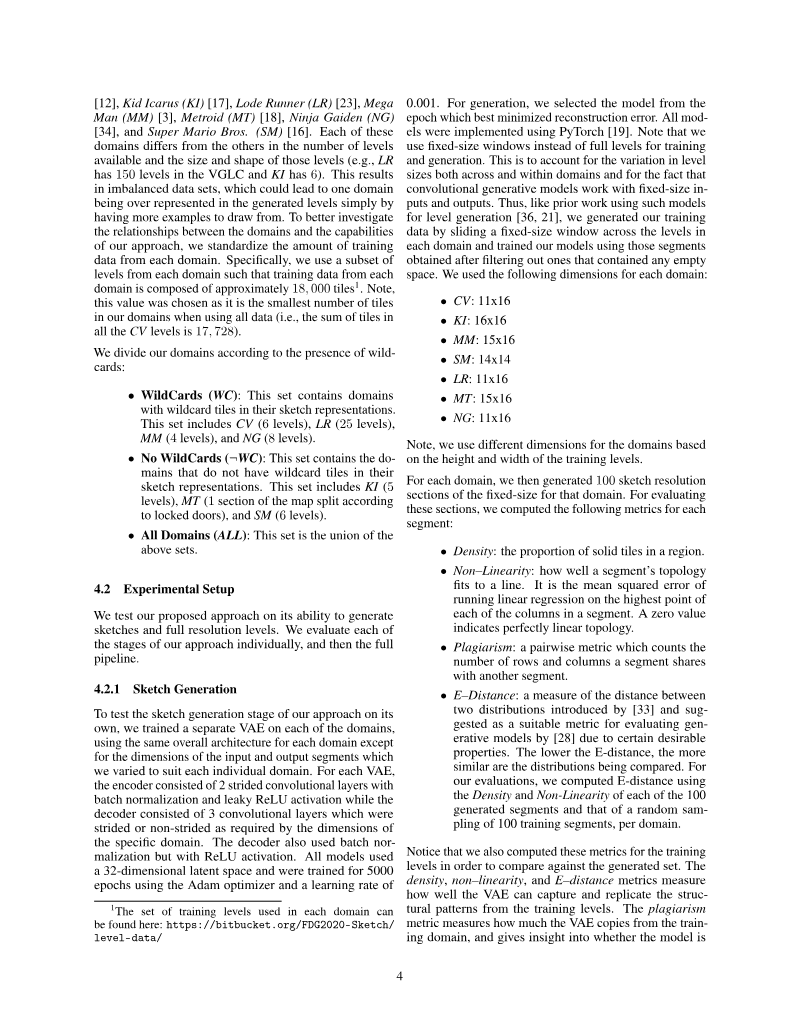
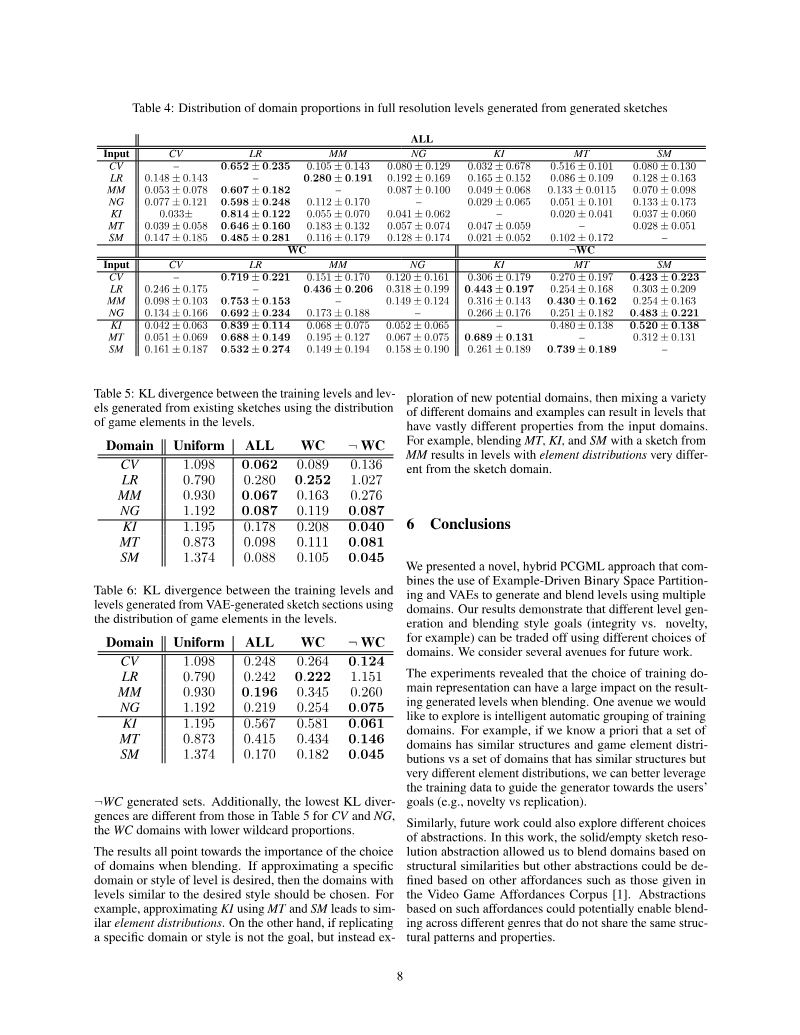
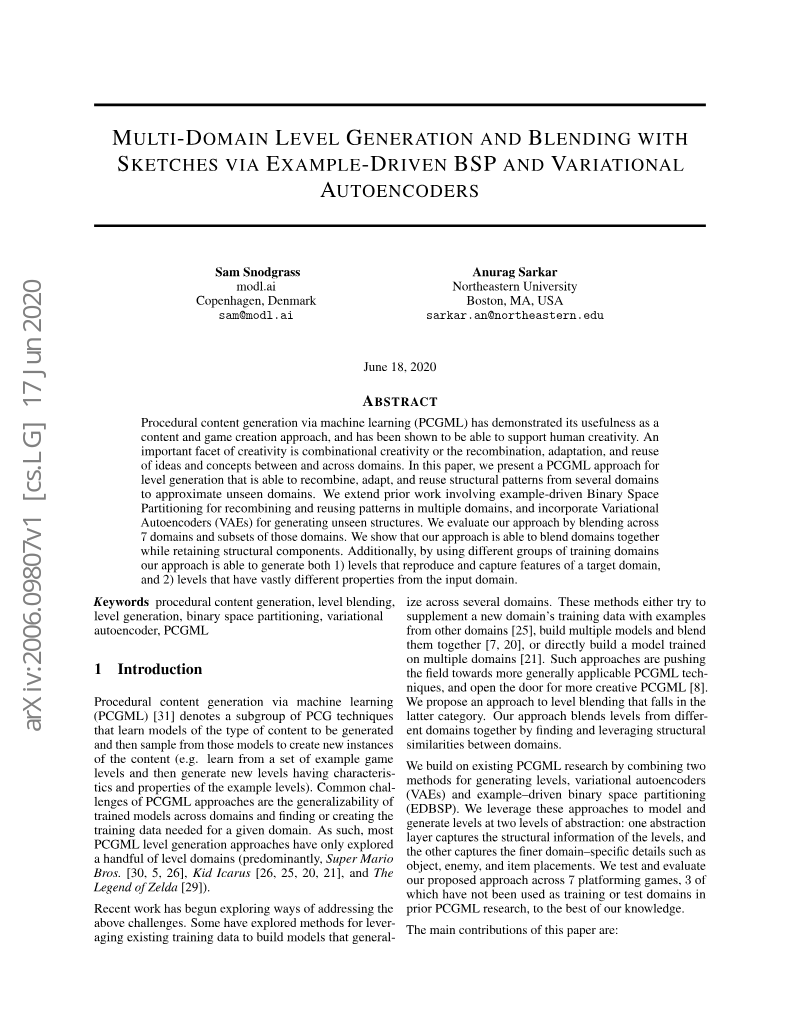
modl.ai · 2020
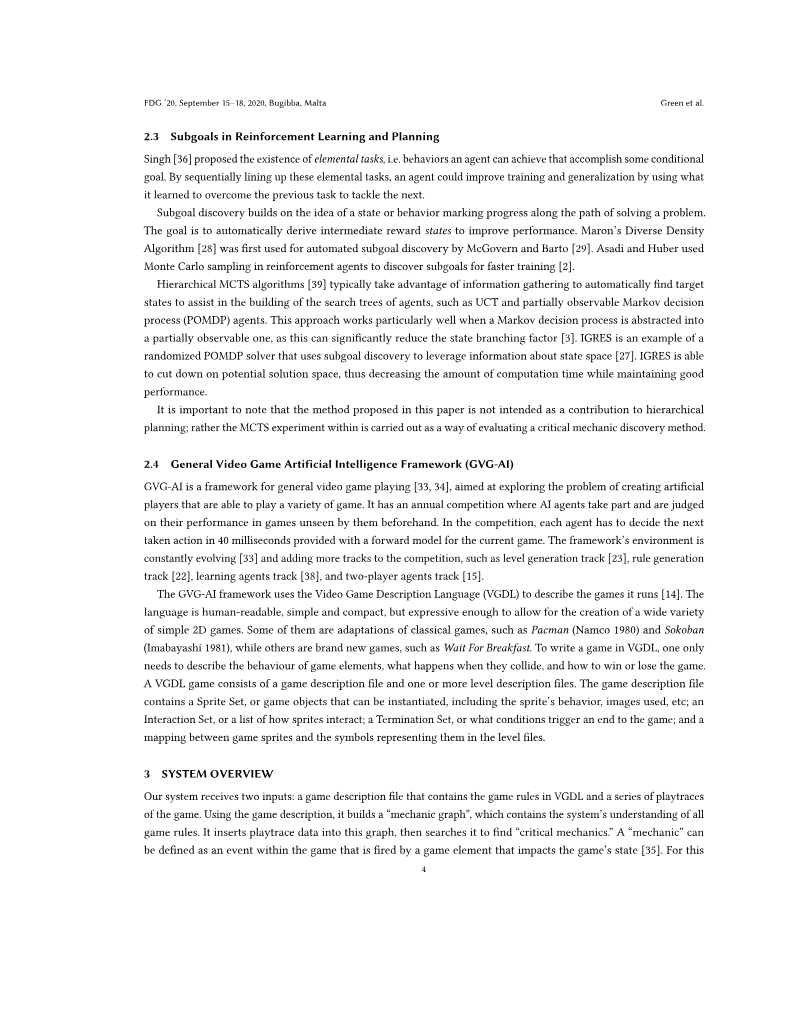
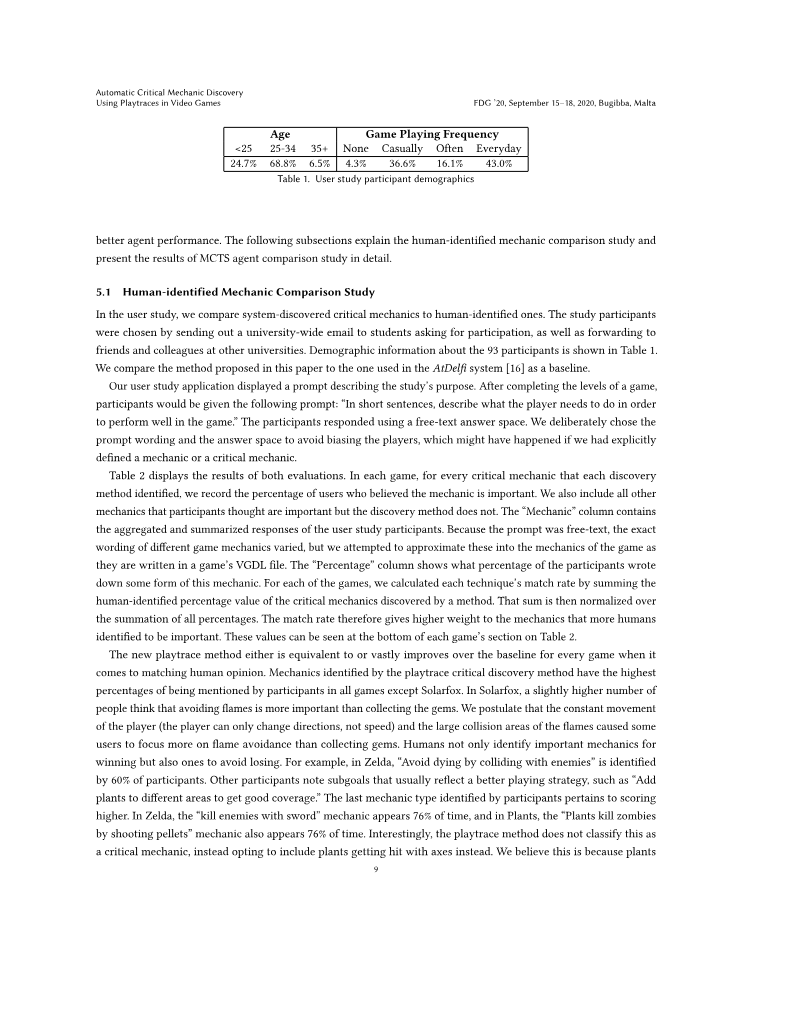
New York University · 2020
Drexel University · 2020
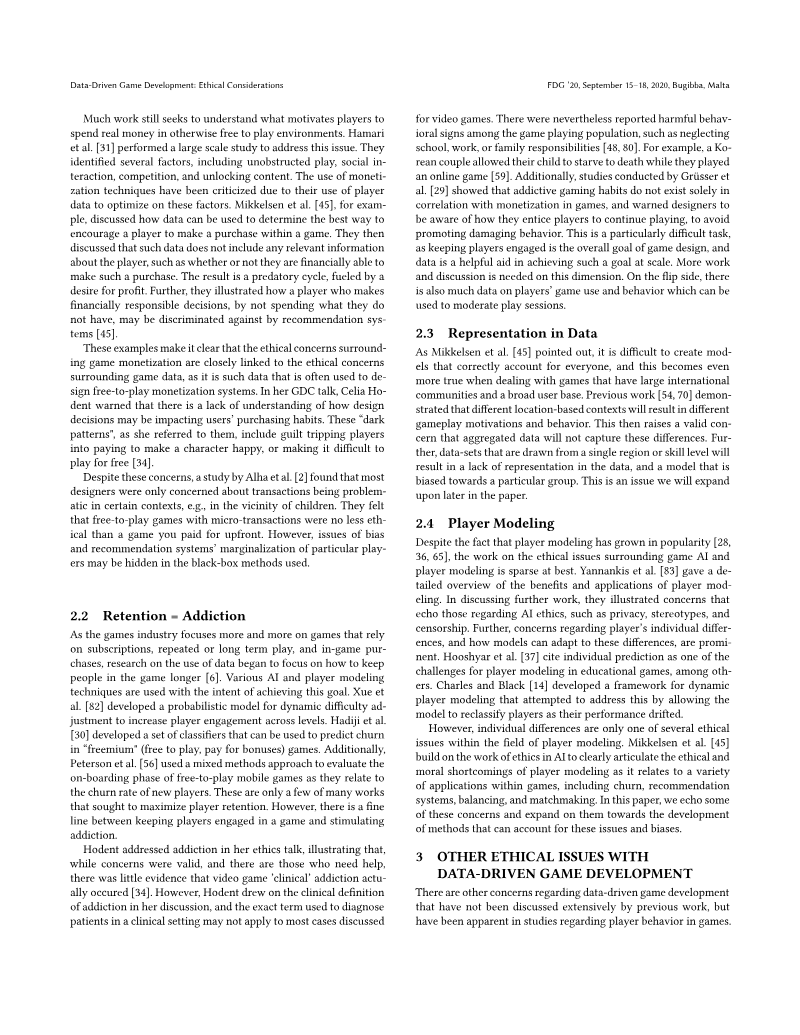
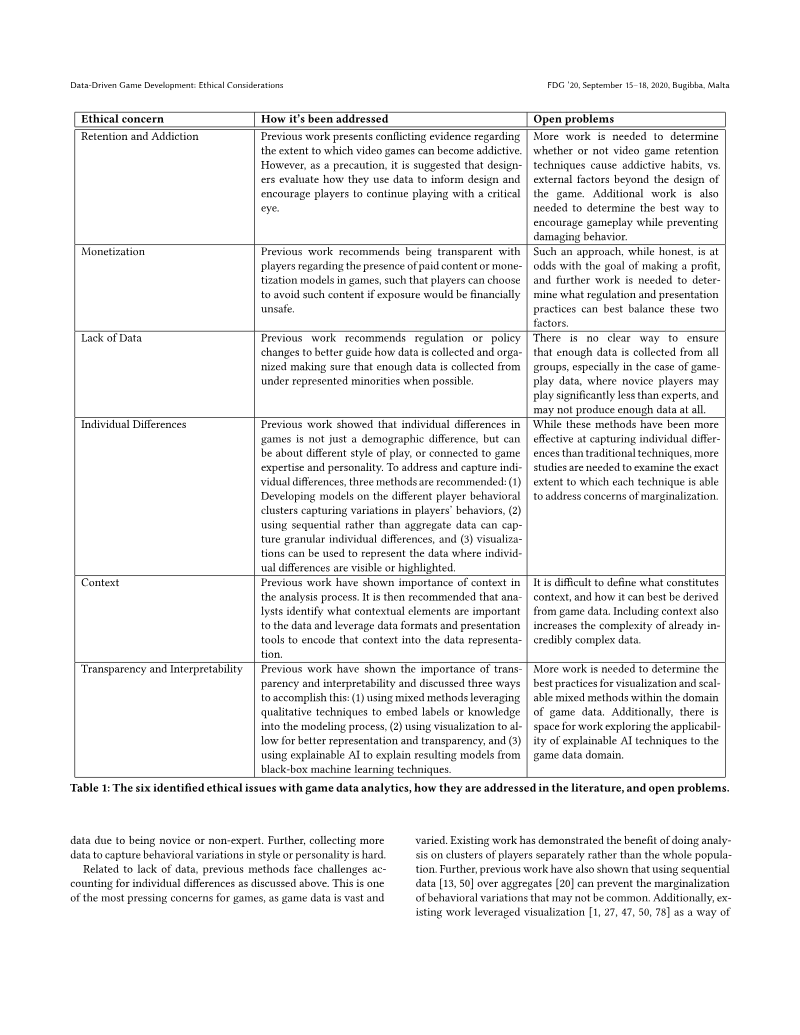
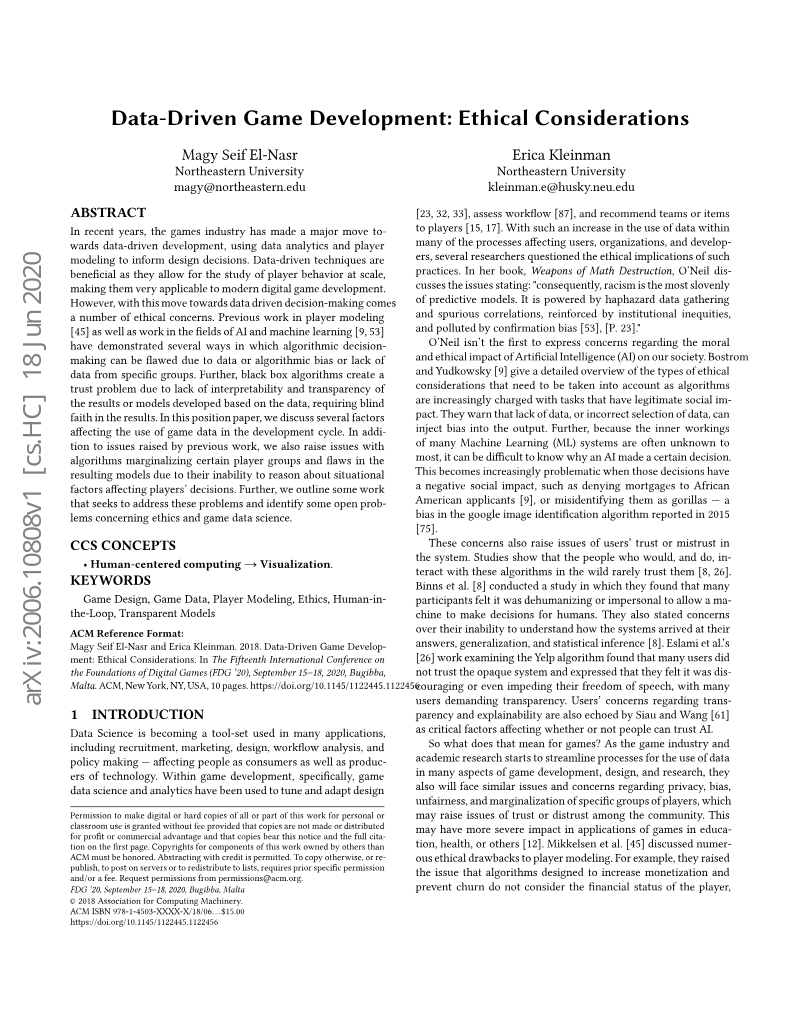
Northeastern University · 2020
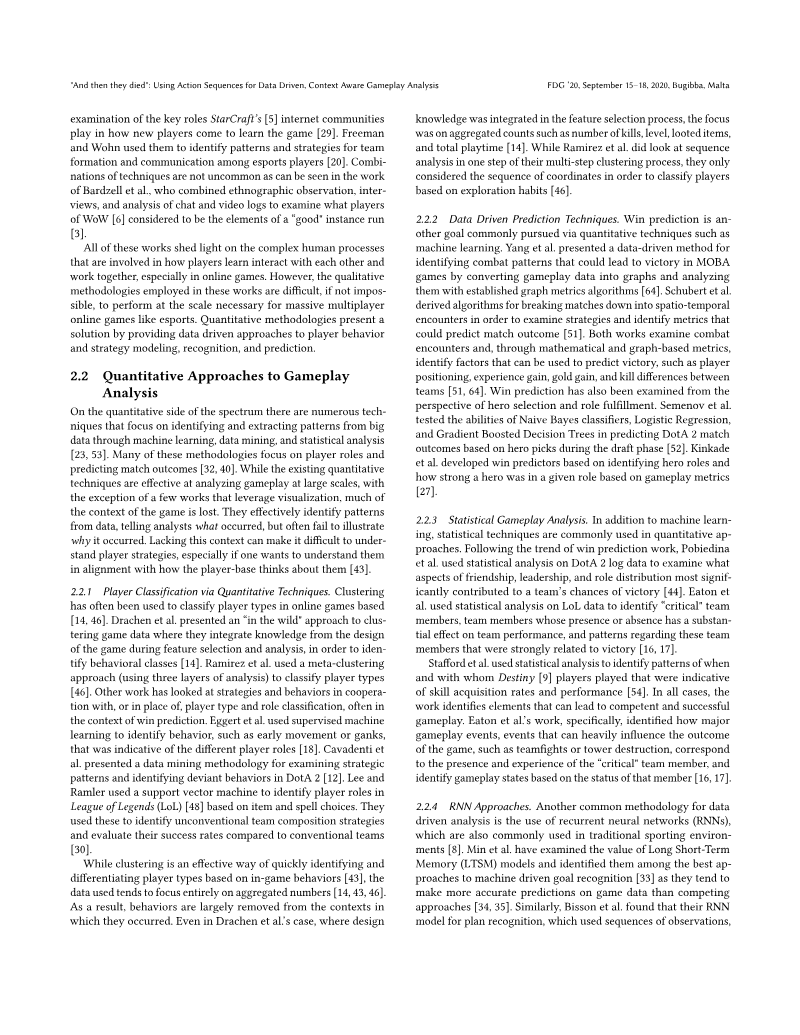
Northeastern University · 2020

PocketGamer.biz · 2026