1 free read left. Create a free account for unlimited reading + AI research.
Create free accountReport InGameJob
1 free read left. Create a free account for unlimited reading + AI research.
Create free accountReportInGameJob
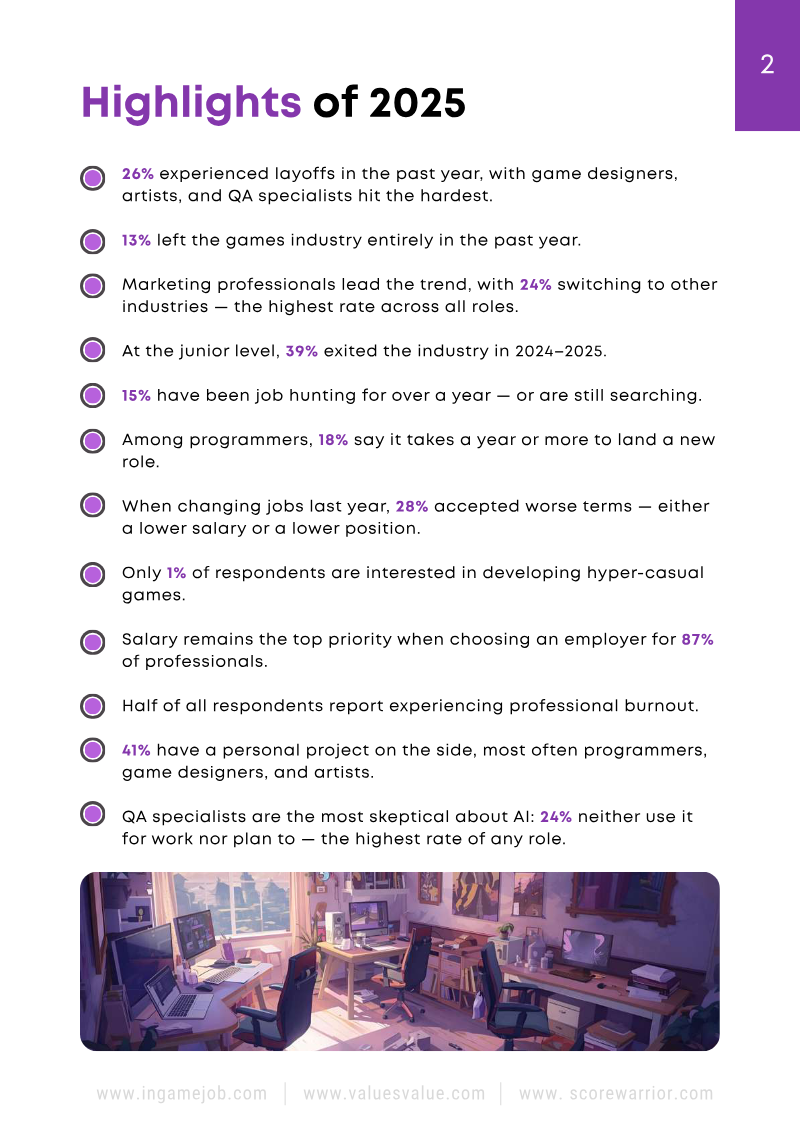
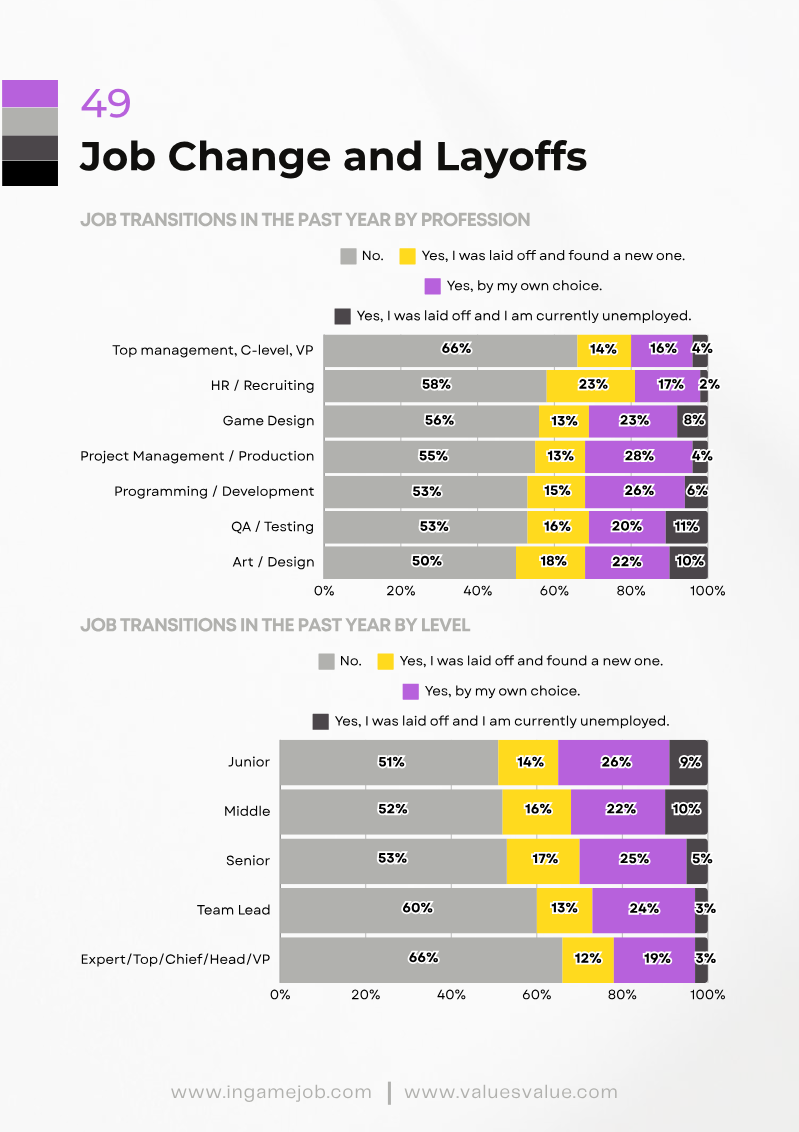
The industry shifted from growth to cost optimization. Junior talent bore the brunt, with 39% exiting the sector entirely.
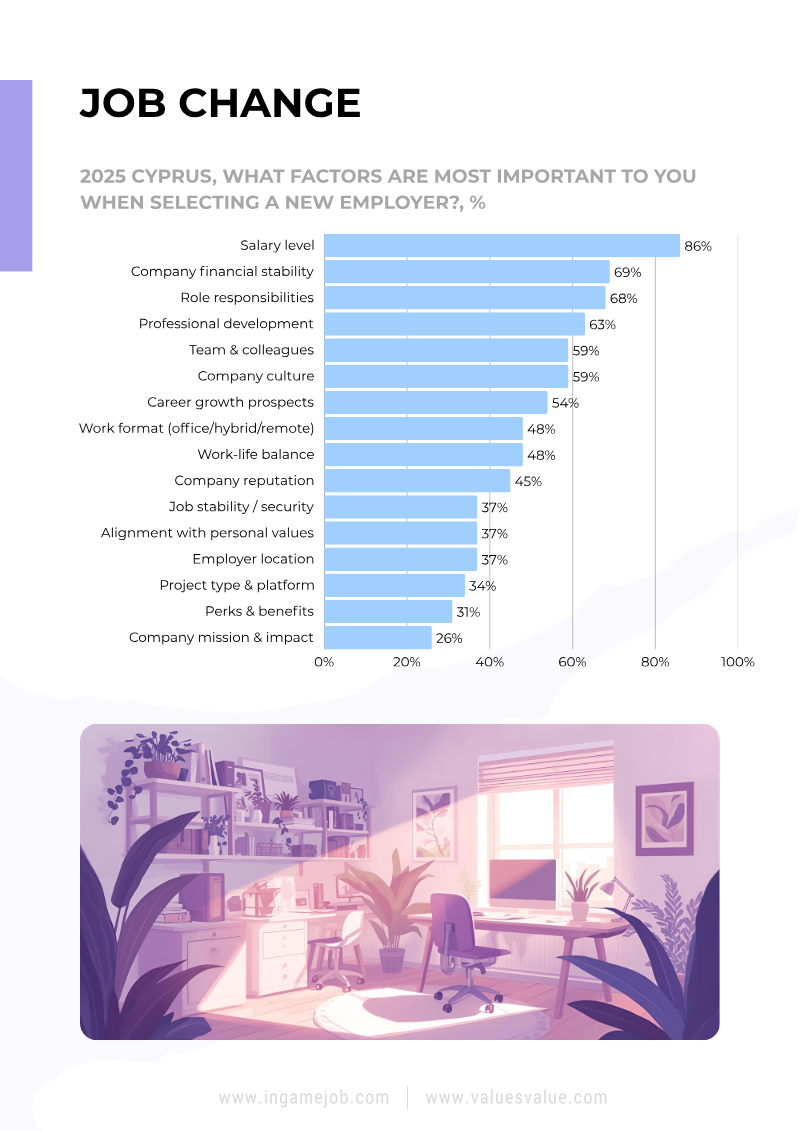
The European games industry entered 2025 in a state of significant distress, characterized by widespread layoffs, stagnant wages, and a sharp decline in employee well-being. Approximately 26% of professionals across the continent experienced layoffs, with junior-level talent bearing the brunt of the instability as 39% exited the sector entirely. This contraction has shifted the labor market from a growth-oriented environment to one focused on cost optimization. Consequently, employee engagement scores have plummeted, and over half of the workforce reports suffering from professional burnout. Financial stability has replaced company mission as the primary motivator for 87% of workers, many of whom are now accepting inferior contract terms or pay cuts to remain employed.
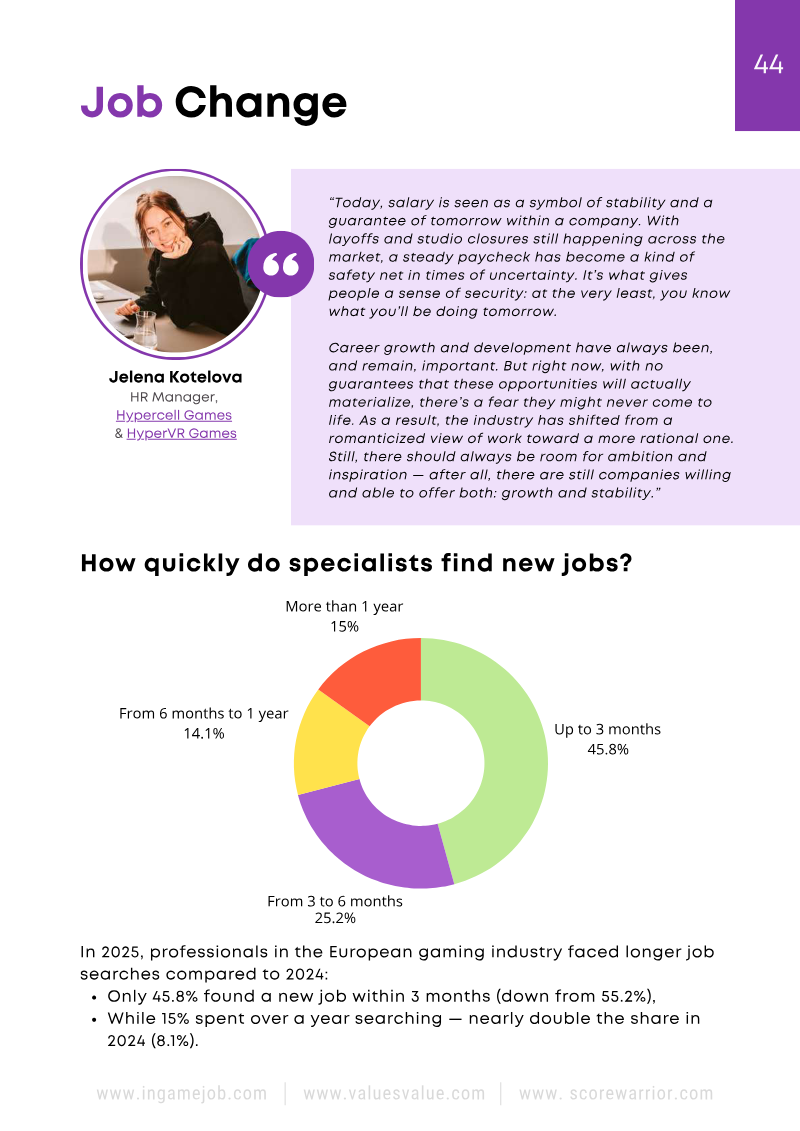
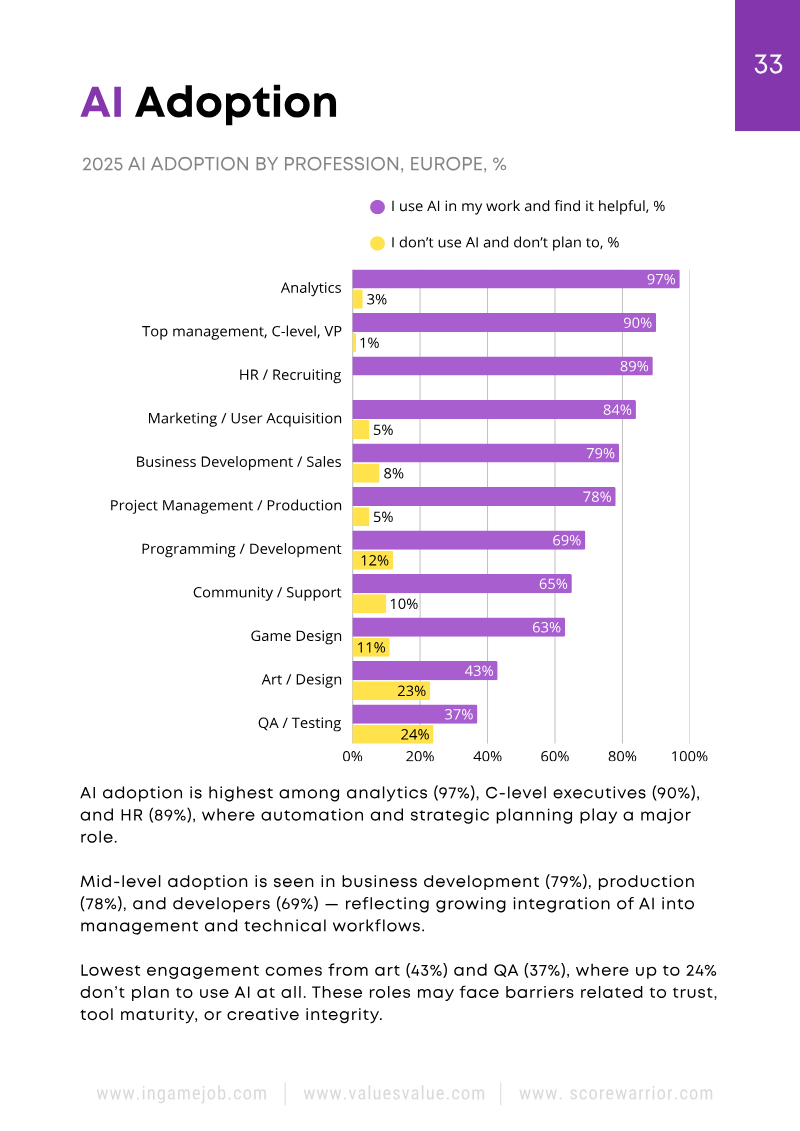
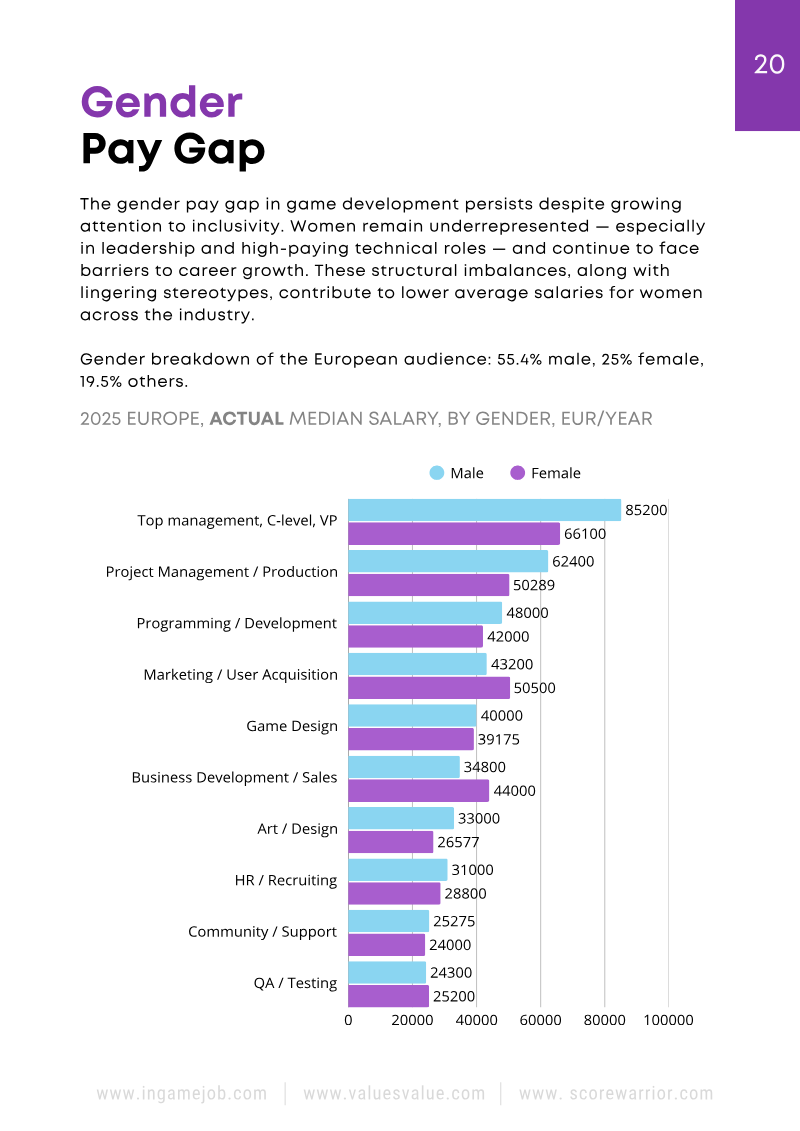
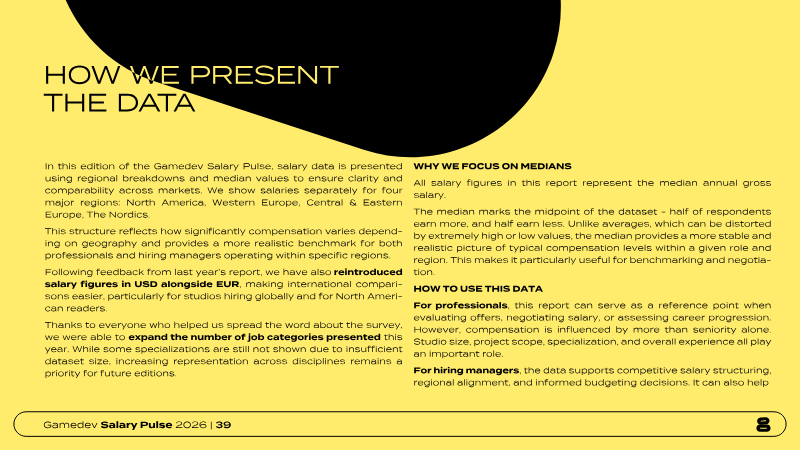
Compensation trends reveal a deepening divide based on geography, seniority, and specialization. While median salaries remain highest in the Fighting and MMO genres, reaching up to €90,000 in the EU and UK, a persistent gender pay gap continues to affect technical and C-level roles. Programmers have seen a downward trend in compensation due to increased competition and the rapid integration of artificial intelligence. AI adoption has surged, with over 60% of professionals now using these tools regularly, particularly in analytics and management. However, creative fields like art and quality assurance remain more resistant to AI integration, even as these specific roles face the highest risks of unemployment and long-term job searches.
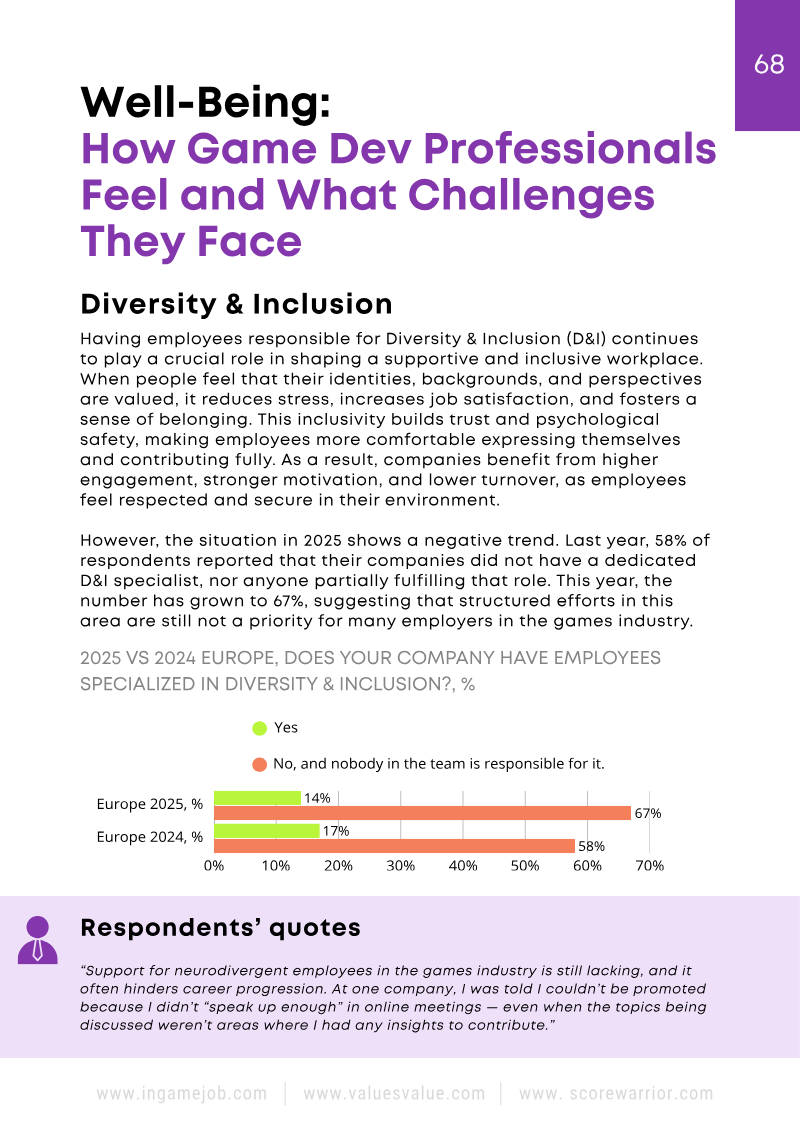
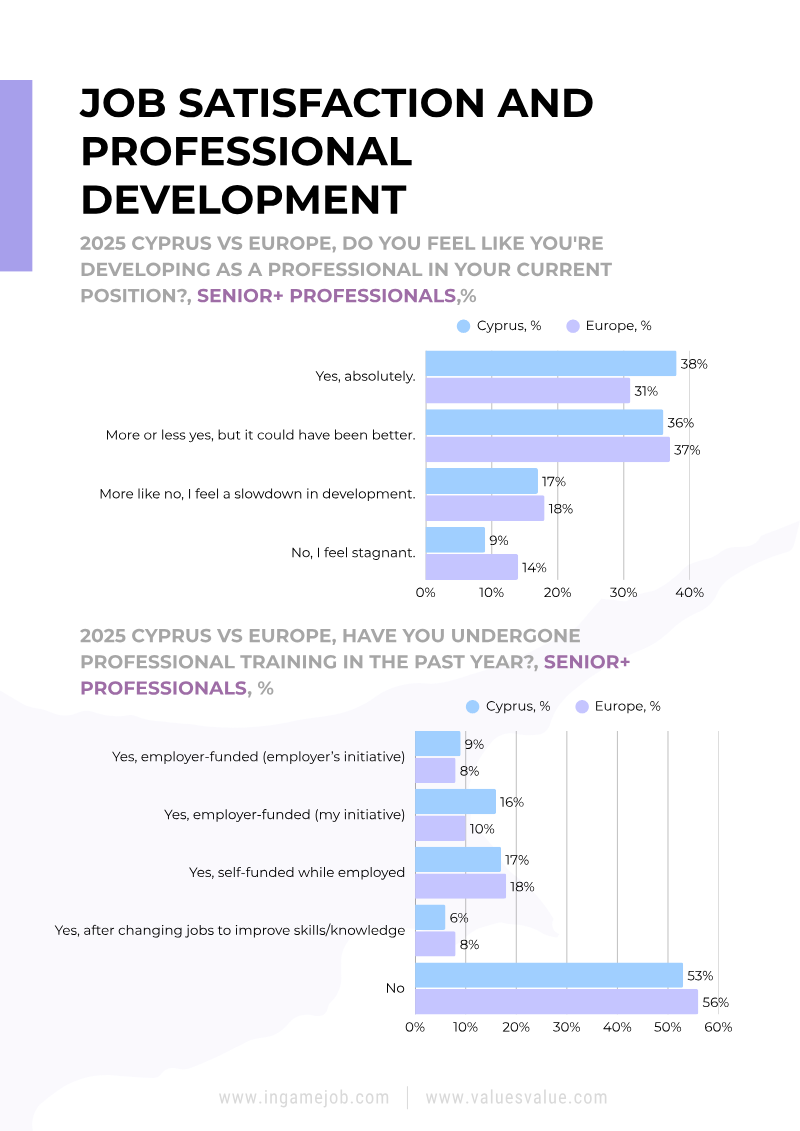
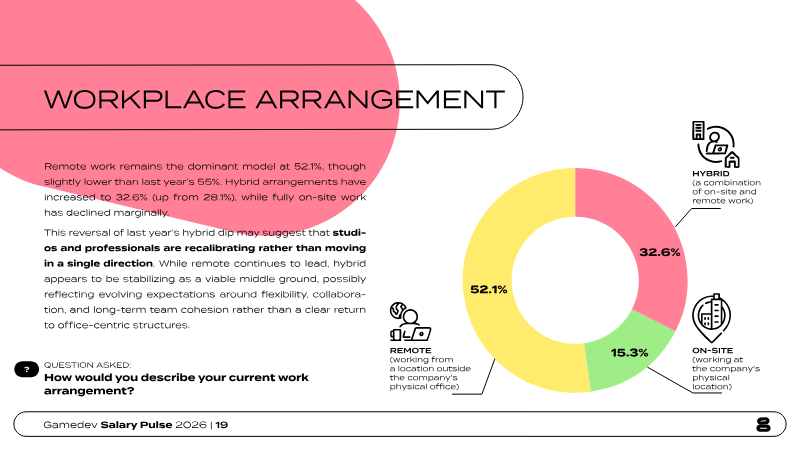
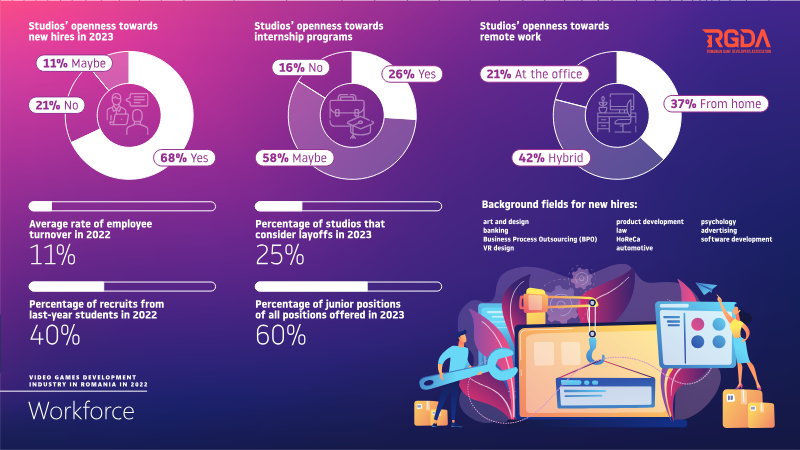
Workplace culture is currently defined by a regression in structured support and a rise in management inefficiency. The number of companies lacking dedicated diversity and inclusion specialists has increased to 67%, while nearly one-third of developers report stagnant professional growth. Although remote flexibility remains a high priority, the shift toward pragmatic relocation suggests that workers are increasingly making career decisions based on cost-of-living calculations rather than traditional ambition. This environment of instability has doubled the rate of long-term unemployment, leaving the European games industry with a workforce that is increasingly disillusioned and prioritized toward survival over innovation.
PCF Group · 2024