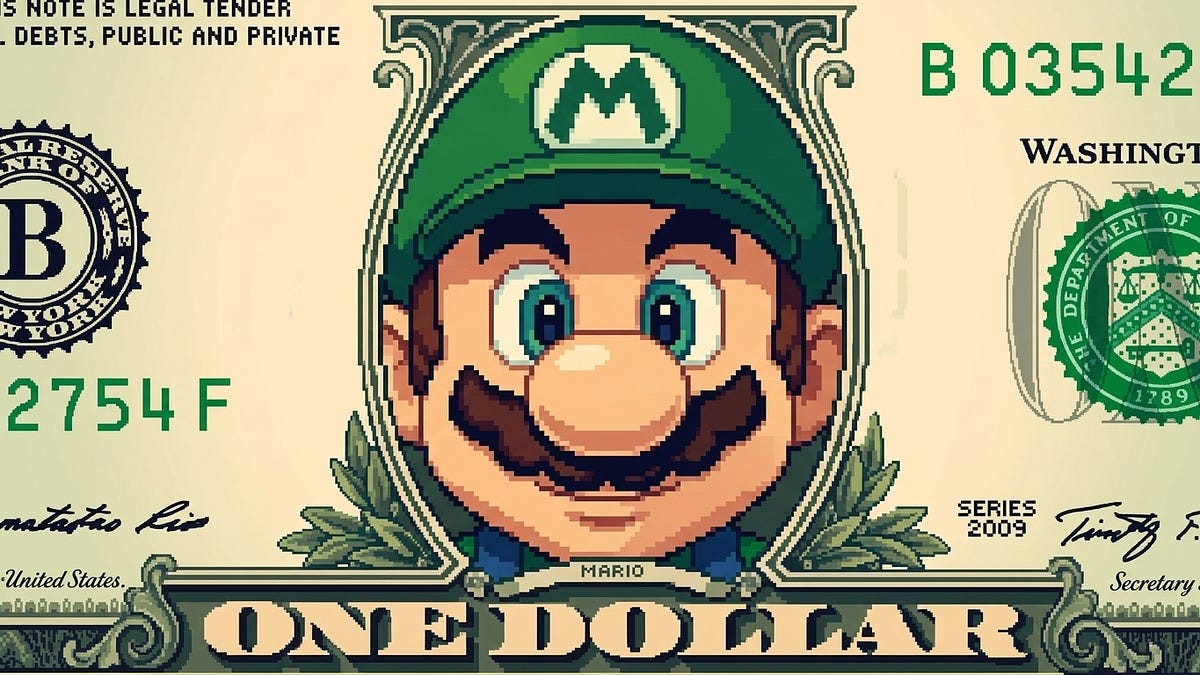
Game studio longevity depends less on creative output and more on the rigorous application of financial discipline. Many studios fail because founders prioritize development milestones over fiscal health, leading to unsustainable burn rates and depleted runway. To mitigate these risks, studios must establish a foundation of professional accounting practices from inception, including the strict separation of personal and business finances and the adoption of dedicated accounting software.
Operational viability requires real-time monitoring of key financial metrics and a disciplined approach to cash flow management. Studios should implement monthly account reconciliations and maintain a clear distinction between tactical bookkeeping and strategic financial planning provided by a CPA. Proactive tax management is equally critical; studios must automate payroll processes and reserve approximately 25–30% of income to prevent liquidity crises. Furthermore, navigating complex compliance requirements—such as collecting contractor W-9s and managing multistate tax obligations—is essential for maintaining legal and financial stability.
Long-term success is further supported by leveraging available fiscal incentives, such as federal research and development tax credits, and adhering to a strict budget-versus-actuals tracking process. By professionalizing financial oversight and treating fiscal management as a core business function rather than an administrative afterthought, studios can better navigate the volatile nature of the game industry. Ultimately, the transition from a creative project to a sustainable business requires founders to treat financial literacy as a primary competency, ensuring that operational efficiency supports, rather than hinders, the development process.
Game Studio Unlocked · 2026

Game Studio Unlocked · 2026

Game Studio Unlocked · 2026

Game Studio Unlocked · 2026
Game Studio Unlocked · 2026
Game Studio Unlocked · 2026
Game Studio Unlocked · 2026
Game Studio Unlocked · 2026
Game Studio Unlocked · 2026
Game Studio Unlocked · 2026
Game Studio Unlocked · 2026

Game Studio Unlocked · 2026

InvestGame

InvestGame · 2026
InvestGame · 2025
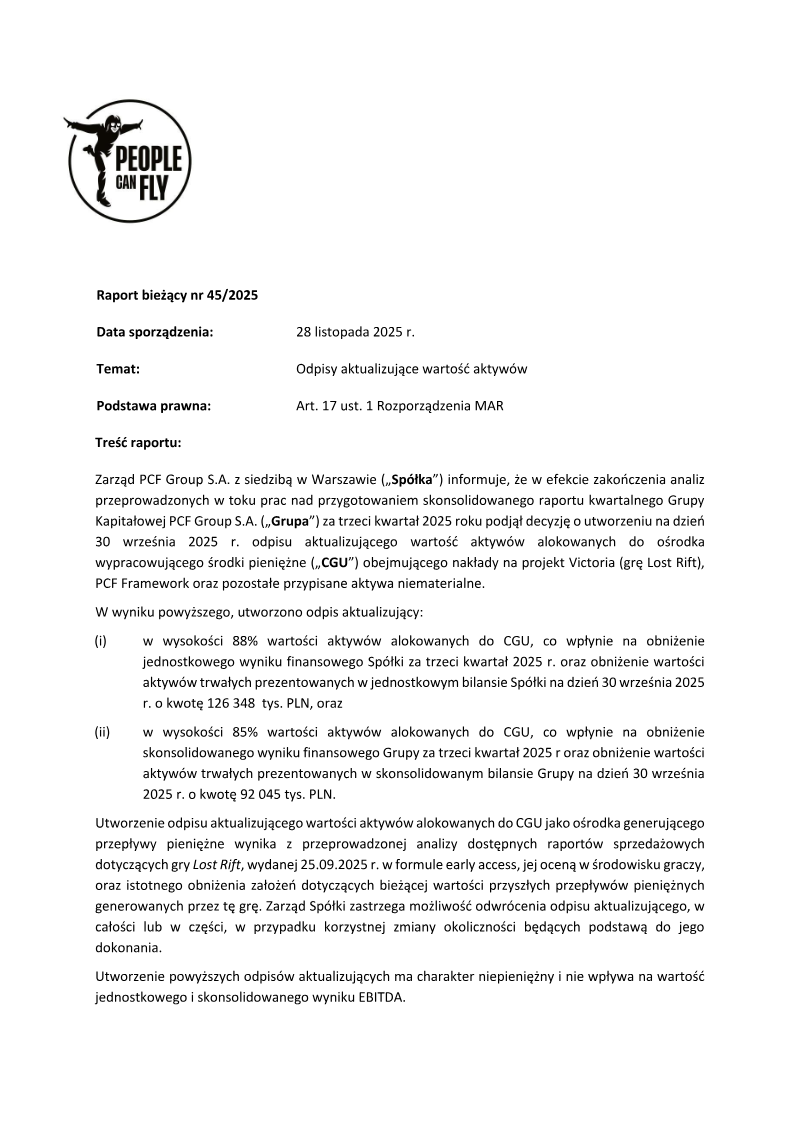
PCF Group · 2025

The Games Fund · 2025

AEVI · 2025
Drake Star · 2025
Game Developer Collective · 2024
Konvoy · 2024
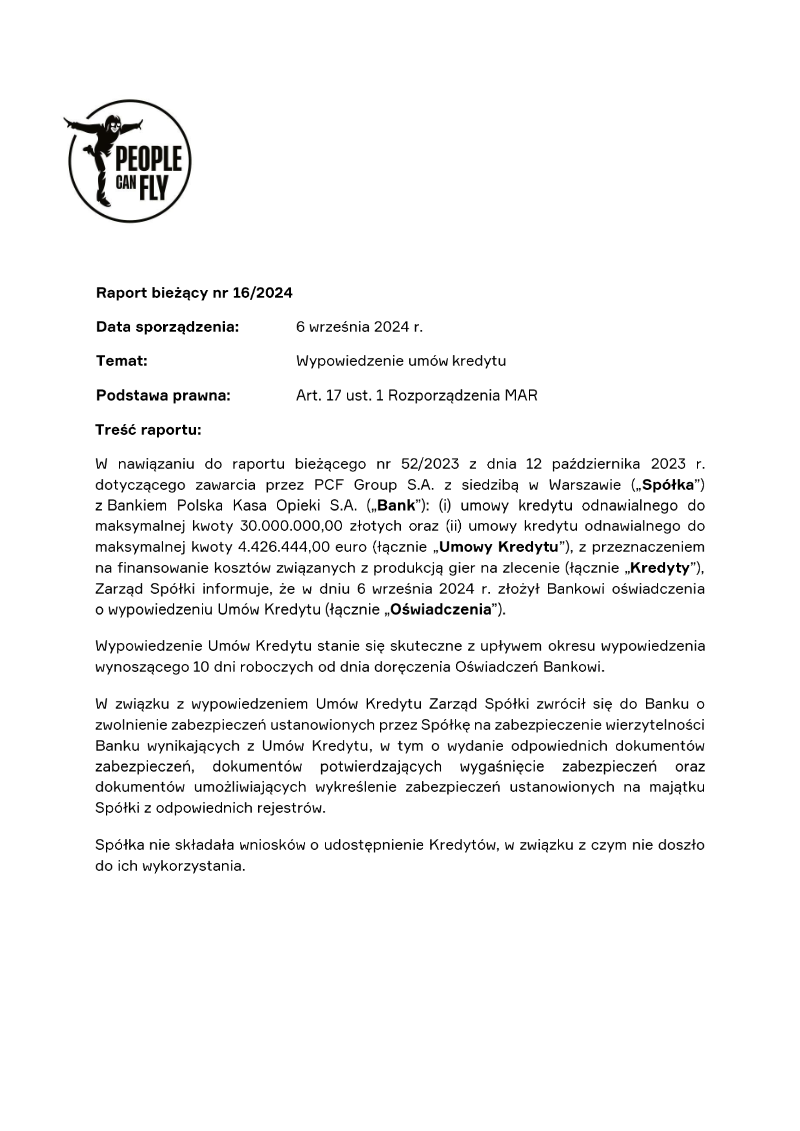
PCF Group · 2024
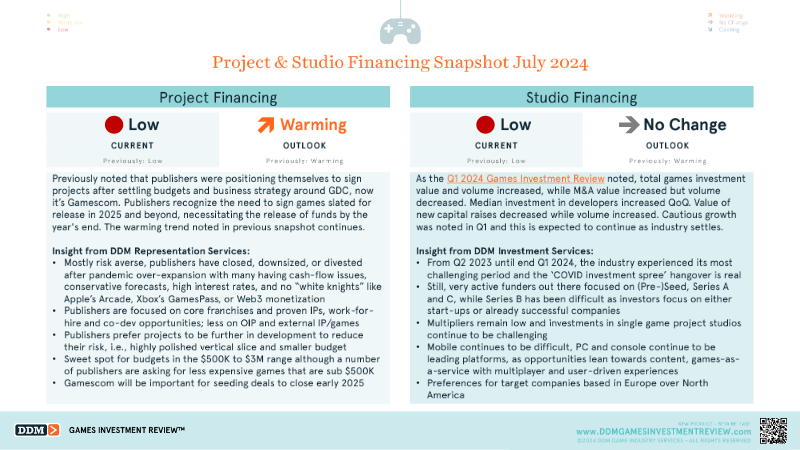
DDM · 2024
Konvoy · 2024