
The guide aims to equip Spanish video‑game developers and publishers with a practical framework for securing external financing, emphasizing investment agreements (AI) as a flexible alternative to traditional bank credit. It outlines the full spectrum of financing routes—own capital, debt, and hybrid structures—explaining how AI combine cash infusion with a revenue‑share model while granting investors political and economic rights comparable to shareholders without requiring immediate equity participation.
Key findings describe the typical architecture of an AI: an investor provides funds in one or several tranches linked to development milestones; in return the investor receives a defined percentage of the commercial proceeds and acquires voting, dividend and decision‑making privileges within the development company (SDV). The guide contrasts AI with standard equity investment and pure debt, noting that AI offer variable repayment horizons, potential capitalisation of the credit into equity, and a risk profile that aligns investor returns directly with project performance.
A detailed catalogue of customary clauses is presented, including profitability targets with time‑bound return thresholds, capitalisation rights for insufficient revenue, warranties on the developer’s financial and legal status, confidentiality obligations, “bad leaver” provisions for founders, and preferential rights to future capital increases or share purchases. These provisions aim to protect investor interests, ensure project fidelity, and manage exit scenarios.
The analysis concludes that while AI provide sector‑savvy investors with greater exposure to project risk and consequently stronger influence over governance, they also enable developers to access capital without diluting ownership at the outset. In a market increasingly characterized by acquisitions and external funding, understanding and negotiating AI terms is essential for maintaining control and achieving sustainable profitability.
The guide is targeted at Spanish‑based studios and publishers operating in 2025, offering a concise checklist and glossary to support the design, negotiation, and execution of investment agreements within the video‑game industry.
AEVI · 2025

AEVI · 2025
AEVI · 2025
AEVI · 2025

AEVI · 2025

AEVI · 2025
AEVI · 2025
AEVI · 2025

AEVI · 2025

AEVI · 2025

AEVI · 2025

AEVI · 2025
Direcció General d’Innovació i Cultura Digital · 2025
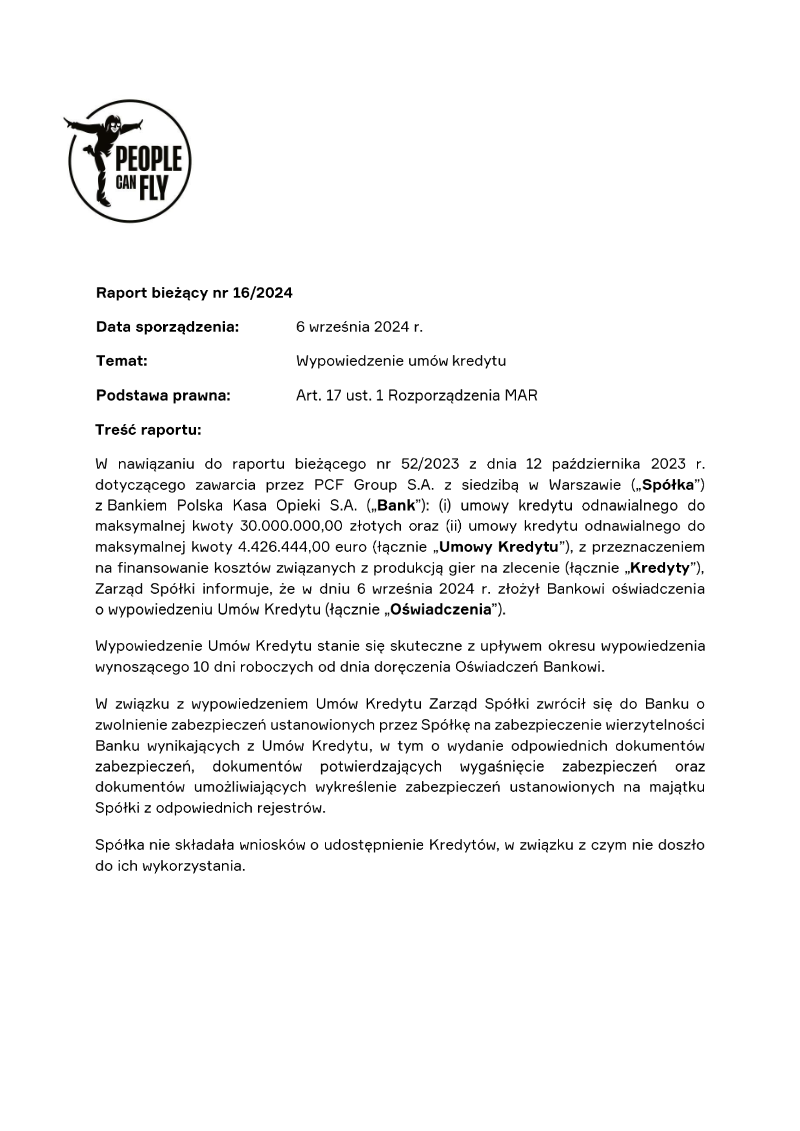
PCF Group · 2024
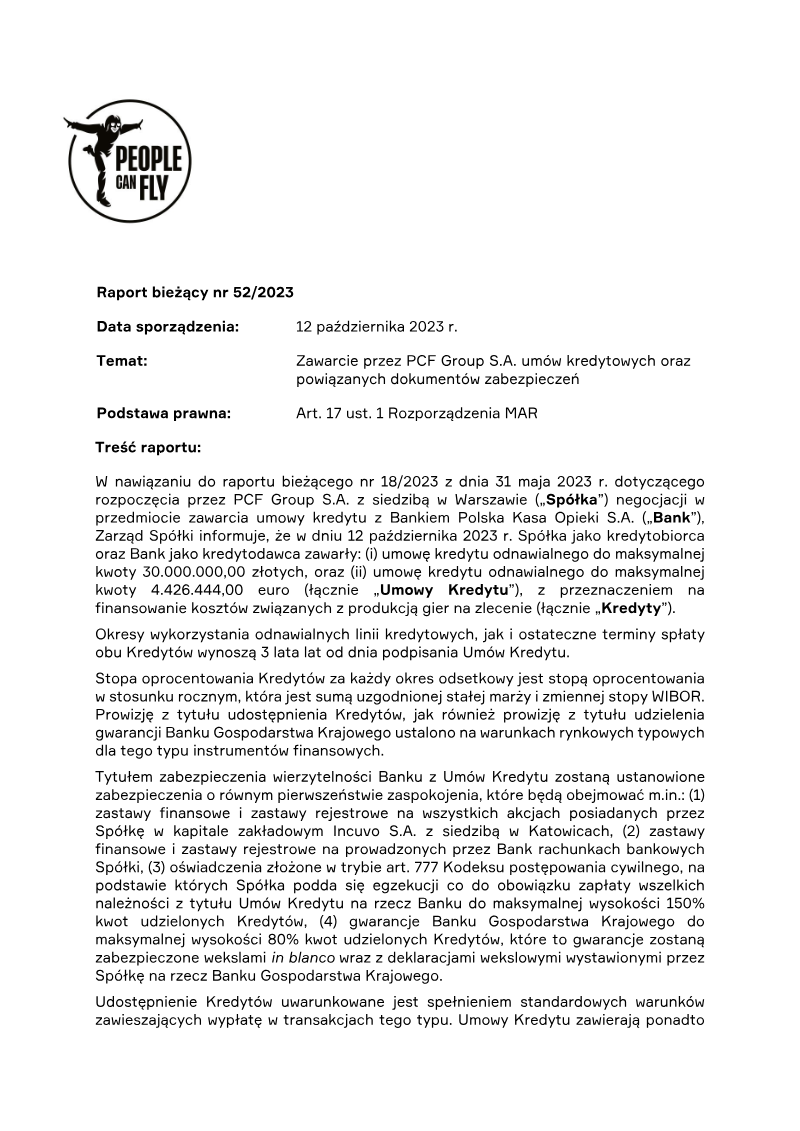
PCF Group · 2023
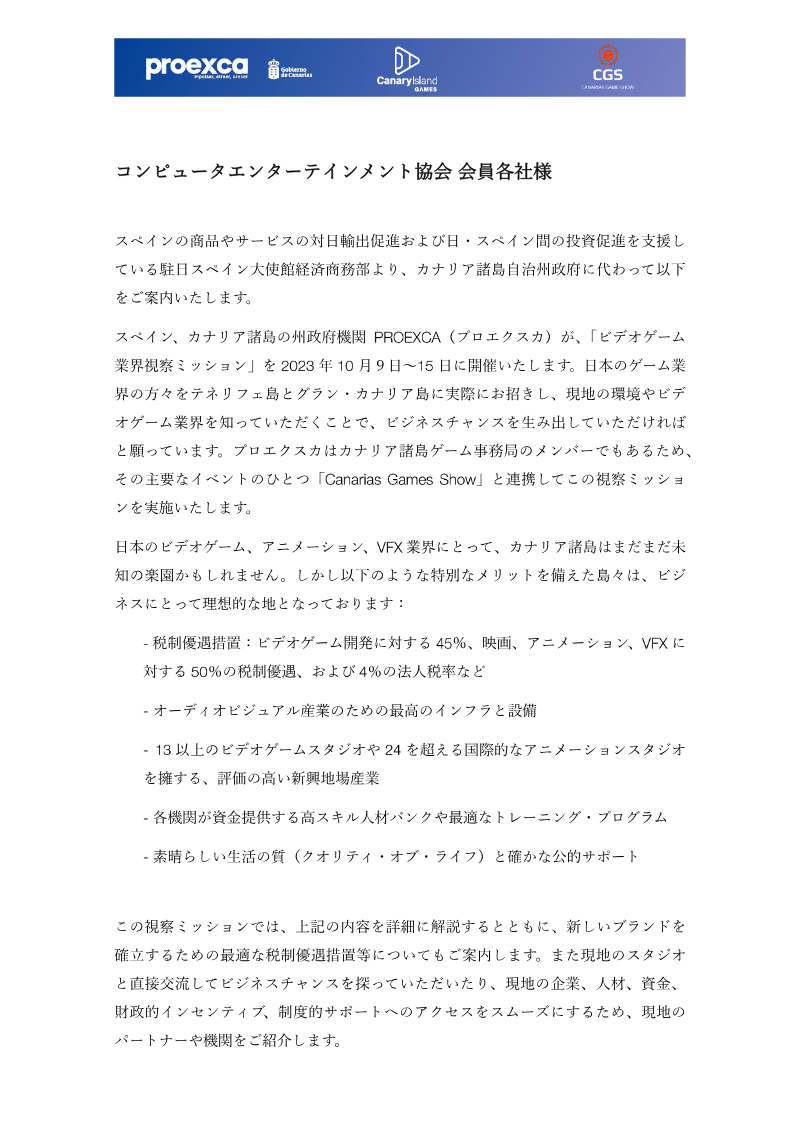
CESA – Computer Entertainment Supplier's Association · 2023
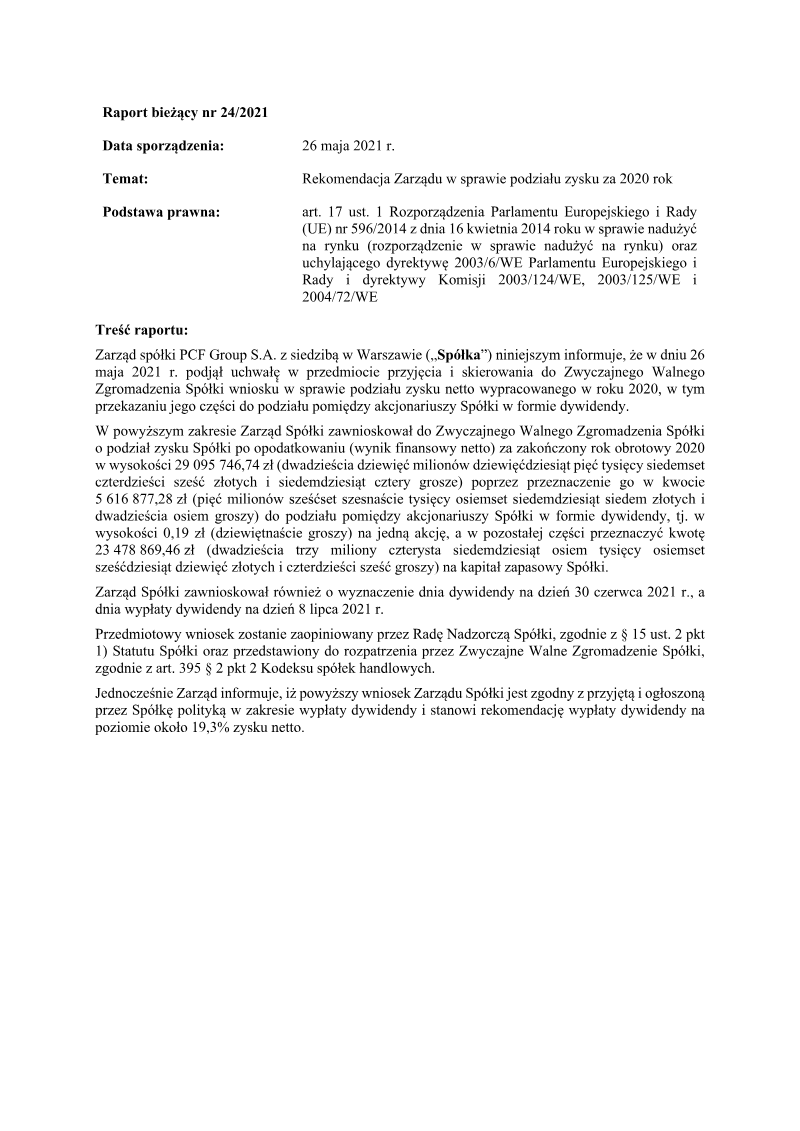
PCF Group · 2021
Ventspils High Technology Park · 2020
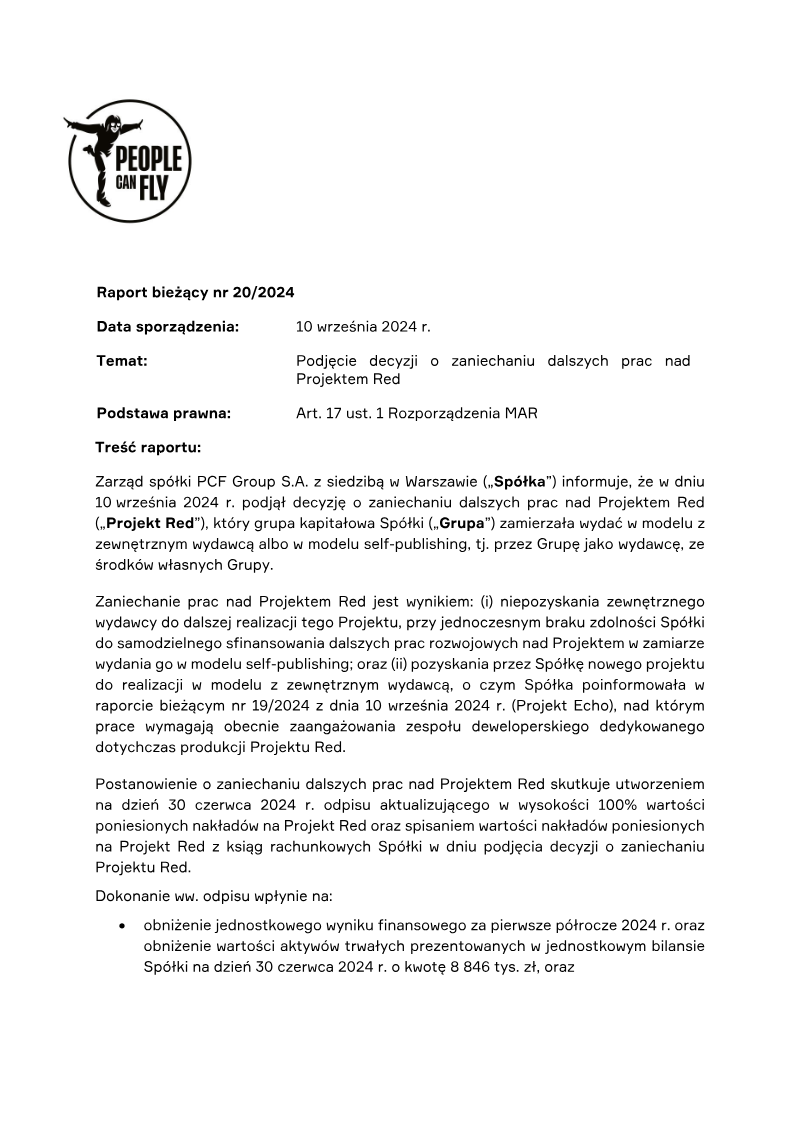
PCF Group
PCF Group
InvestGame

PCF Group · 2026
PCF Group · 2026
PCF Group · 2025