THQ
Company
Documents about THQ
Deconstructor of Fun63 min
Why None of Us Saw Cyberpunk Coming Apart I Michal Nowakowski. joint CEO, CD PROJEKT RED
CD Projekt Red’s evolution from a regional distributor to a global AAA powerhouse is rooted in a strategy of intellectual property ownership and creative independence.
- CD Projekt Red restructured its development operations by abandoning proprietary technology in favor of Unreal Engine 5 to mitigate technical risks and streamline production.
- The studio transitioned from a siloed, waterfall production model to a unified, multi-platform approach that utilizes rigorous gating milestones to prevent future launch failures.
- Despite a 75% decline in stock value following the technical failures of Cyberpunk 2077, the studio achieved long-term commercial recovery with 35 million base game units sold and 10 million expansion units sold.
Deconstructor of FunSep 2026

The Game Business62 min
Naughty Dog co-founder Jason Rubin on Crash Bandicoot, trying to save THQ, and the state of VR
The evolution of the video game industry is defined by a persistent tension between creative autonomy and the logistical constraints of corporate oversight.
- The success of the Crash Bandicoot franchise demonstrates that high-quality design and strategic platform targeting can overcome restrictive management environments and manufacturing bottlenecks.
- Efforts to revitalize legacy publishers like THQ reveal that deep-seated operational and financial systemic issues often negate the output quality of individual development teams.
- The industry-wide shift toward edgier content and increased production budgets was largely driven by the competitive pressure to match the market success of titles like Grand Theft Auto.
The Game BusinessJun 2026
Extra Credits8 min
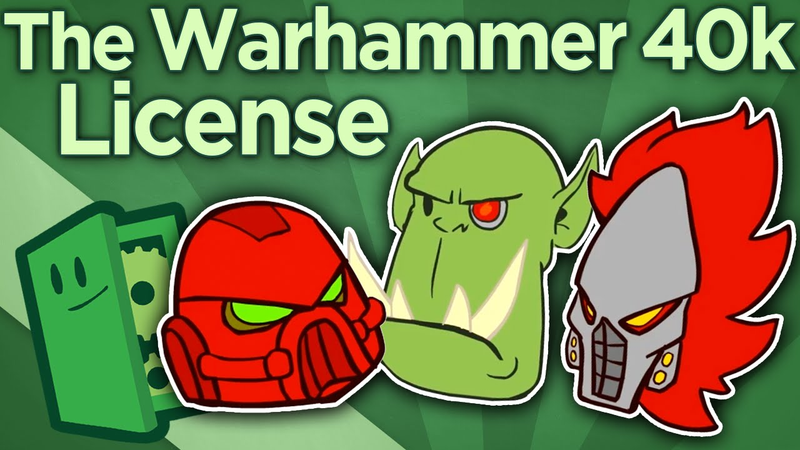
The Warhammer 40k License - A Total Change of Strategy - Extra Credits
Games Workshop has undergone a fundamental shift in its video game licensing strategy, moving from an exclusive, high-quality partnership model to a broad, decentralized approach.
- Games Workshop shifted from a model of exclusive, high-budget partnerships—historically held by companies like SSI Mindscape and THQ—to a decentralized 'shotgun' licensing strategy.
- The current strategy involves licensing specific segments of intellectual property to numerous developers simultaneously to flood the market with a high volume of diverse titles.
- This approach functions as a marketing vehicle for the core tabletop business, effectively offloading advertising costs to third-party developers.
Extra CreditsJun 2016