Scopely
CompanyUnited States · Founded 2011
Documents about Scopely
How does Star Trek Fleet Command monetize?
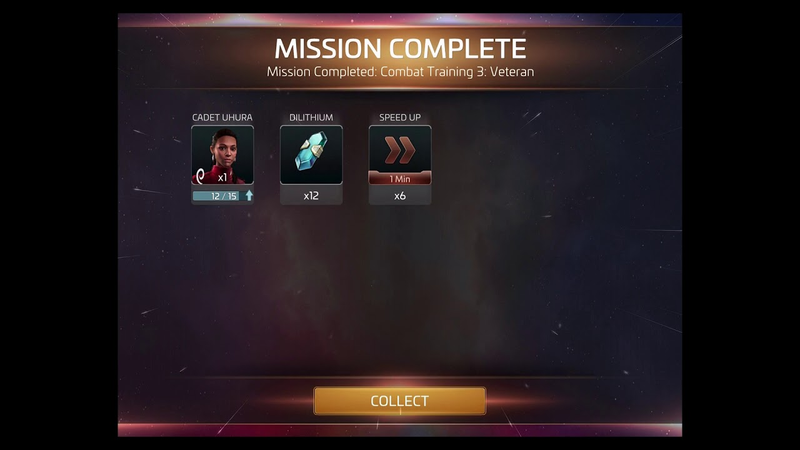
Star Trek Fleet Command, developed by Digit Game Studios and published by Scopely, functions as a mobile 4X strategy game that integrates base-building, resource management, and RPG-lite character collection.
- Star Trek Fleet Command utilizes a 4X strategy framework developed by Digit Game Studios and published by Scopely, combining base-building, resource management, and RPG-lite character collection.
- The monetization model is built on a multi-layered economy that uses hard and soft currencies, speed-ups to bypass construction timers, and loot-box-style recruitment systems.
- The game leverages the Star Trek intellectual property to differentiate its core loop from generic 4X titles, using recognizable characters and ships as primary engagement hooks.
Skybound's Dan Murray on working with IP - Survival 101
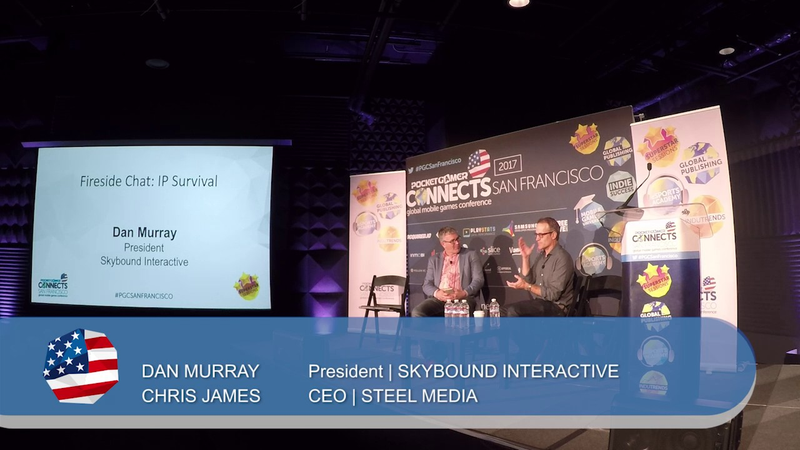
Skybound President Dan Murray outlines the strategic approach to managing intellectual property (IP) within the gaming industry, emphasizing the importance of authenticity, creator-led business models, and deep collaboration between licensors and developers.
- Successful IP-based games require moving beyond superficial 'IP slaps' by ensuring mechanics and narrative spirit are deeply integrated with the source material.
- Skybound utilizes a 'wheel of awesome' business model, retaining core rights to properties like The Walking Dead to maintain control across film, television, and gaming adaptations.
- Licensing success relies on replacing siloed relationships with proactive, direct collaboration between IP holders and developers to ensure both narrative consistency and mechanical innovation.

How The Walking Dead mobile game was brought to life
The development of the mobile title The Walking Dead: Road to Survival represents a strategic collaboration between Skybound Entertainment, Scopely, and IUGO to translate a high-profile media franchise into a successful free-to-play mobile experience.
- The Walking Dead: Road to Survival achieved over 20 million downloads in its first year and maintained a consistent position in the top 50 grossing charts.
- The development team utilized a 'lean' philosophy that treated iterative failure as a necessary tool for refining technology and live-operations processes.
- To maintain narrative integrity, developers used backstory from the Governor novels to create a parallel story structure that allowed for consistent content updates without violating the core comic book canon.

Trends in mobile game publishing with Scopely, Flaregames and IGG
Mobile game publishing has evolved into a strategic partnership model where publishers function as co-developers, providing essential funding, marketing infrastructure, and operational expertise.
- Mobile game publishing has shifted to a co-development model where publishers provide funding, marketing, and operational infrastructure to allow developers to focus exclusively on core gameplay.
- Publishers prioritize developers who demonstrate team cohesion and the capacity to produce multiple titles, moving away from interest in one-off projects.
- Successful pitches must feature addictive, universally appealing core mechanics that transcend specific demographic biases.

South Park's demonisation of F2P: let's blame Dungeon Keeper
The mobile gaming industry in late 2014 remains characterized by a persistent, polarized debate regarding the ethics and quality of free-to-play (F2P) monetization models.
- The mobile gaming industry is undergoing a structural shift toward service-oriented, co-development partnerships, exemplified by Scopely’s $35 million funding round.
- German developers are successfully transitioning from browser and PC markets to mobile, with Goodgame Studios scaling its workforce to 1,000 employees.
- Public perception of free-to-play (F2P) monetization remains polarized, with the 2014 mobile iteration of Dungeon Keeper serving as the primary symbol for criticisms regarding aggressive timers and exploitative mechanics.