Next Games
Company
Documents about Next Games

Panel: Better Games Together: Uniting the Industry Through Pride and Pixels
Better Games Together is a collaborative initiative founded in 2022 by several prominent Finnish game companies, including Supercell, Metacore, Next Games, and Rovio, in partnership with We in Games Finland.
- Founded in 2022, the 'Better Games Together' collective unites major Finnish studios including Supercell, Metacore, Next Games, and Rovio to drive systemic LGBTQIA+ inclusion through cross-company collaboration.
- Industry-wide research conducted by the group identified that while progress has been made regarding sexual orientation, there is a critical need for increased support and development for trans and non-binary professionals.
- The initiative has moved beyond corporate Pride branding to implement concrete actions, including quarterly employee meetups, roundtable discussions, and specialized training on topics like intersex awareness.
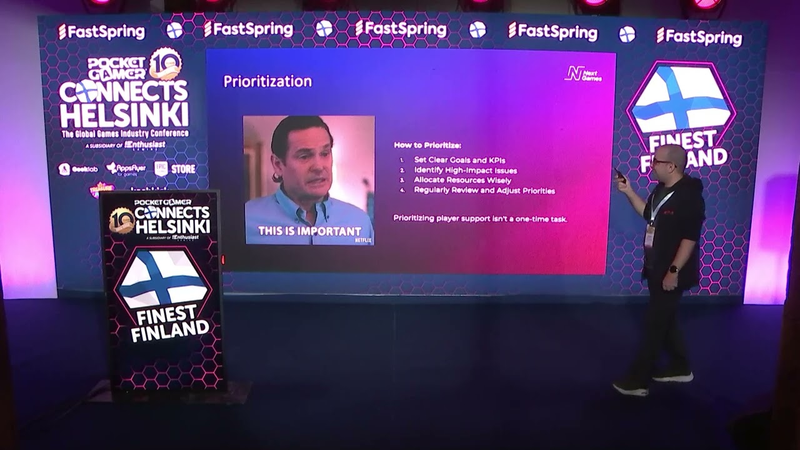
Session: The Early Agent Gets the Worm, André Mendes, Next Games, a Netflix Game Studio
Effective player experience (PX) management in game development requires a proactive, integrated approach that begins during the pre-production phase.
- Next Games achieves a 91% FAQ deflection rate, ensuring the vast majority of players resolve issues without needing to open a support ticket.
- The studio utilizes a tiered automation strategy consisting of 51% fully automated responses, 48% partially automated data-gathering workflows, and less than 1% fully manual intervention.
- Player Experience (PX) teams should be integrated during the pre-production phase to allow sufficient time to understand game mechanics, define support workflows, and align with development goals before launch.
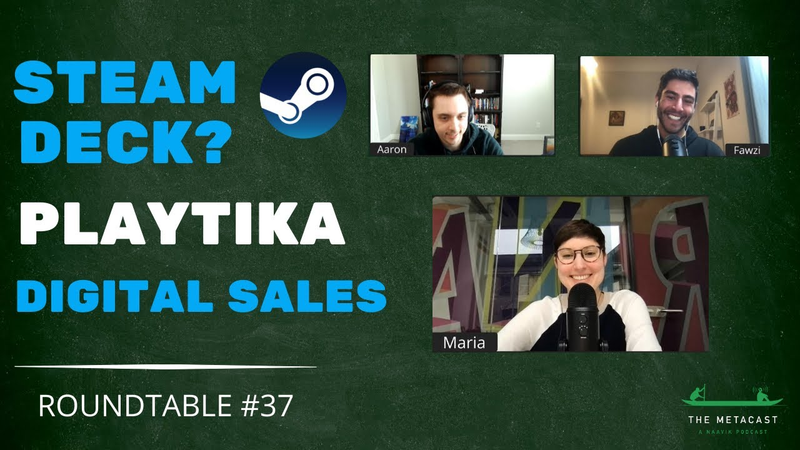
The Metacast by Naavik: Roundtable #37 - Will Steam Deck Become a Success?
The gaming industry is undergoing a fundamental transition from physical media to digital-first ecosystems, a shift driven by the superior margins and control afforded to platform holders.
- The gaming industry is shifting from physical media to digital-first ecosystems to improve margins, increase platform control, and support the storage requirements of modern titles.
- Valve’s Steam Deck is a strategic move to deepen user engagement within the Steam ecosystem and insulate the company against platform taxes, rather than a direct competitor to the Nintendo Switch.
- Mobile gaming firms like Playtika are facing significant growth stagnation and shareholder pressure due to the impact of IDFA privacy changes on user acquisition.
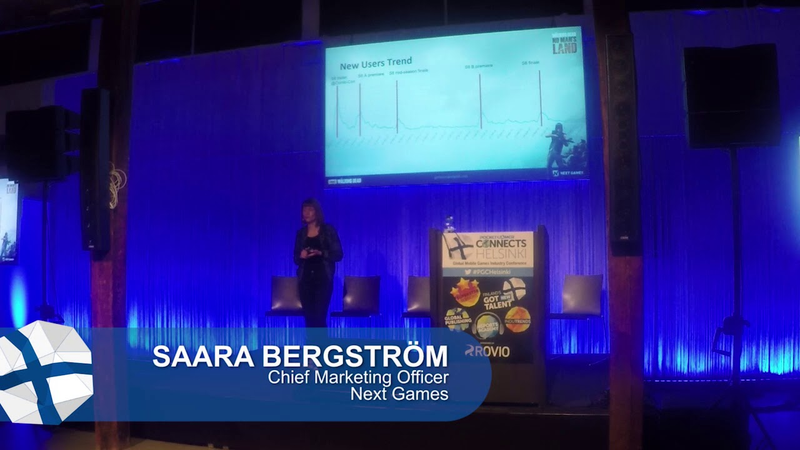
5 things Next Games learned from The Walking Dead: No Man’s Land
Next Games, a mobile developer specializing in licensed entertainment franchises, identifies five core strategic pillars for successfully translating global intellectual property into engaging mobile experiences, based on the development and operation of The Walking Dead: No Man’s Land.
- Synchronize game updates, marketing, and community management with the source material's broadcast schedule to maximize user acquisition and retention.
- Integrate IP owners as core partners rather than external entities to gain access to exclusive content and ensure authentic brand representation.
- Conduct deep audience research to identify specific demographics, such as younger fans prone to FOMO, and tailor game mechanics to their behavioral tendencies.
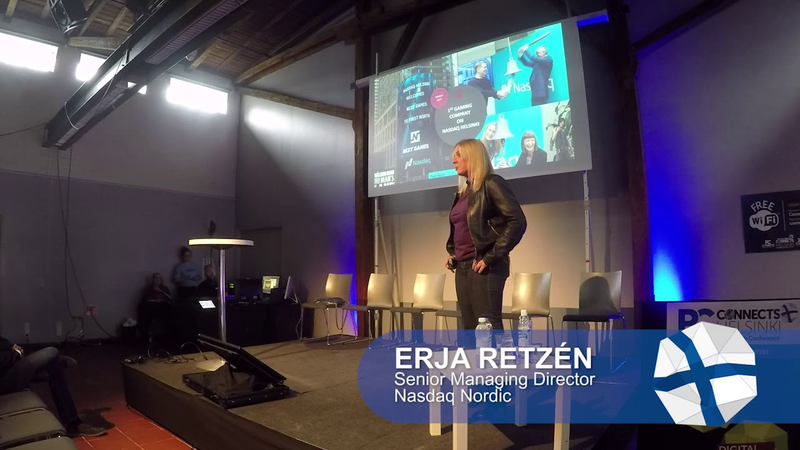
Nasdaq Nordic on access to capital and visibility for games companies
Nasdaq Nordic serves as a primary hub for gaming companies seeking capital, visibility, and international growth through public listings.
- Nasdaq Nordic has surpassed London as the leading European venue for IPOs, with companies raising nearly 8 billion euros through the exchange in the previous year.
- Gaming companies like Paradox Interactive, Remedy, and Nitro Games have successfully utilized the exchange to secure capital, with Remedy’s offering notably oversubscribed by a factor of 8.5.
- Public listing on Nasdaq Nordic provides gaming firms with a 'quality stamp' that enhances international negotiation leverage and facilitates future acquisitions.

Next Games - 비디오 광고 수익 극대화를 위한 Top Tip!
The integration of video advertisements into mobile games serves as a powerful tool for both monetization and player engagement, provided the implementation is strategic and user-centric.
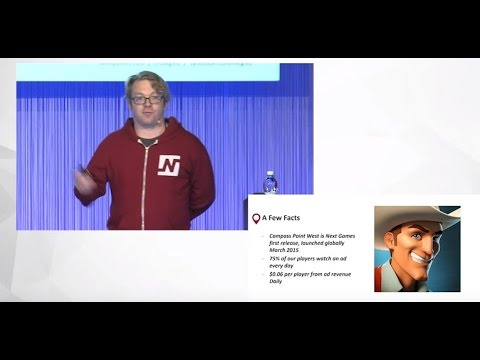
- Strategic video ad integration can boost key financial metrics, as evidenced by Compass Pointe West, which saw a 20% increase in repeat purchases, a 15% higher conversion rate, and a 50% increase in average revenue per paying user.
- Well-executed ad strategies do not cannibalize in-app purchases; instead, they act as a gateway to the premium economy by allowing non-paying users to experience premium items.
- High-performing ad implementations can achieve a 75% daily active user engagement rate, generating an average of six cents per player daily.
Next Games' top tips for making money from incentivised video ads
Next Games’ strategy for monetizing the mobile title Compass Point: West centers on the effective integration of incentivized video advertisements.
- Integrating incentivized video ads as a core game feature in 'Compass Point: West' resulted in 75% of daily active users watching at least one ad, generating $0.06 in ARPDAU from ad inventory alone.
- A/B testing revealed that players exposed to incentivized ads showed a 20% increase in repeat purchases and a 15% higher conversion rate compared to non-exposed players.
- Next Games successfully incentivized non-paying users by offering rewards valued at approximately $0.30 in exchange for 15 seconds of engagement.

Monetizer: The Walking Dead: No Man's Land
The Walking Dead: No Man's Land, developed by Next Games, utilizes a hybrid monetization model common in mobile strategy and RPG titles.
- The Walking Dead: No Man's Land, developed by Next Games, maintains a consistent position within the top 50 grossing mobile charts in major markets like the United States.
- The game utilizes a hybrid monetization model that pairs traditional time-gating for base-building and survivor training with hard currency (gold) bypass options.
- Revenue is driven by a tiered currency purchasing structure and starter bundles that provide immediate utility, such as legendary equipment and additional squad slots.
FTUE: The Walking Dead: No Man's Land
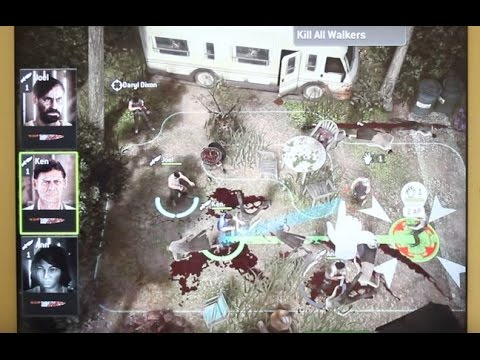
The First Time User Experience (FTUE) for the mobile strategy game The Walking Dead: No Man’s Land demonstrates a structured, multi-layered onboarding process designed to acclimate players to both turn-based combat and base-management mechanics.
- The Walking Dead: No Man’s Land utilizes a multi-layered FTUE to bridge the gap between turn-based combat and base-management mechanics, specifically targeting a mass-market audience drawn by the intellectual property.
- The combat tutorial emphasizes mission objectives over direct engagement, teaching players to manage action points and evaluate the risk-reward ratio of fighting versus reaching exit points.
- The game incorporates a base-building meta-layer inspired by Clash of Clans, introducing resource management, time-gating, and character progression to establish a long-term core loop.

Monetizer: Compass Point: West
Compass Point: West, a mobile strategy title developed by the Finnish startup Next Games, serves as a case study in hybridizing established genre mechanics.
- Next Games developed Compass Point: West as a hybrid mobile strategy title that merges Clash of Clans-style base-building with card-collection mechanics for unit management.
- The game replaces traditional unit training with a card system where players collect, upgrade, and merge cards to improve combat effectiveness.
- Monetization relies on a dual-currency model using gold/goods as soft currency and diamonds as hard currency to accelerate timers, bypass wait times, and purchase card-draw boosters.

F2P's soul, Glu's financials, and the even hotter Helsinki scene
The mobile gaming industry in late 2014 reflects a period of significant financial transition, characterized by the dominance of established franchises and the volatility of free-to-play (F2P) business models.
- Glu Mobile achieved profitability in late 2014 by leveraging the Kim Kardashian brand, which generated $43 million in its first full quarter and accounted for 52% of the company's total revenue.
- Despite strong earnings, Glu Mobile's share price dropped 20% in a single day as investors reacted to performance falling short of high market expectations.
- Traditional console giants are successfully capturing mobile market share by migrating core franchises, with EA reporting a 64% year-over-year increase in mobile revenue to $123 million and Ubisoft reporting a 45% increase in mobile sales.