indie
CompanyUnited States
Documents about indie
What Indie Game Publishers Really Think: 15 Years of Industry Insights from Finji's Rebekah Saltsman
Indie game publishing functions as a strategic partnership designed to mitigate the financial, operational, and interpersonal risks inherent in software development.
- Indie publishers typically manage titles with budgets of $2 million or less, focusing on small teams across all genres while providing essential business development, marketing, and operational support.
- Publishers act as mediators for team communication and project health, protecting their own reputation and financial investment by ensuring developers avoid burnout and adhere to platform-mandated schedules.
- When pitching to publishers, developers must demonstrate they can ship by providing realistic schedules, documented budgets with appropriate buffers, and clear team breakdowns to de-risk the project.

I Have Never Seen a Small Team Escape the Producer’s Job by Refusing to Hire One
Production is a fundamental set of activities rather than a specific job title, and small game development teams often suffer by conflating the two.
- Production is a set of essential project activities rather than a specific job title, meaning small teams perform these tasks regardless of whether they hire a dedicated producer.
- Unnamed production work is often absorbed by the most conscientious team members, leading to invisible burnout and sudden project failure when those individuals quit.
- Small teams should avoid hiring a full-time producer if they cannot afford one, but they must still establish clear rules for scope, deadlines, and decision-making to prevent 'decision paralysis' and feature creep.
Gamescom 2026 & GTA VI: Everything You Need to Know
Gamescom 2026 demonstrated a robust recovery for the global gaming convention circuit, with attendance figures rising 3% to near pre-pandemic levels.
- Grand Theft Auto VI has generated an estimated $500 million in pre-order revenue, with its marketing campaign causing major studios to adjust release schedules to avoid direct competition.
- A Netflix-hosted trailer for GTA VI achieved 31 million views in four days, driving a 125% surge in web traffic and demonstrating the game's significant cross-platform cultural influence.
- Rising RAM costs driven by the AI sector are expected to delay next-generation hardware like the PlayStation 6, forcing manufacturers to extend the current console cycle for the existing 100-million-unit install base.
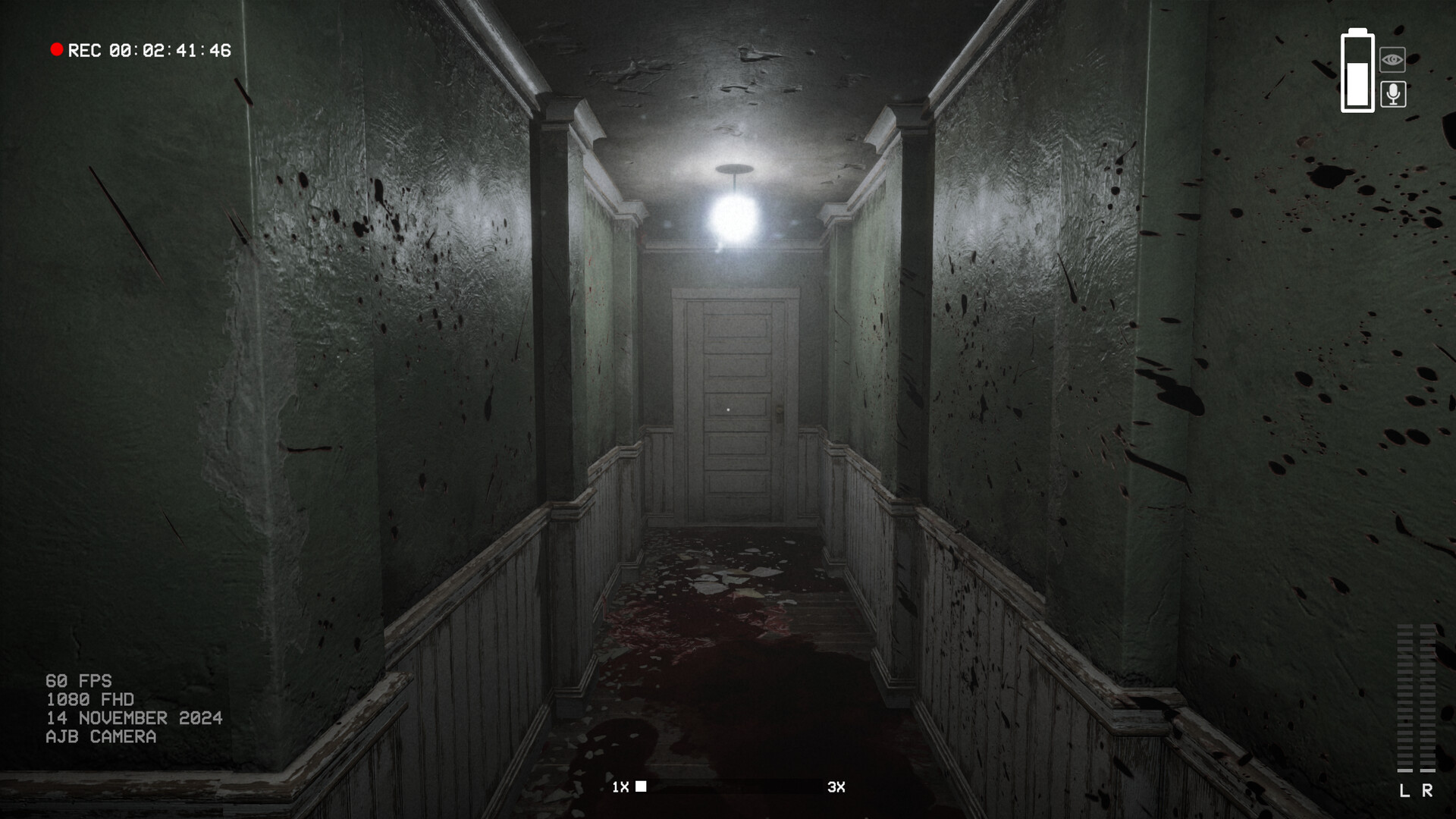
AJB Games Studio Celebrates Positive Reception for Martha’s Dolls 2 on Steam
Moroccan indie developer AJB Games Studio has achieved a significant milestone with the release of its horror sequel, Martha’s Dolls 2, which launched on Steam on September 1, 2026.
- Moroccan indie developer AJB Games Studio launched the horror sequel Martha’s Dolls 2 on Steam on September 1, 2026.
- The game achieved a 'Very Positive' rating on Steam, with 73 positive reviews out of 77 total at the time of reporting.
- Martha’s Dolls 2 is a short-form experience with a runtime of approximately 45 minutes.

Why Rewarded UA Is Built for Indie Studios
Rewarded user acquisition (UA) has emerged as a critical growth strategy for indie and small mobile game studios, offering a viable alternative to the high-cost, long-payback environments of traditional performance networks.
- Rewarded user acquisition (UA) offers indie studios a competitive advantage over traditional performance networks by providing lower breakeven points and faster paths to ROI, which is critical for studios with limited cash flow.
- Rewarded users should be segmented separately from organic or video-network users because they exhibit higher retention rates and a greater tolerance for ad exposure due to their incentivized nature.
- Standard 7- or 14-day segmentation models are ineffective for rewarded traffic, as the majority of user behavior and monetization occurs within the first 1 to 3 months.
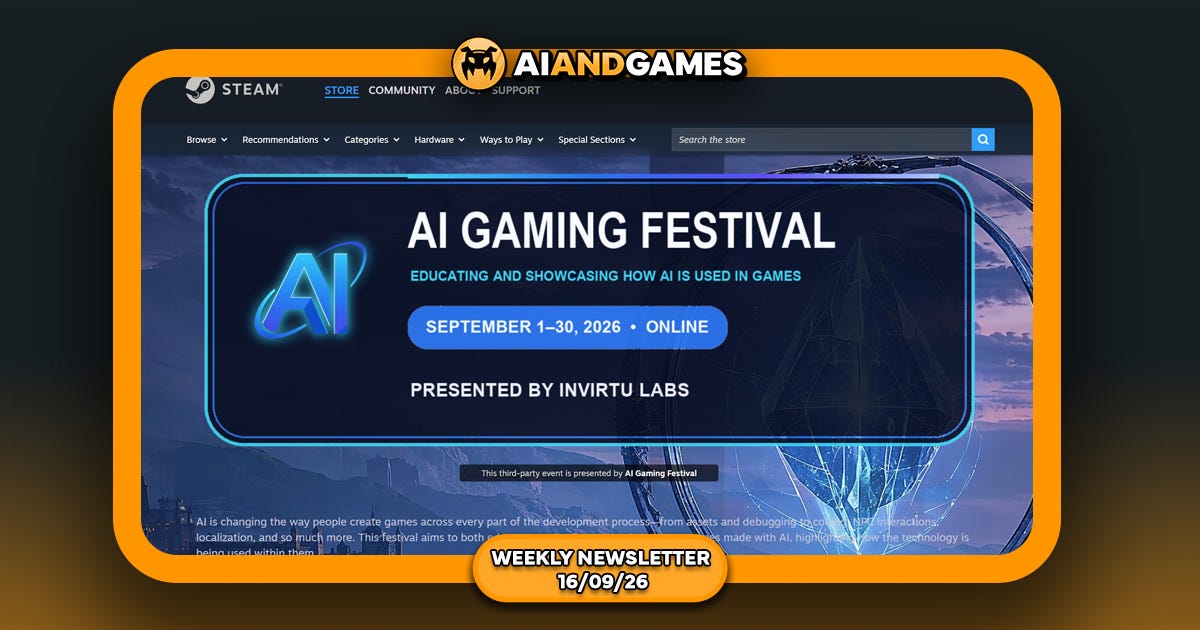
The Steam Fest That Proves Why Everyone Hates on AI in Games
The September 2026 "AI Gaming Festival" on Steam serves as a case study in the industry's contentious relationship with generative artificial intelligence.
- The 'AI Gaming Festival' on Steam is an independent third-party event organized by Invirtu Labs, not an official Valve production, and serves primarily to promote the company's own AI-driven distribution platform, Glitch.
- The festival focuses heavily on Generative AI tools for asset, code, and story replacement rather than gameplay-focused 'AI-Native' development, drawing significant negative sentiment from the Steam user base.
- The event functions as a marketing funnel for a ticketed, paywalled virtual conference featuring speakers who are largely founders of AI-focused startups, with minimal representation from the broader, traditional game development industry.
Beyond Balatro and Taking Risks: Why Playstack Doesn’t Want a 100% Hit Rate
Playstack, an indie game publisher celebrating its tenth anniversary, maintains a strategic philosophy that prioritizes creative risk-taking over achieving a perfect commercial success rate.
- Playstack maintains an 85% success rate for its published titles, including hits like Balatro, Abiotic Factor, the Mortal Shell series, and The Case of the Golden Idol.
- CEO Harvey Elliott intentionally avoids a 100% hit rate, arguing that such a metric would indicate the company is avoiding necessary creative risks and filtering out potentially innovative projects.
- Following the success of Balatro, Playstack has seen an influx of roguelike deckbuilder pitches, though the company remains committed to a diverse portfolio rather than specializing in a single genre.
Beyond Balatro: Why PlayStack doesn’t want a 100% hit rate
The modern gaming landscape is undergoing a fundamental shift where the traditional distinction between indie and AAA titles is becoming increasingly irrelevant.
- PlayStack strategically avoids a 100% hit rate to ensure resources are available for experimental projects that push genre boundaries.
- Maintaining an 85% profitability rate is the established benchmark for financial health at PlayStack.
- The traditional distinction between indie and AAA titles is becoming irrelevant, with success now driven by authentic, passion-led experiences rather than budget size.

Is the Game Biz Sustainable for the Average Indie Dev?
The sustainability of the independent game development sector is increasingly precarious, characterized by a market where only a small fraction of titles achieve commercial success.
- The commercial outlook for independent developers is increasingly difficult, as only approximately 0.6% of games released in January 2026 would have fully recouped a $500,000 development budget at standard royalty rates.
- Even at a lower $100,000 budget, only 6.5% of the 1,230 new Steam games analyzed would have reached a breakeven point if self-published.
- Consumer data from Circana indicates that cost is becoming a primary driver for subscription cancellations, with 40% of users citing 'couldn't justify the cost' as the reason for dropping Xbox Game Pass Essential, PS Plus Essential, or Nintendo Switch Online.
The New Money Behind Indie Games
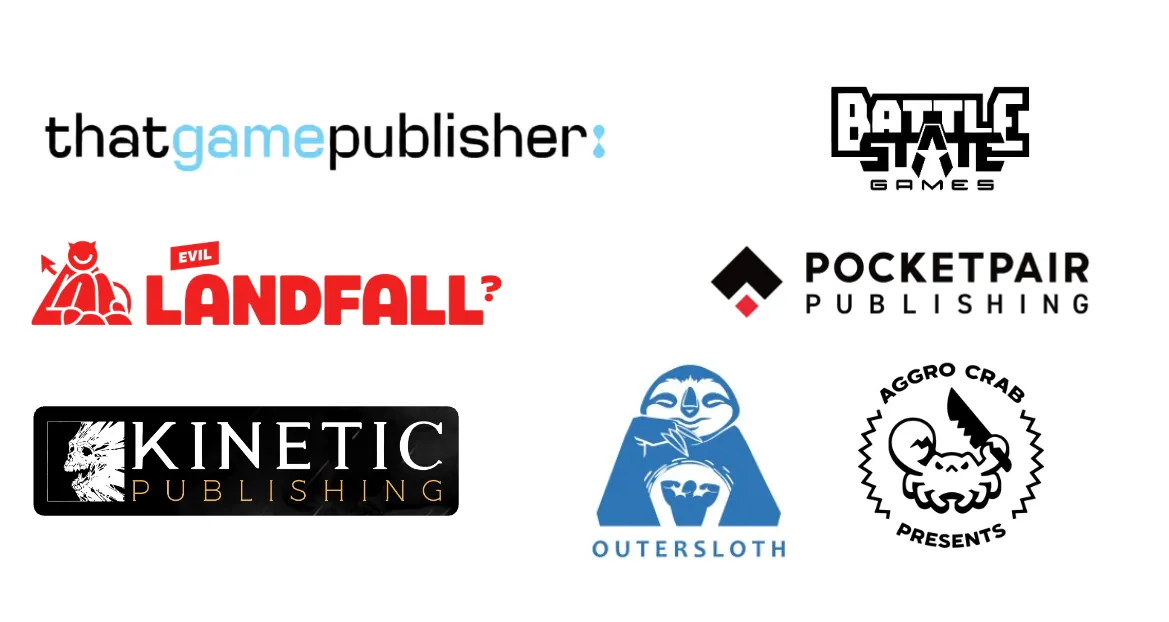
A significant trend is emerging within the independent game industry as successful developers transition into financiers for other studios.
- Successful independent studios like Innersloth, Landfall, and Kinetic Games are using profits from breakout hits to fund other developers, effectively bypassing traditional publishing bottlenecks.
- The venture capital boom for gaming has collapsed, with annual investment falling from a $12.5B peak in 2020–2022 to below $2.5B by 2024 as capital shifts toward AI.
- New developer-led publishing labels are prioritizing flexible, developer-friendly terms and smaller project budgets, typically ranging from $500,000 to $1M per title.
Weekly Gaming Reports Recap: September 7 - September 11, 2026
This weekly industry summary provides a comprehensive overview of global gaming market performance for early September 2026, synthesizing data from mobile, PC, and console sectors.
- August 2026 mobile gaming saw five titles exceed $100 million in revenue, led by Honor of Kings ($144.5 million) and PUBG Mobile ($138.5 million), while Roblox slipped to fifth place with $100.6 million.
- Steam experienced a record-breaking volume of new releases in late August 2026 with 720 titles launching in one week, though 74% failed to reach ten reviews and only 10 games surpassed 1,000 reviews.
- Southeast Asia's gaming market is projected to reach over 300 million players in 2026, with Thailand expected to surpass $2 billion in annual player spending by the end of the year.

TWIG #400: Is the Game Industry Actually Crashing, OpenAI's Astra and 8 Years of Hot Takes
The global gaming industry is currently undergoing a structural market correction rather than a catastrophic collapse.
- The gaming industry is undergoing a structural market correction rather than a collapse, with employment levels remaining stable at approximately 750,000 workers since 2022.
- The sector remains fundamentally robust, supported by a global player base exceeding 4 billion and a 16% compound annual growth rate in mobile advertising.
- Indie game revenue has increased sixfold over the past decade, highlighting a significant shift in market distribution alongside AAA development budgets that now range from $250 million to $400 million.