indie
CompanyUnited States
Documents about indie
Let's Be Honest About Indie Game Development — Q&A
This analysis explores the realities of independent game development, focusing on marketing, professional discipline, and the psychological management of creative work.
- Success in a saturated market requires shifting from passive promotion to interactive community engagement, such as crowdsourcing character names or design choices to foster organic growth.
- Relying exclusively on Steam is no longer a viable distribution strategy due to the high volume of annual releases, making platforms like the Nintendo Switch more attractive for discoverability and revenue.
- Developers should decouple their personal identity from their creative output to treat public criticism as a neutral tool for professional growth rather than a personal attack.

Making Games Is Just Like Making Pizza.
The process of independent game development mirrors the complexities of culinary preparation, requiring a balance between individual creative control and the efficiency of collaborative efforts.
- Independent development requires balancing the total autonomy of solo work, which extends timelines, against the faster production cycles and diverse skill sets offered by team-based collaboration.
- Managing multiple concurrent projects, specifically 'Will You Snail', 'Ovus Nova', and an undisclosed university project, creates a high risk of burnout that necessitates a shift toward long-term viability over immediate output.
- The 'Will You Snail' project is the primary focus, utilizing a simplified core design to avoid the market appeal and design issues that hindered the secondary project, 'Ovus Nova'.
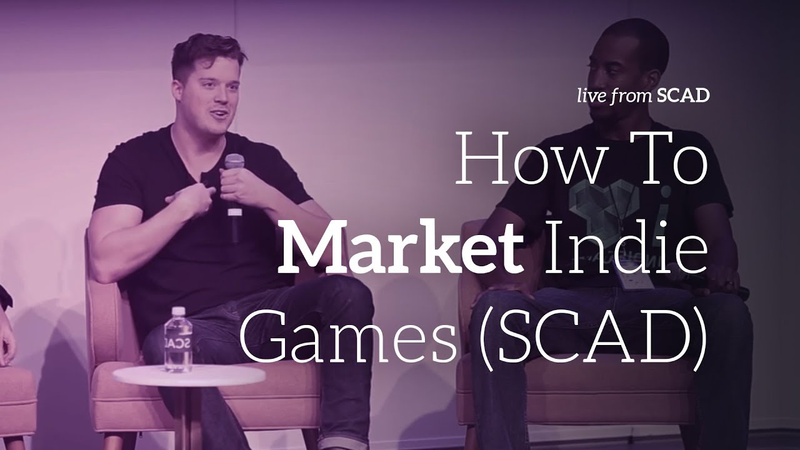
How To Market Your Indie Game — Exclusive SCAD Panel Discussion
The modern indie game landscape has shifted from a purely creative endeavor into a highly competitive business environment where technical quality no longer guarantees commercial viability.
- Success in the current indie market requires treating marketing as a core business skill rather than an afterthought, as technical quality alone no longer guarantees commercial viability.
- Developers should avoid broad audience targeting in favor of identifying a specific niche and cultivating a dedicated community of evangelists through authentic, personal storytelling early in development.
- Building genuine, long-term relationships with influencers and streamers is more effective for organic reach than relying on standard promotional posts.
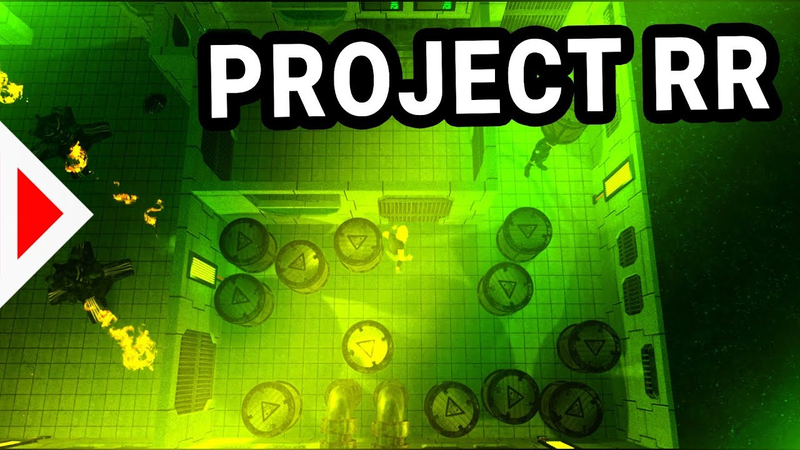
Get Feedback For Your Indie Games!... #010
The primary objective of this analysis is to evaluate the design philosophy of the indie stealth game Project RR, emphasizing the importance of establishing a clear game identity to guide development decisions.
- Developers should prioritize a cohesive game identity over conventional design rules, even if that requires incorporating elements traditionally viewed as frustrating or unfair.
- In Project RR, retaining map progress across restarts transforms the gameplay from a single-run challenge into a puzzle-solving experience based on repeated exploration.
- The developer must balance trial-and-error loops with predictable execution, ensuring that once a player masters a level, success is determined by skill rather than inconsistent AI behavior.
Your Indie Game on Console: A Practical Guide to Porting
Bringing an indie game to console platforms is a complex, multi-month undertaking that demands rigorous technical planning and administrative foresight.
- Porting an indie game to console is a complex process typically requiring three to six months, with projects involving intricate online networking often needing extended timelines.
- Success depends on early integration of platform-specific requirements, including dev kit acquisition, age ratings, and backend configuration for achievements, well before the final submission phase.
- Developers must replace simplified local storage with robust, platform-compliant save systems to meet console-specific technical standards.
FRAMED: A Recipe for Critical Success
The primary objective of this analysis is to outline a strategic framework for positioning premium indie titles for success in the mobile market.
- Strategic participation in the global festival and awards circuit can secure long-term commercial viability for premium indie titles, even when initial launch performance is underwhelming.
- The game FRAMED achieved 400,000 paid unit sales despite an initial launch that failed to meet expectations relative to its $500,000 development budget.
- Developers should structure production around ten-week milestones that align with major industry events to ensure a constant, high-quality, submission-ready build.
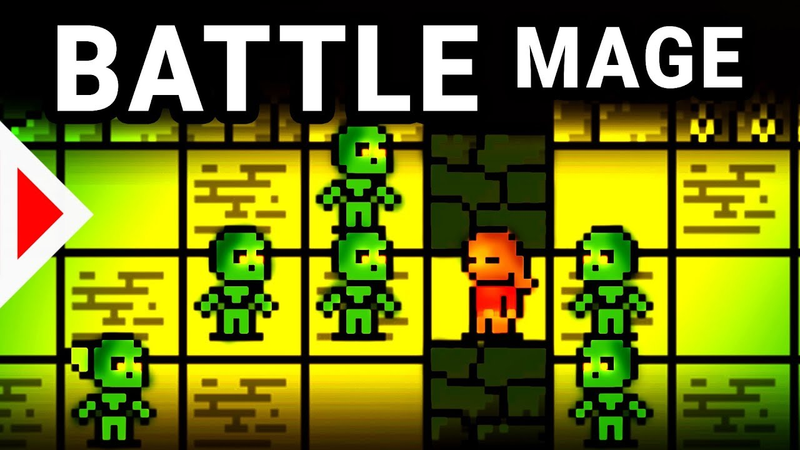
I Still Play Your Indie Games!... #009
The provided analysis examines the indie game Aldarix the Battlemage, focusing on game design principles, balancing, and player experience.
- Improve player onboarding by replacing the initial overwhelming spell selection with a gradual unlocking system to foster better progression and engagement.
- Enhance combat clarity by implementing more impactful damage animations and integrating mana costs directly into the user interface.
- Leverage a limited enemy pool to keep the game easy to learn, shifting the focus of complexity onto the player’s diverse spell kit rather than enemy behavior.

Practical IP Law for Indie Developers 301: Plain Scary Edition
Intellectual property management serves as the foundational pillar for indie game developers, necessitating a proactive approach to securing creative assets.
- Formalize ownership of all creative assets by using explicit work-for-hire and assignment agreements with every contributor, as automatic copyright is insufficient for legal security.
- Prioritize early trademark registration for game titles as word marks to establish a priority date, as trademark rights are jurisdiction-specific and depend on active commercial use.
- Avoid relying on fair use as a legal defense due to its unpredictable, case-by-case nature, and instead use formal registration to maximize legal leverage.
1 Day in the Life of an Indie Game Developer
Independent game development requires a disciplined approach to time management and task prioritization to maintain high levels of productivity.
- Maintain productivity by using structured time-blocking and taking breaks at least every two hours to avoid cognitive fatigue and diminishing returns.
- Prioritize iterative polishing of existing mechanics, such as AI and particle effects, over the constant addition of new content to create a more effective vertical slice.
- Enhance user experience through subtle technical refinements like code cleanup and post-processing effects rather than overwhelming the player with excessive features.
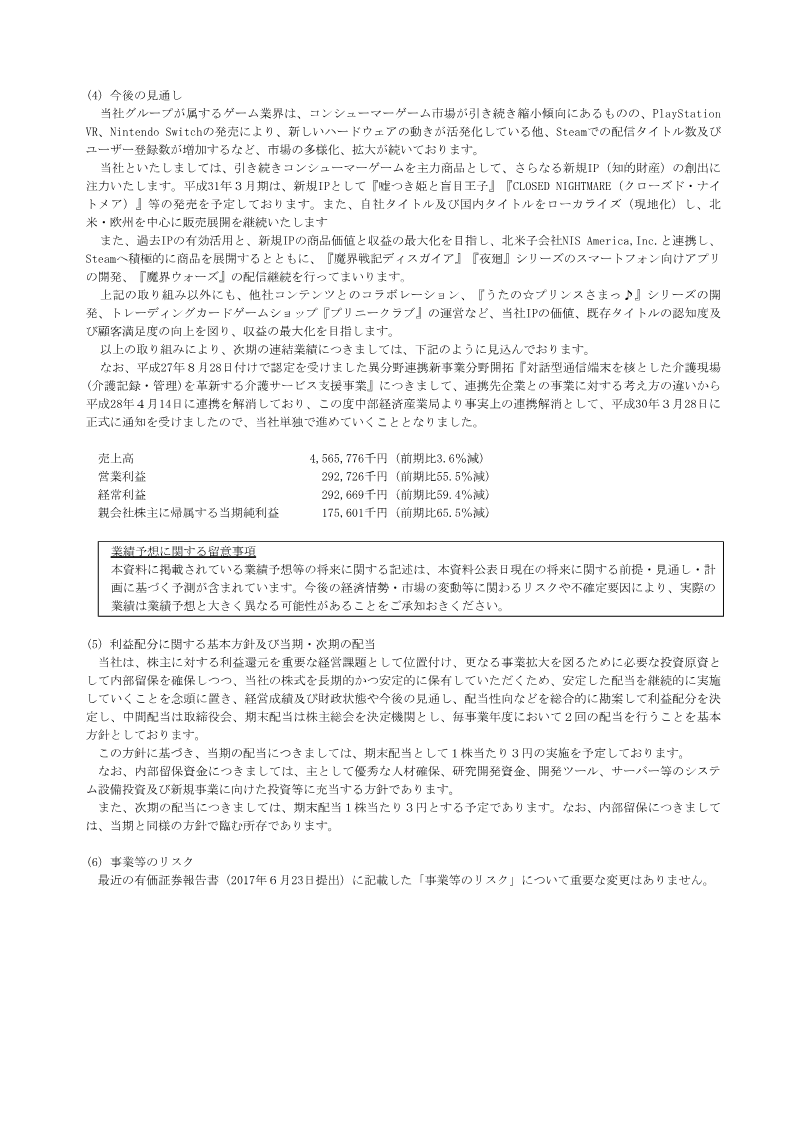
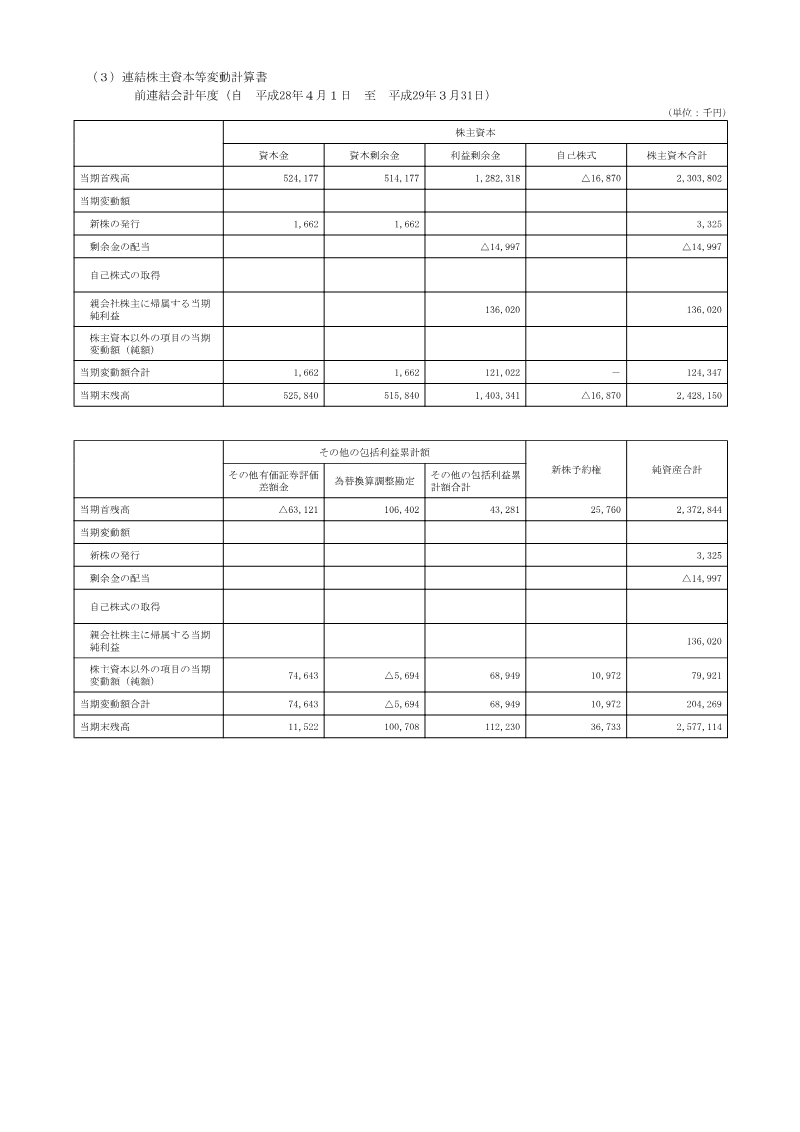
Nippon Ichi Software Financial Results: Fiscal Year Ending March 2018
Nippon Ichi Software’s financial results for the fiscal year ending March 31, 2018, reflect a period of significant growth driven by strong performance in both domestic and international gaming markets.
- Nippon Ichi Software experienced significant growth in the fiscal year ending March 2018, with net sales rising 38.9% to 4.737 billion yen and operating profit increasing 79.5% to 658 million yen.
- Net income attributable to owners of the parent surged 273.8% to 508 million yen, supported by the release of seven domestic titles and strong global sales of the Disgaea 5 series on Nintendo Switch, which exceeded 200,000 cumulative units.
- The company projects a performance decline for the fiscal year ending March 2019, forecasting net sales of 4.565 billion yen and net income of 175 million yen as it prioritizes long-term IP investment and talent acquisition.

Raport Bieżący Nr 26/2018
PlayWay S.A. has formalized a strategic investment in the Czeladź-based development studio Baked Games through a newly executed investment agreement.
- PlayWay S.A. acquired a 44% plurality stake in the Czeladź-based studio Baked Games for 199,000 PLN.
- The investment was executed through the subscription of new shares in Baked Games' increased share capital, as disclosed in May 2018.
- Following the transaction, the remaining equity is held by three partners, with two holding 27.5% each and one holding 1%.
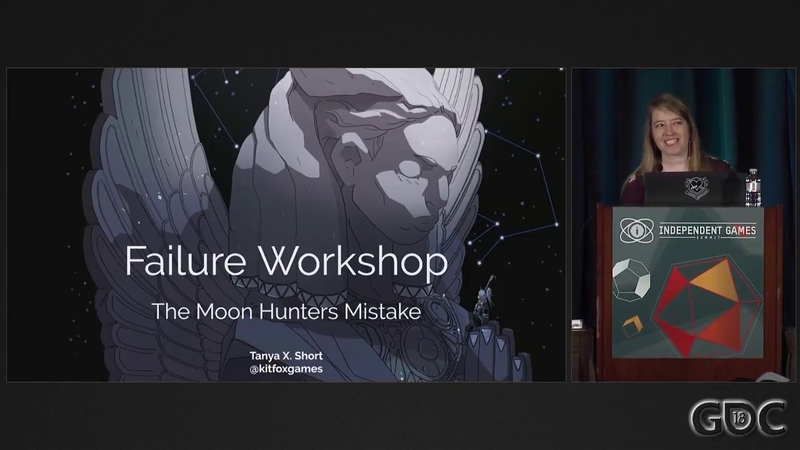
The 2018 Failure Workshop
The independent game development sector frequently suffers from a culture that prioritizes rigid production schedules over product quality, leading to avoidable commercial failures and significant psychological distress.
- Prioritizing rigid production schedules over product quality leads to avoidable commercial failures, negative community sentiment, and significant psychological distress for development teams.
- The case of Moon Hunters illustrates that rushing unfinished, buggy software to meet arbitrary deadlines results in immediate revenue loss and necessitates extensive, burnout-inducing post-launch support.
- Developers should shift focus toward long-term sustainability by prioritizing core gameplay quality over release efficiency, as flawed launches can be salvaged through consistent updates and transparent communication.