indie
CompanyUnited States
Documents about indie
How To Make "Zelda: Breath Of The Wild" Workshop: Day 2 (Part 2)
Creating a high-fidelity, open-world environment reminiscent of The Legend of Zelda: Breath of the Wild requires a disciplined approach to asset integration, terrain sculpting, and atmospheric post-processing.
- Effective terrain sculpting relies on using specialized brushes for large-scale mountain creation rather than manual, single-brush detailing.
- Fog is a critical tool for managing visual depth and environmental cohesion, helping to blend distant terrain and improve the overall aesthetic of the game world.
- Manual painting of environmental details like snow and grass requires balancing artistic intuition with logical placement based on mountain topography to avoid a 'mappy' or unnatural appearance.
How To Make "Zelda: Breath Of The Wild" Workshop: Day 1
Replicating the distinct visual aesthetic of The Legend of Zelda: Breath of the Wild within the Unity engine requires a disciplined approach to asset management and color theory.
- Establish a consistent color scheme for environments and biomes early in the development process to create a cohesive visual foundation, even if deviations occur later.
- Implement Level of Detail (LOD) groups for all exterior assets to manage poly counts and texture sizes, preventing performance issues when rendering large-scale environments.
- Maintain strict folder organization for all imported assets to ensure project scalability and prevent workflow bottlenecks during development.
How To Make A Horror Game (Fast, No Modeling)
The process of developing a 3D horror game without traditional 3D modeling skills relies on leveraging modular design, grid-based layout tools, and royalty-free assets.
- Use Unity’s ProBuilder package to construct environments through modular block-outs, ensuring consistent scale by adhering to a strict one-meter grid system.
- Maintain visual consistency across disparate royalty-free assets by applying a unified color palette and standardized lighting throughout the environment.
- Generate professional-grade material maps—including normal, height, and roughness—from flat photographic references using tools like Materialize.

Roblox brainrot explained, Ustwo’s strategy switch, Ubi closes mobile studio, 2026 predictions, more
This analysis examines the current state of the mobile gaming industry as of early 2026, focusing on shifting development strategies, platform trends, and market performance.
- Mobile gaming remains the industry's largest sector, accounting for 55% of total gaming revenue in 2025, according to Newzoo.
- Ustwo Games is pivoting to a 'PC-first' development strategy, signaling a decline in the viability of subscription-based mobile platforms like Apple Arcade and Netflix Games for premium indie developers.
- Ubisoft is closing its mobile-focused studio in Halifax, Canada, resulting in 71 layoffs and the cessation of live operations for Assassin's Creed Rebellion.
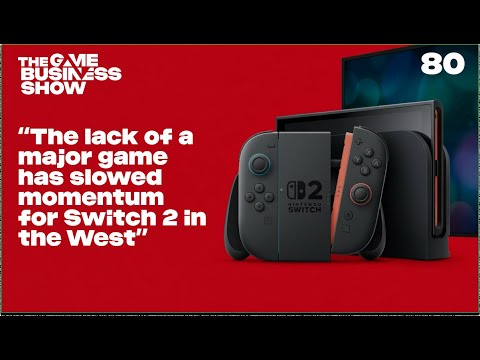
Nintendo Switch 2 sales stumble over Christmas
The Nintendo Switch 2 encountered a difficult holiday season, marked by a significant decline in U.S. sales compared to the original console’s 2017 launch.
- The Nintendo Switch 2 experienced a significant decline in U.S. holiday sales compared to the original 2017 console launch, driven by a higher price point and a lack of a flagship title.
- While the Japanese market remained resilient, major territories like France saw notable year-over-year downturns in Switch 2 hardware adoption.
- The Nex Playground console successfully moved 650,000 units last year, establishing a niche in the family-oriented, motion-control market and expanding into the UK.
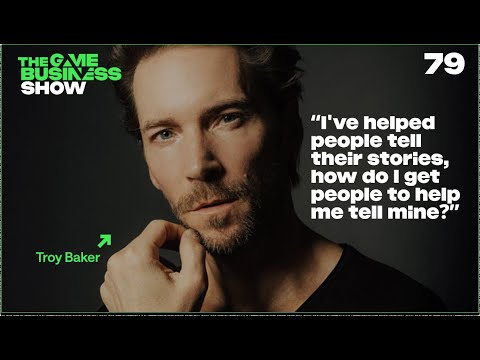
Interview with Troy Baker: Could we see video game actors on Jimmy Fallon?
Video games have solidified their position as a primary medium for sophisticated storytelling, moving beyond their historical status as a secondary industry to become a central pillar of modern entertainment.
- Video games have transitioned from a secondary industry to a primary pillar of modern entertainment, driven by the increasing integration of high-profile Hollywood creators.
- The industry’s capacity for fostering deep empathy and human connection is fueling a cultural shift that makes the future mainstream visibility of game actors on platforms like late-night talk shows inevitable.
- Human-centric performance is the industry’s primary defense against artificial intelligence, as automated tools lack the capacity for the genuine artistic expression that audiences increasingly demand.

Let's Review Your Games — Ep. 039
Effective indie game development relies on the strategic application of "juice"—the essential polish, sound design, and visual feedback that renders gameplay responsive and satisfying.
- Melee combat requires high-impact sensory feedback, specifically layering punch and crunch sound effects with visual cues like screen flashes, particle effects, and gore to make hits feel satisfying.
- Adding personal stakes or relational motivations, such as a vendetta against a specific antagonist, is more effective at driving player engagement than generic objectives like research or exploration.
- Voice acting is a critical component for indie demos to stand out; developers should utilize resources like voices.com to integrate professional audio early in the development process.
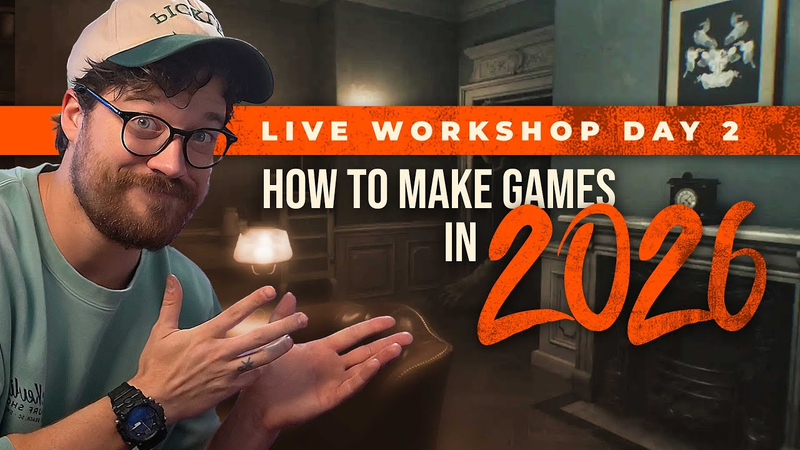
How To Make Games In 2026 (Workshop, Day 2)
Achieving AAA-quality visual fidelity in indie game development is highly feasible through a disciplined, cost-effective workflow centered on custom texture creation and meticulous set dressing.
- Indie developers can achieve AAA-quality visuals by replacing expensive 3D modeling and high-poly baking with original photography and royalty-free assets.
- Custom texture creation using tools like Photoshop and Materialize allows for the generation of normal, height, and smoothness maps to add depth to basic geometry.
- Adhering to Physically Based Rendering (PBR) principles, specifically the precise configuration of alpha channels for roughness and specular highlights, is essential for visual fidelity.
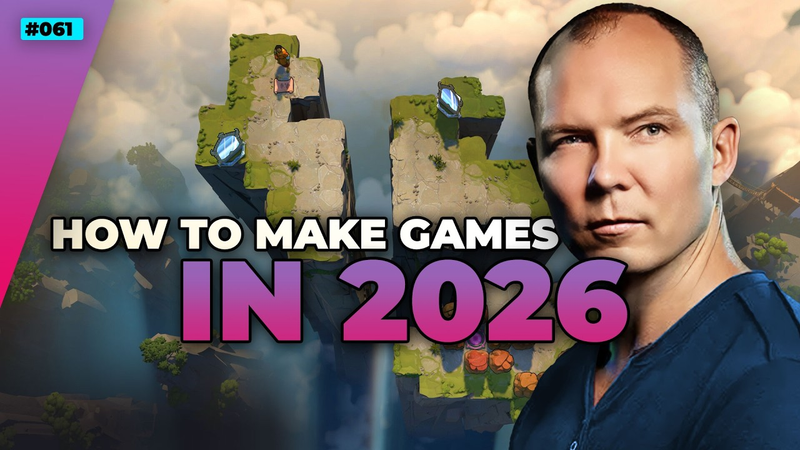
How To Make Indie Games In 2026 w/ Jonathan Blow — Full Time Game Dev Podcast Ep. 061
The modern indie game landscape is defined by intense competition and a precarious pricing environment, necessitating a strategic shift toward long-term discoverability.
- Jonathan Blow’s upcoming game, Order of the Sinking Star, represents a 10-year development cycle that involved building a custom game engine and a custom programming language from scratch.
- Steam remains the most accessible platform for indie developers to reach a large audience, though developers must still navigate the difficulty of standing out in a crowded marketplace.
- Large Language Models (LLMs) are effective for debugging specific issues by scanning multiple controllers and systems, but they struggle to maintain complex, multi-system constraints in larger codebases.
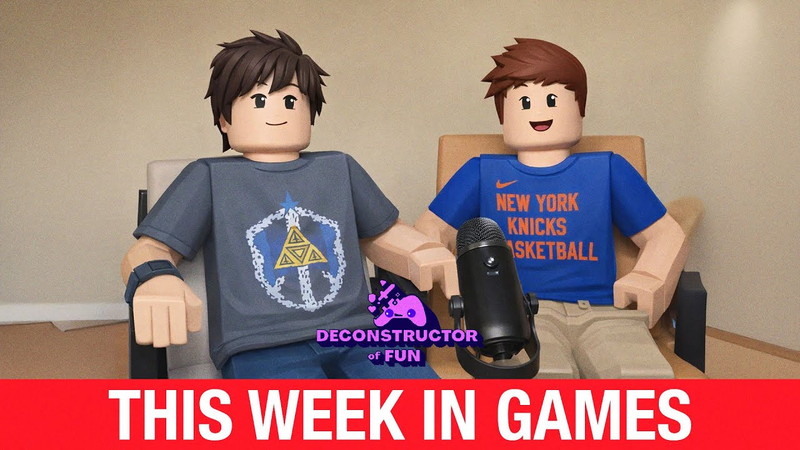
TWIG Jr: Awards, Predictions, and Gen Alpha's Take on Gaming
Generation Alpha’s gaming preferences reveal a sophisticated shift away from hypercasual mobile titles toward experiences that offer depth, narrative, and social utility.
- Generation Alpha is shifting away from hypercasual mobile games toward indie titles like Hollow Knight and Undertale, citing a preference for mechanical depth and a dislike for intrusive advertising.
- Platforms like Roblox and Fortnite are functioning as essential digital third spaces, though players are showing signs of fatigue regarding the aggressive pop-culture collaborations currently driving Fortnite’s model.
- Children are developing high brand awareness for sports betting platforms like FanDuel and PrizePicks due to the pervasive integration of wagering advertisements into televised sports and gaming environments.

12 Game Industry Predictions: The Numbers Don't Lie!
The global gaming industry faces a transformative period leading into 2026, characterized by a structural shift toward high-fidelity, cross-platform experiences and a challenging environment for traditional mobile and PC sectors.
- The global player base is projected to grow by 5% annually, reaching 1.7 billion players by 2026, supported by the rising popularity of cost-effective PC handhelds.
- Western mobile gaming firms are losing market share to Chinese publishers, who currently occupy six of the top twenty global market positions.
- Venture capital investment in gaming is expected to hit record lows as exit multiples compress, shifting investor focus toward user acquisition financing rather than traditional project funding.
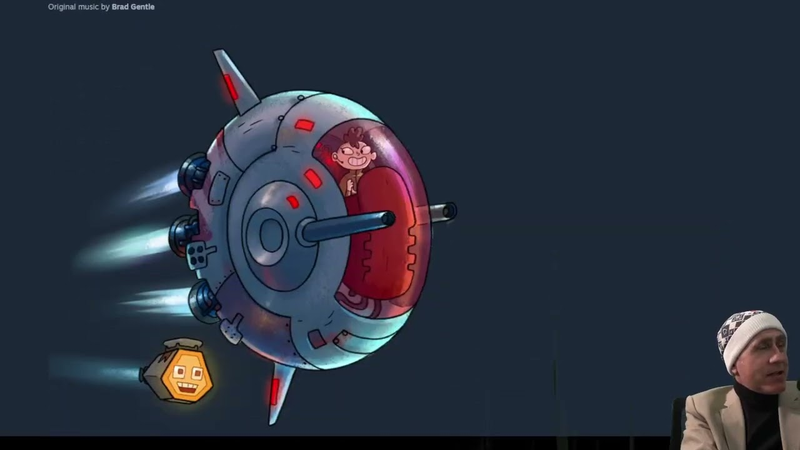
Review Guesser December 17
This analysis evaluates the performance of various titles on the Steam platform by predicting review counts based on visual presentation, genre conventions, and market positioning.
- Genre selection is the primary determinant of commercial success on Steam, often outweighing visual quality or technical competency.
- Arcade-style titles, including twin-stick shooters and Star Fox-inspired flight games, consistently underperform on Steam compared to console platforms regardless of production value or IP strength.
- Visual polish and cohesive art direction are insufficient to guarantee success if the game's genre lacks a dedicated audience on the Steam platform.