indie
CompanyUnited States
Documents about indie
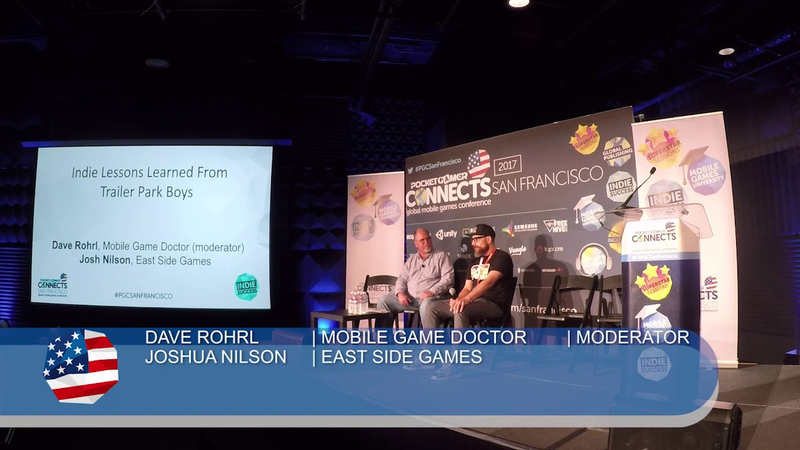
Eastside Games' indie lessons learned from Trailer Park Boys
The development of Trailer Park Boys: Greasy Money serves as a case study for independent studios navigating the complexities of licensed intellectual property (IP) in the mobile gaming market.
- Trailer Park Boys: Greasy Money achieved 2.5 million installs in its first 45 days and reached the top 100 in over 100 countries by pivoting from a mechanics-heavy design to a narrative-driven idle game model.
- The studio successfully balanced profitability and retention by utilizing a hybrid monetization model where in-app purchases generate 75% to 80% of revenue, supplemented by secondary ad revenue.
- Leveraging niche intellectual property significantly reduces user acquisition costs and increases project visibility with platform holders, provided the studio maintains creative control and agility.
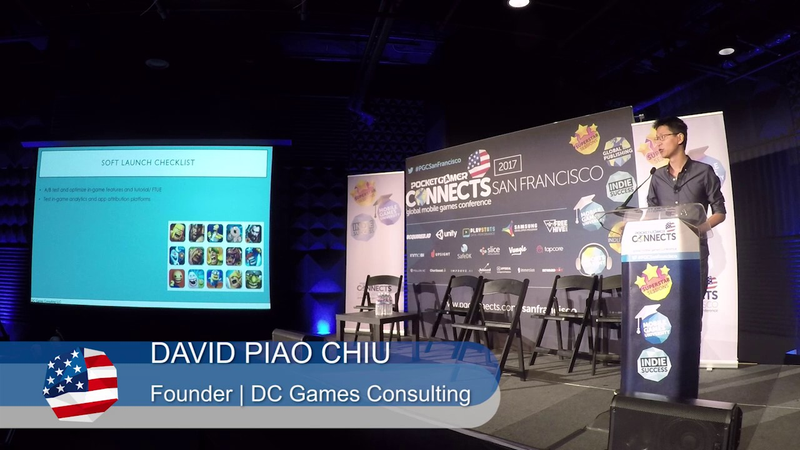
An indie survival guide to self-publishing in the mobile free-to-play world
The mobile free-to-play (F2P) landscape is characterized by high market saturation, with over 800,000 games on the iOS App Store and thousands of new titles launching weekly.
- The mobile F2P market is highly saturated, with over 800,000 games on the iOS App Store and thousands of new titles launching weekly, driving user acquisition costs to record highs.
- Developers must choose between self-publishing and partnering with a publisher based on their internal capacity for managing UA, ASO, and community engagement versus the trade-off of revenue sharing and creative control.
- When selecting a publisher, developers should prioritize alignment on monetization strategies—specifically the use of offer walls—and verify the partner's track record and portfolio fit for their specific genre.
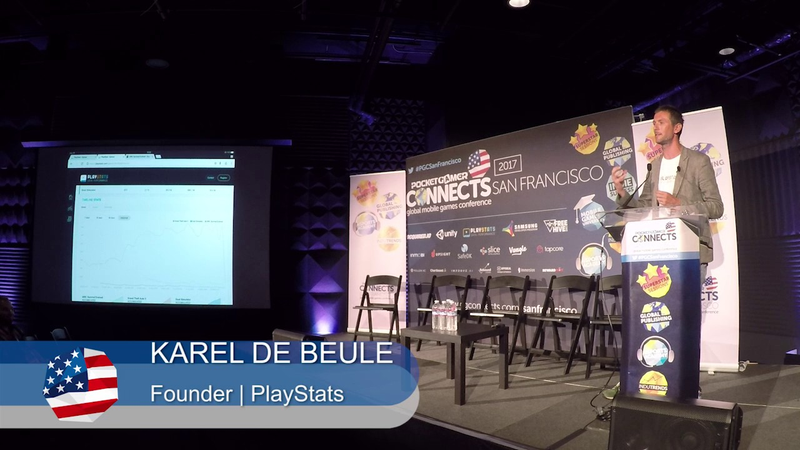
Game video streaming: Your game is being watched more than it is being played
The gaming industry is undergoing a fundamental shift where the consumption of video games is increasingly defined by watching others play rather than direct participation.
- Video streaming currently accounts for 30% of total game consumption and is projected to surpass active gameplay within five years.
- Games must be designed as broadcast-ready entertainment to ensure long-term community engagement, as viewership is becoming a primary driver of market success.
- Major franchises like Grand Theft Auto have achieved over 3.3 billion hours of watch time on YouTube, demonstrating that game viewership can exceed the reach of top-tier traditional television media.
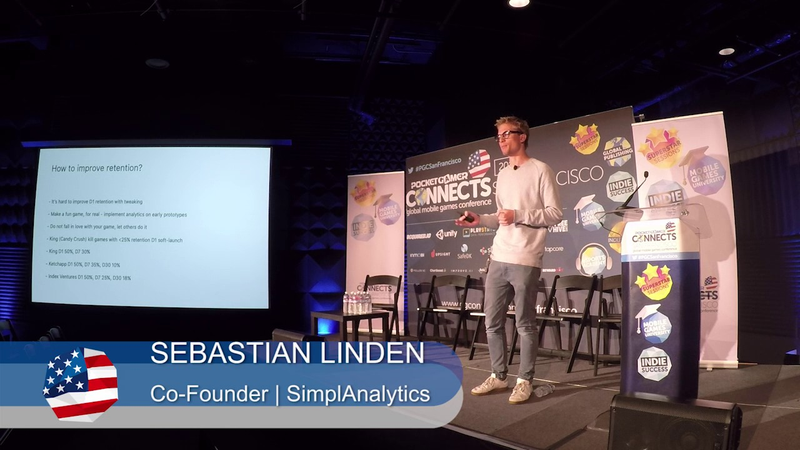
Why indie game developers should look at analytics in different phases
Indie game developers should prioritize data-driven decision-making by integrating analytics early in the development process to validate core gameplay and improve long-term viability.
- Day 1 retention is the most critical metric for indie developers, serving as the essential foundation for all future monetization and scalability.
- Indie developers should validate core gameplay mechanics within a two-week window using a Minimum Viable Product (MVP) to avoid over-investing in projects that lack player stickiness.
- Maintaining engagement through Day 7 and Day 30 remains a significant challenge for indie studios, even when initial Day 1 retention targets are met.
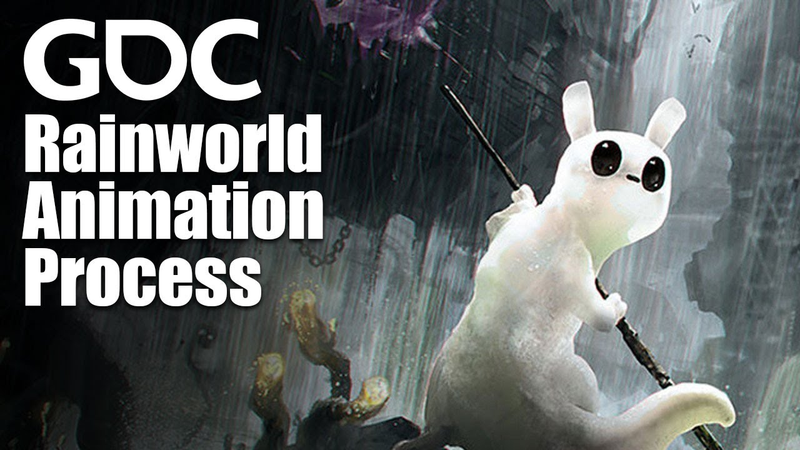
The Rain World Animation Process
The animation process for the indie game Rain World centers on the use of procedural animation to create a believable, autonomous ecosystem.
- Rain World utilizes a procedural animation system that separates physics simulations from cosmetic visuals, allowing for performance efficiency and easier tuning of creature behaviors.
- The game’s AI and animation are deeply integrated, where locomotion is driven by pathfinding algorithms that treat creatures as physics objects moving toward destinations in a tile-based environment.
- Creature personality is an emergent property of the game's systems; by making AI motivations and environmental interactions visible to the player, users project intent and personality onto non-scripted behaviors.
Getting Started as a Game Journalist - Practice, Prepare, and Pitch - Extra Credits
Entering the field of game journalism is best approached through freelancing, which allows aspiring writers to build a portfolio while maintaining financial stability.
- Freelancing is the recommended entry point for game journalism, allowing writers to build a portfolio while maintaining financial stability through per-article commissions.
- Effective pitches to editors must be concise, ideally under 200 words, and feature a unique hook that distinguishes the story from generic industry coverage.
- New writers should focus on pitching features such as developer profiles or analytical pieces on indie games, as these are the most effective entry points for securing commissions.

Storytelling Tools to Boost Your Indie Game's Narrative and Gameplay
Integrating traditional narrative structures with flow theory serves as a powerful strategy for indie game developers to deepen player engagement and refine mechanical progression.
- Integrate narrative structures with flow theory to align mechanical progression with emotional development, ensuring that gameplay challenges feel earned and meaningful.
- Structure the player's emotional journey using a narrative arc that includes an inciting incident, a low midpoint, a critical black moment, and a decisive conclusion.
- Establish a baseline of normality before introducing conflict to provide the necessary context and empathy required for players to engage with subsequent challenges.

Practical Contract Law 201 for Indie Developers: Moderately Scary Edition
Contracts function as the foundational rulebooks for independent game studios, providing the necessary clarity and predictability to navigate business relationships and mitigate risks associated with both failure and unexpected success.
- Prioritize robust work-for-hire agreements that explicitly transfer all project-related intellectual property to the studio, avoiding fragmented 'Franken-contracts' that jeopardize ownership.
- Secure leverage in development agreements by withholding the formal transfer of intellectual property rights until all final payments are successfully processed.
- Mitigate financial risk from scope creep by implementing rigorous scope-of-work documentation, formal change-order processes, and mandatory kill fees.
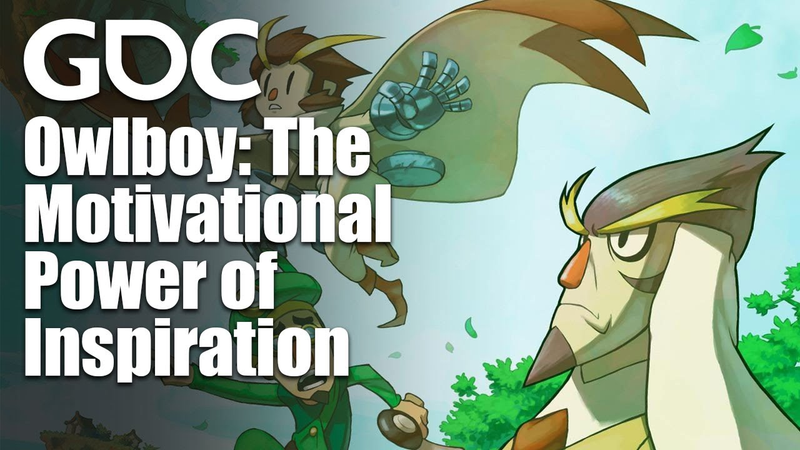
Owlboy: The Motivational Power of Inspiration
The nine-year development cycle of the indie title Owlboy serves as a case study for the critical role of sustained creative inspiration in long-term game production.
- Maintaining long-term motivation over a 9-year development cycle requires a team-wide commitment to a core vision, even when faced with significant financial hurdles and the need for secondary employment.
- Design inspiration can be sourced by internalizing experiences from other media, such as architectural elements observed during travel, and by allowing the mind to wander during periods of boredom.
- Iterative design is more effective when moving from small, rough sketches to pixel art sprites, which helps developers focus on essential shapes and silhouettes rather than getting stuck on minute details.
Indie Advice - Fire Early - Extra Credits
Effective project management in the indie game industry requires the difficult but necessary willingness to terminate underperforming team members early.
- Delaying the termination of an underperforming team member prioritizes one individual over the collective success and morale of the entire project team.
- Procrastinating on personnel decisions creates compounding technical and operational debt that forces remaining team members to work at reduced efficiency.
- Addressing a poor fit within the first month of a year-long project limits the negative impact to 8% of the development timeline.
We Failed at Publishing Competitive Games so You Don't Have to
The pursuit of a competitive gaming publishing label serves as a cautionary tale regarding the disconnect between development expertise and market realities.
- Financial success in competitive gaming requires aligning development costs with market reality, as even respectable sales of 200,000 units—such as those achieved by Divekick—can fail to recoup investments if the budget and strategy are misaligned.
- Publishers must avoid the cognitive bias of attributing past successes to internal expertise rather than the inherent appeal of the product, which often leads to the repeated failure of marketing strategies for subsequent titles like Capsule Force and Gun Sport.
- A shift in strategy is required from front-loaded content models to sustainable post-release update cycles, as the former fails to maintain the long-term engagement necessary for competitive titles.
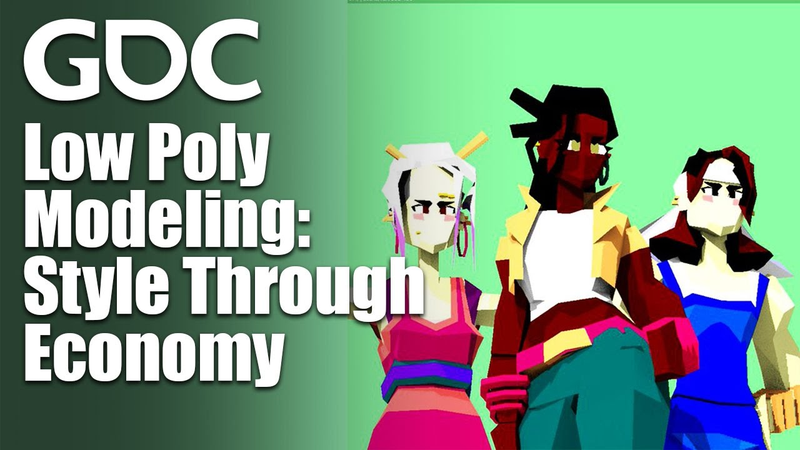
Low Poly Modeling: Style Through Economy
Low-poly modeling functions as a deliberate design philosophy centered on surface economy, prioritizing stylistic efficiency and the clear communication of visual ideas over the pursuit of high-fidelity realism.
- Adopting a low-poly first workflow increases productivity and iteration speed by eliminating the need for manual decimation or retroactive optimization.
- Low-poly modeling prioritizes surface economy and silhouette legibility, allowing developers to maintain consistent visual quality while managing limited resources.
- Low-poly geometry functions as an efficient control cage for subdivision surfaces, enabling rapid structural adjustments before final detailing and sculpting.