indie
CompanyUnited States
Documents about indie
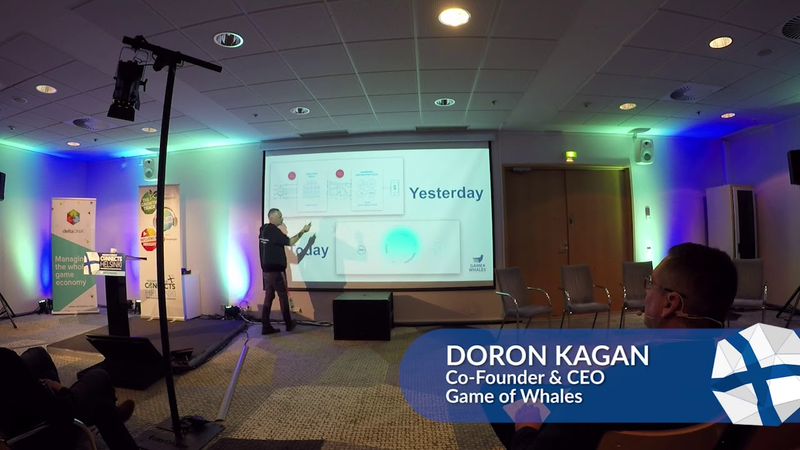
How AI automation increases games IAP LTV by 25%
The mobile gaming industry faces significant challenges regarding user monetization and retention, characterized by a standard 2% conversion rate for in-app purchases (IAP) and a daily churn rate of approximately 50%.
- Automated AI and machine learning platforms increase in-app purchase (IAP) revenue by 20% to 25% compared to traditional manual management strategies.
- Real-time behavioral clustering allows developers to move beyond generic demographics, enabling personalized monetization strategies that distinguish between potential spenders and non-payers.
- AI-driven optimization improves day-7 retention and overall conversion rates by identifying interaction 'sweet points' that human analysts typically overlook.
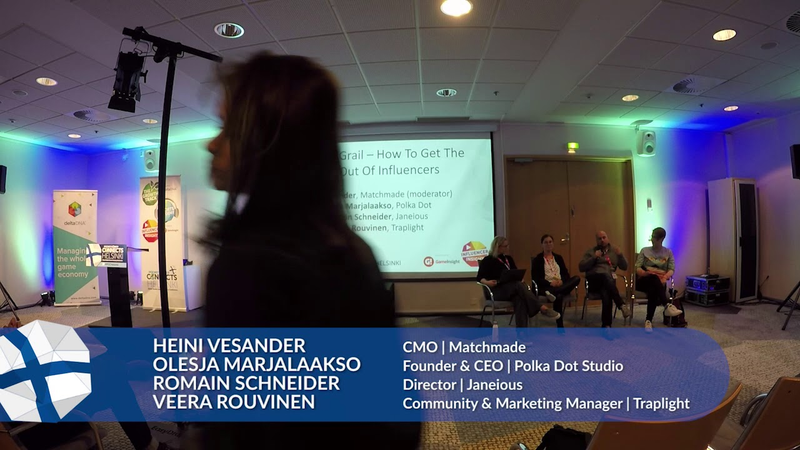
The Holy Grail: How to get the best out of influencers
Influencer marketing has emerged as a critical pillar of modern game promotion, with the sector projected to reach a $10 billion valuation by 2020.
- Prioritize long-term partnerships over transactional, one-off advertisements to lower customer acquisition costs and build sustainable community trust.
- Identify influencers whose specific audience demographics and interests align perfectly with the game’s core mechanics to ensure content feels organic.
- Indie developers should leverage micro-influencers and revenue-share models to maximize impact within limited budget constraints.

Indie Game Developers and Canada
Canada has emerged as a premier global hub for independent game development, driven by a combination of favorable government policy, a robust professional ecosystem, and high quality of life.
- Canadian provincial governments provide aggressive financial incentives for game studios, including tax credits that can reimburse up to 50 percent of employee salaries.
- Vancouver serves as the primary hub for Canadian independent game development, hosting a high density of mobile developers and indie studios.
- The Canadian ecosystem has successfully fostered high-profile titles such as Celeste and supported the growth of established studios like Klei Entertainment and Hothead Games.
How To Become a Game Developer! - Actionable Roadmap.
This guide provides a structured, actionable roadmap for individuals entering the game development industry, emphasizing that the optimal path depends on whether the developer seeks a hobby, a professional career in a studio, or a path as an independent developer.
- Prioritize completing small, manageable projects to master the full production cycle before attempting complex, large-scale game development.
- Beginners should immediately download accessible engines like Unity, GameMaker, or Godot and complete a tutorial-based project within one day to identify personal areas of interest.
- Professional job seekers must build a strong portfolio through internships, game jams, and documented personal projects, balancing generalist knowledge with a specialized skill set.
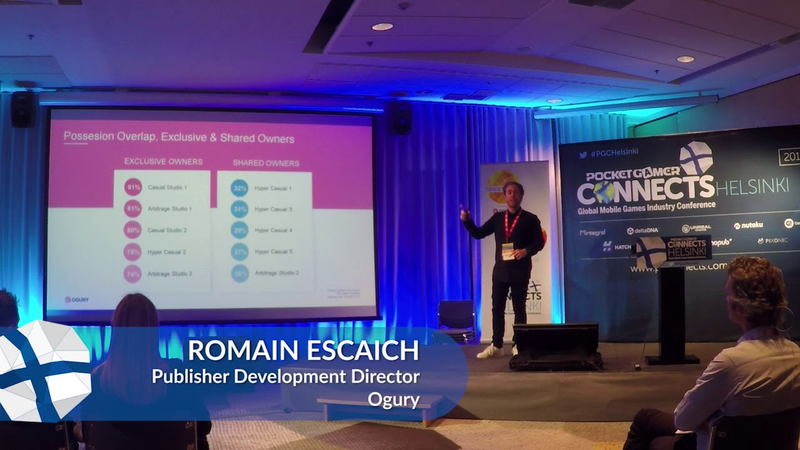
Levelling up – How to move from a small indie to an established publisher
The mobile gaming sector is currently defined by the rapid expansion of hyper-casual titles, which attract a vast, predominantly male demographic.
- Transitioning from microtransaction-heavy models to ad-driven revenue streams allows studios to achieve profitability in as little as three months, compared to the 12 to 15 months required by traditional development cycles.
- To combat high user churn in hyper-casual titles, studios must build interconnected ecosystems that leverage cross-app usage data to retain players within their own portfolios.
- Scaling operations effectively requires outsourcing ad operations and SDK management to third parties, allowing internal teams to focus resources on core game design and creative innovation.
Mastering Crunch Time! - (for Game Developers.)
Sustainable game development during high-pressure crunch periods requires a strategic approach that prioritizes cognitive focus and physical well-being over destructive, long-hour work habits.
- Productivity during crunch is driven by physiological management—specifically maintaining steady blood sugar through fiber-rich nutrition, hydration, and oxygenation—rather than increasing total work hours.
- High-concentration tasks like coding and game design should be scheduled in two-to-three-hour blocks, followed by mandatory 30-to-60-minute breaks to prevent energy crashes.
- Breaks must involve physical movement, such as walking or exercise, to effectively clear the mind and restore cognitive focus for subsequent work intervals.
Developing In The Flash Era
The era of Flash gaming served as a foundational training ground for many contemporary independent game developers, providing a rapid, iterative environment that facilitated professional growth.
- The Flash era (late 2000s to early 2010s) acted as a critical incubator for modern indie development by providing a low-barrier environment for rapid prototyping and iterative design.
- Platforms like Newgrounds and FGL (Flash Game License) enabled developers to build professional portfolios and secure funding through direct sponsorship models.
- Publishers such as Armor Games and various portal sites monetized the ecosystem by paying developers to integrate branding into games, using the titles as traffic-driving advertisements.
Wake of Poseidon! - I Analyze Your Indie Games (#013)
The indie game Wake of Poseidon is a twin-stick shooter that utilizes a unique orthographic camera perspective to create a three-dimensional play space.
- The orthographic camera perspective creates significant depth-perception issues, making it difficult for players to track projectile trajectories during high-intensity bullet hell sequences.
- Combat readability should be improved by replacing line-based projectiles with round bullets and shifting focus toward faster projectiles, melee-focused enemies, or telegraphed area-of-effect attacks.
- Visual feedback requires enhancement through clearer hit detection indicators, directional knock-back mechanics, and death animations that react to the specific angle of impact.
Marketing Games Is Essential
The core thesis of this discussion is that marketing is an essential, often overlooked component of indie game development that directly dictates commercial success.
- Marketing is the primary determinant of commercial success, as high-quality game design and technical skill alone are insufficient to generate revenue.
- Building a dedicated audience through channels like YouTube, email lists, and social media creates a reliable support base that significantly increases the probability of a successful launch.
- Strategic adjustments to pricing and landing page optimization can transform stagnant products into six-figure revenue streams.

What If You Improved Your Indie Game 3 Steps / Day?
The practice of implementing three daily improvements to an indie game serves as a highly effective strategy for maintaining momentum, overcoming creative stagnation, and ensuring consistent progress.
- Implementing three specific improvements daily prevents creative stagnation and ensures consistent momentum toward a finished product.
- Development should prioritize a single, highly polished vertical slice to establish a cohesive mechanical and visual foundation before scaling production.
- Design choices must balance aesthetic ambition with functional clarity, as overly chaotic visuals can hinder player readability and action tracking.
Indie After College: Surviving the Transition
This presentation provides a pragmatic, cautionary guide for students and recent graduates considering a career in independent game development.
- The indie game market is severely saturated, with annual releases on Steam surging from approximately 400 in 2012 to over 7,500 in recent years, causing median sales per game to plummet.
- Success in independent development is frequently driven by survivorship bias, privilege, and luck rather than merit alone, necessitating a strategic approach to risk management.
- Recent graduates should avoid attempting to build an 'ultimate' thesis project immediately, as the lack of professional experience and financial safety nets significantly increases the risk of burnout.
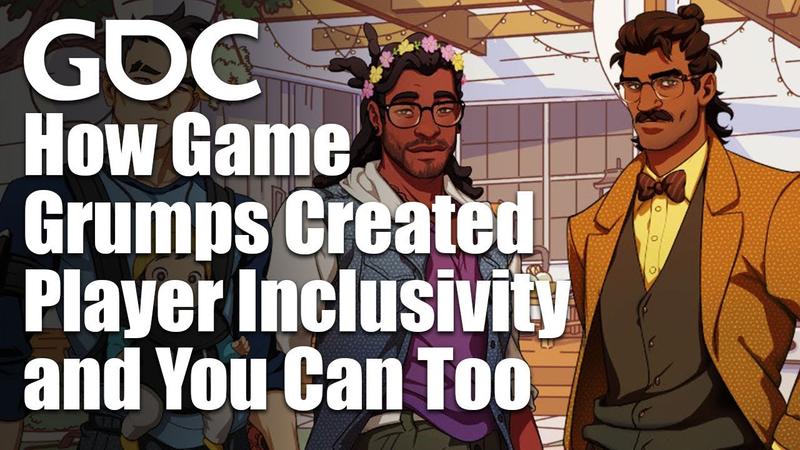
Dream Daddy: How Game Grumps Created Player Inclusivity and You Can Too
The development of Dream Daddy serves as a practical blueprint for integrating meaningful player inclusivity into indie game projects without requiring massive budgets or extensive production timelines.
- Meaningful player inclusivity can be achieved by prioritizing high-impact design choices, such as diverse body types and hairstyles, over resource-heavy, complex customization sliders.
- Inclusivity is a design-led process that benefits from integrating diverse consultants to refine narrative tone and ensure authentic representation.
- The development team utilized a custom tool called the DDML compiler to facilitate iterative script improvements and the seamless integration of gender-neutral dialogue.