indie
CompanyUnited States
Documents about indie

Let's Review Your Games — Ep. 024
Effective game development hinges on the seamless integration of intuitive mechanics, immersive narrative delivery, and rigorous adherence to intellectual property standards.
- Indie developers should avoid using robot protagonists, as they make it difficult for players to project themselves onto the character and lack the emotional resonance required for effective storytelling.
- Game narratives must provide immediate context to the player, such as establishing the character's location and their lack of knowledge about their surroundings, to ground the player in the experience.
- Forcing players to abandon core mechanics, such as jumping, requires a strong narrative or visual justification, like a specific item or environmental change, to avoid feeling unintuitive or restrictive.
Make a Competitive Strategy Game Survive
Competitive strategy games face a persistent threat known as the death spiral, where declining player counts degrade matchmaking quality and jeopardize long-term viability.
- Balancing in strategy games should be treated as an iterative process of educated guesses rather than a search for perfection, acknowledging that some adjustments will inevitably underperform.
- Complexity should be viewed as a design cost rather than an inherent virtue; developers must ensure the fun provided by a mechanic outweighs the cognitive load it imposes on the player.
- When designing units, developers should prioritize filling functional gaps in a spreadsheet—such as specific ranges, attack speeds, or movement profiles—rather than simply creating direct counters to existing units.
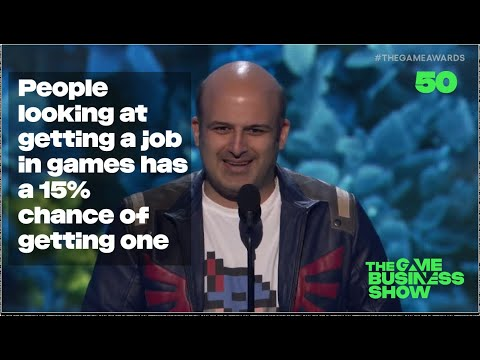
Over 50% of the job cuts in video games are in California
The video game industry is currently undergoing a period of significant structural contraction, characterized by an uneven labor market that disproportionately impacts North American hubs.
- California is the epicenter of the current industry contraction, accounting for more than 50% of global video game job cuts.
- While total industry employment remains higher than pre-pandemic levels, the current volume of open positions is insufficient to absorb the available talent pool.
- Companies are increasingly shifting hiring outside of North America to optimize costs and streamline operations in response to labor market volatility.
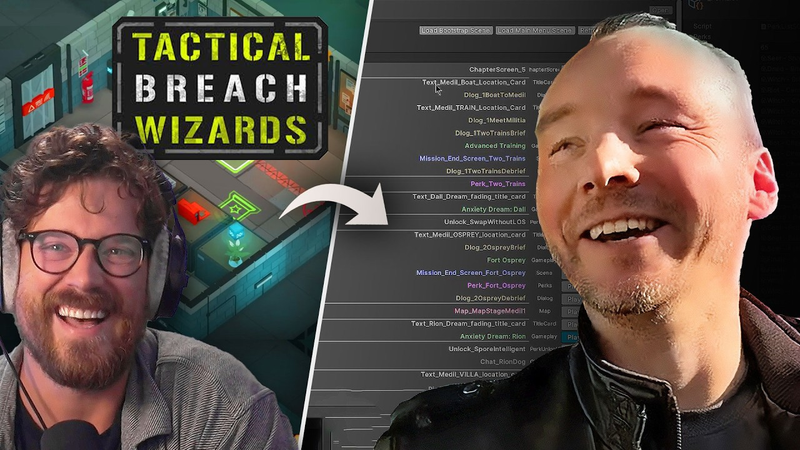
What A $1,000,000 Game Looks Like In Unity (w/ Tom Francis)
The development of the indie title Tactical Breach Wizards serves as a case study for managing complex, long-form game projects within the Unity engine.
- Tactical Breach Wizards utilizes a custom-built, data-driven architecture where game stages are managed via ScriptableObjects that pair gameplay data with specific Unity scenes.
- The development team built a custom level editor that allows for rapid iteration, enabling designers to modify level geometry and enemy placement without needing to manually adjust art assets or scene-specific clutter.
- The project avoids procedural generation in favor of hand-designed levels to ensure that gameplay mechanics align with specific narrative beats and character progression requirements.
Game Dev Recap: Should You Make an MMO?
Developing a Massively Multiplayer Online (MMO) game as an independent developer is a high-risk, high-reward endeavor that requires a fundamental shift in design philosophy.
- MMOs offer a path to consistent, predictable cash flow that breaks the cycle of constant funding rounds, as evidenced by CipSoft’s 'Tibia,' which has been operating since 1997 and currently generates $25 million in revenue with $10 million in profit.
- Persistent worlds are more resilient than session-based multiplayer games because they do not suffer from a 'death spiral' when player counts drop; the game remains playable for individuals even with a smaller active population.
- Developing an MMO requires a 'funnel-based' design mindset, where developers continuously test and optimize user acquisition, retention, and progression metrics—often through early advertising—long before the game is fully released.
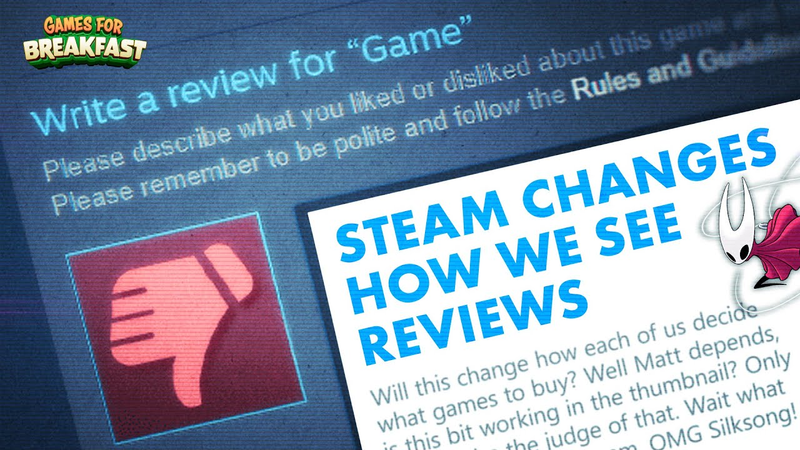
Steam Review Shakeup, Gamescom Galore & SILKSONG OMFG?!?!? | Games for Breakfast
The gaming industry is currently navigating a period of significant structural and cultural transition, marked by shifting corporate strategies and evolving consumer expectations.
- Hollow Knight: Silksong is scheduled for release in September 2025, exerting enough market influence to force other independent developers to adjust their own release calendars.
- Steam has introduced granular review filtering based on language to combat regional review-bombing and improve the accuracy of localized sentiment data.
- Sony has divested the Evolution Championship Series to Nodwin Gaming, signaling a strategic retreat from the fighting game esports sector due to ongoing profitability challenges.
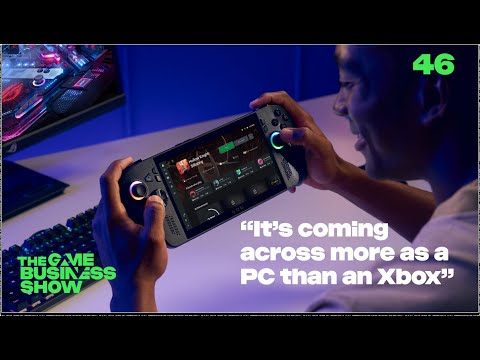
Attracting new players with ROG Xbox Ally will be a ‘longer journey’
The gaming industry is currently navigating a significant transition as major platform holders, particularly Xbox, shift from traditional console-exclusive models toward a hybrid console-PC ecosystem.
- The European gaming market experienced a contraction in the first 20 weeks of the year, with unit sales declining by 6% and total revenue falling by 2%.
- Despite overall market contraction, consumer spending per game increased by €2 year-over-year, indicating a shift toward higher investment in indie and high-quality, shorter experiences.
- The Asus ROG Ally is currently positioned as a niche 'frontier product' for enthusiasts rather than a mass-market device, primarily because its Windows-based software lacks the plug-and-play accessibility of native console operating systems.
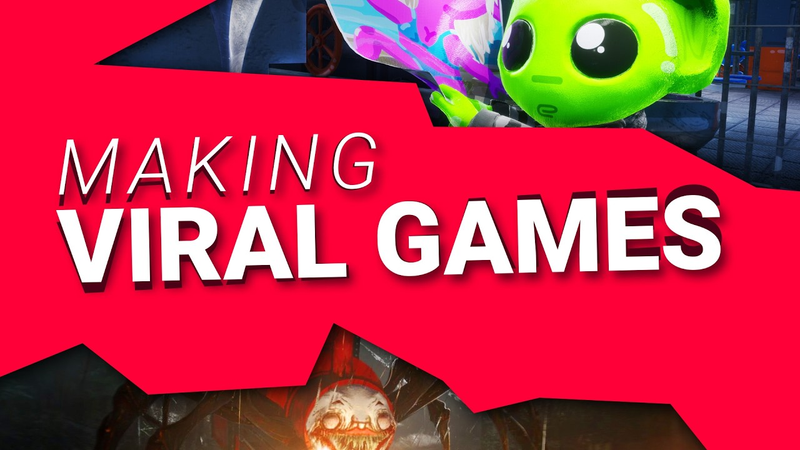
Game Dev Recap: Making Viral Games
Designing games specifically for content creators serves as a primary strategy for achieving viral success in the indie game market.
- Designing for virality requires prioritizing the viewer experience over the player experience by focusing on instant conflict, clear readability, and structured tension curves with distinct relief periods.
- To maximize content creator interest, developers should avoid 'flow breakers' and incorporate long-form story arcs, boss fights, or chase sequences that prevent viewer drop-off.
- Effective viral game design builds upon human instincts like survival and fight-or-flight responses, layering unique brand identity over familiar, recognizable concepts to ensure mass appeal.
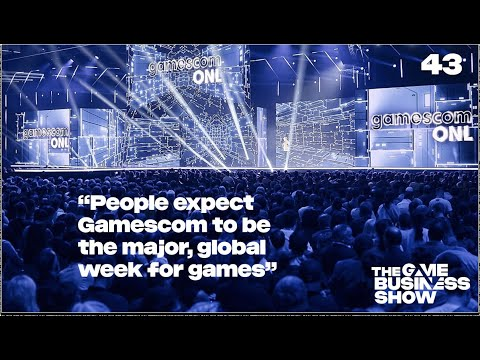
Gamescom: E3’s demise has been good and bad for us
Gamescom has emerged as the preeminent global gaming event, successfully bucking industry trends of declining attendance by hosting 1,500 exhibitors from 72 countries.
- Gamescom has solidified its position as the leading global gaming event by hosting 1,500 exhibitors from 72 countries, successfully blending B2B networking with a consumer-facing festival model.
- The industry is shifting from hardware-centric models to community-based engagement, with publishers prioritizing multi-platform releases and mobile accessibility on platforms like Roblox to reach younger demographics.
- While Gamescom has filled the void left by E3, it no longer serves as the primary venue for major global announcements, a role now largely occupied by platforms like The Game Awards.
TikTok and Shorts Are Insane for Indie Devs
The indie game development landscape is currently undergoing a shift where long-term, ambitious projects are finding significant commercial success through strategic short-form content marketing.
- Indie developers can effectively market games by posting one YouTube Short or TikTok per week, focusing on sharing small, interesting stories or unique bugs from their development process.
- Content platforms like YouTube and TikTok are not strictly momentum-based; high-quality, standalone videos can achieve viral success even on dormant channels without needing a large existing subscriber base.
- Social media content for games should prioritize authentic storytelling over traditional marketing, as this approach is less labor-intensive and avoids the perception of being 'slimy' to potential players.
Test Your Game's Potential in Just 3 Days
The primary objective of modern indie game development is to mitigate financial and creative risk by prioritizing rapid validation over long-term production.
- Validate game concepts early by participating in game jams, which allow for the rapid development and testing of prototypes in as little as three days to gauge player interest.
- Use a 'core fancy' approach for game announcements, where a polished trailer showcasing the game's core loop serves as a primary validation point before committing to a full vertical slice.
- Maintain small, agile development teams to ensure projects remain within the team's specific skill set and to avoid the trap of transitioning from game design into full-time people management.

2 Hours of answering Steam Questions (Please don't watch this you have games to work on)
Achieving commercial success on Steam requires a strategic shift from passive development to active, data-driven market engagement.
- Steam's algorithm promotes games by testing them with small audiences; if early performance metrics are strong, the platform automatically expands the game's reach, but if initial engagement is low, the algorithm stops showing the game to new users.
- A Steam demo launch is a 'one-shot' opportunity to leverage the 'Trending Free' section and the single email blast allowed to all wishlisters, so developers must coordinate these efforts to maximize concurrent player counts.
- Developers should avoid live-streaming their own development process on platforms like YouTube or Twitch, as it distracts from core production and rarely yields meaningful marketing results compared to focused development time.