Transcript
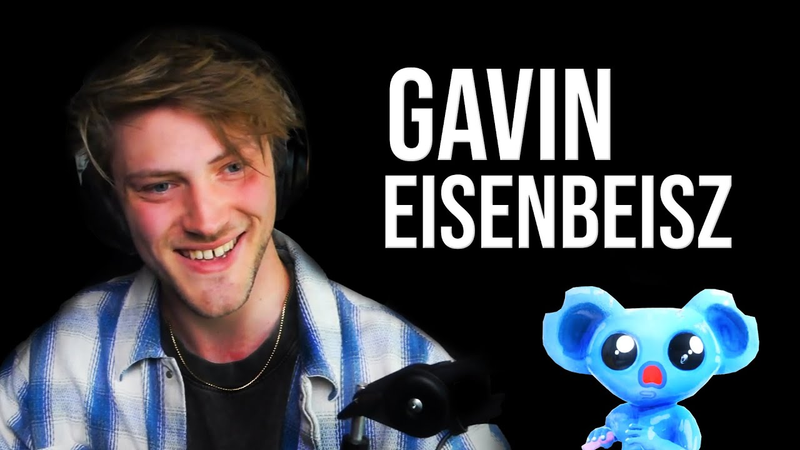
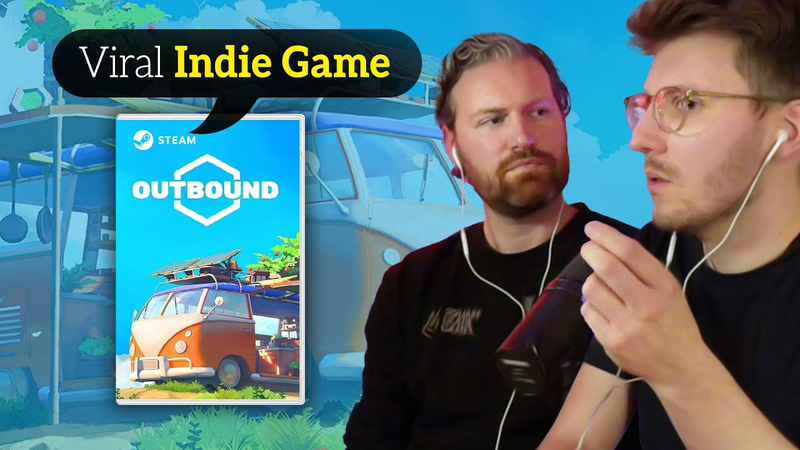
So, I recorded a gamedev podcast with Gavin Eisenbalist, also known as Two Star, the creator of Choo Choo Charles and currently working on Cuffbust. And we talked about how to make viral video games. The way Gavin does this is by designing his games for content creators. They want to get a lot of views, so they play the games that give them the most views. They essentially play a bunch of different games on their channel and check out which of their videos does the best, so then they play more of that game. Content creators also all watch each other. So this way you can go super duper viral if your game is popular with content creators. And designing for content creators means you need their videos to do well. And that by proxy means you are designing for the viewers essentially. What keeps viewers watching. So this is a bit of a different approach to game development. You're not so much thinking about the players, you're thinking about the viewers. Uh you need instant conflict. You need your game to be easy to understand. You can't have any flow breakers or interruptions. You need a good tension curve with tension and relief. And you need longer tension and story arcs. So you don't have any
clickoff points. And a good example for this is for example boss fights. And another example Gavin gave was chase scenes. Now you might be like, what the hell? Why am I designing my game just to be fun to watch? I want it to be fun to play. And luckily there are a lot of overlaps, but there are also a couple of disconnects. Usually, you know, if your game is has like constant flow, good tension, that's not just fun to watch, that's also fun to play. But there are also some games where, for example, that are very low on conflict or that have constant action that can be fun to play but aren't very fun to watch. Especially this constant action thing I thought was an interesting point because if there's too much action all of the time, it almost becomes a little bit numbing. You would expect this to do well with viewers, but it actually doesn't. This is an image Kevin shared with me. This is how he designs his games. He tries to build them on on human instinct. So survival, fight or flight type responses. And then the next things he looks at is nostalgia. So long known concepts and familiarity and readability. So known concepts. And then
he builds character styles or brand and game recognition on top of that. So you're essentially building new stuff, your own personalized stuff on top of known stuff. And I think this way you get a good good balance of um it feels familiar but there's still something new to it. And then the cherry on top is basically mass contentability, replayable, farmable. So if your game is already going viral, this can make it go even more viral because if content creators want to play it and there is more to play, then they will play more of it. Gavin did a really good job with this new game Cuffbust. So he essentially has a line of content creators lined up who want to play his game. This is a rare thing to happen for game developers in my experience. Typically, like we have to look for content creators here. It's almost like the other way around. They they're already waiting. So, this seems to work, but at the very same time, he doesn't find it so enjoyable at the moment. Some people in the comment were like, "Yeah,
he optimized the fun out of his own process." Essentially, I think he's in a very exhausting phase of development right now. He's at that 80 to 90% mark, which is by far the most exhausting. So, we'll see how he feels about it in hindsight. Probably not the correct moment to tell. We also noticed that my own games are not very well optimized for content creator v virality. However, they still kind of work. And I think that's because they're well optimized for Steam. If you find one of my games on Steam, there's a high chance that you will want to buy them or that you're going to leave a good review if you buy them. And that's why Steam promotes them. Whereas Gavin's games rely more on content creators playing them and content creators promoting the games. And we theorized that you can obviously do both. You those strategies are not exclusive from each other. You can try to do both. This is another quote from Gavin that I found very interesting. He was like, I don't really prototype at all because the way he makes games is more like mind typing. This is not a
real word. I just made this up. So he designs the games in his head. He keeps it simple. Doesn't reinvent the wheel. And you know, if you don't prototype, if you don't test your gameplay, then you need to keep it simple and you can't reinvent the wheel. So, this is kind of by necessity. And instead, Gavin focuses on appeal and virality and keep searching till he finds the perfect game idea. And Gavin has a lot of boxes he wants to check with his game ideas. So, he told me that he was searching for the game idea for Cuff Bus for like 6 months or something crazy like that till he like found that perfect game idea that checked all of the boxes that he wanted to have. If you found Gavin's approach interesting, then you should help him by wishlisting his game Cuffbust on Steam. That would be fantastic. And you can also check out the full interview that goes way more into depth. I highly recommend you check it out if you enjoyed this little summary. And I would also appreciate if you let me know what you think about this video format cuz I'm currently experimenting with a couple of new formats on the channel and would appreciate your feedback. Hope you enjoyed.
Auto-generated captions from YouTube — names and numbers may be misheard.
Key insights
7 takeaways · ~3 min read- 01Designing for virality requires prioritizing the viewer experience over the player experience by focusing on instant conflict, clear readability, and structured tension curves with distinct relief periods.
- 02To maximize content creator interest, developers should avoid 'flow breakers' and incorporate long-form story arcs, boss fights, or chase sequences that prevent viewer drop-off.
- 03Effective viral game design builds upon human instincts like survival and fight-or-flight responses, layering unique brand identity over familiar, recognizable concepts to ensure mass appeal.
- 04Games optimized for content creators often rely on 'farmable' or highly replayable mechanics, which can create a self-sustaining cycle where creators proactively seek out the game for content.
- 05Developers can pursue two distinct growth strategies: optimizing for Steam’s algorithm through high-quality player experiences and reviews, or optimizing for external virality through content creator engagement.
- 06A 'mind-typing' design process, where concepts are fully developed mentally before implementation, allows developers to skip traditional prototyping provided the core mechanics remain simple and avoid reinventing the wheel.
- 07Selecting a high-potential game idea is a rigorous process; for example, the creator of 'Cuffbust' spent six months vetting concepts against specific virality criteria before beginning development.
Ask AI about this video
Cite this video
Citation
Generating citation…










Comments