Serious Games Society
Serious Games Society is an organization focused on shaping the future of serious games and connecting people in the serious game space. It publishes reports and articles on serious games, game-based learning, and gamification.
Documents
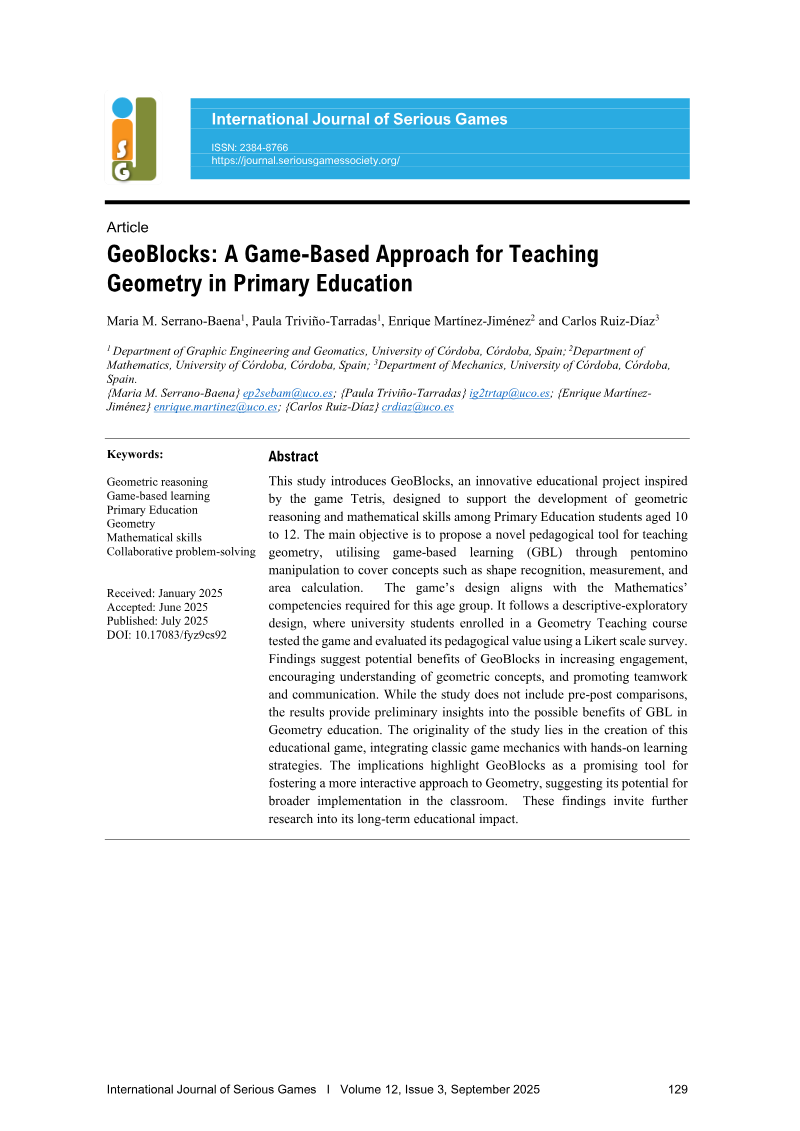
GeoBlocks: A Game-Based Approach for Teaching Geometry in Primary Education
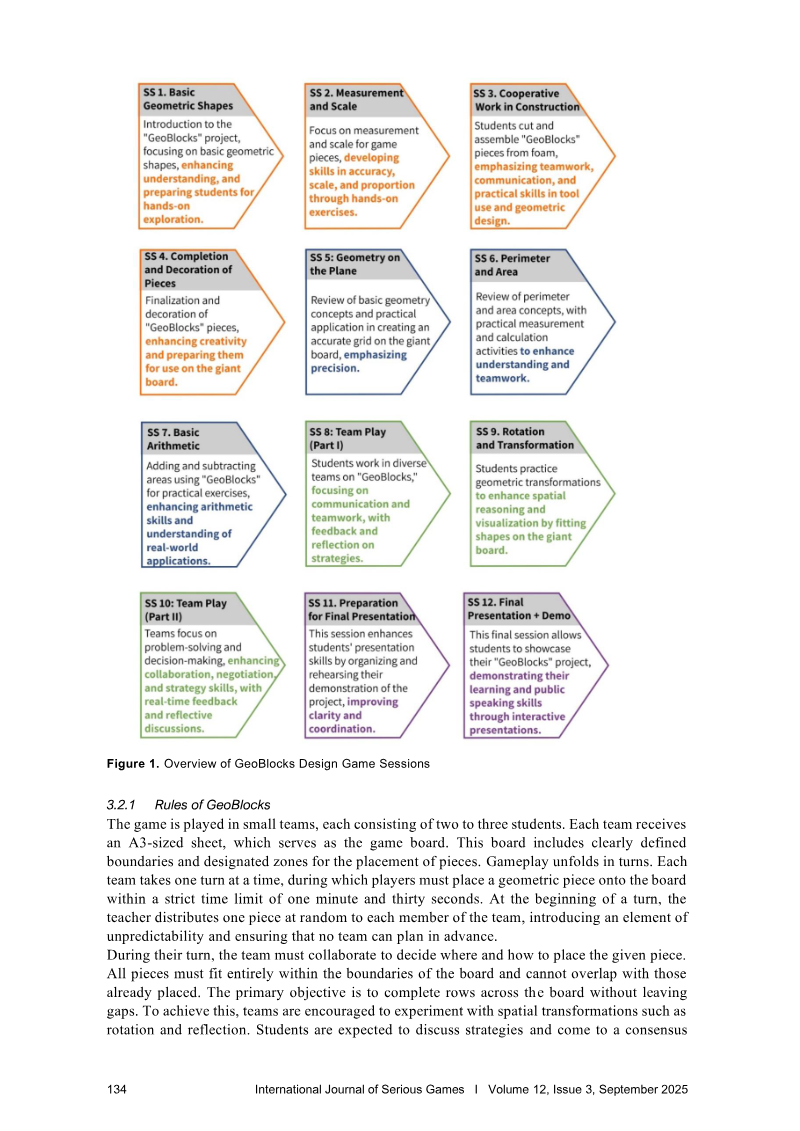
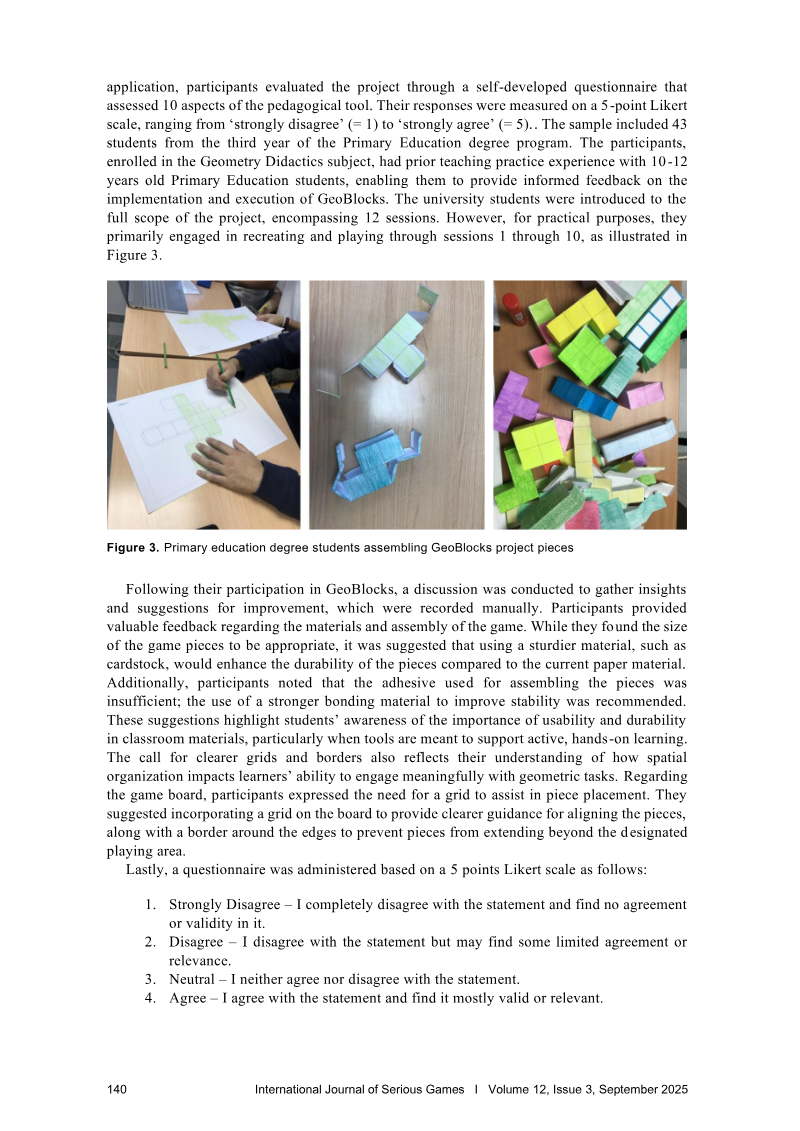
GeoBlocks serves as a pedagogical framework designed to enhance geometry education for primary students aged 10 to 12 by integrating physical pentomino manipulation with collaborative, grid-based problem-solving.
- GeoBlocks is a 12-session pedagogical framework for students aged 10 to 12 that uses physical pentomino manipulation to teach geometry concepts like area, perimeter, and transformations.
- The curriculum integrates constructivist and multimodal learning theories to improve spatial reasoning, mathematical fluency, and collaborative problem-solving skills.
- Evaluations by future educators confirm that the board-based activities successfully enhance student spatial visualization and the use of mathematical language.
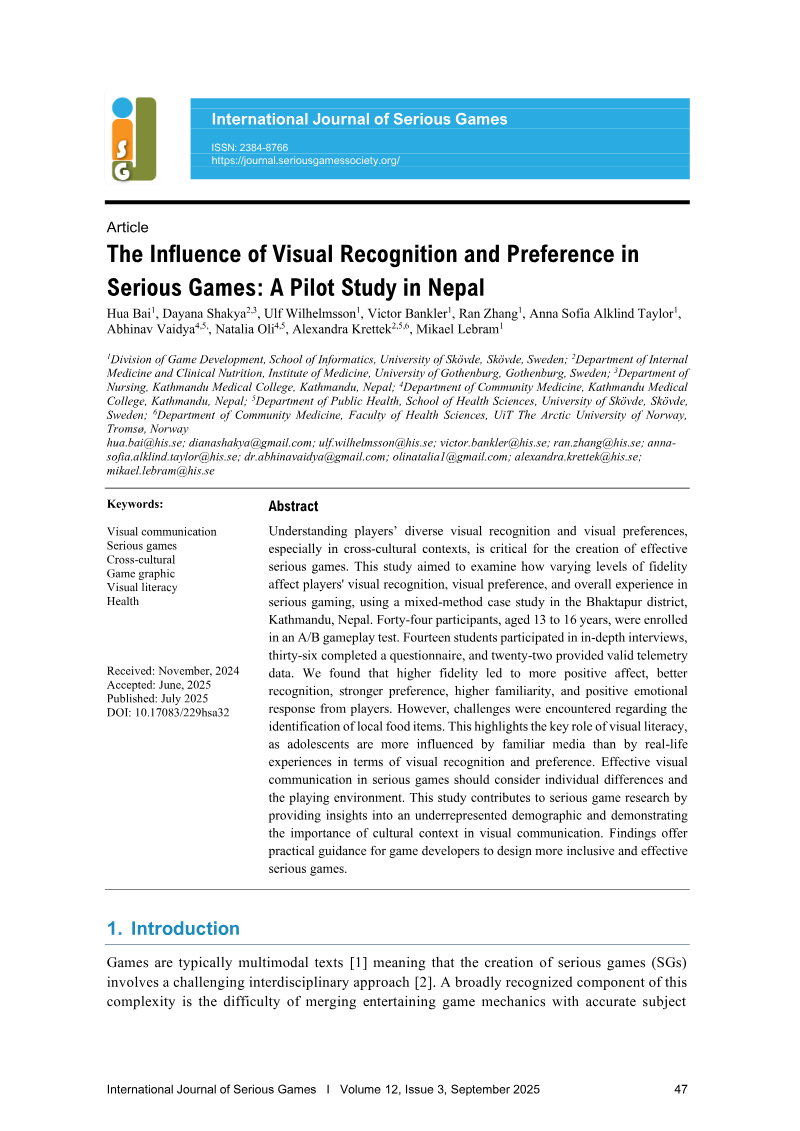
The Influence of Visual Recognition and Preference in Serious Games: A Pilot Study in Nepal
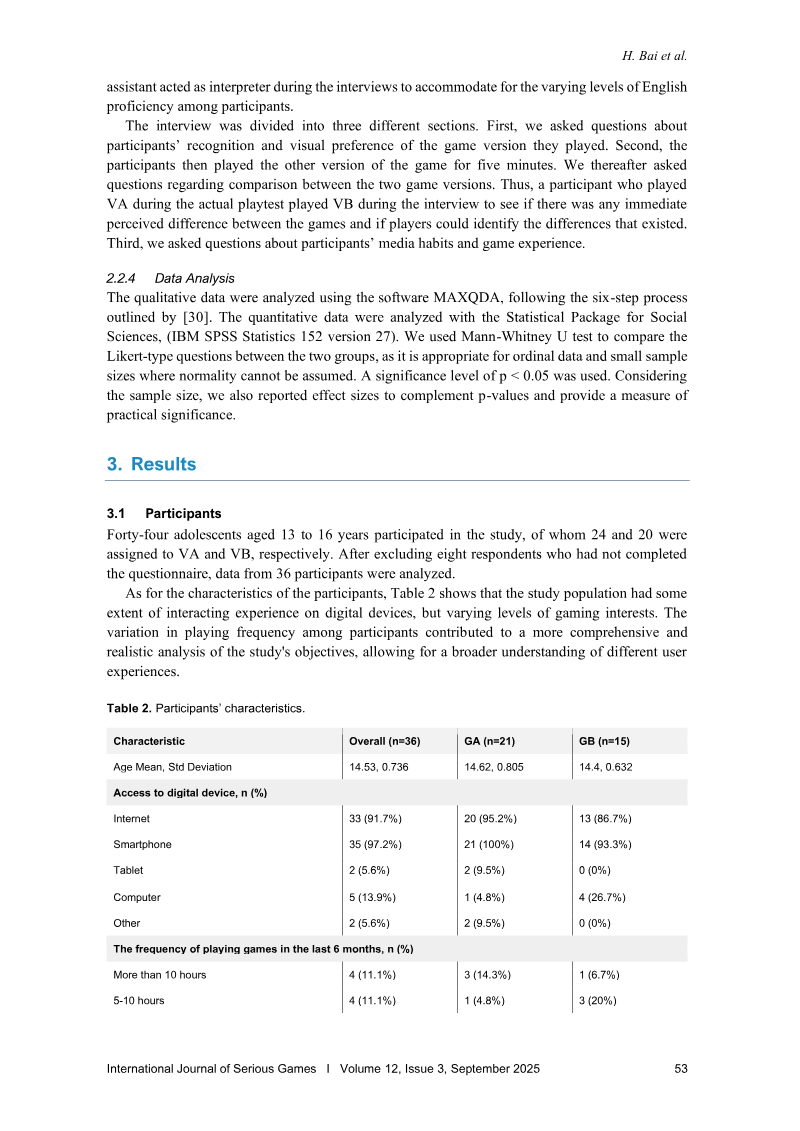
Visual fidelity serves as a critical determinant of user engagement and object recognition in serious games, particularly within the context of educational interventions for Nepalese adolescents.
- High visual fidelity is the primary driver of user engagement and emotional connection for Nepalese adolescents in serious games.
- While stylized graphics may lower cognitive load, users show a strong preference for realistic, 3D-style aesthetics influenced by global mobile gaming trends.
- Technical graphic complexity does not guarantee object recognition if the visual assets lack specific cultural accuracy.
Serious Games for English Language Learning: A Scoping Review
Serious games serve as increasingly vital instruments for English language learning, fostering student engagement and facilitating the acquisition of vocabulary and grammar.
- Research on serious games for English language learning is heavily concentrated in higher education, with a notable lack of focus on early childhood education and formal teacher in-service training.
- A review of 77 scientific articles from 2020 to 2024 reveals a thematic imbalance, where over 50% of studies prioritize vocabulary and oral skills while writing proficiency remains the most neglected area.
- The field shows fluctuating growth with research peaks occurring in 2022 and 2024, characterized by a high density of scholarly contributions from Taiwan and Thailand.
Enhanced Gaze-Controller System for 2D Platform Game Using Finite State Machines
The integration of eye-tracking technology with Finite State Machines (FSMs) provides a robust framework for hands-free interaction in 2D platform gaming.
- The integration of Finite State Machines (FSMs) with eye-tracking technology successfully mitigates the 'Midas Touch' problem, preventing unintended inputs during 2D platform gameplay.
- Google’s MediaPipe framework provides the necessary precision for gesture recognition, enabling reliable translation of ocular movements into responsive game mechanics.
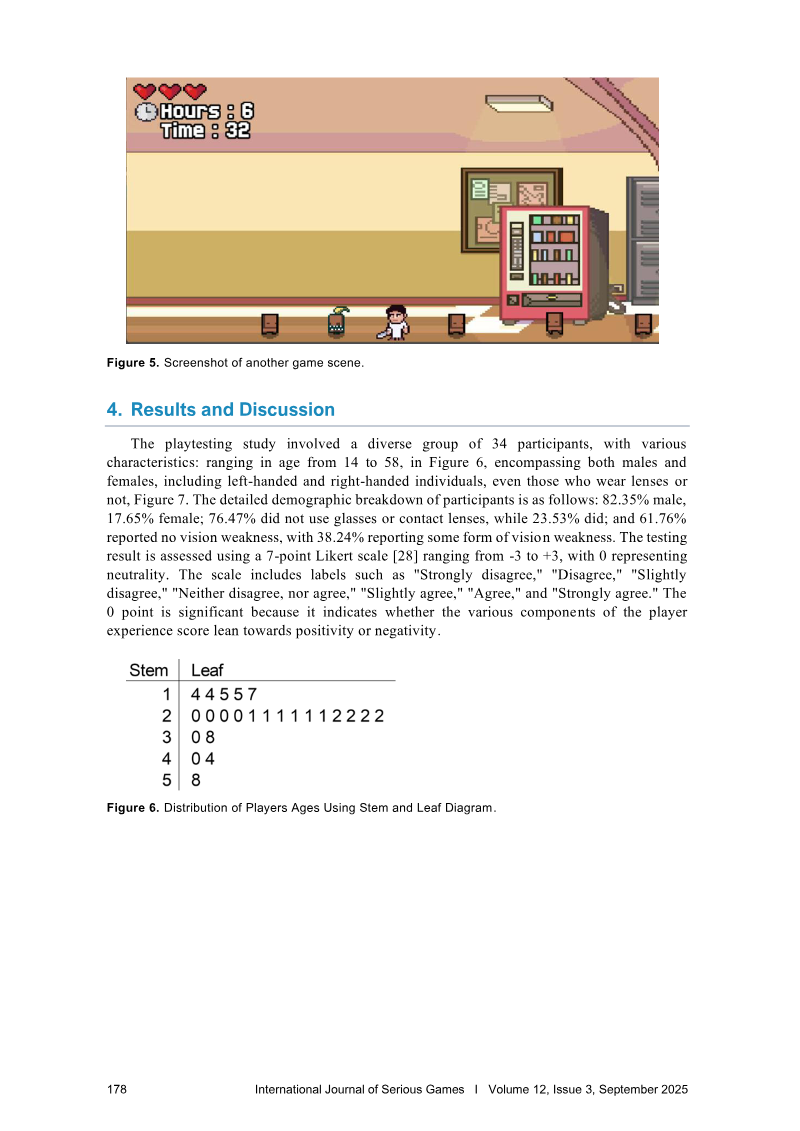
- Empirical testing with 34 participants confirmed that the gaze-controller system is both intuitive and maintains a balance between ease of use and mechanical challenge.
Escape Racism: Using the EscapED Methodology to Inform the Design of Educational Escape Rooms
The escapED framework serves as a robust, adaptable methodology for the design of educational escape rooms, specifically those addressing complex social issues such as human rights, modern slavery, and human trafficking.
- The escapED framework is highly effective for educational game design, with 97.67% of 215 participants reporting enjoyment and 90.67% validating the games as successful learning tools.
- Structured game design using the escapED methodology successfully balances gameplay mechanics with pedagogical goals to address complex social issues like human rights and modern slavery.
- Educational escape rooms designed with this framework are particularly effective at fostering emotional engagement and empathy regarding sensitive, abstract social topics.

Enhancing Children’s Insurance-Related Knowledge and Learning Attitudes Through Digital Game-Based Learning
Digital game-based learning serves as a highly effective pedagogical framework for introducing complex financial concepts, such as insurance and risk-sharing, to elementary-level students.
- Digital game-based learning using the role-playing game Knight Arthur outperforms traditional teaching methods in educating elementary students on complex financial concepts like insurance and risk management.
- The study, conducted with 58 sixth-grade students in Taiwan, demonstrates that interactive game mechanics significantly boost student motivation, self-efficacy, and engagement with financial literacy curricula.
- Female students and low-achieving learners experienced the most significant improvements in both knowledge acquisition and learning attitudes through the game-based approach.
Should XR Applications Supplement or Replace History Excursions in Education?
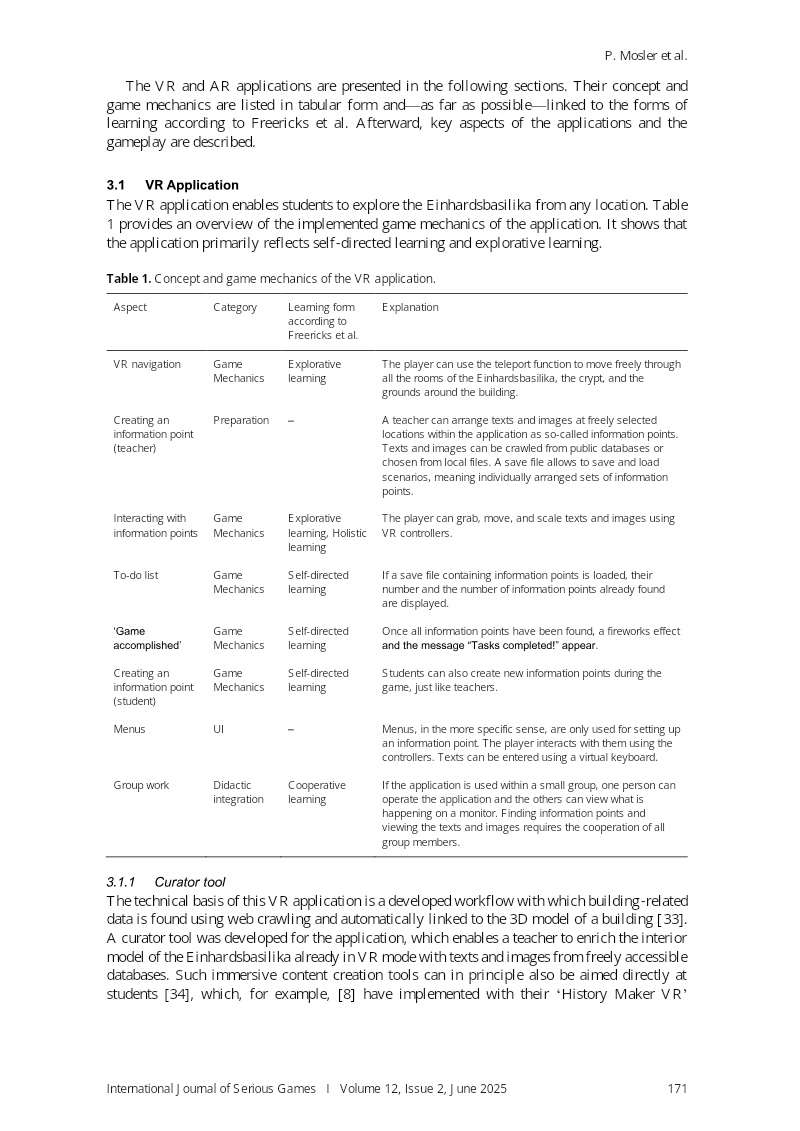
Extended reality (XR) applications serve as powerful pedagogical tools that enhance historical education, yet they function most effectively as a supplement to, rather than a replacement for, traditional physical excursions.
- XR applications function most effectively as a pedagogical supplement to physical historical excursions rather than as a replacement for them.
- A hybrid model—utilizing VR for foundational classroom preparation and AR for contextual depth during on-site visits—optimizes student learning outcomes.
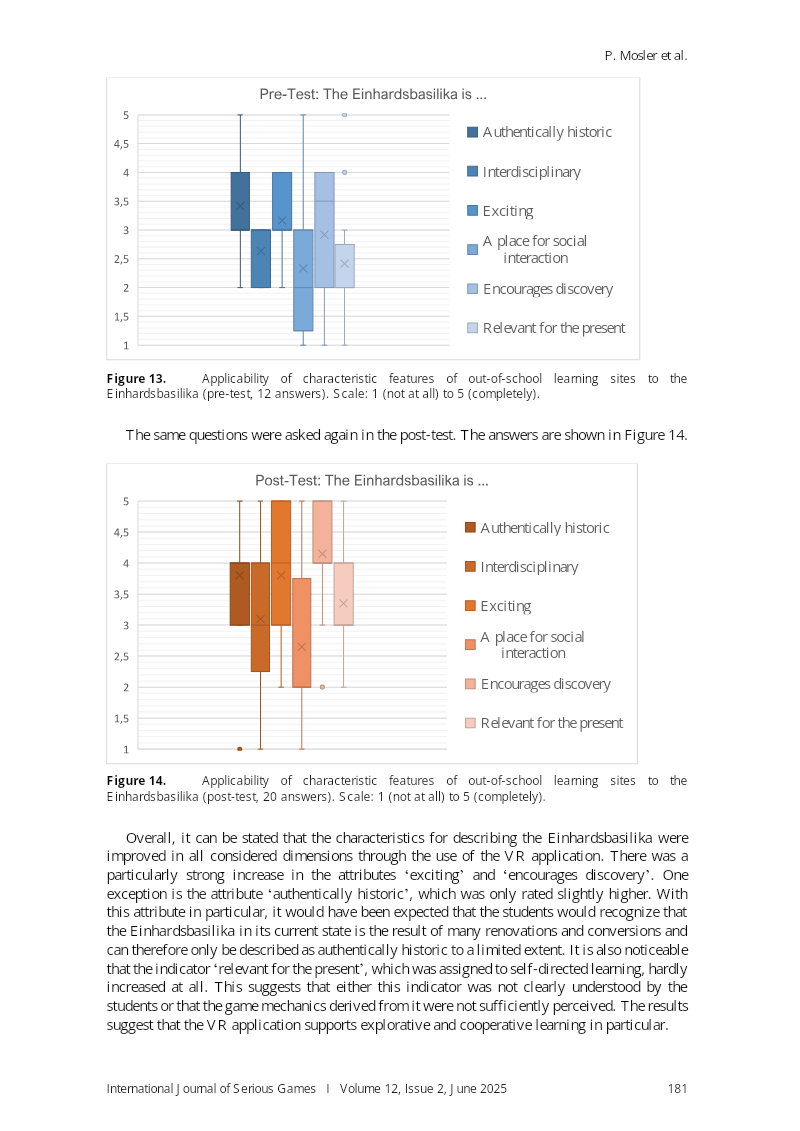
- Research involving 11th-grade students at the Einhardsbasilika demonstrates that XR tools significantly increase student curiosity and engagement levels compared to traditional methods alone.
MACMEO: Playable Framework for Analog, Hybrid and Digital Serious Game Design
The MACMEO framework functions as a structured, analog-based toolkit designed to democratize the creation of serious games.
- The MACMEO framework enables 77 percent of design groups to move from initial ideation to a functional, playable prototype within a two-to-three-hour window.
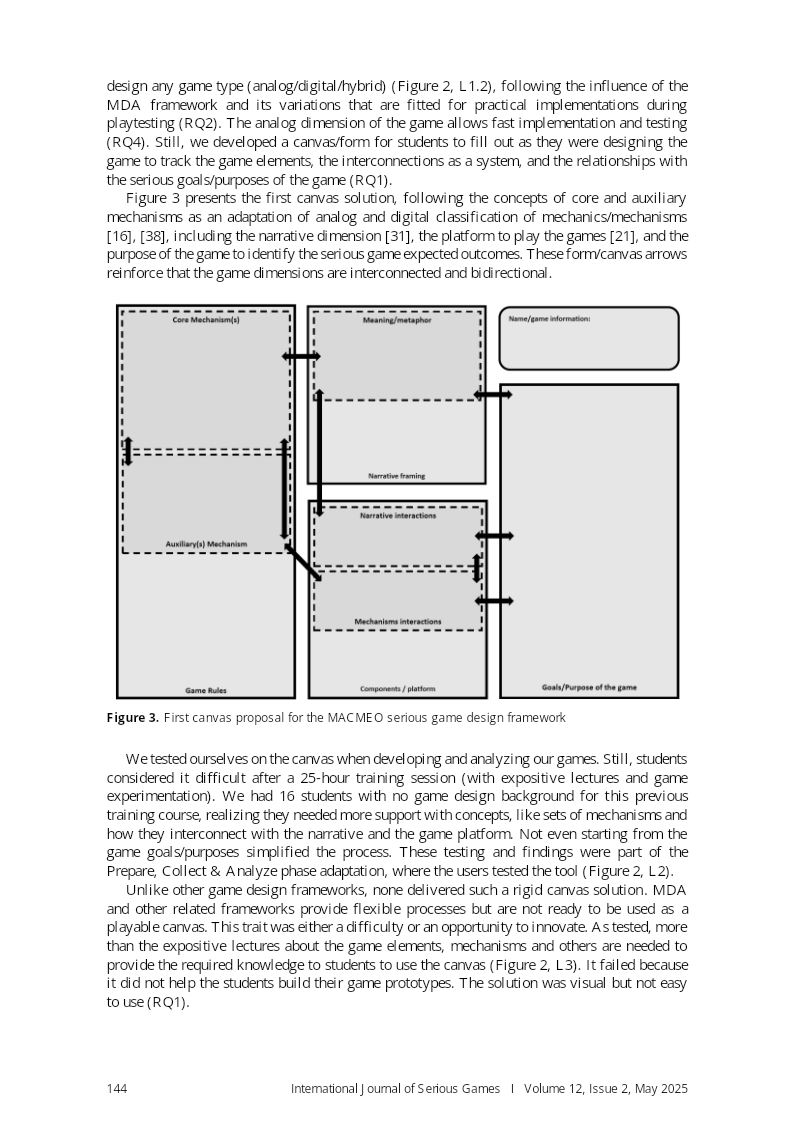
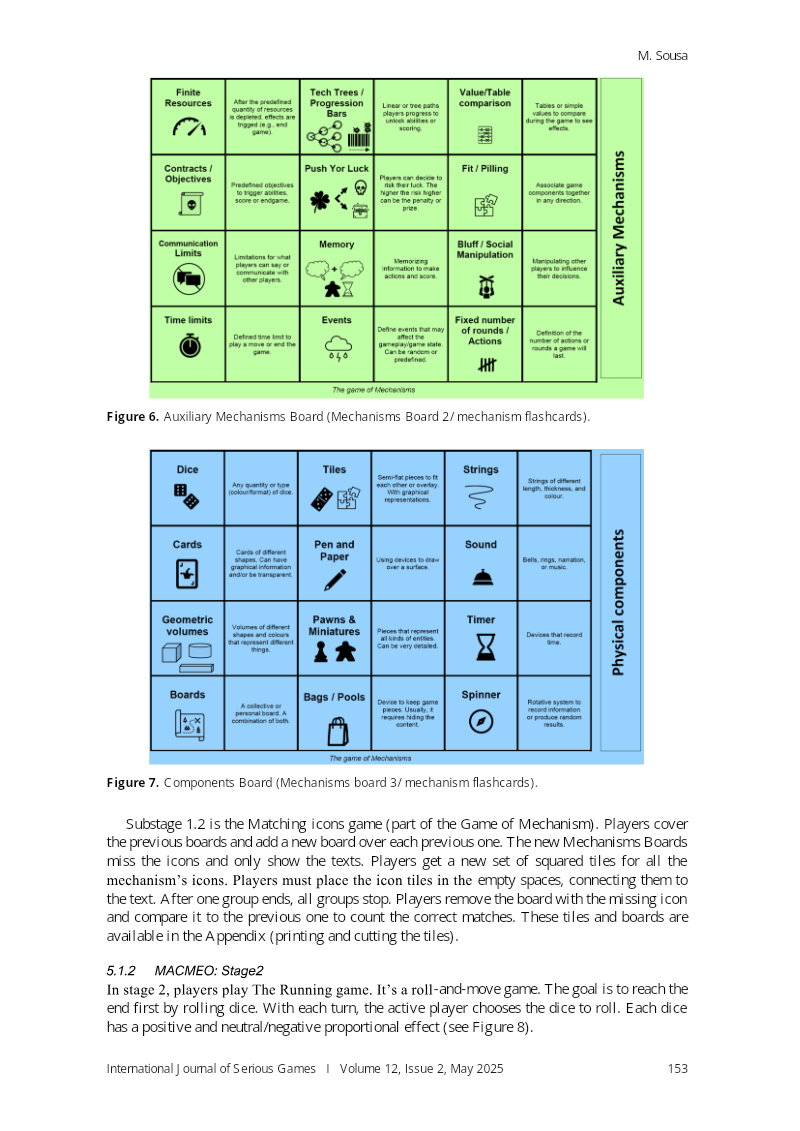
- The toolkit utilizes a structured system of mechanism tiles, a canvas template, and simplified documentation to democratize serious game design for educators and professionals.
- Rapid analog prototyping serves as the core methodology for the framework, acting as a scaffold for developing games intended for analog, hybrid, or digital platforms.
MnemonicMaker: A Serious Game for Reconstructing Bitcoin Wallet Mnemonic Phrases
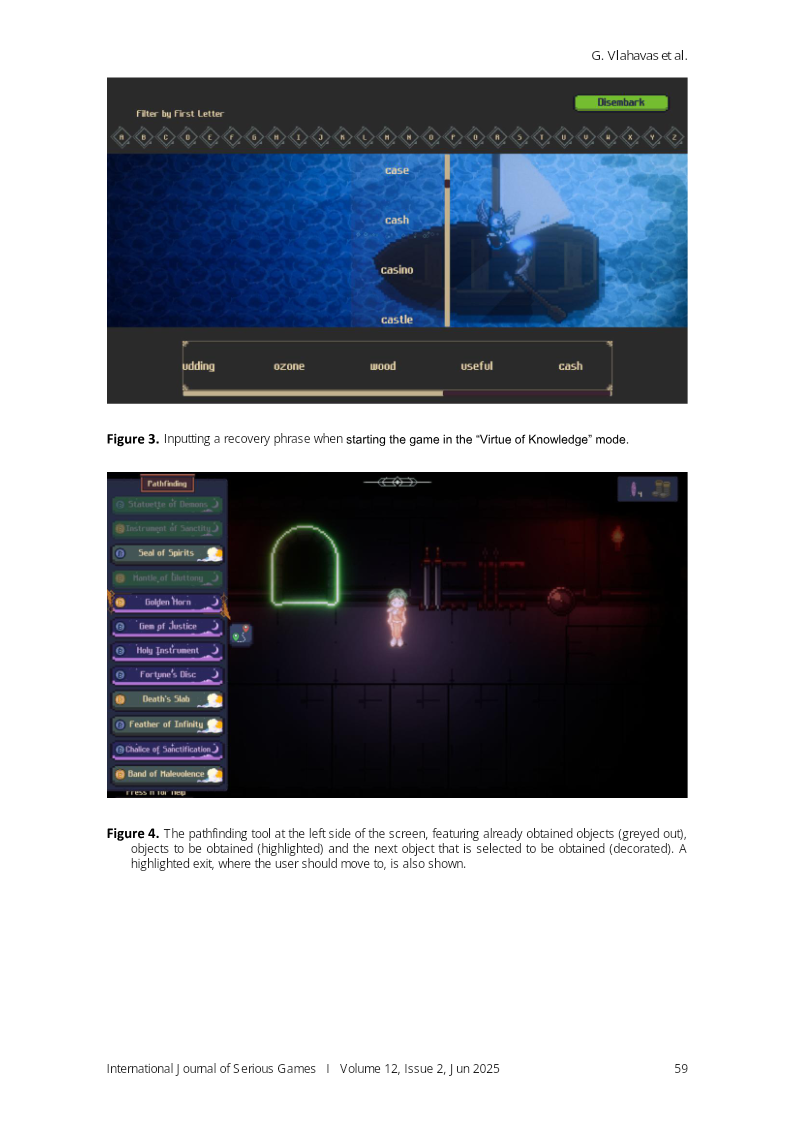
MnemonicMaker functions as a serious game designed to enhance the security of cryptocurrency assets by facilitating the memorization of BIP 39 recovery phrases.
- MnemonicMaker utilizes the Method of Loci within a virtual role-playing environment to improve the memorization of BIP 39 recovery phrases.
- A 60-day study of 38 participants showed recall success rates between 89.5% and 94.7%, significantly outperforming traditional rote memorization.
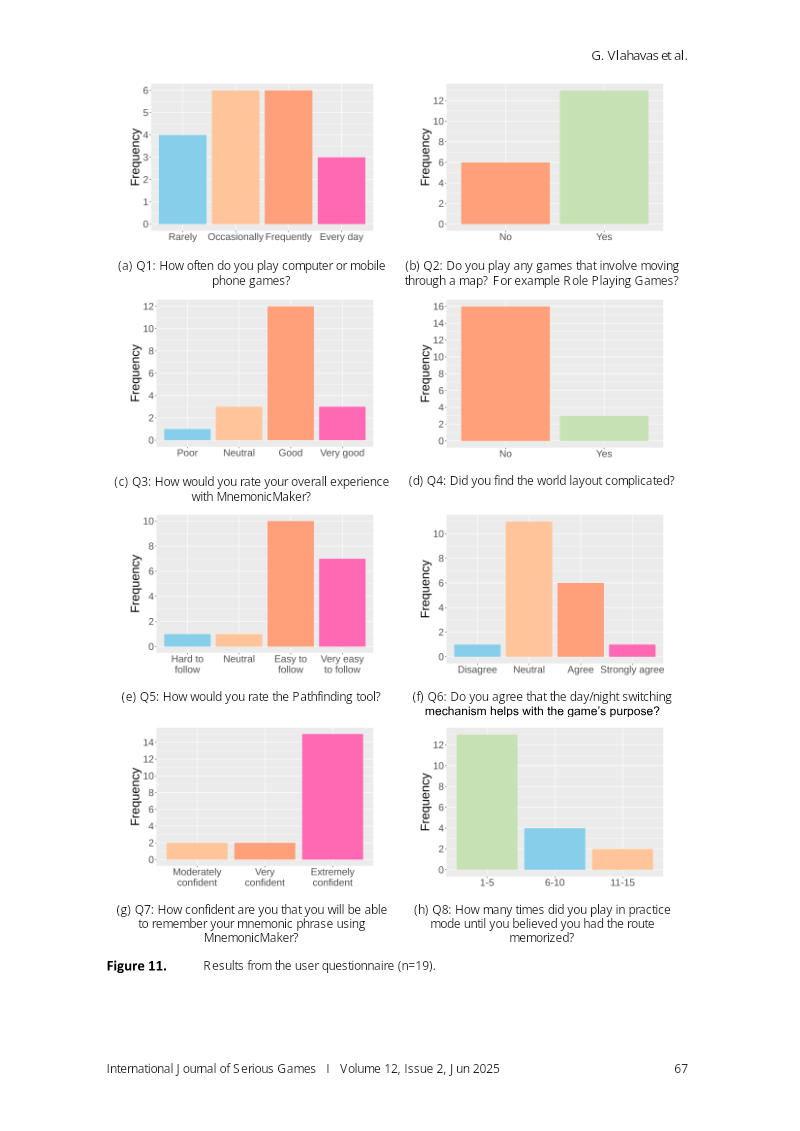
- Users mastered navigation routes within one to five attempts, demonstrating that gamified spatial memory techniques effectively reduce the cognitive load of security protocols.
The Effect of Procedural Rhetoric and Narrative Content in a Narrative Game-Based Fear Appeal
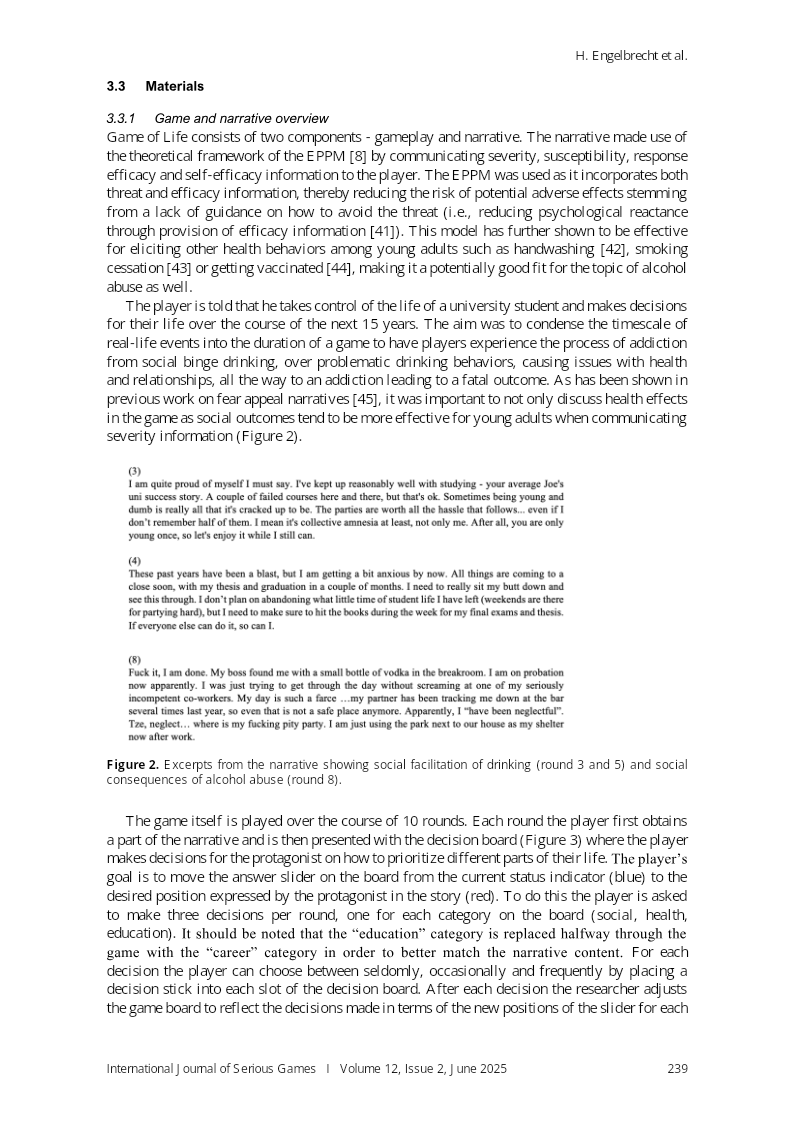
Game-based health interventions for alcohol addiction among young adults rely on the interplay between procedural rhetoric—mechanics that simulate real-world cause-and-effect—and narrative framing.
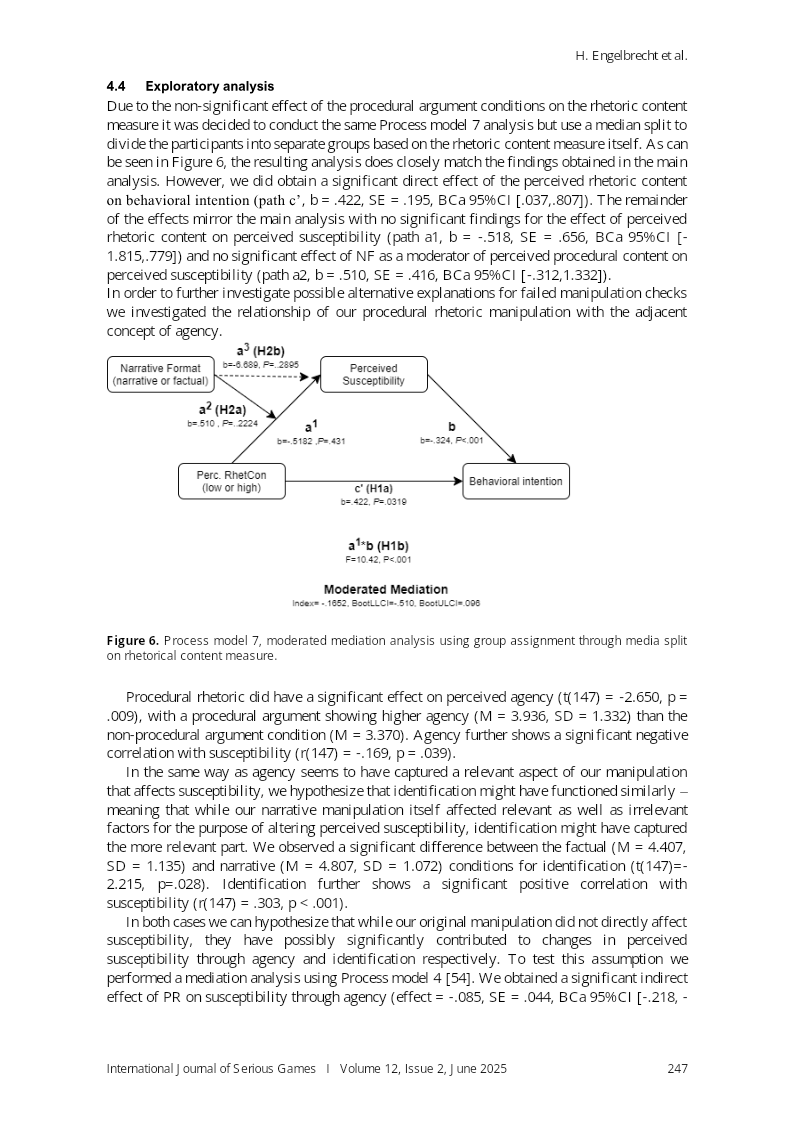
- Procedural rhetoric and narrative content, when used as independent variables, fail to significantly influence behavioral intentions or perceived susceptibility regarding health risks.
- High player agency is not inherently optimal for persuasive communication and may actually be less effective than restricted agency when conveying future threats.
- The study utilized a 2x2 experimental design with 149 participants to evaluate the efficacy of game-based interventions for alcohol addiction.
IdeAM: A Serious Game to Foster Creativity in Additive Manufacturing
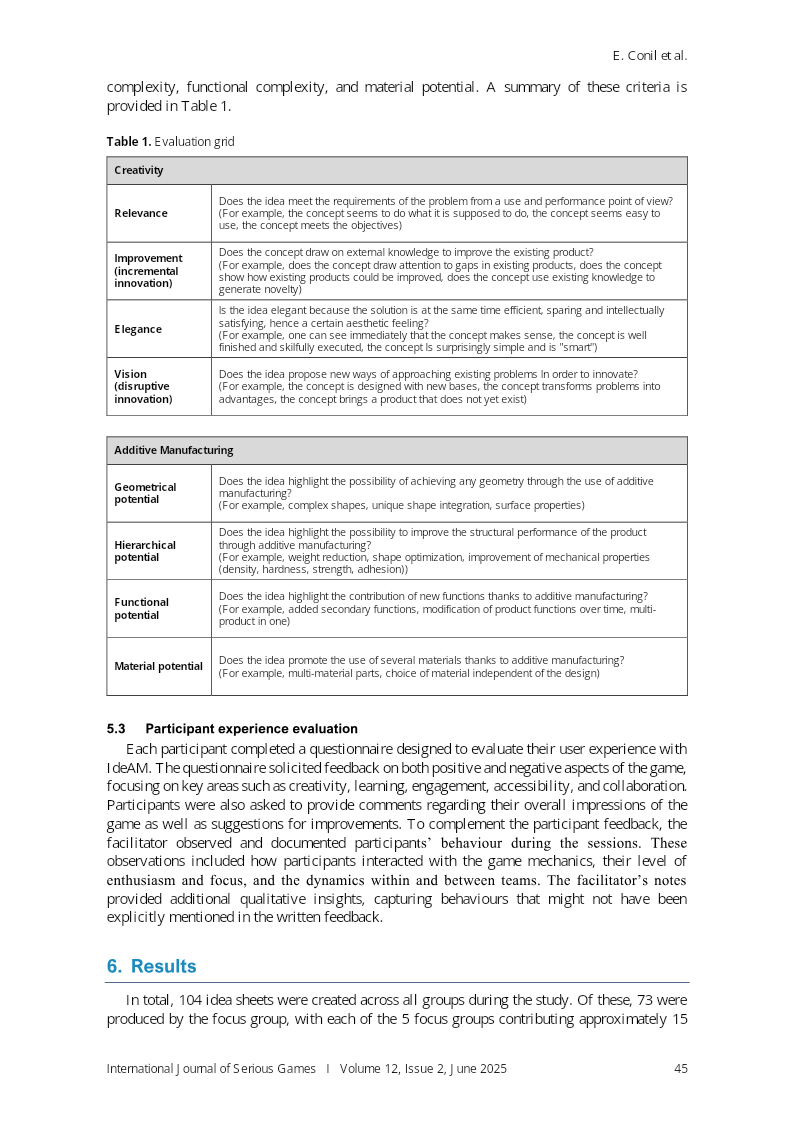
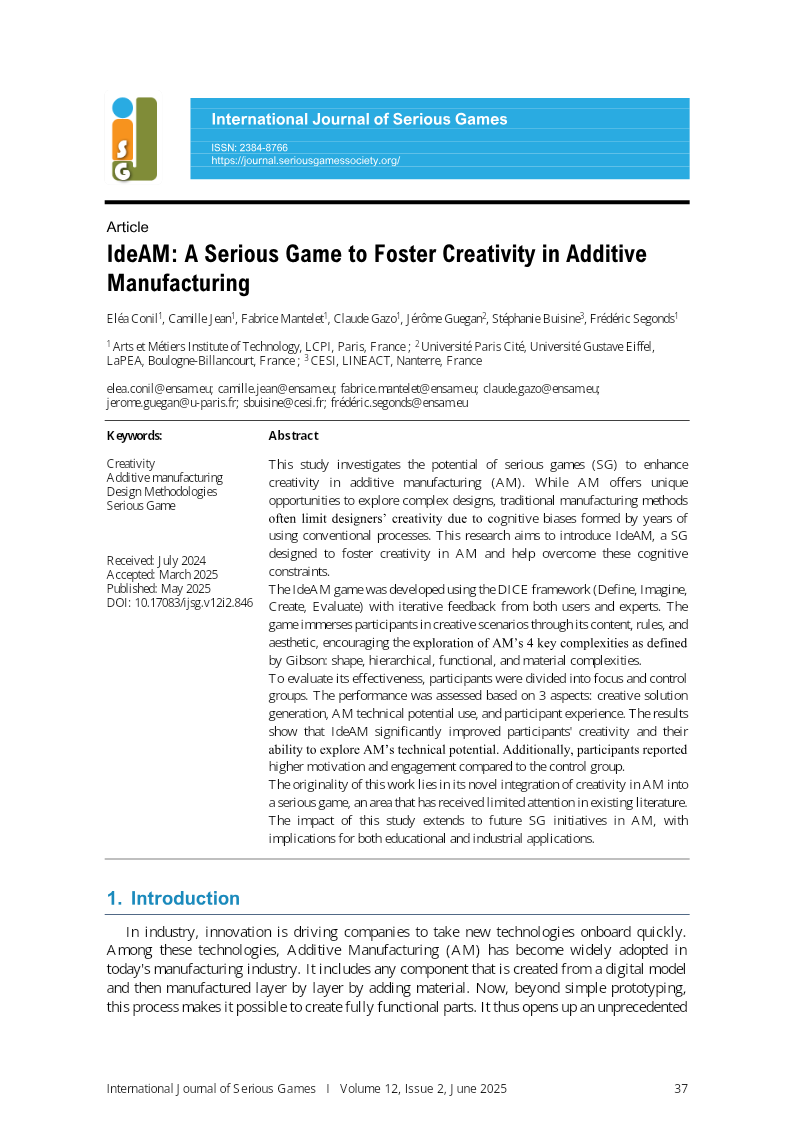
IdeAM functions as a serious game designed to mitigate cognitive biases and stimulate creative problem-solving within the specialized field of additive manufacturing.
- IdeAM is a serious game designed to improve creative problem-solving and technical design quality specifically for additive manufacturing.
- Experimental testing with thirty-three students demonstrated that IdeAM participants consistently outperformed control groups across all metrics of creativity and technical viability.
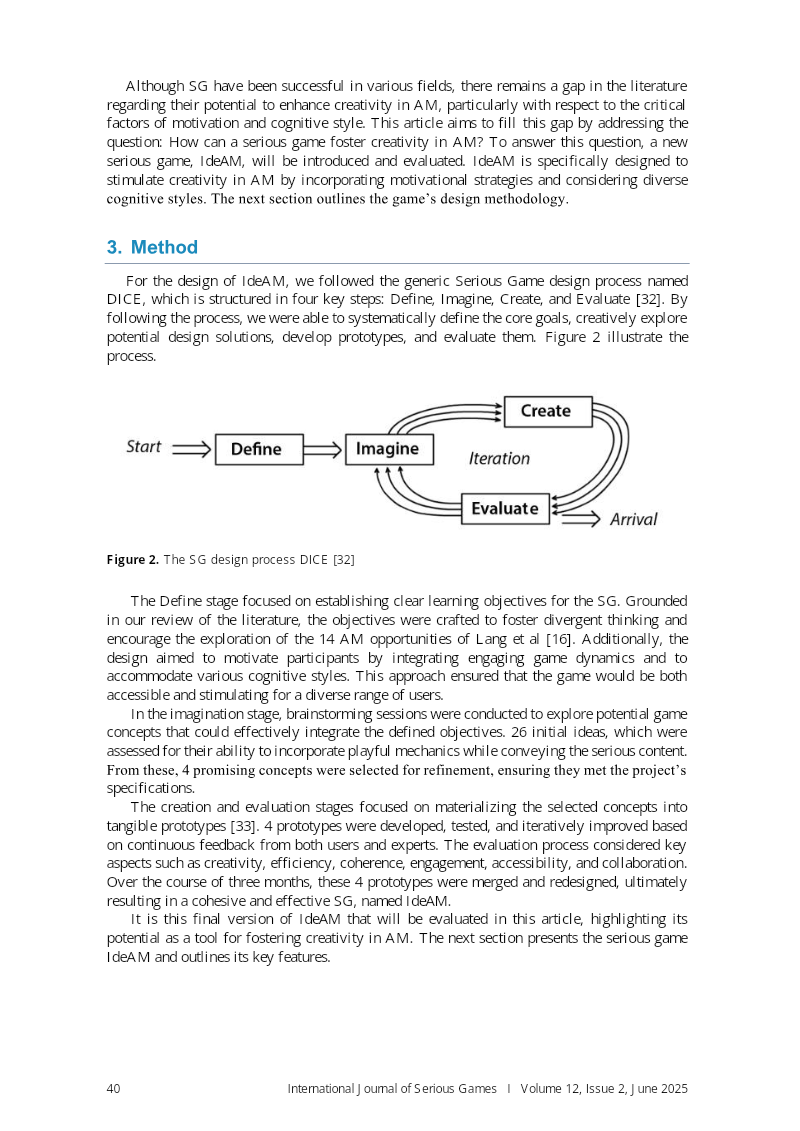
- The game utilizes the DICE framework combined with fourteen specific technical opportunities to help designers overcome conventional manufacturing constraints.


From Play to Prediction: Assessing Depression and Anxiety in Players Behavior with Machine Learning Models
Machine learning models offer a highly effective, non-intrusive method for identifying depression and anxiety by analyzing behavioral patterns within serious games.
- Machine learning models, specifically NuSVC and Gradient Boosting Machines, achieved 93.75% accuracy in identifying depression and anxiety through gameplay analysis.
- Gameplay-based assessment provides a non-intrusive, objective alternative to traditional self-reporting, which is often hindered by social stigma, respondent fatigue, and subjective bias.
- Researchers identified approximately 127 distinct behavioral features from a custom mobile game suite involving memory, survival, and traversal challenges.