Serious Games Society
Serious Games Society is an organization focused on shaping the future of serious games and connecting people in the serious game space. It publishes reports and articles on serious games, game-based learning, and gamification.
Documents
Gamification Equilibrium: The Fulcrum for Balanced Intrinsic Motivation and Extrinsic Rewards
Gamification strategies frequently falter due to an overreliance on superficial mechanics, such as badges, points, and leaderboards, which prioritize extrinsic rewards at the expense of user autonomy.
- Overreliance on extrinsic rewards like badges and leaderboards triggers the overjustification effect, where external incentives actively diminish a user’s innate interest in a task.
- Effective gamification requires a 'Gamification Equilibrium' that treats extrinsic rewards as a supportive scaffold for intrinsic drivers like mastery and narrative engagement rather than a primary motivator.
- Designers should apply the law of diminishing marginal utility by rotating and regulating game elements to prevent user desensitization caused by static, repetitive systems.
Predictors of Flow Experience and Knowledge Acquisition in a STEM Game
Educational gaming environments often struggle to bridge the gap between user engagement and measurable learning outcomes.
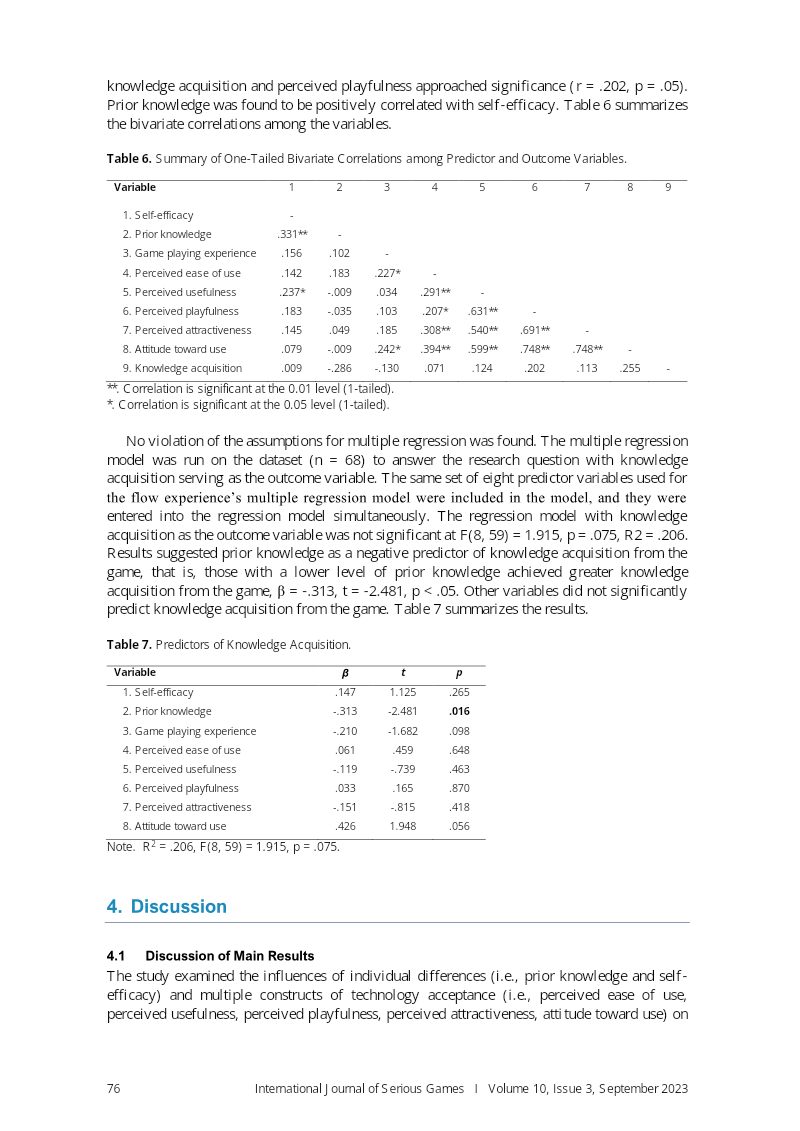
- Player engagement metrics like perceived playfulness and attractiveness do not reliably predict or correlate with actual knowledge acquisition in STEM games.
- Prior knowledge is a significant negative predictor of learning gains, meaning students with lower initial expertise derive the most benefit from educational games.
- The psychological state of flow, while effective for sustaining user interest, does not inherently guarantee the mastery of complex technical concepts.
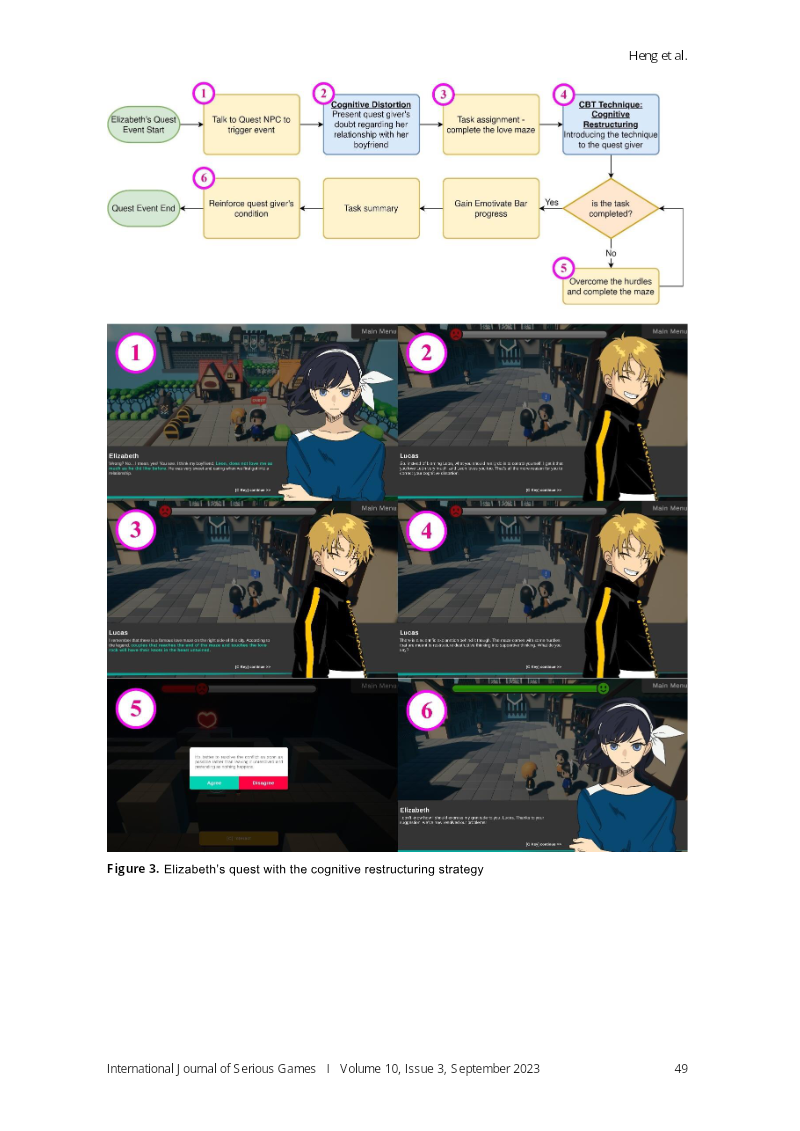
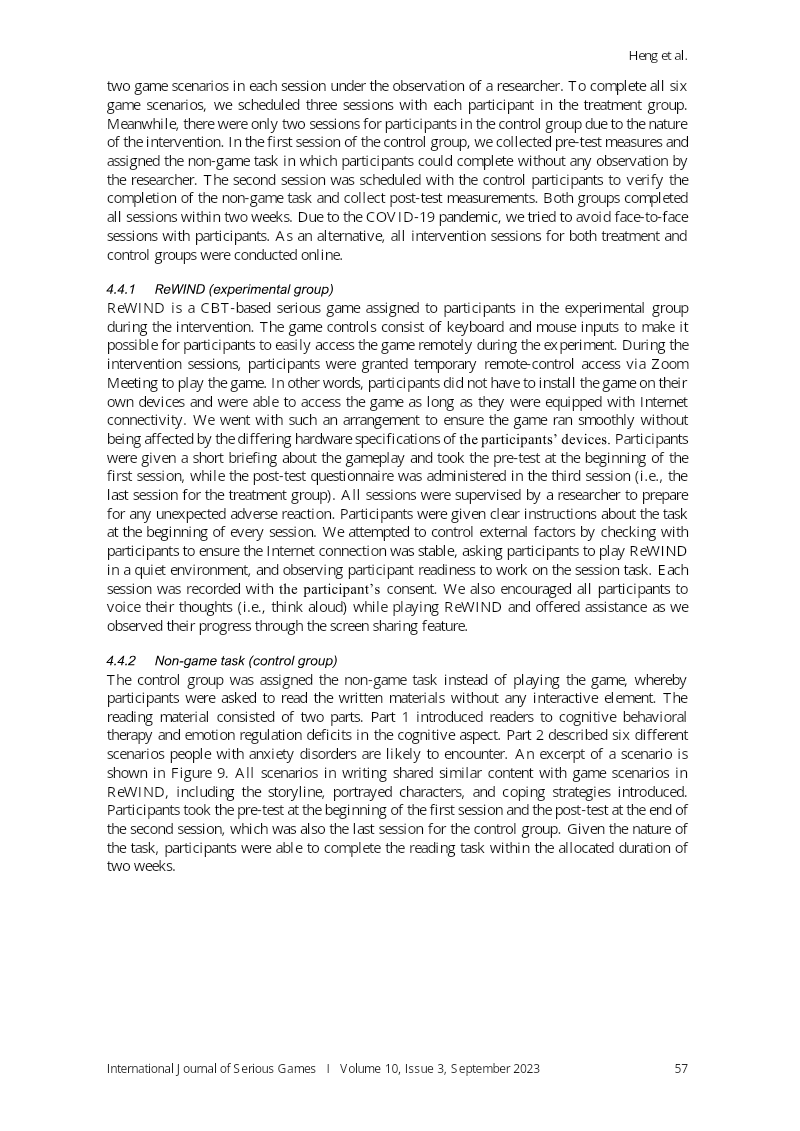
ReWIND: A CBT-Based Serious Game to Improve Cognitive Emotion Regulation and Anxiety Disorder
ReWIND functions as a 3D, story-driven role-playing game designed to mitigate anxiety disorders by embedding Cognitive Behavioral Therapy (CBT) principles directly into its narrative and mechanics.
- ReWIND is a 3D, story-driven RPG that integrates Ellis’ ABCDE model of Cognitive Behavioral Therapy to help adults identify and restructure maladaptive thought patterns.
- A randomized controlled trial of 40 university students showed that the game significantly outperforms static reading tasks in reducing both symptom severity and trait anxiety.
- Participants reported higher engagement and user satisfaction with the game compared to conventional psychoeducation materials, suggesting that interactive mechanics improve perceived control over emotional states.
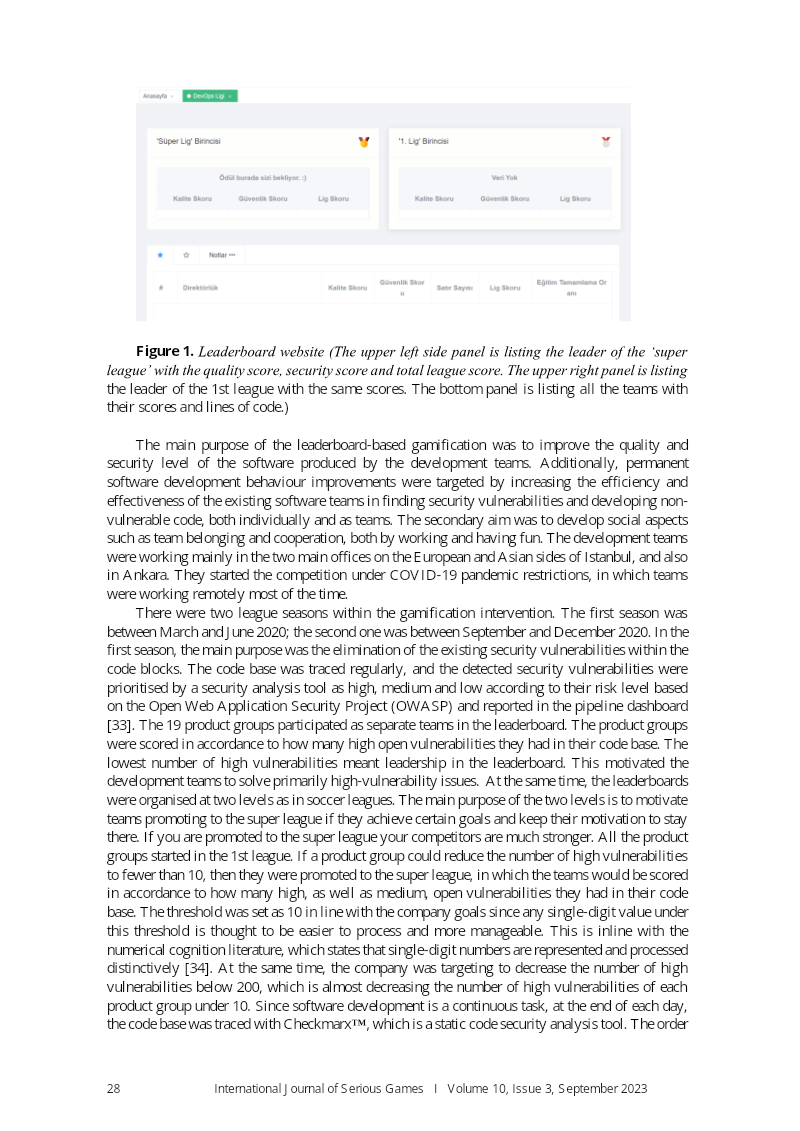

Evaluation of an Industrial Case of Gamification in Software Quality Improvement
Large-scale software development organizations frequently struggle with inconsistent quality assurance practices, often characterized by end-of-year rushes or the cessation of improvement efforts once arbitrary targets are met.
- Gamification of routine technical tasks, such as unit test coverage and vulnerability reduction, successfully transforms reactive maintenance into a sustained, competitive practice that improves overall code quality.
- A leaderboard-based intervention can effectively bridge communication gaps and enhance team cohesion in remote work environments by fostering a culture of shared technical rigor.
- Long-term program success is contingent on addressing socio-psychological friction, specifically developer concerns regarding perceived unfairness in scoring mechanisms and the setting of unattainable goals.
Serious Games and Experiential Learning: Options for Engineering Education
Serious games, specifically the Logistics Simulator and Production Game, serve as potent experiential learning tools within engineering education by bridging the gap between theoretical concepts and practical application.
- Serious games like the Logistics Simulator and Production Game effectively bridge the gap between theoretical engineering concepts and practical application by allowing students to practice in risk-free environments.
- The use of simulation tools significantly increases student motivation and engagement through iterative gameplay, immediate feedback, and clear goal structures.
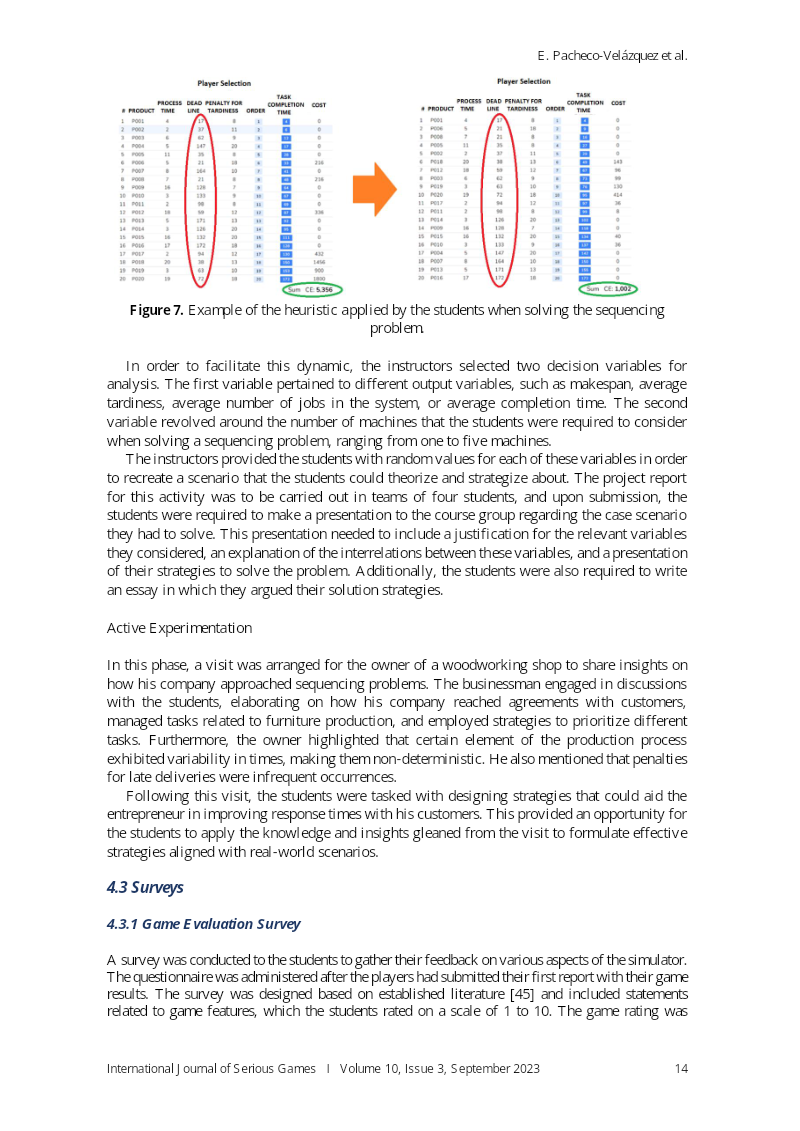
- Experiential learning via these simulators facilitates a shift in student decision-making from intuitive trial-and-error to the application of optimized heuristics.

Age and Sex Effects on Super G Performance Are Consistent Across Internet Devices
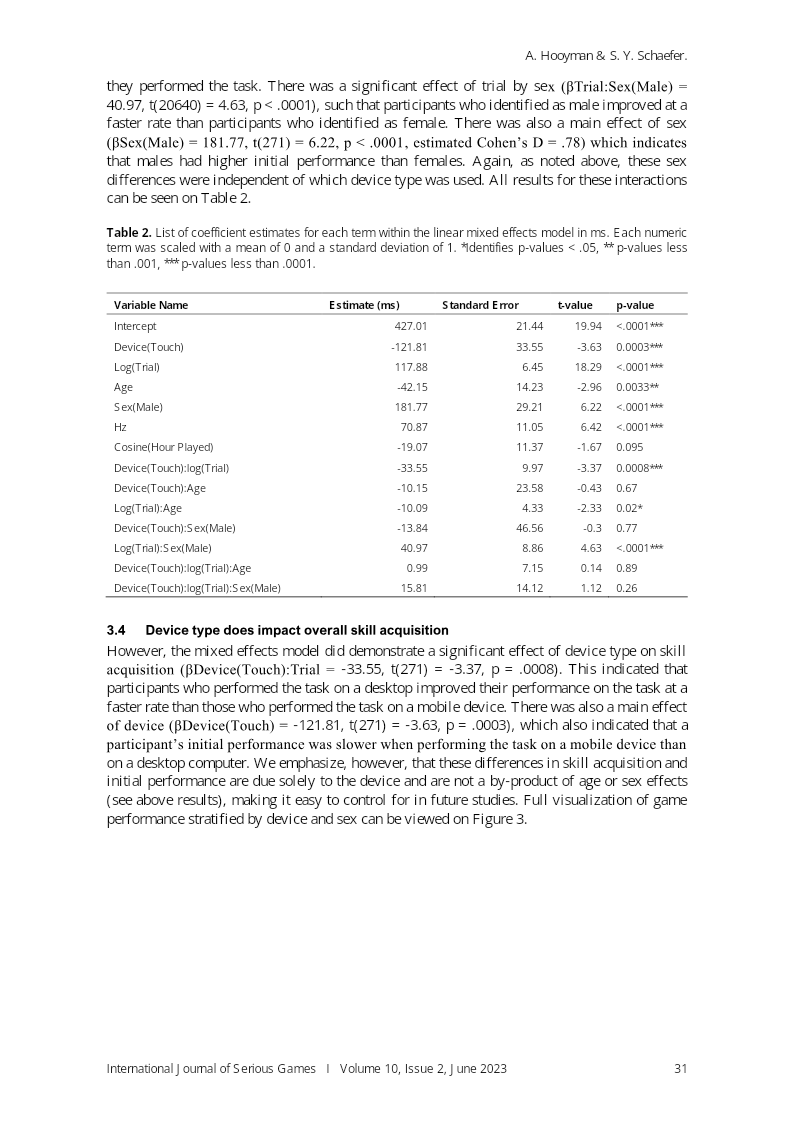
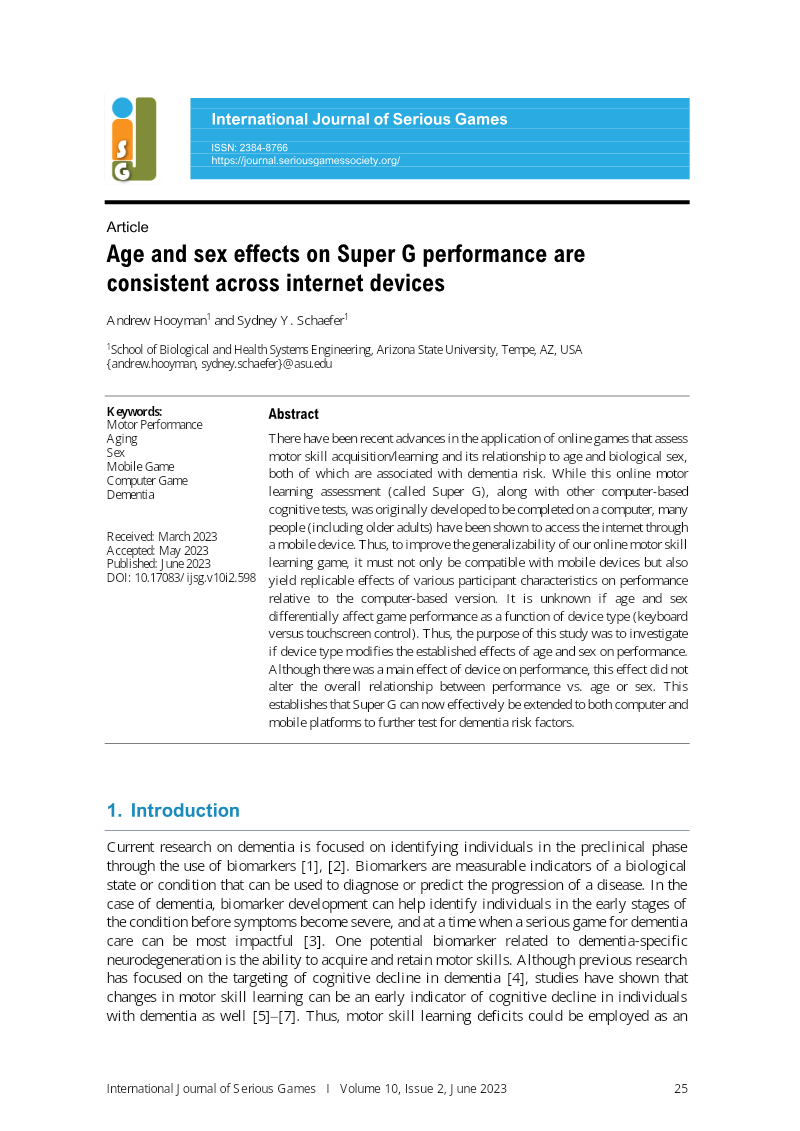
The Super G motor-cognitive game serves as a robust, scalable biomarker for detecting early signs of dementia by measuring motor skill acquisition.
- The Super G motor-cognitive game is a validated, scalable biomarker for detecting early dementia signs through the measurement of motor skill acquisition.
- Performance metrics remain consistent across computer and mobile platforms, with a measurable device-related variance of approximately 121 milliseconds.
- Statistical adjustments for hardware offsets allow for reliable cross-platform data integration without compromising diagnostic validity.

A Systematic Review on the Use of Serious Games in Project Management Education
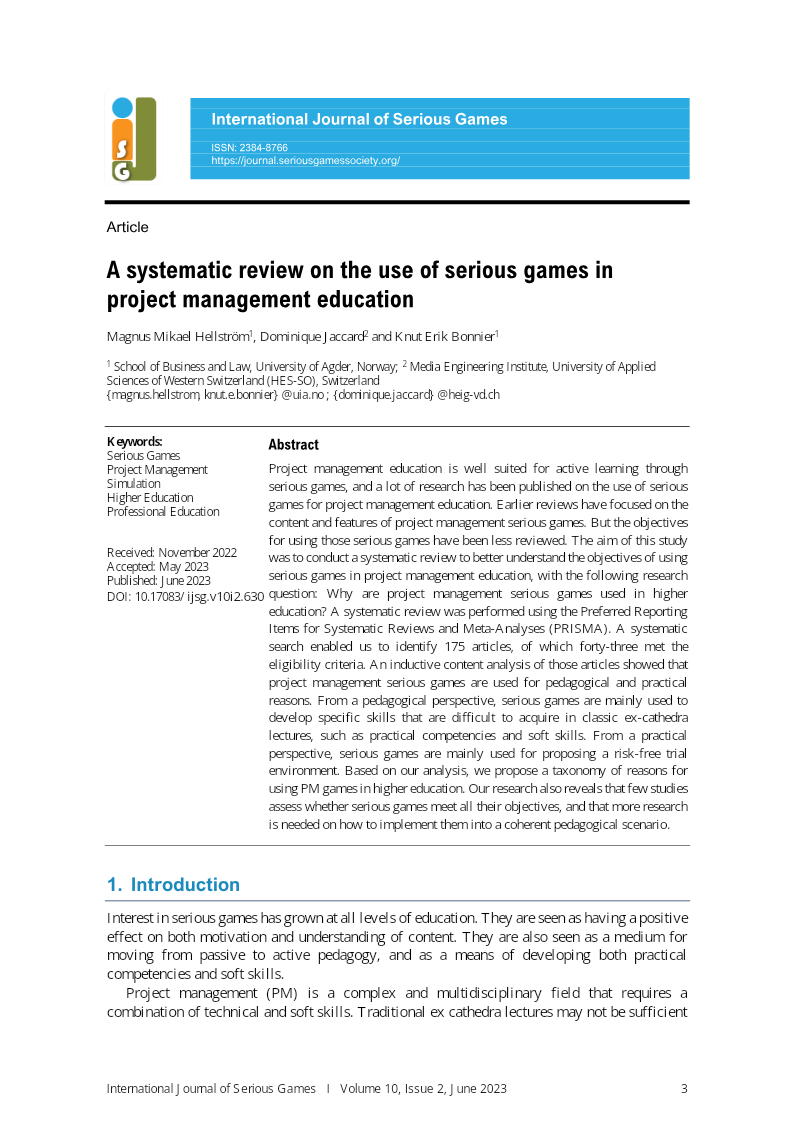
Serious games serve as a pivotal pedagogical tool in project management education, functioning primarily to bridge the divide between abstract theoretical frameworks and the complexities of real-world application.
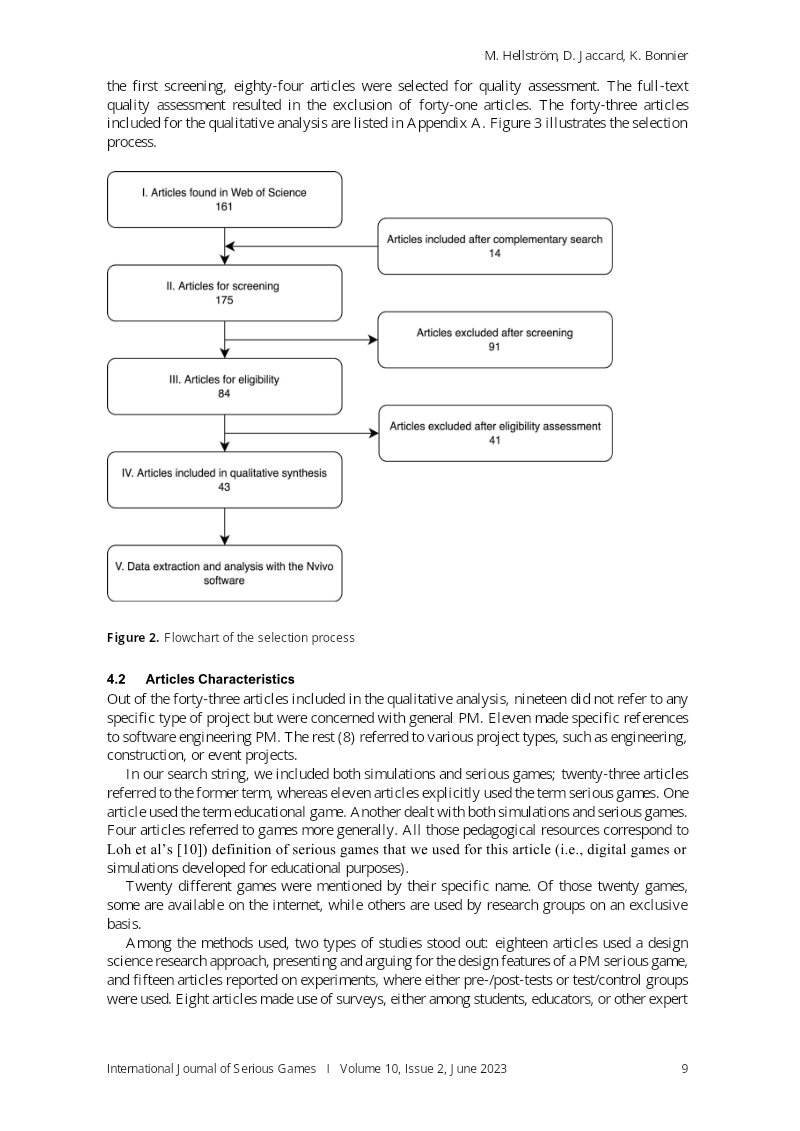
- A systematic review of 43 academic studies indicates that while serious games are widely used in project management education, the field currently lacks rigorous empirical validation and standardized metrics for measuring learning efficacy.
- Serious games provide a risk-free, cost-effective simulation environment that bridges the gap between theoretical frameworks and real-world project management complexities.
- A new taxonomy has been proposed to categorize educational objectives, aiming to shift the discipline from anecdotal evidence toward an evidence-based understanding of how gaming mechanics impact competency development.



Fibonacci Level Adjustment for Optimizing Player’s Performance and Engagement
Fibonacci Level Adjustment represents a significant advancement in adaptive game design by replacing traditional linear difficulty scaling with a nonlinear, human-centric model.
- Players using the Fibonacci-based difficulty system reached peak performance twice as fast as those in control groups using linear or user-defined models.
- The Fibonacci level adjustment model significantly increases overall player proficiency compared to traditional static or linear difficulty scaling.
- By mapping maze complexity to the Fibonacci sequence, the system dynamically aligns game challenges with a player's cognitive and motivational states to prevent performance stagnation.
Using Visual Programming Games to Study Novice Programmers
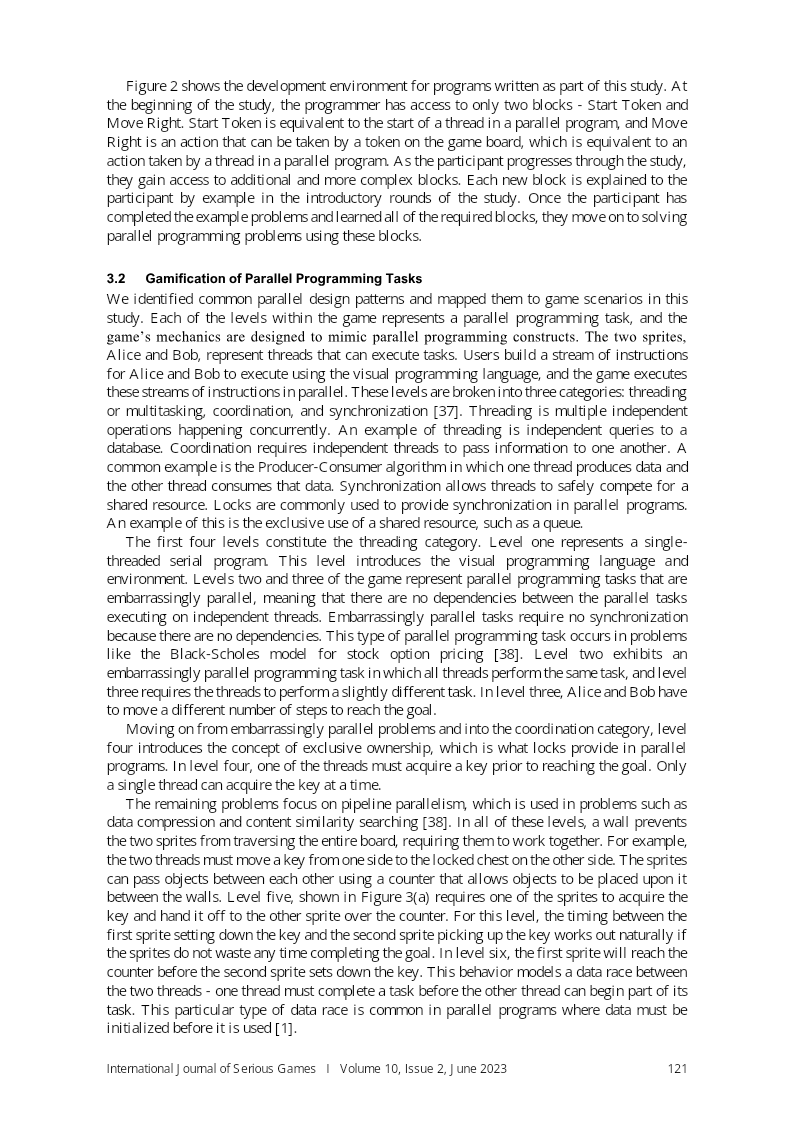
Visual programming games serve as a robust framework for evaluating how novice programmers approach complex parallel programming concepts, such as threading, coordination, and synchronization.
- Visual programming games effectively teach complex parallel programming concepts like threading and synchronization by removing syntax barriers and reducing cognitive load.
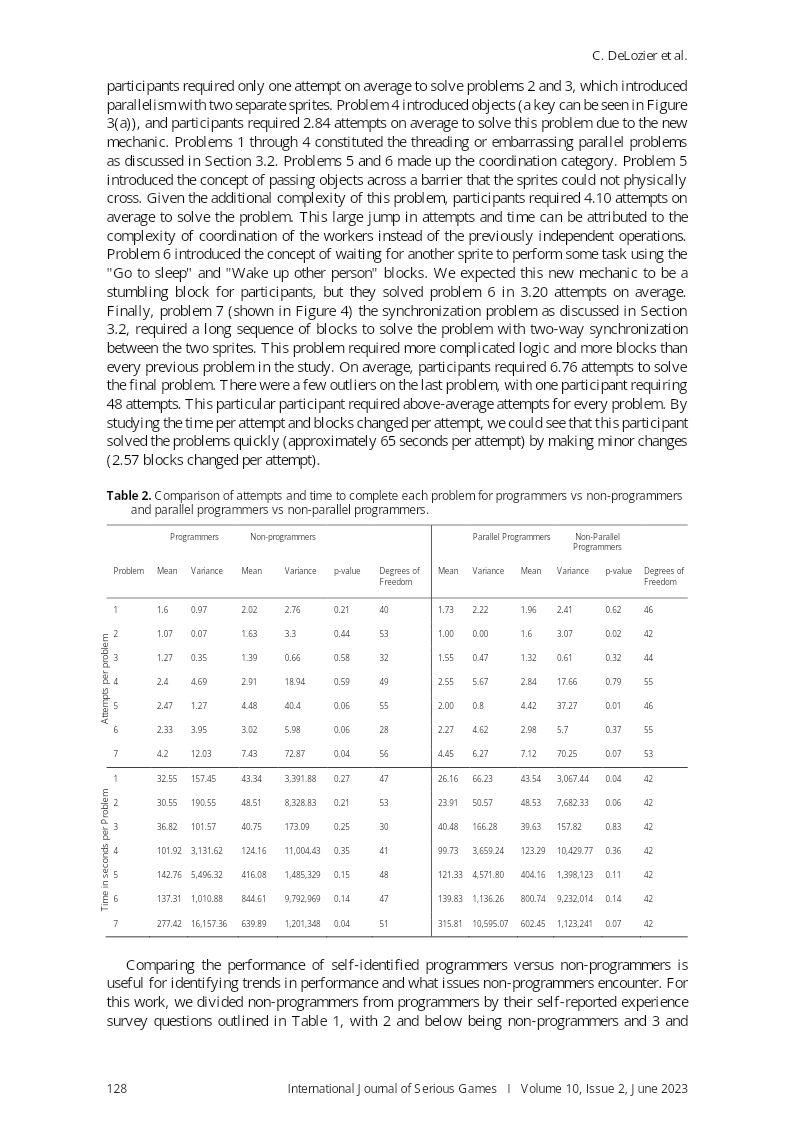
- An analysis of 95 undergraduate students shows that novices can achieve solution efficiencies comparable to experienced programmers when using visual abstraction tools.
- Prior programming experience correlates with faster initial task completion, but does not guarantee superior performance on advanced synchronization challenges.
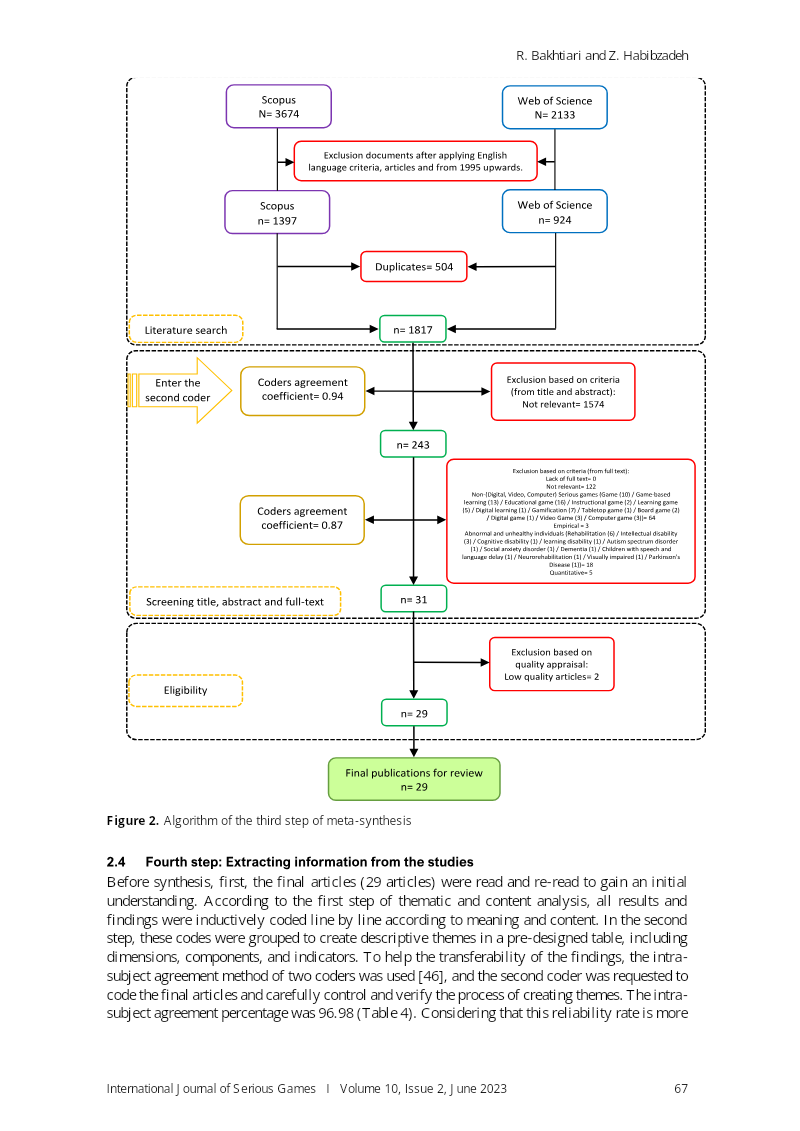

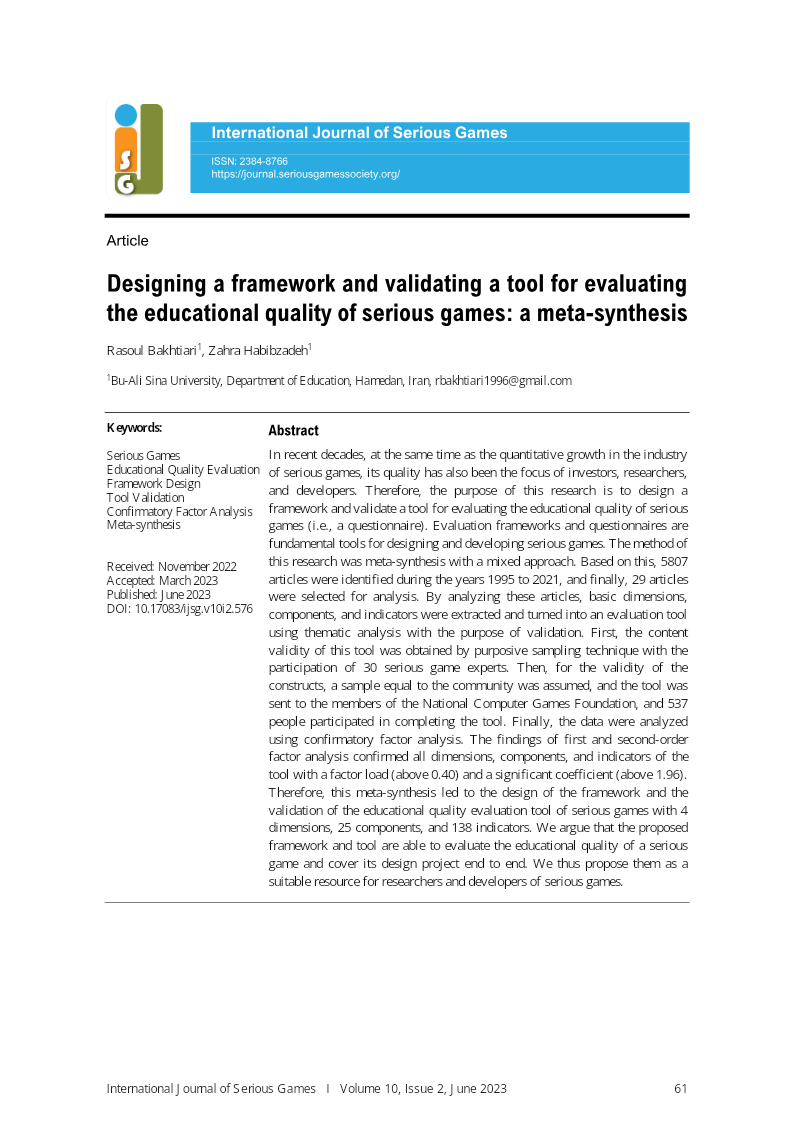
Designing a Framework and Validating a Tool for Evaluating the Educational Quality of Serious Games: A Meta-Synthesis
The development of a standardized evaluation framework for serious games addresses the critical need for rigorous quality assurance in educational software.
- A new standardized evaluation framework for serious games has been developed, validated by 30 experts and 537 industry professionals with a high statistical reliability score of 0.98 (Cronbach’s alpha).
- The evaluation instrument consists of 25 distinct components and 138 granular indicators designed to measure pedagogical alignment, user experience, technical fidelity, and adaptivity.
- The framework provides a lifecycle-based assessment model covering four critical stages: preparation, pre-production, production, and post-production.
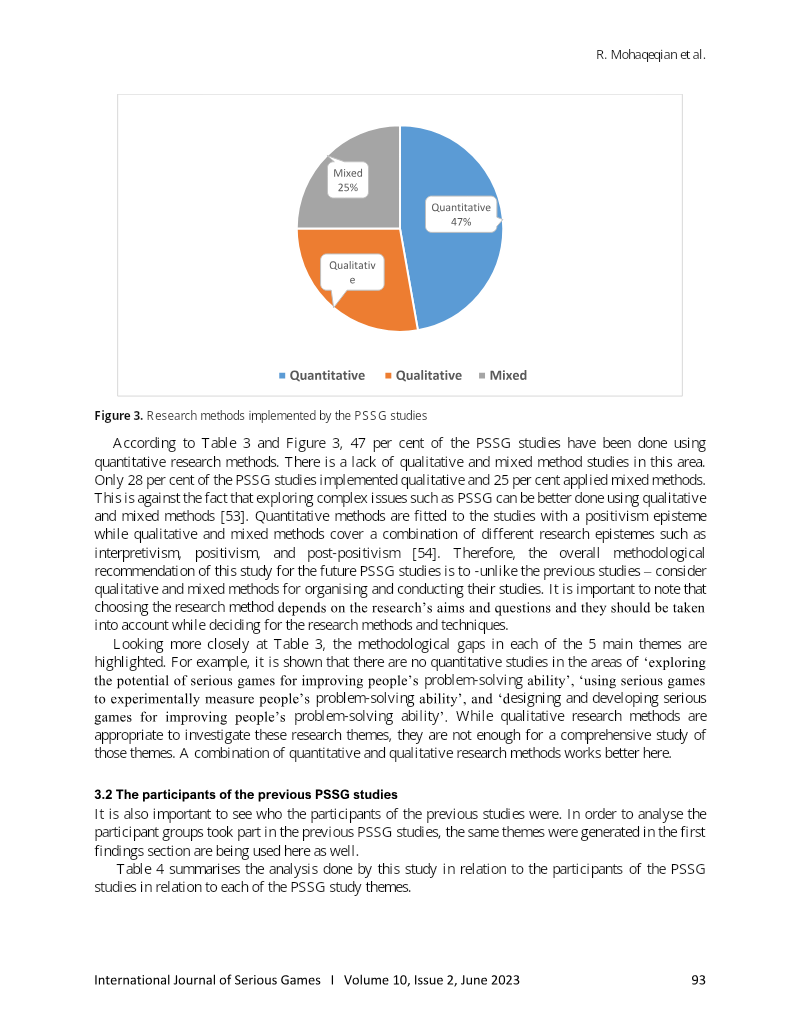
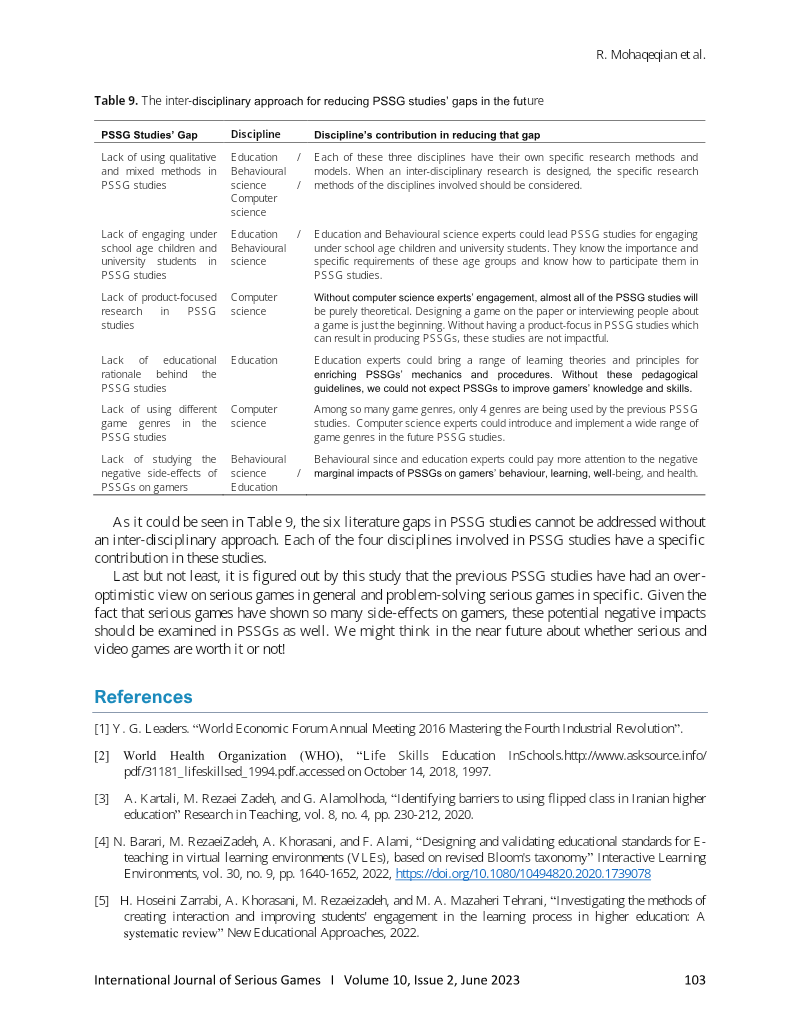
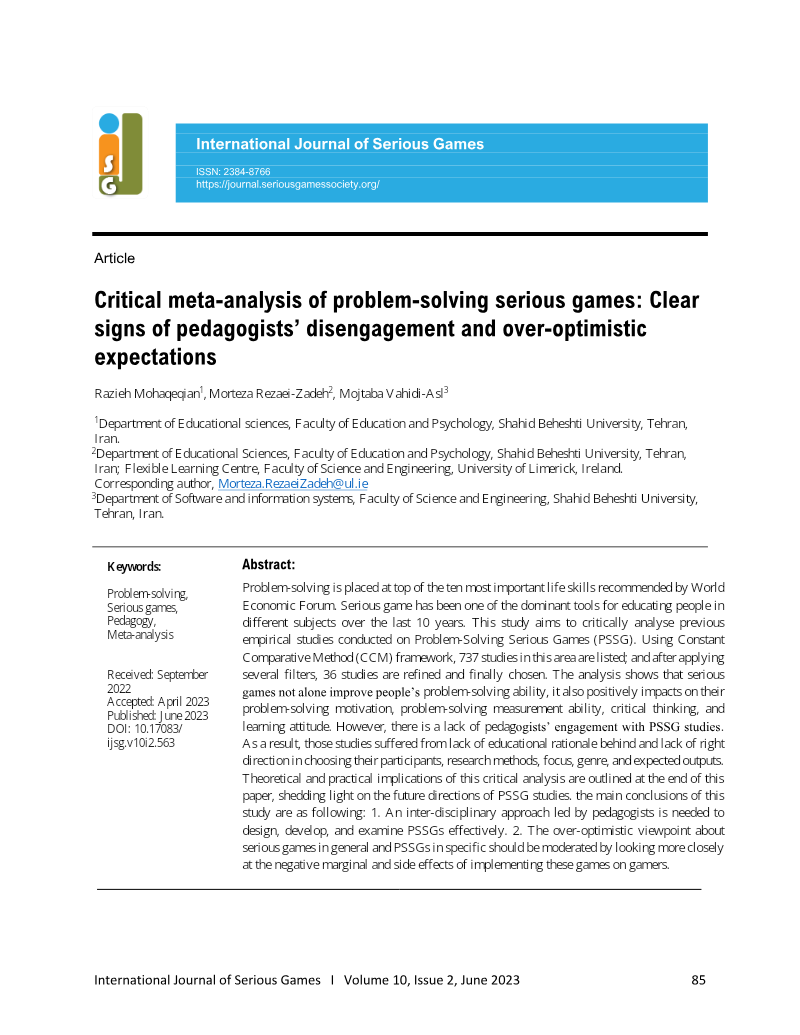
Critical Meta-analysis of Problem-solving Serious Games: Clear Signs of Pedagogists' Disengagement and Over-optimistic Expectations
Serious games designed to foster problem-solving skills demonstrate a measurable capacity to enhance cognitive performance, motivation, and collaborative abilities across diverse educational levels.
- 60% of serious games designed for problem-solving lack a formal educational rationale, indicating a systemic failure to integrate established learning theories.
- Development is currently dominated by computer science experts who prioritize technical execution over behavioral and pedagogical principles.
- While serious games can enhance cognitive performance and collaboration, research efficacy is highly inconsistent, with a notable minority of studies showing no significant correlation between game usage and improved proficiency.