
European Conference on Games Based Learning (ECGBL)
Annual European conference on game-based learning and serious games; its proceedings are published open access (CC BY) by Academic Conferences International.
Documents
Do Video Games Enhance Competencies and Skills? A Study Case on Civil Engineering Students
This study examines whether incorporating the video game "Call of Duty: Modern Warfare II" into a university course can enhance students' competencies and engagement, using a single case at a private university in Puebla, Mexico.
- The study examined a single course of 30 ninth-semester civil engineering students (20 men, 10 women, average age 23) at a private university in Puebla, Mexico, using Call of Duty: Modern Warfare II as a collaborative learning activity.
- Students played the game collaboratively and then discussed the construction and operation of a hydraulic dam at an in-game checkpoint, linking gameplay to course content in a 'Hydraulic Works' class.
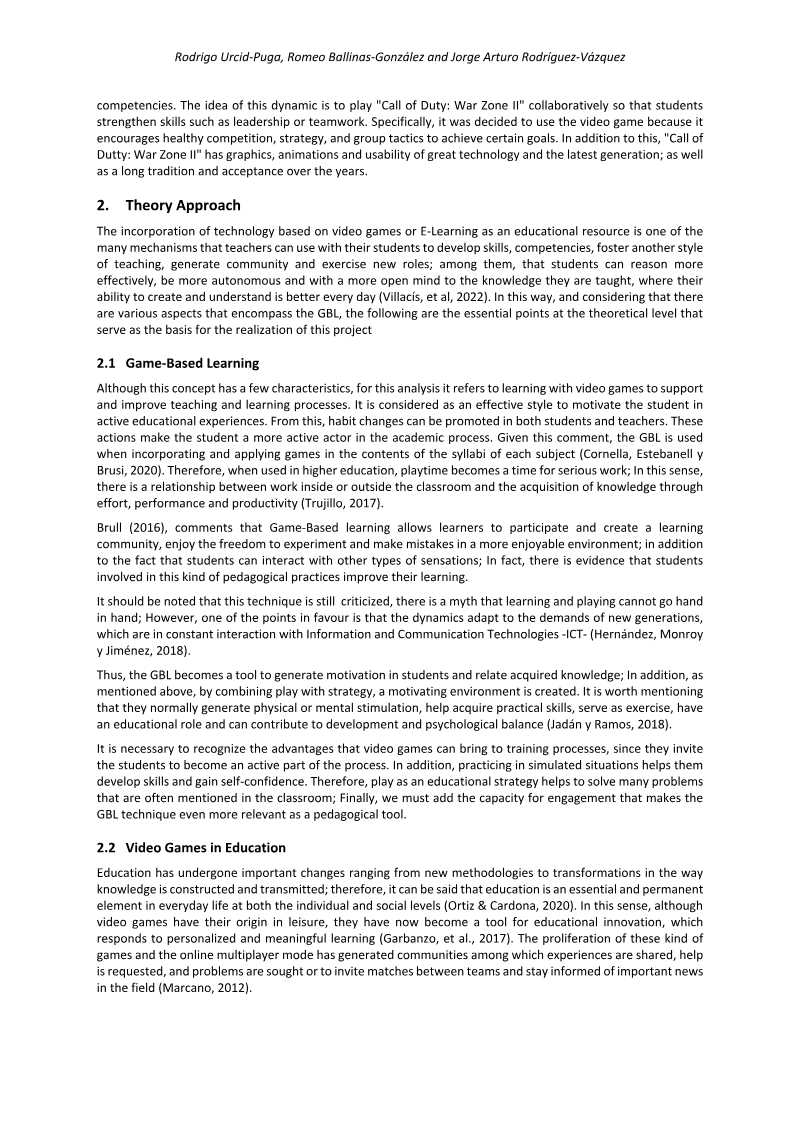
- Data came from a five-point Likert questionnaire with six statements, and agreement ranged from roughly 75 to 95 percent across items, covering gameplay quality, peer and teacher interaction, out-of-class learning, challenge alignment, enjoyment, and competency development.
Renewing Systems Analysis: The Impact of Game-Based Learning on Repeating Students
A South African study examines whether a game-based, inverted-classroom intervention can improve outcomes for students repeating a Systems Analysis and Design course.
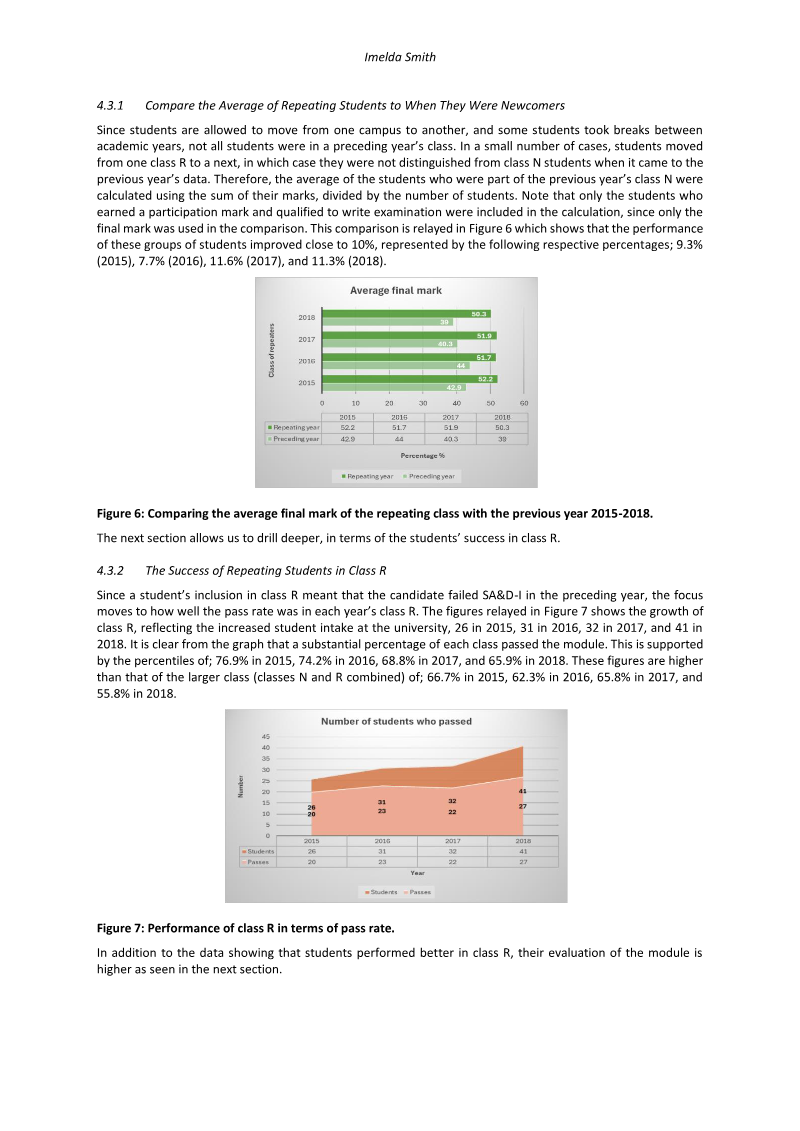
- Repeating students in a game-based, inverted-classroom intervention (2015–2018) outperformed prior cohorts and their peers, with average final marks rising roughly 8–12% over earlier years.
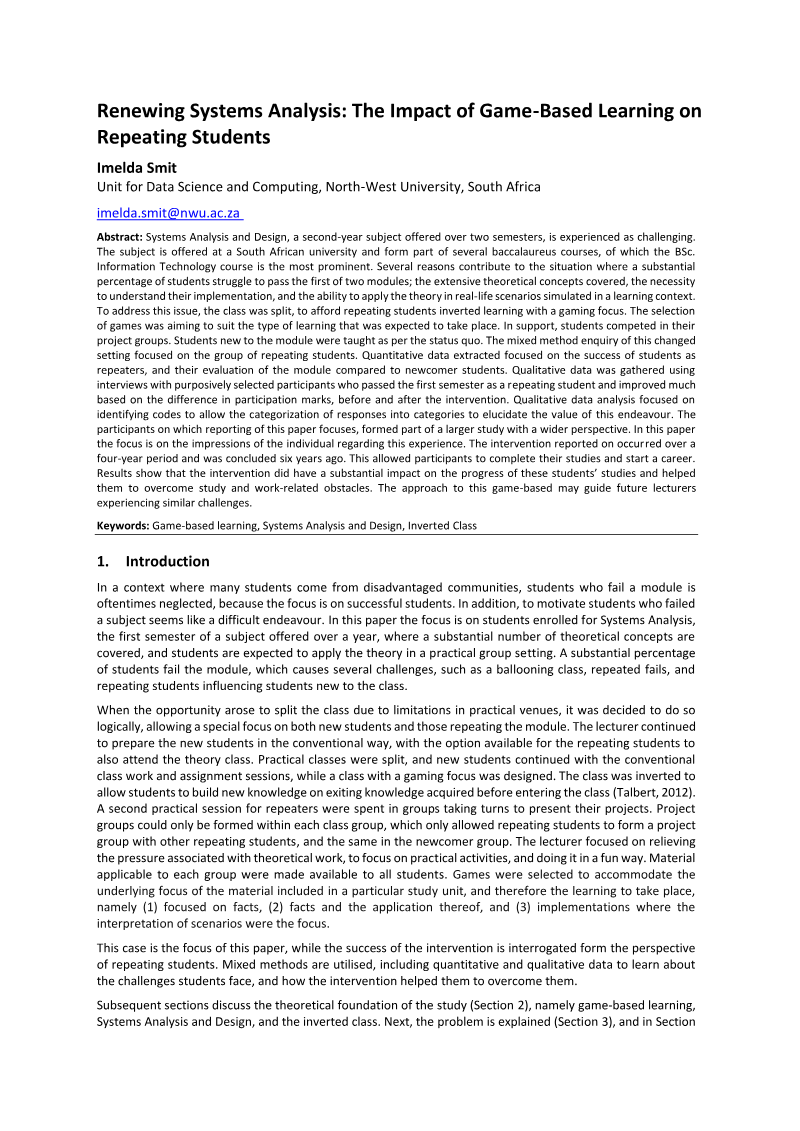
- Pass rates for the intervention group ranged from 65.9% to 76.9%, exceeding the combined class pass rates, and course satisfaction reached 89.5% in 2015 versus 78.3% for the comparison group.
- The intervention separated repeating students from first-time students and used quiz games, a "Happy Hour" review format, and court-style expert-witness sessions carried out within project groups.
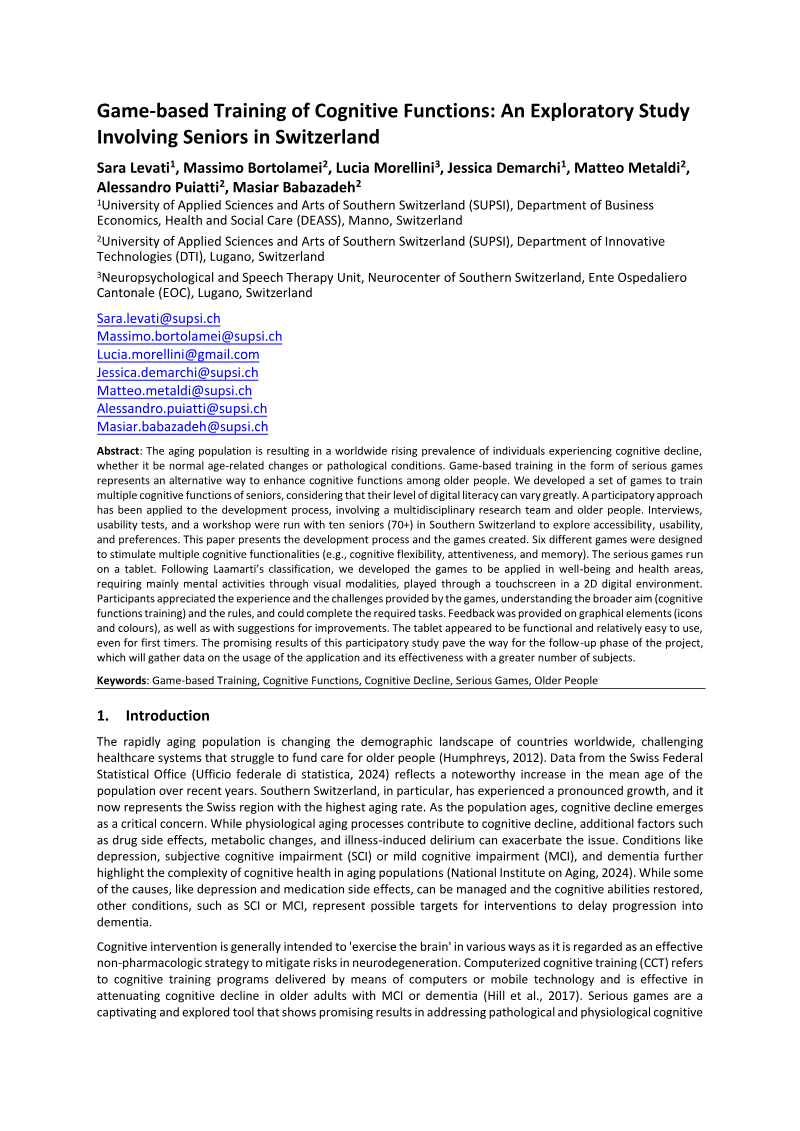
Game-based Training of Cognitive Functions: An Exploratory Study Involving Seniors in Switzerland
This exploratory study, conducted at SUPSI in Southern Switzerland, examines whether tablet-based serious games can support cognitive training for seniors.
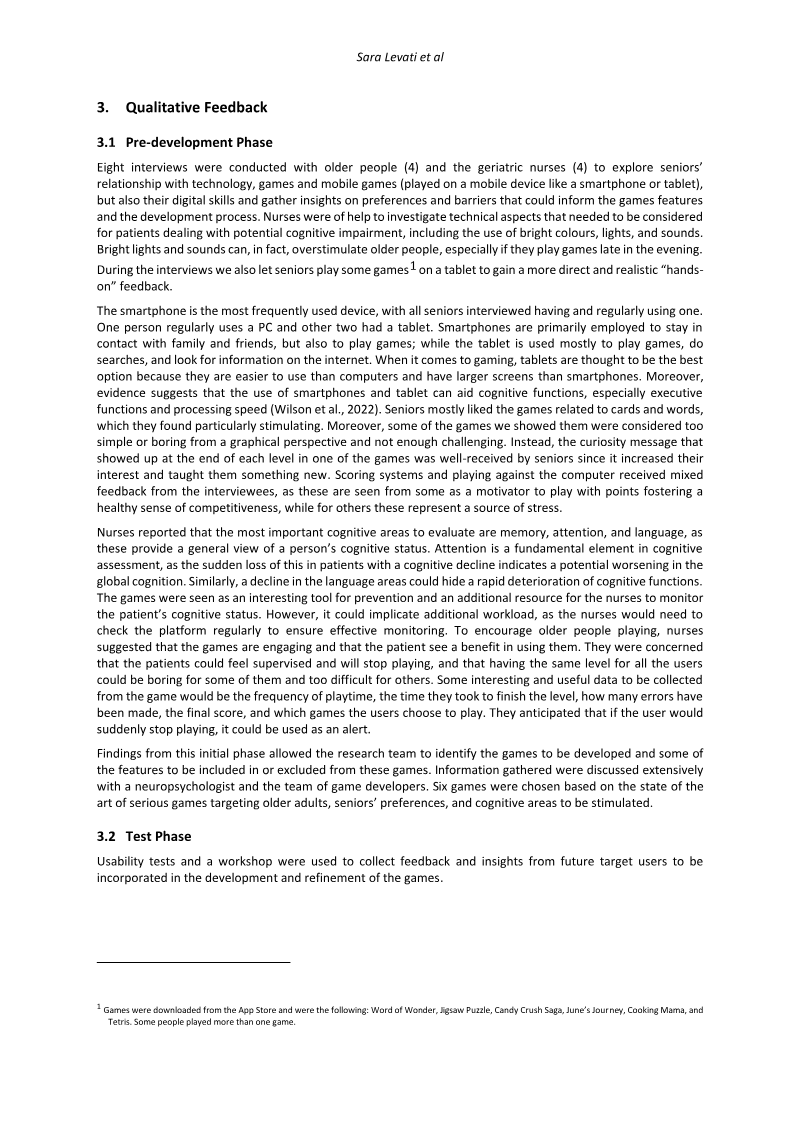
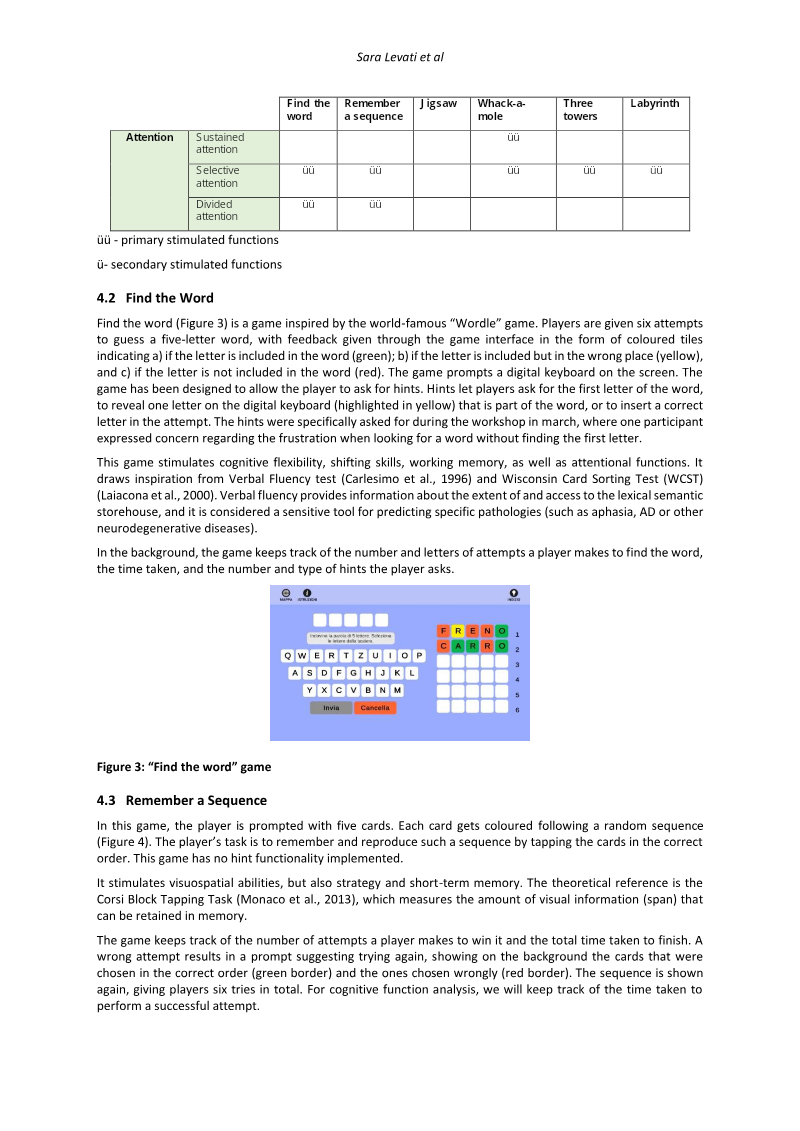
- The study developed six tablet-based serious games targeting memory, attention, flexibility, and executive functions for seniors, conducted at SUPSI in Southern Switzerland.
- Development was participatory, involving ten adults aged 70 and older along with geriatric nurses, using interviews, usability tests, and a workshop as primary methods.
- Participants found the games engaging and usable, including those who had never used a tablet before, and their feedback led to clearer icons, colour choices suited to older and colour-blind users, and adjusted challenge levels.
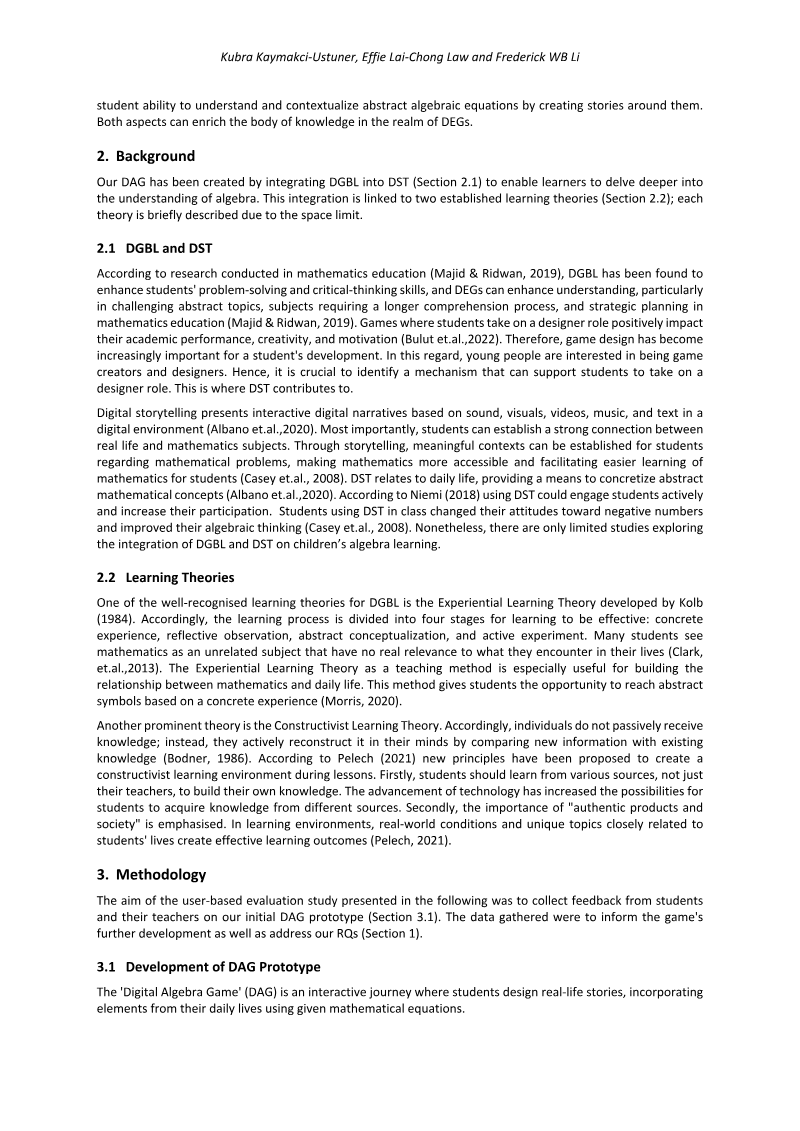
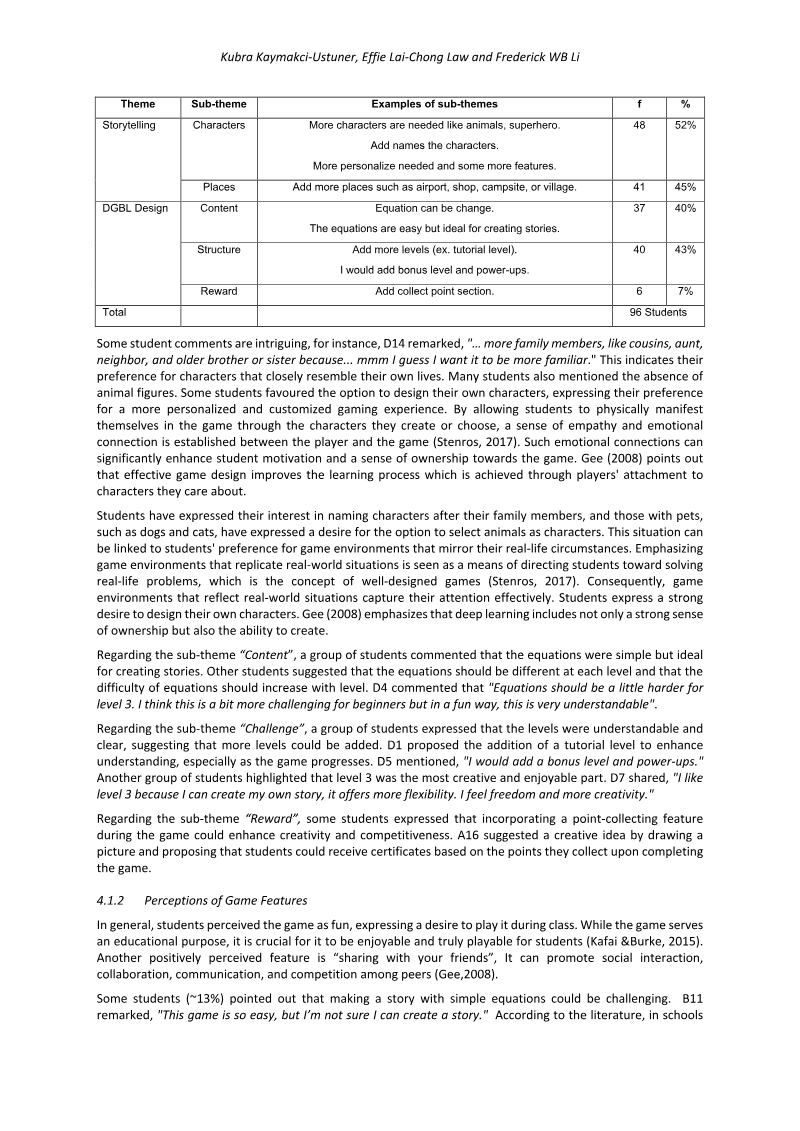
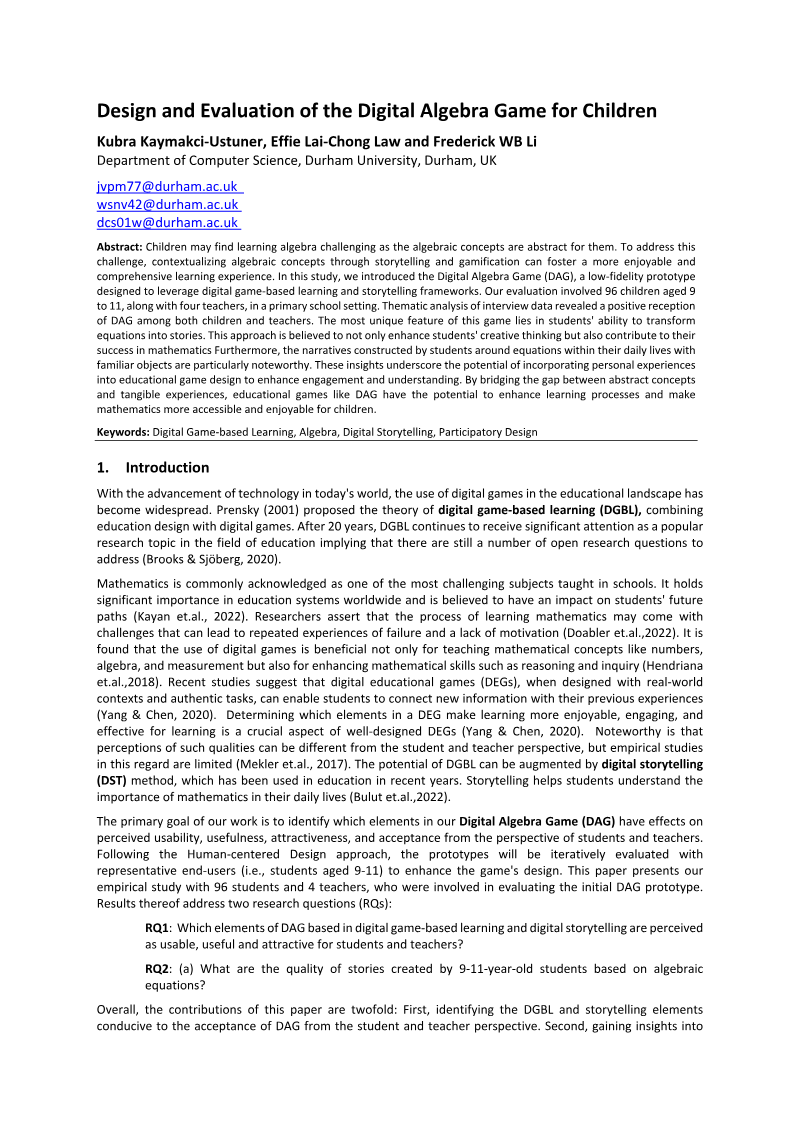
Design and Evaluation of the Digital Algebra Game for Children
The Digital Algebra Game (DAG) is a low-fidelity prototype designed to help children connect abstract algebra to personal experience by having them transform equations into stories.
- The Digital Algebra Game (DAG) is a low-fidelity prototype that has students transform algebraic equations into personal stories to connect abstract algebra with everyday experience, a thesis the authors call promising but not yet conclusively demonstrated.
- The evaluation drew on 96 children aged 9 to 11 and four teachers at a single primary school, using thematic analysis of interviews and feedback, so its findings are qualitative and cannot be generalized beyond that context.
- Reception was largely positive, with users describing the game as fun, engaging, and useful for linking algebra to everyday contexts, and the story-creation feature was identified as its most distinctive element.
Embedding Psychology Themes in University Induction Using a Digital Escape Game
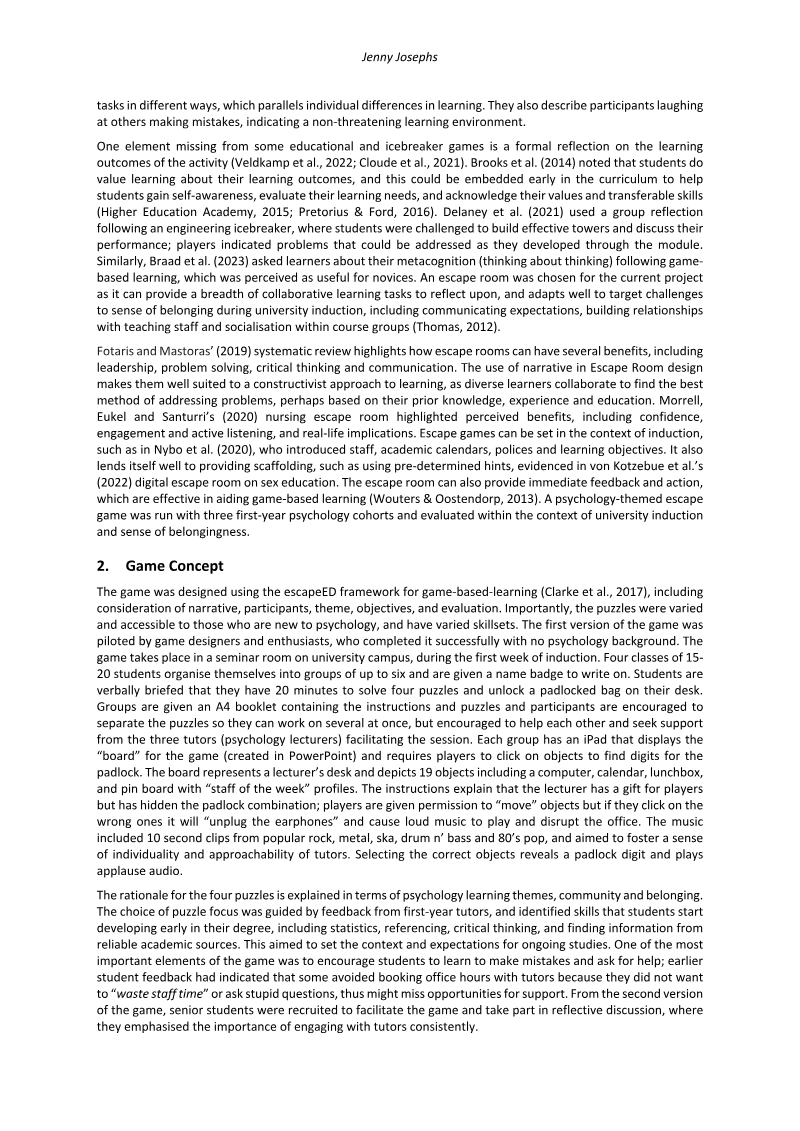
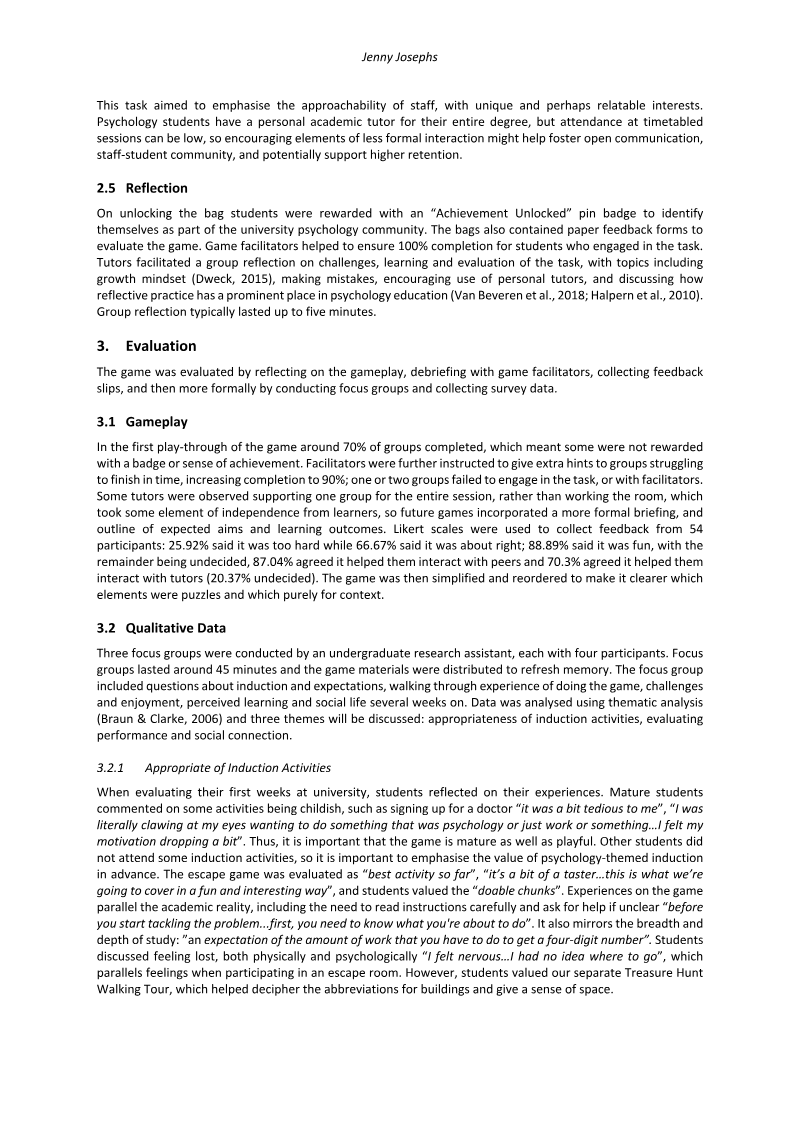
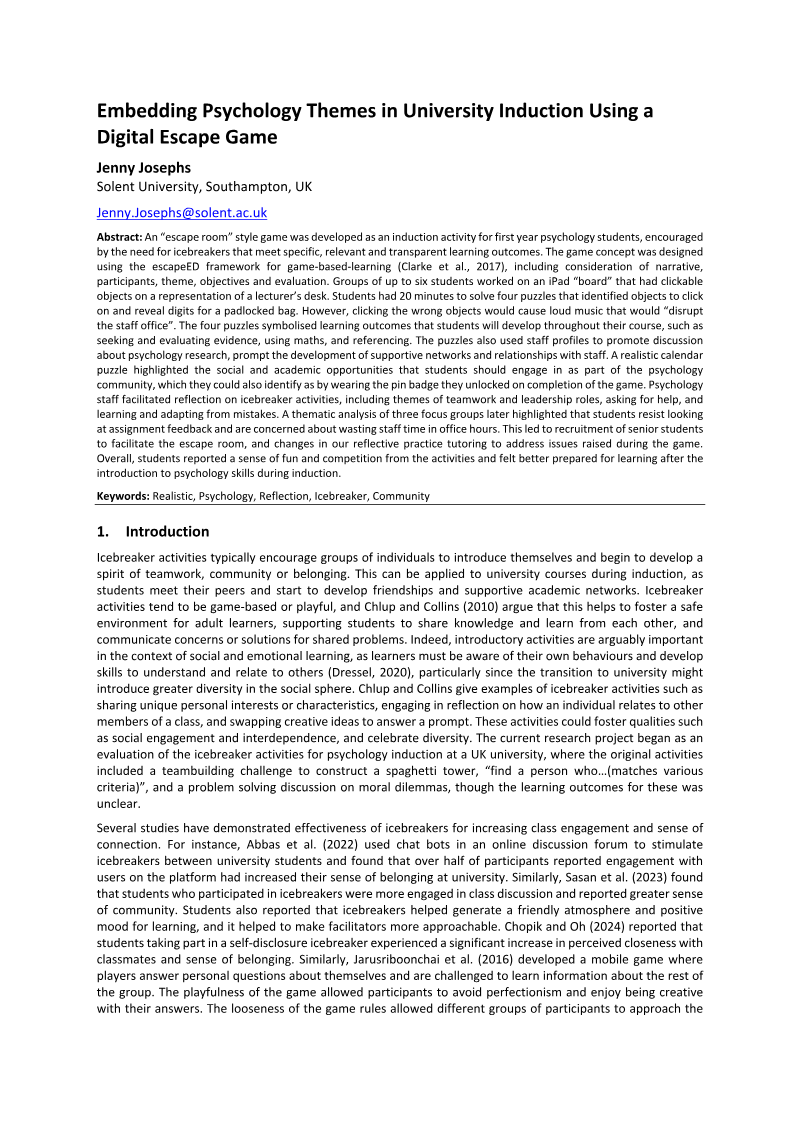
A digital escape game was developed by Jenny Josephs at Solent University as a first-year psychology induction activity, designed to replace icebreakers whose learning outcomes were unclear.
- A digital escape game replaced unclear-outcome icebreakers in Solent University's first-year psychology induction, with groups of up to six solving four puzzles in 20 minutes to unlock a padlocked bag, each puzzle mapped to a skill needed during the degree such as searching for information, statistics, referencing, and engaging with staff and extracurriculars.
- Across three first-year cohorts (four classes of 15 to 20 students), 88.89% of 54 questionnaire respondents described the game as fun and 87.04% felt it helped them interact with peers.
- Completion rose from roughly 70% to 90% once facilitators were allowed to give extra hints, showing that the difficulty level needed adjustment for the activity to work.
The Influence of Social Competition and Maths Anxiety on Game Performance
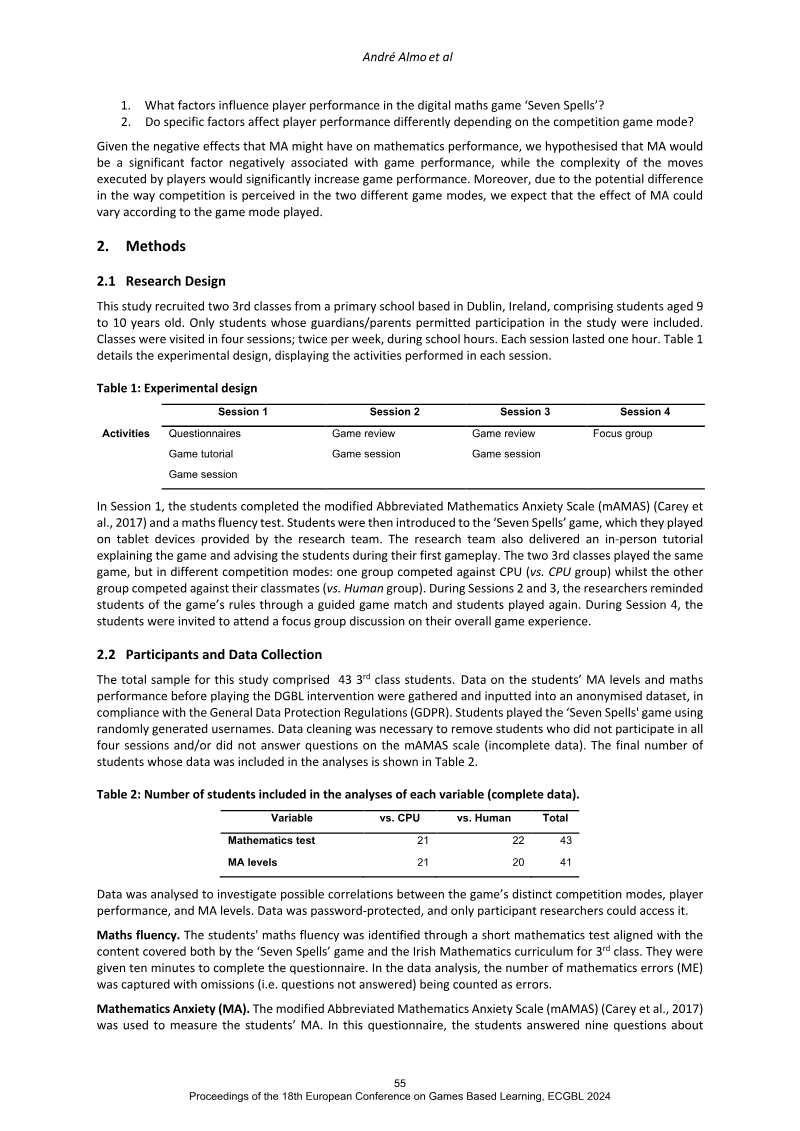
This study examines how social competition and mathematics anxiety (MA) affect children's performance in 'Seven Spells', a digital maths game designed for primary education.
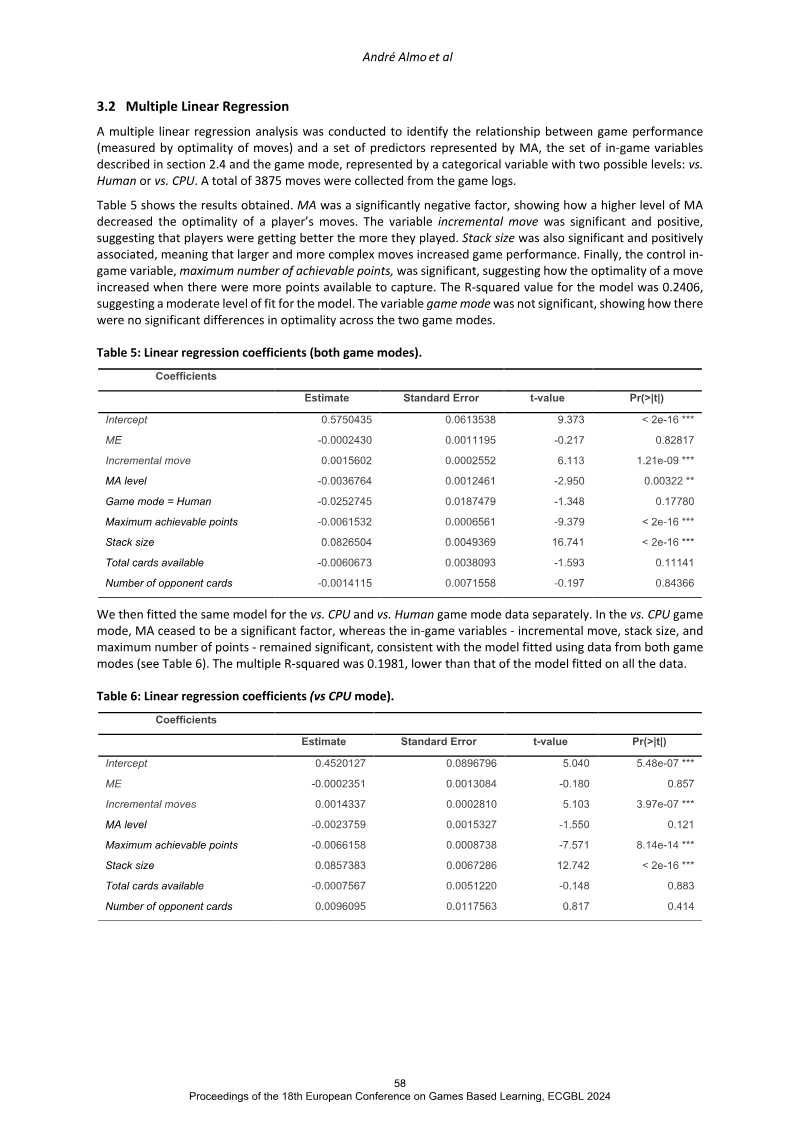
- Move optimality in the digital maths game 'Seven Spells' rose with gameplay duration and with the number of cards used per move, based on analysis of 3,875 individual moves from 43 nine- to ten-year-olds.
- Higher maths anxiety was associated with lower move optimality, but game mode alone (vs. CPU or vs. Human) was not a significant predictor of performance.
- Maths anxiety had a substantially stronger negative effect when children competed against classmates than against computer-controlled characters, which was not significant in the vs. CPU mode.
A Virtual 3D Chemistry Escape Room for Exam Preparations
The paper introduces "ChemScape," a virtual 3D chemistry escape room designed to help students reinforce chemical theory and prepare for exams through a gamified, hands-on approach.
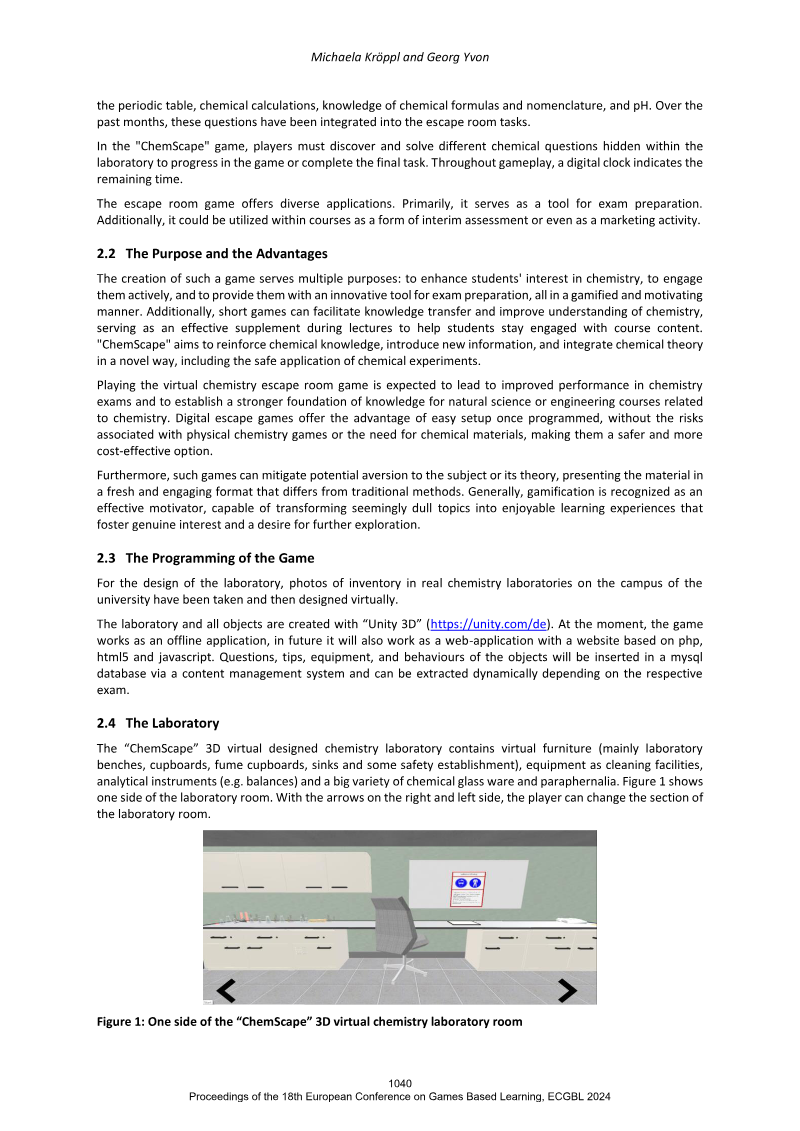
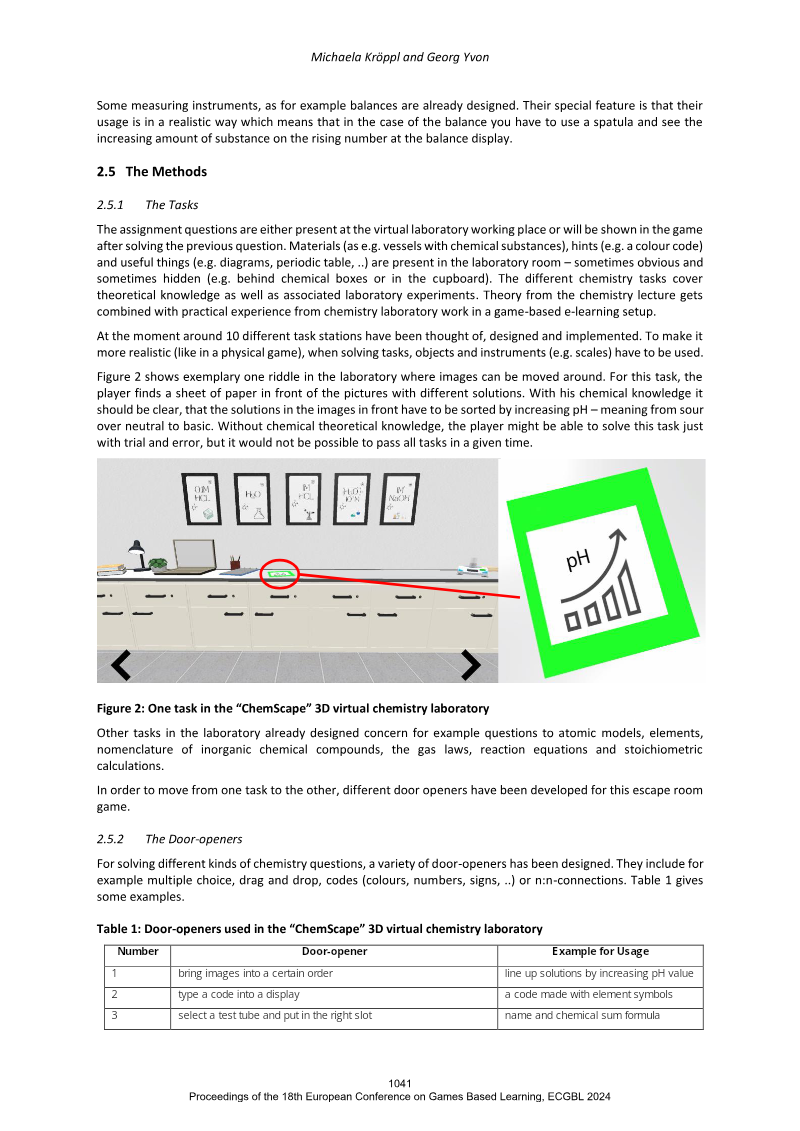
- ChemScape is a Unity 3D virtual chemistry escape room built from photographs of real university laboratory inventory, requiring players to find hidden chemistry questions, operate virtual instruments such as balances, run virtual experiments, and solve tasks under a time limit.
- Progression is gated by about ten "door-openers" (multiple-choice, drag-and-drop, cable connection, and color-code puzzles) covering the periodic table, pH, nomenclature, gas laws, and stoichiometry.
- The authors argue the format can boost engagement, make abstract theory easier to grasp, and offer a safer, lower-cost alternative to physical chemistry activities, though these benefits are not yet empirically verified.
Bending Rules, Telling Stories: Convivial Game Design Approaches for Engaging With Futures
This paper by Meshcheryakova and Hemmert explores whether games can serve as "convivial" tools for civic learning and collaborative thinking about shared futures, drawing on Illich's concept of conviviality, which emphasizes collaboration, self-determination, and joyful interaction.
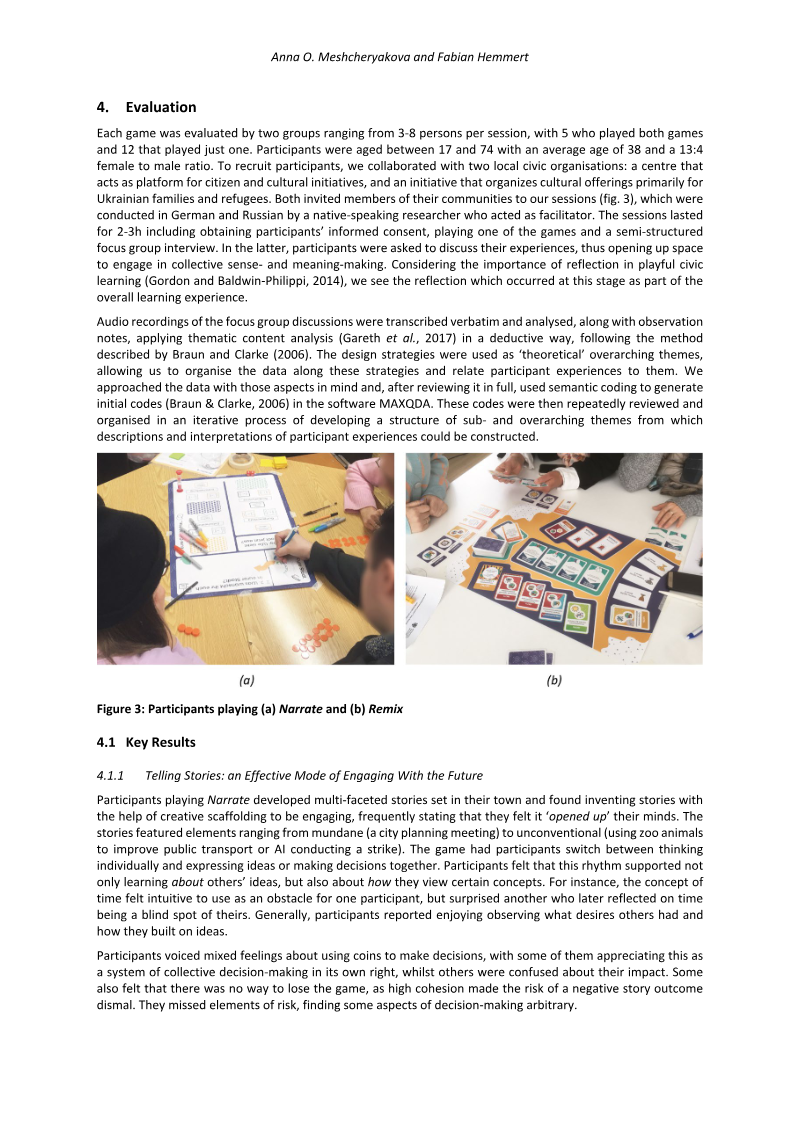
- Narrative-focused design outperformed mechanics-focused design: the storytelling game Narrate generated engaging discussion, meaningful exchange across age groups, and a strong personal connection to the imagined future, while the rule-manipulation game Remix did not.
- The authors frame the core problem as a tension between games' rigid rule systems and the player agency that 'convivial' tools require, drawing on Illich's concept of conviviality (collaboration, self-determination, joyful interaction).
- Study design: research-through-design with two analogue games, tested with 17 participants aged 17 to 74 in sessions of two to three hours, combining gameplay with semi-structured focus groups and deductive thematic analysis.

Fun and Functional: Using Non-Digital Games to Promote Maths Engagement in Pre-service Teachers
This study investigates whether non-digital educational games can enhance motivation and engagement in mathematics among first-year pre-service primary teachers at the University of Aveiro in Portugal.
- Eight non-digital games, some in multiple versions, were trialled across sixteen class sessions with 44 first-year pre-service primary teachers at the University of Aveiro in Portugal, using a mixed case study design.
- Students responded very favourably: none disliked the games, 98 percent expressed some degree of liking, and mean agreement exceeded 4 on a 5-point scale that games made learning more interactive, engaging, and motivating.
- Garden Animals and Maths Monopoly were the most preferred activities among participants.
Empowering Neurodiverse Voices in Research Ethics through a Playful Card-Based Approach
A playful, card-based research ethics toolkit is presented here as a means of involving neurodivergent people, including those with intellectual disabilities, in discussions about research ethics.
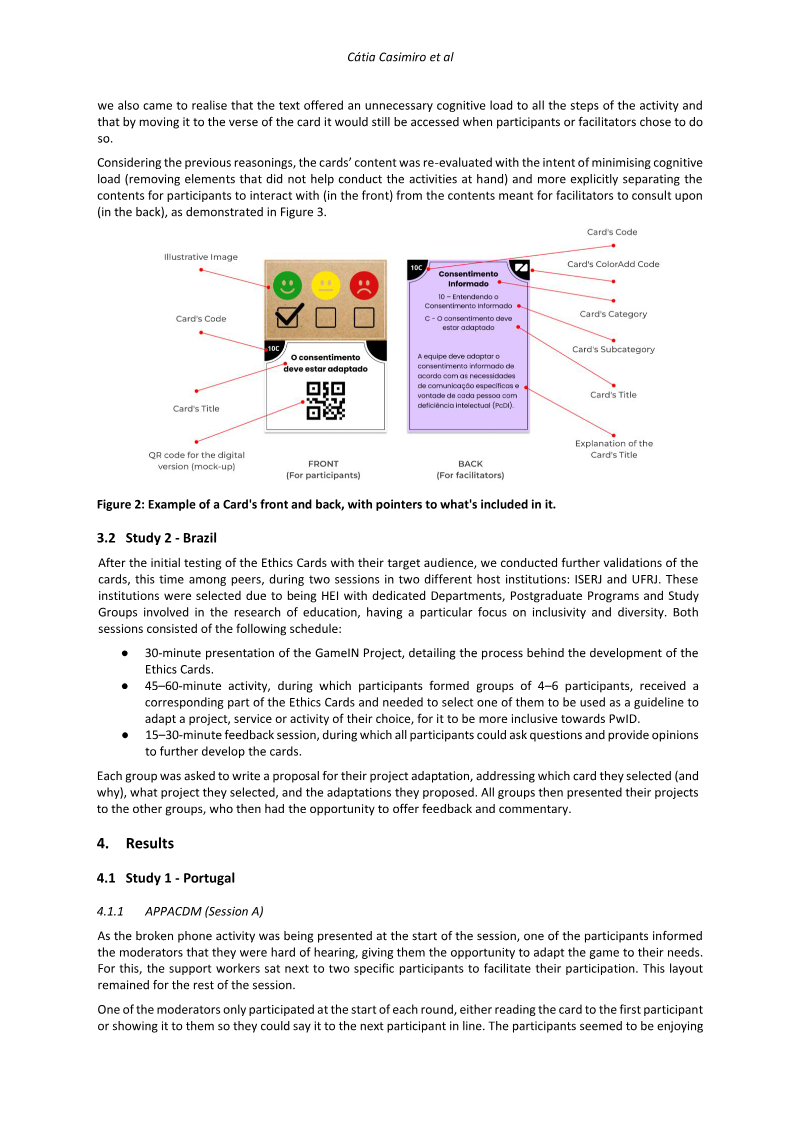
- The report presents a playful, card-based research ethics toolkit of 39 easy-to-read, illustrated cards, designed to involve neurodivergent people, including those with intellectual disabilities, in research ethics discussions.
- Validation involved 56 participants across Portugal and Brazil, mostly neurodivergent adults in Portugal and university students and researchers in Brazil, tested through "Broken Phone" games and card debates.
- In Brazil, 35 of 36 participants reported learning something new, and 28 of 36 judged the cards effective as facilitation tools.
What Is Learning in Serious Game Jams?: A Systematic Literature Review
Serious game jams, time-bound collaborative events in which participants create games addressing social, cultural, or scientific themes, have attracted growing interest as vehicles for learning, yet the research base remains thin and conceptually uneven.
- A PRISMA 2020 systematic review screened 1,455 sources, included 68, and found that only 10 explicitly addressed learning goals within serious game jams.
- Learning in these events is most often framed as collaborative and project-based learning, with only one of the ten sources explicitly grounded in constructionist theory.
- Learning measurement appeared in seven of the ten sources but was rarely analyzed in depth, with some studies counting games produced or reporting surveys without disclosing results.
Indie Games for Ethical and Socioemotional Development in Secondary Education
This work-in-progress study, conducted by researchers at the Universitat de les Illes Balears, proposes a three-year project to integrate independent video games into Spanish secondary education in order to strengthen teachers' video game literacy and students' ethical and socioemotional development, specifically European key…
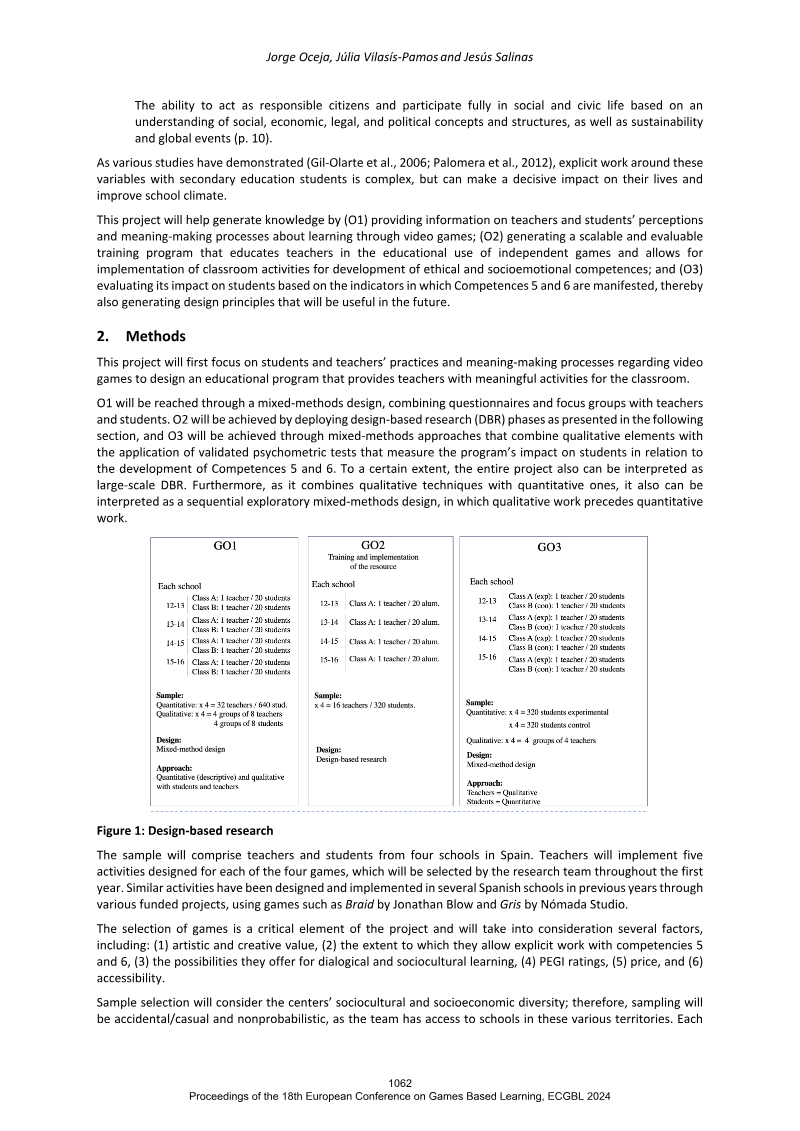
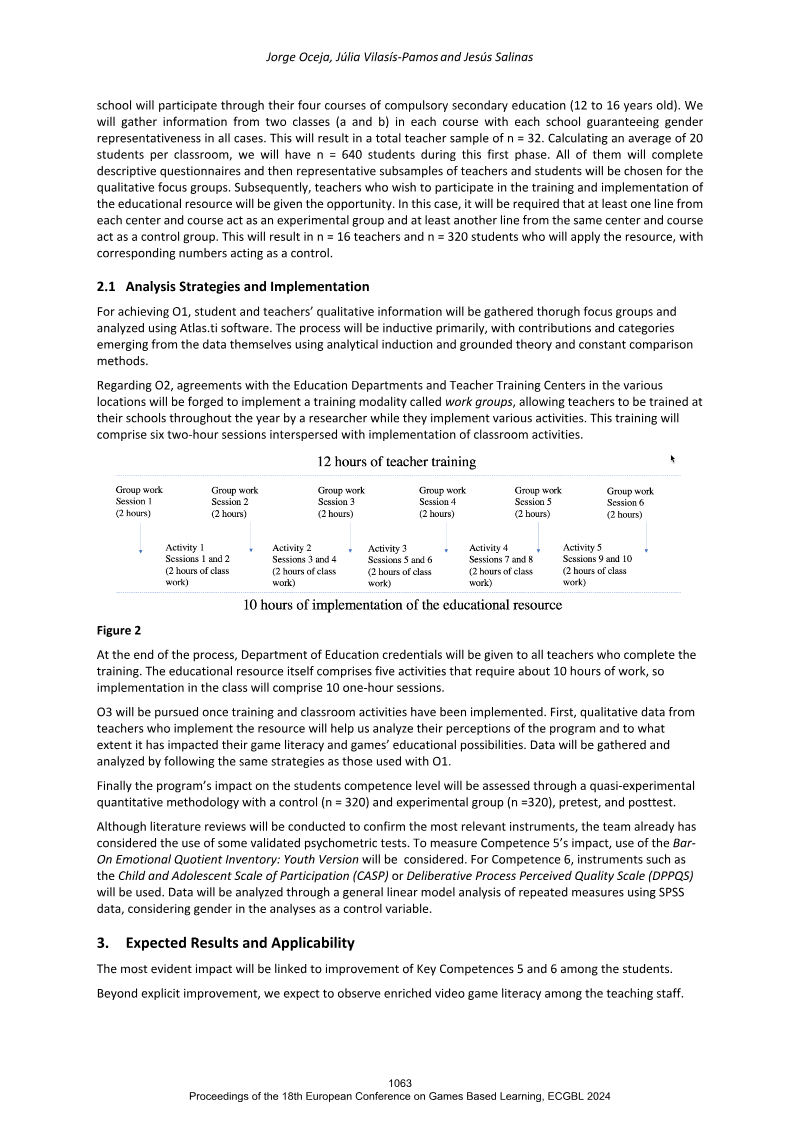
- The study proposes a three-year project integrating independent video games into Spanish secondary education to strengthen teachers' video game literacy and students' ethical and socioemotional development, targeting European key competences 5 (personal, social, and learning-to-learn) and 6 (citizenship).
- The authors argue that indie games, made by small studios with greater creative autonomy, offer richer possibilities for dialogical, sociocultural learning than commercial titles used in conventional game-based learning or gamification.
- The planned design combines design-based research with mixed methods and involves a proposed sample of 32 teachers and 640 students across four schools in Cantabria, the Balearic Islands, Andalusia, and Catalonia, with nonprobabilistic accidental sampling.