
European Conference on Games Based Learning (ECGBL)
Annual European conference on game-based learning and serious games; its proceedings are published open access (CC BY) by Academic Conferences International.
Documents
Construction Education through Virtual Reality: A Game-Based Approach for Interior Architecture Students
This study examines whether a virtual reality game, "VR ConstructED," can improve how interior architecture students learn wall construction, materials, and design consequences, compared with conventional teaching methods.
- The study tests whether "VR ConstructED," a virtual reality game built in Unreal Engine 5 across three levels on wall types, materials, and construction techniques, improves interior architecture students' learning compared with conventional teaching methods.
- Walls are used as the focal topic because they integrate structure, insulation, acoustics, and moisture control, a combination that static 2D drawings and passive lectures often convey poorly.
- The evaluation is a randomized controlled study with interior architecture students at Bahçeşehir University in Türkiye, combining pre- and post-tests, surveys on learning, engagement, and memory, and semi-structured interviews.
The Game of Dominoes as Teaching-Learning Method of Basic Concepts of Differential Calculus
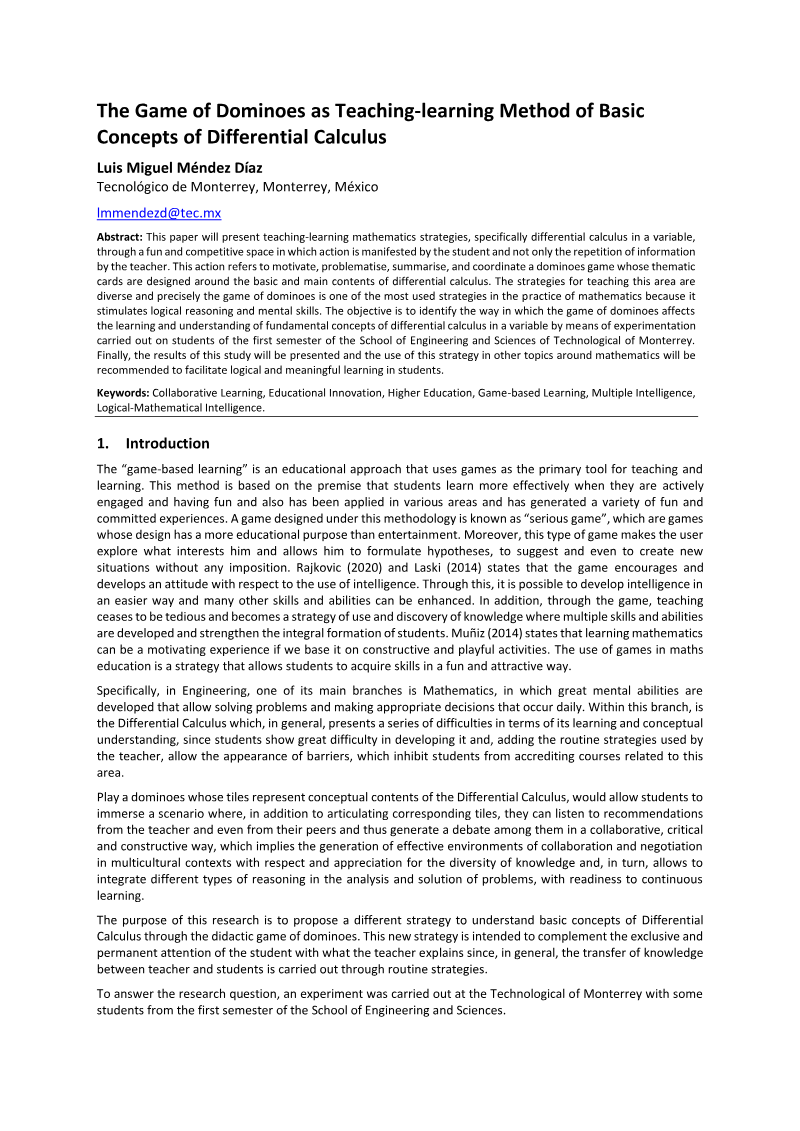
This paper examines whether a dominoes game can serve as an effective teaching-learning method for basic concepts of single-variable differential calculus.
- A dominoes game with tiles matched by mathematical equivalence (rather than pip counts) was designed to teach seven core differential calculus concepts, including rates of change, monotonicity, critical points, optimization, inflection points, concavity, and derivation rules.
- In a study of 90 first-semester engineering students at Tecnológico de Monterrey split into two experimental groups and one control group (30 each), 53% of experimental students scored 80 or above on the post-test versus about 11.5% in the control group.
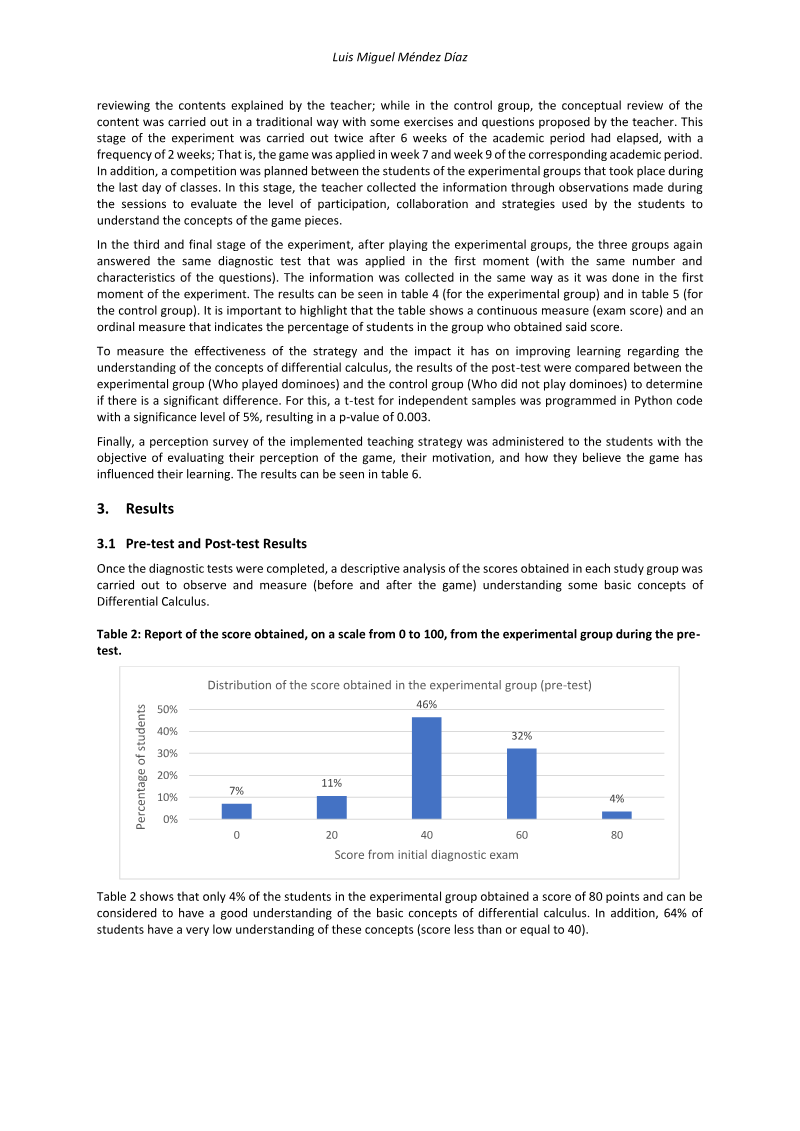
- Baseline pre-test scores were similarly low across groups, with 64% of the experimental group scoring 40 or below, suggesting the gains came after the intervention rather than from prior differences.

Mega-games as Catalysts for Deep Experiential Learning in Higher Education
Castillo Moreno and Caudillo Melgoza, both affiliated with Tecnológico de Monterrey in Mexico, present a study arguing that large-scale immersive simulations, or "mega-games," can deliver deeper experiential learning than lectures and case studies in higher education.
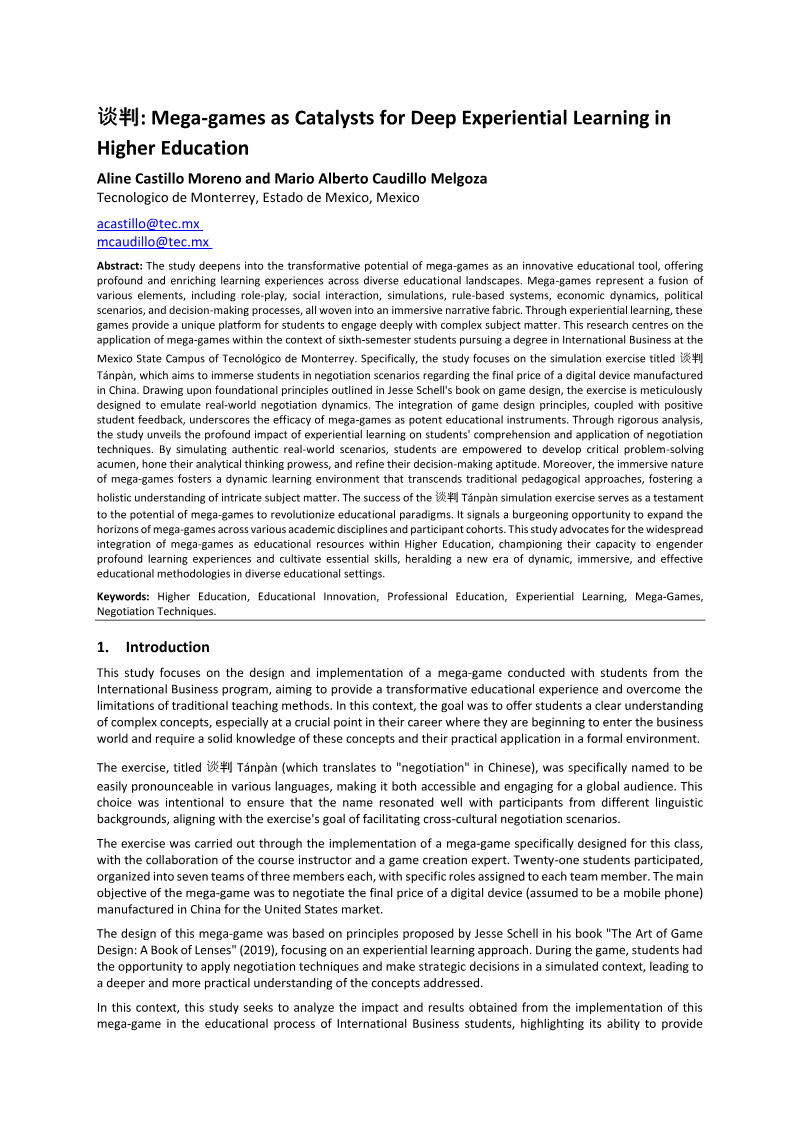
- The study argues that large-scale immersive simulations ('mega-games') can deliver deeper experiential learning than lectures and case studies in higher education, using a negotiation exercise called "谈判 Tánpàn" as its central case.
- The case involved 21 International Business students split into seven teams, who negotiated the price of a Chinese-manufactured digital device for the U.S. market, with participation counting toward final grades.
- Evidence is qualitative and modest in scale, drawn from an action research design using group interviews and thematic analysis, and reports a 5% improvement in student satisfaction relative to the previous course format.
Game-based Pedagogy in Teacher Training: Results of a Pilot Course
A pilot course on game-based pedagogy (GBP) for teachers, delivered at the Faculty of Education of the Amsterdam University of Applied Sciences in Fall 2023, is examined to identify which design elements shaped in-service secondary teachers' GBP competences and classroom practice.
- A fully gamified one-semester pilot course at the Amsterdam University of Applied Sciences (Fall 2023) for 13 of 16 in-service secondary teachers, built on a skill tree, points, levels, and collaborative game-design teams, produced reported competence growth across all four game-based pedagogy (GBP) areas.
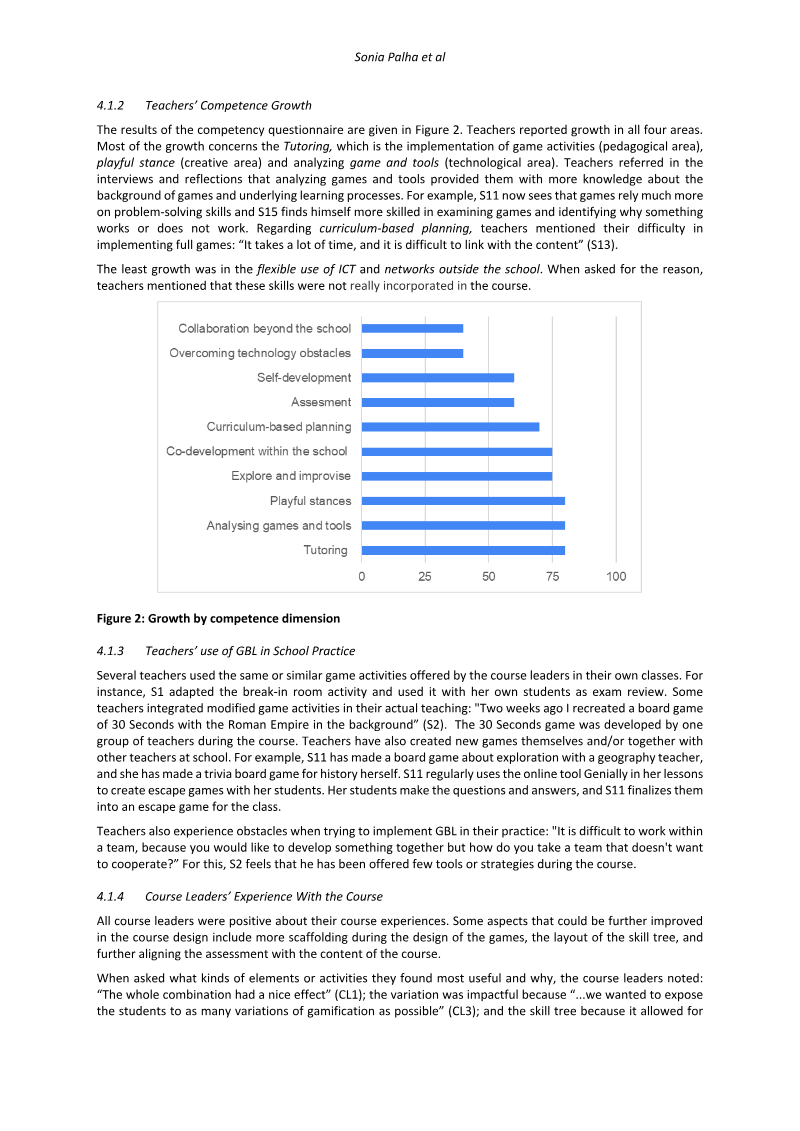
- The strongest reported gains were in tutoring game activities, adopting a playful stance, and analyzing games and tools, while flexible ICT use and collaboration beyond the school grew least, which participants attributed to these skills being underrepresented in the course.
- Many teachers adapted game activities for their own classes, and some created new games together with colleagues, showing the course carried into classroom practice.
Digital Educational Escape Rooms as E-courses Using D-EER4SmL: Investigation of Motivational Affordances
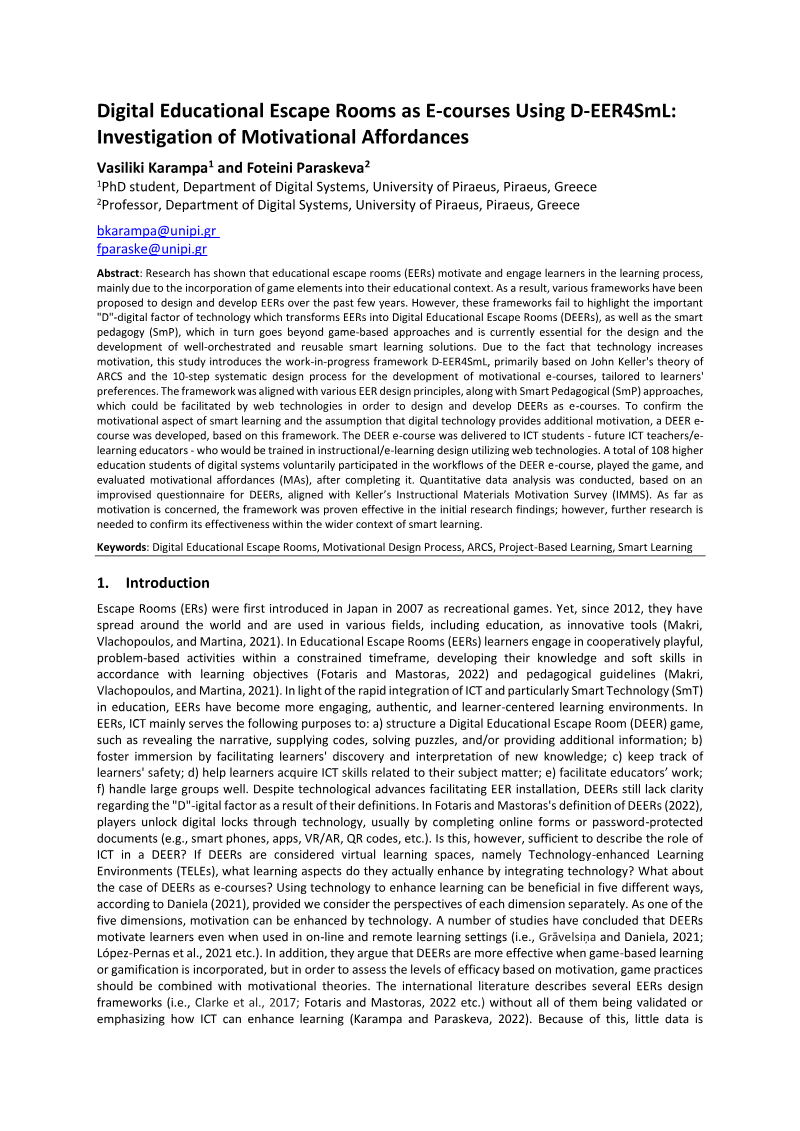
This study investigates whether a digital educational escape room delivered as an e-course, built on the D-EER4SmL design framework, can enhance learner motivation.
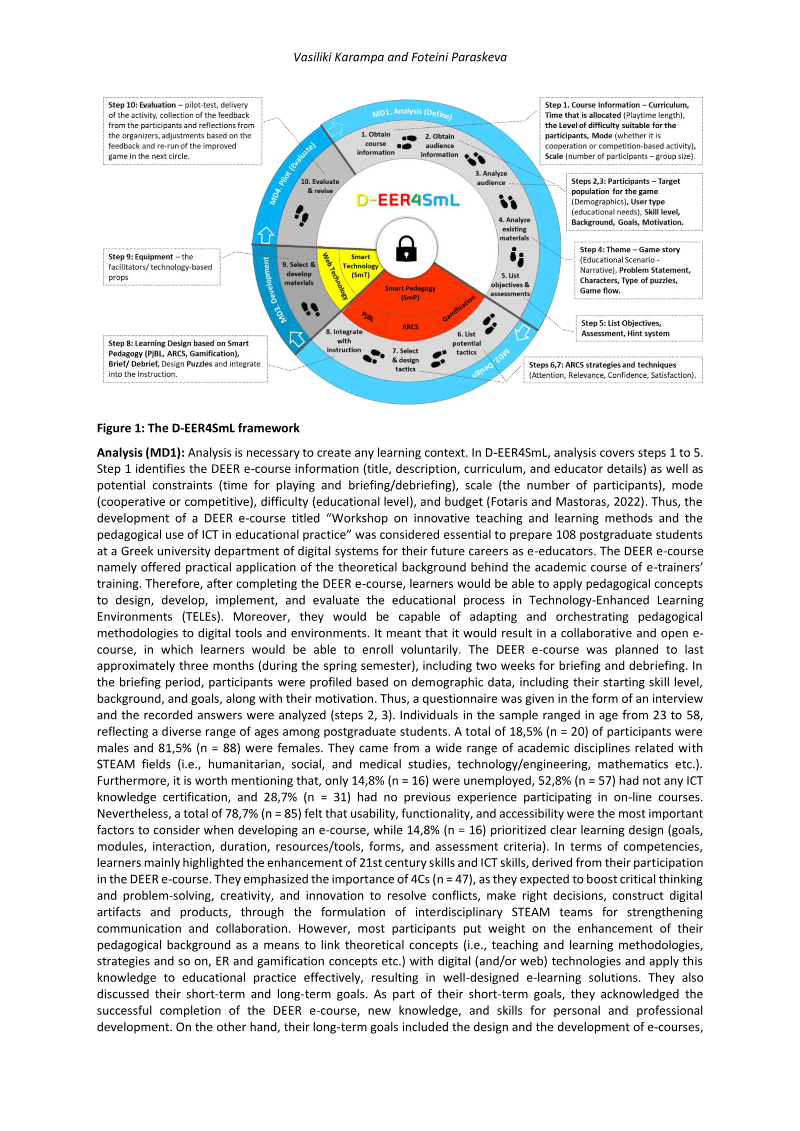
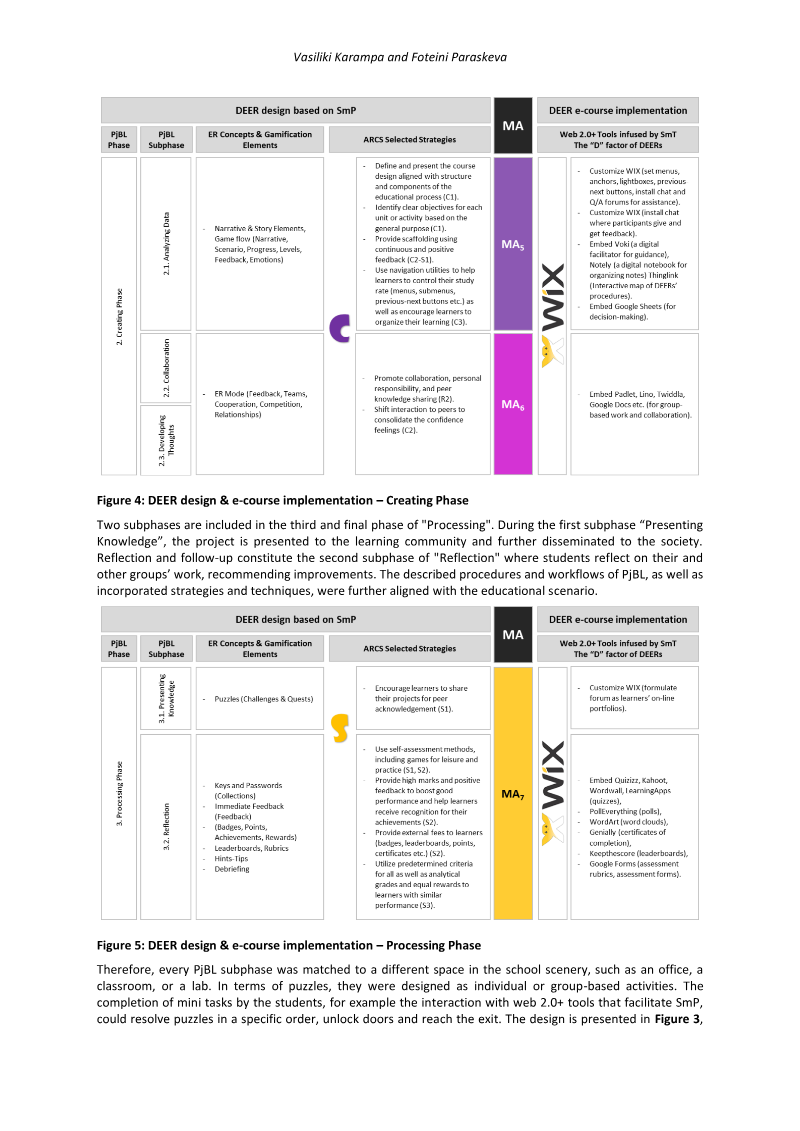
- The study tested a digital educational escape room delivered as an e-course, built on the D-EER4SmL framework (Keller's ARCS model, a 10-step design process, Smart Pedagogy, and Project-based Learning), with 108 postgraduate digital systems students.
- Motivation, measured with a 35-item five-point Likert instrument across seven motivational affordances, rose significantly on all seven factors after the intervention (p < .001), with reliability acceptable to good (Cronbach's alpha 0.747 before, 0.774 after).
- The largest gain was in collaborative learning (MA6), where mean scores climbed from 2.86 to 3.79, followed by inquiry and problem-based processes (MA4), which rose from 3.22 to 3.94.
Mastering the Game: How Level Structure and Game Elements Shape Competency Acquisition
This study examines how level structure and gamification elements in a digital physics learning game affect competency acquisition in force and motion.
- The gamified version of the Basketball Physics Challenge scored only slightly higher than the non-gamified version (mean 1275.22 vs. 1256.57), a difference that was not statistically significant (Mann-Whitney U test, p = 0.64).
- Presentation order had the strongest effect: players who first experienced the gamified version performed significantly better in the subsequent non-gamified session (effect size r = 0.64), while the reverse sequence showed a smaller, negative effect.
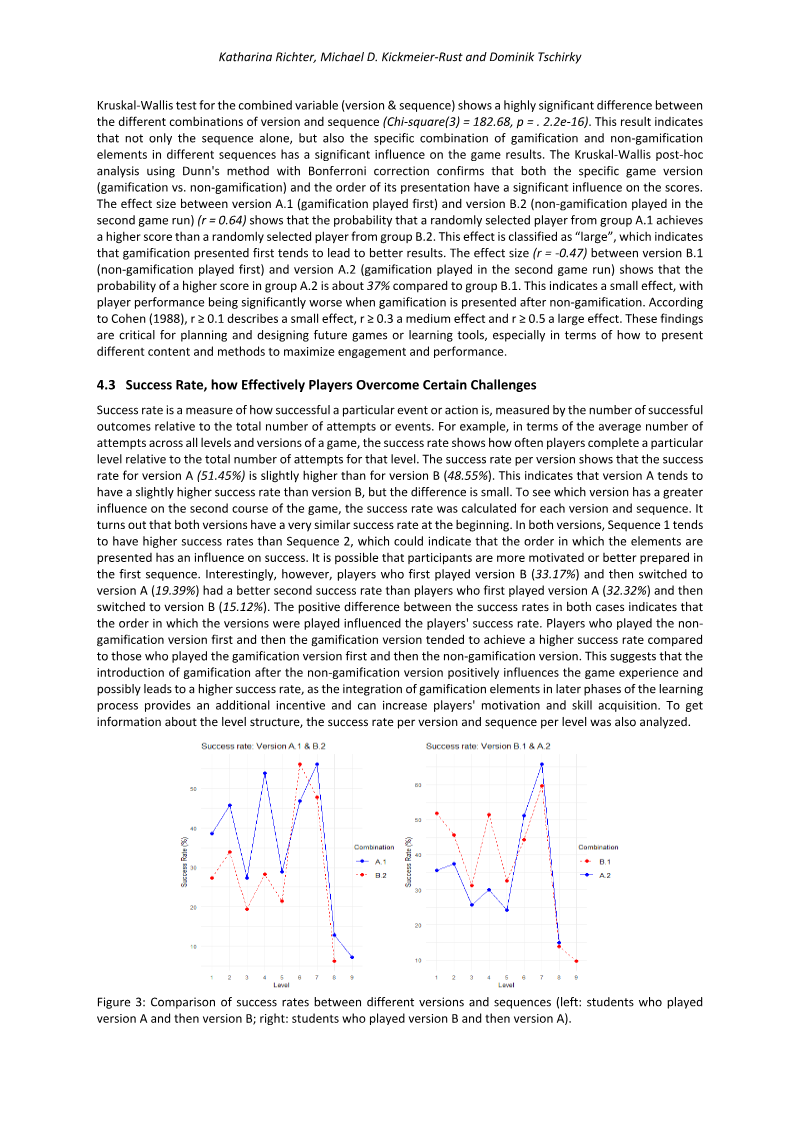
- Success rates were marginally higher for the gamified version (51.45% vs. 48.55%), and average attempts were slightly lower in gamified sequences, though neither difference was significant.

A Child-Centred Design Evaluation of a Learning Game to Improve Children's Legal Capability
This child-centred design evaluation examines a first prototype of a law-based learning game for children aged 3 to 16, developed under the FORTITUDE project to strengthen children's legal capability.
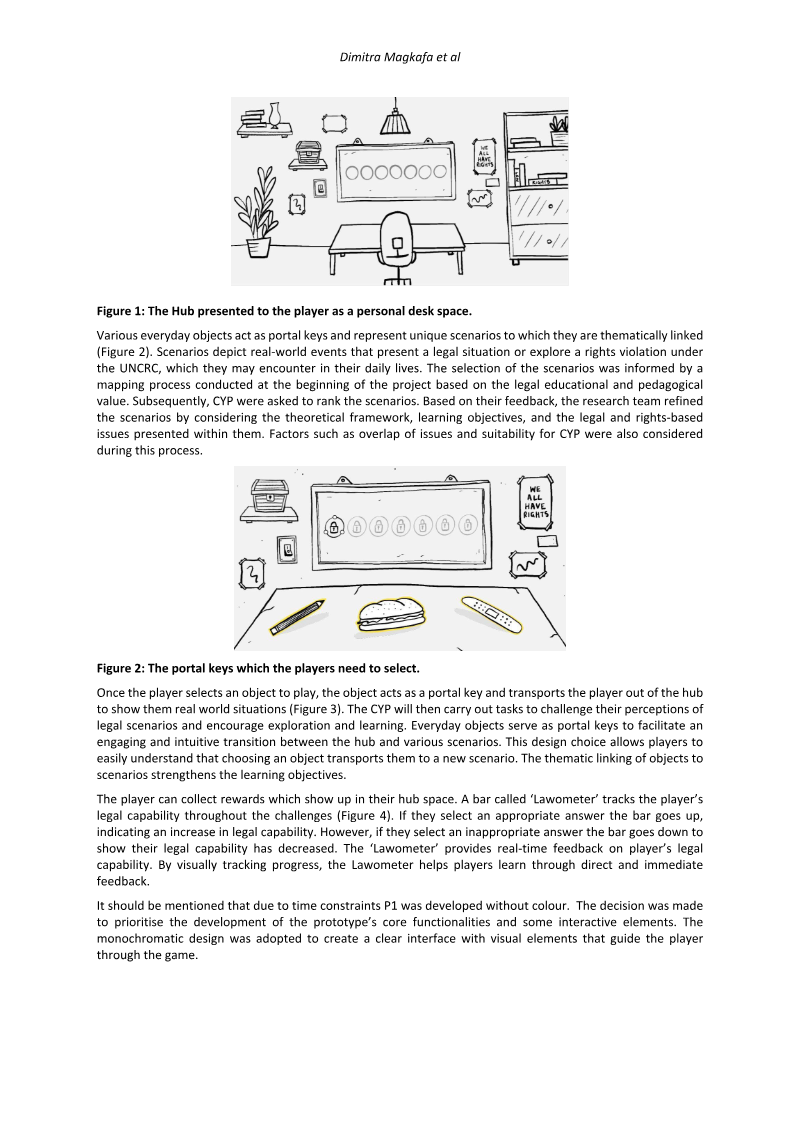
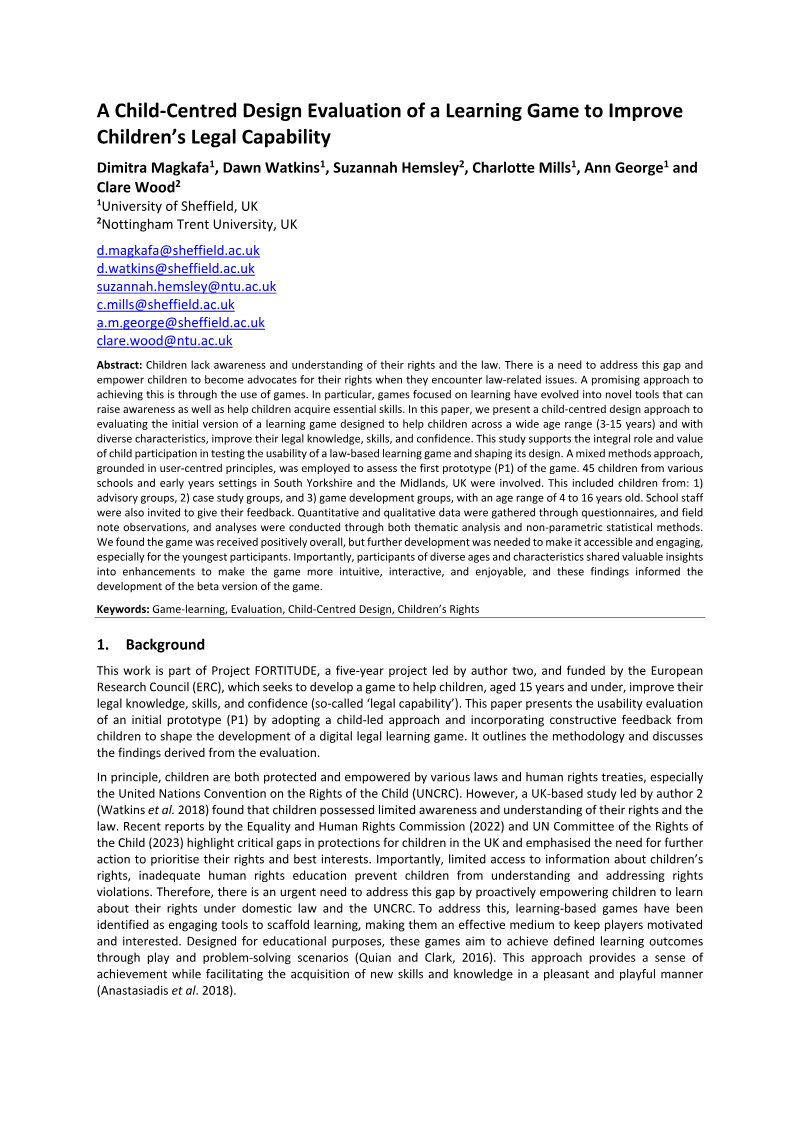
- A first prototype of a law-based learning game for children aged 3 to 16, developed under the FORTITUDE project, was evaluated with 45 children from UK schools and early years settings to gather formative design feedback before a beta version.
- Overall reception was positive, with about 89% of participants rating the game as very easy or easy to play.
- Findings varied by age: younger children in the Early Years Foundation Stage struggled with the game's objectives, the lawometer feedback mechanism, and navigation, while older participants completed tasks with relative ease.
Tiers of Engagement: Achieved Learning From Business Simulations Reflected in Economics Students' Experiences
This study examines how 328 students in an online economics bachelor's program engaged with the Hubro Business Simulator, drawing on 1,640 open-ended reflection comments alongside quantitative ratings of learning outcomes.
- Students with higher engagement reflected more deeply on how the Hubro Business Simulator supported their understanding of theoretical economic concepts, suggesting engagement quality shapes what students take away from simulation-based learning.
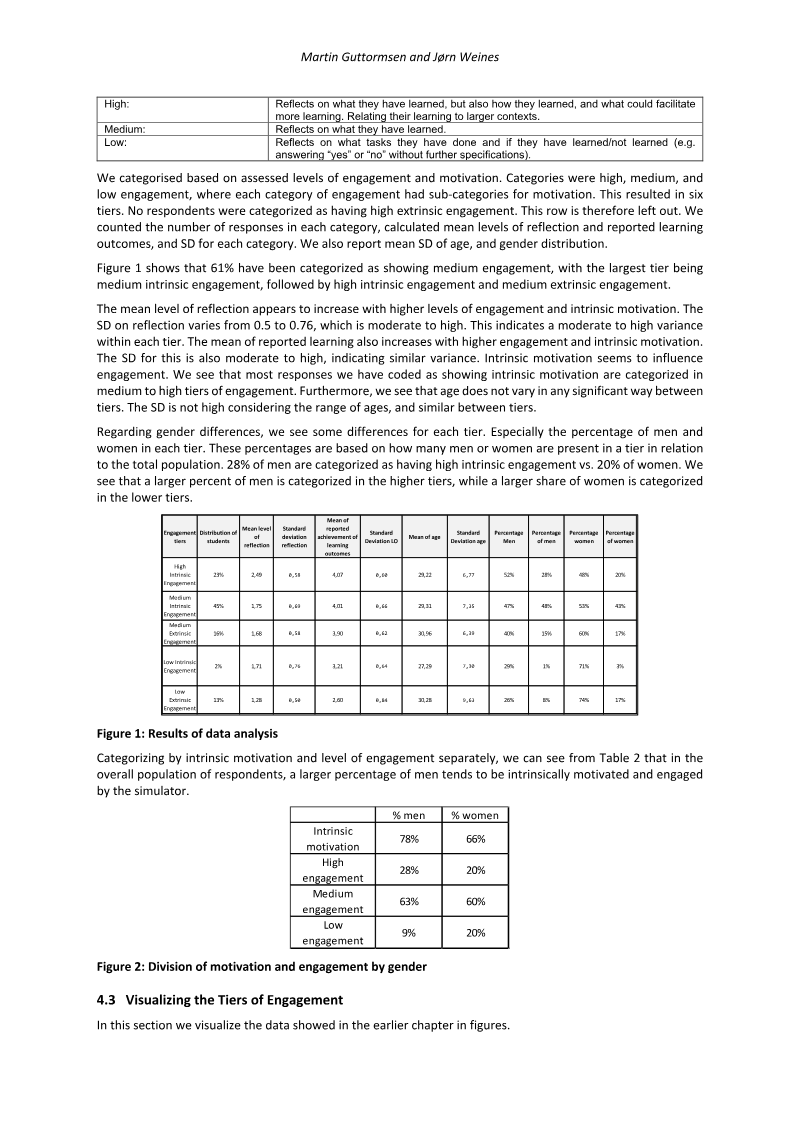
- Students in the high intrinsic engagement tier, 23% of respondents, reported the highest mean reflection on learning (2.49 on a 1–3 scale) and the highest mean self-reported learning outcomes (4.07).
- Mean reflection scores were 1.75 for the medium intrinsic tier and 1.28 for the low extrinsic tier, with self-reported learning outcomes of 4.01 for the medium intrinsic tier.
Design Insights for Developing Deepfakes Awareness Games for Adolescents
This study addresses the rapid spread of deepfakes on social media and the particular vulnerability of adolescents to manipulated content, aiming to establish design requirements for gaming-based awareness interventions aimed at young people.
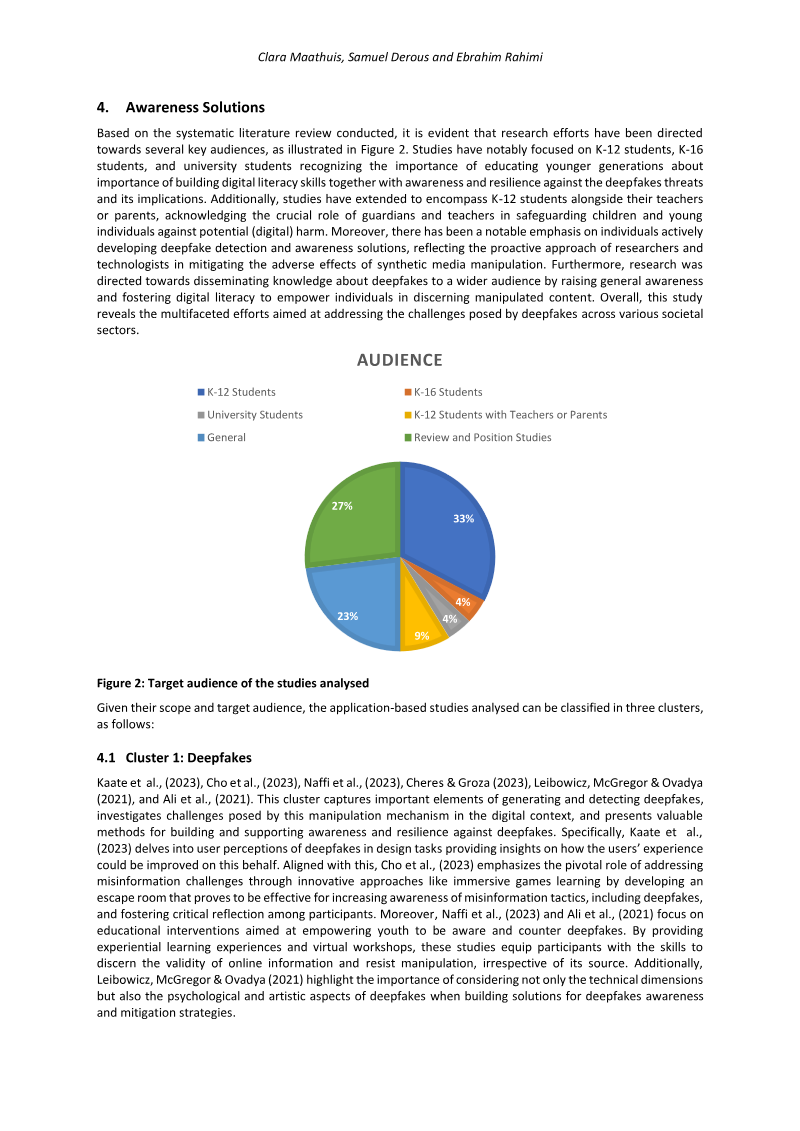
- A PRISMA 2020-guided systematic review screened 481 records across seven databases (2016–2023) and retained 22 studies, most targeting K-12 students and some higher education audiences.
- The review's central contribution is eighteen design guidelines for deepfake awareness games, spanning multidisciplinary design, accessibility, gamification, ethical boundaries, and post-play assessment.
- The included literature clusters into three themes: deepfake awareness, AI ethics and cybersecurity, and digital literacy, and most works are concept papers, tools, or curricula rather than large-scale empirical evaluations.
Impact of Digital Game-Based Learning Experiences on Reasoning Skills and Science Engagement
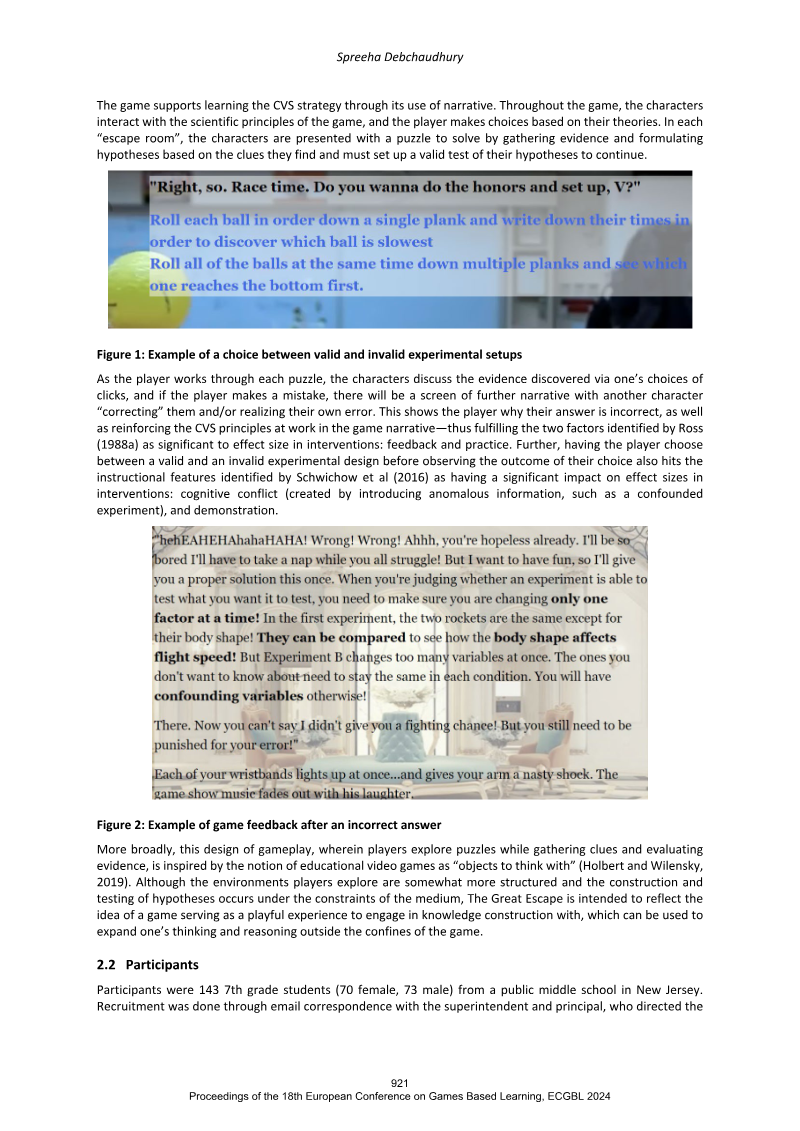
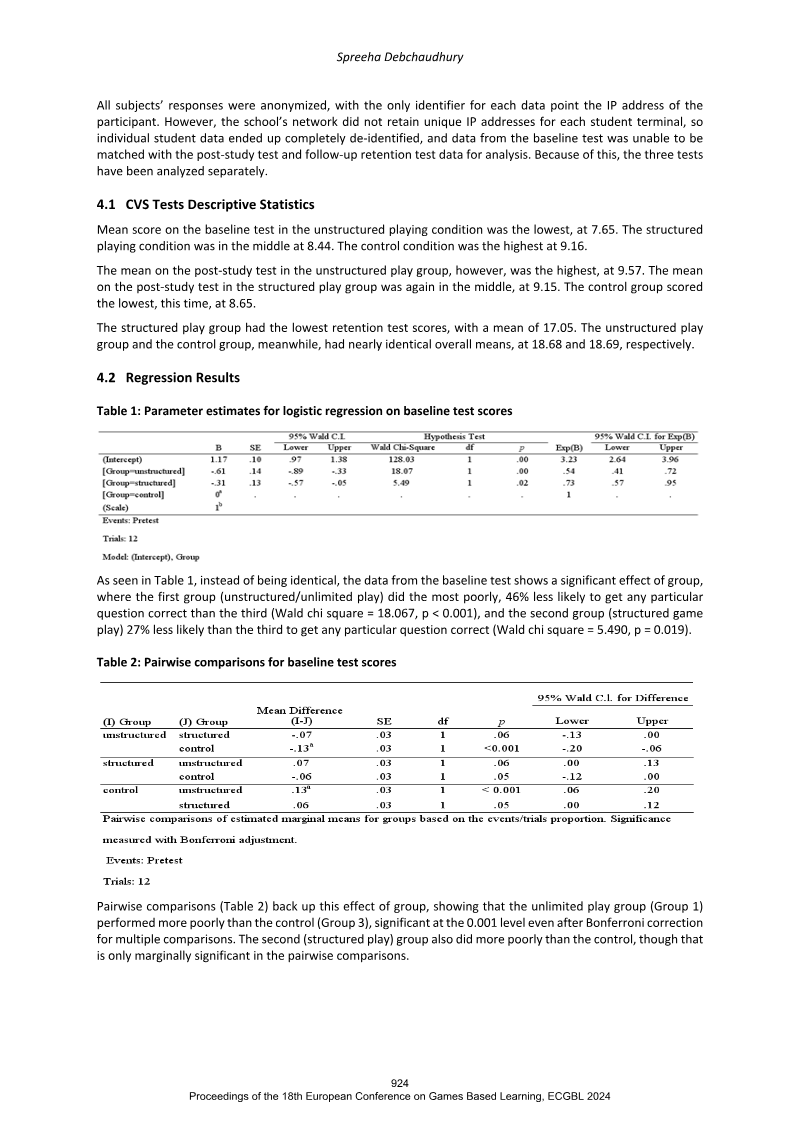
A study of 143 seventh-grade students at a public middle school in New Jersey examines whether a choose-your-own-adventure simulation game can strengthen scientific reasoning, specifically the Control of Variables Strategy (CVS), and whether it can increase engagement with science.
- A randomized study of 143 seventh-graders found that unlimited play in a choose-your-own-adventure simulation game produced the strongest immediate post-test reasoning performance, with roughly 150% higher odds of answering correctly than the control group reading an explanatory document.
- The structured play condition performed significantly worse than both other groups on the one-week retention test, while unlimited play and control were nearly identical, suggesting structured play may hinder long-term retention.
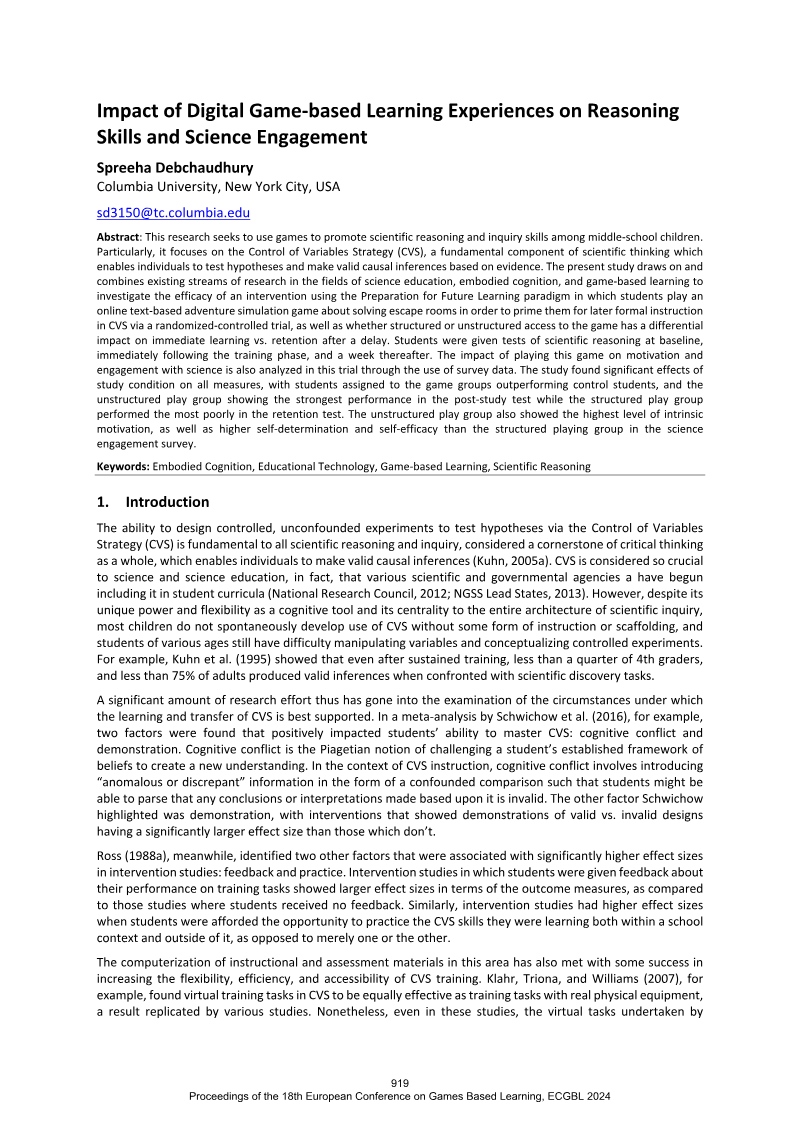
- Baseline reasoning scores were lowest in the unlimited play group and highest in the control group, an imbalance the authors attribute to possible unobserved factors and which complicates interpretation of the gains.
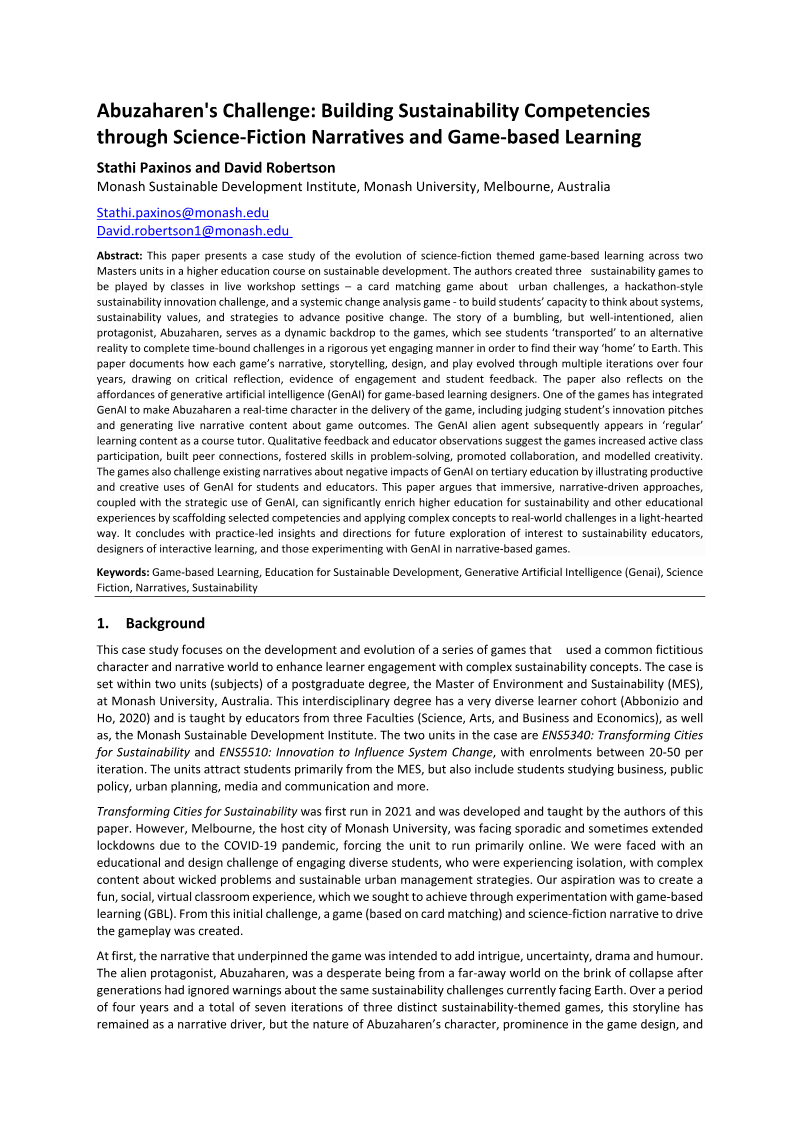
Abuzaharen's Challenge: Building Sustainability Competencies Through Science-Fiction Narratives and Game-Based Learning
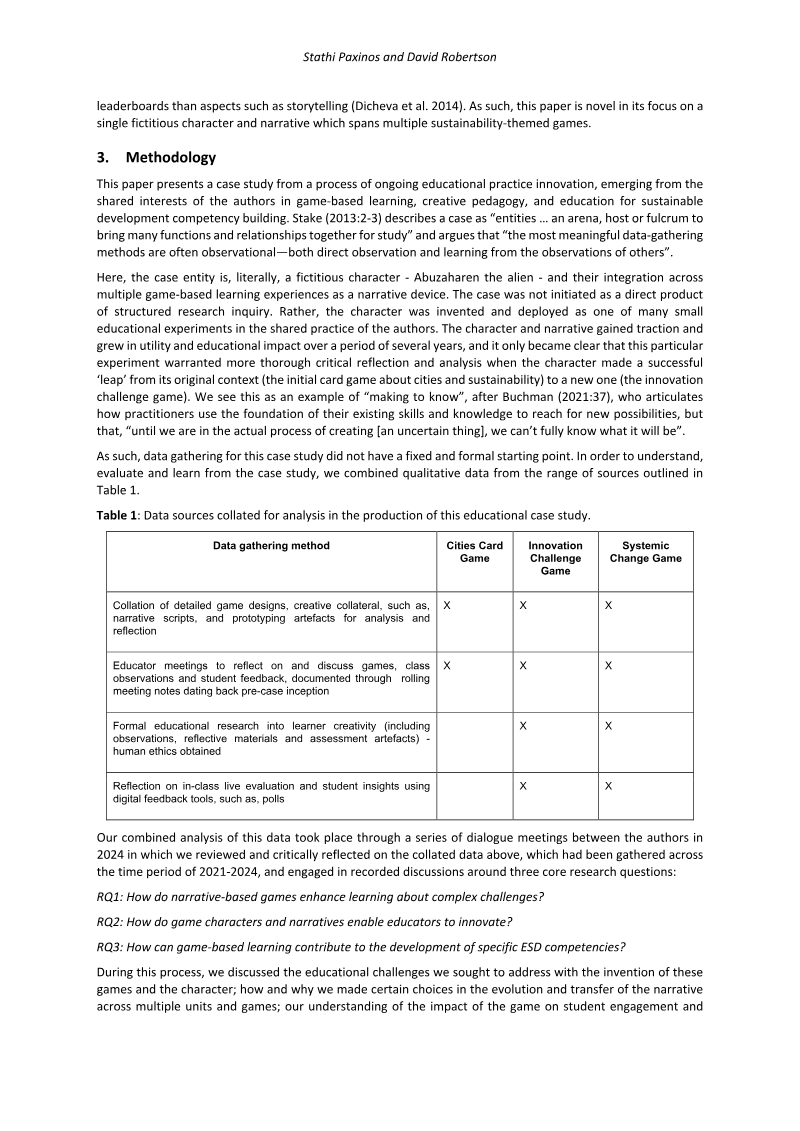
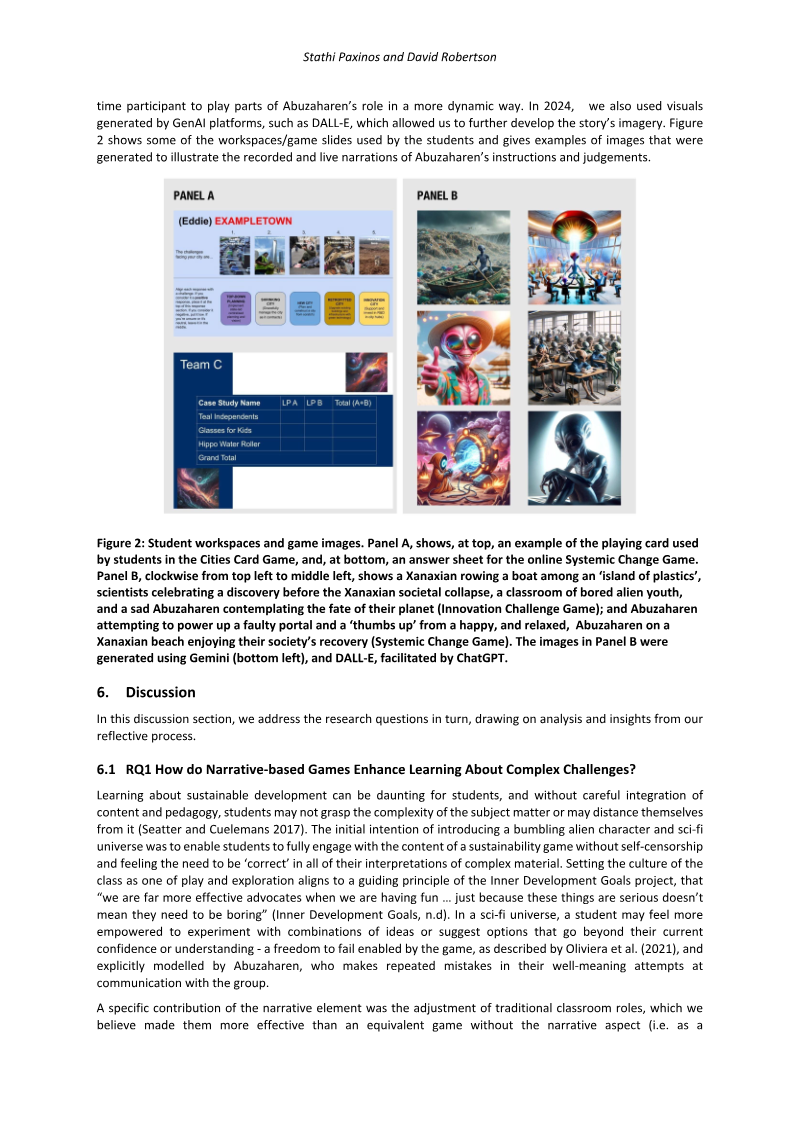
This paper presents a case study of "Abuzaharen," a science-fiction alien character woven through three sustainability-themed games used in two Monash University Masters units between 2021 and 2024.
- The paper is an exploratory case study of 'Abuzaharen,' a sci-fi alien character threaded through three sustainability-themed games used in two Monash University Masters units from 2021 to 2024, with each game iterated seven times.
- The authors argue narrative framing can boost engagement with complex sustainability content and build competencies aligned with education for sustainable development (ESD).
- In fully online sessions all students kept their cameras on, and every class 'won' each game, which the authors cite as evidence of strong participation.
Acceptance and Use of Video Games for Education by Secondary School Teachers
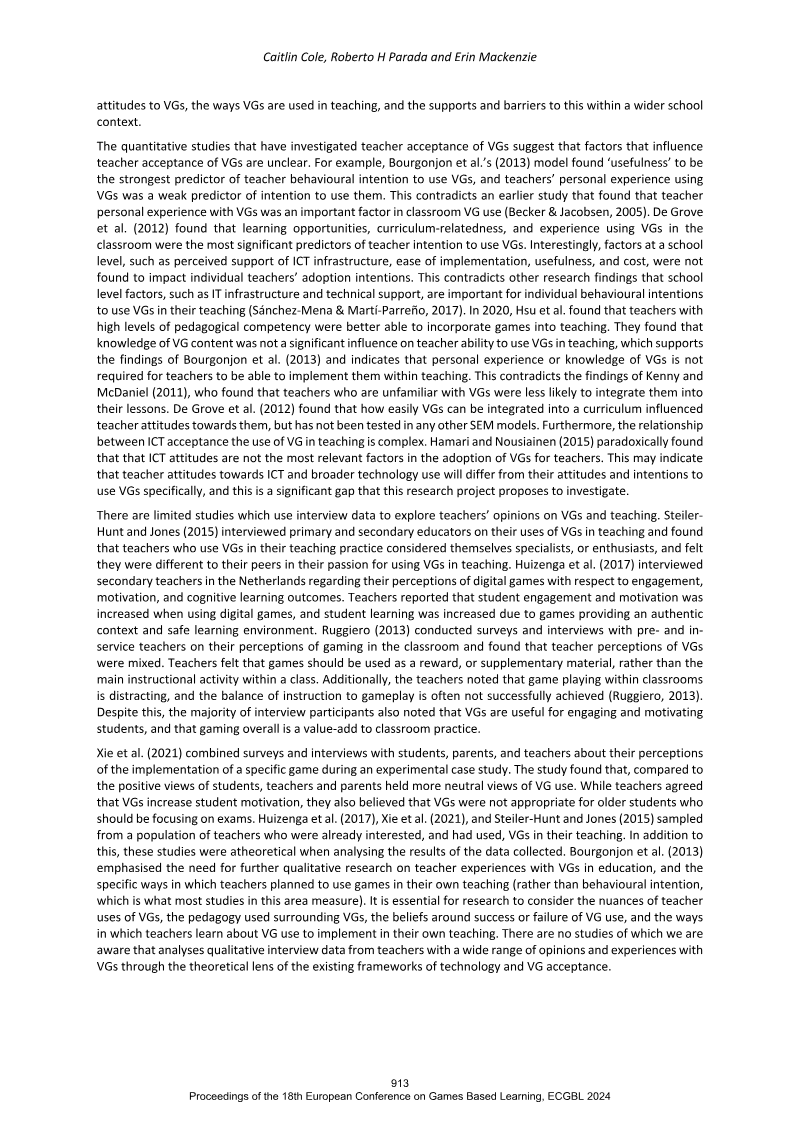
This study presents the qualitative phase of a PhD project examining the factors that shape secondary school teachers' attitudes toward, and intentions to use, video games in Australian classrooms.
- This is a qualitative PhD study, still in progress at the time of writing, examining what shapes Australian secondary school teachers' attitudes toward and intentions to use video games in classrooms, so it presents design and preliminary progress rather than final findings.
- The authors argue that prior research has focused mainly on student outcomes rather than teacher perspectives, and that existing quantitative findings on what drives teacher acceptance of video games are inconsistent.
- The study applies established technology acceptance models, including Teo's (2011) framework, extended with constructs such as personal innovativeness, prior game use, and perceived pedagogical usefulness.