1 free read left. Create a free account for unlimited reading + AI research.
Create free accountWhitepaper European Conference on Games Based Learning (ECGBL)
1 free read left. Create a free account for unlimited reading + AI research.
Create free accountWhitepaperEuropean Conference on Games Based Learning (ECGBL)
The four puzzles covered skills such as searching for information, using statistics, referencing, and engaging with staff and extracurricular opportunities.
A digital escape game was developed by Jenny Josephs at Solent University as a first-year psychology induction activity, designed to replace icebreakers whose learning outcomes were unclear. Built on the escapeED framework, the game asked groups of up to six students to solve four puzzles within 20 minutes to unlock a padlocked bag, using an iPad displaying a lecturer's desk with clickable objects. Each puzzle mapped onto a skill students would develop during their degree, including searching for information, using statistics, referencing, and engaging with staff and extracurricular opportunities, while the wrong clicks triggered loud music as a playful incentive to think carefully.
The study ran across three first-year cohorts with four classes of 15 to 20 students, and was evaluated through gameplay observation, facilitator debriefs, feedback slips, Likert-scale questionnaires from 54 participants, and three focus groups of four students each analysed thematically. Completion rose from roughly 70% to 90% after facilitators were permitted to give extra hints, and 88.89% of respondents described the game as fun while 87.04% felt it helped them interact with peers. Focus groups highlighted that some mature students found earlier induction activities childish, that students were reluctant to seek help or review feedback, and that social connection and inclusion of diverse interests needed attention.
Findings led to concrete changes, including recruiting senior students to facilitate sessions, restructuring personal tutoring to mix year groups, and making social events more inclusive. The author acknowledges limitations: the many components made it hard to isolate effects on belonging or skill development, belonging survey response was low, and focus group participants may have skewed toward more confident students. The study concludes that the game provided a fun, relevant taster of psychology study that encouraged collaboration and reduced the stigma of asking for help, though more rigorous evaluation and a follow-up reflection a month after induction are recommended.
European Conference on Games Based Learning (ECGBL) · 2026



European Conference on Games Based Learning (ECGBL) · 2026
European Conference on Games Based Learning (ECGBL) · 2026



European Conference on Games Based Learning (ECGBL) · 2026



European Conference on Games Based Learning (ECGBL) · 2026



European Conference on Games Based Learning (ECGBL) · 2026



European Conference on Games Based Learning (ECGBL) · 2026
European Conference on Games Based Learning (ECGBL) · 2026
European Conference on Games Based Learning (ECGBL) · 2026



European Conference on Games Based Learning (ECGBL) · 2026
European Conference on Games Based Learning (ECGBL) · 2026



European Conference on Games Based Learning (ECGBL) · 2026
European Conference on Games Based Learning (ECGBL) · 2025
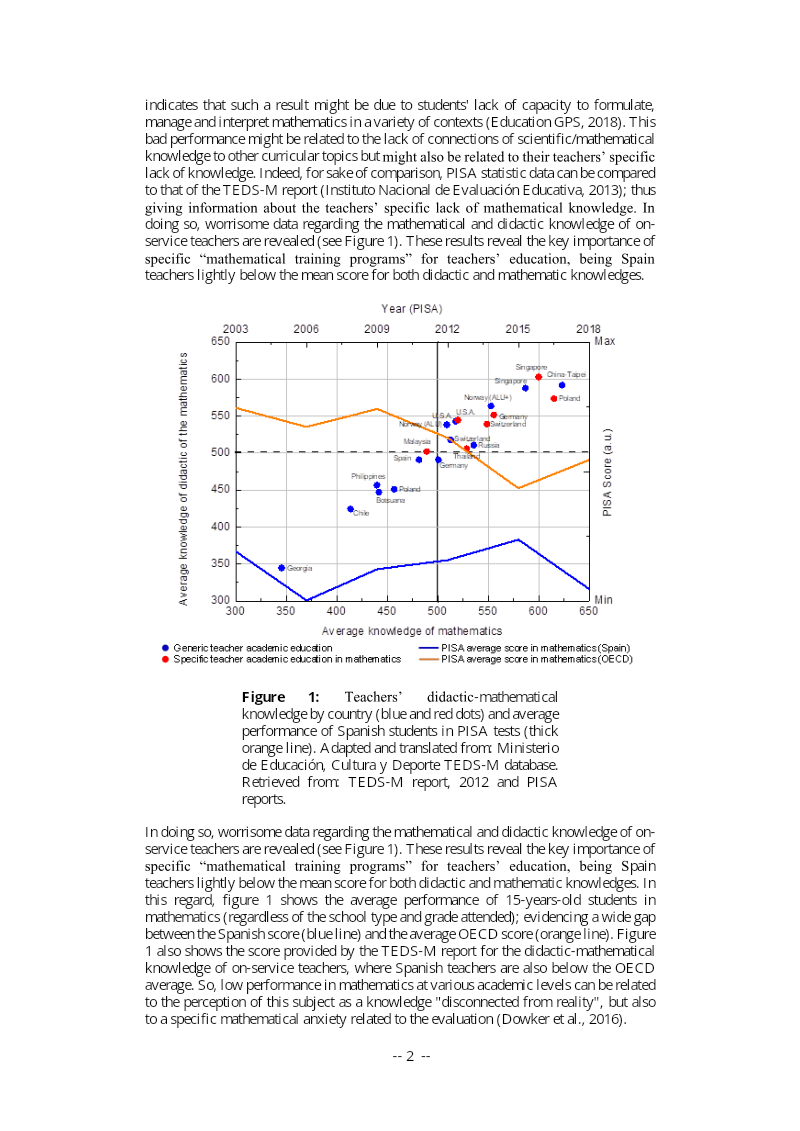
DiGRA · 2023
European Conference on Games Based Learning (ECGBL) · 2022