
DiGRA
The Digital Games Research Association: the international association of academics and professionals who study digital games. Its Digital Library holds the proceedings of the DiGRA conferences since 2002.
Documents
The Poetics of Game Design: Rhetoric and the Independent Game
This paper, "The Poetics of Game Design: Rhetoric and the Independent Game" by Lindsay D. Grace, argues that independent games are best understood through the lens of poetry rather than film or visual art.
Playful Ambience
"Playful Ambience" adapts Brian Eno's concept of ignorable yet interesting ambient music to the design and analysis of games, proposing that ambience can be understood through four dimensions: engagement, affect, persistence, and context.
Retro Evolved: Level Design Practice Exemplified by the Contemporary Retro Game
"Retro Evolved" examines level design practice in contemporary independent "retro" games through a qualitative analysis of selected titles combined with the authors' reflections on their own design work.
Replacing Preconceived Accounts of Digital Games with Experience of Play: When Parents Went Native in GTA IV
Schott and van Vught's study challenges the reliance of public and policy debates on preconceived assumptions about digital games, arguing instead that understanding comes from actual play.
- Schott and van Vught argue that public and policy debates about digital games rely too heavily on preconceived assumptions, and that understanding should instead come from direct experience of play.
- The study observed 20 parents (7 men and 13 women) playing roughly an hour of Grand Theft Auto IV in a structured session that included the "Ivan the Not So Terrible" moral-dilemma mission and support from an expert gamer.
- Participants often found GTA IV easier and more enjoyable than expected, frequently rejected its violence, and recognized its satire, irony, and moral complexity, though not all deliberately avoided violent encounters.
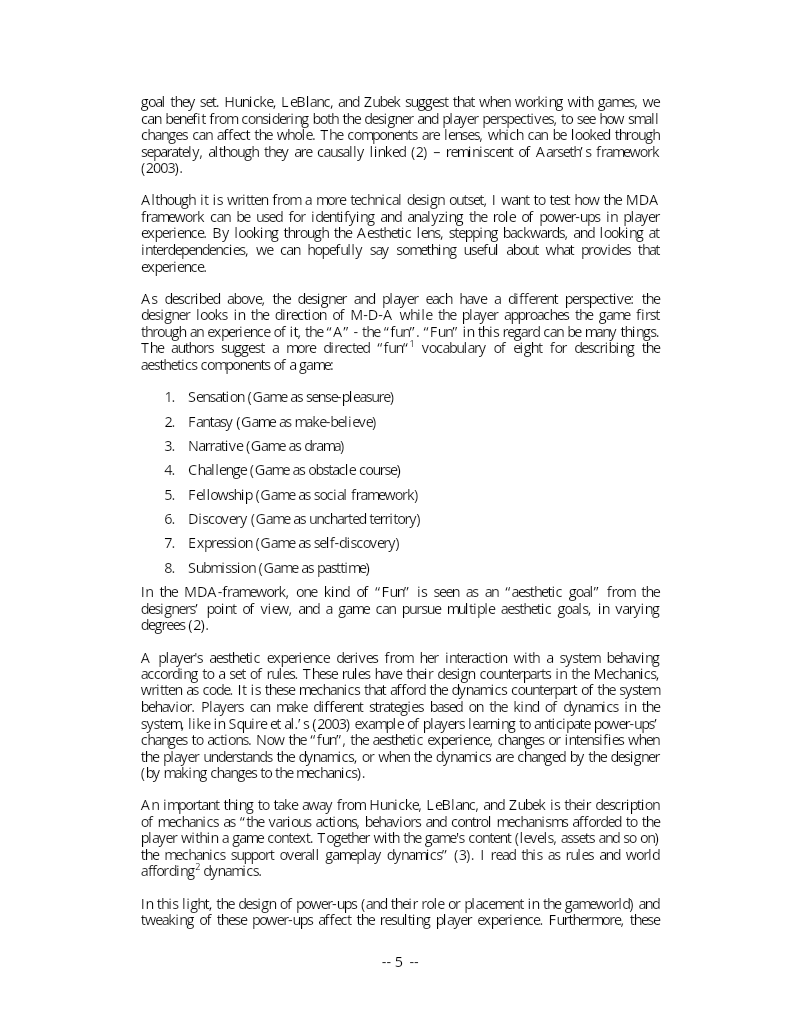
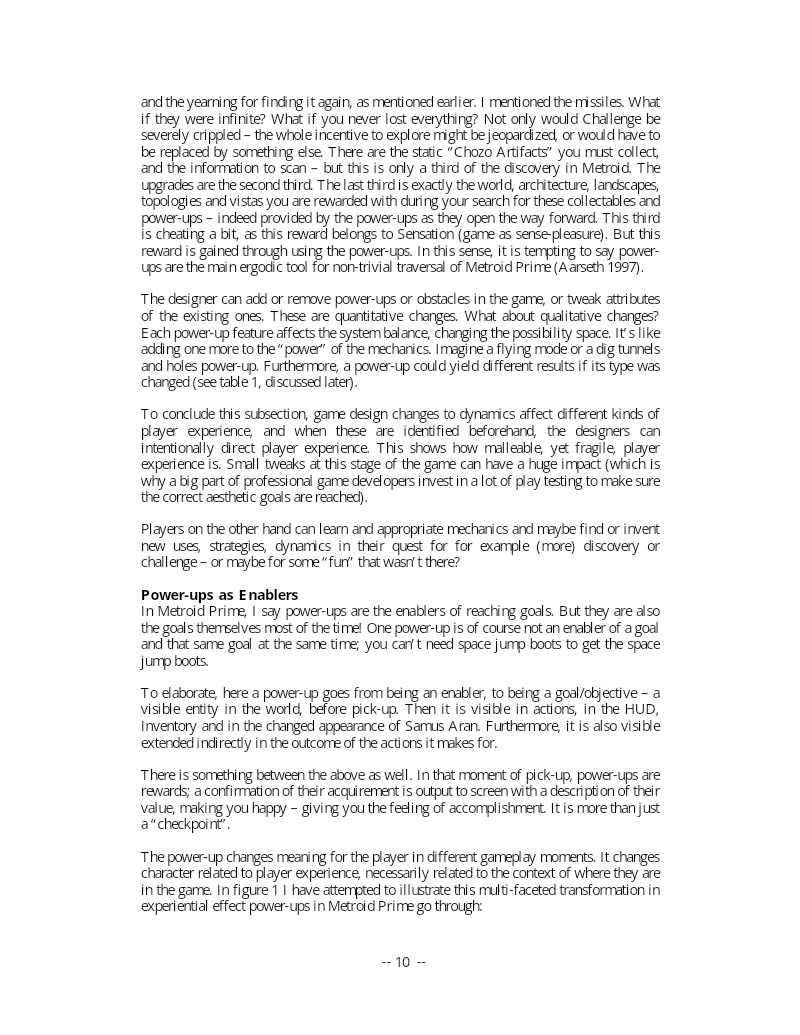
The Power-up Experience: A Study of Power-ups in Games and Their Effect on Player Experience
Filip Lange-Nielsen's study argues that power-ups have lacked a comprehensive definition in game studies, and that their most distinctive property is a shifting experiential role: they function both as means to an end and as goals in themselves.
In Perpetual Beta? On the Participatory Design of Facebook Games
This paper examines the "sociality" of social network games by shifting attention from player-to-player interaction toward the relationship between players and developers.
Computer History and the Movement of Business Simulations
This paper examines the emergence of early business simulation games in the post-war period and argues that these games became credible and persuasive only through their coupling with the computer, which carried cultural associations of objectivity and rationality.
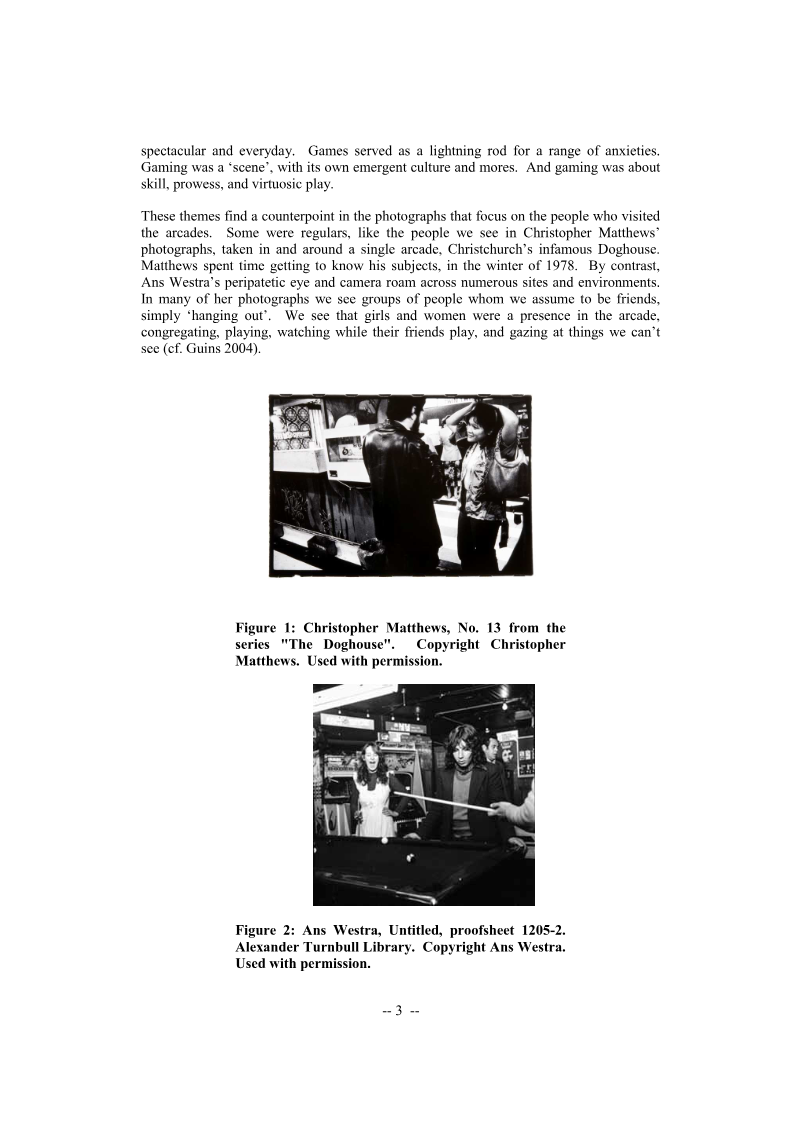
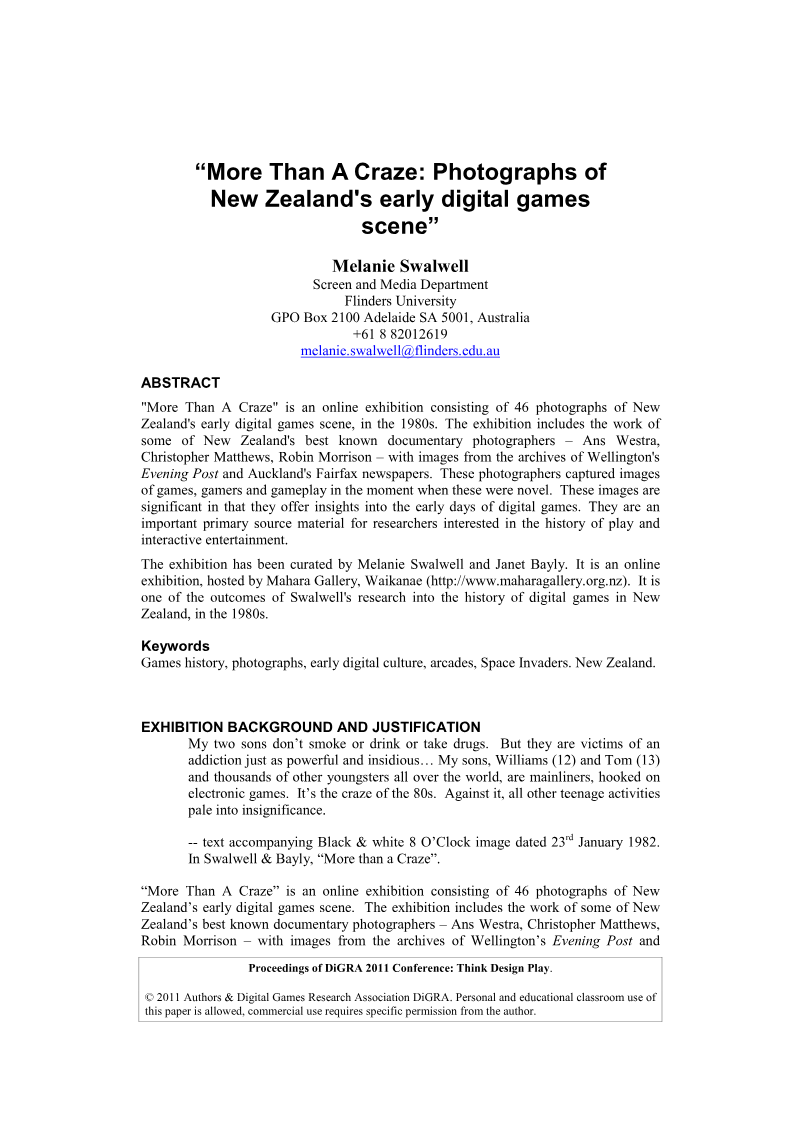
More Than a Craze: Photographs of New Zealand's Early Digital Games Scene
Melanie Swalwell's online exhibition "More Than A Craze" presents 46 photographs documenting New Zealand's early digital games scene in the 1980s, curated with Janet Bayly and hosted by Mahara Gallery in Waikanae.
Business Games, Rationality and Control Logistics
This paper examines how business games emerged as instruments of control and rationality in the decades after World War II, arguing that their development reflects a broader shift in the logics of economic steering.
Playing with Data Bases
This paper, presented at the DiGRA 2011 conference, argues that the data base is a central cultural form in modern life and in games, sitting between calculating machinery and the social practices that give it meaning.
You Are What You Play? A Quantitative Study into Game Design Preferences across Gender and Their Interaction with Gaming Habits
This 2011 DiGRA study by Vermeulen, Van Looy, De Grove, and Courtois examines whether gender differences in video game design preferences are innate or instead shaped by prior experience with core genres such as shooters, action-adventure, and role-playing games.
- The study finds that female non-core players diverge significantly from all other groups, while male core players, female core players, and male non-core players show broadly similar design preferences.
- Prior experience with core genres such as shooters, action-adventure, and RPGs appears to reshape gender-based preferences substantially, suggesting that familiarity and access matter at least as much as gender in explaining player engagement.
- Women and non-core players are more irritated by in-game violence and favor easy-to-master, low-complexity games, with female non-core players showing the most extreme preferences and male core players the least.
Players and the Love Game: Conceptualizing Cheating with Erotic Role Players in World of Warcraft
Drawing on roughly nine months of fieldwork within a United States-based World of Warcraft guild that actively role plays, this study examines how erotic role play (ERP) in the game challenges and reinforces Western conceptions of monogamy and fidelity.