Canadian Game Studies Association
63 reports, presentations and talks by Canadian Game Studies Association in the Game Industry Library, the newest “Language-GAME-Players: Articulating the Pleasures of 'Violent' Game Texts” (2008).
Documents
Language-GAME-Players: Articulating the Pleasures of 'Violent' Game Texts
The prevailing discourse surrounding violent video games frequently relies on a media effects framework that fails to account for the nuanced perspectives of the gaming community.
- A two-year qualitative study of 61 students indicates that players view violent game content as a functional component of rule-based systems rather than a catalyst for real-world aggression.
- Players consistently distinguish between virtual obstacles and real-world morality, prioritizing strategic agency and the mastery of complex game mechanics over the content's violent nature.
- First-person shooter engagement is primarily driven by performance challenges, aesthetic appreciation, and the desire to master structured, competitive frameworks.
The Relationship Between Perceptions of Video Game Flow and Structure
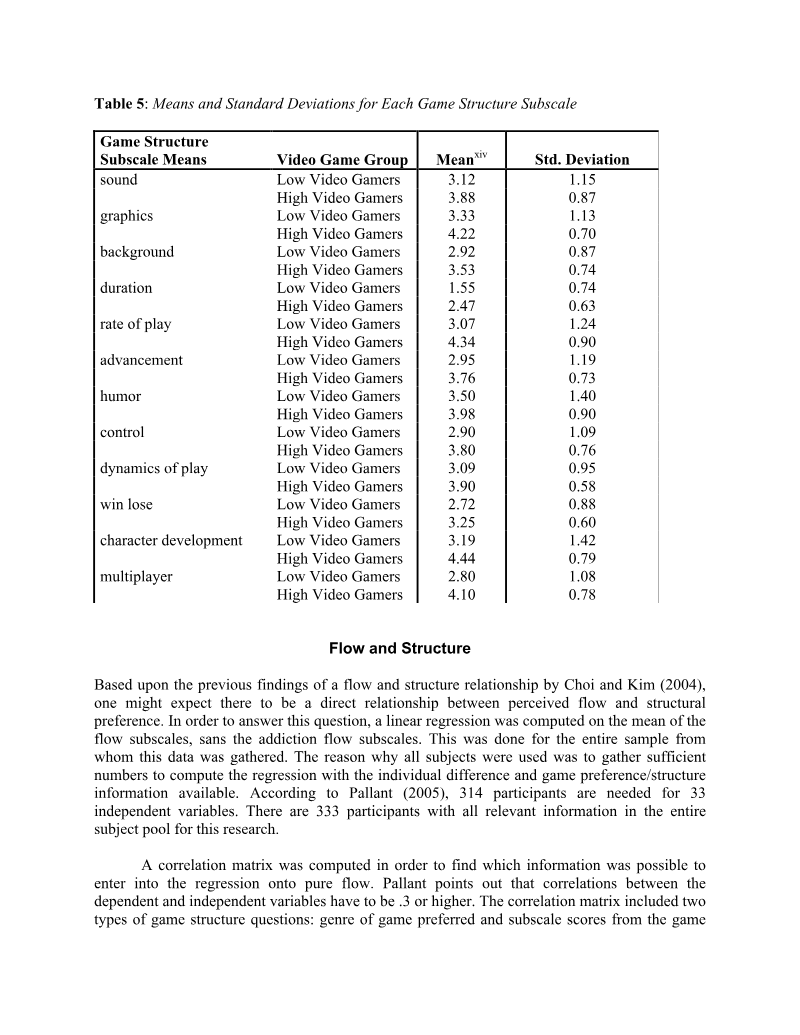
The psychological state of flow in video games is fundamentally linked to the interplay between a player’s skill level and the structural design of the gaming experience.
- Game structure is the primary driver of flow, with moderate game dynamics serving as the most reliable predictor for balancing player challenge and skill.
- Hardcore gamers consistently achieve higher levels of flow compared to casual players, indicating that experience and dedication correlate with deeper immersion.
- Effective game design must prioritize pacing and mechanical complexity to facilitate the equilibrium required for a state of flow.
Buttons, Simplicity, and Natural Interfaces
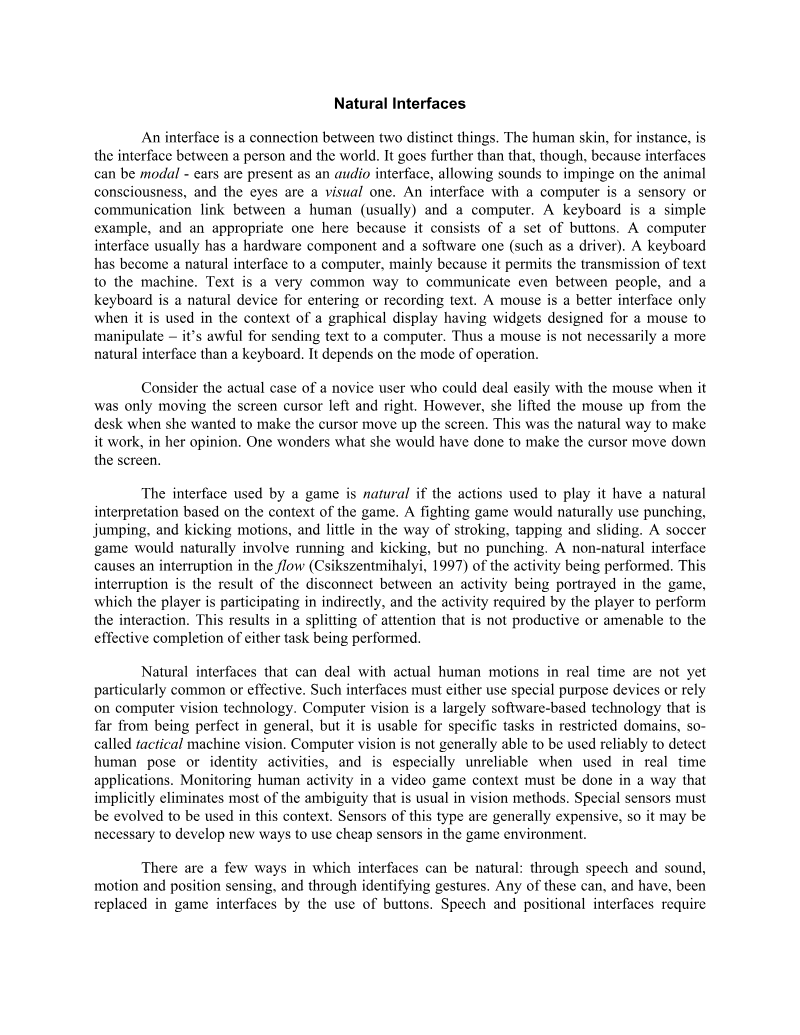
The push button has served as the primary interface for video games since the industry's inception, primarily due to its low cost and simplicity as an electrical switch.
- Traditional button-based interfaces create a cognitive disconnect by forcing players to memorize arbitrary mappings that lack logical connections to in-game actions.
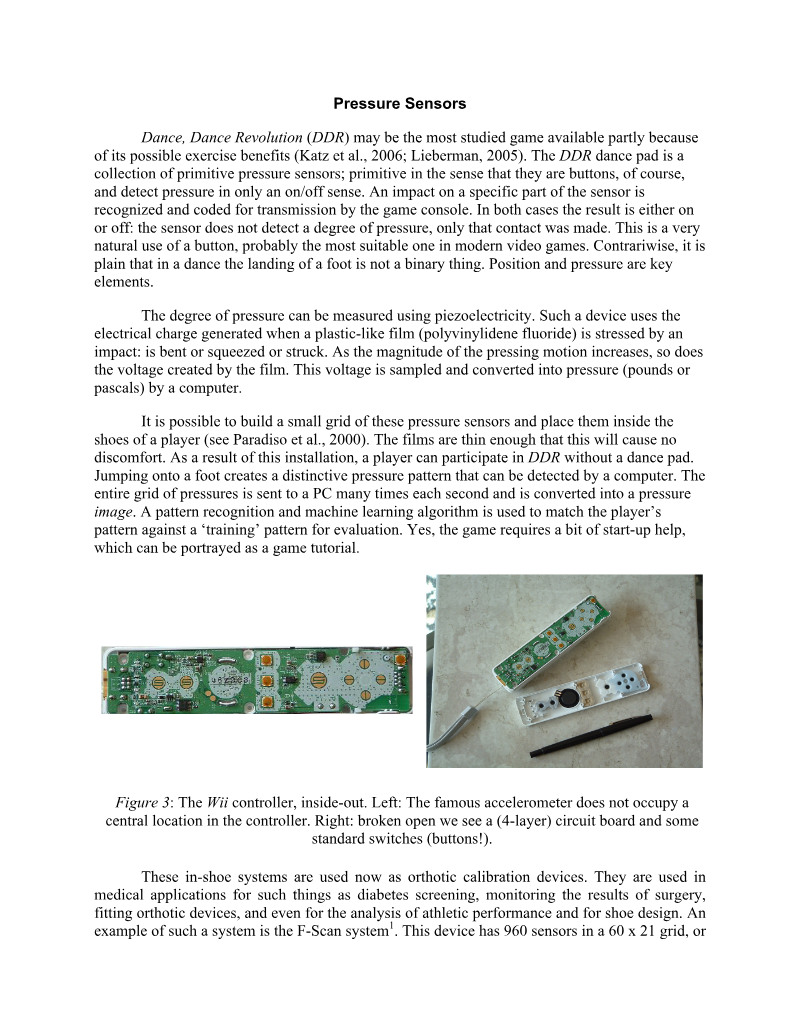
- The industry is shifting toward natural interfaces that utilize software-intensive technologies like speech recognition, gesture tracking, and pressure sensing to mirror real-world human movement.
- Natural interfaces replace binary mechanical inputs with context-aware systems, using computer vision and accelerometers to translate physical actions like swinging or running directly into gameplay.
Guitar Hero: "Not Like Playing Guitar at All"?
The Guitar Hero franchise is often criticized for its lack of simulational fidelity compared to playing a real guitar.
- Guitar Hero functions as a valid simulation by prioritizing breadth of musical experience over the deep technical accuracy required for real instrument mastery.
- The game’s interface uses a five-button controller to represent melodic and harmonic structures as a system of differential pitch intervals, making music accessible to non-musicians.
- Simulation in gaming can be achieved through two distinct strategies: modeling a wide range of experience facets or focusing on a few parameters with high precision.
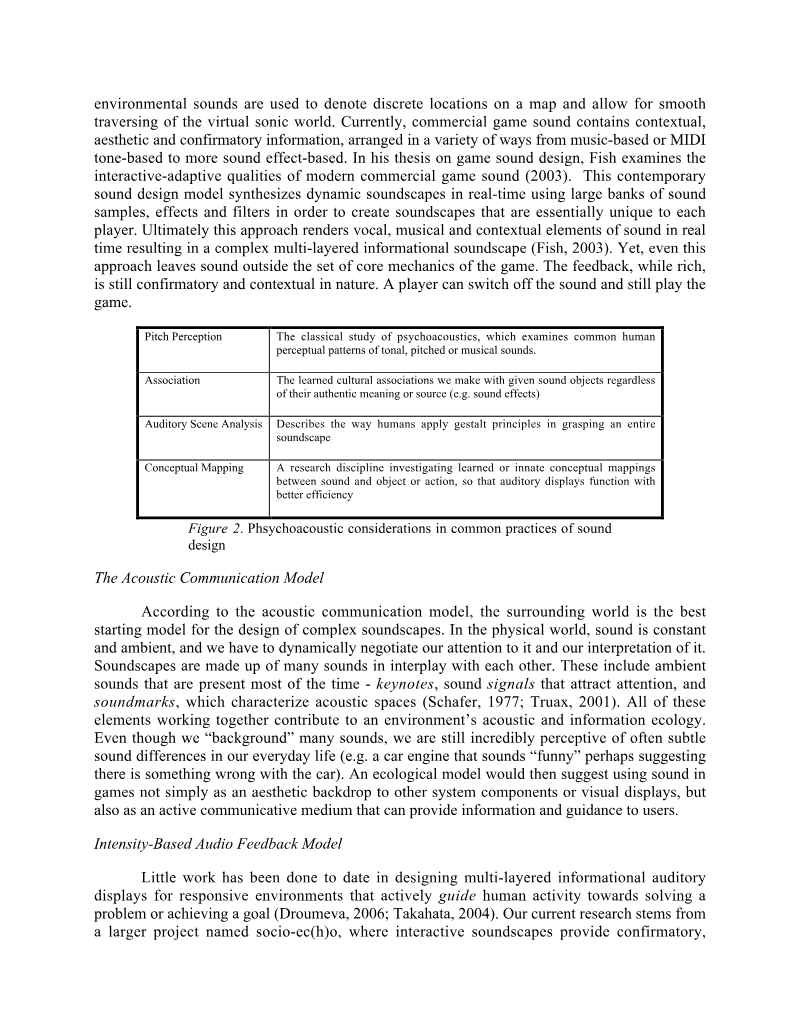
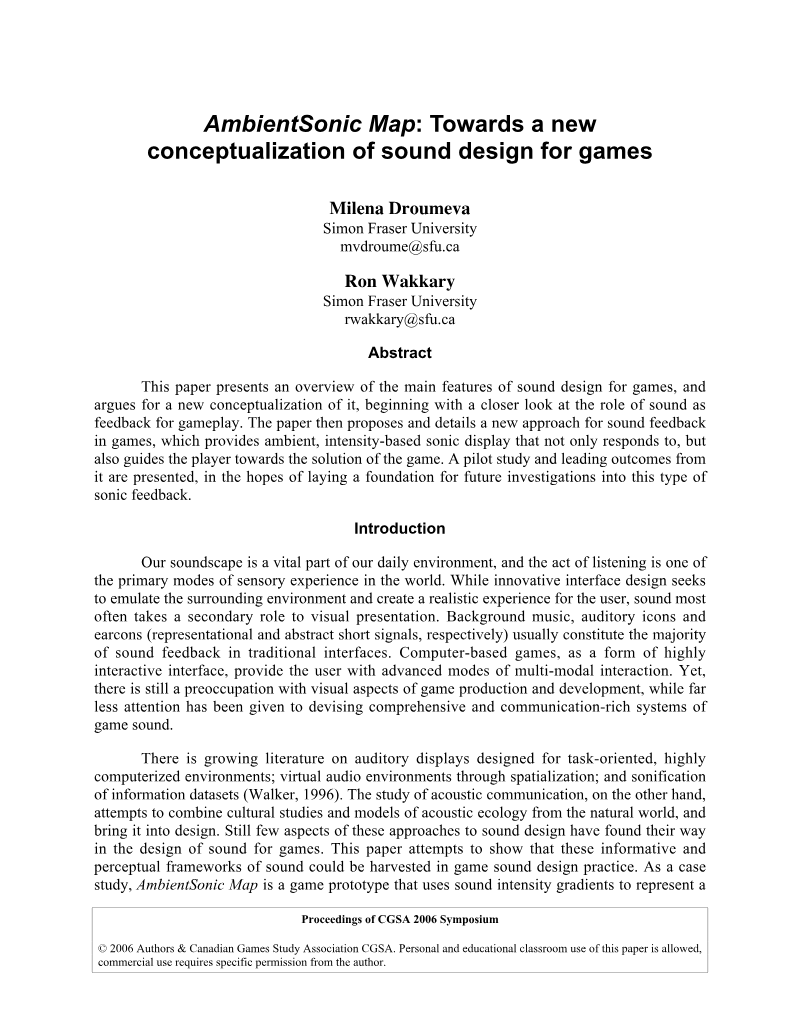
AmbientSonic Map: Towards a New Conceptualization of Sound Design for Games
Traditional game sound design frequently relegates audio to a secondary, aesthetic role, relying on event-triggered cues that support rather than drive gameplay.
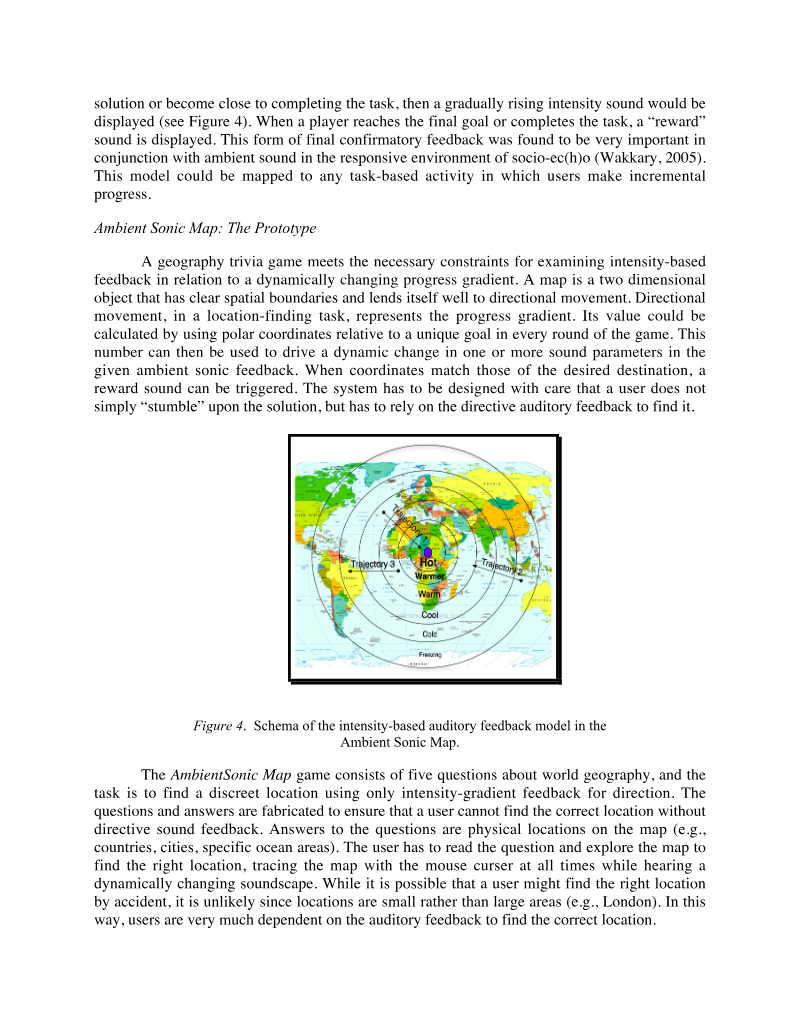
- Game audio should shift from passive, event-triggered cues to an active, intensity-based navigational mechanic that guides player movement.
- The AmbientSonic Map prototype confirms that players intuitively use gradient auditory feedback to track progress toward objectives based on sound intensity.
- Linear intensity mapping is insufficient for final-stage proximity, requiring developers to implement high-contrast, dramatic sound shifts for better clarity.
ARTcade: A Canadian Game Studies Association Symposium Vignette
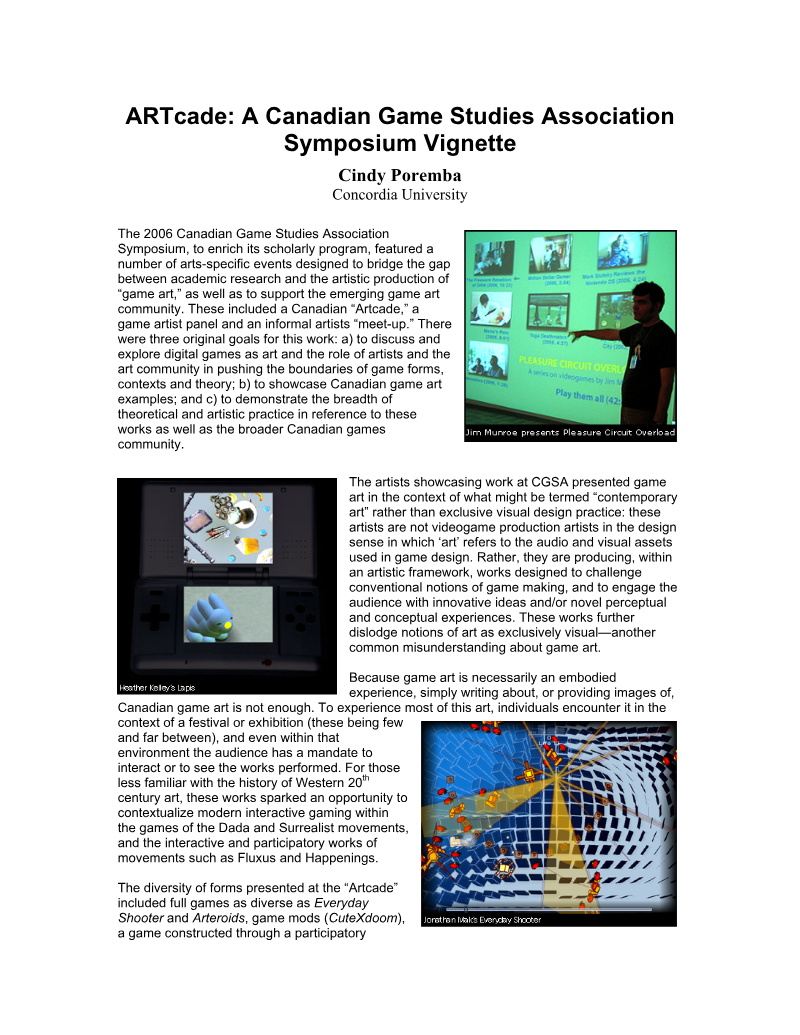
The 2006 Canadian Game Studies Association Symposium introduced a series of arts-focused events, collectively titled Artcade, to bridge the divide between academic game research and independent artistic production.
- The 2006 Canadian Game Studies Association Symposium launched 'Artcade' to integrate independent artistic game production with academic research, moving beyond traditional views of game art as mere assets.
- The initiative aimed to contextualize interactive digital works within 20th-century art movements, specifically citing Dadaism, Surrealism, and Fluxus.
- Featured works included diverse formats such as full games, mods, hardware prototypes, live performances, and machinima, with specific examples including 'Everyday Shooter' and 'CuteXdoom'.
Never Playing Alone: The Social Contextures of Digital Gaming
Digital gaming functions as an inherently social phenomenon, fundamentally challenging the persistent myth of the isolated player seeking solitary vicarious thrills.
- Digital gaming is an inherently social phenomenon that functions through complex social dependencies, debunking the myth of the isolated player.
- All digital play should be analyzed through a multiplayer lens, as even solo gaming experiences are embedded within broader material and interpersonal environments.
- The gaming experience is significantly influenced by the presence of others, including non-playing spectators, who impact a player's ability to maintain virtual immersion.
Continuity and Discontinuity: An Experiment in Comparing Narratives Across Media
Mythopoetic narratives, such as those found in The Lord of the Rings and Star Wars, undergo significant structural transformations when adapted from literature and film into digital games.
- Digital games transform mythic narratives by replacing the abstraction and mystery of traditional media with high-definition, rule-based systems.
- The transition from passive observation to active participation requires players to inhabit a simulated environment rather than simply viewing a story.
- Game engines function as 'Secondary Realities' that prioritize spatial storytelling and player agency over the narrative ambiguity found in literature or film.
I'm a Warrior, I'm a Monster: Shifting/Shaping Identity through Video Game Play
Video games function as dynamic, fluid environments where young adult males actively negotiate and construct their personal identities.
- Video games serve as active environments for identity construction where players negotiate the tension between their personal moral frameworks and the aggressive behaviors incentivized by gaming culture.
- Gaming spaces frequently function as platforms for projecting and reinforcing hegemonic masculine ideals, such as the pursuit of power, leadership, and professional dominance.
- Players experience internal conflict when their personal ideologies clash with the violent or exclusionary nature of the gaming environments they inhabit.
Machinima: Video Game as an Art Form?
Machinima, defined as the practice of creating animated films within real-time 3D game environments, represents a significant hybrid medium that bridges the gap between video games, digital cinema, and animation.
- Machinima transforms video games from interactive entertainment into digital art platforms by repurposing real-time 3D game engines for cinematic and narrative expression.
- The practice blurs the distinction between consumer and producer, enabling players to act as 'Machinimartists' who utilize commercial technology for creative rather than ludic purposes.
- Machinima has evolved from its origins in first-person shooter gameplay showcases into a sophisticated form of participatory culture centered on public performance and spectatorship.

A Reusable Scripting Engine for Automating Cinematics and Cut-Scenes in Video Games
The Reusable Scripting Engine addresses the disconnect between professional storytellers and game developers by providing a tool that automates the generation of cinematics and cut-scenes.
- The engine decouples narrative creation from technical programming by using a standardized XML-based format, allowing storytellers to define dialogue and stage directions without writing game code.
- The architecture consists of three core modules: a Director for production flow, a Script Reader for XML parsing and validation, and a Stage Manager for executing visual and audio performance.
- The system utilizes a customized implementation of Text Encoding Initiative (TEI) guidelines, incorporating specific hooks for game-ready assets like 3D models and audio files.
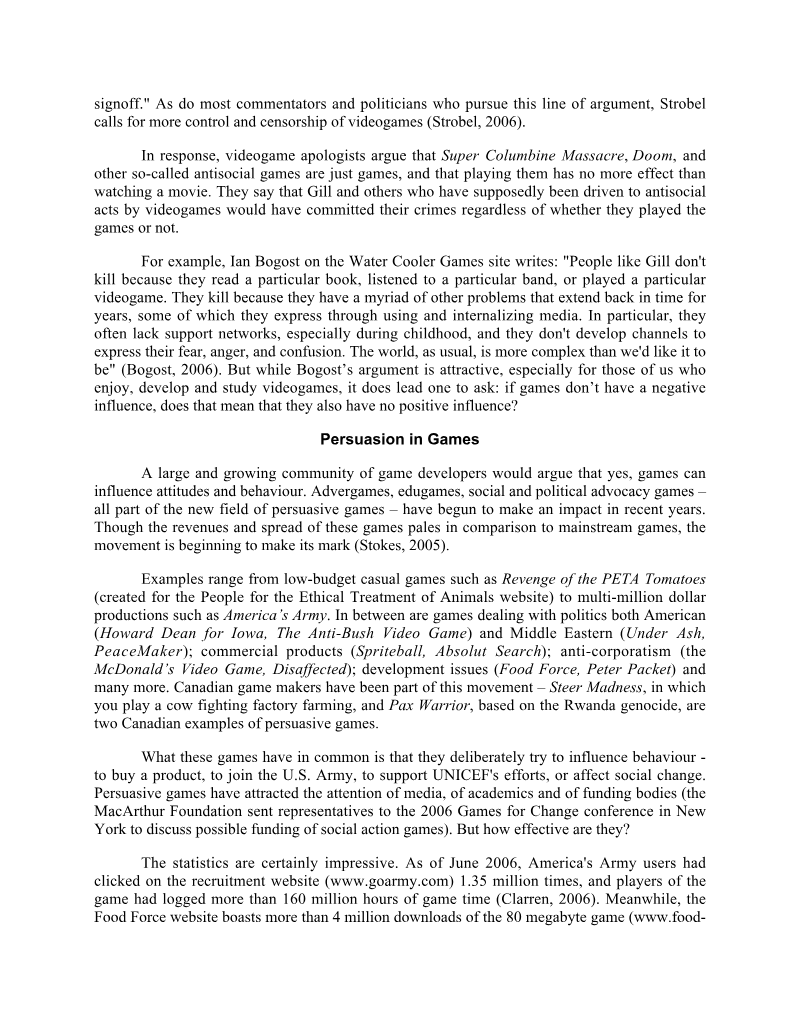
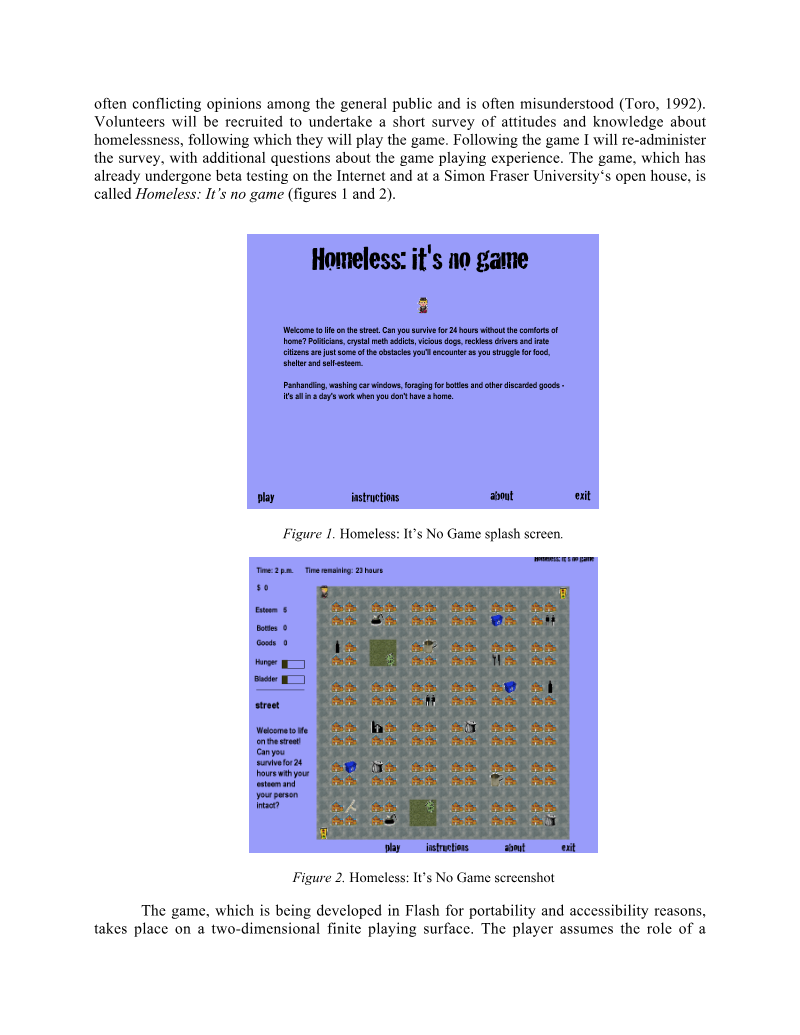
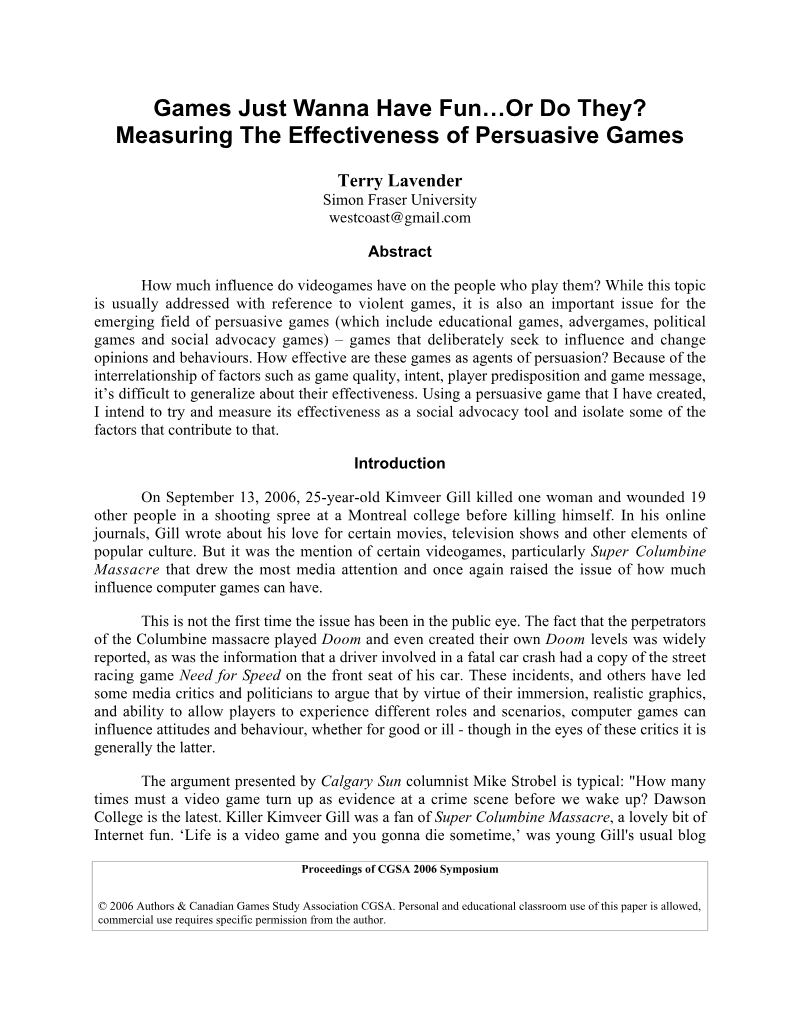
Games Just Wanna Have Fun…Or Do They? Measuring the Effectiveness of Persuasive Games
The effectiveness of persuasive games—digital titles designed to influence player attitudes, behaviors, or political beliefs—remains a complex and debated subject within the gaming industry.
- Persuasive games—designed to influence attitudes or behaviors—face a significant challenge in proving they cause genuine shifts in opinion rather than merely reinforcing the existing beliefs of sympathetic players.
- Quantitative metrics like download counts and website clicks are insufficient indicators of success, as they do not correlate with long-term behavioral change or meaningful shifts in public perception.
- High-profile titles such as America’s Army and Food Force have achieved millions of downloads and extensive engagement, yet their actual impact on social or political objectives remains difficult to quantify.