Key insights
6 slides
Active construction
Video games are active environments for identity construction.
Players negotiate the tension between their personal moral frameworks and the aggressive behaviors incentivized by gaming culture.
1 / 6
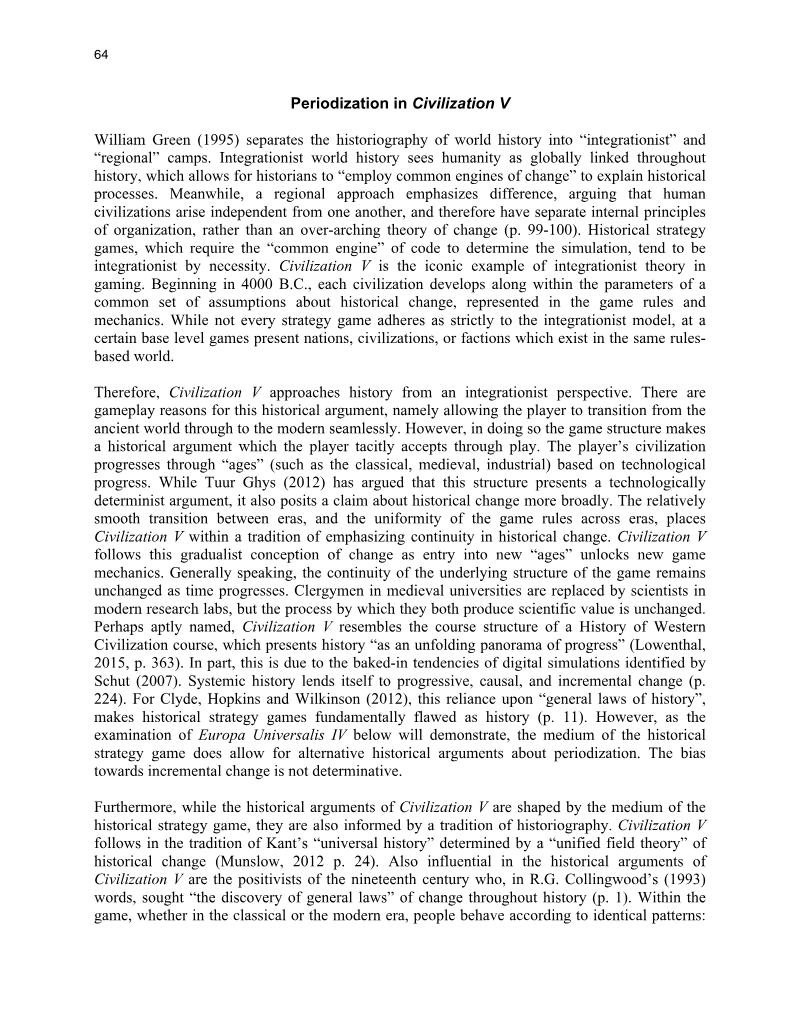
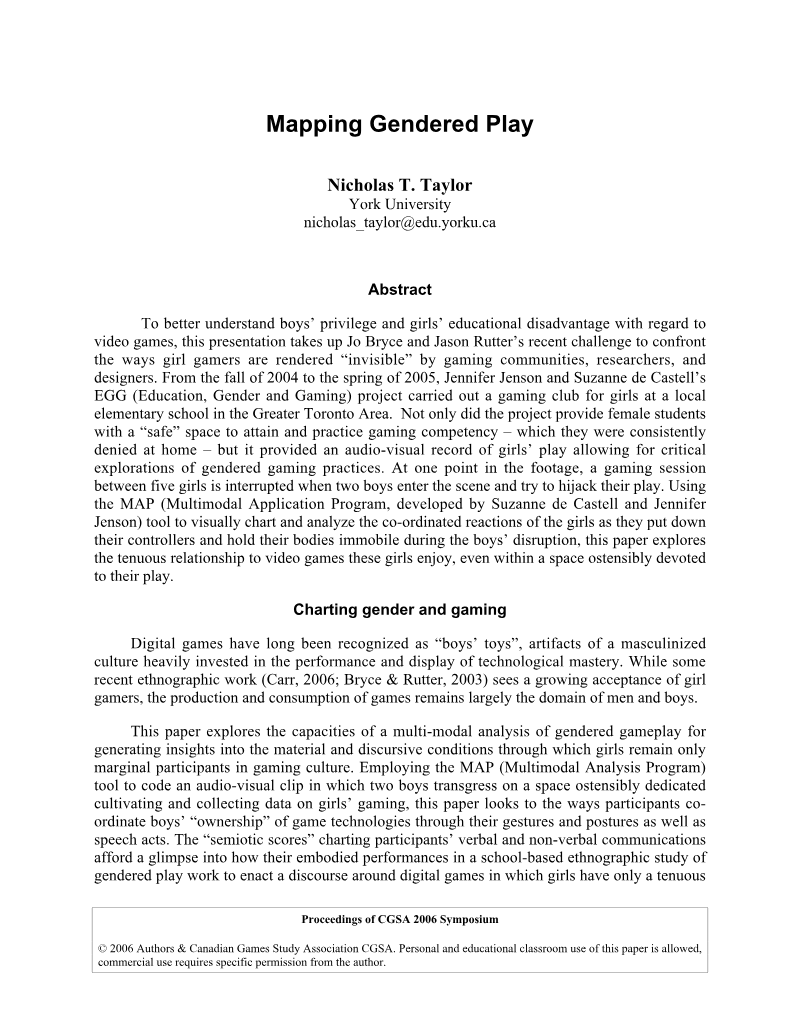
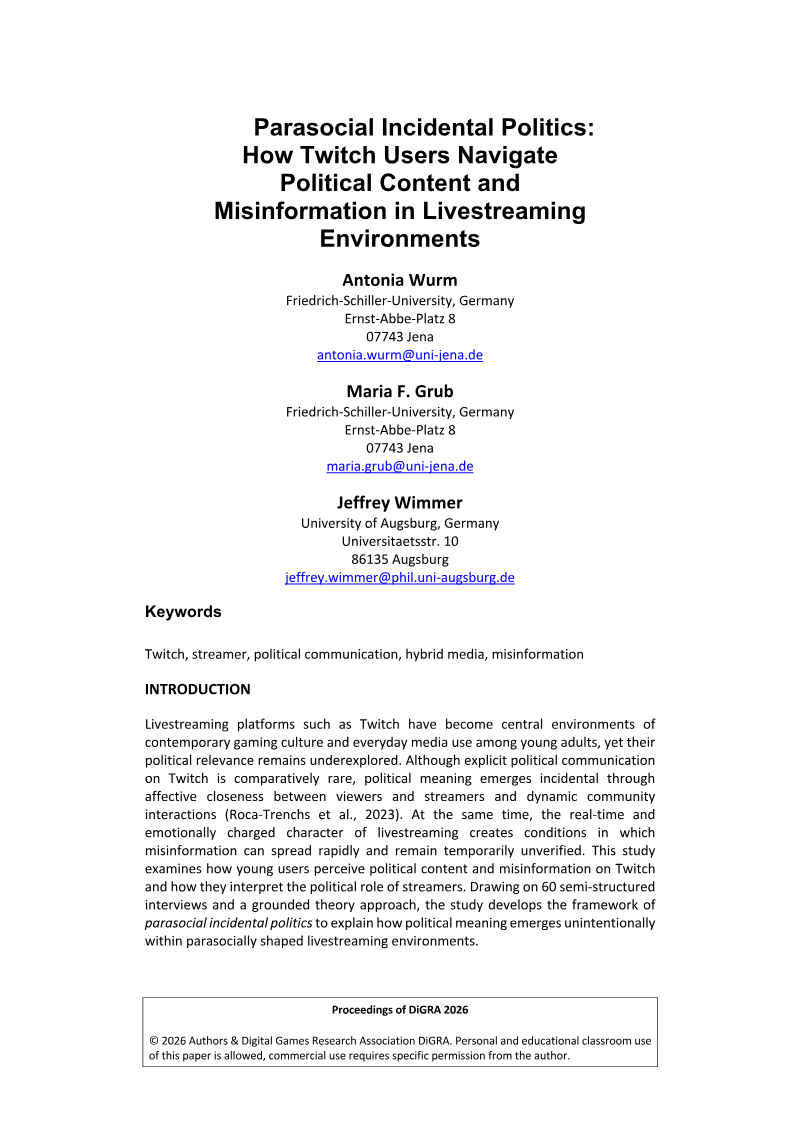
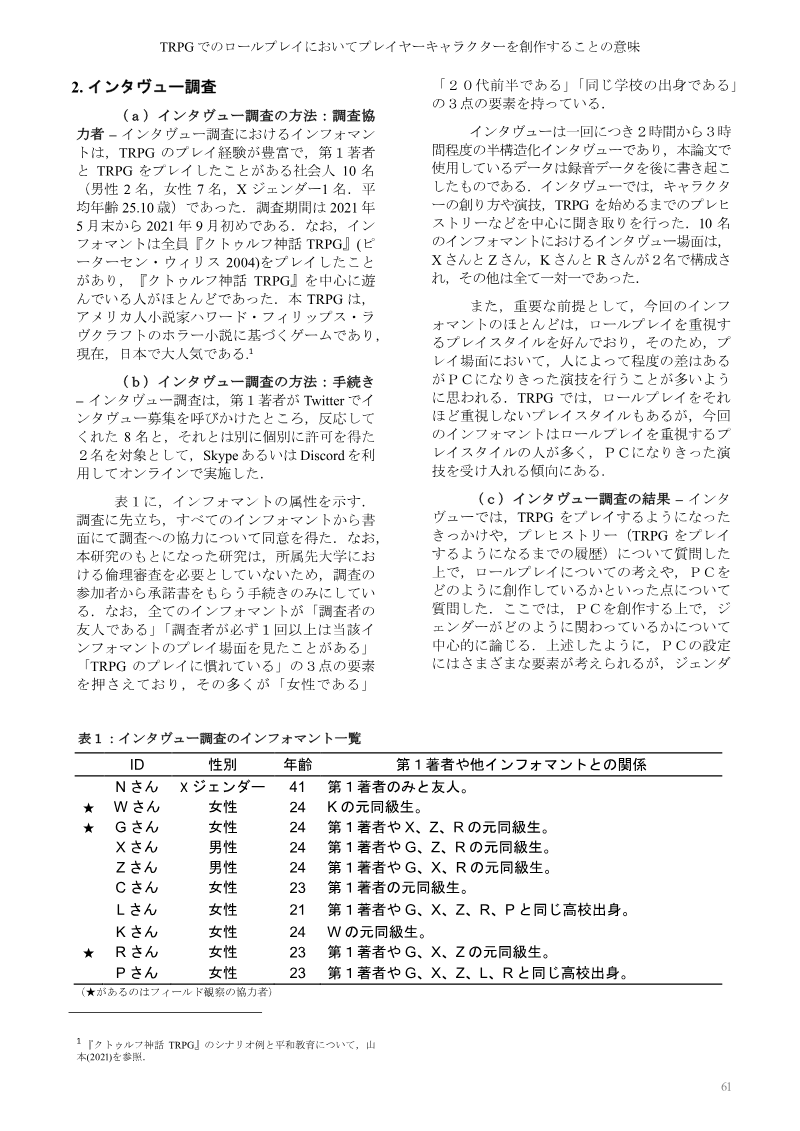
- 01Video games serve as active environments for identity construction where players negotiate the tension between their personal moral frameworks and the aggressive behaviors incentivized by gaming culture.See it on page 1
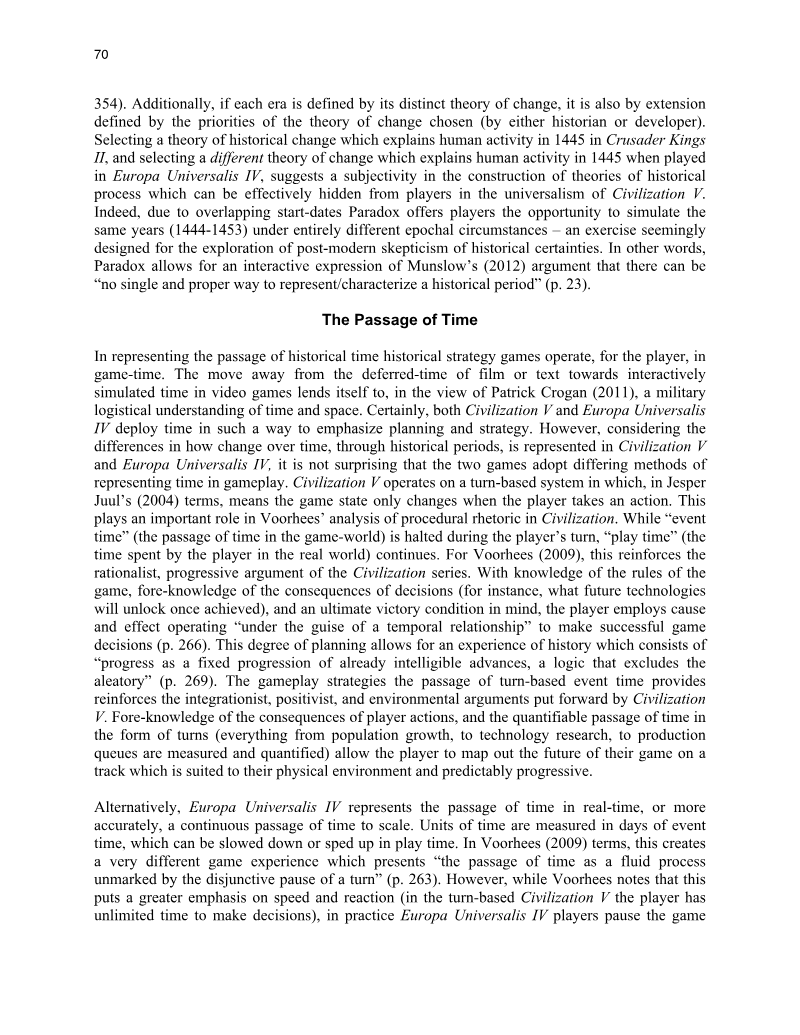
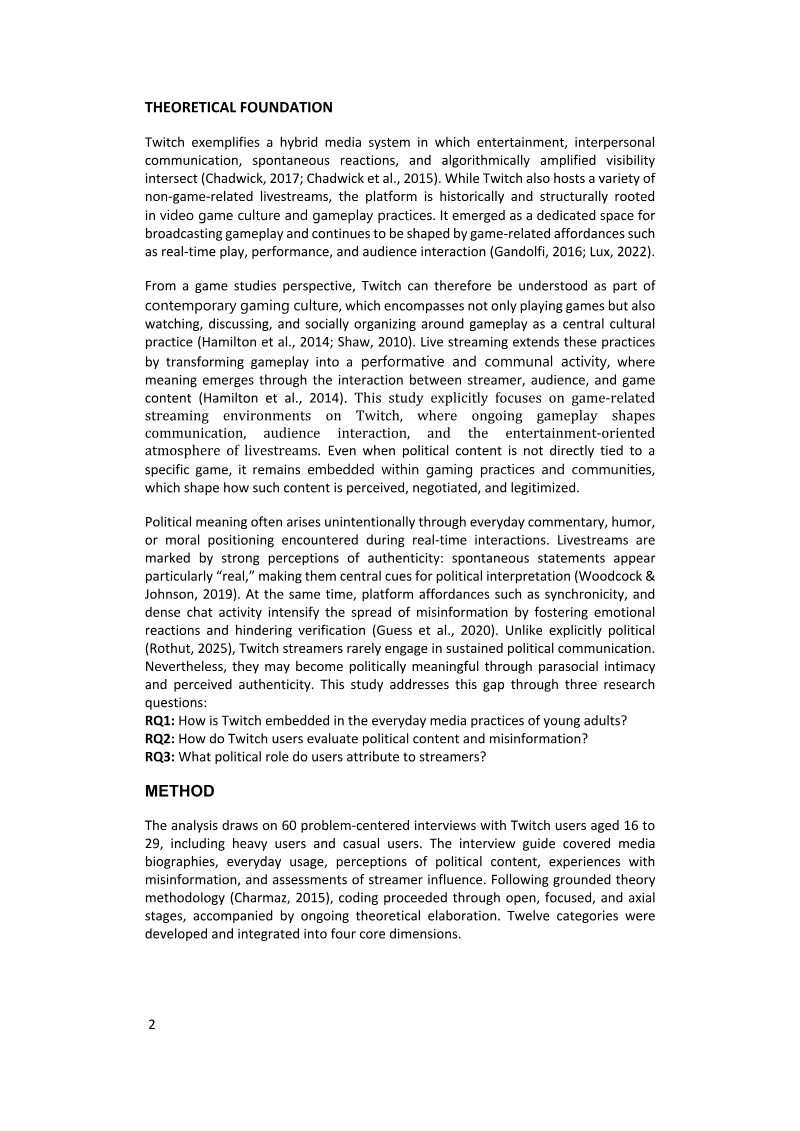
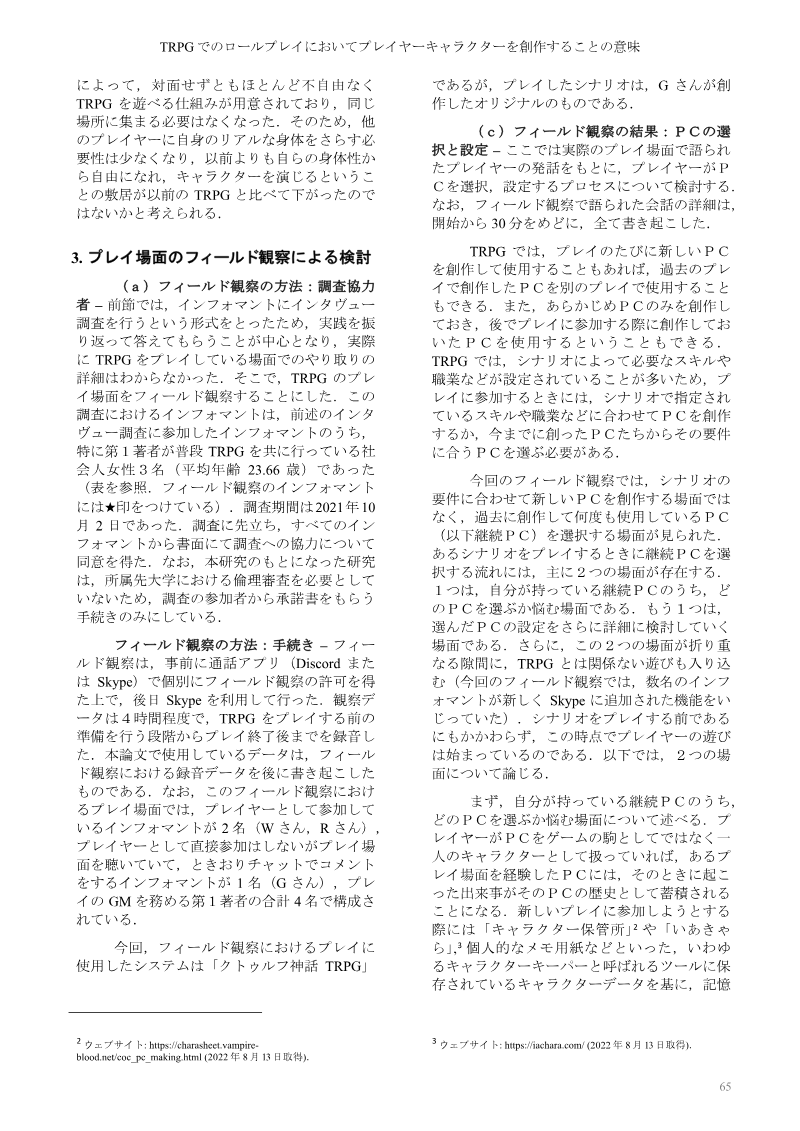
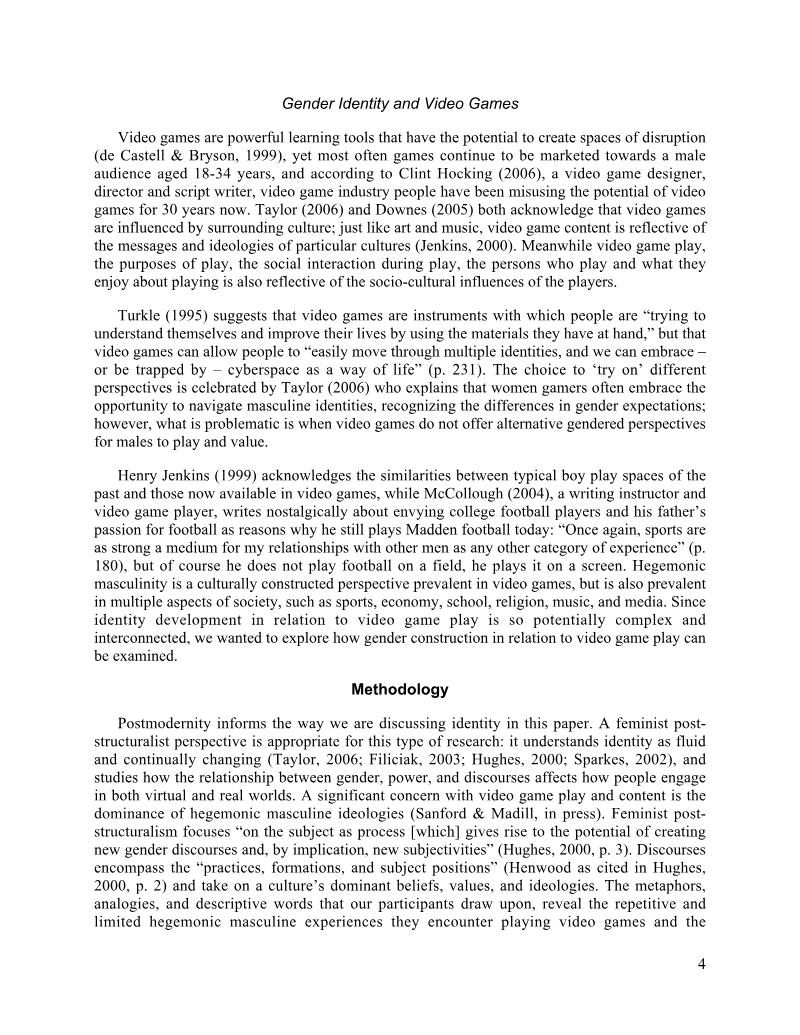
- 02Gaming spaces frequently function as platforms for projecting and reinforcing hegemonic masculine ideals, such as the pursuit of power, leadership, and professional dominance.See it on page 4
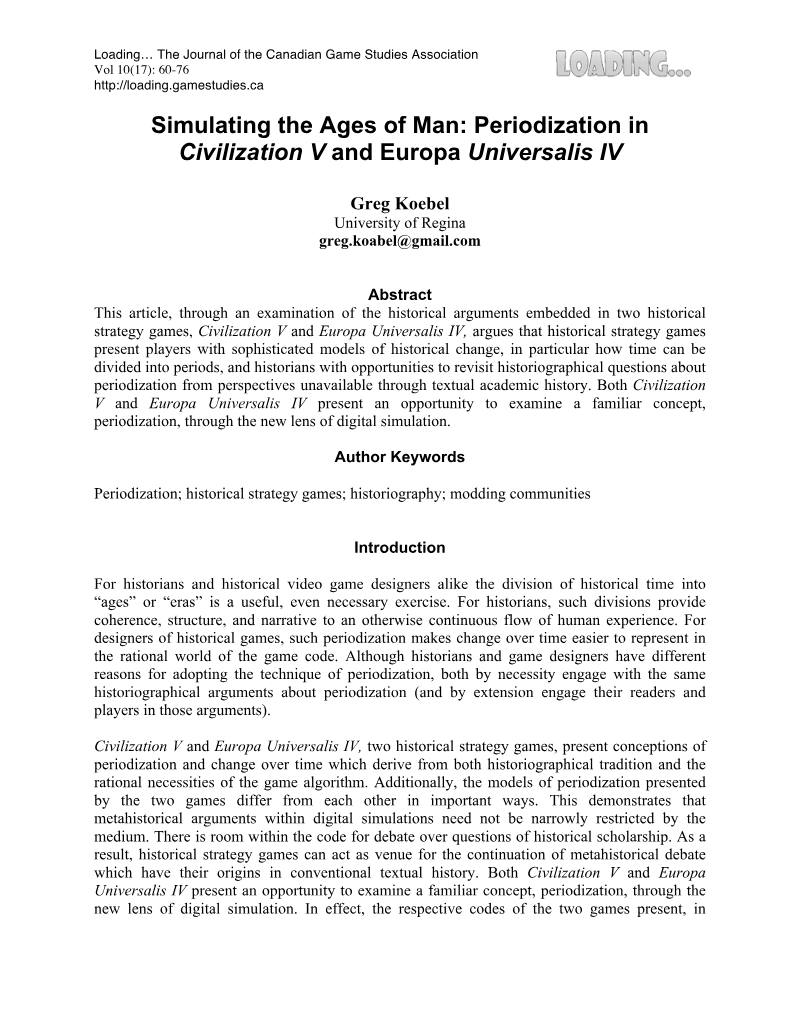
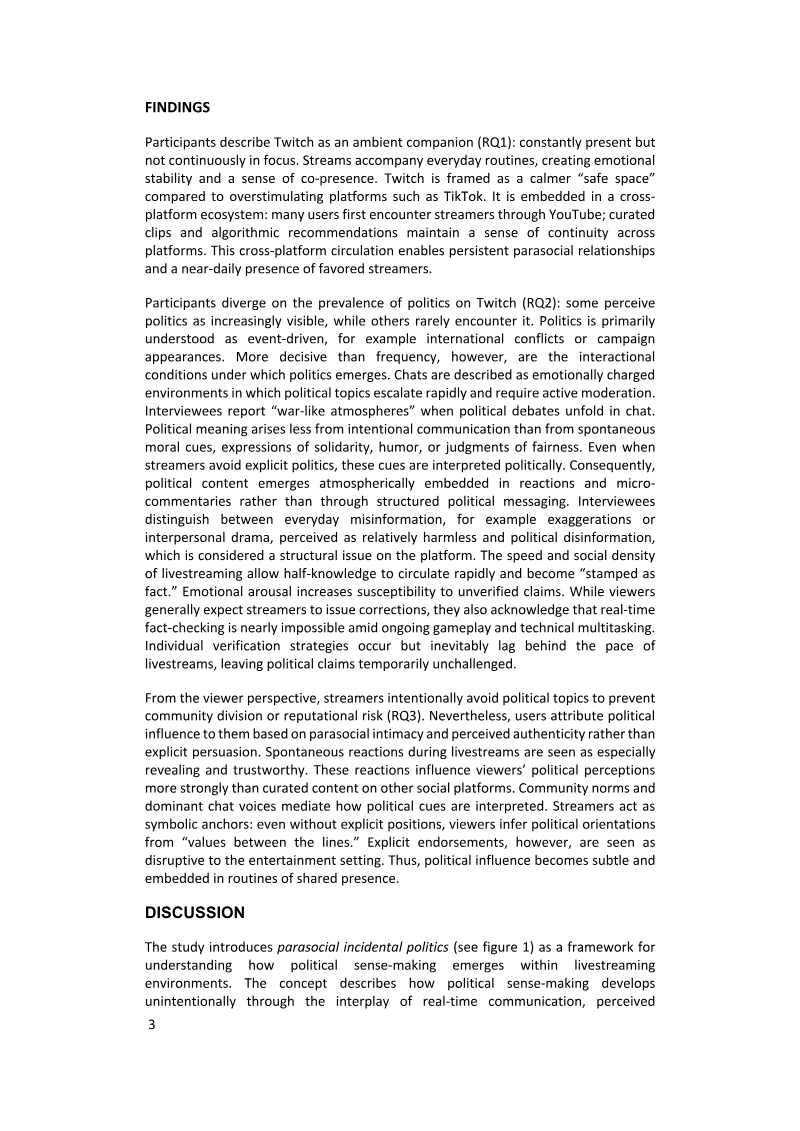
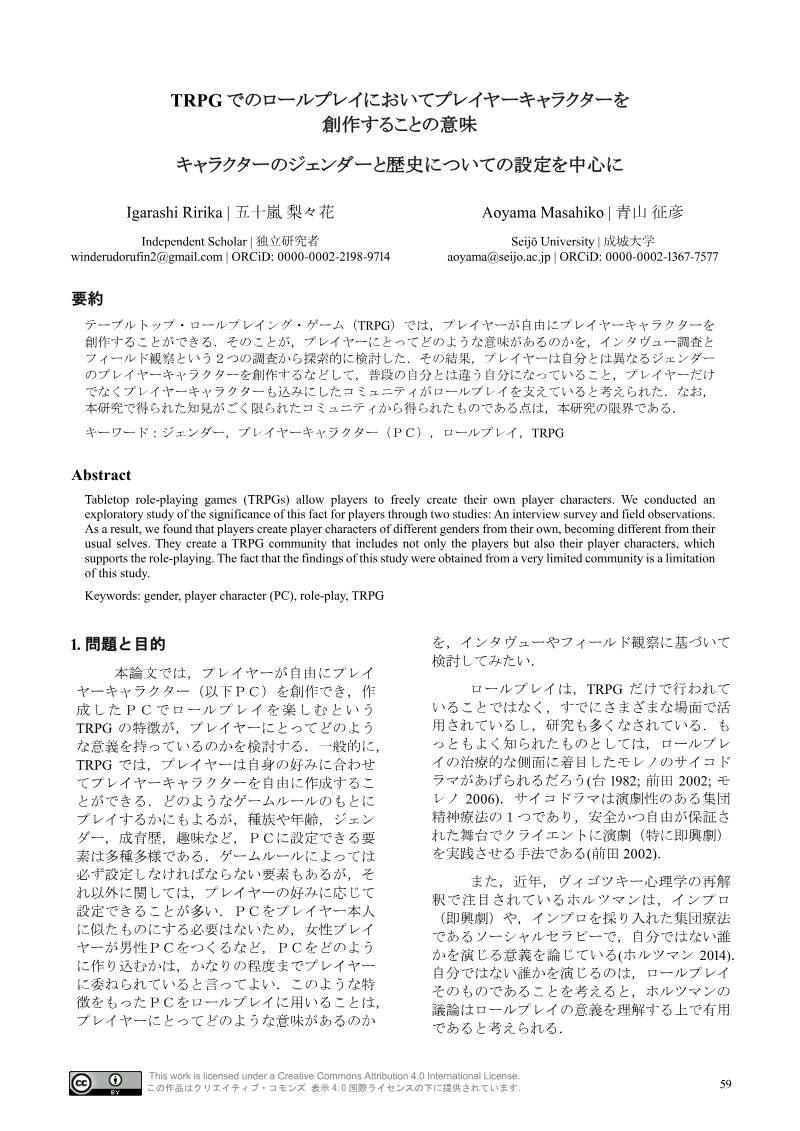
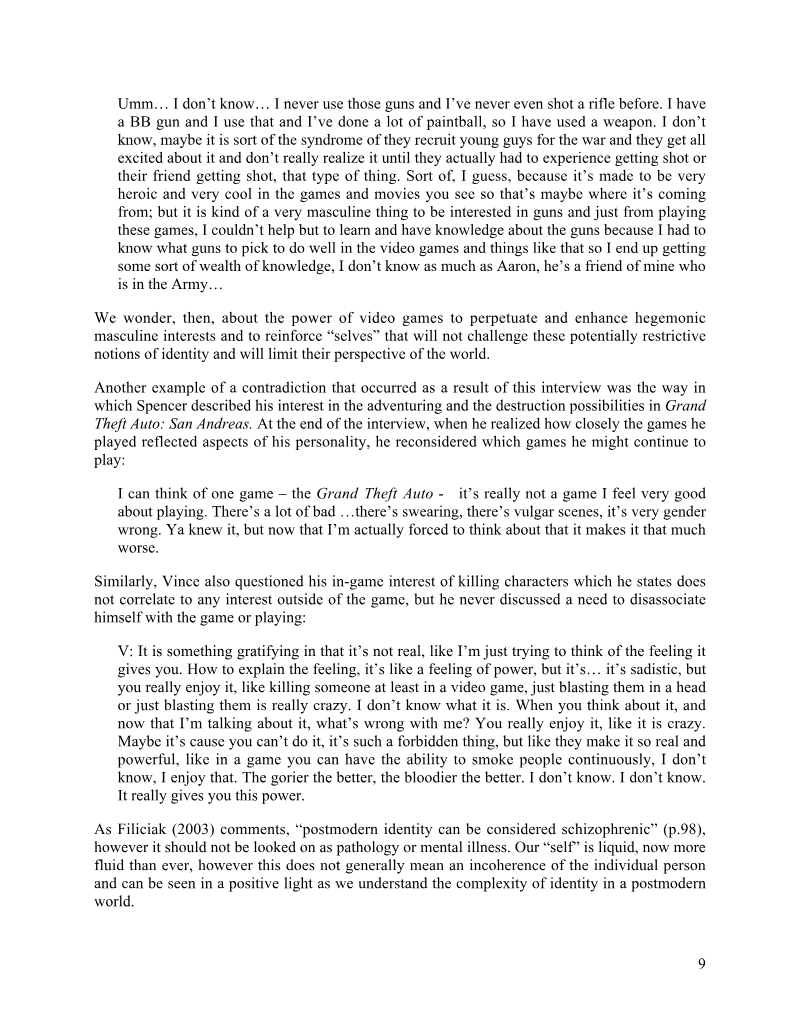
- 03Players experience internal conflict when their personal ideologies clash with the violent or exclusionary nature of the gaming environments they inhabit.See it on page 9
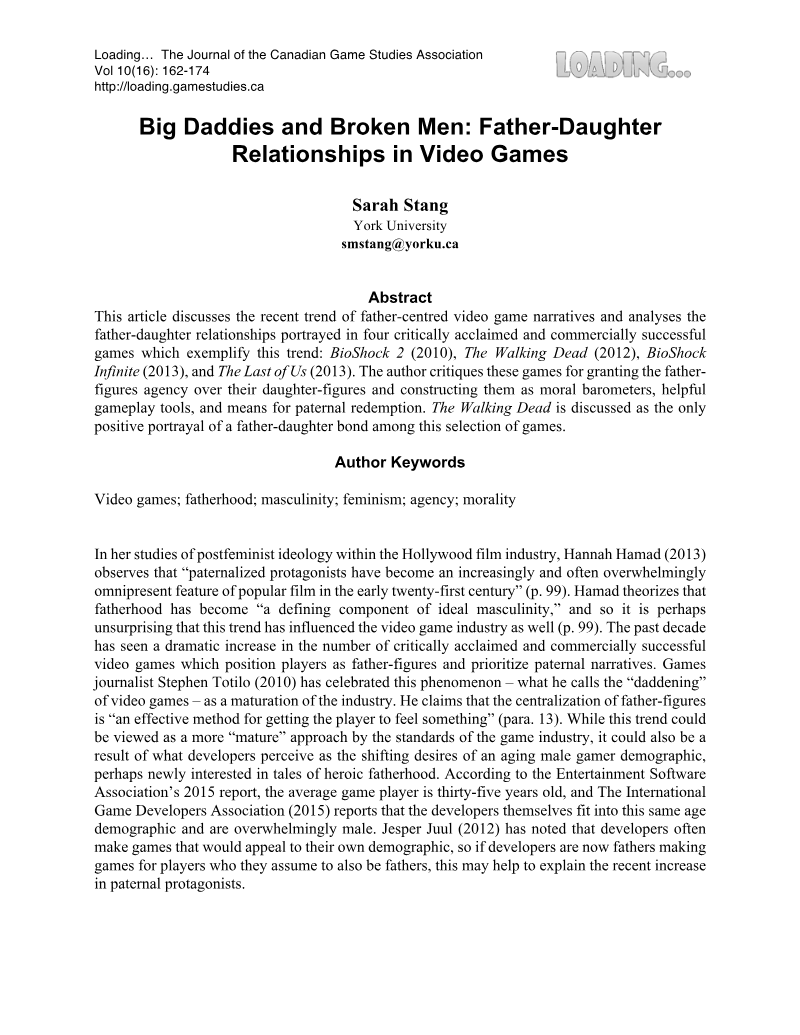
- 04Digital play acts as a mirror for real-world social pressures while simultaneously providing a unique, liquid medium for individuals to explore multiple and often conflicting versions of the self.See it on page 1
- 05The act of gaming is a critical site for the ongoing development and refinement of gendered identity, fundamentally informing how players perceive their roles in the wider world.See it on page 4
- 06Identity within the gaming landscape is a multifaceted construct shaped by the intersection of individual agency and broader societal expectations.See it on page 1
Ask AI about this report
Summary
Video games function as dynamic, fluid environments where young adult males actively negotiate and construct their personal identities. By applying a feminist poststructuralist lens to the experiences of players, it becomes clear that digital play is not merely a form of passive entertainment but a complex process of self-performance. Through the intersection of virtual gameplay and real-world social values, players navigate the tension between their internal moral frameworks and the aggressive, competitive behaviors often incentivized by dominant gaming culture.
The research highlights a significant interplay between hegemonic masculinity and digital interaction. Participants frequently utilize gaming spaces to project and reinforce traditional masculine ideals, including the pursuit of power, leadership, and professional dominance. However, this engagement often leads to internal contradictions, as players grapple with the incongruence between their personal ideologies and the violent or exclusionary nature of many gaming environments. These digital experiences act as a mirror for real-world social pressures, yet they simultaneously offer a space for individuals to explore multiple, sometimes conflicting, versions of the self.
Ultimately, identity within the gaming landscape is revealed to be a multifaceted construct, shaped by both individual agency and broader societal expectations. While video games often serve to solidify conventional masculine norms, they also provide a unique, liquid medium for identity formation that transcends traditional limitations. By observing these interactions, it is evident that the act of playing is a critical site for the ongoing development and refinement of gendered identity, illustrating how virtual experiences fundamentally inform the way players perceive themselves and their roles within the wider world.